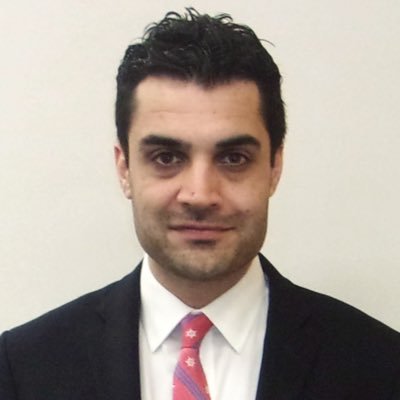
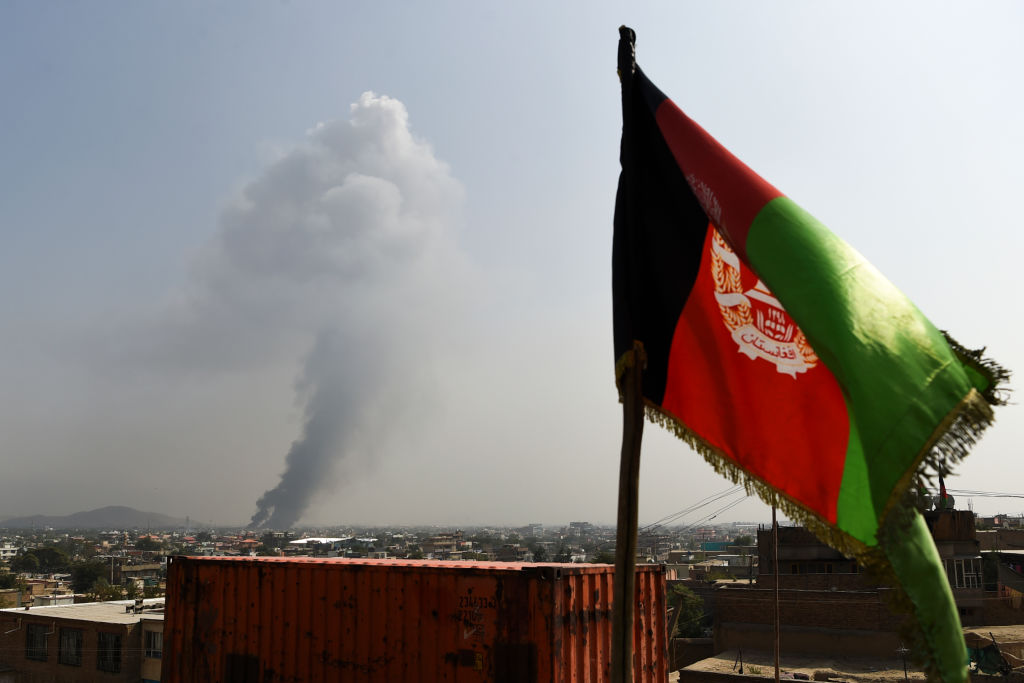
I was a teenage Afghan refugee in Pakistan’s tribal areas when the Twin Towers fell. Almost nobody around us understood the politics of what had happened, but we knew that something had changed for good. Afghanistan, which until then had been our private tragedy and our first exile from Taliban rule, had suddenly become the world’s concern, with the United States leading the response.
Russia’s Taliban Embrace Signals a New Power Shift in Afghanistan
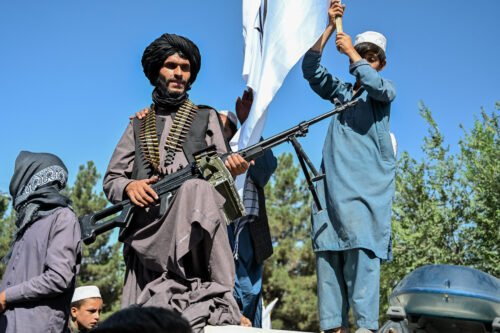
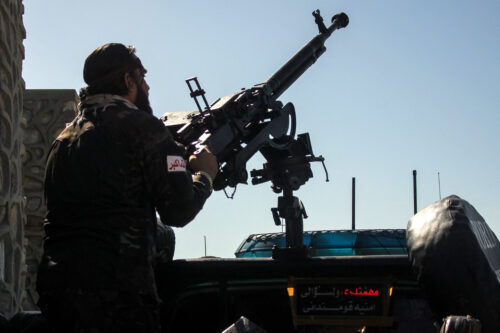
Sometimes the only thing more frightening than Afghanistan’s problems is the Taliban’s solutions and the recently signed Russia-Taliban military-technical agreement may be the most alarming one yet. The partnership signals that Afghanistan’s security architecture is being rebuilt without the United States, and increasingly by America’s rivals. Washington should pay close attention because the deal hands one of the world’s most repressive regimes a pathway to becoming more capable and deeply entrenched in a regional order where Russian influence is expanding at America’s expense.
The Pakistan-Afghanistan conflict: A strategic concern for the US
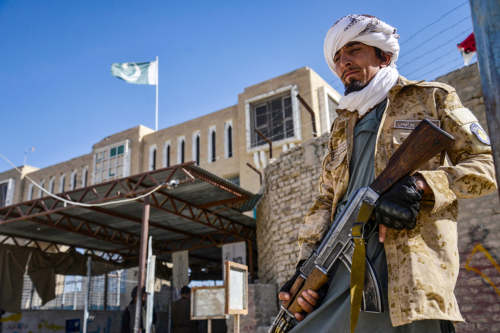
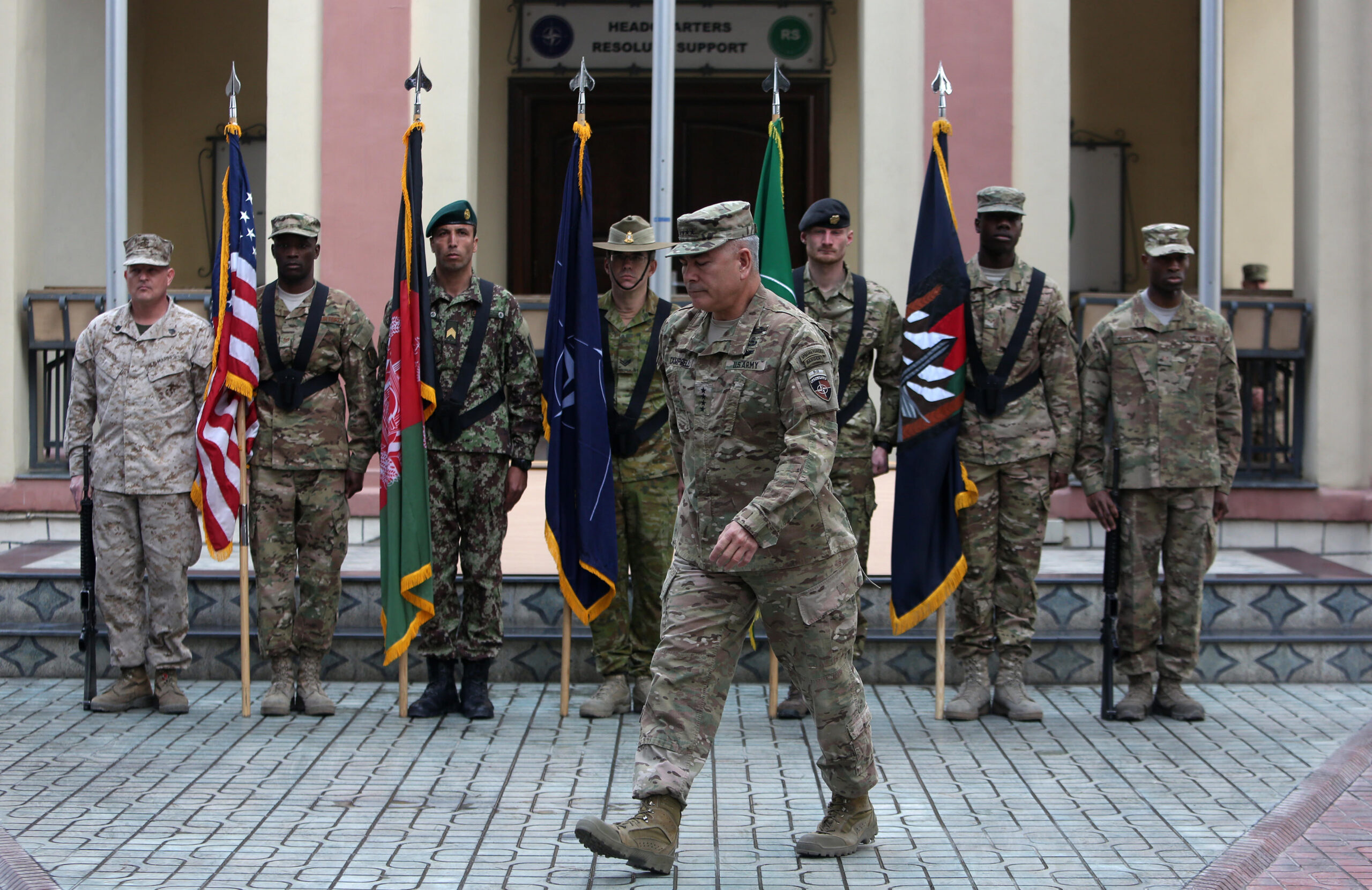
Pakistan’s relationship with the Afghan Taliban has shifted from open sponsorship in the 1990s to a silent partnership following 2001 to alienation and belligerence since 2021. Their current conflict, which comes at great cost to both countries and seems to have no easy military or political resolution, also poses a threat to the stability and prosperity of neighboring states. Although American strategic interests in the region greatly diminished following the United States’ military withdrawal from Afghanistan in August 2021, the region’s altered political dynamics have prompted a growing American engagement with Pakistan and tentatively with Afghanistan. At the same time, the US has become a factor in how both Islamabad and Kabul have come to form their national security strategies.
Pakistan’s anti-government protests put Khan in a bind
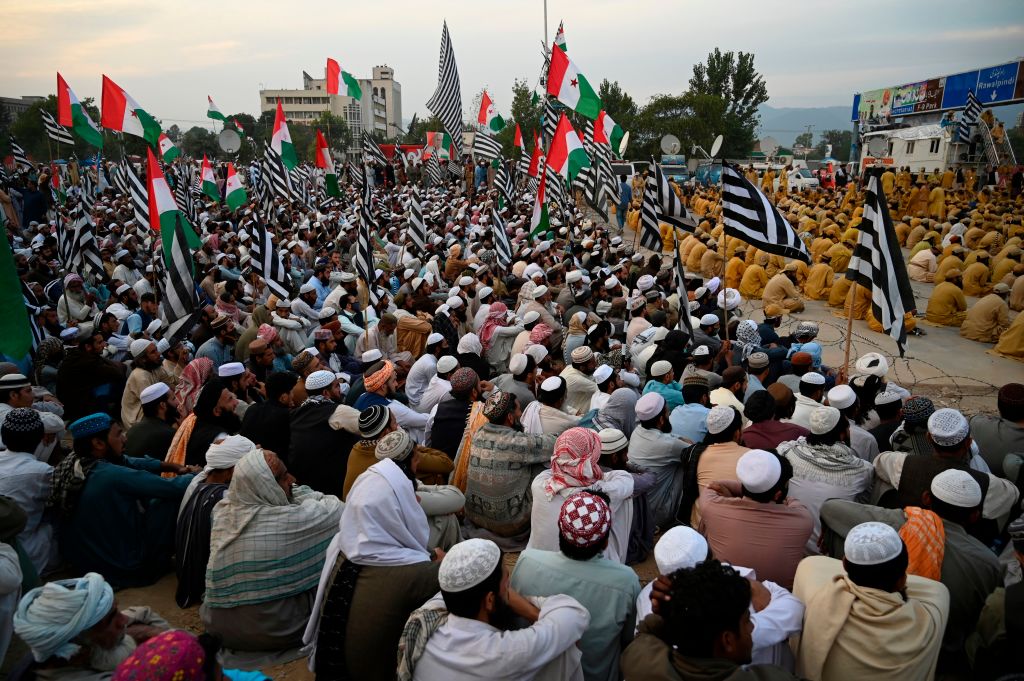
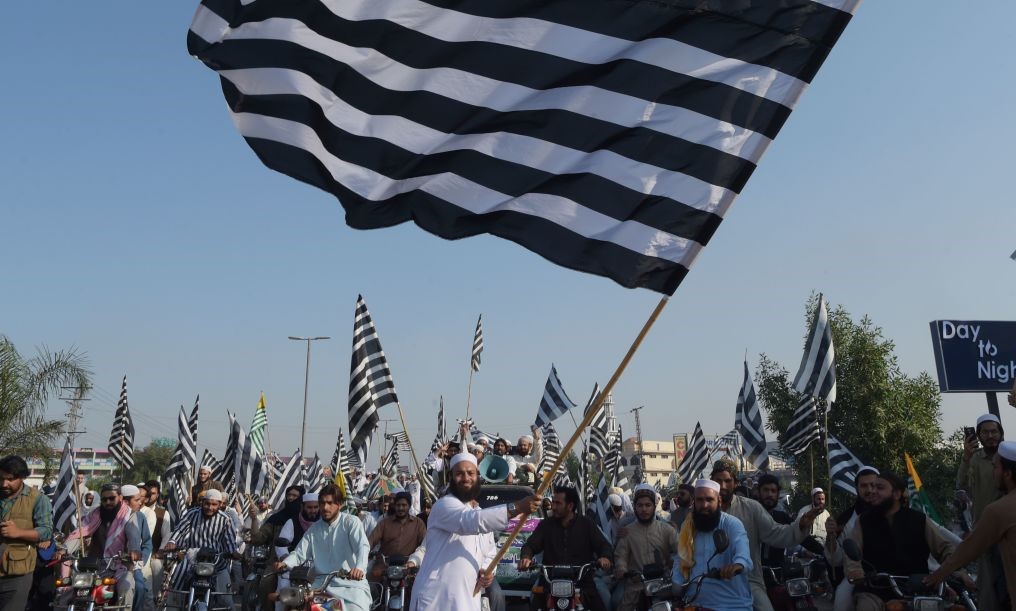
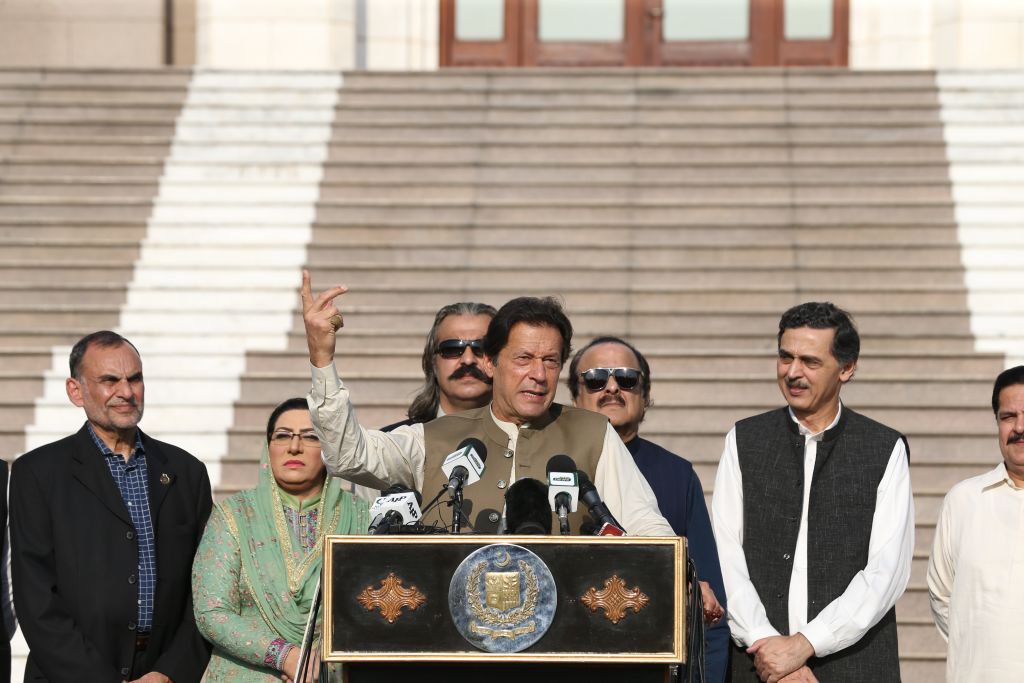
Pakistan’s capital, Islamabad, has been paralyzed in recent days by supporters of Maulana Fazlur Rehman and his Jamiat-Ulema-e-Islam (JUI-F), a well-entrenched Islamist party. The protestors are seeking the resignation of the military-backed Prime Minister Imran Khan and fresh elections, and the demonstration has emerged as an existential problem for Khan.
Once again, an elected Pakistani government is being pressed to resign
While there is probably zero chance Prime Minister Khan will step down, efforts will persist in trying to delegitimize those in power because this is what Pakistan’s opposition parties seem best programmed to do.
The US eyes the exit as Afghan election results are once again delayed
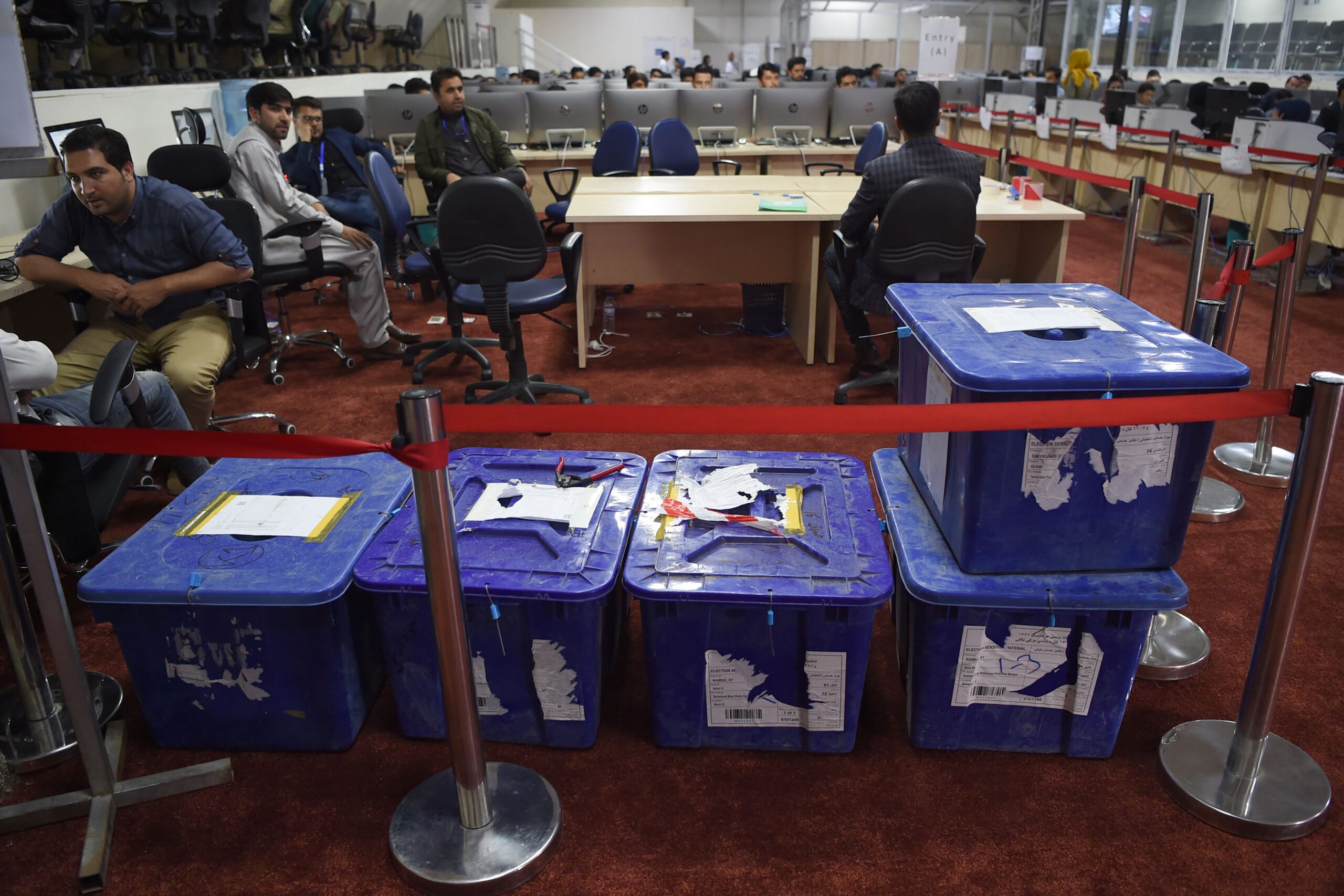
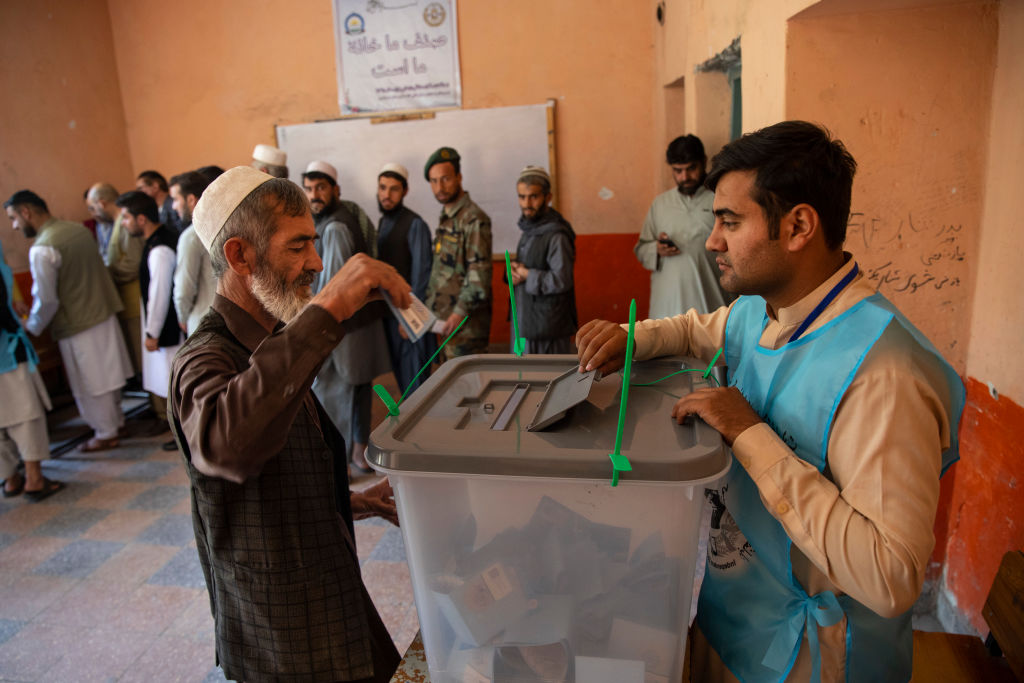
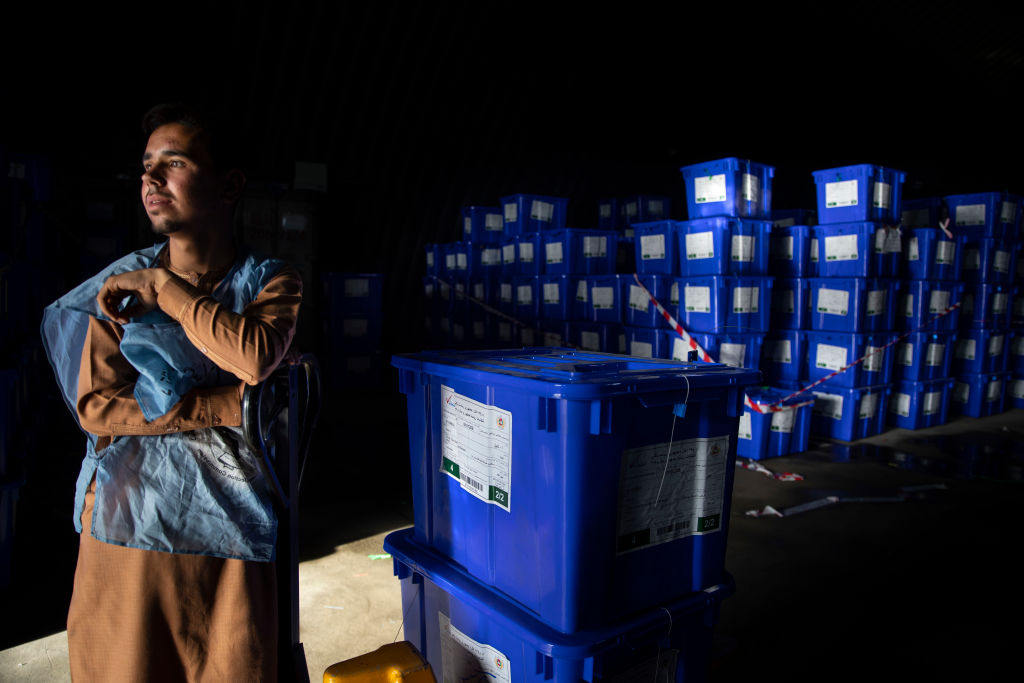
In a move that surprised no one, on Oct. 19 the Afghan election commission said it was unable to announce the preliminary results of the Sept. 28 presidential election as planned, due to delays in processing biometric data. Held amid political uncertainty, terrorist violence, and general skepticism, the September election was the fourth presidential contest in Afghanistan since 2001, when the brutal Taliban regime was toppled in the wake of the Sept. 11 terror attacks on the United States.
Balochistan: From the periphery to the center of attention
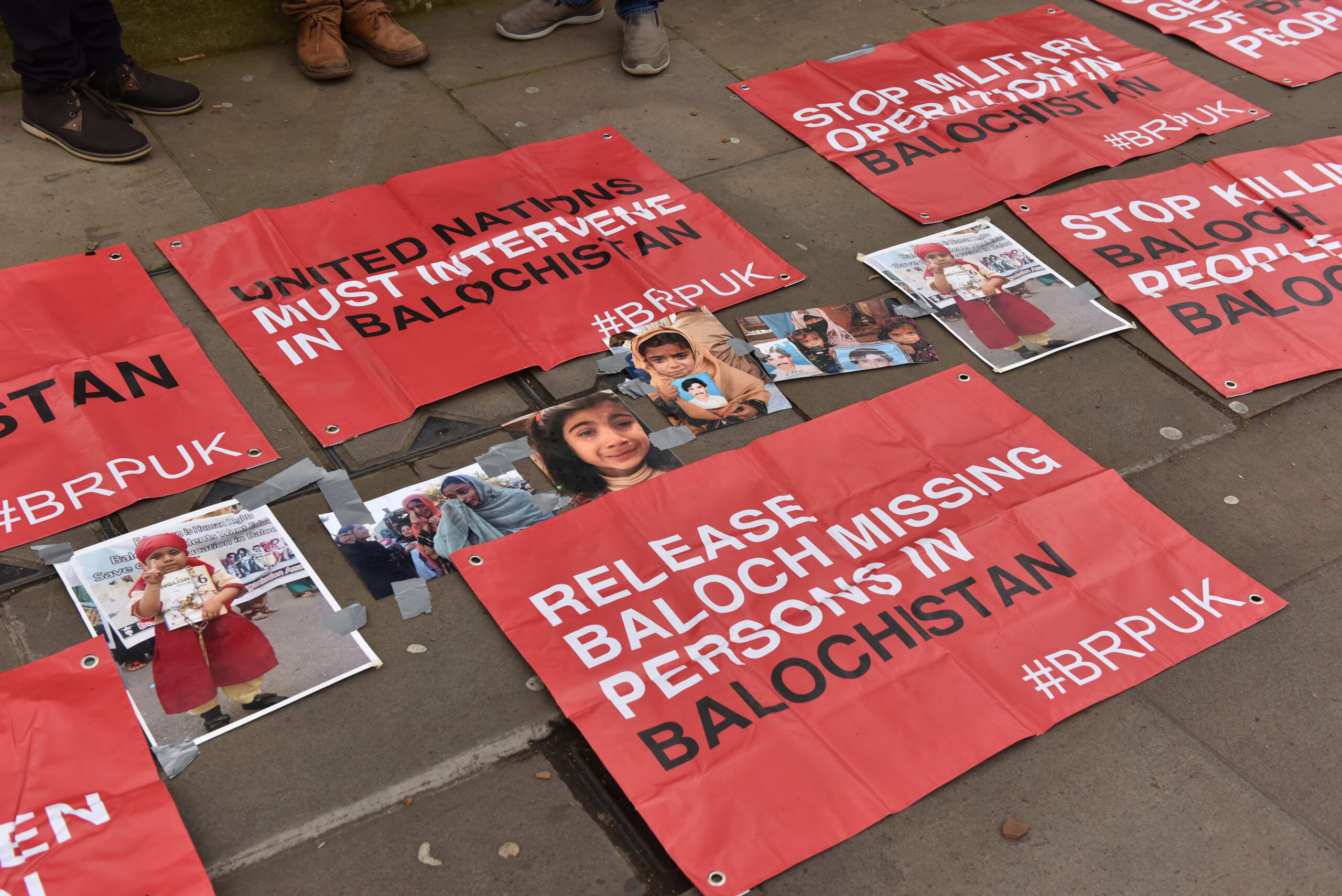
With an estimated $1 trillion in natural resources and sitting astride an international crossroads of increasingly critical importance, Balochistan is becoming a stage on which the world’s powers are playing out their ambitions. China, the U.S., and India have all formulated Balochistan policies in the past few years, hoping to utilize the region to achieve wider international goals — and the three countries across which Balochistan is divided, Pakistan, Afghanistan, and Iran, have been eager to use it as a bargaining chip for their own purposes.
Afghanistan may be headed for a post-election political impasse
Preliminary results from the Sept. 28 Afghan presidential election will not be announced for at least another week. Yet events are shaping up that could drive Afghanistan into a political impasse similar to what the country faced in its last presidential election.
What’s next after the sudden death of the Afghan peace process?
In the end, it all fell apart rather quickly. Instead of a long-awaited announcement about the details of a U.S.-Afghan Taliban peace deal, on Sept. 7 President Donald Trump tweeted that the talks were off, adding shortly afterwards that the Afghan peace process was “dead.” Only days earlier, Washington’s special representative for Afghanistan, Zalmay Khalilzad, had announced a draft agreement had been reached after nine rounds of gruelling negotiations.
Pakistan’s tricky balancing act between Saudi Arabia and Iran
The Sept. 14 attack on Saudi Arabia’s Abqaiq oil processing plant has put Pakistan in a place it never wanted to be: possibly forced to choose between Saudi Arabia and Iran.
Monday Briefing: Middle East takes center stage at UNGA
This week’s briefing on recent news and upcoming events in the region featuring Gerald Feierstein, Alex Vatanka, Eran Etzion, Gonul Tol, Amal Kandeel, Marvin G. Weinbaum, Michael Sexton and Eliza Campbell.
This week’s briefing on recent news and upcoming events in the region featuring Marvin G. Weinbaum, Robert S. Ford, Fatima Abo Alasrar, Jean-François Seznec, Michael Sexton and Eliza Campbell.
US negotiations with the Taliban: The cases for hope and skepticism
Amb. Robin Raphel and MEI’s Marvin Weinbaum join guest host Jerry Feierstein to discuss the latest round of negotiations between the US and the Taliban and lay out their competing views on whether there is greater cause for optimism or pessimism as the US seeks to withdraw its troops after nearly twenty years in Afghanistan.
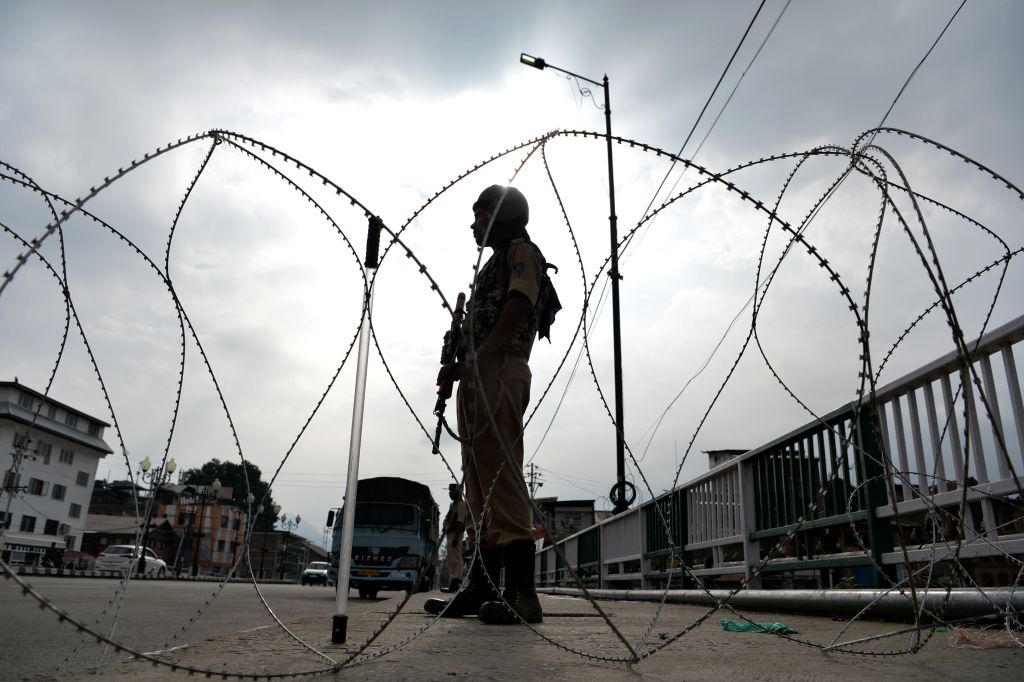
Pakistan on Kashmir: “They have colonized the territory”
MEI scholar Lawrence Pintak speaks to Sardar Masood Khan, the president of Pakistani-administered Kashmir, about India’s early August annexation of the semi-autonomous territory of Jammu and Kashmir.
MEI’s Taliban Leadership Tracker is a detailed database mapping 1,200 leaders and appointees wielding influence throughout the Taliban government. Produced and maintained by MEI Non-Resident Scholar Javid Ahmad, the database can be used to help identify individuals who wield various forms of influence, ones who may be receptive to dialogue and collaboration, as well as those involved in rights violations, abuses, or criminal and terrorist activities.