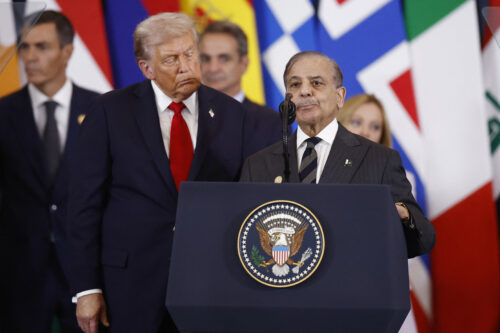
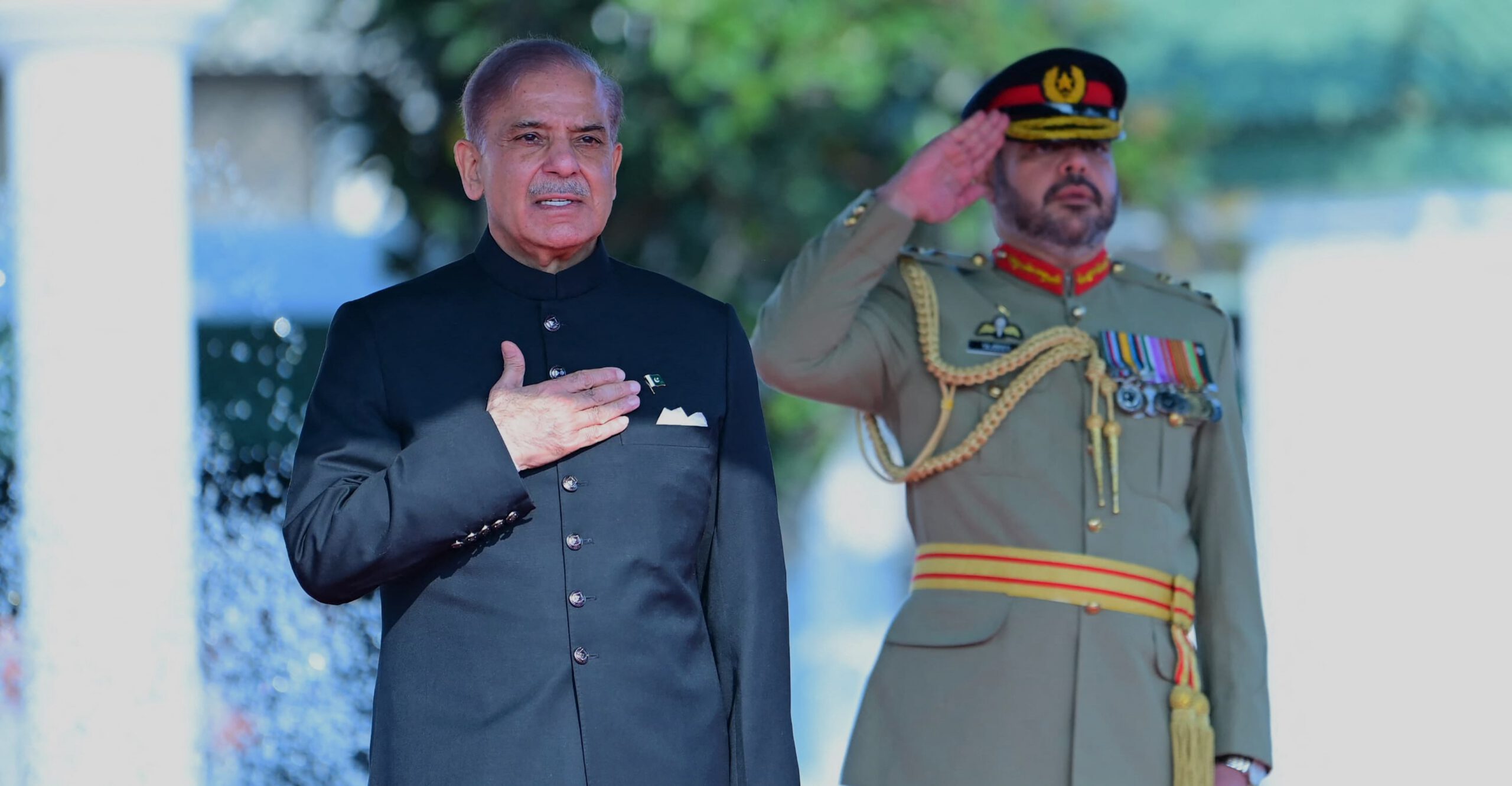
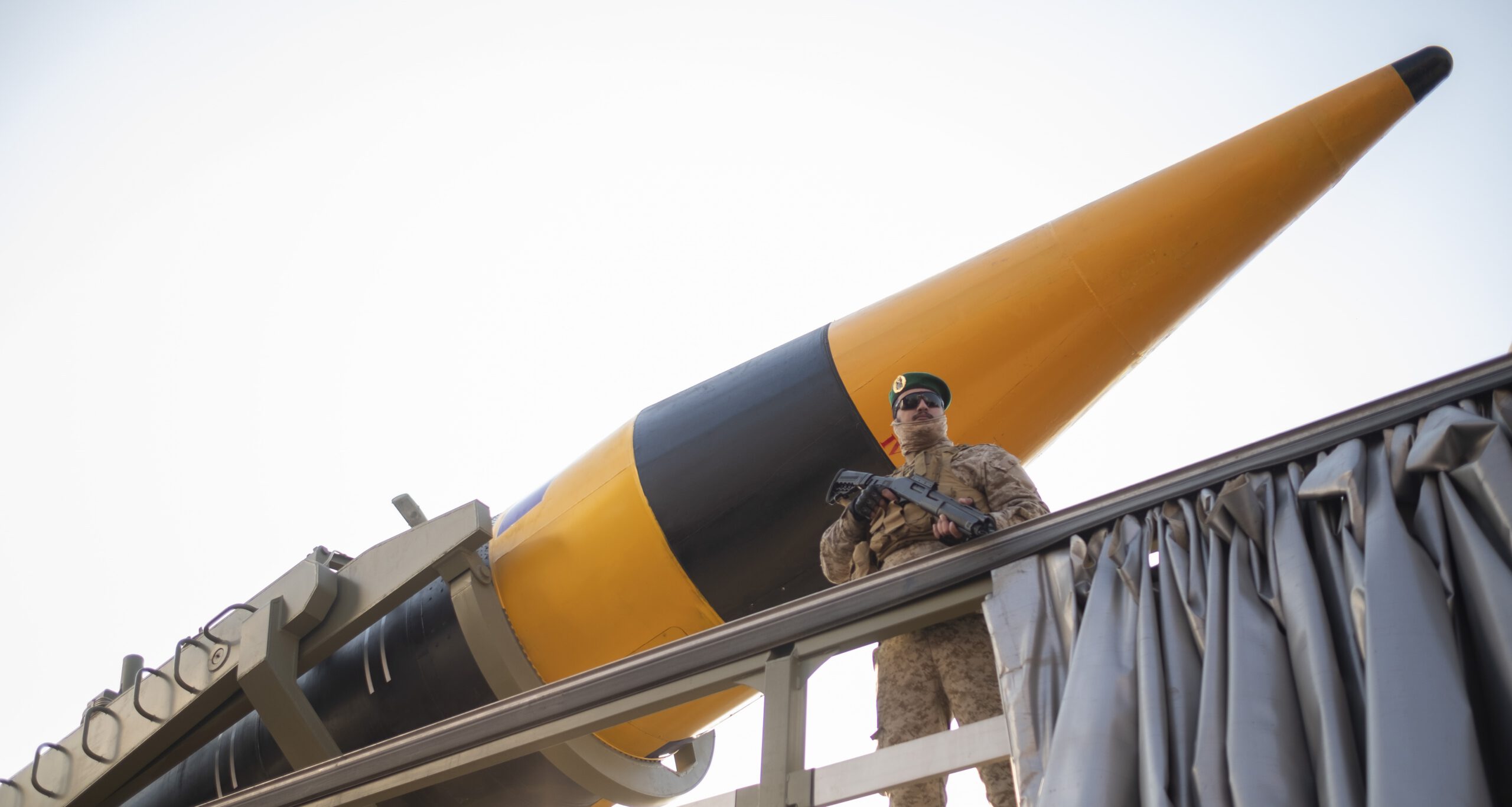
As it fights on four separate but connected fronts, Pakistan’s military is employing more force and less tolerance for public dissent. The result is not strength, but instead a widening set of vulnerabilities that will undermine Pakistan.
The Mecca Joint Défense Agreement: A New Geometry of Middle Eastern Power?
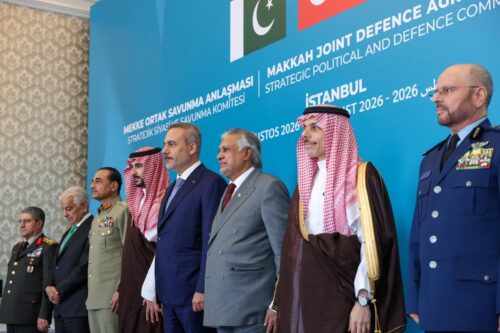
On August 7, 2026, Saudi Arabia, Turkey, and Pakistan signed the Mecca Joint Défense Agreement, a collective-defense pact widely compared to NATO’s Article 5. This essay argues that the comparison is misleading. Mecca borrows NATO’s language of solidarity without yet possessing NATO’s institutional machinery, and the Houthi offensive against Saudi Arabia in September 2026 provided an early and revealing test of what the agreement actually means in practice. Neither Pakistan nor Turkey automatically entered the fight on Saudi Arabia’s behalf, and Washington, despite an initial reluctance to strike directly, remained indispensable through intelligence support and a major proposed F-35 sale. Drawing on realist alliance theory — Hans Morgenthau, Kenneth Waltz, Stephen Walt, Glenn Snyder, and Steven David — and on the precedent of the Central Treaty Organization (CENTO), the essay contends that the Middle East is not dividing into rival blocs but moving from hierarchy toward a looser, overlapping geometry of hedged partnerships, in which American exclusivity is eroding considerably faster than American primacy.
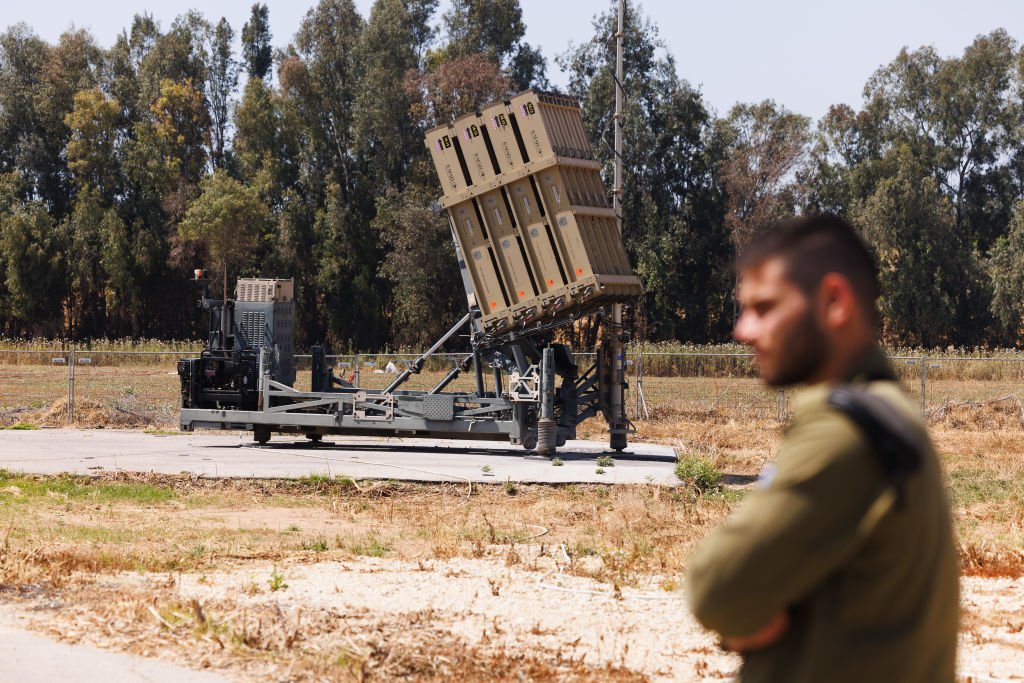
The Mecca Alliance Meets the Red Sea – Saudi Arabia’s New Defense Pact Faces Its First Major Test
When Saudi Arabia, Turkey and Pakistan agreed to a mutual defense pact in August, it was principally seen as a political commitment. The “Mecca alliance,” as it was dubbed, stipulated that an armed attack on one would be treated as an attack on all three, accompanied by deeper military cooperation.
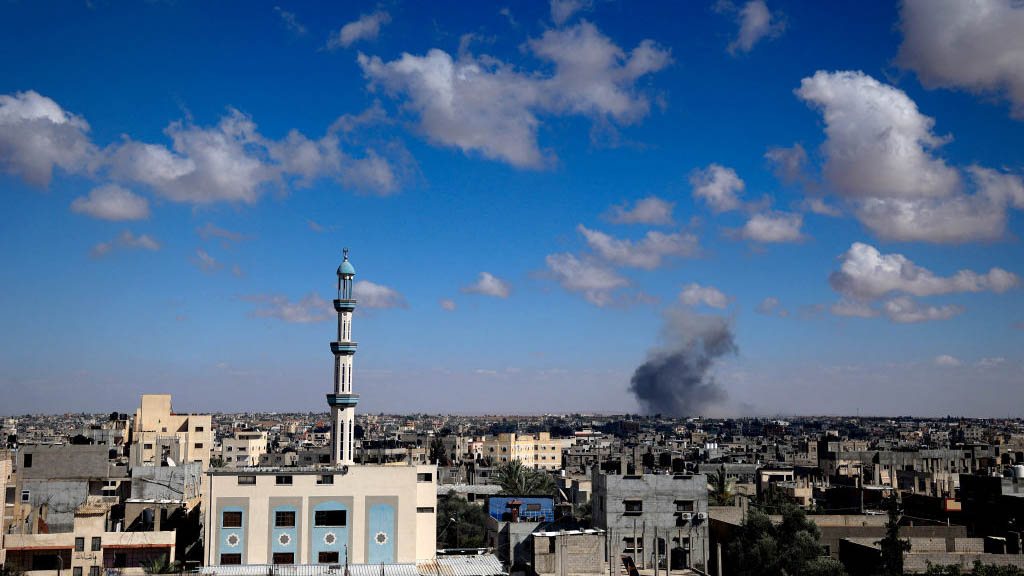
From “fierce entanglement” to a viable path toward Palestinian statehood: A pragmatic proposal
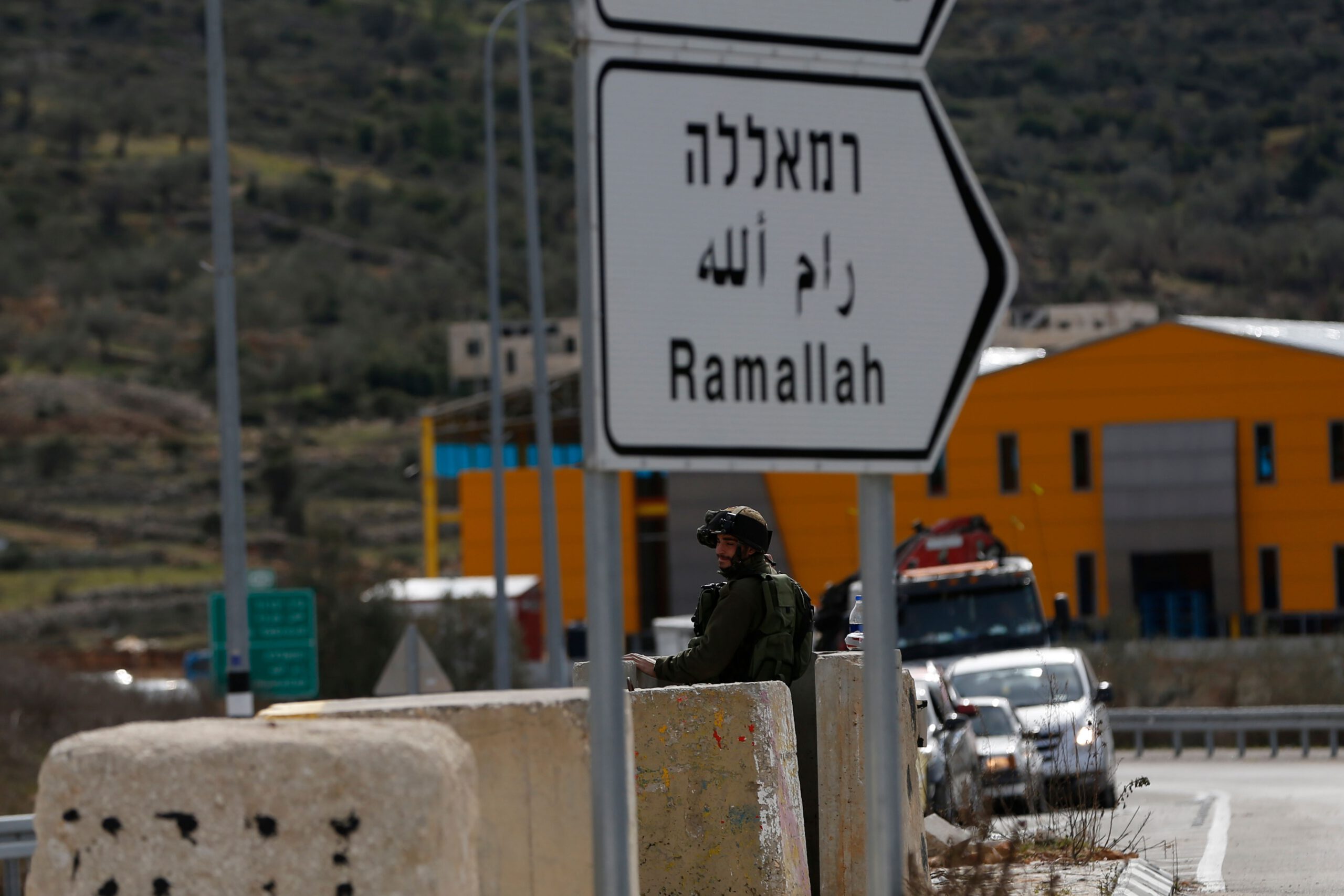
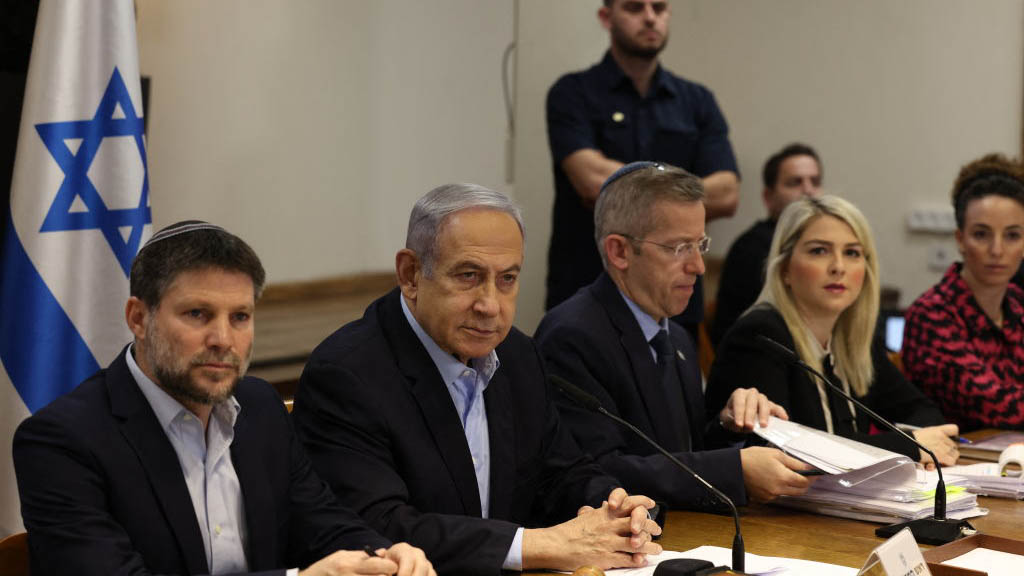
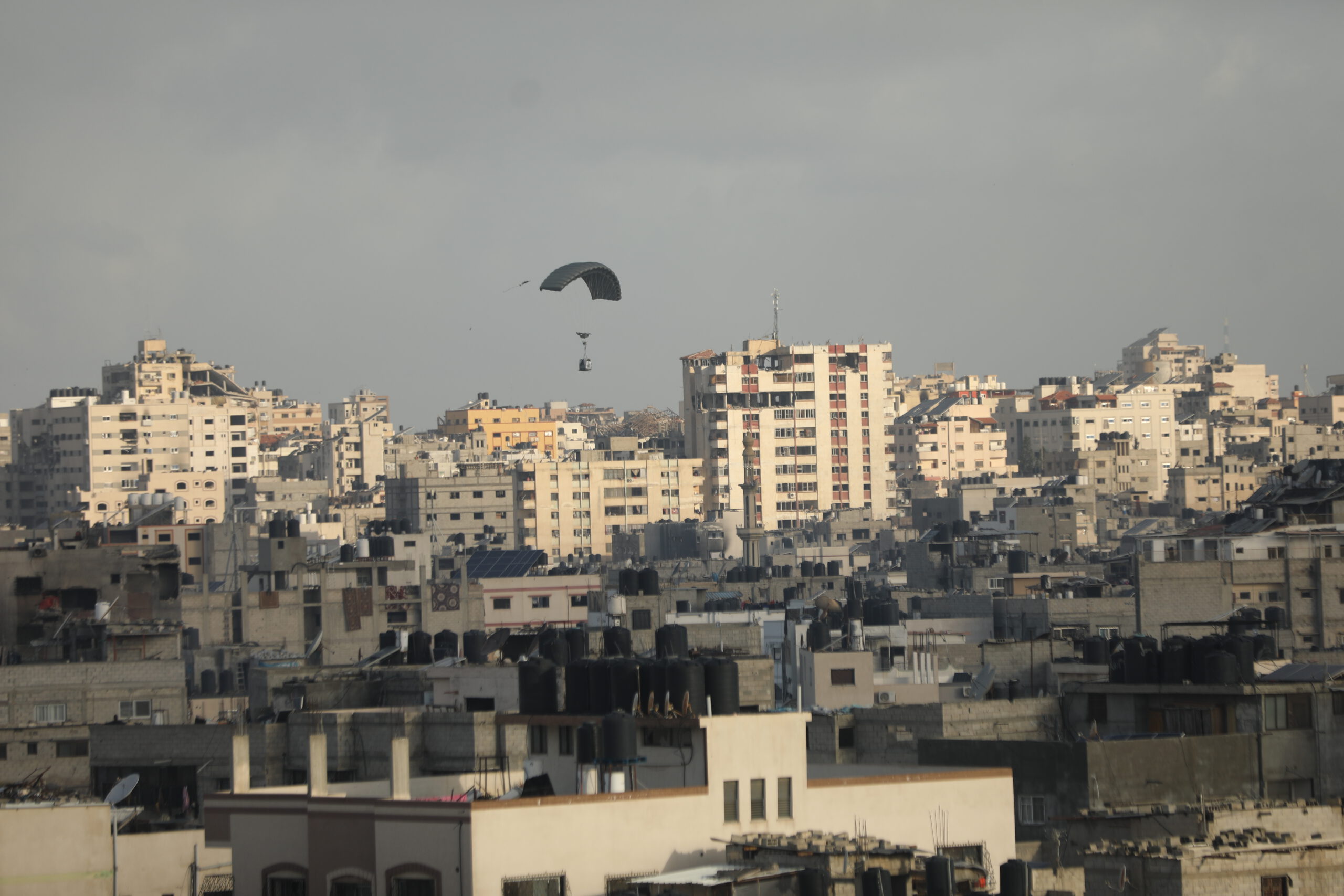
The Israelis and Palestinians are stuck with each other in a situation of “fierce entanglement.” Things never got “bad enough” for Israel to work toward a better and lasting solution with the Palestinians until Oct. 7 abruptly changed the status quo. After the visceral anger subsides and Hamas is replaced in Gaza, Israel and the Palestinian Authority must work together for something other than “waiting for the next round of violence.”
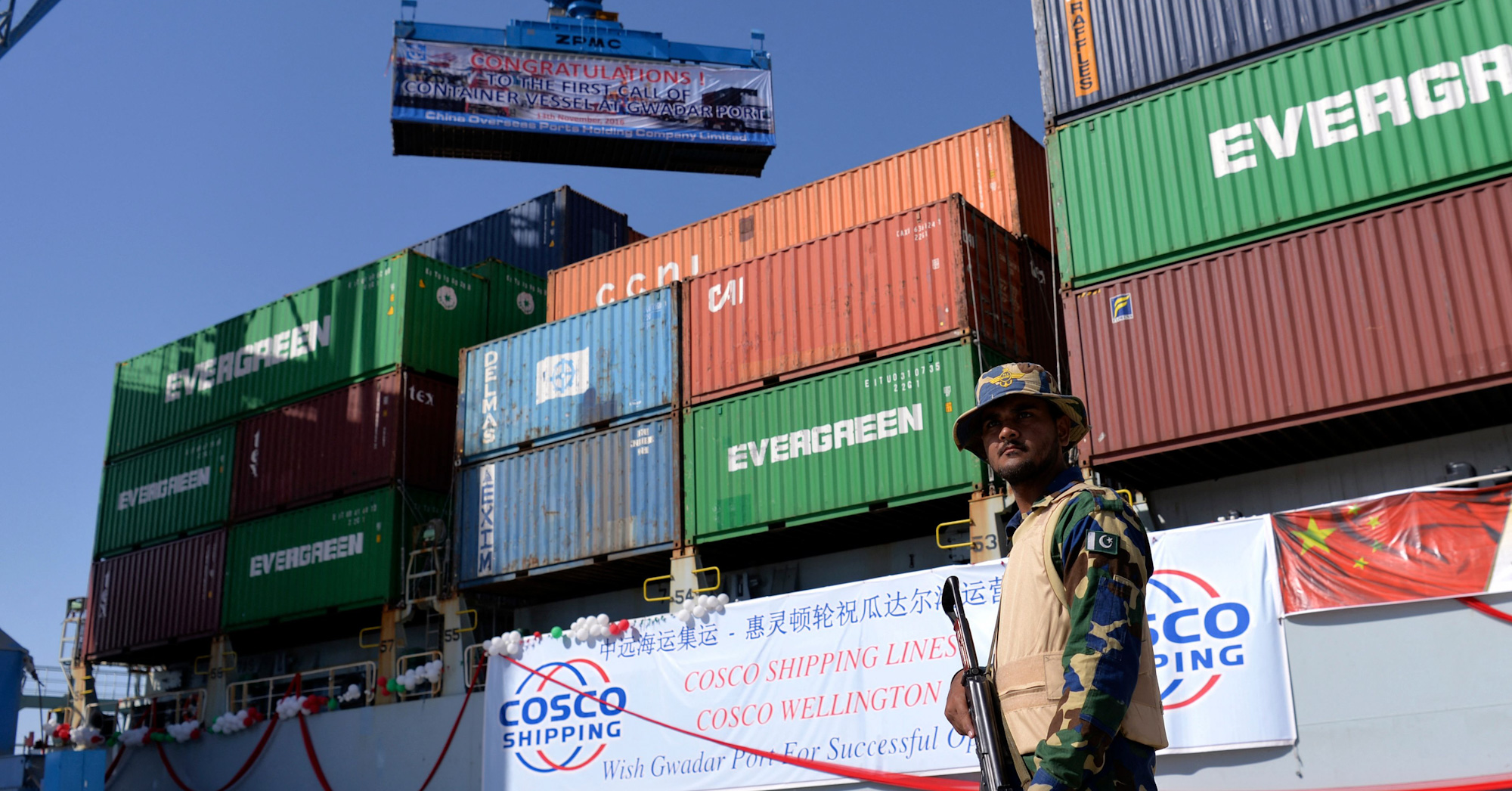
“Gwadar is the future”: China and Pakistan’s troubled strategic port on the Arabian Sea
Strategically located at the mouth of the Strait of Hormuz on the Arabian Sea, Gwadar, once a derelict port, was revitalized as part of the broader development of China-Pakistan Economic Corridor (CPEC) and declared fully operational in 2021. Can a renewed focus on the Gwadar port and the socio-economic and security situation of the surrounding region help Islamabad and Beijing rescue CPEC from failure?
Evolving Middle Eastern imperatives on the Indo-Pakistan rivalry
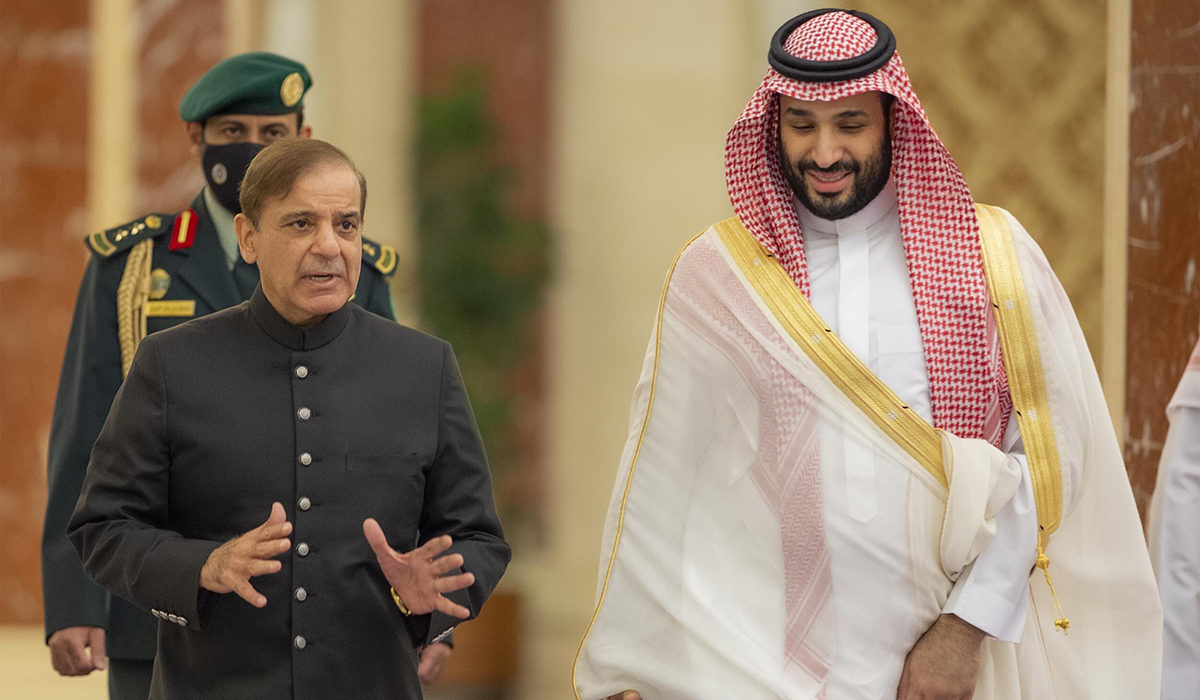
It was no surprise to see Pakistan’s new prime minister, Shehbaz Sharif, choose Saudi Arabia as the destination of his first official visit. What was more surprising, however, was the joint announcement that emerged from the trip, which called on Pakistan and India to resolve their outstanding disputes, especially the Jammu and Kashmir problem. There are several factors that have impelled Saudi Arabia and the United Arab Emirates to take on the tricky task of mediating the protracted rivalry between the two key South Asian states.
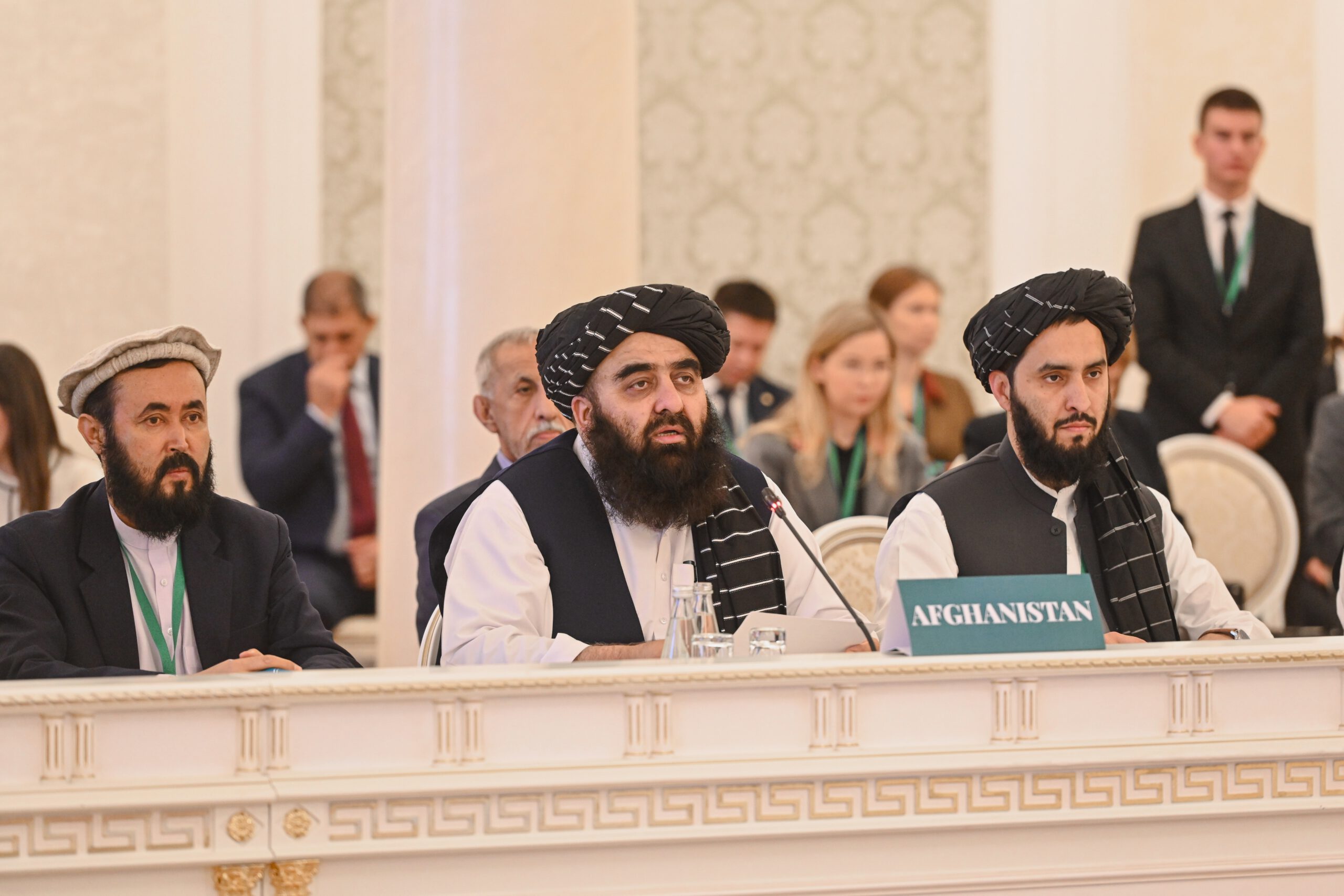
Though Tehran continues to engage the government in Kabul in a pragmatic fashion, Iran and the Taliban are not traditional friends or allies; they share an uneasy relationship. There is a sectarian angle to their differences and a long-standing dispute over water resources. Yet Iran has sought to normalize relations due to broader geopolitical considerations, security concerns, and perceived economic opportunities.
The newly formed government coalition in Islamabad initially looked weak, unstable, and probably short lived. But in the weeks since the outcome of the vote was announced, the political landscape has rapidly changed. Nevertheless, there are portents of trouble ahead that could send Pakistan back into the political tangle from which it has so recently emerged.
Women’s rights under the Taliban: The socio-economic consequences of political exclusion
One of the first things the Taliban did after capturing power in August 2021 was to abolish the Afghan Ministry of Women’s Affairs and re-establish the Ministry for the Propagation of Virtue and the Prevention of Vice. The environment within which Afghan girls and women had found avenues of employment, education, and empowerment over the previous two decades had been lost. Many families now had to deal with acute poverty, mental health issues, and even suicides.
“Exporting its internal problems”: Understanding Iran’s January missile salvos against its neighbors
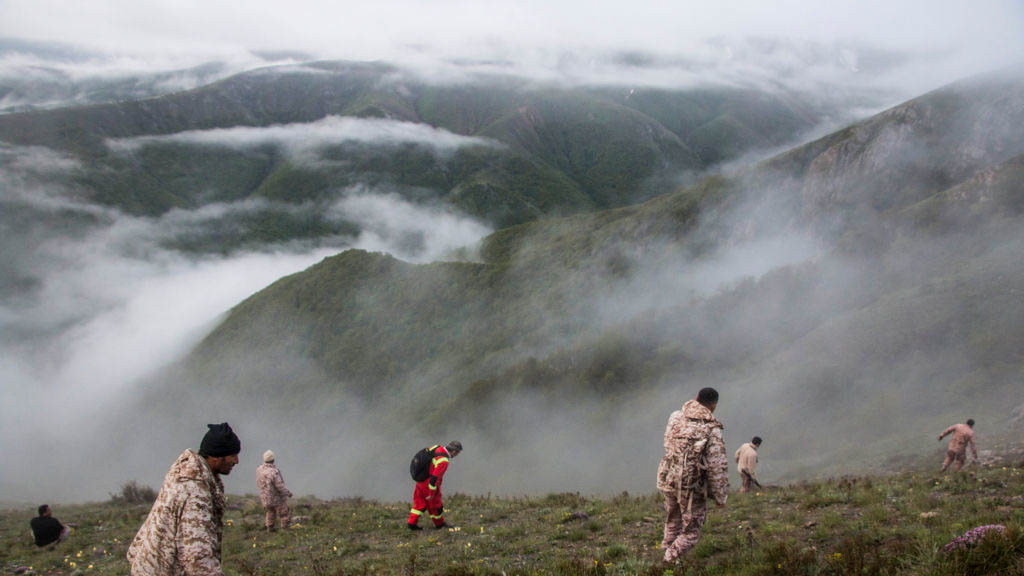
In mid-January, with the war in Gaza continuing to rage on, Iran launched a series of surprise missile attacks on its immediate neighbors Iraq, Syria, and Pakistan over two days. Taken together, these attacks illustrate that the Islamic Republic puts regime survival above national interest in its foreign policy calculations, which undermines its efforts to engender solidarity and good relations with other Muslim-majority states in the region.
On this week’s episode Tamkinet Karim, Syed Mohammad Ali, and Alistair Taylor discuss the results of Pakistan’s Feb. 8 elections and where things might be headed moving forward. Over the past two years, Pakistan has gone through a particularly turbulent period, following the removal of Imran Khan’s government in a no-confidence vote in April 2022 — a time marked by political instability, intense polarization, a worsening economic crisis, and growing threats to internal security.