Iran’s Role in Arab Allies’ Underground Warfighting
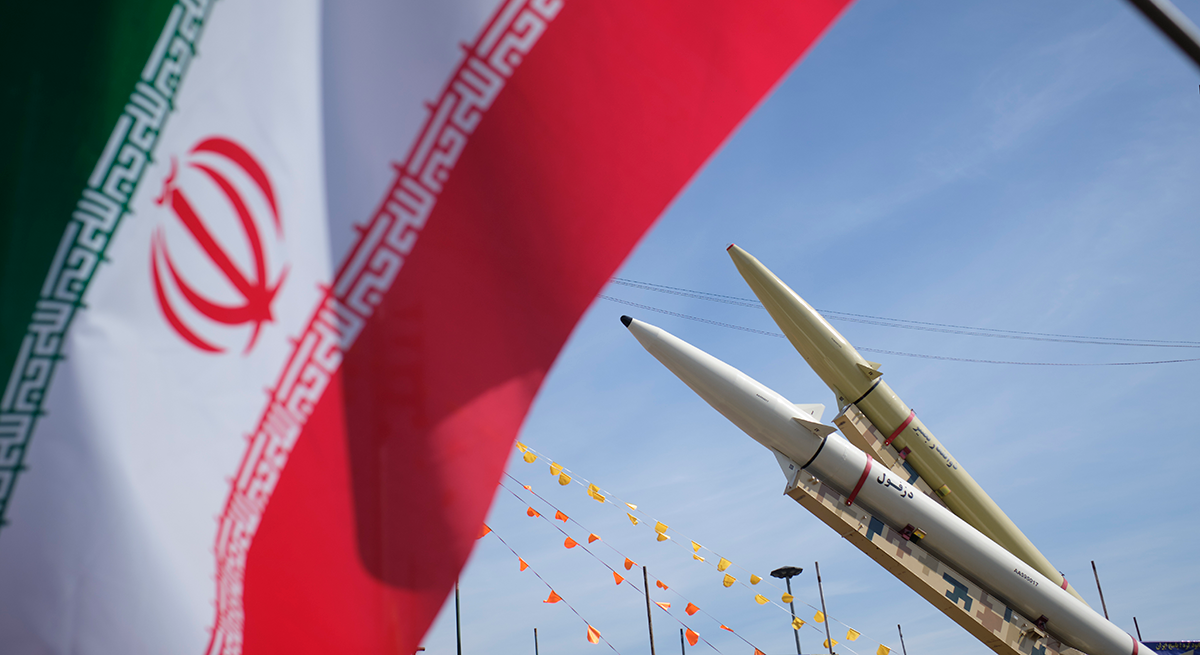
Hamas, Hizballah and Houthi tunnel networks resemble Iran’s underground missile cities. But their origins reveal a more complicated story of local necessity, Iranian assistance and military adaptation.
Dr. Marwan Muasher: Has the Middle East Really Changed?
Have October 7 and the Iran war remade the Middle East, or just made it more dangerous? In the first episode of Re-Orient, Gönül Tol puts that question to Dr. Marwan Muasher, Jordan’s former Deputy Prime Minister and Foreign Minister. Muasher draws on his extensive career to unpack the key issues driving today’s Middle East, from regional alignments to US influence, and offers insights on what has the potential to shape this volatile part of the world.
President Donald Trump’s next move on Iran should follow from what he actually wants, and with his legacy at stake, the choice matters. If the ultimate goal is regime change through internal collapse, the logic points to a long squeeze: tighter enforcement of the economic blockade and periodic military strikes to limit Iranian actions in the Strait of Hormuz, a campaign that might outlast his presidency. Whether by design or by drift, that is roughly the course Washington is on today.
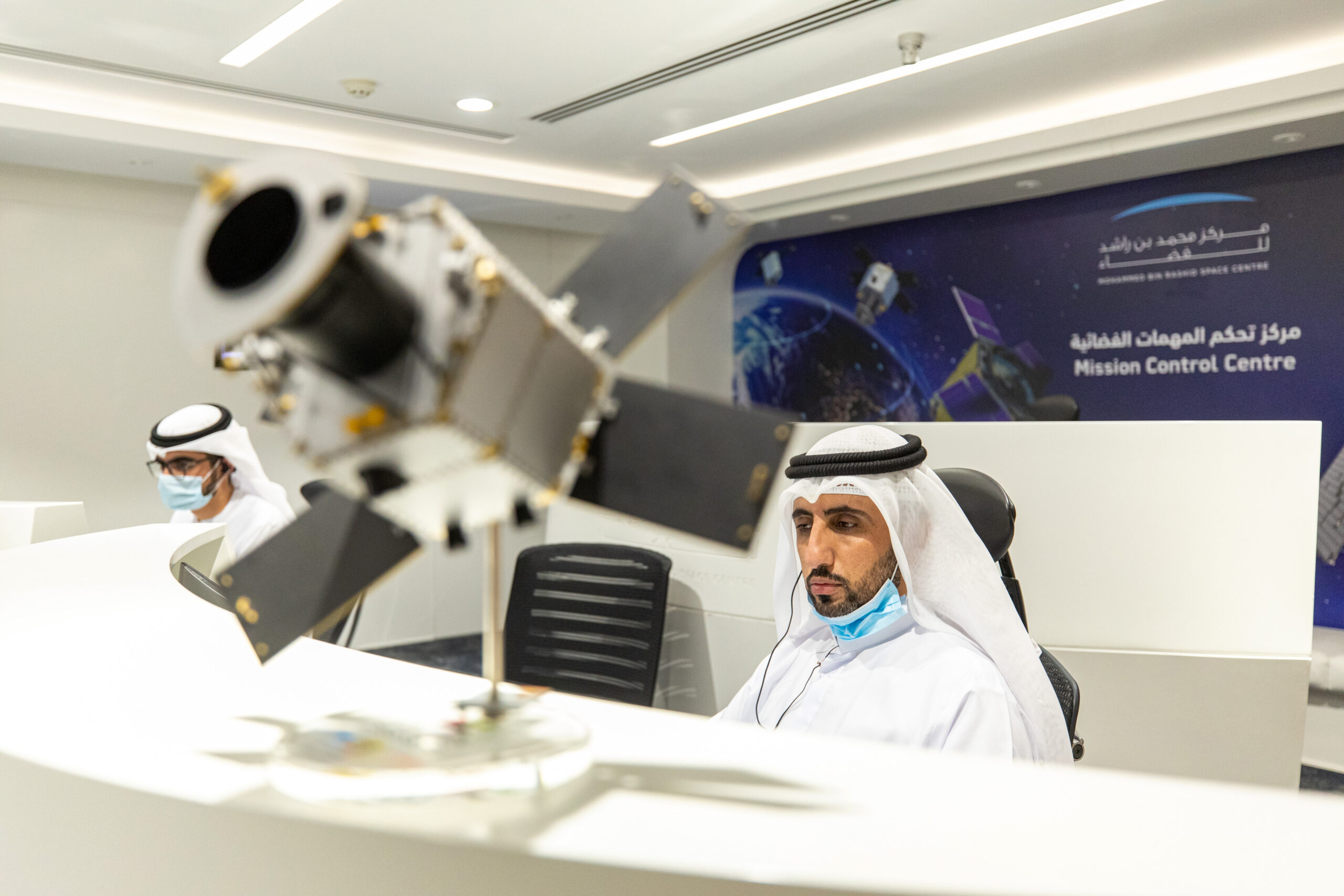
In the Middle East, the Gulf states — working together and on their own — are looking to achieve new scientific and commercial breakthroughs in various areas of the space industry. These ambitions carry major geopolitical implications with them, as an ever-growing number of spacefaring countries negotiate a sensitive and increasingly high-powered sector.
It is clear that the era of US hegemony in the Gulf, and the Middle East more broadly, is over. What is less certain is what security system will replace it and whether it will better serve regional security and US interests.
The Gulf is becoming a more crowded geopolitical space than ever, with external powers such as China, Russia and India increasing their involvement in the region to safeguard their economic interests, while local powers, most notably Saudi Arabia, the UAE and Qatar, are rising and pursuing a more independent foreign policy course.
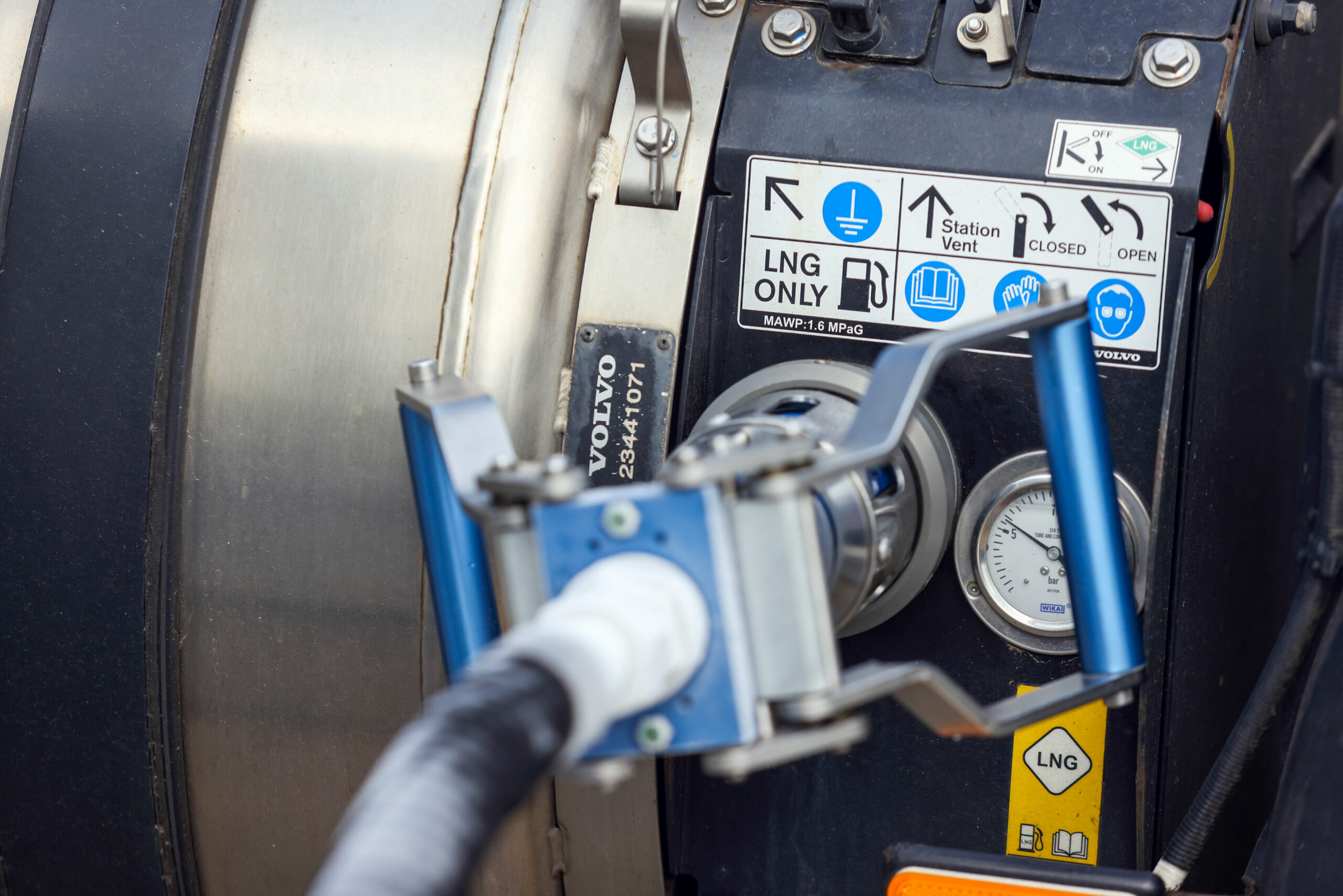
Small-scale LNG as a solution for Saudi Arabia’s environmental and fuel supply problems
The development of small-scale LNG and the domestic deployment of LNG as a transport and power-generation fuel could help to lower Saudi Arabia’s carbon footprint as well as improve air quality by reducing vehicle exhaust.
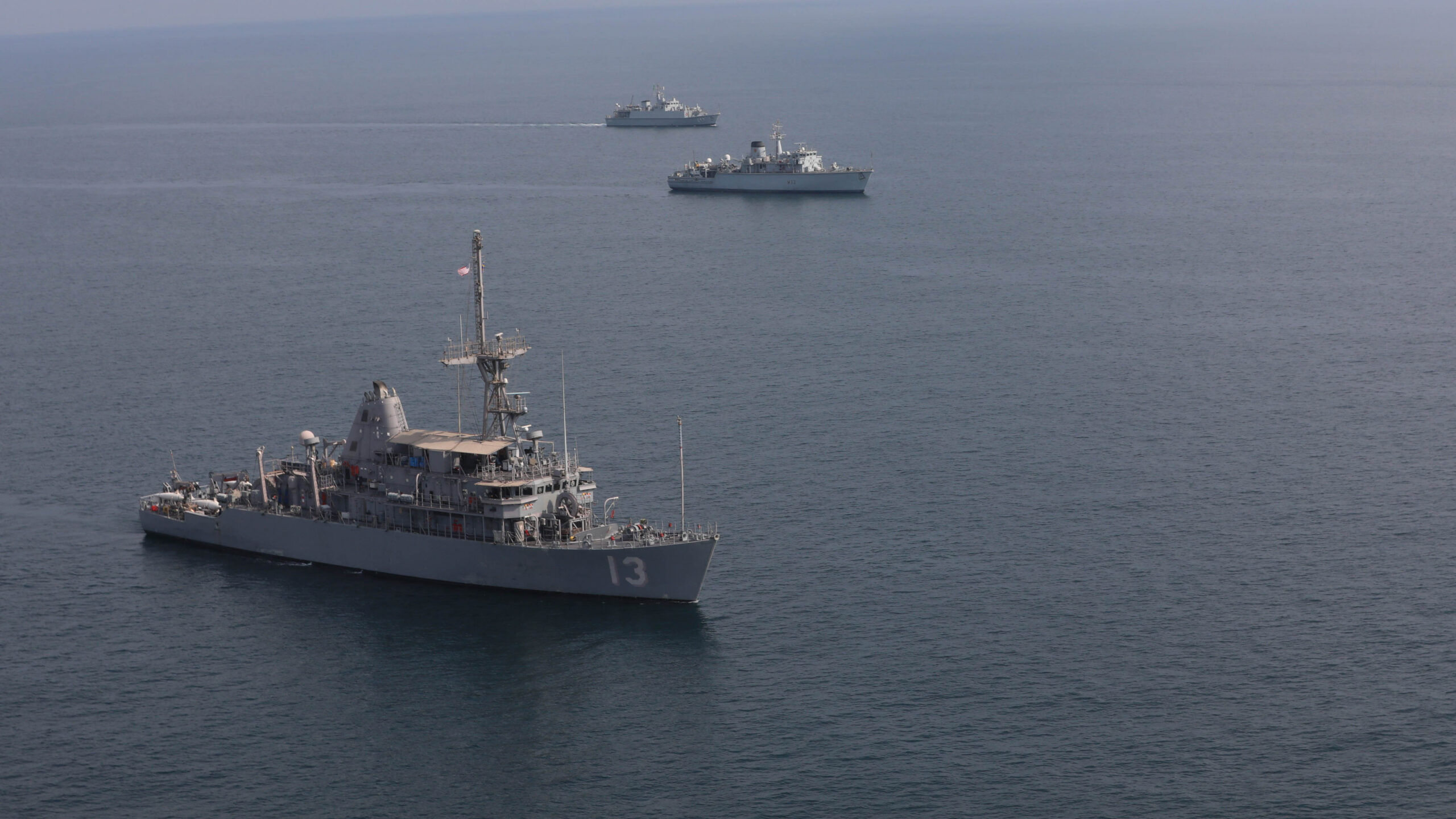
President Theodore Roosevelt said, “Speak softly and carry a big stick; you will go far.”1 Roosevelt used the image of the big stick to popularize his philosophy, but he offered a subtler interpretation in other venues. It represented a quiet threat that would only rarely need to be used if accompanied by steady diplomacy.
Iran-Iraq competition in regional maritime and overland transit corridors
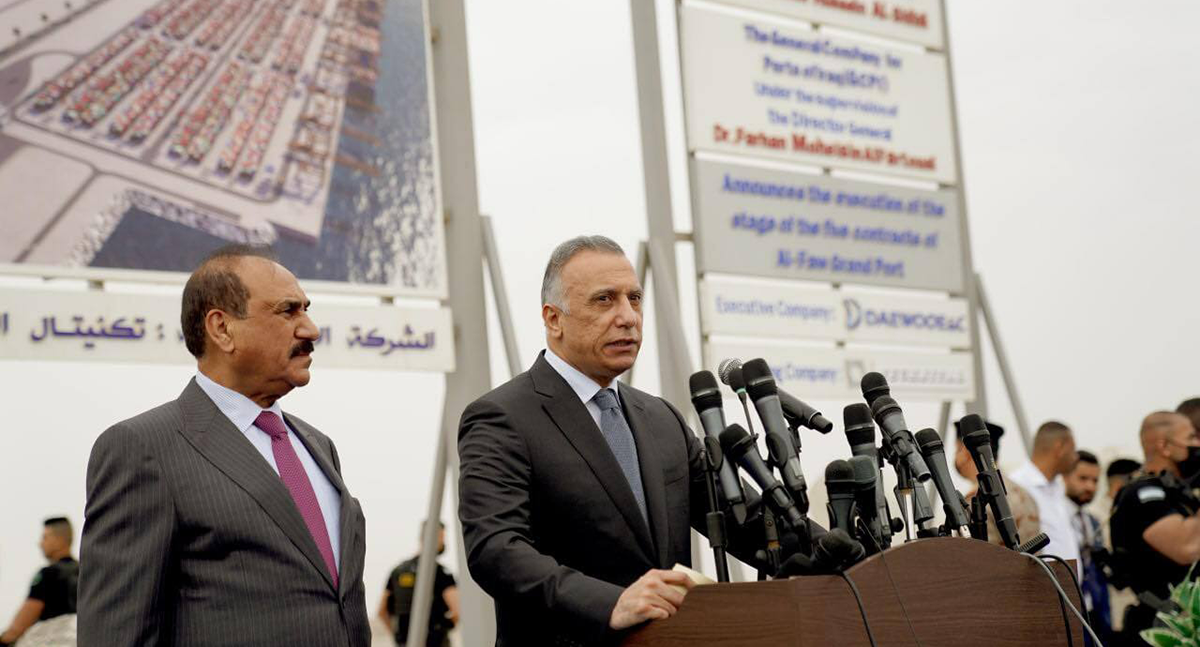
In recent years, Iraq has become one of the leading destinations for Chinese investments in the Middle East and a crucial link in Beijing’s Belt and Road Initiative. To capitalize on its geostrategic location and central position within the Chinese BRI, Iraq is seeking to develop a sprawling new 54-square-kilometer port project, known as al-Faw Grand Port, which will reduce the country’s reliance on Arab Gulf ports and overland transit from Iran and Turkey. The project also underscores Iraq’s growing economic rivalry with neighboring Iran, as both countries seek to carve out a similar niche in handling regional transit traffic.
Qatar doubles down on LNG amid energy market volatility
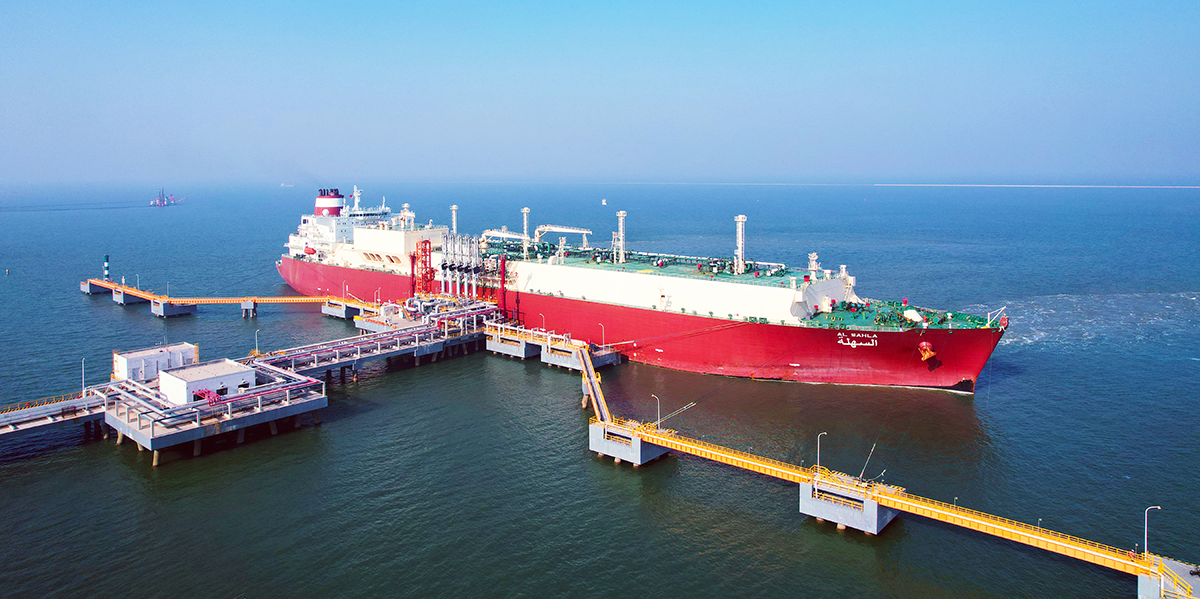
The oil and gas sector has been the dominant driver of Qatar’s economy. Over the years, although that sector has remained the major focus of Qatari investments, the emphasis has increasingly shifted towards the expansion of the country’s gas production and LNG export capacity. While the construction boom ahead of the 2022 FIFA World Cup powered the Qatari economy in recent years, income generated by the expansion of the country’s LNG production and export capacity is likely to drive the economy for many years to come — both despite and partly because of the market turmoil caused by the fallout from Russia’s invasion of Ukraine in February 2022.
Saudi Arabia has made it clear that it wants a defense pact with the United States in return for normalizing ties with Israel. However, that isn’t a price Washington is able or willing to accept, for both political and strategic reasons. But the conversation about improved U.S.-Saudi defense cooperation shouldn’t stop here. There’s plenty of room for achieving that objective without having to upgrade the relationship to a full-fledged alliance.
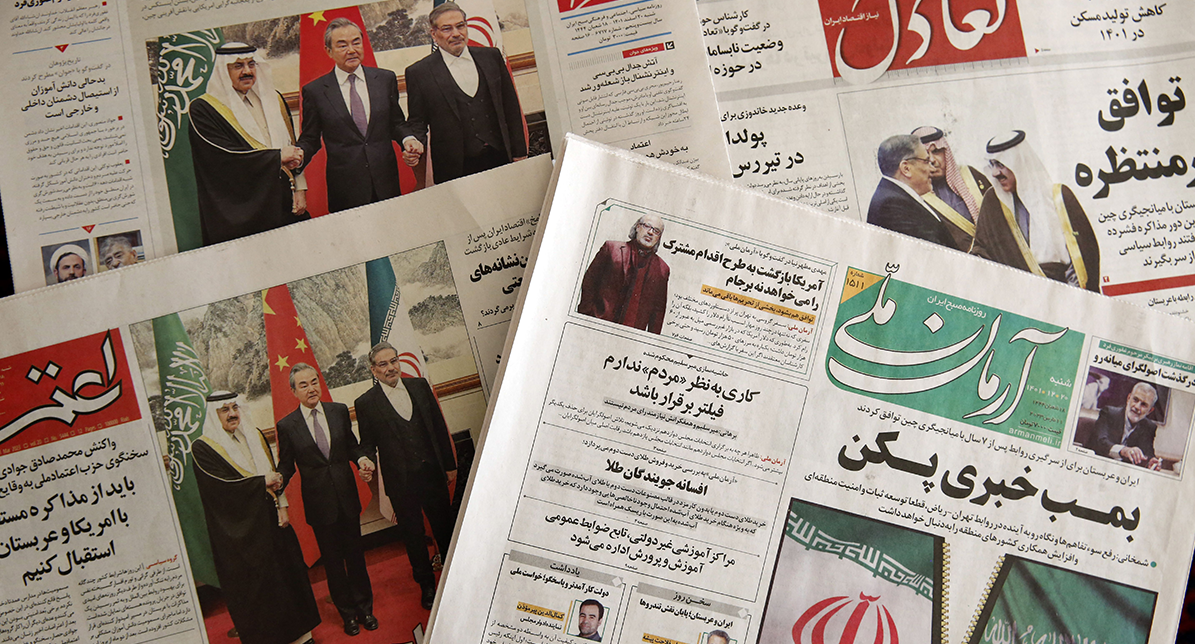
Iranian-Saudi detente and "Asianization" of the Persian Gulf: China fills the gap
After an intense round of secret negotiations between Iranian and Saudi representatives, facilitated by Chinese mediation, Tehran and Riyadh announced in mid-March that they would resume diplomatic relations. It is unclear if the Saudi-Iranian détente will last, but at least for now, China’s role in resolving this diplomatic stalemate seems to indicate the beginning of a multi-faceted de-Westernization process in the region.
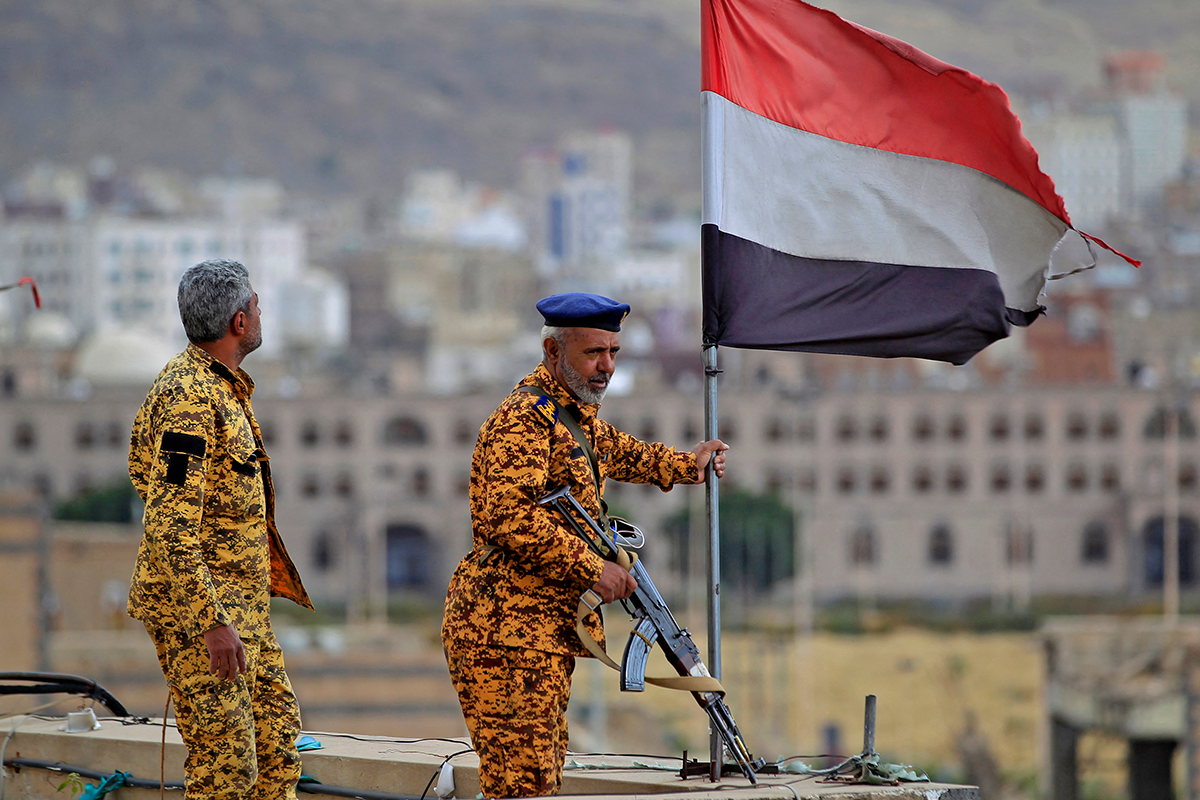
China and the Saudi-Iran rapprochement: Implications for Yemen
The conclusion of the China-brokered Saudi-Iranian détente on March 10, which aims to thaw long-standing enmity and manage competition between the two regional arch rivals, has multi-layered implications for Yemen.
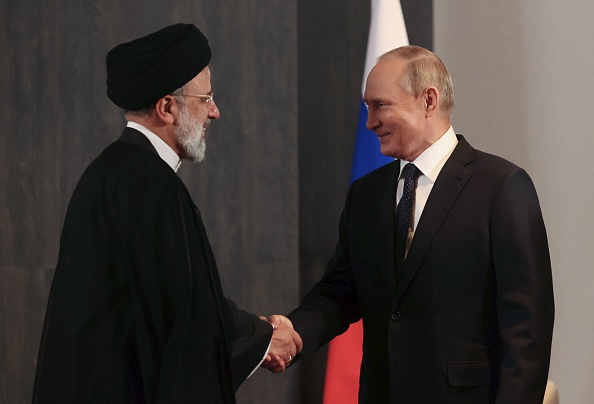
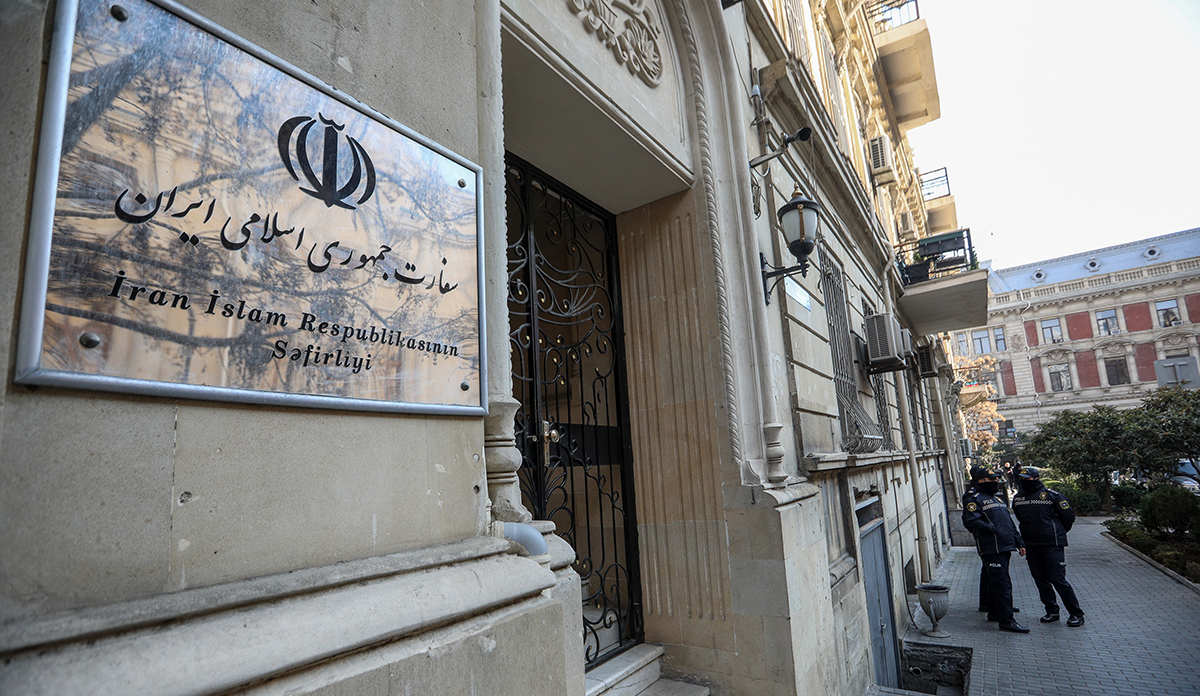
The complex web of interdependence and threat balancing that prevents war between Iran and Azerbaijan
Relations between Tehran and Baku have long had their ups and downs, but a recent series of events in late March have once again brought tensions to a boil. However, despite the mutual threat perceptions, the recurring tensions between the two countries have not gotten out of control and led to military conflict. In fact, over the past three decades, relations between Tehran and Baku have consistently followed a cycle of escalating and de-escalating tensions.
The oldest peer-reviewed publication dedicated to the study of the modern Middle East, MEI’s flagship journal covers politics, society, and culture in the region.