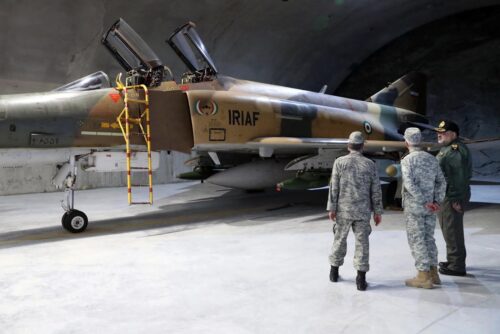
Iran’s Role in Arab Allies’ Underground Warfighting
Hamas, Hizballah and Houthi tunnel networks resemble Iran’s underground missile cities. But their origins reveal a more complicated story of local necessity, Iranian assistance and military adaptation.
Dr. Marwan Muasher: Has the Middle East Really Changed?
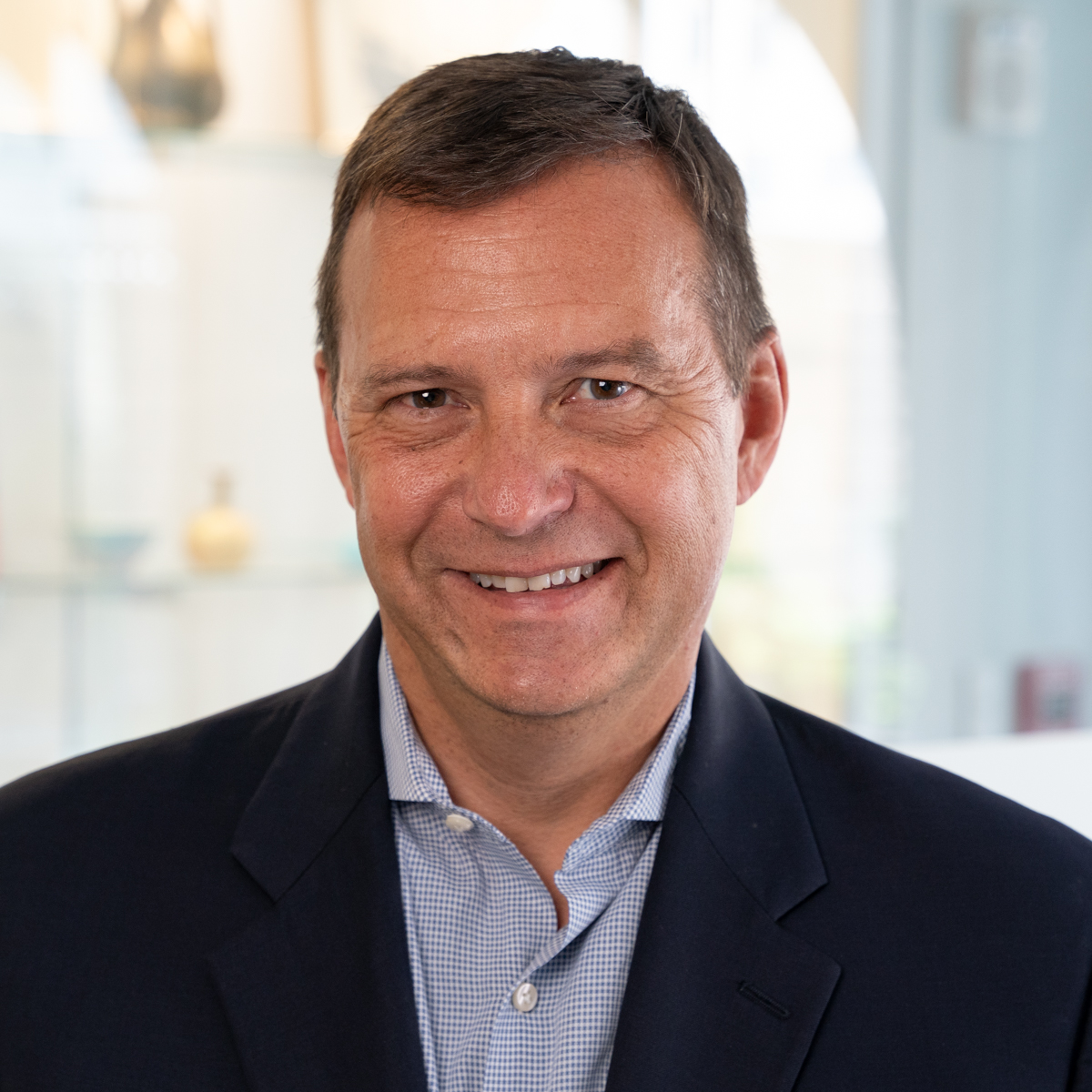
Have October 7 and the Iran war remade the Middle East, or just made it more dangerous? In the first episode of Re-Orient, Gönül Tol puts that question to Dr. Marwan Muasher, Jordan’s former Deputy Prime Minister and Foreign Minister. Muasher draws on his extensive career to unpack the key issues driving today’s Middle East, from regional alignments to US influence, and offers insights on what has the potential to shape this volatile part of the world.
President Donald Trump’s next move on Iran should follow from what he actually wants, and with his legacy at stake, the choice matters. If the ultimate goal is regime change through internal collapse, the logic points to a long squeeze: tighter enforcement of the economic blockade and periodic military strikes to limit Iranian actions in the Strait of Hormuz, a campaign that might outlast his presidency. Whether by design or by drift, that is roughly the course Washington is on today.
On the campaign trail and in his first weeks in office, President Joe Biden promised to end the conflict in Yemen. Reflecting a bipartisan Washington consensus, his approach hinged on supporting the U.N.-led negotiating process and pressuring Saudi Arabia to end its active military engagement inside of Yemen.
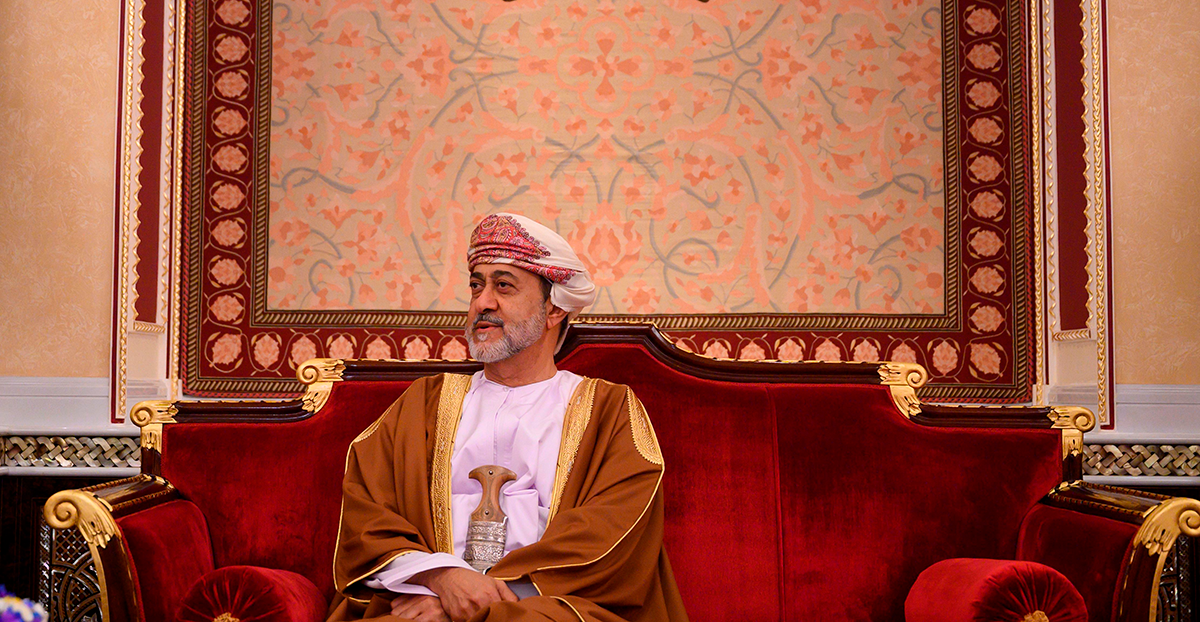
Consolidating Saudi-Omani relations under Sultan Haitham
Sultan Haitham bin Tariq al-Said arrived in Neom, Saudi Arabia, on July 11, 2021, in his first foreign trip since becoming the sultan of Oman on Jan. 11, 2020. At the start of his two-day visit to the kingdom he was met by King Salman and accompanied by a high-level Omani delegation. A slew of new agreements were signed across commerce, culture, and transport.
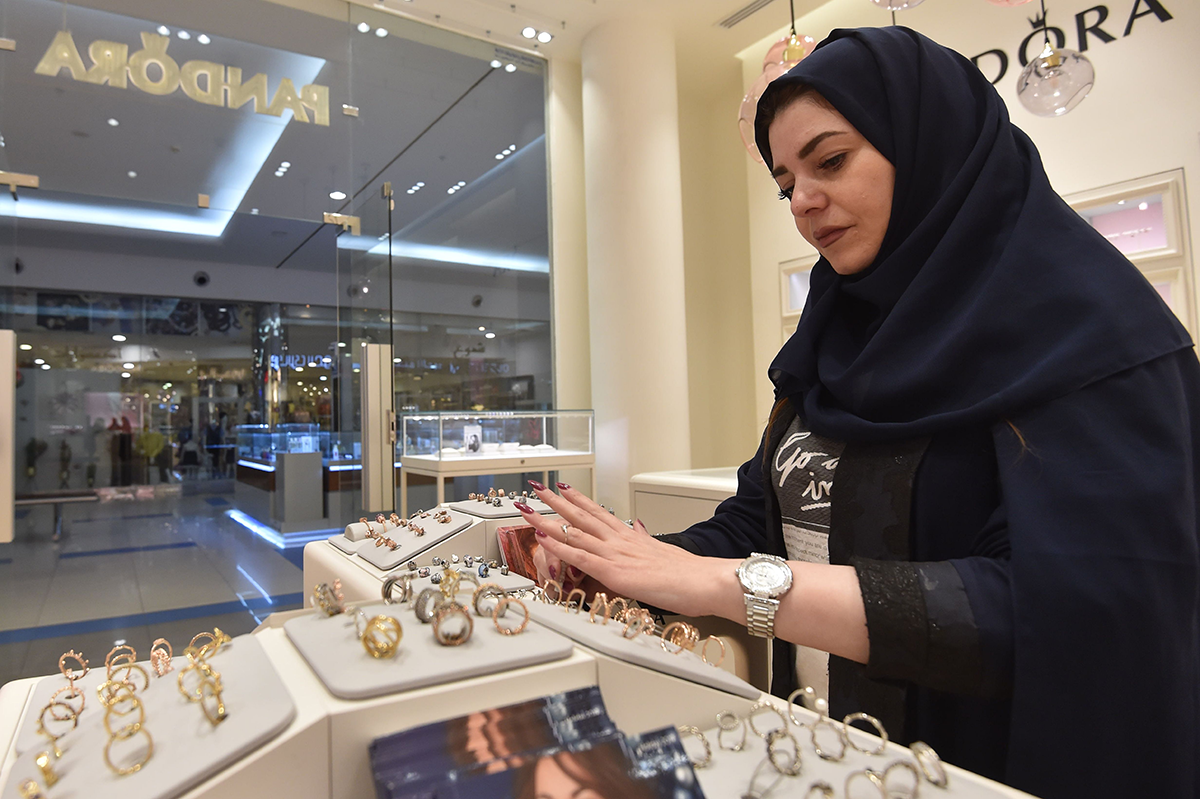
Exploring the rising workforce participation among Saudi women
In the past few months, several articles have been written on the significant rise in the Saudi female labor force participation rate (LFPR) from 17.7% in Q2, 2016 to 33.2% in Q4, 2020. Interestingly, this increase in female LFPR was not coupled with a rise in unemployment, which often occurs when workforce participation rises for a particular group. In fact, the unemployment rate among female nationals declined to its lowest level in four years, at 24.4% in Q4, 2020. However, it still remains over twice as high as that for male nationals. Another positive labor market indicator, albeit one receiving little attention from analysts, is the significant change in the employment rate among Saudi women. In other words, Saudi women not only increased their share in the workforce, but were also able to gain jobs once they entered the labor force.
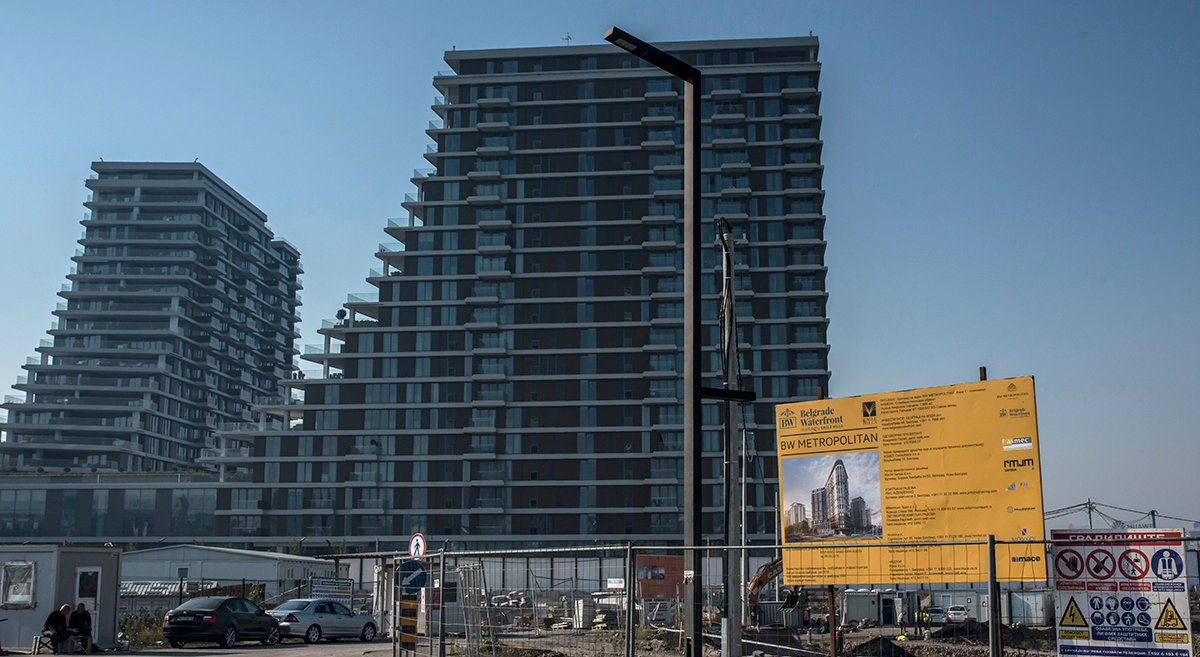
On July 1, 2021, Serbian President Aleksandar Vučić, accompanied by Mohamed Alabbar, an entrepreneur and the chairman of UAE real estate firm Eagle Hills, attended a ceremony in Belgrade. It commemoratedthe final work on a tower within Waterfront Belgrade, a major real estate project funded by the UAE. The ceremony was an illustration of the growing ties between Serbia and the UAE, which over the past nine years has become Belgrade’s primary partner in the Arab world. The UAE has also emerged as a source of cash and an instrument of domestic political promotion for the Serbian leadership.
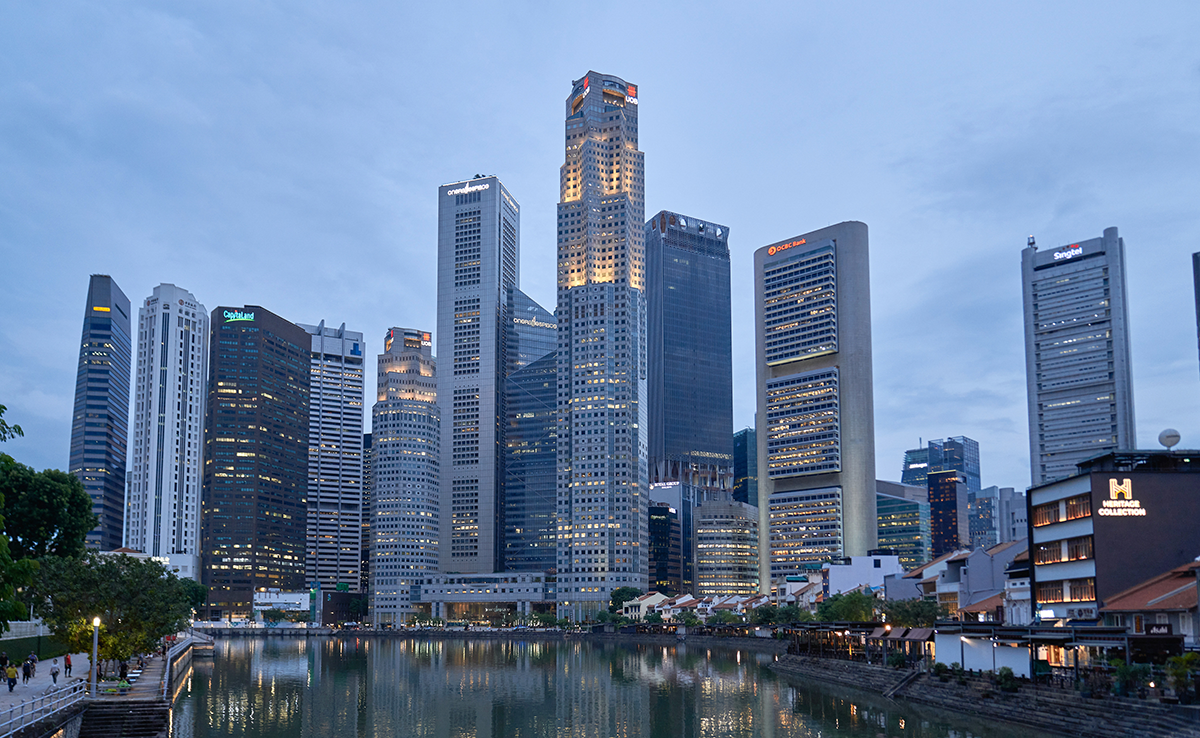
Singapore and the Gulf: Economic engagement beyond hydrocarbons
Oil and gas have long dominated trade and investment flows between Singapore and the Gulf. In the wake of two new projects — one in Singapore and the other in the United Arab Emirates — unveiled last month, this article considers whether Singapore and the Gulf are on the cusp of a new level and type of economic relations.
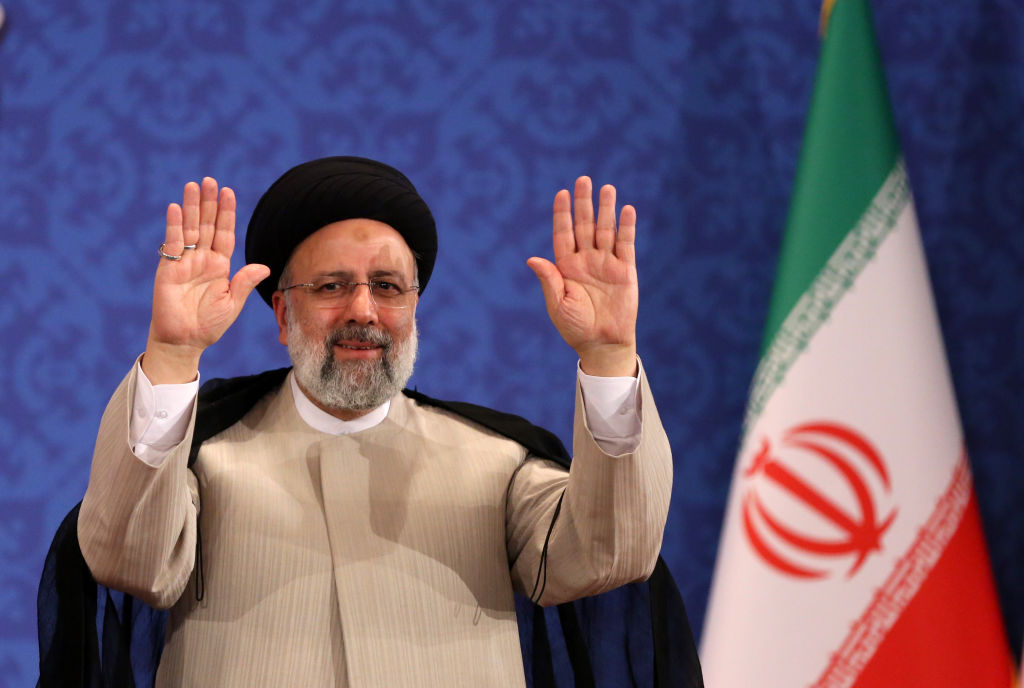
Russian-Iranian relations under Raisi and possible post-Khamenei scenarios
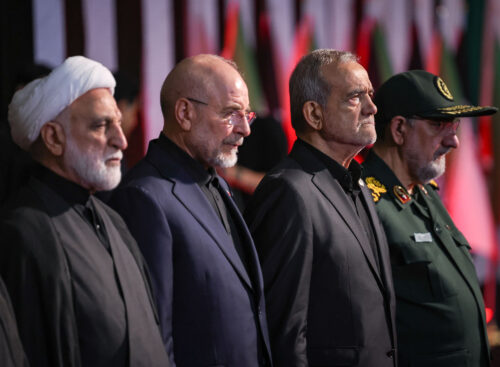
On June 18, Ebrahim Raisi won a landslide victory in Iran’s presidential elections. After Raisi’s triumph, Maxim Suslov, the press attaché of the Russian Embassy in Tehran, transmitted a message from President Vladimir Putin congratulating Raisi on his win and pledging to strengthen Russia-Iran bilateral relations. Iranian Ambassador to Russia Kazem Jalali echoed Putin’s comments about Russia-Iran relations and noted that he was the first world leader to congratulate Raisi on his election as Iran’s next president.
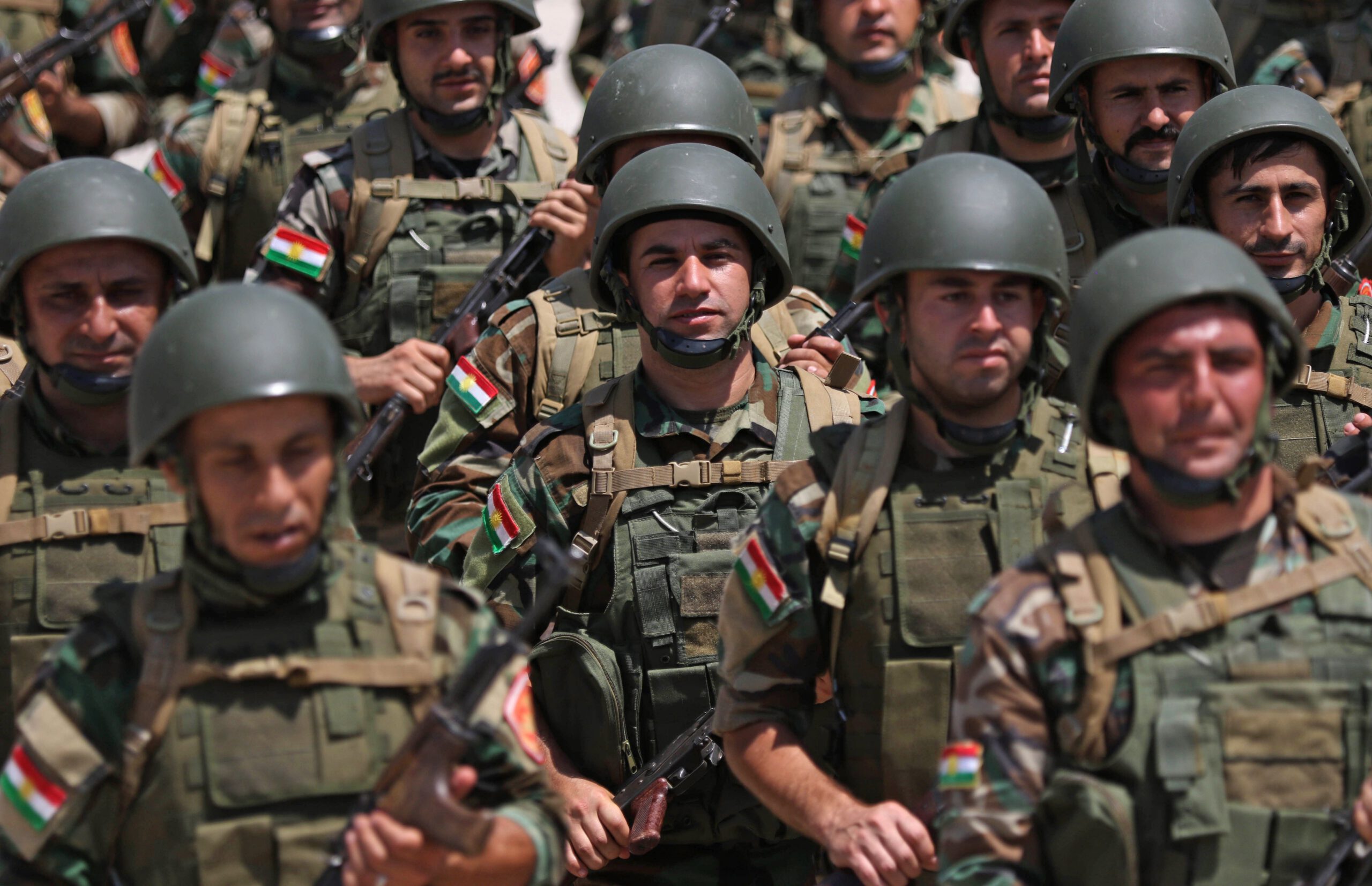
The War at Home: The Need for Internal Security Sector Reform in Iraqi Kurdistan
The forces and agencies of Kurdistan’s Ministry of Interior and the Kurdistan Region Security Council, collectively referred to the Kurdistan Region Interior Forces, are now the region’s main security actors, but their role as instruments of partisan rivalry and enforcers of public loyalty to the political bureaus threatens the Kurdistan Region’s stability. This report makes the case that coalition security sector reform efforts should be refocused on them. Although Peshmerga reform is necessary to improve the Kurdistan Region’s ability to combat external threats, it is equally, if not more important to start the same reform within these internal forces and agencies to achieve durable stability.
الضربات الجوية الأمريكية على الميليشيات العراقية وخطر دوامة التصعيد
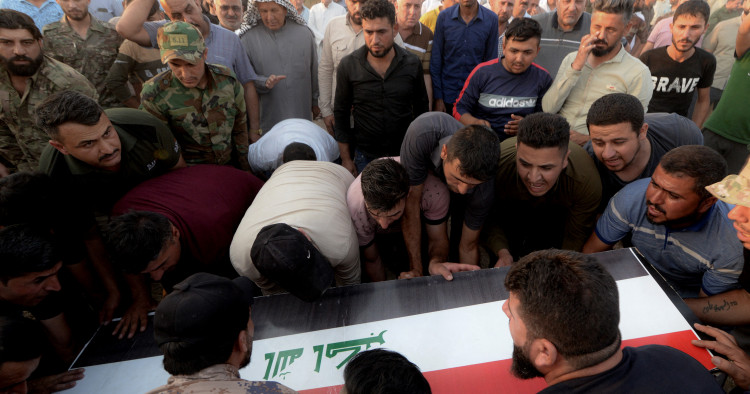
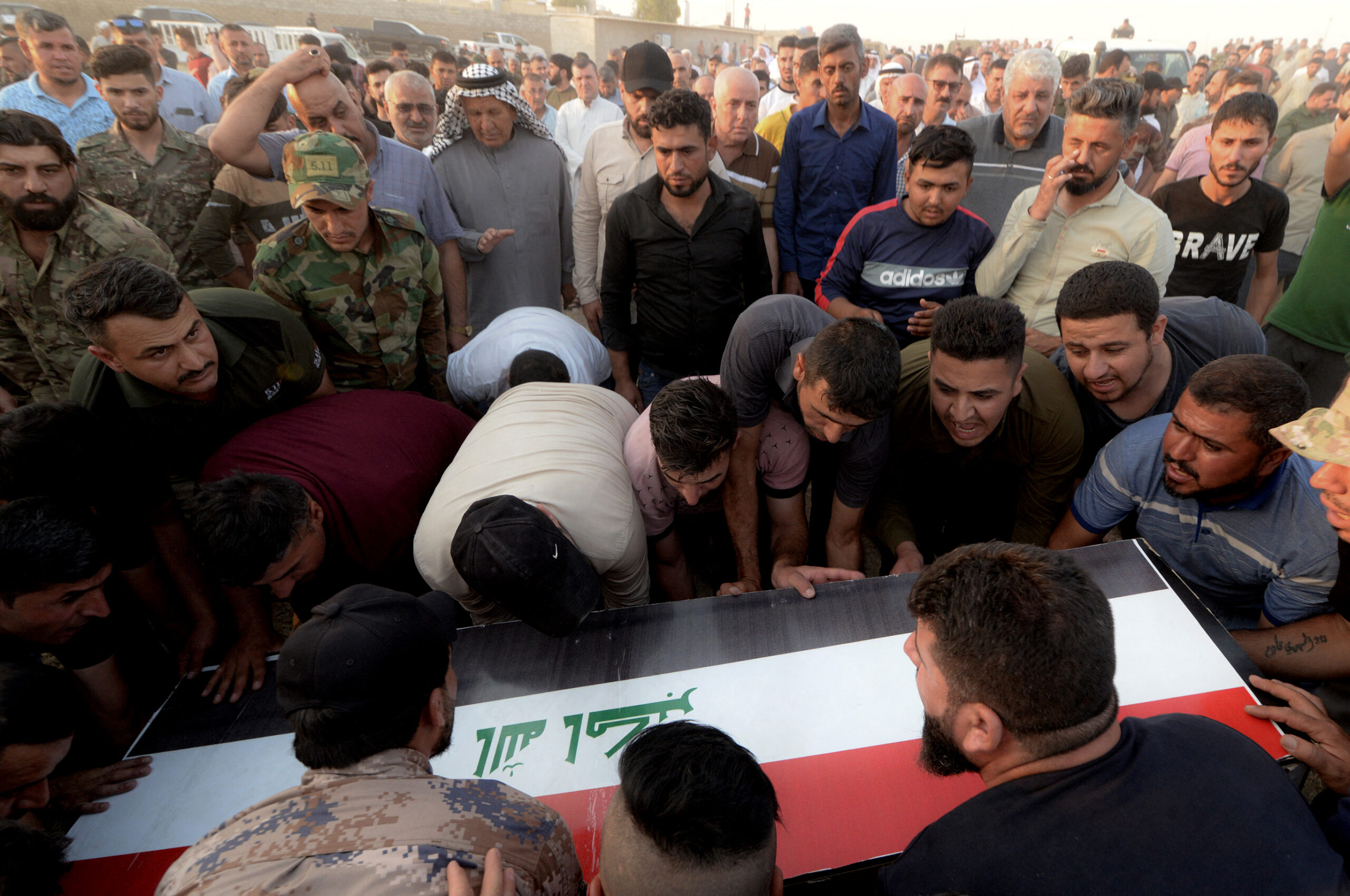
مهما كانت شدة محاولات الحكومة العراقية لتوجيه البلاد بعيدًا عن الصراع الإيراني الأمريكي، فإن الميليشيات العراقية المدعومة من إيران ستظل تسحبها مجددًا لهذا الصراع
The promise and the pitfalls of Iraq’s tripartite New Mashreq
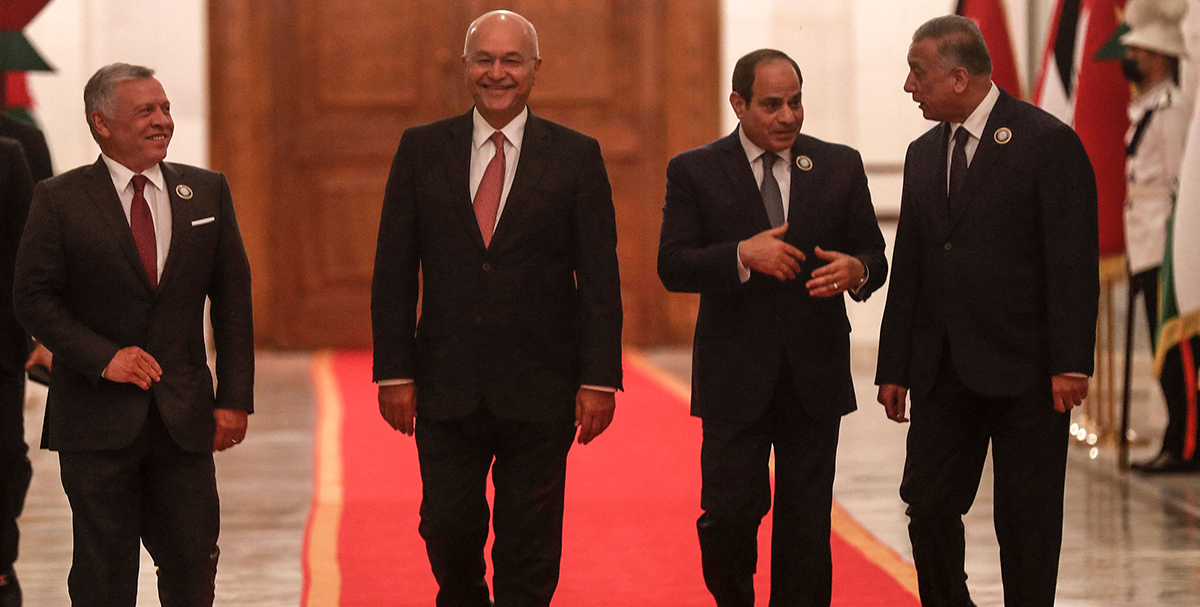
Sunday was a festive day in Baghdad. The last time Iraqis had received an Egyptian president 30 years ago, the region was gearing up for war and uncertainty as the late President Hosni Mubarak shuttled between Baghdad and Gulf capitals prior to Saddam Hussein’s invasion of Kuwait in 1990. The circumstances were quite different on June 27, when Egyptian President Abdel-Fattah el-Sisi and King Abdullah II of Jordan were given the red-carpet treatment at a tripartite summit marking the fourth meeting between the leaders of the three countries aiming to form a new regional alliance.
Russia’s careful calculus in supplying Iran with a high-tech satellite
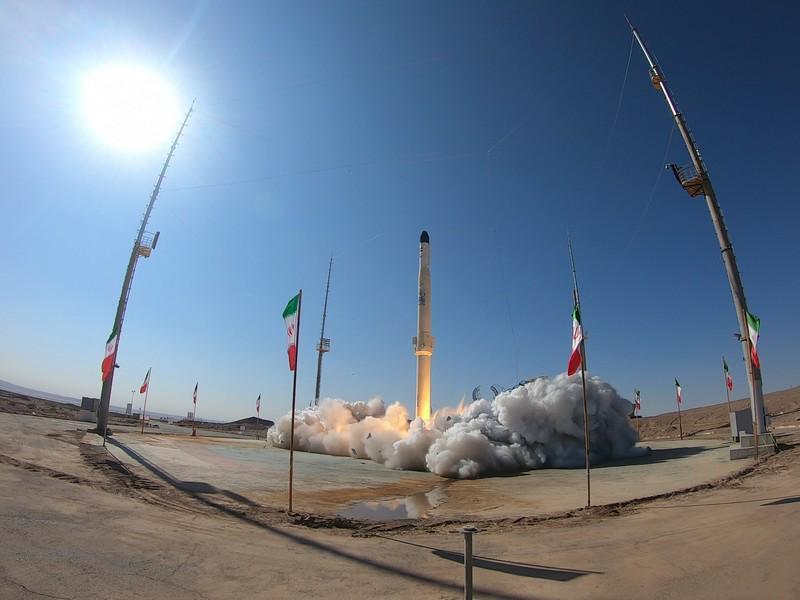
According to reporting from The Washington Post, Russia is set to provide Iran with a high-tech satellite called Kanopus-V. Russia will launch the satellite from its territory and then hand over control to an Iranian crew that received essential training in Russia. Iran will control the satellite from a newly built facility in Alborz Province, near Tehran.
With Netanyahu gone, the Abraham Accords will not only survive, they might even flourish
Some international concern has been voiced about the future prospects of the Abraham Accords under Israel’s new government. This stems from the perception that the normalization agreements Israel signed in 2020 with the UAE and Bahrain were the personal achievements of two former leaders — Donald Trump and Benjamin Netanyahu — and would not have happened without them. The question thus arises of whether the agreements can survive their departure from power. Not only will the Abraham Accords survive, they will now be able to flourish and reach new heights. Foreign Minister Yair Lapid’s statement that his first visit abroad will be to the UAE is a good indicator.
The oldest peer-reviewed publication dedicated to the study of the modern Middle East, MEI’s flagship journal covers politics, society, and culture in the region.