After decades of political setbacks, Iran’s former Revolutionary Guards commander has returned to the center of power. Is he an incidental beneficiary of war, or have observers underestimated him all along?
The Unavoidable Neighbor: Managing Iran Beyond the War
Gulf states and their partners are increasingly looking beyond their most immediate interests of containing the war with Iran. While recent talks between Saudi Arabia, Turkey, Pakistan, and Iran have kept de-escalation on the agenda, a broader regional security framework and non-aggression pact has also emerged, envisioning a longer-lasting solution to regional conflicts. The talks have yet to produce a settlement, but they reflect a growing recognition that Gulf security cannot depend entirely on Washington. Iran will still be there, and its neighbors will have to find ways of living with it.
Recent Elections and What They May Mean for the Middle East
Recent elections for the Israeli Knesset and American Congress may make less of a difference in the Middle East than some people think. Elections are significant indicators of national political trends, but do not always translate into changes in national security strategies. That is likely the case now in both nations.
Iran: Debt Payment Not Related to British Mother’s Release
The Iranian Foreign Ministry spokesman has rejected media reports that the British government’s willingness to pay Iran a decades-long debt of about $600 million is related to the potential release of a British mother jailed by the Islamic Republic. “The case of Nazanin Zaghari and the issue of the debt payment to Iran by the British government are separate matters,” Bahram Ghassemi told the Islamic Students’ News Agency today. “Ms.
I.R.G.C. Beating The Drums of War against U.S. in Syria
With ISIS on the brink of defeat, Tehran and Damascus say the next phase of the conflict in Syria is for the “resistance forces” to confront the U.S. military and its local allies, particularly the Syrian Democratic Force (S.D.F.). They have dialed up anti-American propaganda and warn that a “direct confrontation” with the U.S. will be necessary if Washington decides to keep its troops in Syria for the long haul.
Bahrain Claims Iran Plotted Pipeline Blast near Manama
The Bahraini government’s claim that Iran was directly involved in an oil pipeline explosion near the Bahraini capital of Manama is the latest sign of heightening tension in the Gulf region. Bahrain’s Interior Minister Sheikh Rashid bin Abdullah al-Khalifa said the blast was the latest example of a “terrorist act” under instructions from Tehran, the state-run Bahrain News Agency reported.
Khamenei’s Aide: We Hope Hariri Remains Lebanon’s Prime Minister
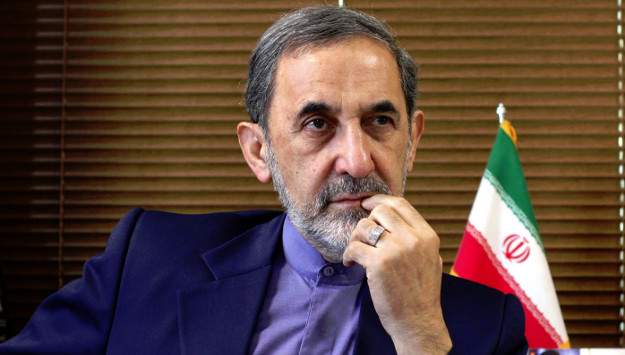
Ali Akbar Velayati, a top aide to Iranian Supreme Leader Ali Khamenei, said Tuesday that Tehran hopes Saad Hariri will return from Saudi Arabia and resume his position as Lebanon’s prime minister. “We support the unity between the March 8 and March 14 [alliances], which reached an agreement to form a government after a long time, and acted in unison to make Lebanon one of the region’s peaceful countries. This is the result of the understanding and logic of the [Lebanese] people and Islamic resistance.
Pakistan’s Army Chief: We’re Interested in Learning Experience of Basij from Iran
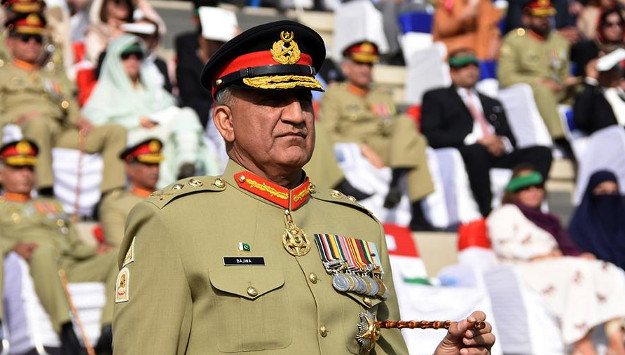
When the chief of the Pakistani Army visited Tehran last week, he told the commander of Iran’s Islamic Revolution Guards Corps (I.R.G.C.) that Pakistan is interested in learning from Iran’s experience of creating the Basij Organization and using “popular forces” to counter enemy threats, according to the Iran
The Lebanon Crisis Pivots on Hezbollah’s Presence in Yemen | Monday Briefing
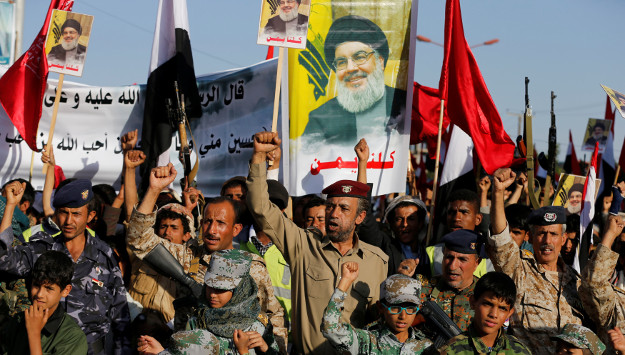
In this week’s Monday Briefing, contributors Paul Salem, Eran Etzion, Alex Vatanka, and Bilal Saab provide analysis on recent and upcoming events including the rising tension between Saudi Arabia and Lebanon over Hezbollah’s presence in Yemen, rumors that an Israeli attack on Lebanon is imminent, the Saudis’ latest attempt to round up collective action against Iran, and the new phase in the Saudi-Iran proxy war following the recent explosion of a pipeline in Bahrain.
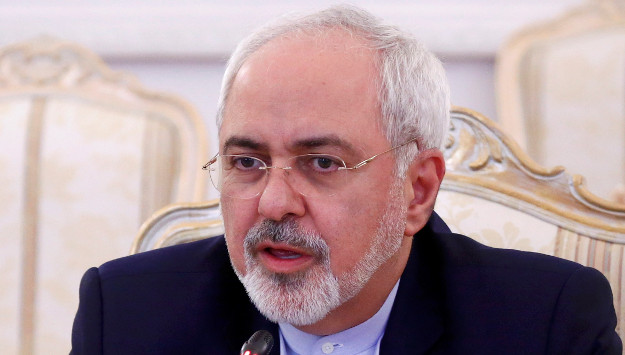
Iranian Foreign Minister Javad Zarif met with Tajikistan’s President Emomali Rahmon today in the capital city of Dushanbe to discuss ways to improve economic and trade relations between the two countries and coordinate their counterterrorism efforts in the region. The Iranian foreign minister arrived in Dushanbe on Wednesday and held meetings with his Tajik counterpart and participated in the inauguration ceremony of Iran’s new embassy building in the Tajik capital.
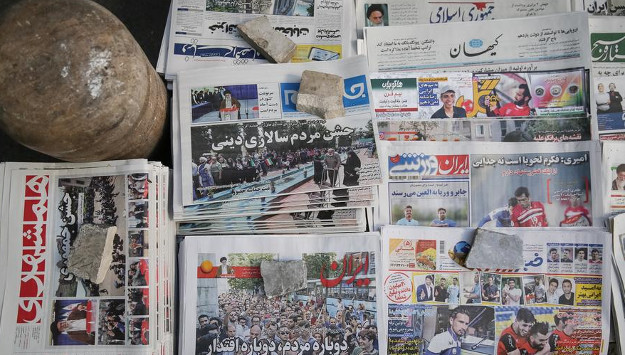
Yesterday’s edition of Jameeh-ye Farda, a reformist Iranian outlet, was published without an article written by its lead columnist Morteza Simiyari. The article, “Are We Hearing the Echo of the War? Russia, Instigator of War between Iran and Saudi Arabia,” was censored by the government, but it later surfaced on Gooya News, an independent news outlet in the Netherlands.
Iran Navy Plans to Deploy Fleets to Open Seas between Europe and Americas
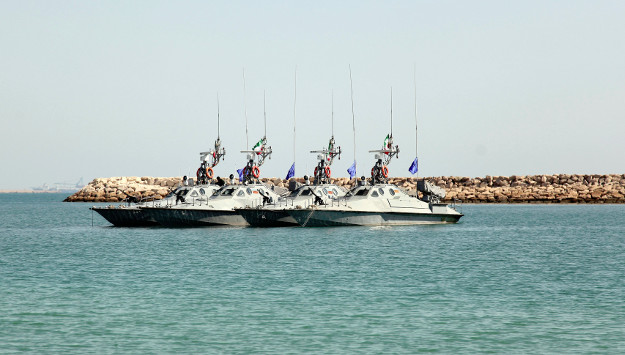
The outgoing commander of the Iranian Navy hailed the expanding presence of the country’s naval forces in international waters and said the Navy plans to send fleets to open seas between Europe and Americas.
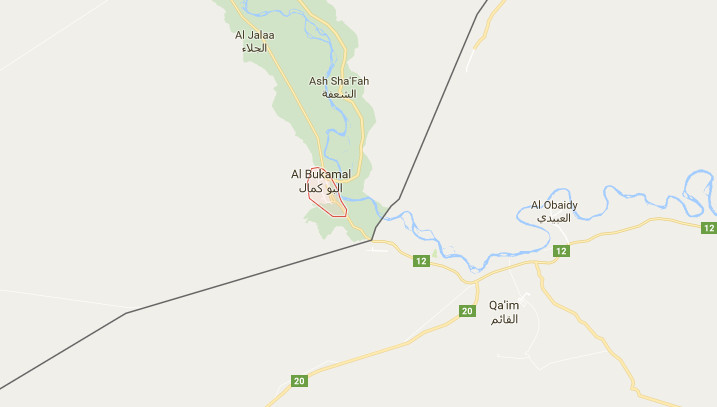
Syrian, Iranian-Led Forces Capture Abu Kamal, Threaten to Confront U.S. and S.D.F.
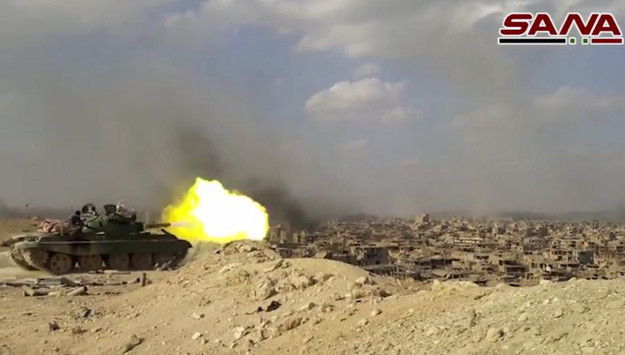
The Syrian Army and Iranian-led forces have captured Abu Kamal, a strategic border town in eastern Syria and the last major ISIS stronghold in the country, Iranian and Arab media report. While the physical and military defeat of the Islamic State is good news, the rapid territorial gains by pro-Syrian regime forces, particularly in the oil-rich eastern province of Deir Ezzor, have increased the risk of a potential confrontation with U.S.-backed Syrian opposition forces that have also captured strategic areas from ISIS in northern and eastern Syria.
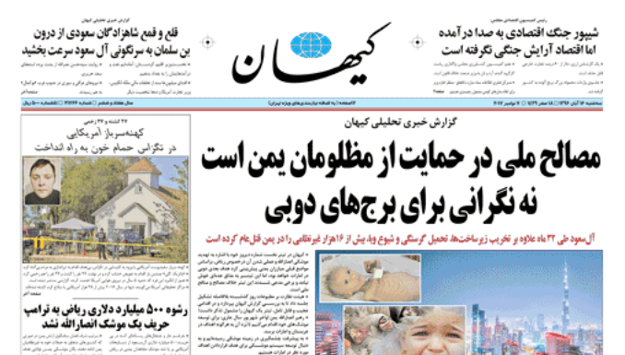
The Houthi missile attack against King Khalid International Airport in Riyadh on Saturday not only heightened tension between Saudi Arabia and Iran, but also triggered a war of words between media outlets representing different factions in the Islamic Republic.
Harakat al-Nujaba Reacts to U.S. Move to Sanction Iran-Backed Iraqi Militias
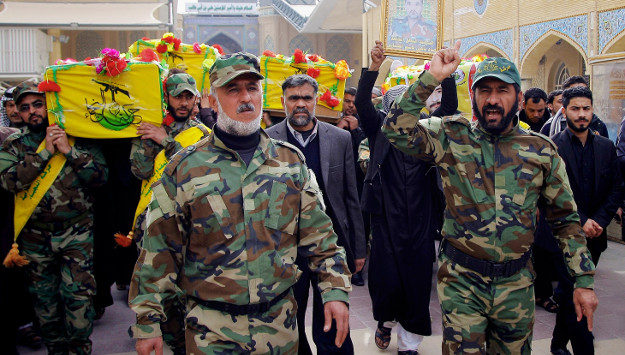
Harakat al-Nujaba, a militia unit within Iraq’s Popular Mobilization Forces (P.M.F.), lashed out at the United States for seeking to impose sanctions against the group and other Iranian-sponsored militia organizations fighting in Iraq and Syria. On November 3, a bill was introduced the U.S. House of Representatives, entitled “Iranian Proxies Terrorist Sanctions Act of 2017,” which, if passed, will impose terrorism-related sanctions with respect to Asa’ib Ahl al-Haq and Harakat al-Nujaba groups.