Iran’s New Defense Minister Is a Missile Man, Not a Military Man
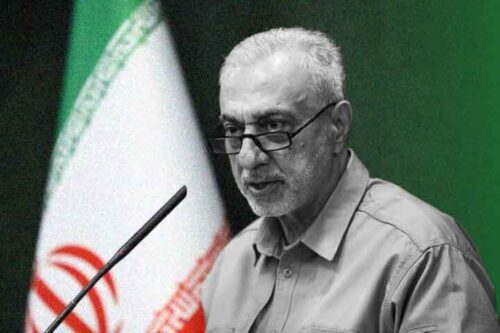
Mehrdad Akhlaghi was appointed defense minister in October 2026 by Iranian President Masoud Pezeshkian. He is an unusual choice, as, unlike most of his predecessors, he does not come from a uniformed military background. And his appointment comes arguably at the most sensitive time in the history of the Islamic Republic.
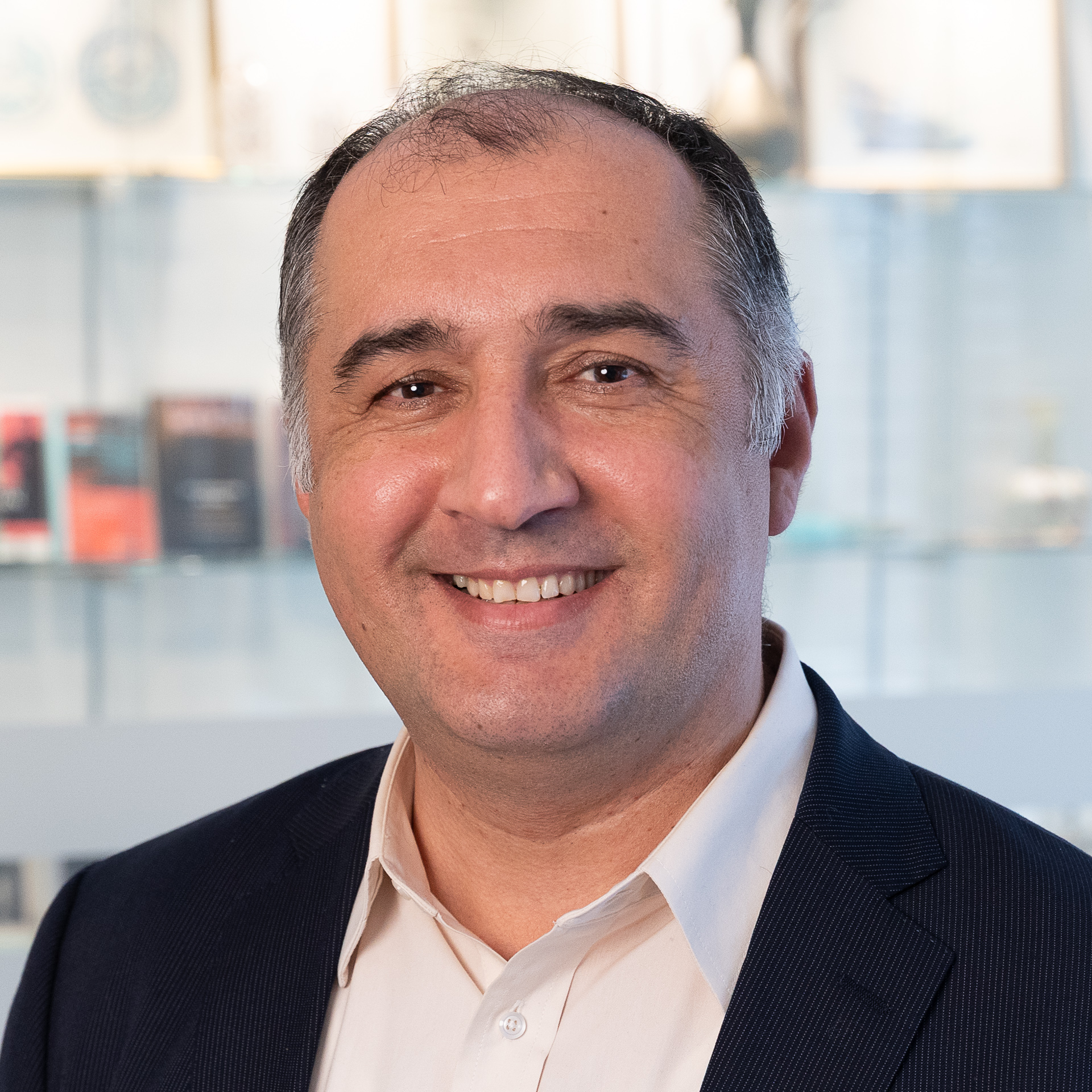
Washington says it doesn’t know who runs Iran. Tehran insists its leadership is united. MEI Senior Fellow Alex Vatanka joins hosts Alistair Taylor and Matthew Czekaj to sort out where the truth lies. They look at the small circle of political and military figures now steering the war effort in Tehran: who they are, how they make decisions, and how unified they really are. They also discuss the current state of US-Iran negotiations, the role of the upcoming midterm elections in the United States, and how the Islamic Republic is preparing for a potential renewal of conflict afterward.
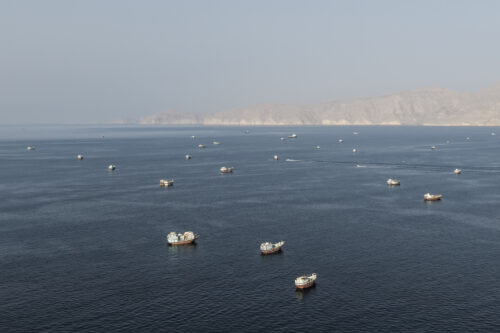
Crude oil is flowing out of the Gulf again, but the market is no better prepared for another disruption in the Strait of Hormuz. It has assembled a temporary system for managing one. Crude exports from the Gulf, excluding Iran, returned to pre-war levels in September, while total Gulf shipments reached 15.5 million barrels a day, more than 80% of the pre-conflict volume.
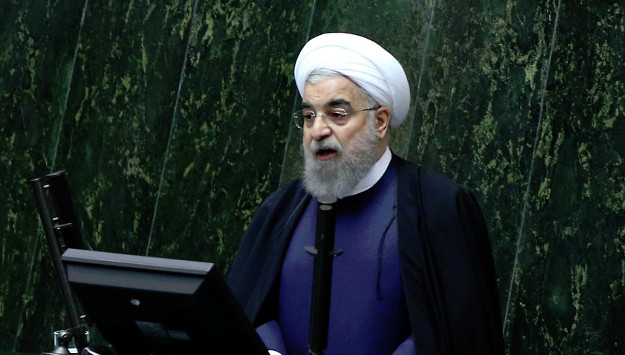
Rouhani Calls for “Revolutionary” Foreign Policy to “Isolate America”
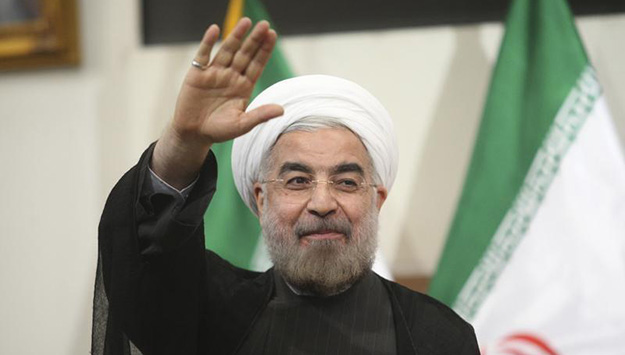
Iranian President Hassan Rouhani has said that all centers of power in Iran should work together to seek the support of European and Asian powers to isolate the United States, the
Iranian Parliament Seeks to Increase Budget for Missile Program, I.R.G.C. Quds Force
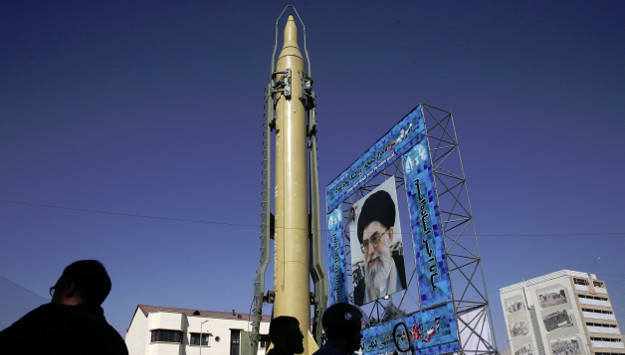
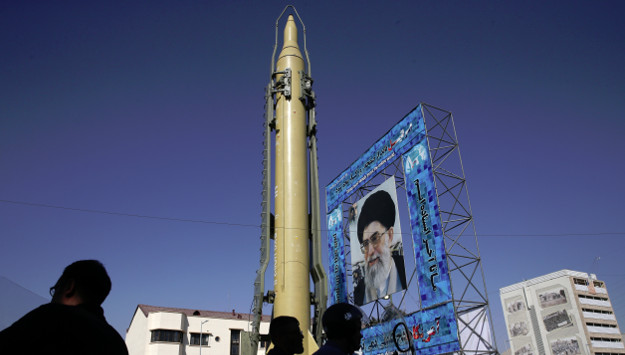
The Iranian parliament is finalizing a bill to increase the annual budget for the Islamic Revolution Guards Corps (I.R.G.C.), the Iranian media reported. The estimated surplus budget of more than half a billion dollars is specifically designed to help the I.R.G.C. to further enhance the country’s missile program and military activities in the region. The move came as a response to the latest U.S. Senate legislation that would impose new sanctions against Iran’s missile program.
Iran Warns White House against “Playing with Fire” in Syria
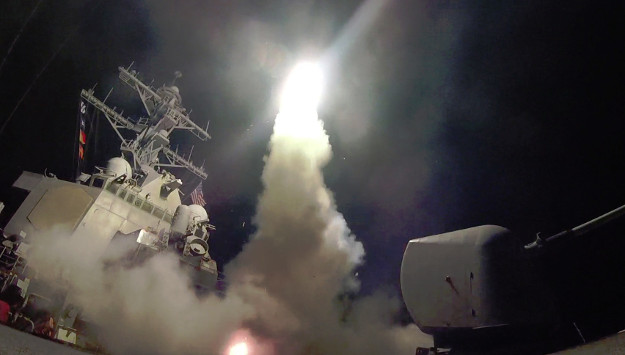
A senior Iranian official called on the Trump administration to avoid taking any further military action against the Syrian government and its allies and threatened that any such move would not go unanswered.
Iran’s Mixed Track Record of Fighting Drugs Trafficking
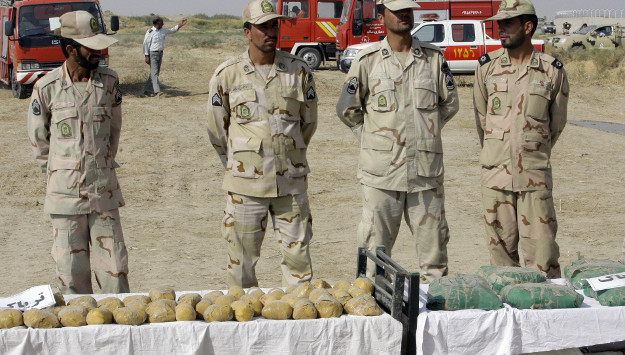
Iran’s anti-narcotics police forces have seized more than 16 tons of illicit drugs in the southern province of Hormozgan, the Iranian media reported. According to Hormozgan’s Police Chief Brigadier General Azizollah Maleki, the security forces confiscated the drugs from 219 vehicles over the past three months.
Iran Steps up Efforts to Oust U.S. Military from Middle East
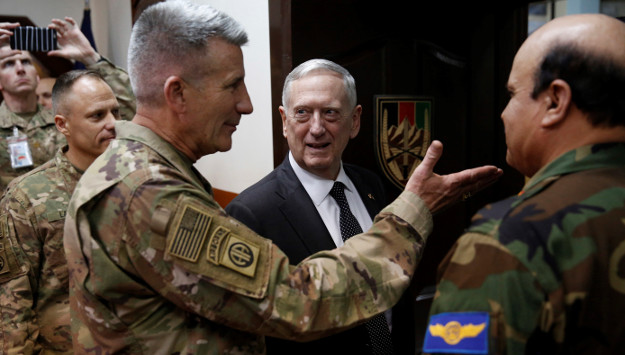
With the Islamic State collapsing in Iraq and losing ground in Syria, Iran and its regional proxies see the United States as the primary threat to their influence and ambitions and have stepped up efforts to oust the U.S. military from the region. Through diplomatic outreach – and at times veiled threats – Iranian leaders have been urging the Afghan and Iraqi governments to expel American forces from their countries. Tehran has also deepened its ties with the Taliban and has reportedly teamed up with Moscow to undermine U.S.-led stabilization efforts in war-torn Afghanistan.
I.R.G.C. Commander Rejects Rouhani’s Criticism about Guards' Role in Iran’s Economy
The chief commander of the Islamic Revolution Guards Corps has rejected President Hassan Rouhani’s criticism of the I.R.G.C.’s involvement in Iran’s economy and defended his forces’ track record, the
Tehran Seeks International Support to Mitigate Impact of U.S. Sanctions
Iran’s Parliament Speaker Ali Larijani said the latest U.S. Senate legislation that would impose new sanctions on Iran was a violation of international law and U.N. conventions, the Iranian media reported. He made the remarks in a speech at the meeting of the Eurasia’s parliament speakers in South Korea on Tuesday.
Iran’s Parliament Finalizing Bill to Counter U.S. Actions in Middle East
A top Iranian lawmaker said that the parliament’s National Security and Foreign Policy Commission has finalized a legislation that would counter the U.S. “adventurous and terrorist” actions in the region, state-run Islamic Republic News Agency reported today. “This bill has set some obligations for the government and the government is obliged to implement them,” Alaeddin Boroujerdi emphasized. He further noted that the bill is a reaction to the latest U.S.
I.R.G.C. Outlet Accuses U.S. Military of Aiding Islamic State in Iraq and Syria
The U.S. military is taking measures in the Iraqi province of al-Anbar close to the Syrian border to counter the growing influence of the Popular Mobilization Forces (P.M.F.), reports Fars News Agency, which is affiliated with the Islamic Revolution Guards Corps (I.R.G.C.). According to the Iranian outlet, the U.S. military seeks to push back against the P.M.F.’s territorial gains because Washington and its allies see the Iraqi paramilitary forces as “Iran’s operational arm” in Iraq and Syria. According to Fars, the U.S.
Rouhani to Qatari Leader: Iran Stands with Doha, Rejects “Unacceptable Siege”
On Sunday, Iran’s President Hassan Rouhani pledged support for Qatar in its latest standoff with Saudi Arabia and its regional allies and called for the expansion of bilateral ties between Tehran and Doha, the Iranian media reported.
Iran Seeks Role in Syria's Reconstruction, Economy
Iranian Ambassador to Damascus Javad Torkabadi has said that the Islamic Republic is ready to help Syria’s reconstruction after the defeat of the Islamic State in the war-ravaged country, Iranian media reported. “Many companies in Iran are ready to help Syria in the housing and reconstruction fields rendering their best services now that victory is in sight in Syria after a protracted battle,” he was quoted as telling Syrian Minister of Housing Hussein Arnus at a meeting in Damascus.
Rouhani Lauds I.R.G.C. for Developing and Using Missiles
Iran’s President Hassan Rouhani hailed efforts by the Islamic Revolution Guards Corps (I.R.G.C.) to develop and employ advanced weapons to protect the country, Iranian media reported. “I’d like to thank the ones that manufacture strategic arms for the country and the ones that employ such strategic weapons very well,” Rouhani said in a meeting of top Iranian officials and ambassadors of Islamic nations on the occasion of Eid in Tehran.
Iranian Demonstrators Chant Slogans against U.S. and Saudi Arabia during anti-Israel “Quds Day” Rallies
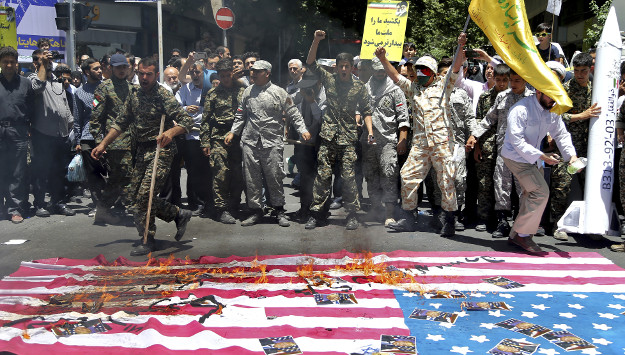
Hundreds of thousands of Iranians today marched the streets of Tehran and across the country to mark the International Quds Day, Iranian media reported. The demonstrators voiced support to the plight of Palestinians and chanted slogans against Israel and the United States. Senior political and military leaders, including President Hassan Rouhani and Islamic Revolution Guards Commander Mohammad Ali Jafari, attended the anti-Israeli rallies.
The oldest peer-reviewed publication dedicated to the study of the modern Middle East, MEI’s flagship journal covers politics, society, and culture in the region.