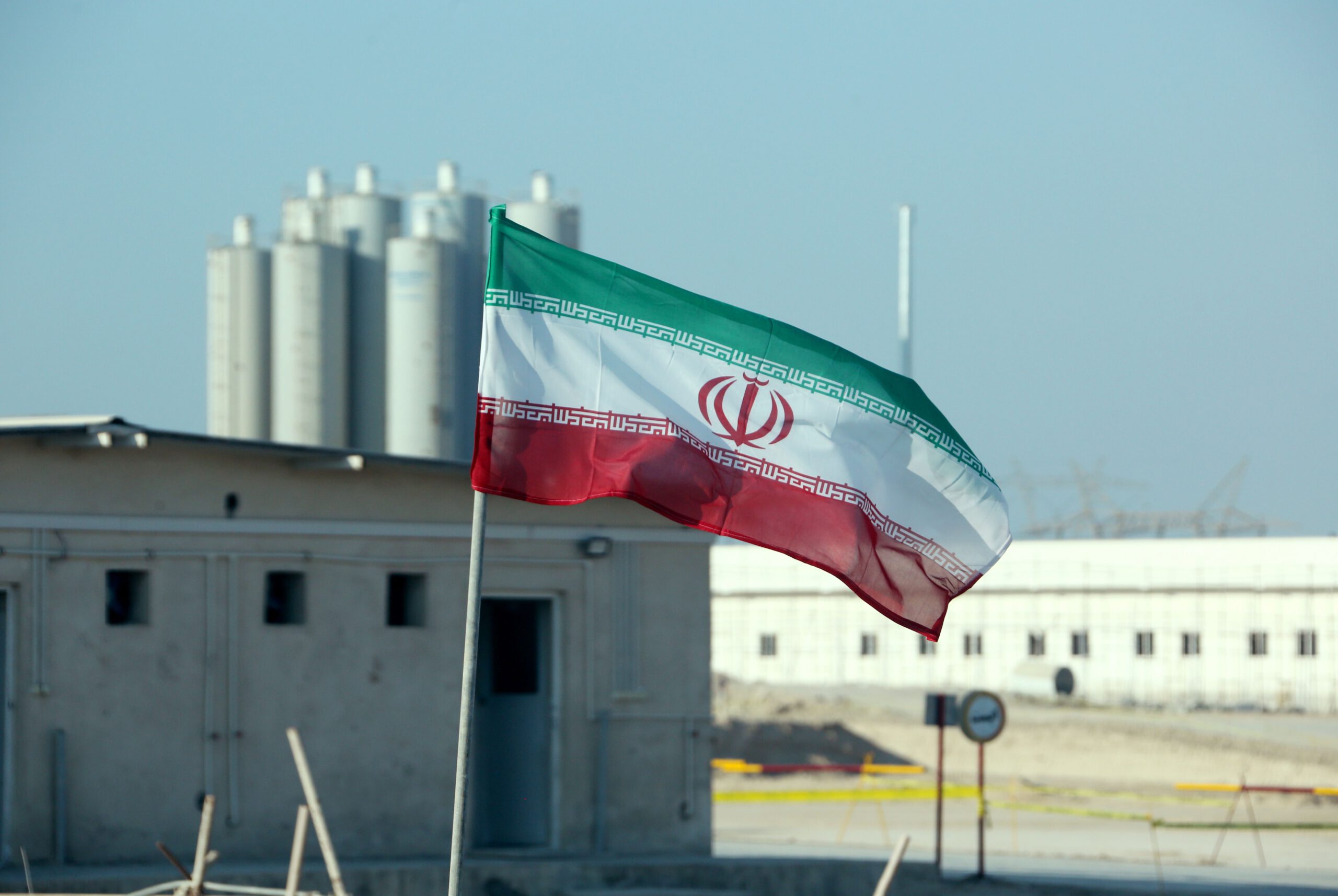
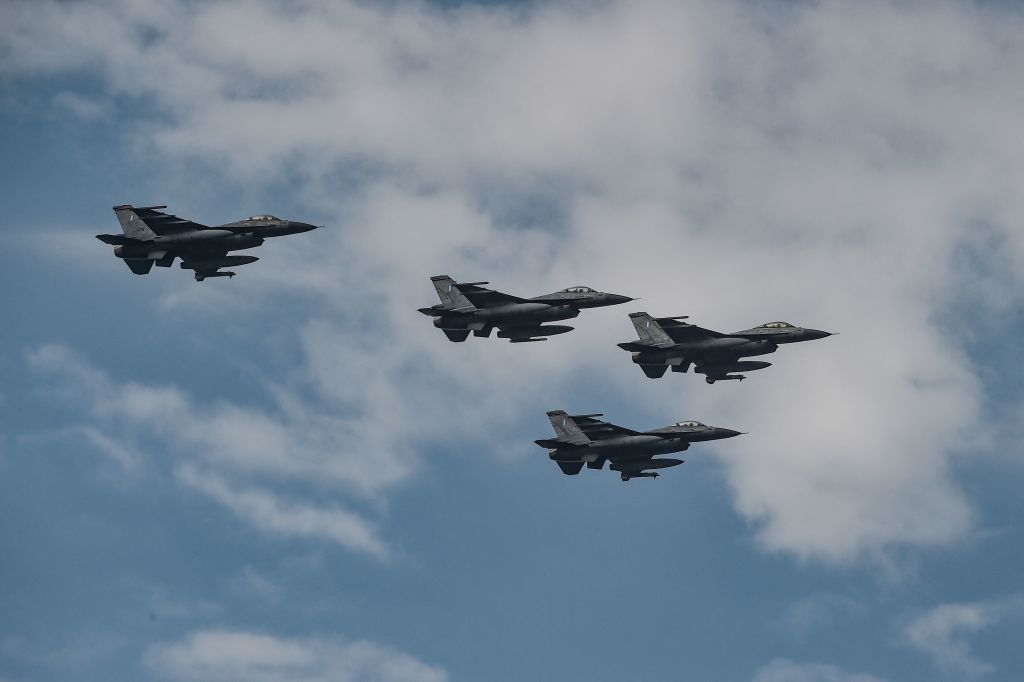
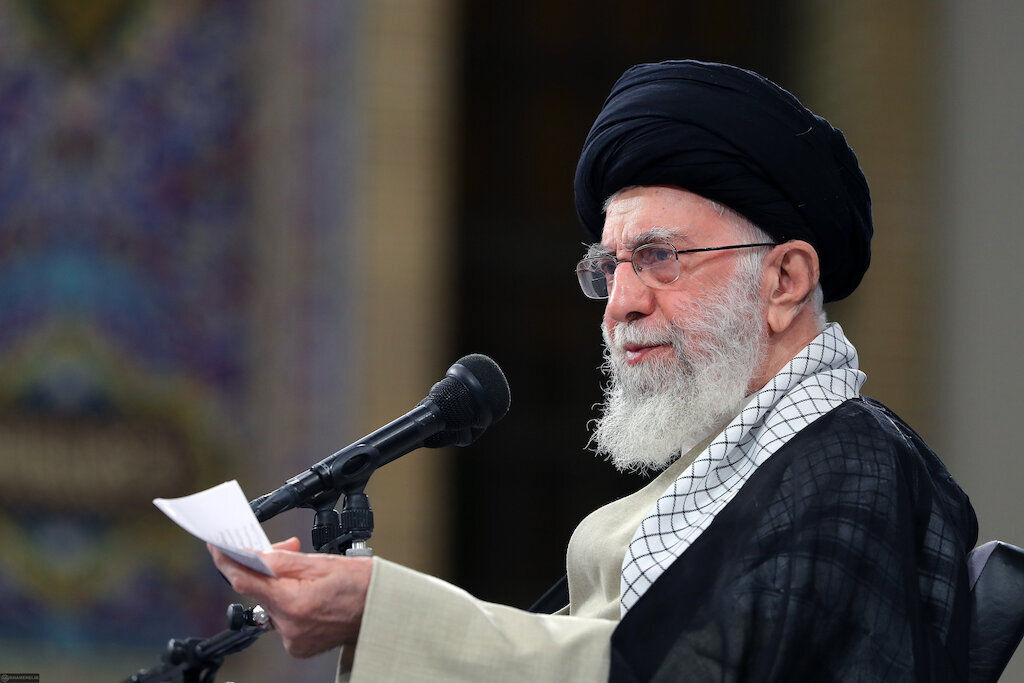
Washington says it doesn’t know who runs Iran. Tehran insists its leadership is united. MEI Senior Fellow Alex Vatanka joins hosts Alistair Taylor and Matthew Czekaj to sort out where the truth lies. They look at the small circle of political and military figures now steering the war effort in Tehran: who they are, how they make decisions, and how unified they really are. They also discuss the current state of US-Iran negotiations, the role of the upcoming midterm elections in the United States, and how the Islamic Republic is preparing for a potential renewal of conflict afterward.
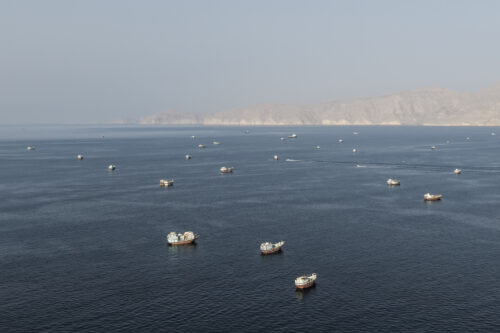
Crude oil is flowing out of the Gulf again, but the market is no better prepared for another disruption in the Strait of Hormuz. It has assembled a temporary system for managing one. Crude exports from the Gulf, excluding Iran, returned to pre-war levels in September, while total Gulf shipments reached 15.5 million barrels a day, more than 80% of the pre-conflict volume.
Many of the immediate consequences of the Israeli-American war with Iran are already clear. The further emergence of drones and missiles as dominant weapons of war; the danger to the global economy from the threats to vital chokepoints such as the Strait of Hormuz and the Bab el-Mandeb; and the inadequacy of US weapons procurement, among other issues, have garnered widespread and entirely merited attention.
The French cultural center shuttered: What does cultural isolation mean for Iranians?
The general policy of the Islamic Republic is to constrain, as much as possible, its citizens’ exposure to foreign cultures and prevent their engagement with the outside world, which explains why cultural ties, even with neighboring or friendly countries, are so limited.
The Iran protests and US policy on Tehran’s nuclear program
When the Iranian government faces intense Western criticism, such as over its brutal suppression of the protest movement and its recent executions, it frequently resorts to specific actions, one of which is hostage-taking. Nevertheless, perhaps the most important “hostage” Tehran counts on to influence the positions of Western powers is not their imprisoned citizens, but rather Iran’s nuclear program.
Iran and cryptocurrency: Opportunities and obstacles for the regime
While cryptocurrency may offer Iran the opportunity to bypass sanctions and boost trade, it is by no means a panacea for such outcomes and comes with a host of obstacles, such as price volatility, economic uncertainty, energy consumption, and evolving regulation.
Iran’s Balkan front: The roots and consequences of Iranian cyberattacks against Albania
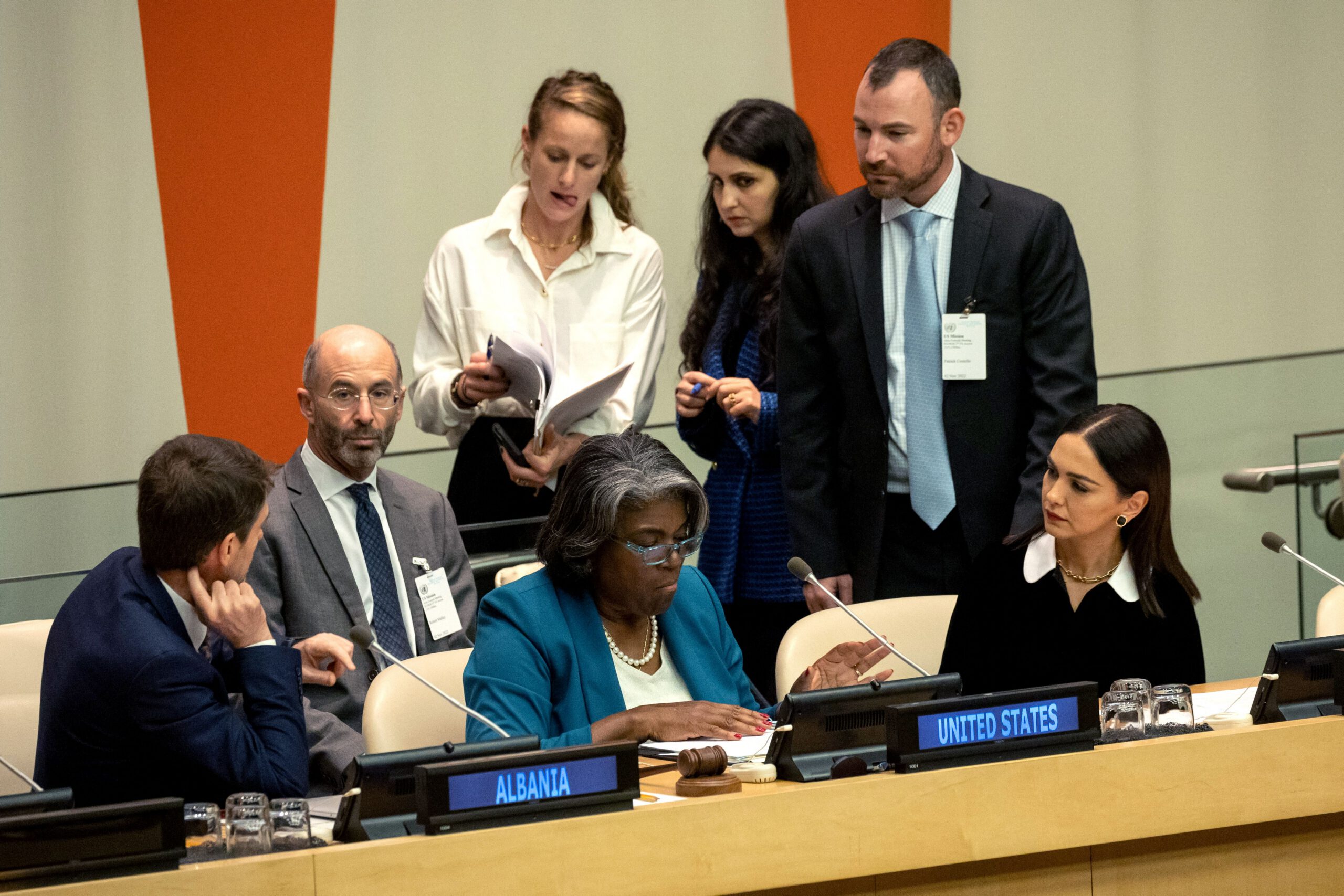
A series of damaging Iranian hacks of Albania’s critical digital infrastructure over the summer pushed Tirana to break off bilateral diplomatic relations. Iran has regularly responded to sanctions or perceived provocations through cyberattack campaigns, as was visible in the case of Albania, guilty in the Iranian authorities’ eyes for the accommodations it has given to the anti-regime group MEK .
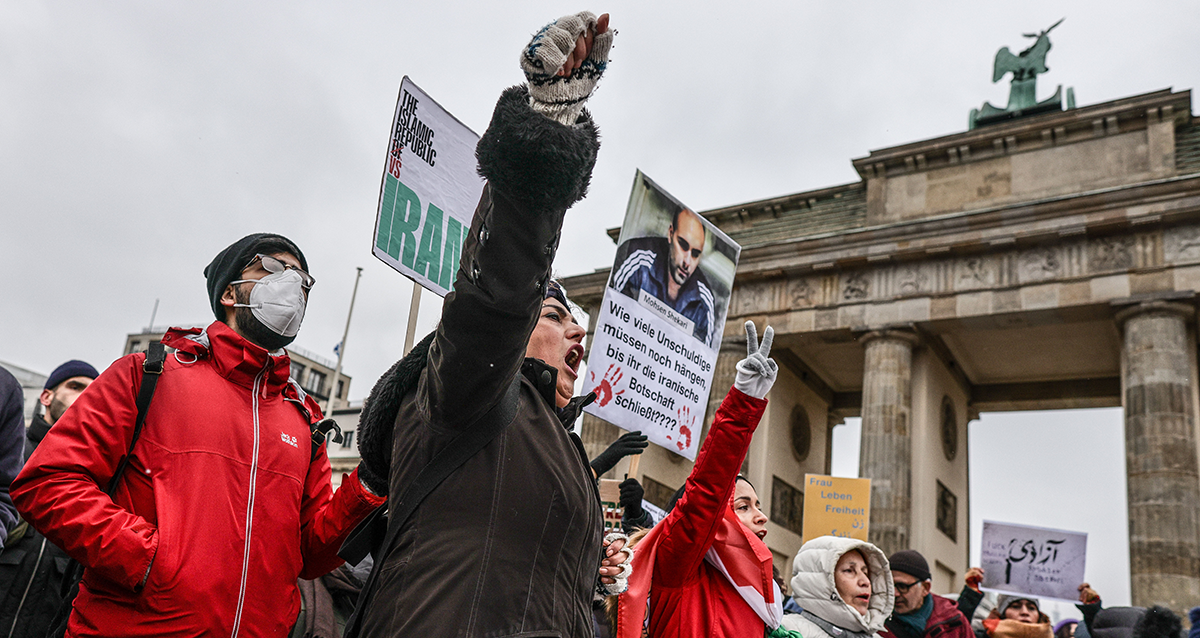
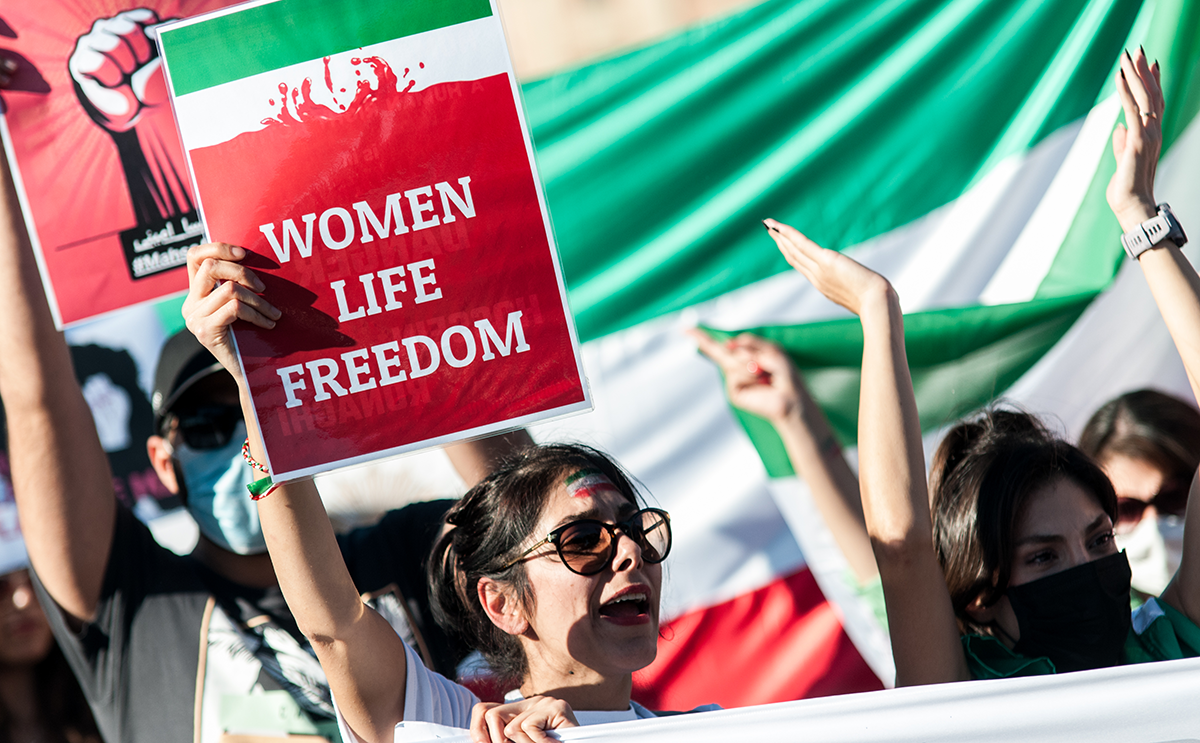
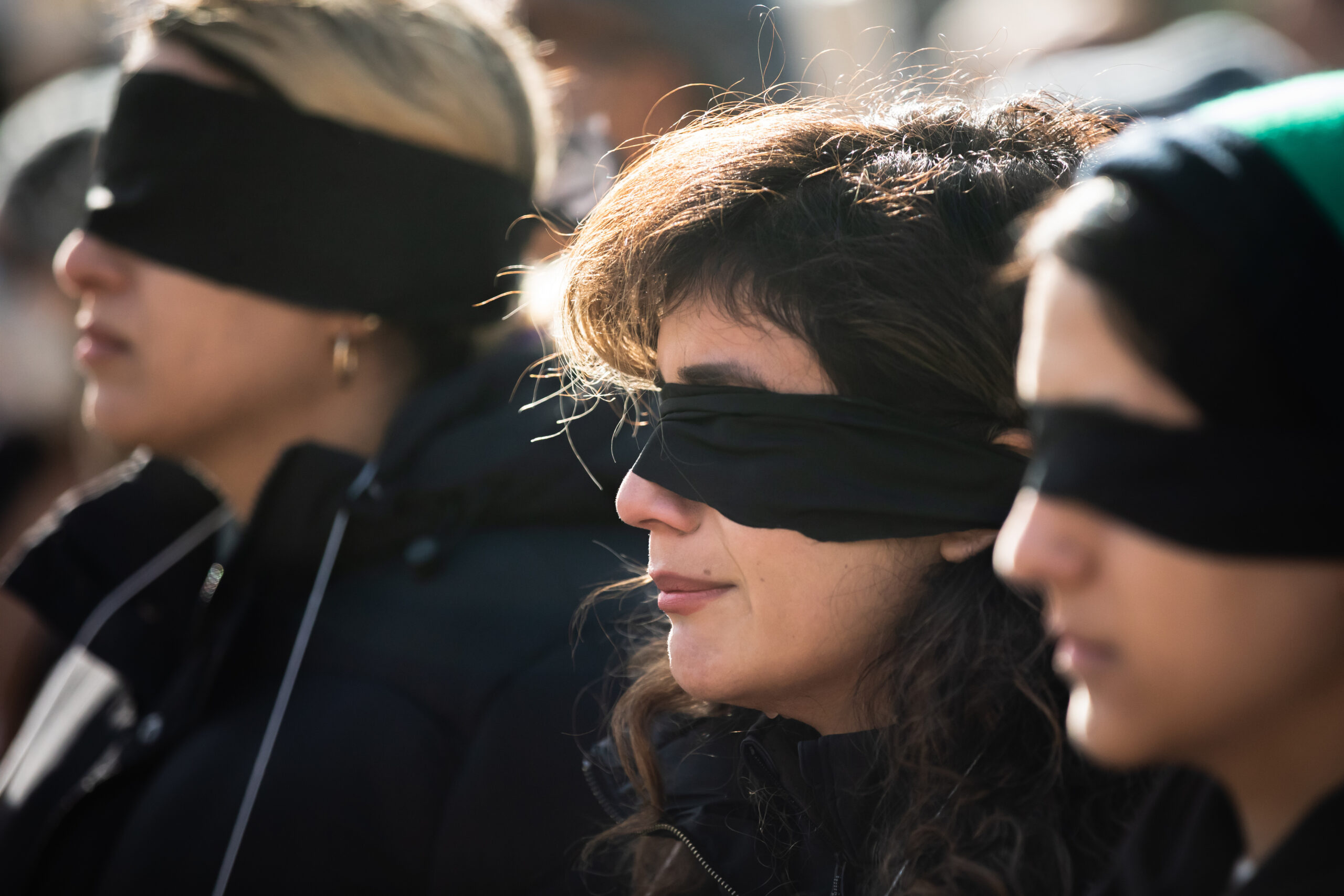
Now entering their fourth month of defiance, the people of Iran continue to protest the regime of Ali Khamenei. Since protests began in September, the crackdown by security forces has become increasingly severe and the government has now begun executing protesters. According to figures from the Human Rights Activists News Agency, as of Dec. 15, nearly 500 protesters have been killed and almost 20,000 people have been arrested.
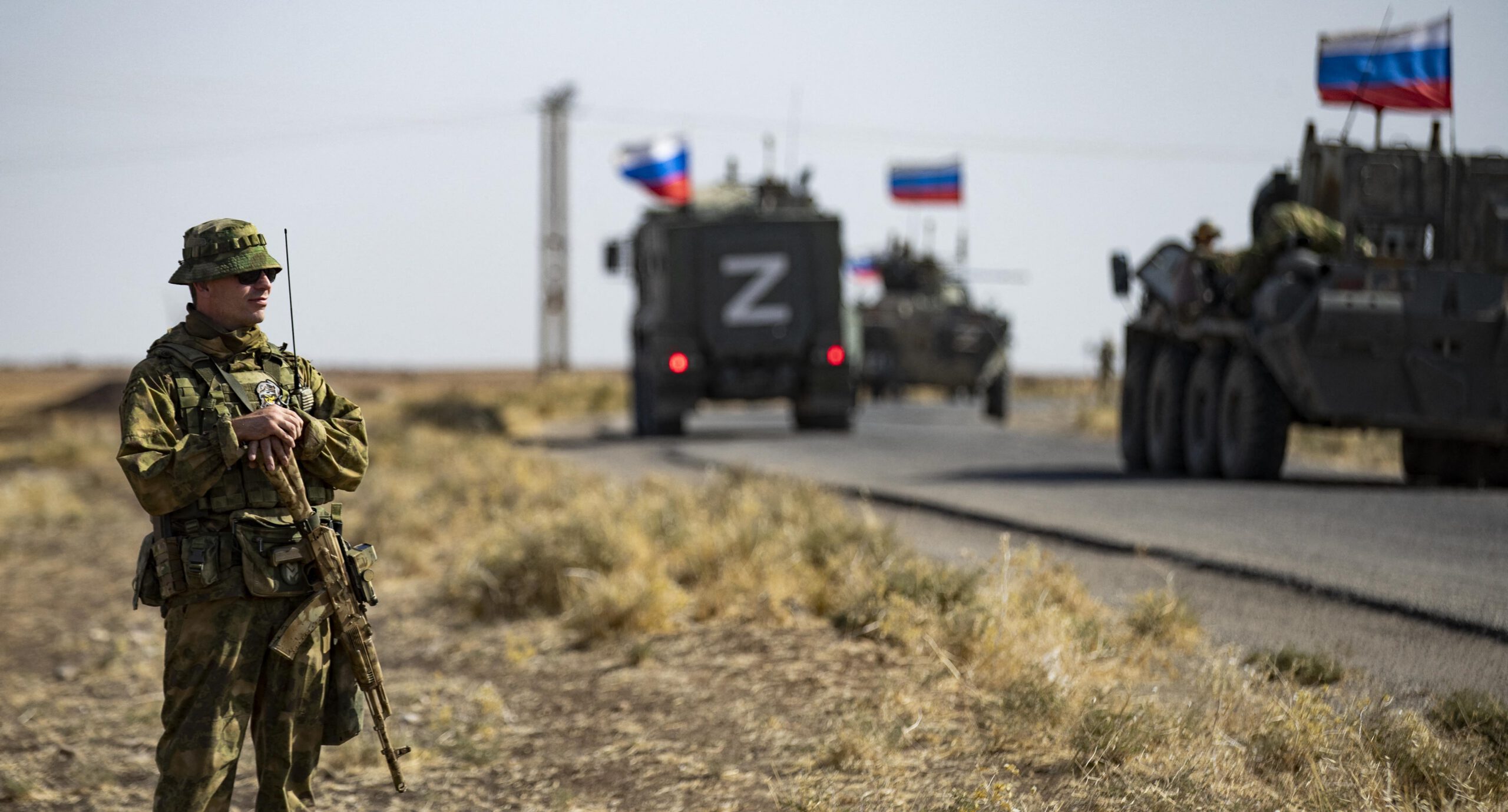
Keeping up appearances: The Ukraine war’s effect on Russian deployments in Syria
As Russia’s 2022 invasion of Ukraine turned into protracted positional and attrition warfare, often speculative reports emerged about the imminent reduction of the Russian military presence in Syria. Several factors may explain the changes in the Russian military presence in Syria and its future.
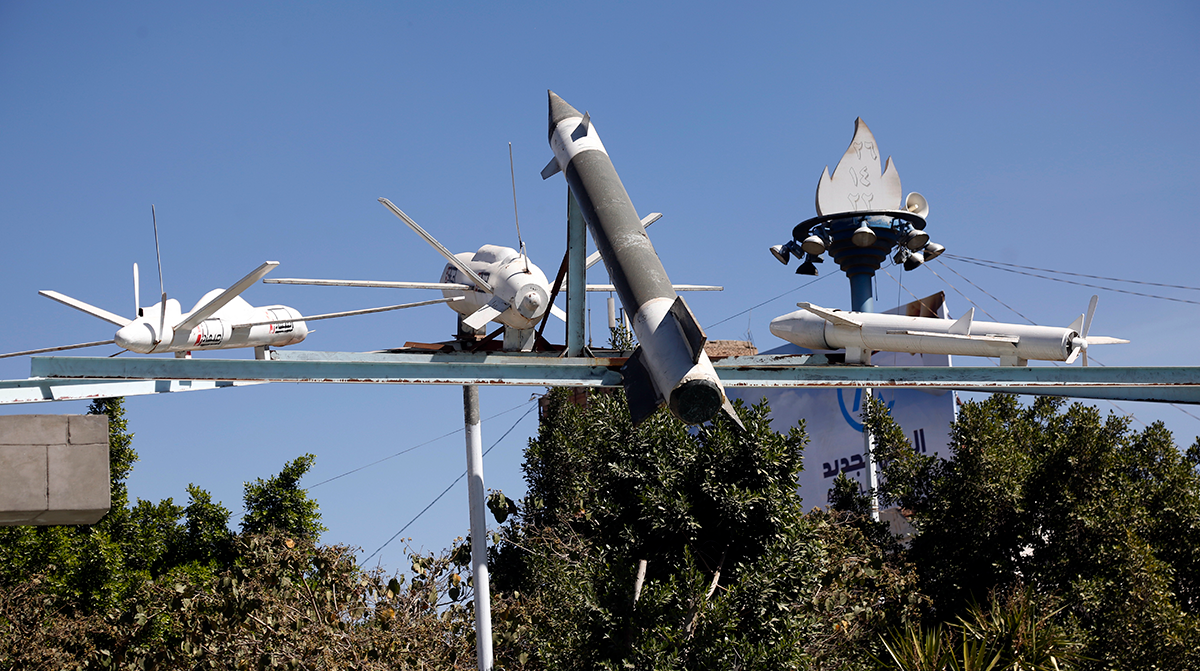
On Nov. 21, the Iranian-backed Houthi militia launched a drone attack against the Dhabba Oil Terminal in Yemen’s Hadramawt Governorate. The threat of further attacks on oil ports and military targets remains high as the militant group tests the tolerance and response of Yemen’s government and the international community while increasing its demands.
How international women’s organizations are supporting Iran’s protest movement
Over the past three months, there has been a massive outpouring of support around the world for the people of Iran, and especially Iranian women, amid the ongoing nationwide protests. International women’s organizations have played a central role in this effort, backing the protests, condemning the harsh government crackdown and Iran’s discriminatory laws, and pushing for the expansion of rights for women and all Iranians. Here are four things women and women’s organizations around the world have been doing to help.
Iranians need more than condemnation in Geneva; they want recognition of their right to democracy
As the U.N. Human Rights Council convenes in Geneva this week, it may be tempting to just focus on the rights of women and girls and make demands of the regime that Tehran will inevitably ignore. But instead, the HRC members should focus on how the international community can give the protesters a much-needed psychological and political boost.
The oldest peer-reviewed publication dedicated to the study of the modern Middle East, MEI’s flagship journal covers politics, society, and culture in the region.