The Kurdistan Region of Iraq (KRI), also known as Iraqi Kurdistan, is a semi-autonomous region in northeastern Iraq with a population of approximately 6.5 million. The KRI’s contemporary politics are rooted in a century of Kurdish efforts to achieve self-rule.
Reflections on a Diplomatic Career in the Middle East: A Conversation With Ambassador Yael Lempert
Brian is joined by Amb. (ret.) Yael Lempert, Vice President for Outreach at MEI, to discuss her career in diplomacy and the importance of US diplomatic efforts abroad. She shares stories from postings across the Middle East in Baghdad, Cairo, Tripoli, Jerusalem, and Amman and examines how her personal and professional experiences shaped her approach to the work. Together, Brian and Yael discuss the realities of life in the Foreign Service, the core tenets of American diplomacy, and why it matters in today’s Middle East.
It has become a commonplace for Americans to describe our current war with Iran as stuck in a kind of limbo, neither full war nor real peace. We’re not the only ones. Iraq finds itself caught in a limbo of its own, between America and Iran, between the tolerable and the intolerable, between progress and relapse.
Iran-Backed Iraqi Militia Forces Advancing to Capture al-Qaim Near Syrian Border
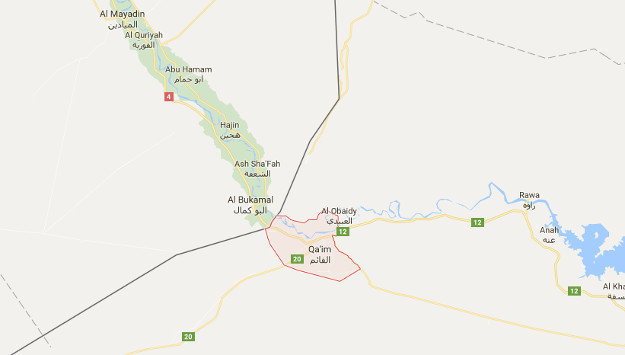
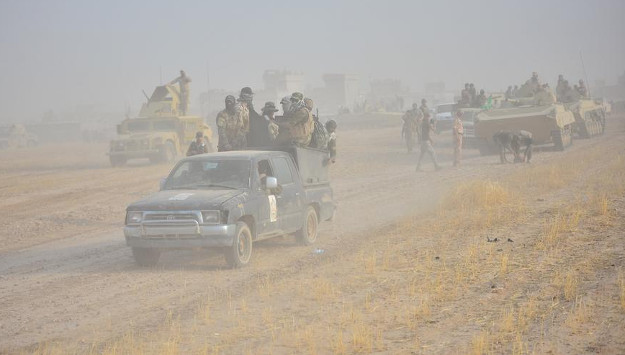
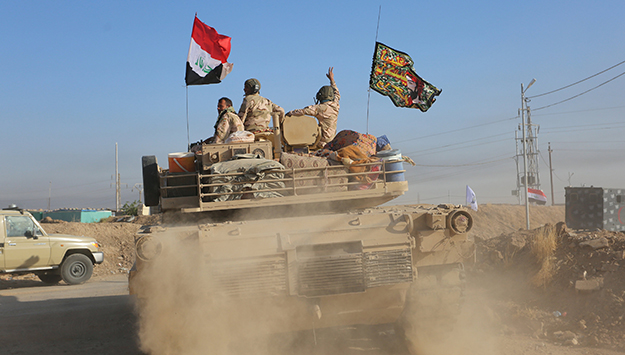
The chief operational commander of Iraq’s Popular Mobilization Forces (P.M.F.) issued a statement yesterday outlining plans for the paramilitary forces and Iraqi troops to liberate the towns of Rawa and al-Qaim on the Euphrates River in western al-Anbar Province near the border with Syria. “We seek to lock down the entire Iraqi-Syrian border from north to south,” the statement said. In an interview with the Lebanese al-Mayadeen news outlet earlier today, P.M.F.
Wars Distracting Middle East from Serious Climate Change Threats
Wars in MENA are causing irreparable damage to water security and resilience to climate change in some of the region’s countries and to their viability. The continuation of this dangerous state could ultimately reinforce even deeper instability in MENA.
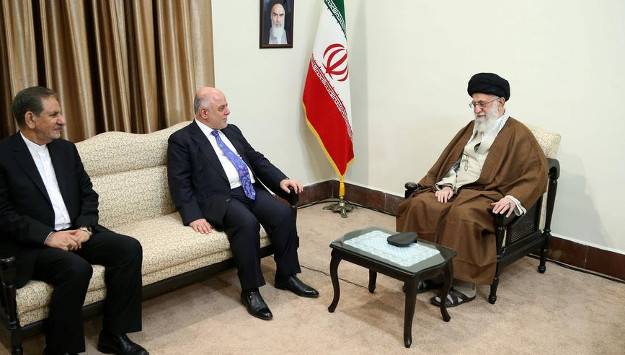
Khamenei Urges Visiting Iraqi Leader not to Rely on America
Iran’s Supreme Leader Ali Khamenei told visiting Iraqi Prime Minister Haider al-Abadi today in Tehran that he should not trust the United States as a reliable partner in the fight against terrorism, the Iranian media reported. “The Americans themselves created Daesh [Islamic State]. But now that the terrorists are defeated by the Iraqi government and people, they pretend to be supportive and helpful.
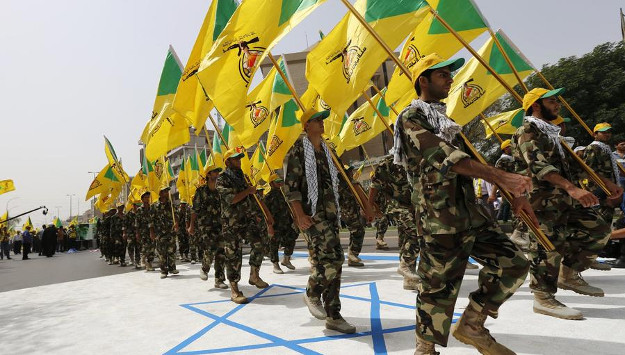
Iraqi Hezbollah: Our Heroes Fired First Shots at U.S. Soldiers, Expelled them from Iraq
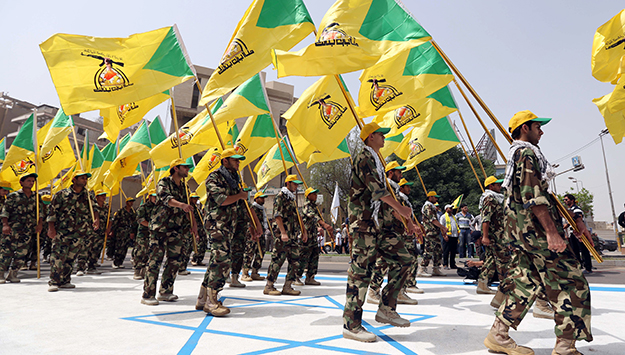
Kata’ib Hezbollah, an Iranian-sponsored Iraqi militia group, said today that the United States and its regional allies created the Islamic State three years ago to destabilize Iraq and Syria. A statement released by the group claimed that “heroes of the Hezbollah Brigades had the privilege of firing the first shots at the U.S.
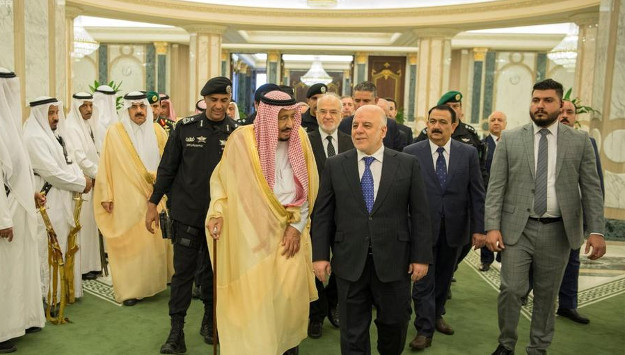
Tillerson’s Remarks and Saudi-Iraqi Meeting in Riyadh Worried Tehran
The 2003 ouster of the Saddam regime and the emergence of the Islamic State in 2014 in the wake of the U.S. withdrawal helped Iran to become the most influential foreign power in Iraq. However, there is a growing concern in Tehran that the latest U.S.-backed diplomatic efforts by Saudi Arabia to forge close ties with the Iraqi government and Shiite leaders may undercut Iranian influence in Iraq.
An Obstacle to Riyadh’s Outreach to Baghdad: Iraqi Interior Minister’s Ties with I.R.G.C.
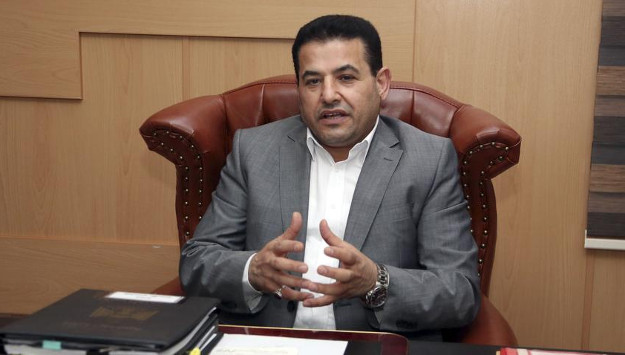
After a long period of disengagement, Saudi Arabia is improving its relations with the Iraqi government and Shiite leaders to challenge Iran’s long-established influence in the country. Riyadh has recently hosted several Iraqi leaders for talks, including Prime Minister Haider al-Abadi, Interior Minister Qasim Mohammad Jalal al-Araji, and Muqtada al-Sadr, a prominent Shiite cleric and politician.
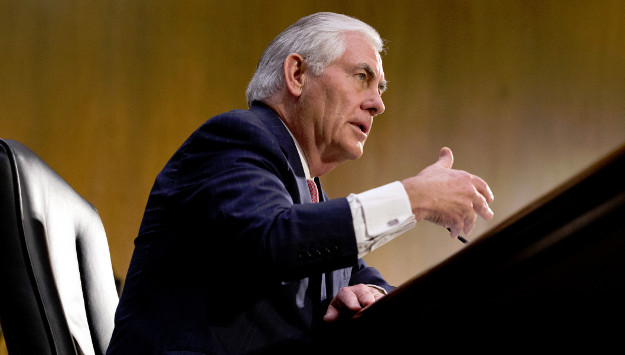
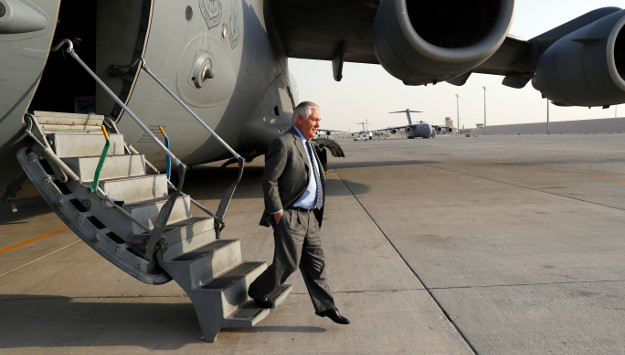
U.S. Secretary of State Rex Tillerson’s recent remarks about the role of Iranian-led militias in Iraq have sparked a lot of controversy. “Certainly, Iranian militias that are in Iraq, now that the fight against Daesh and ISIS is coming to a close, those militias need to go home,” Tillerson said at a press conference in Riyadh on October 22 just before departing for Baghdad.
Iran-Backed Iraqi Group Calls for American Troops to Leave Iraq
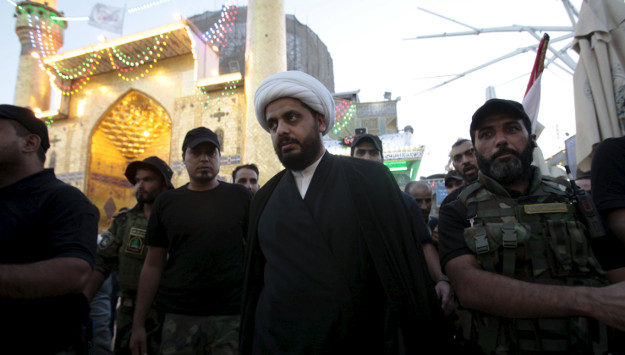
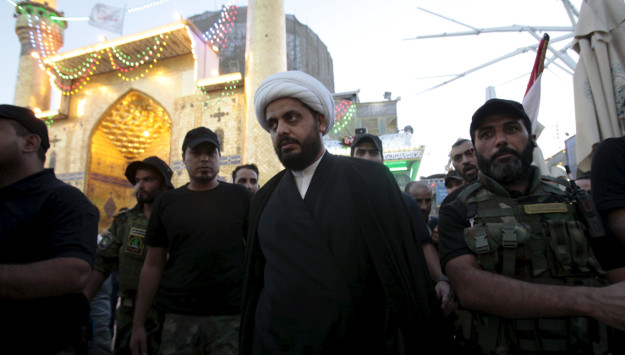
U.S. Secretary of State Rex Tillerson’s call for Iranian-sponsored militia forces in Iraq to be disbanded drew angry reactions from leaders of Popular Mobilization Forces (P.M.F.). Qais al-Khazali, the head of Asa’ib Ahl al-Haq, said Washington should immediately withdraw its troops from the Arab country as soon as the fight against the Islamic State is over.
Hojjatoleslam Mohammad Mohammadi Golpaigani, the head of Supreme Leader Ali Khamenei’s office, credited the Iranian leadership for preventing the establishment of a “second Israel” in northern Iraq. “America and Israel had planned to create a second Israel in the Iraqi Kurdistan region. And it is a shame that the Israeli flag was hoisted there,” Golpaigani said at the inauguration ceremony of 200 mosques and a cultural center today.
Tillerson Promotes Stronger Saudi-Iraq Ties | Monday Briefing
In this week’s Monday Briefing, MEI experts Gerald Feierstein, Marvin G. Weinbaum, Randa Slim, Paul Salem, and Gonul Tol provide analysis on recent and upcoming events including Secretary Tillerson’s visit to Riyadh and Doha as well as his visit to India and Pakistan, Abadi’s regional tour to promote positive relations with neighbors, Sisi’s visit to Paris to boost Egypt-France relations , and German Chancellor Merkel’s threat to cut European Union funding to Turkey due to its crackdown on democratic institutions.
The most surprising thing about the Kurdistan Region of Iraq’s (K.R.I.’s) independence referendum was that it took place at all. Leading up to the vote the international community stepped up its opposition. Baghdad also increased pressure on Erbil with a decision by the Iraqi Supreme Court declaring the referendum illegal, and issuing a series of delegitimizing statements from top Iraqi officials. But K.R.I.
Iran-Backed Group Calls for Seizure of Erbil and other Kurdish Cities
The political wing of Asai’b Ahl al-Haq (A.A.H.), an Iranian-sponsored Iraqi militia group, has called for military operations to seize the Kurdish cities of Dohuk, Erbil and Sulaymaniyah.