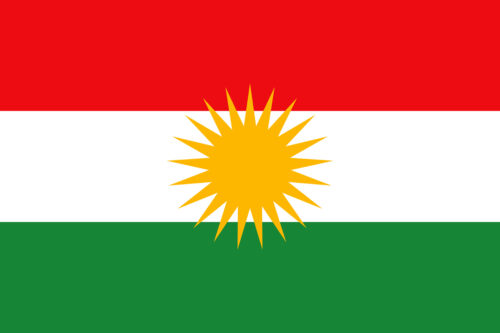
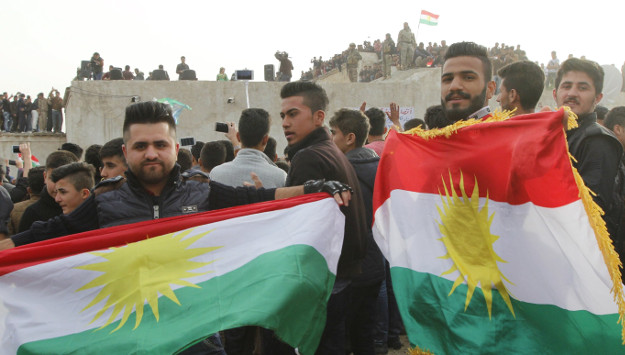
The Kurdistan Region of Iraq (KRI), also known as Iraqi Kurdistan, is a semi-autonomous region in northeastern Iraq with a population of approximately 6.5 million. The KRI’s contemporary politics are rooted in a century of Kurdish efforts to achieve self-rule.
Reflections on a Diplomatic Career in the Middle East: A Conversation With Ambassador Yael Lempert
Brian is joined by Amb. (ret.) Yael Lempert, Vice President for Outreach at MEI, to discuss her career in diplomacy and the importance of US diplomatic efforts abroad. She shares stories from postings across the Middle East in Baghdad, Cairo, Tripoli, Jerusalem, and Amman and examines how her personal and professional experiences shaped her approach to the work. Together, Brian and Yael discuss the realities of life in the Foreign Service, the core tenets of American diplomacy, and why it matters in today’s Middle East.
It has become a commonplace for Americans to describe our current war with Iran as stuck in a kind of limbo, neither full war nor real peace. We’re not the only ones. Iraq finds itself caught in a limbo of its own, between America and Iran, between the tolerable and the intolerable, between progress and relapse.
Iran’s Soleimani Reportedly in Iraqi Kurdistan to Influence Referendum Talks
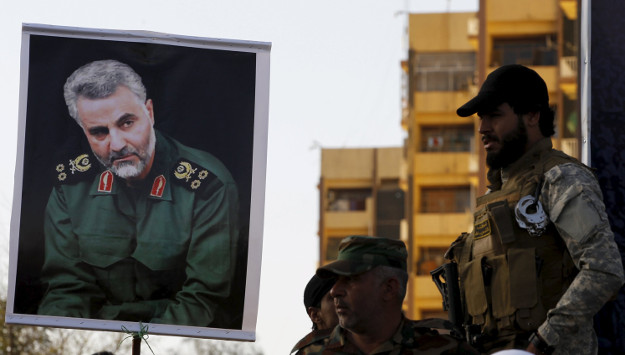
Major General Qassem Soleimani, the head of the Islamic Revolution Guards Corps (I.R.G.C.)’s elite Quds Force, has traveled to the Iraqi Kurdish city of Sulaymaniyah as Kurdish political leaders are discussing plans to hold referendum on the political fate of the Iraqi Kurdistan region this year,
While Iraq’s efforts to dislodge the Islamic State (ISIS) from Mosul have proceeded better than expected, the Iraqi political class must now face the complicated and divisive matters that it has failed to address for years. While the battle to liberate all of Iraq from ISIS is not over, three issues remain sources of tension: decentralization, the presence of foreign troops in the north, and the status of disputed territories such as Kirkuk, between the Kurds and the central government.
Iran-Backed Militia Group Calls for Collective Action to Reclaim Golan Heights, Destroy Israel
Over the past six years, Iran has played a key role in propping up the embattled regime of Bashar al-Assad in Syria, by sending Islamic Revolution Guards Corps (I.R.G.C.) military personnel as well as recruiting, funding, training and leading an extensive network of Iraqi, Lebanese, Pakistani and Afghan Shiite militia forces.
With ISIS Losing Ground in Mosul, Iran-Backed Militias Turn Attention to Iraqi Rivals
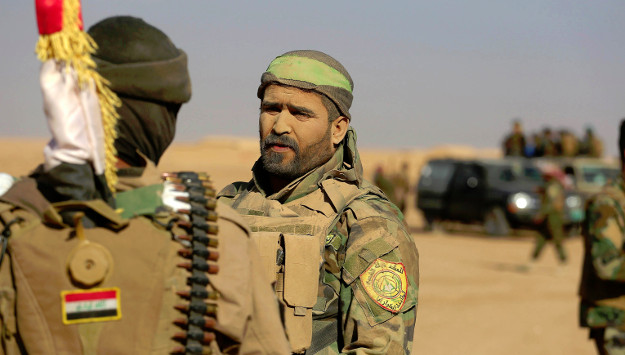
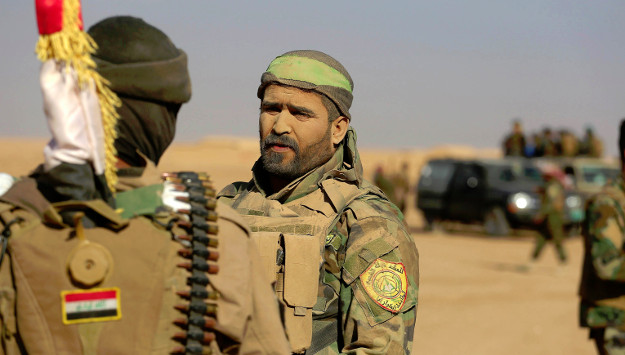
A prominent Iran-backed Iraqi militia commander has warned peshmerga forces loyal to the Kurdish Regional Government (KRG) to withdraw from the northern Iraqi town of Sinjar and stressed that the Popular Mobilization Forces (PMF) will not allow any parts of Nineveh Province to be incorporated into the Iraqi
Iran-Supported Iraqi Militia Groups Make Further Advances in Western Mosul
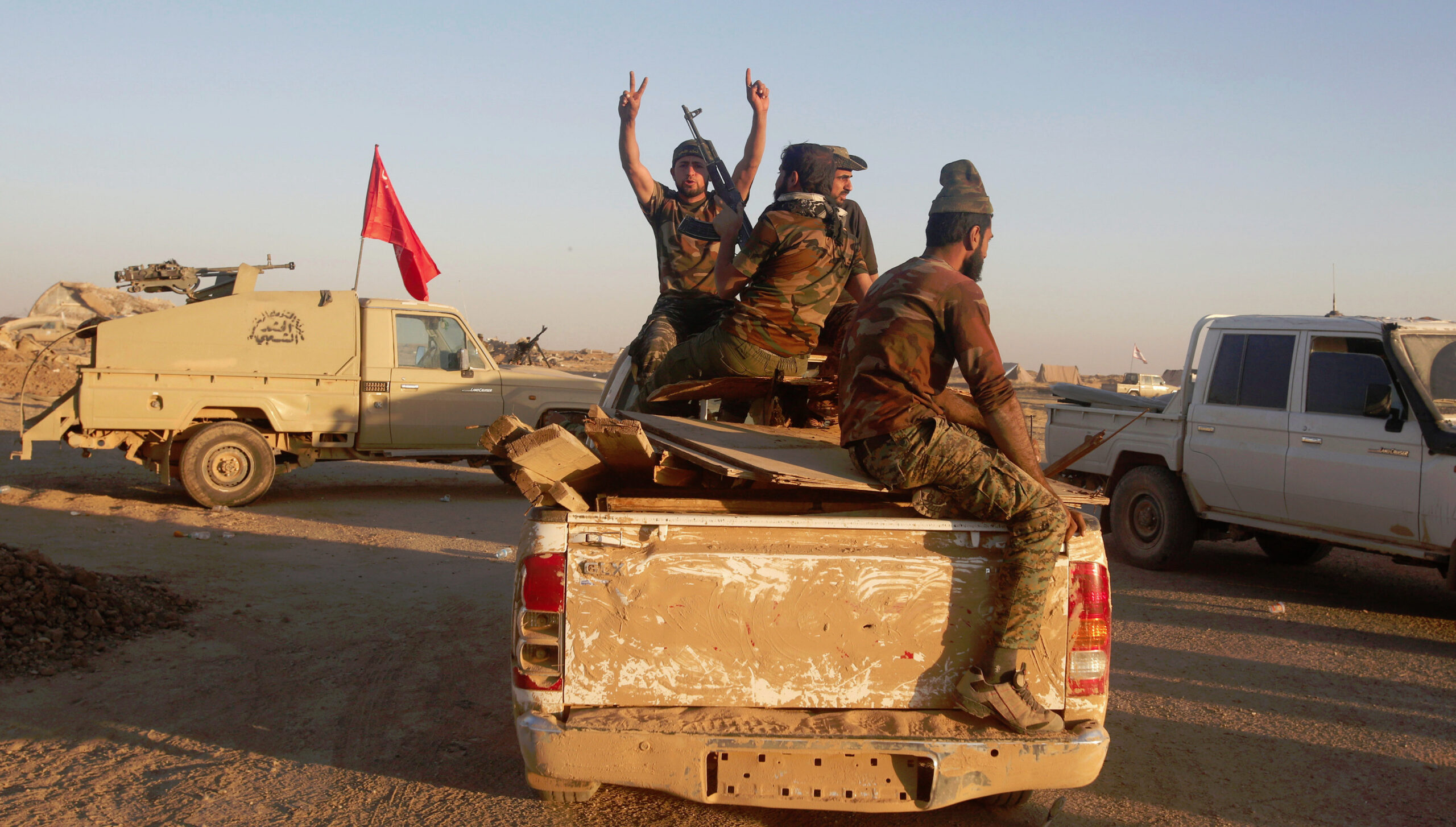
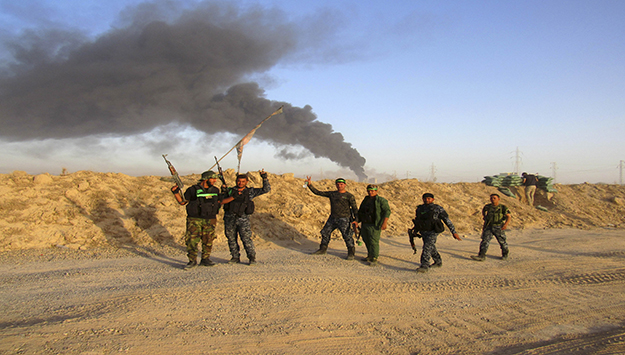
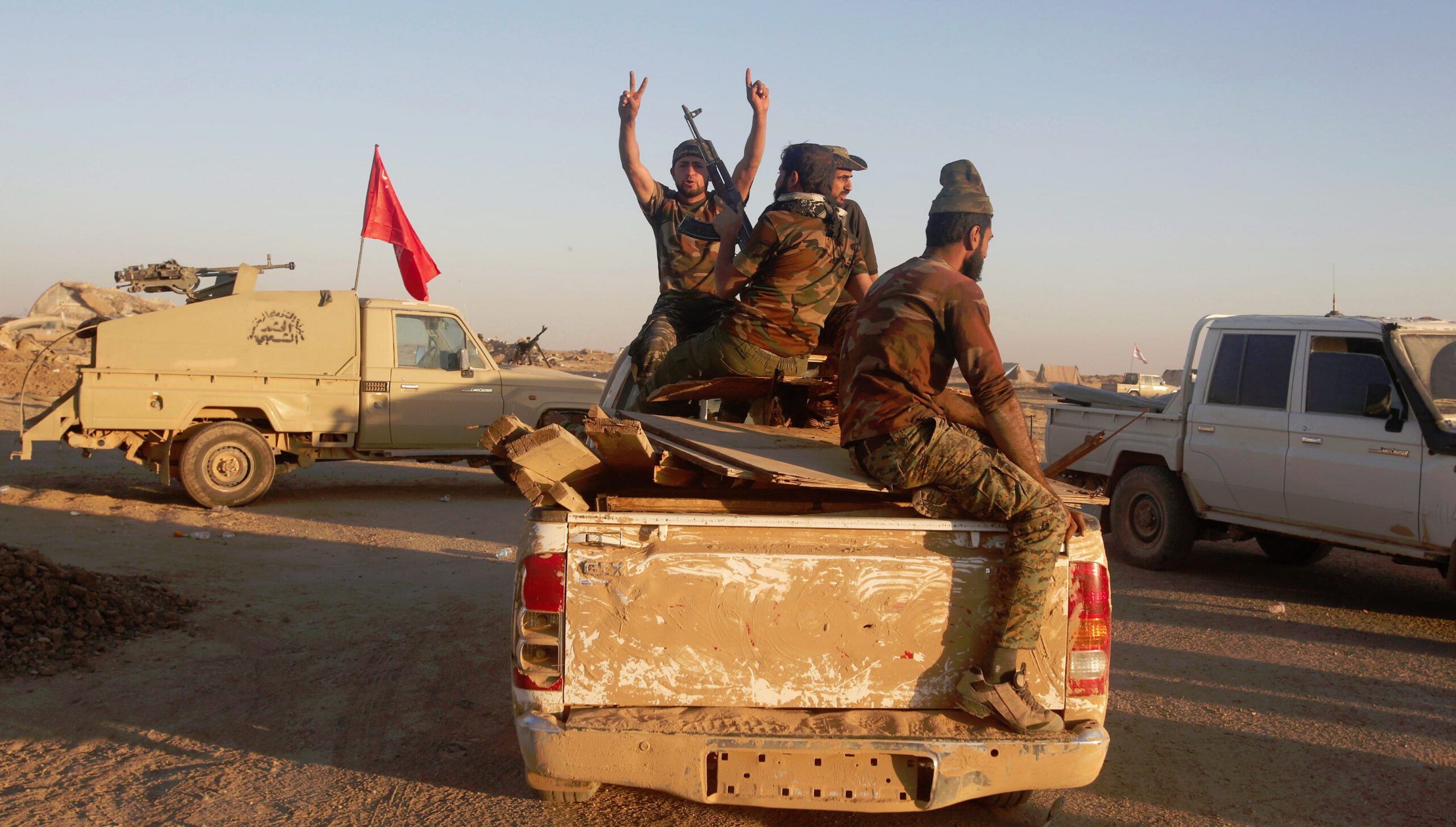
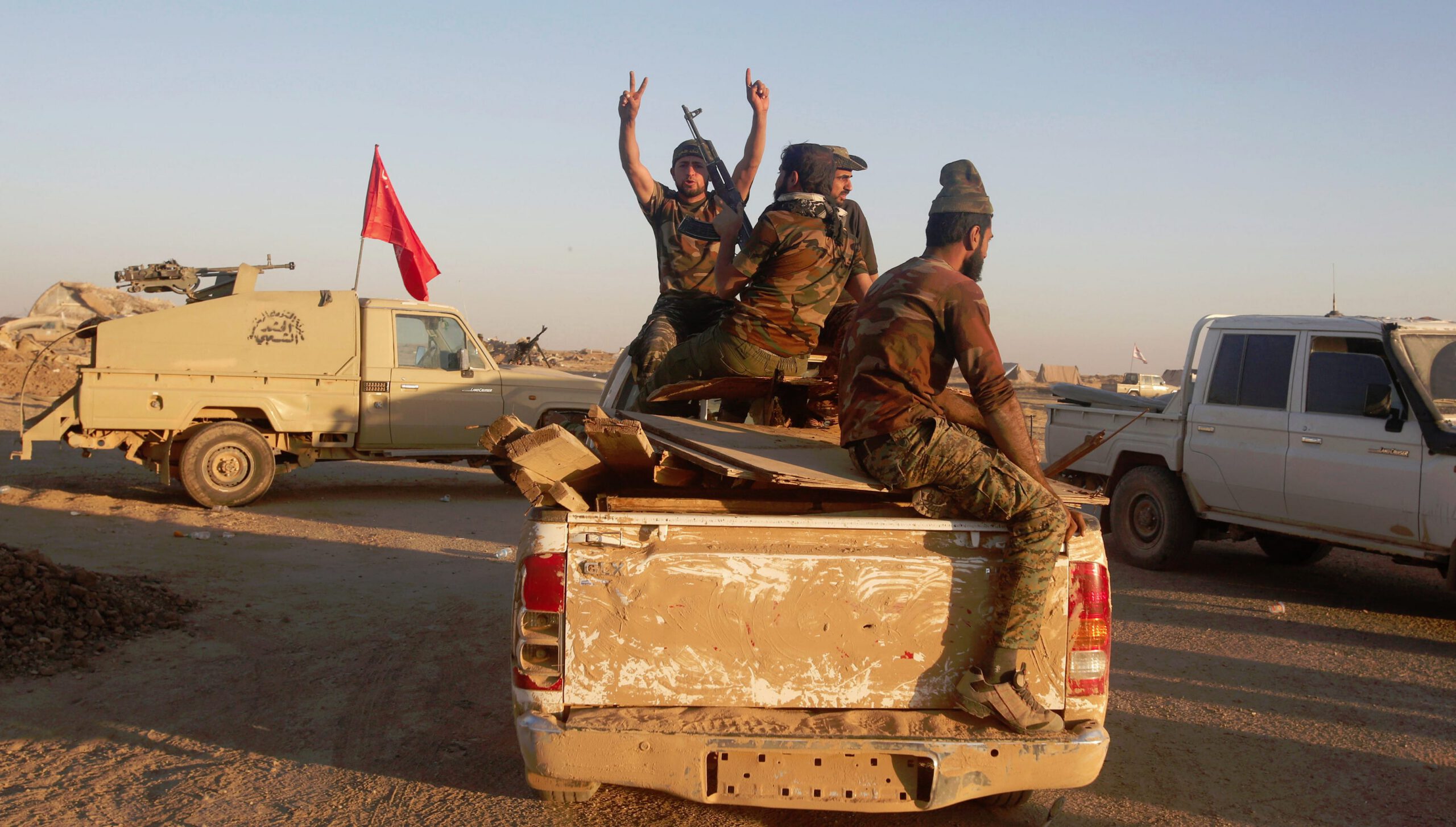
The Iraqi Popular Mobilization Forces (PMF) have seized several villages in northwestern Mosul from the Islamic State in recent days and are planning to enter the strategic city of Tal Afar, the Iranian media reports.
In this week’s Monday Briefing, MEI experts Charles Lister, Randa Slim, Paul Salem, and Eran Etzion provide analysis on recent and upcoming events including the meeting of the anti-ISIS coalition in D.C., the Iraqi Prime Minister’s visit to the U.S., the upcoming Arab League summit, and Israeli Prime Minister Netanyahu’s visit to China.
Iran-Supported Militia Groups Intensify anti-U.S. Propaganda in Iraq
With the Islamic State on the verge of losing Mosul, Iran’s Islamic Revolution Guards Corps (I.R.G.C.) and its Iraqi militia proxies have recently launched a vicious propaganda campaign against the U.S. and its regional allies – posing security risks to U.S. military advisers that are helping the Iraqi security forces in the country.
Iran-Backed Militia Groups Continue to Play Key role in West Mosul Operations
Ali al-Hussaini, a spokesman of the Iraqi Hashd al-Shaabi (Popular Mobilization Forces), has claimed that PMF forces have made significant territorial gains in western Mosul and the operation to liberate the strategic city of Tal Afar will begin soon.