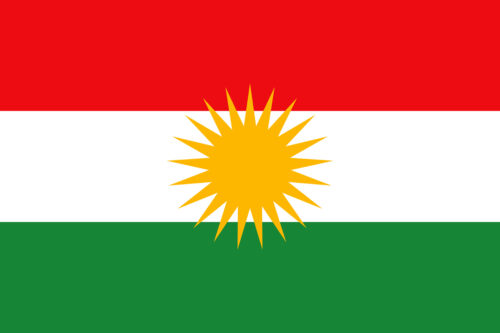
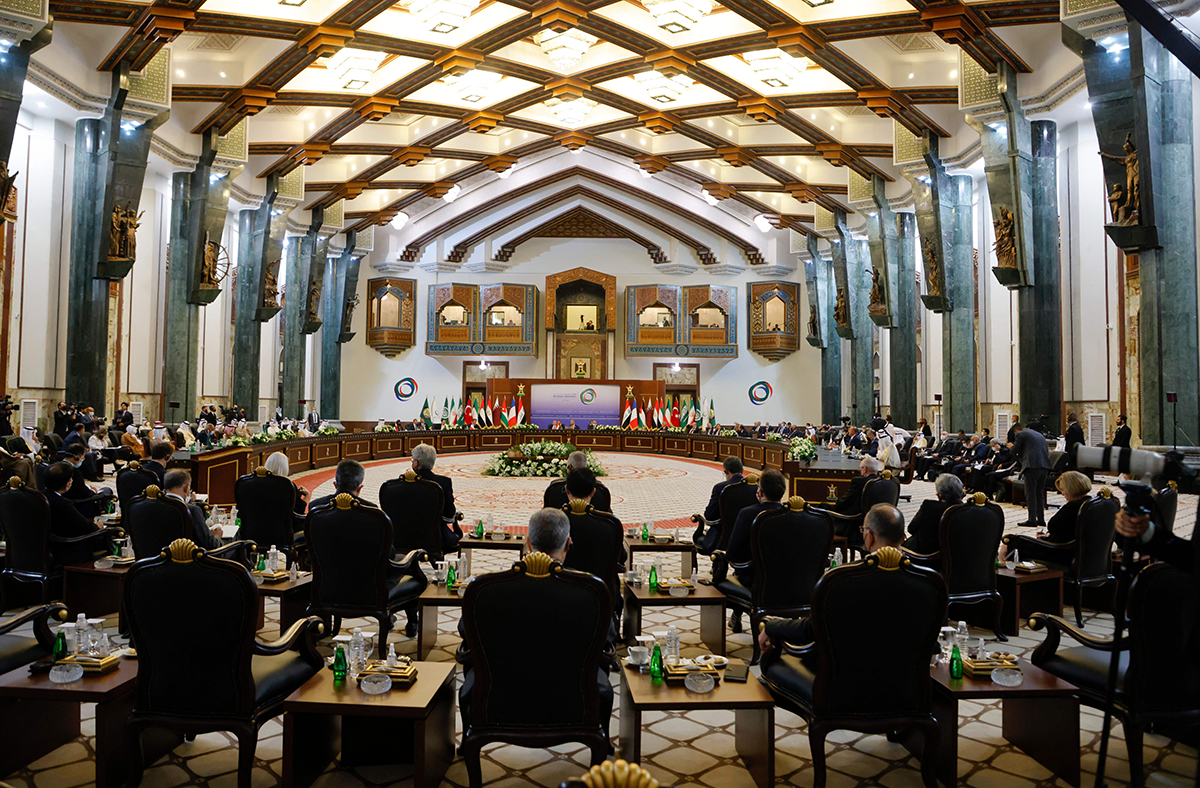
The Kurdistan Region of Iraq (KRI), also known as Iraqi Kurdistan, is a semi-autonomous region in northeastern Iraq with a population of approximately 6.5 million. The KRI’s contemporary politics are rooted in a century of Kurdish efforts to achieve self-rule.
Reflections on a Diplomatic Career in the Middle East: A Conversation With Ambassador Yael Lempert
Brian is joined by Amb. (ret.) Yael Lempert, Vice President for Outreach at MEI, to discuss her career in diplomacy and the importance of US diplomatic efforts abroad. She shares stories from postings across the Middle East in Baghdad, Cairo, Tripoli, Jerusalem, and Amman and examines how her personal and professional experiences shaped her approach to the work. Together, Brian and Yael discuss the realities of life in the Foreign Service, the core tenets of American diplomacy, and why it matters in today’s Middle East.
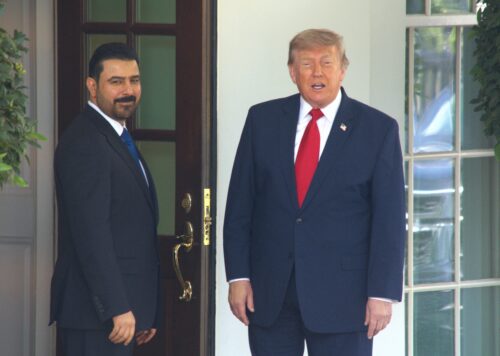
It has become a commonplace for Americans to describe our current war with Iran as stuck in a kind of limbo, neither full war nor real peace. We’re not the only ones. Iraq finds itself caught in a limbo of its own, between America and Iran, between the tolerable and the intolerable, between progress and relapse.
The new wave of dealmaking by Gulf sovereign wealth funds
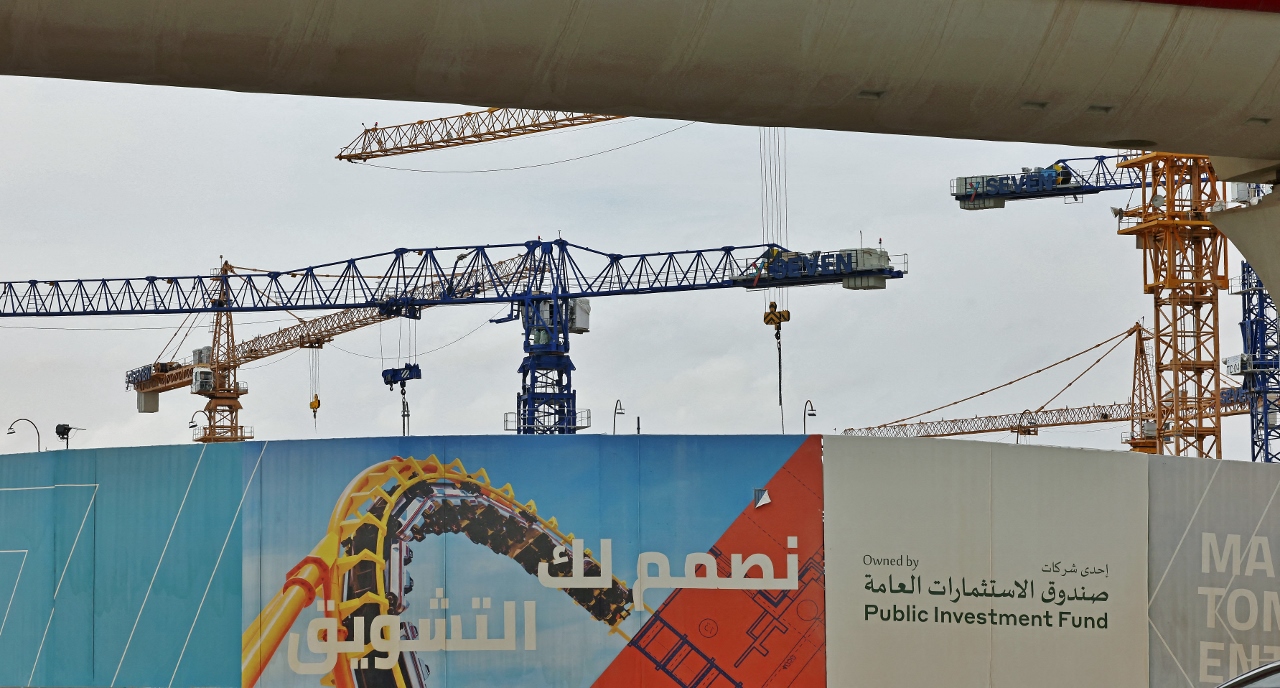
For resource-rich countries such as Gulf oil and natural gas producers, sovereign wealth funds have emerged as promising tools to save for future generations, mitigate the effects of outsized economic shocks, and/or be deployed as reserve investment and strategic development funds to spend on human, natural, social, and physical capital.
Addressing challenges to tolerance and religious diversity in Iraq
Iraq has long had a troubled history with its ethno-religious minorities, one full of oppression and violence. This was true under the Ba’athist regime and continued after the 2003 U.S.-led invasion, reaching a nadir with the rise of the Islamic State terrorist group. Although Iraq is now enjoying its most stable period in the past two decades, it is also a case study of the pernicious effects of structural violence, especially toward the more marginalized and vulnerable segments of society.
Beijing to Baghdad: China’s growing role in Iraq’s energy sector
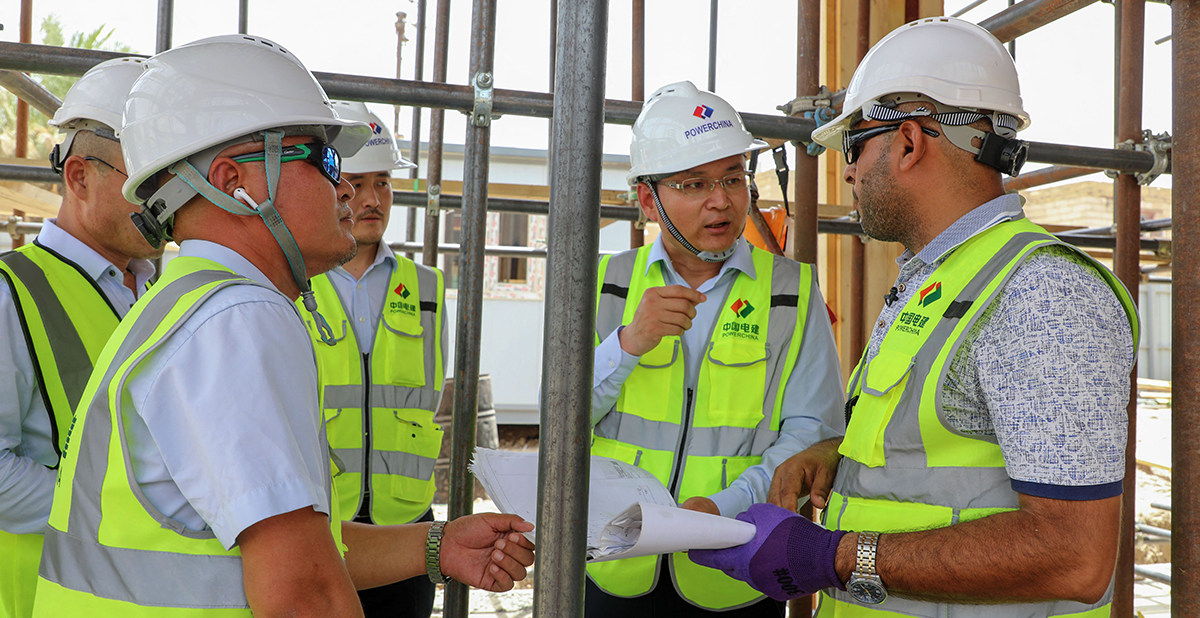
Chinese companies are well positioned to participate in Iraq’s efforts to expand its oil production capacity and develop domestic gas supplies, as they are actively engaged in various energy-related undertakings throughout the country. However, if indeed China’s strategy is, as some have suggested, to become the dominant player in Iraq’s economy, achieving that objective will likely prove difficult given Iraq’s challenging operating environment and contentious politics.
Iran’s security chief Shamkhani did his job but had to go
Late last month, Iran’s Supreme Leader Ali Khamenei opted to replace the secretary of the Supreme National Security Council (SNSC), Ali Shamkhani. The latter’s removal after 10 years spent in this key role has generated much speculation, misinformation, and outright disinformation.
Putting Diplomacy First in the Middle East: Creating Incentives for De-Escalation
The Middle East is undergoing a historic transformation with unprecedented opportunities to build new relationships, de-escalate tensions, and foster conditions for stronger integration. At the same time, the region remains on edge because of ongoing tensions in Yemen, Syria, Iraq, and other conflict zones, a civil war that broke out recently in Sudan, along with the overarching challenges presented by fraught relations between Iran, Israel, and several Arab Gulf countries — with the longer-term implications of the still-fragile Iranian-Saudi rapprochement yet to be fully assessed.
Decarbonization and Political Transformation in Iraq: The Impact on Politics, Society and Regional Relations
What happens when a petrostate loses its oil rents? While the oil market continues to go through boom-and-bust cycles, cases such as Iraq provide evidence of how the rapid loss of oil revenues—traumatic decarbonization—may affect the politics and stability of these petrostates. In Iraq, multiple shocks to oil revenues from 2014 through 2020 fundamentally altered the organization and concentration of political power in Iraq with destabilizing and democratic consequences.
تركزت جميع النزاعات التاريخية والحديثة في الشرق الأوسط حول الاعتبارات الإقليمية الكلاسيكية المتعلقة بفقدان الأراضي أو استعادتها. وللخروج من هذه الدوامة، كان من الضروري الابتعاد عن أحد الأسباب الجذرية الرئيسية للنزاع: الجغرافيا. وقد تكون التغيرات الحالية في المنطقة، التي تتميز بتوجه كبير نحو تخفيف حدة التوتر واستعداد متزايد للانفصال بشكل دوري عن الحلفاء التقليديين، مؤشرات على حدوث تحول جذري عميق نحو "السياسة الكمومية".
Iran-Iraq competition in regional maritime and overland transit corridors
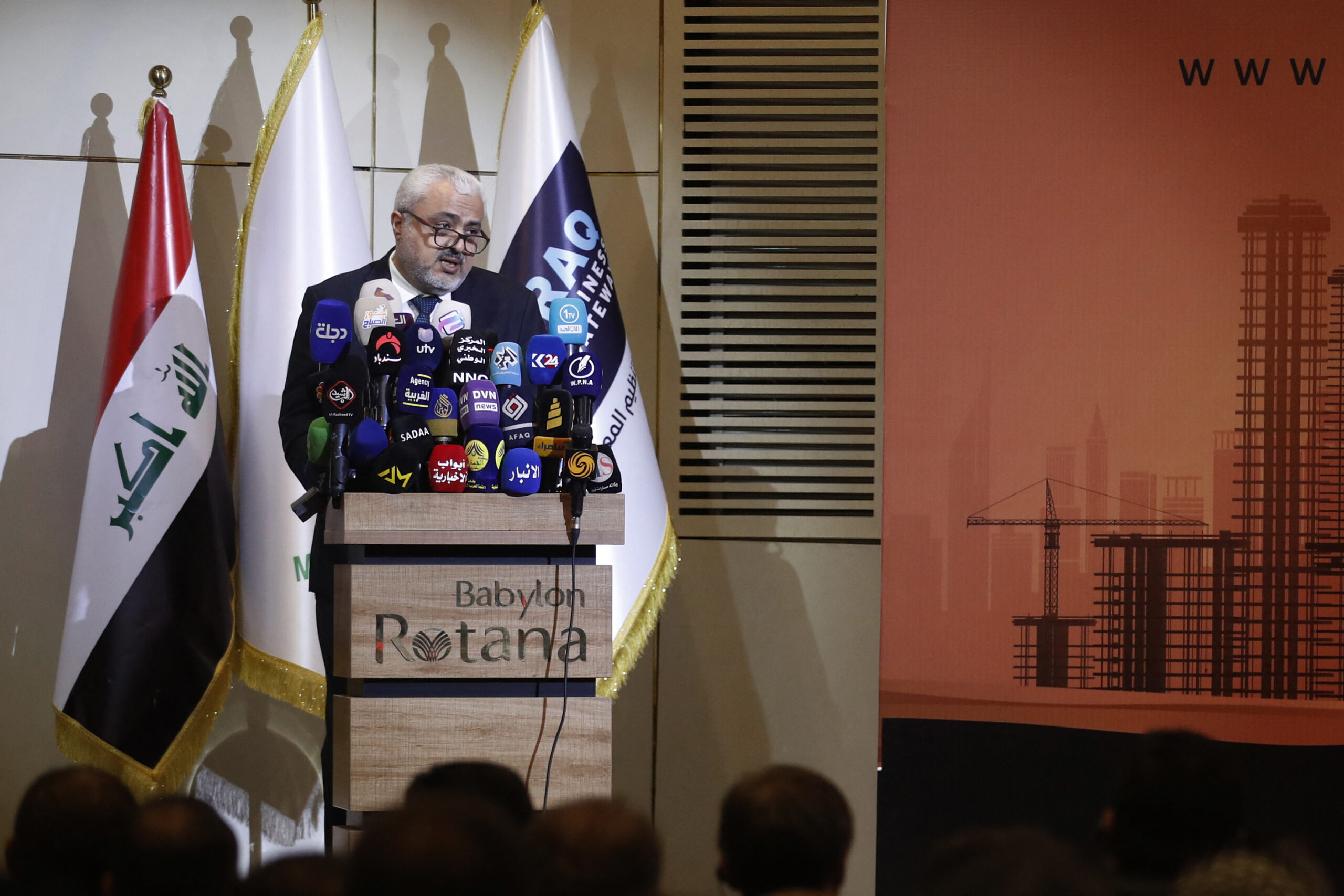
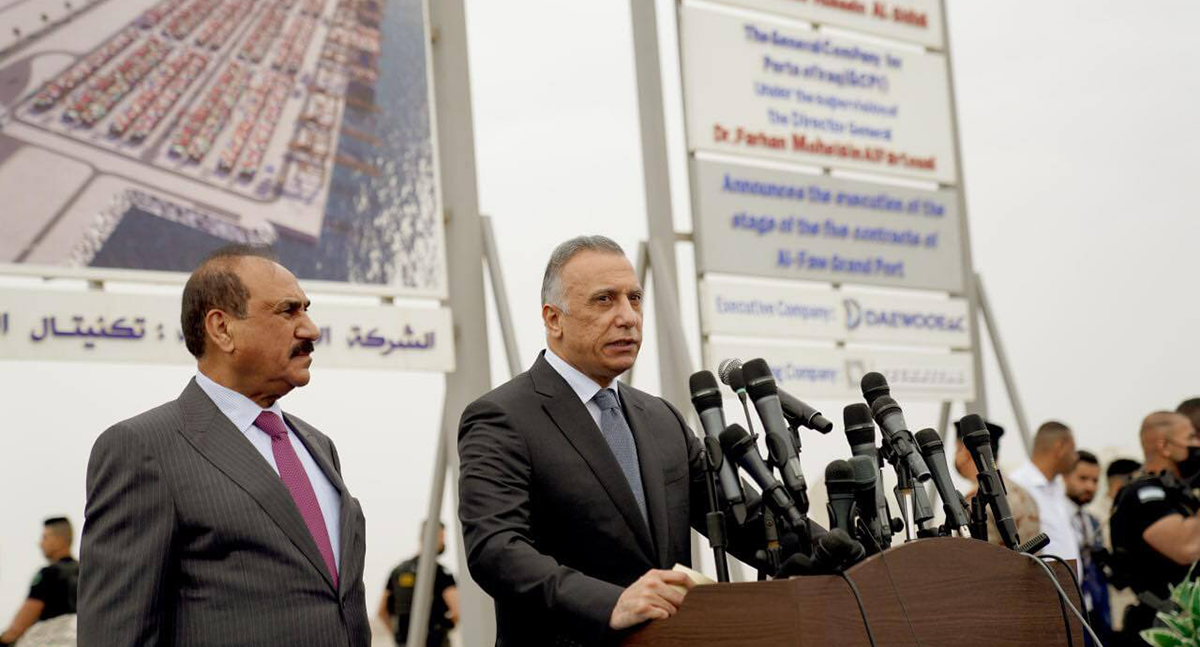
In recent years, Iraq has become one of the leading destinations for Chinese investments in the Middle East and a crucial link in Beijing’s Belt and Road Initiative. To capitalize on its geostrategic location and central position within the Chinese BRI, Iraq is seeking to develop a sprawling new 54-square-kilometer port project, known as al-Faw Grand Port, which will reduce the country’s reliance on Arab Gulf ports and overland transit from Iran and Turkey. The project also underscores Iraq’s growing economic rivalry with neighboring Iran, as both countries seek to carve out a similar niche in handling regional transit traffic.