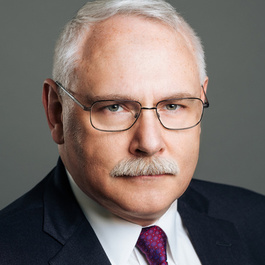
After the US-Israel-Iran war — and the strikes that followed the cease-fire — the Gulf states find themselves dangerously exposed. Host Alistair Taylor is joined by MEI Associate Fellow Gregory Gause to discuss the war’s impact on the Gulf, their partnership with the United States, and whether the turmoil of recent months will push Gulf leaders to reassess their alliances and international engagement.
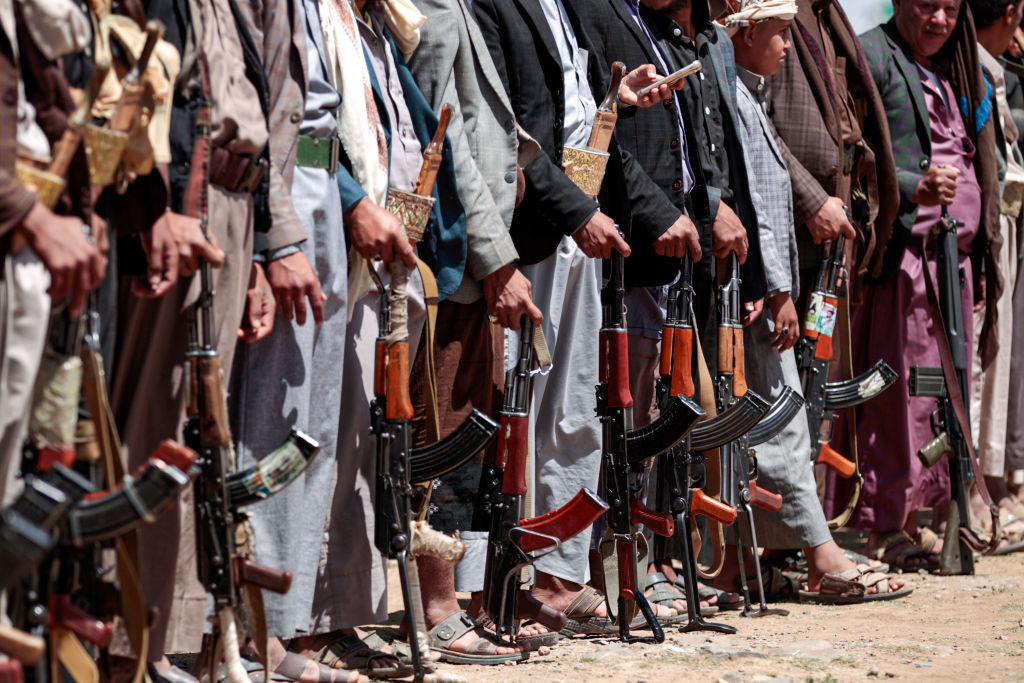
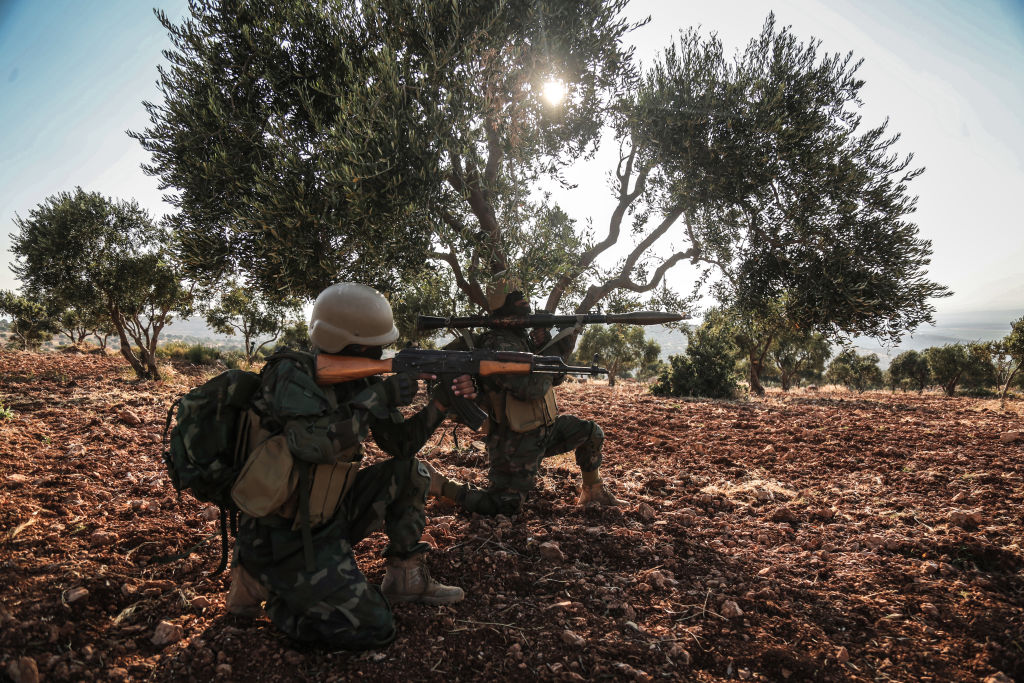
Saudi Arabia has stepped up its efforts to unify and restructure Yemen’s anti-Houthi forces after the rapid expansion and sudden implosion of the United Arab Emirates-backed secessionist Southern Transitional Council following Abu Dhabi’s military withdrawal from the country.
After Aramco: Will halting Houthi attacks on Saudi Arabia end Yemen’s war?
After five years of indecisive war, there is a clear desire on the part of the international community to bring the conflict in Yemen to an end, and the recent UN-endorsed Houthi initiative seems predicated on the assumption that ending the fighting between Riyadh and the Houthis would achieve this. A closer look at the situation, however, suggests this assumption is flawed.
Twitter suspends government-linked accounts, citing manipulation and raising wider concerns
The microblogging and social media service Twitter recently announced the suspension of 271 accounts linked to several Middle East governments a year after the company first released public information about the existence of state-run manipulation using its tools. The company cited violation of its policies on platform manipulation as the reason for the suspensions.
Saudi makes cautious moves in Yemen, but remains far from a settlement
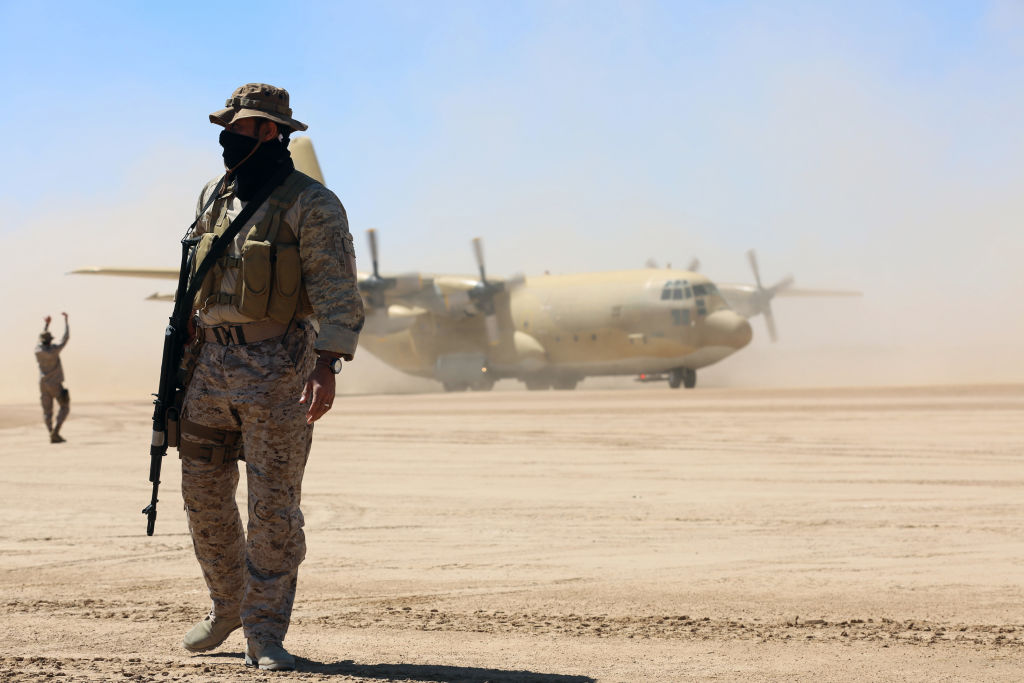
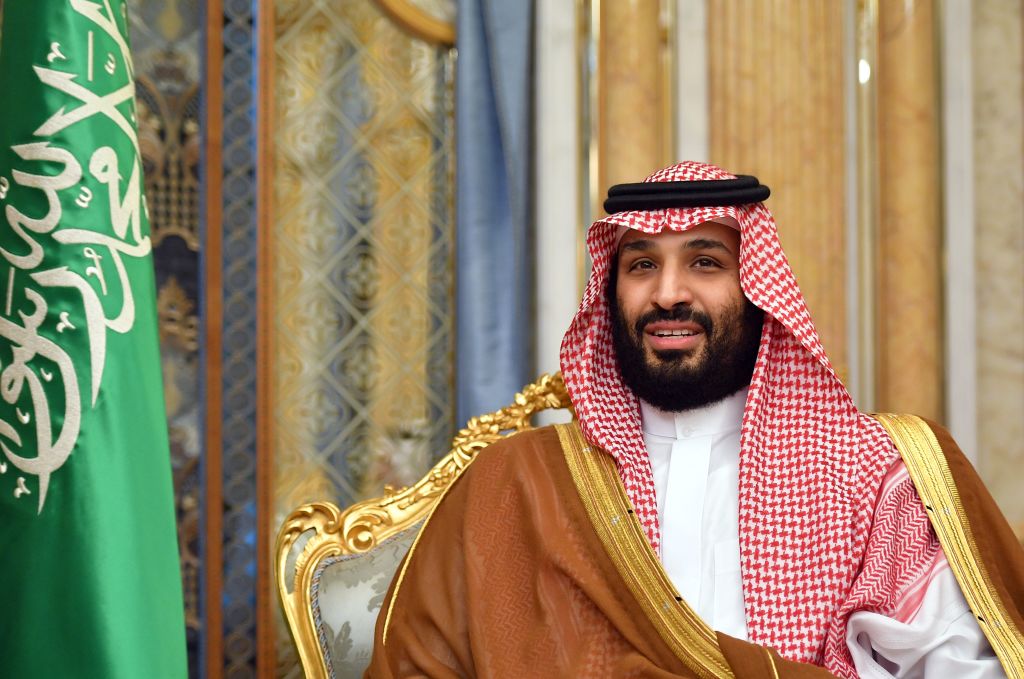
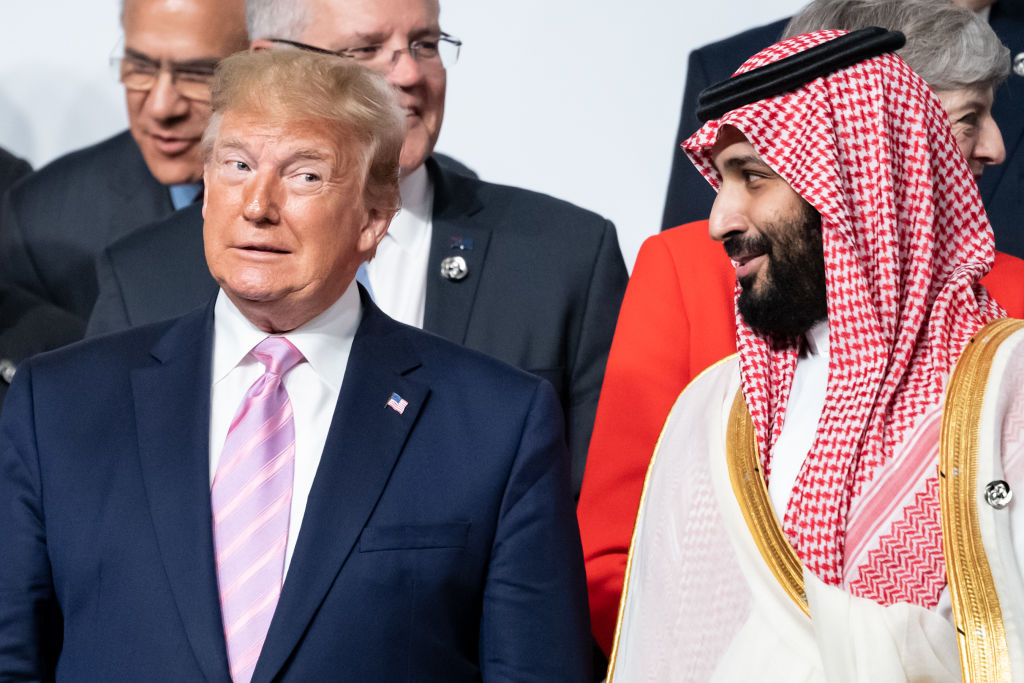
The Saudis made their first cautious moves to disentangle themselves from Yemen but remain far from any settlement. In response to an earlier announcement of a unilateral ceasefire by the Houthis on the fifth anniversary of their entrance into Sanaa, Saudi Crown Prince Mohammad bin Salman said that a settlement in Yemen would be far easier if the Houthis abandoned their Iranian backers. His comments come after the Saudis announced a partial ceasefire covering some areas in Yemen, but Saudi planes attacked Houthi positions in northern Yemen along the border as if to emphasize that it is only a partial ceasefire.
One year later, can Mohammed bin Salman put the Khashoggi murder behind him?
The murder of Saudi journalist Jamal Khashoggi remains a black mark on the record of Saudi Crown Prince Mohammed bin Salman and an obstacle to his efforts to promote an image of the kingdom as a modernizing power in the Middle East and a prime destination for investors and tourists alike.
What does the Saudi oil facility attack mean for Russia?
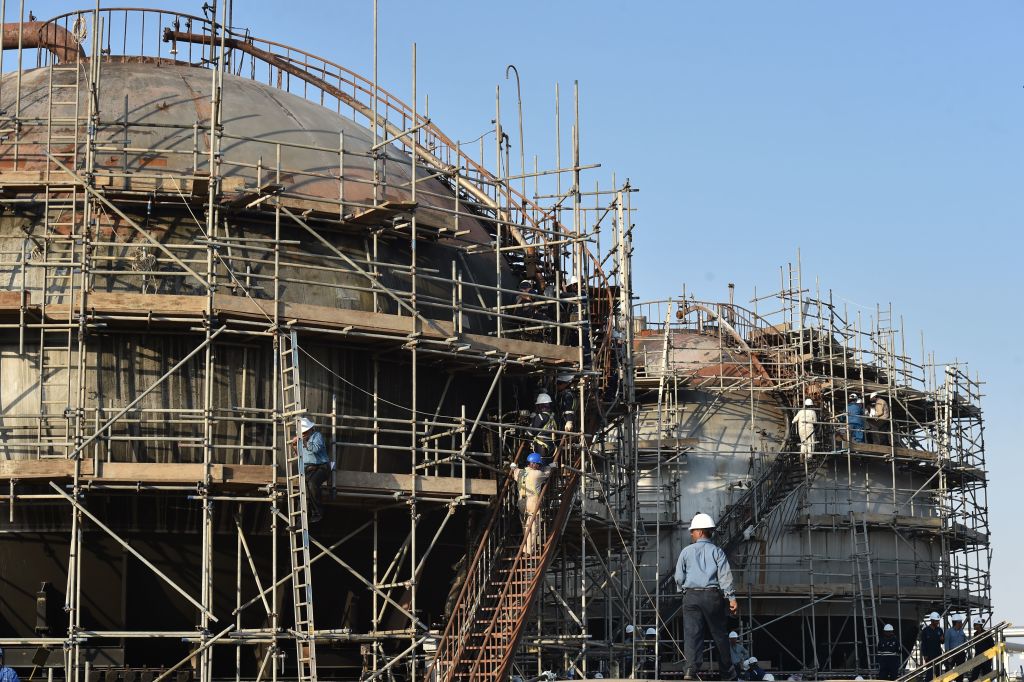
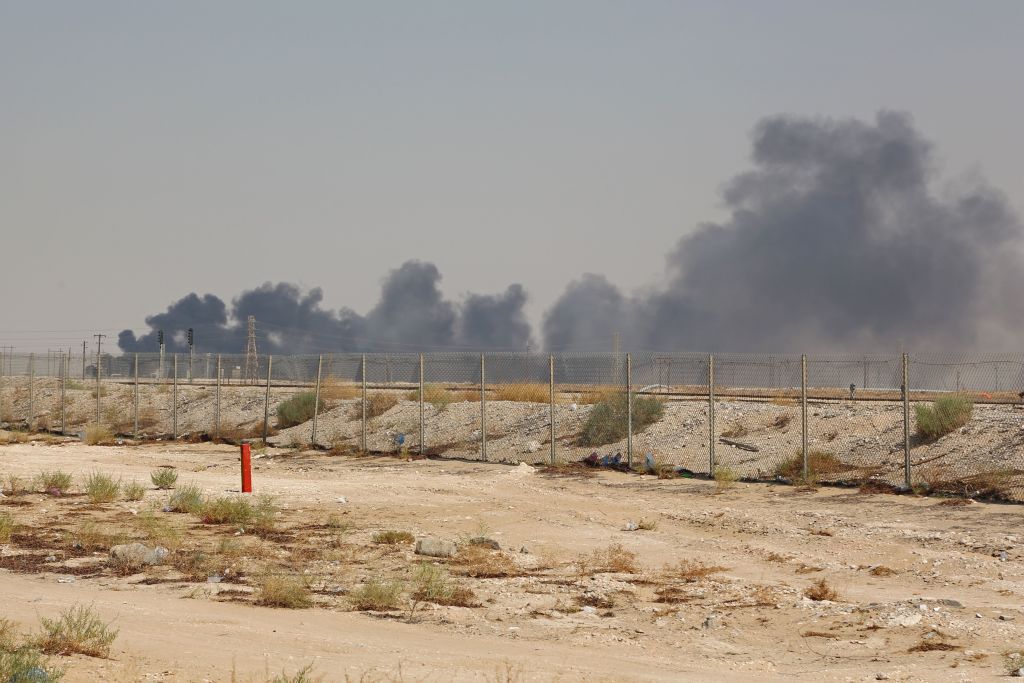
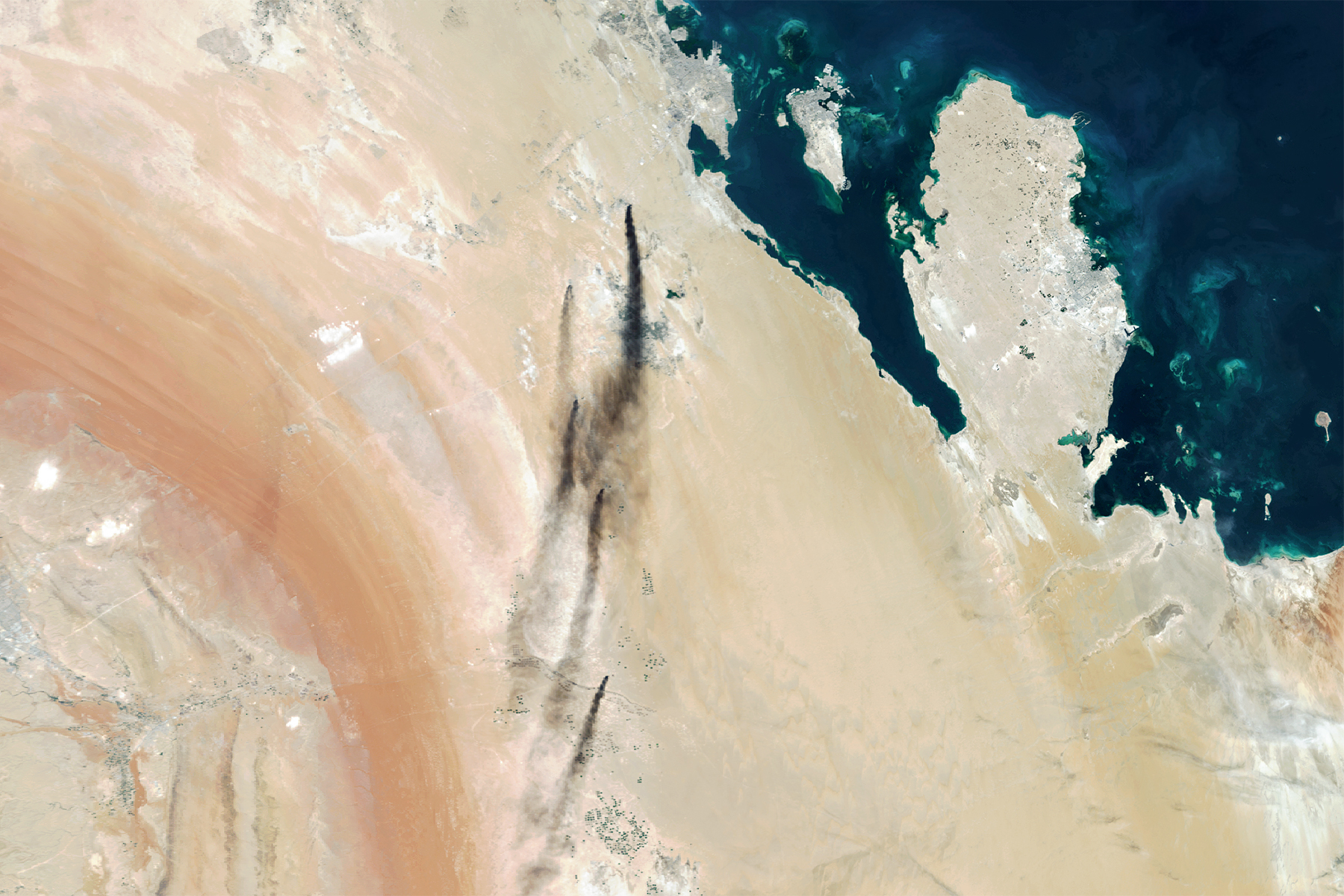
The Sept. 14 attack on key Saudi oil facilities, which knocked out over half of the kingdom’s oil production, has signaled a significant change in approach toward regional and global security. It’s clear that things won’t be the same again. But what does it mean for Russia?
The attack reduced Saudi oil production by 5.7 million barrels per day (bpd), leading to a sharp rise in global oil prices of nearly 20%. Although this was a very important development from an energy and economic perspective, we should not underestimate the political and security ramifications either. The entire paradigm of a secure Gulf under the protection of the U.S. military umbrella has been undermined.
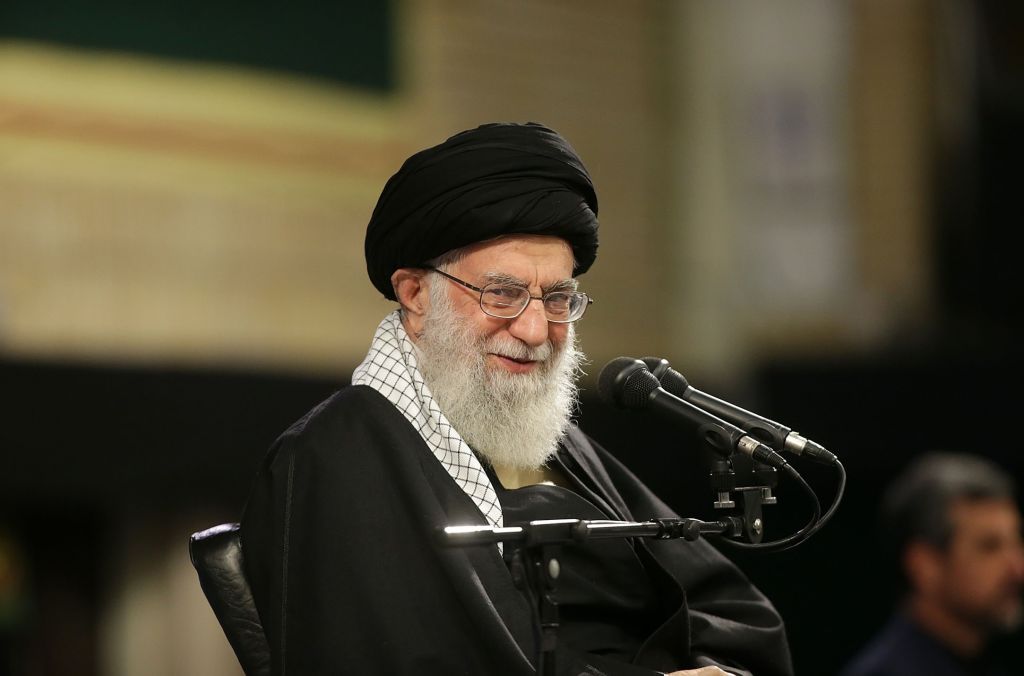
Why Iran’s leadership is opposed to US negotiations despite pressure
The unprecedented attack on critical Saudi oil infrastructure in Abqaiq and Khurais on Sept. 14 came just days after U.S. President Donald Trump’s dismissal of hawkish National Security Advisor John Bolton had opened a narrow window of diplomacy for Iran-U.S. negotiations to deescalate spiraling tensions.
Monday Briefing: Middle East takes center stage at UNGA
This week’s briefing on recent news and upcoming events in the region featuring Gerald Feierstein, Alex Vatanka, Eran Etzion, Gonul Tol, Amal Kandeel, Marvin G. Weinbaum, Michael Sexton and Eliza Campbell.
Saudi Arabia is under direct assault, and America’s response is muted. Despite U.S. President Donald Trump’s verbal threats against Iran, which is behind the attack, he’s not seriously contemplating using force. What’s most urgent now for U.S. policymakers is how to prevent this from happening again and how to most effectively defend U.S. partners from aggression in this still vital part of the world.
New leadership and new challenges for Saudi Arabia's oil industry
Saudi Arabia surprised the global oil and gas industry earlier this month by reshuffling its top two energy positions. Long-serving technocrat Khalid al-Falih was ousted as chair of Saudi Aramco one day and as head of the Ministry of Energy the next.
Yemen’s peace process: The Hodeida Agreement that never was?
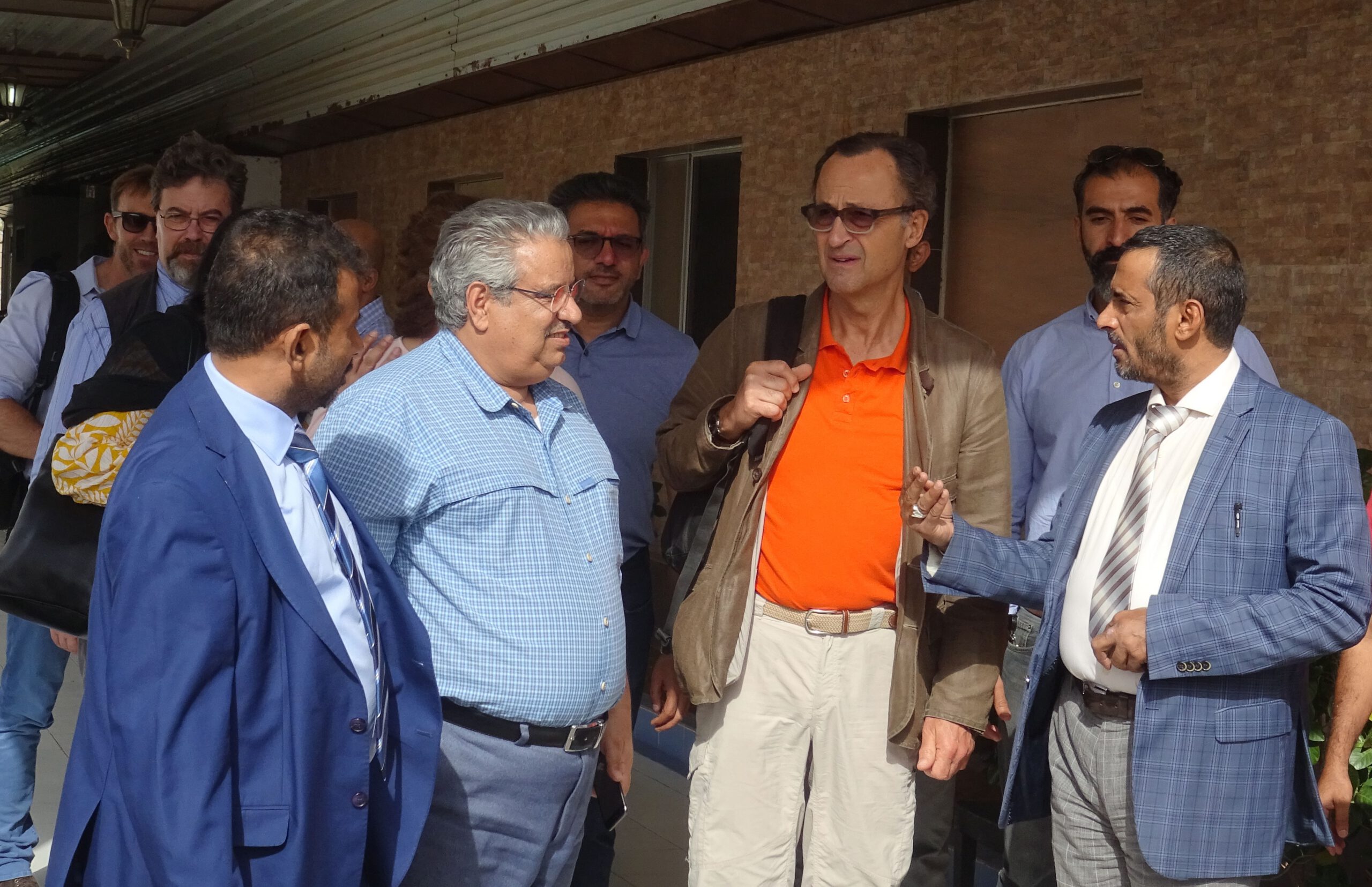
In late July, Lt. Gen. Michael Anker Lollesgaard left Yemen after his six-month term as the second head of the UN Mission in support of the Hodeida Agreement (UNMHA) came to an end. Unlike his predecessor, Maj. Gen. Patrick Cammaert, who departed quietly, Lollesgaard was given a proper sendoff from Sana’a. A senior Houthi commander, Maj. Gen. Ali al-Musheki, even went so far as to describe Lollesgaard as “a conscientious military commander.”
Monday Briefing: Attack on Saudi oil facilities has an impact far beyond the kingdom
This week’s briefing on recent news and upcoming events in the region featuring Ruba Husari, Paul Salem, Gerald Feierstein, Amal Kandeel, Grace Wermenbol, Robert S. Ford, Charles Lister, and Gonul Tol.
This week’s briefing on recent news and upcoming events in the region featuring Marvin G. Weinbaum, Robert S. Ford, Fatima Abo Alasrar, Jean-François Seznec, Michael Sexton and Eliza Campbell.
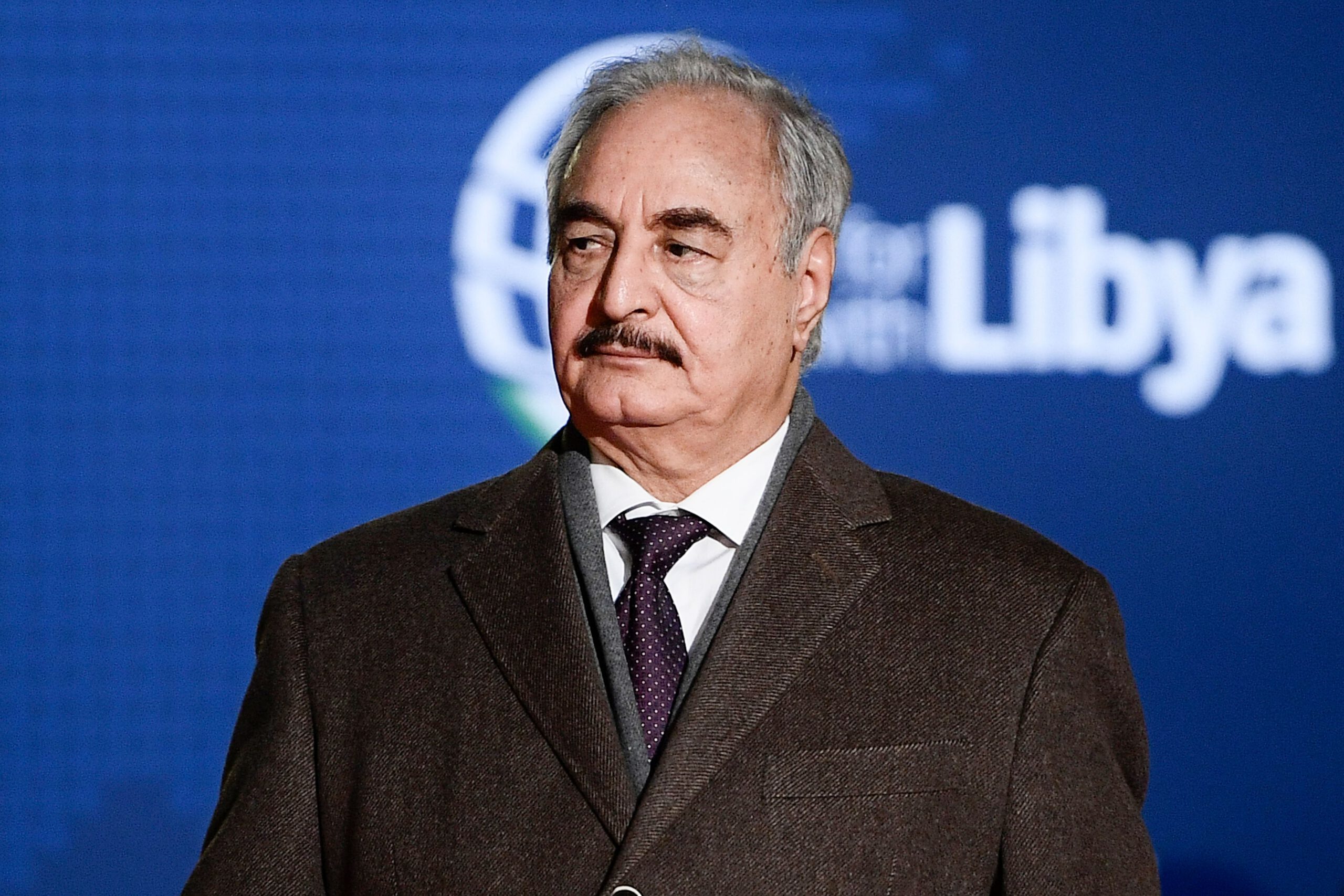
Libya’s Hifter and the false narrative of authoritarian stability
Khalifa Hifter has managed to garner outside support by appealing to foreign states’ desire for a stable Libya, but this rogue former general and would-be authoritarian has proven a troublesome proxy. In supporting his ongoing offensive on Tripoli, foreign states are undermining their own narrative of authoritarian stability.
Monday Briefing: US-Turkey dispute over Syria comes to a head
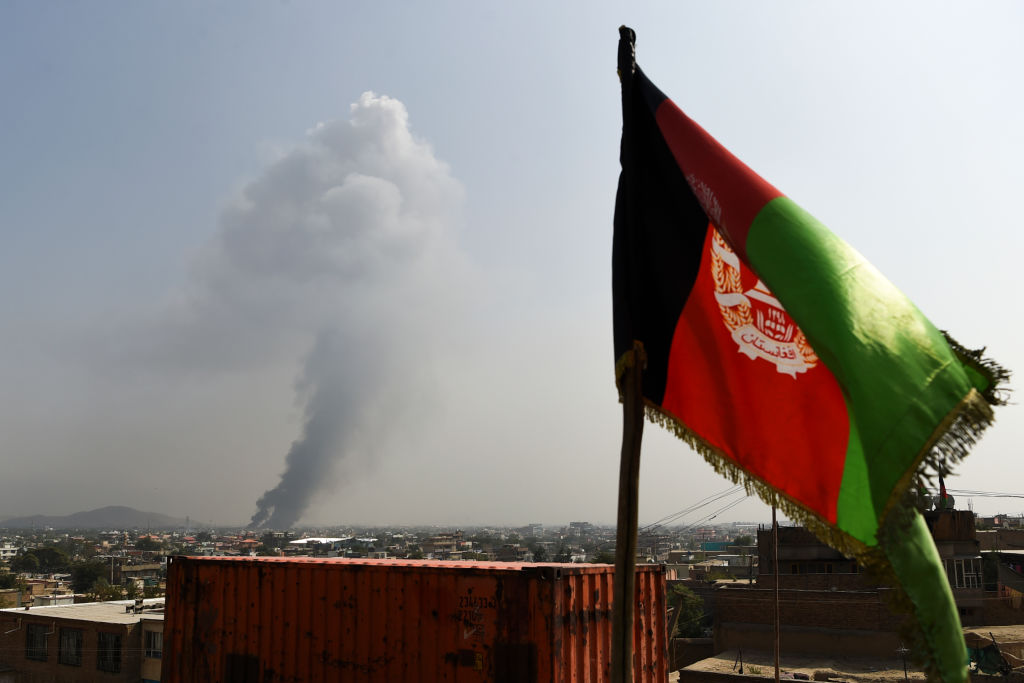
This week’s briefing on recent news and upcoming events in the region including the Turkish-U.S. crisis meeting in Ankara on Syria, the resumption of U.S.-Taliban negotiations, Trump’s creation of a new “dovish” line on Iran, a rise in Egypt’s poverty levels, Sudan’s democratic transition, the easing of female guardianship rules in Saudi Arabia, and the end of the ceasefire in Idlib, featuring Charles Lister, Marvin G. Weinbaum, Paul Salem, W. Robert Pearson, Mirette F. Mabrouk, Thomas W. Lippman, and Robert S. Ford.