Yemen: The Houthis’ Role in the Next Evolution of the Axis of Resistance
The outbreak of the war with Iran demonstrated the strategic value of maritime chokepoints in the Islamic Republic’s confrontation with the United States. But as Tehran’s strategy of using the Strait of Hormuz to pressure Washington seems to be backfiring, Iran is working with the Houthis to strengthen its leverage over another strategic chokepoint: the Bab el-Mandeb. The recent escalation in Yemen should be viewed within this context.
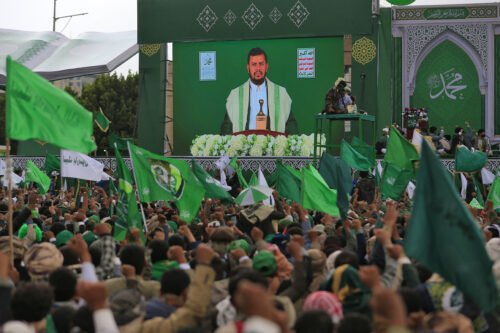
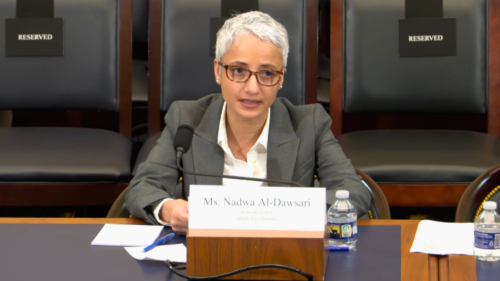
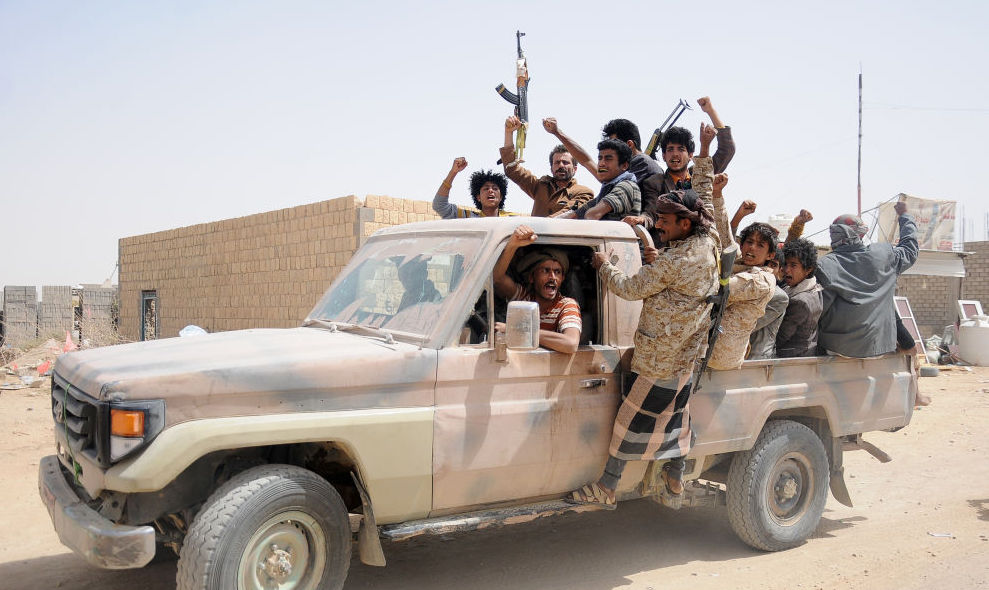
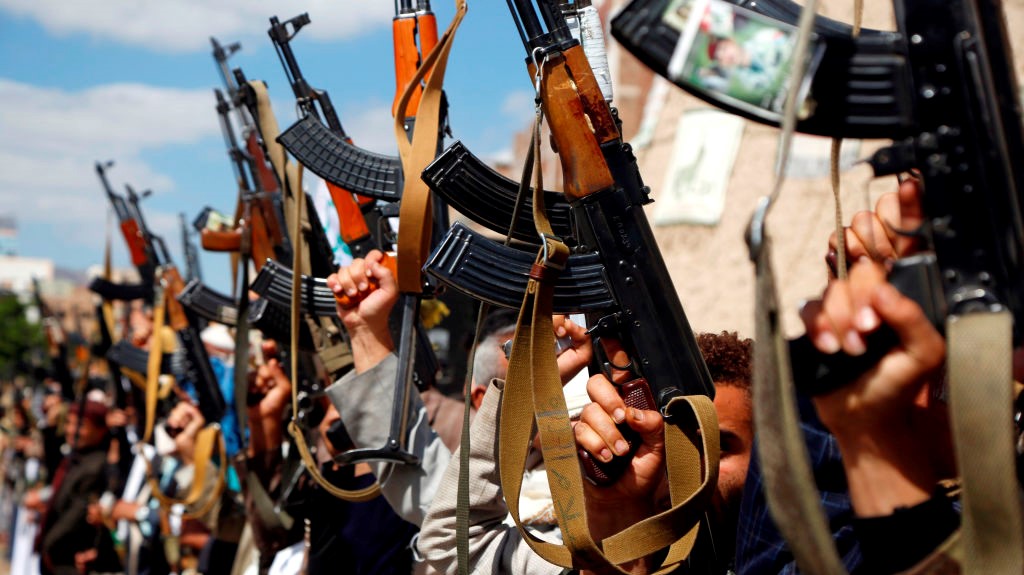
Over the past several weeks, the Houthis have seized the port city of Mokha, Yemen’s western coastline, and several islands in the Bab el-Mandeb Strait, and they are now massing around Marib and Taiz in the first major frontline shift since 2022. MEI Associate Fellow Nadwa Al-Dawsari joins host Matthew Czekaj to unpack the latest developments. Together, they discuss what has allowed the Houthis to advance against Yemeni government forces, the role the militant group plays in Iran’s regional strategy, and what it will take to contain the threat.
MEI’s Paul Salem, Khaled Elgindy, and Fatima Abo Alasrar join host Alistair Taylor to discuss the coronavirus pandemic’s impact on the Middle East as nations scramble to contain the spread of COVID-19 and the massive humanitarian and economic toll it could take on already vulnerable populations.
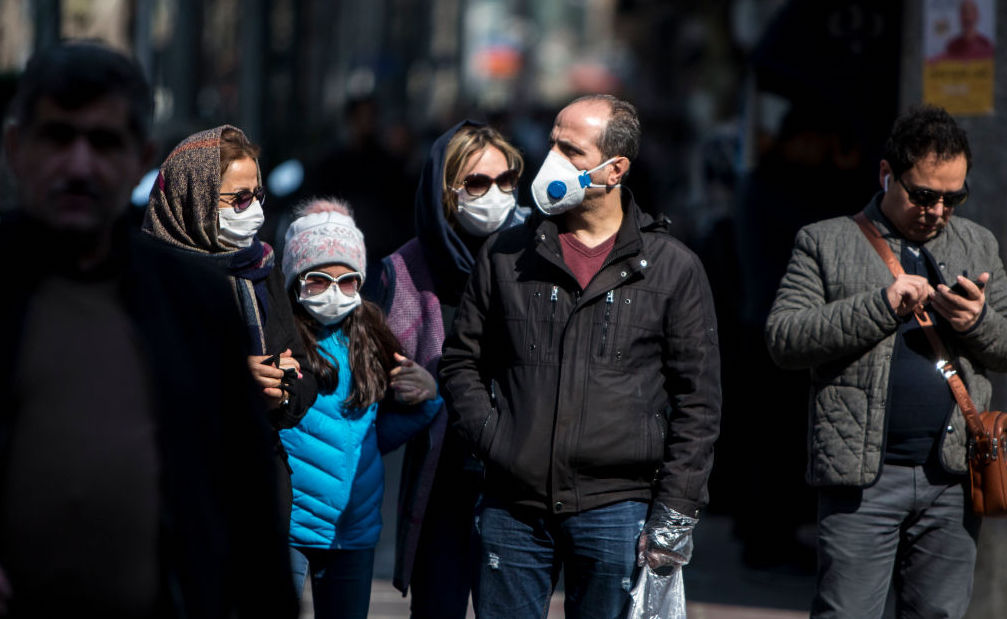
The Houthis’ response to COVID-19? Pre-emptively blame their enemies
By keeping the focus on Saudi Arabia, the UAE, and the U.S., and covering up Iran’s failure in dealing with the pandemic, the Houthis are trying to absolve themselves and their patrons of responsibility.
Normalizing Houthi gains in Yemen puts Marib at serious risk
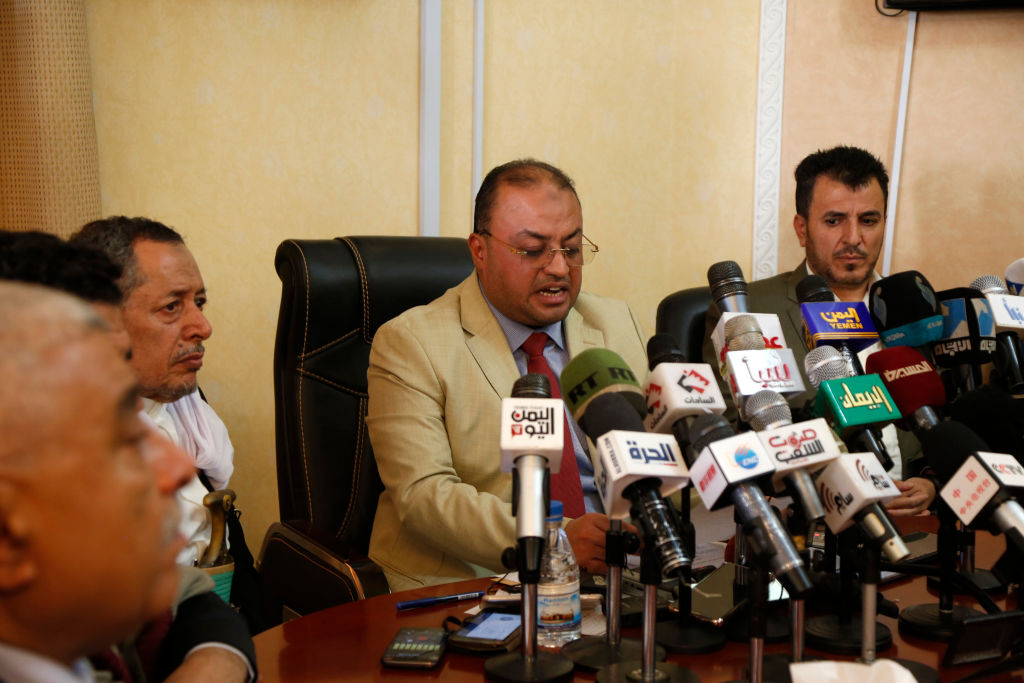
Just a week after Houthi rebels took control of al-Hazm, the capital of al-Jawf Province, on March 1, UN Special Envoy for Yemen Martin Griffiths paid an unprecedented, one-day visit to the Houthis’ likely next target, oil-and-gas-rich Marib, reiterating the urgent need for de-escalation.
Running around in circles: How Saudi Arabia is losing its war in Yemen to Iran
On March 1, the Iran-backed Houthis took control of the city of al-Hazm, the capital of al-Jawf Province, after weeks of fierce clashes with local tribes and Yemeni government forces. Incompetence, lack of unified leadership, and the absence of a military strategy by the Yemeni government and the Saudi-led coalition have played into the hands of the Houthis.
The UAE may have withdrawn from Yemen, but its influence remains strong
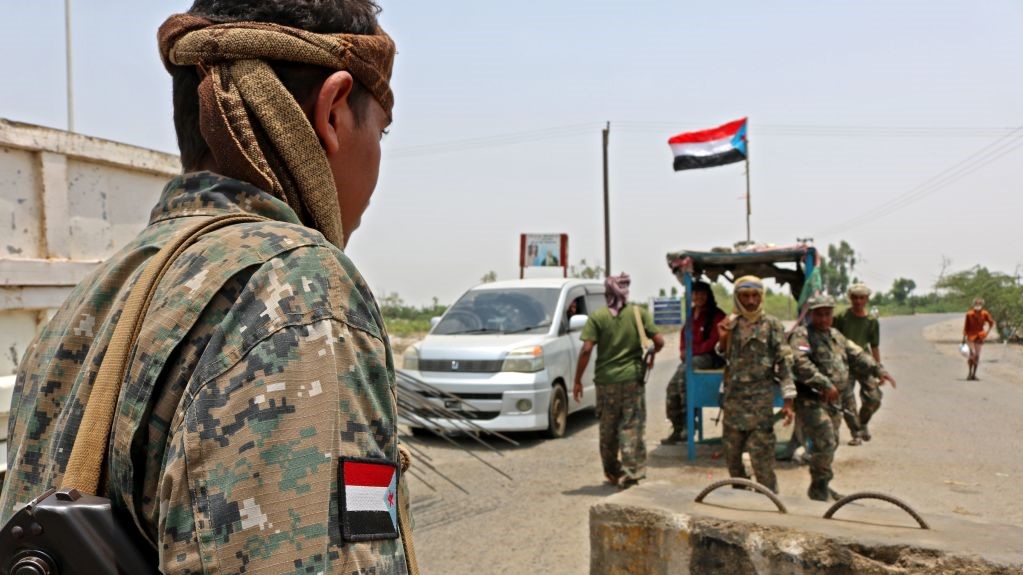
On Feb. 9, 2020, after five years of involvement in Yemen’s civil war as part of the Saudi-led coalition, the UAE’s leadership celebrated the completion of its phased military withdrawal from the country in a ceremony at Zayed Military City. Although the UAE’s withdrawal has provided an exit strategy from the stalemate in Yemen, it neither suspends Abu Dhabi’s role in the coalition nor curtails Emirati influence on the ground.
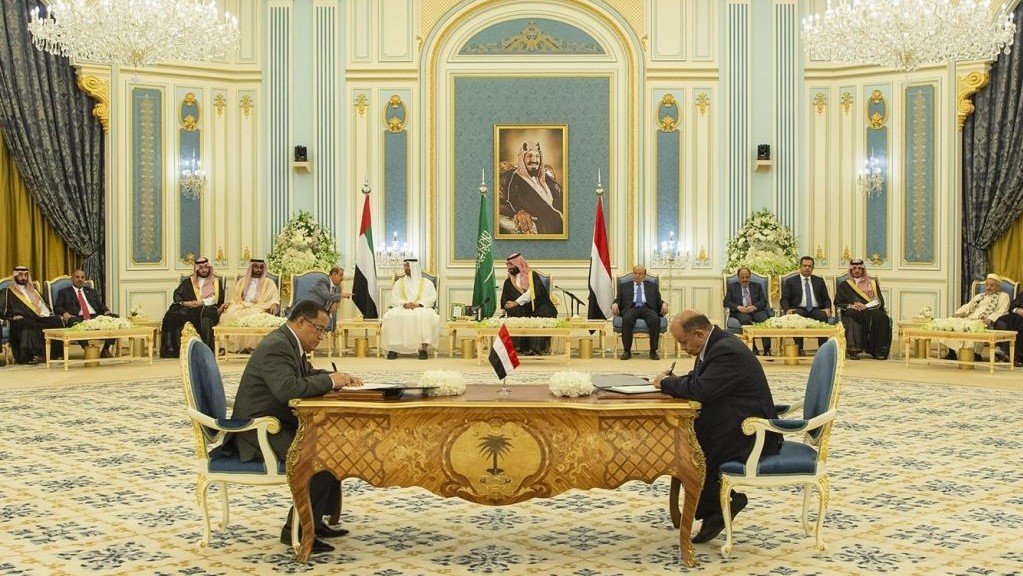
Obstacles to the implementation of the Riyadh Agreement
Now that all of the implementation deadlines have come and gone, where do things stand with the Riyadh Agreement, signed in late 2019 by Yemen’s Hadi government and the Southern Transitional Council?
From Stockholm to Riyadh: Breaking the Yemen peace process deadlock
Over the past 14 months, there have been moments when it seemed like progress was being made toward de-escalation in Yemen, but there have also been significant setbacks as well. Peace efforts thus far have been largely fragmented and frail, and two primary lessons from the past failures have become clear.
A fight for survival in a new landscape: Can Yemen’s GPC recover after Saleh?
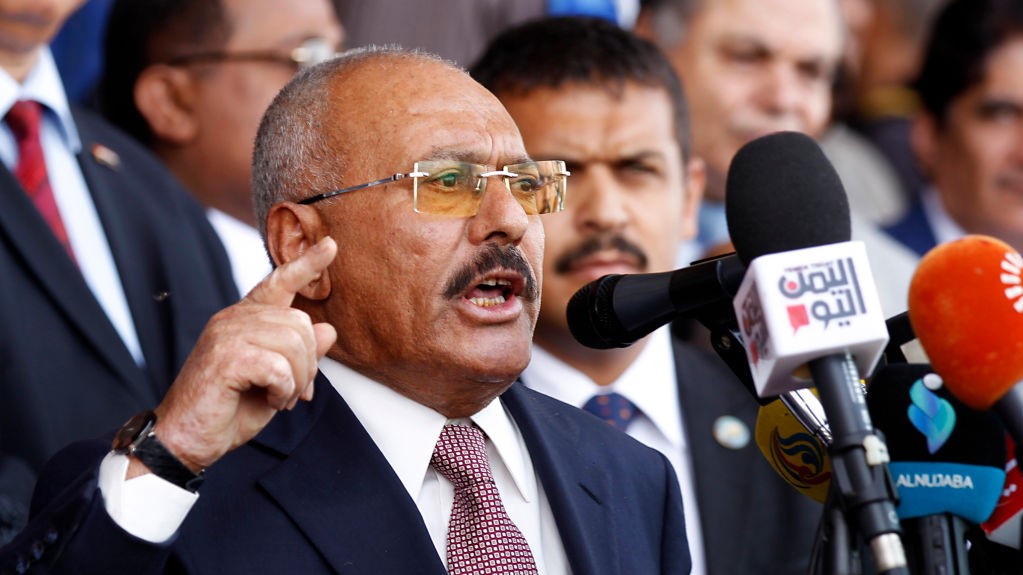
Since the death of its founder Ali Abdullah Saleh on Dec. 4, 2017, the General People’s Congress (GPC) — Yemen’s dominant political party for the past four decades — has faced a test in attempting to reunify its divided wings in Riyadh, Cairo, Abu Dhabi, and Sanaa amid a shifting strategic landscape. The GPC’s factions have competed over the party leadership, failed to elect a transitional leader, and exchanged accusations following the Saudi-brokered meeting in Jeddah in July 2019. Nevertheless, Abu Dhabi and Riyadh’s attempts to revive Saleh’s damaged old political vehicle continue, both politically and militarily.
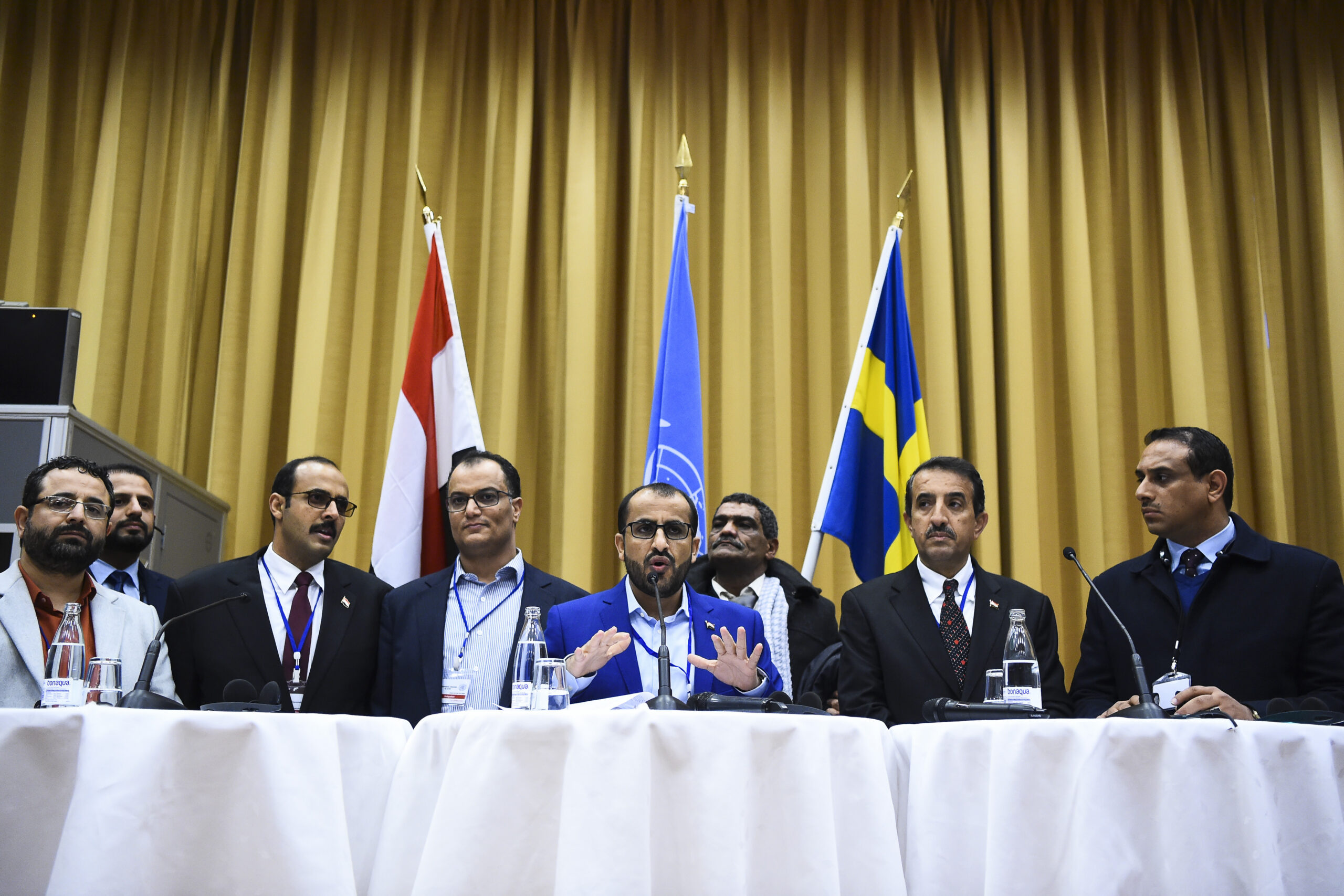
Yemen’s Stockholm Agreement one year on: Imaginary progress?
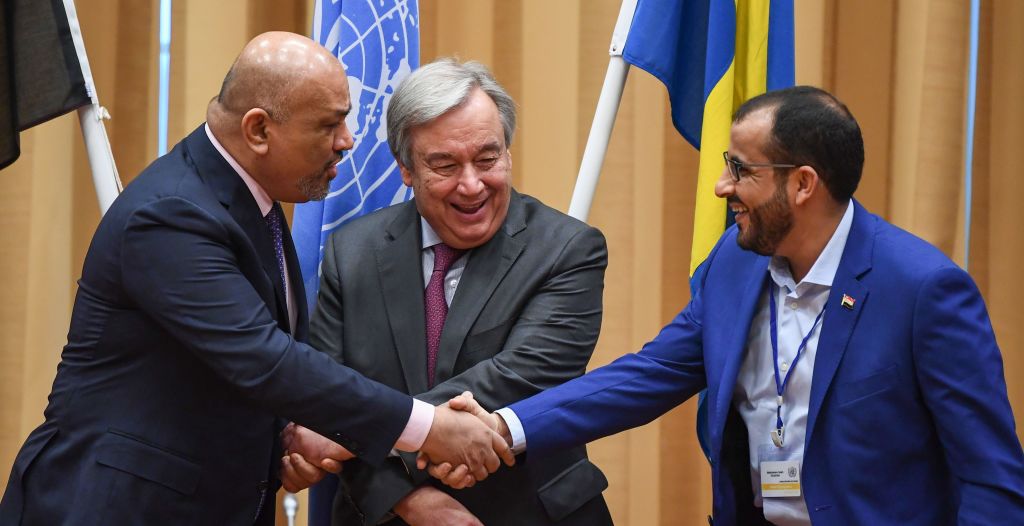
Just over a year ago, the international community rejoiced in the revival of the UN-led Yemen peace process with the conclusion of the Stockholm Agreement between the Yemeni government and the Houthi insurgency (Ansar Allah), brokered by UN Special Envoy Martin Griffiths. Although the deal marked the first political breakthrough in the peace process since the collapse of Geneva and Kuwait talks under Griffith’s predecessor, the ensuing hurdles in implementation meant that hopes for its success were short-lived. In evaluating the progress on the agreement’s three key components — covering prisoner exchange, Hodeida, and Taiz — it quickly becomes clear that the truism that implementing peace agreements is far more important, and difficult, than concluding them still rings true.
MEI experts Robert S. Ford, Fatima Abo Alasrar, and Emad Badi join host Alistair Taylor to survey what lies ahead for the Middle East in 2020, with particular attention to Iran, Syria, Yemen, Libya, Iraq and Algeria.
The future of the UK’s relationship with the Maghreb
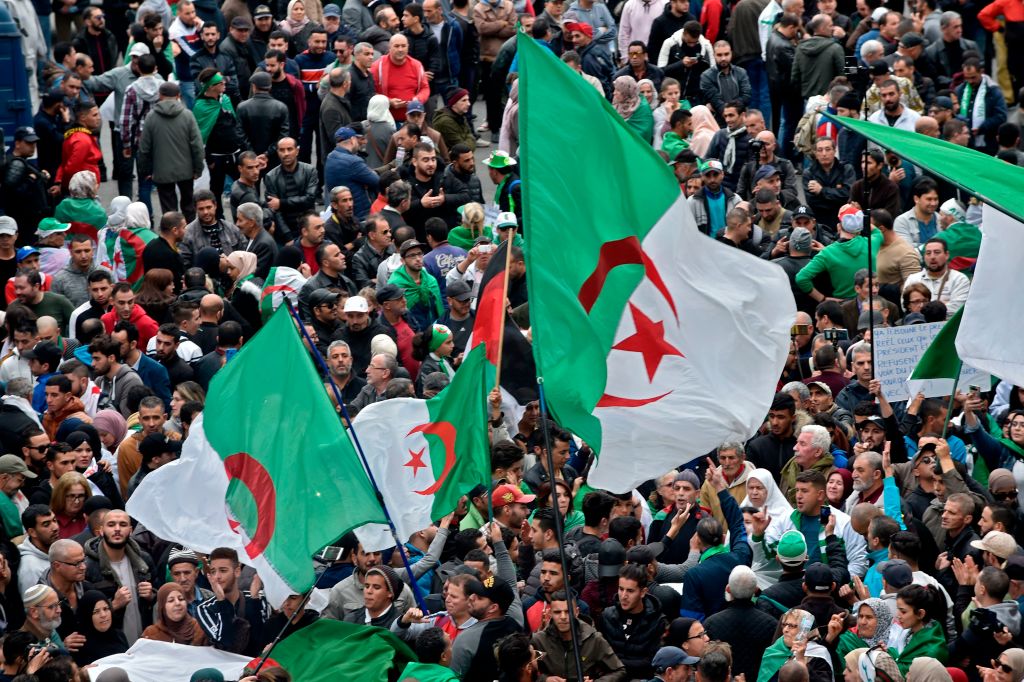
The UK’s impending exit from the EU will present a new chapter for British interests in and posture toward the region. If the UK is to find a trade-off for loss of diplomatic and economic heft, it will need to re-prioritize its engagement efforts. Policy continuity toward Morocco and Tunisia appears inevitable; Algeria, in contrast, promises great opportunity for an evolving relationship.
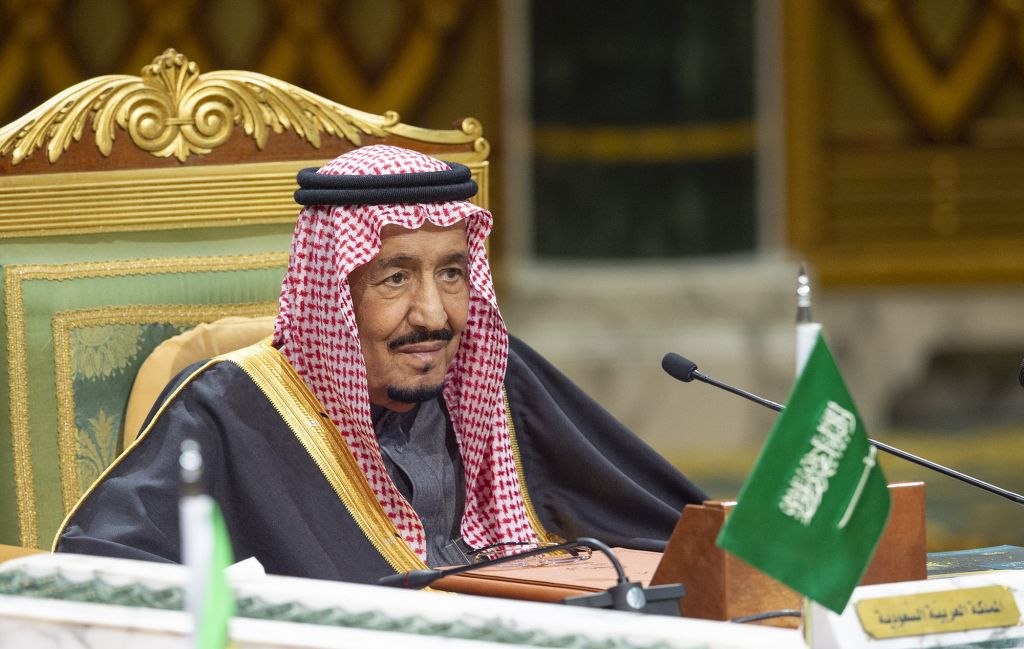
The steps the Saudis have taken in 2019 may help to ease international pressure on the kingdom’s leadership and restore its image as a constructive player in the world.
The oldest peer-reviewed publication dedicated to the study of the modern Middle East, MEI’s flagship journal covers politics, society, and culture in the region.