This article is part of a collection of short essays written by the Fellows of the Middle East Institute to explore aspects of the ongoing war with Iran. The intent of the collection is to help readers see new and unexpected elements of the dynamics and impact of the ongoing hostilities and to think harder, deeper, and broader about the implications of the conflict.
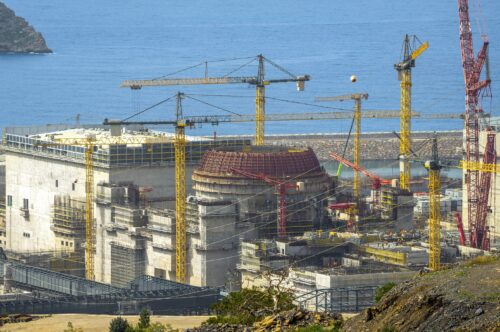
Turkey: Ankara’s Nuclear Ambitions in the Post-Iran War Environment
In February 2026, Turkish Foreign Minister Hakan Fidan suggested that shifting international dynamics could push Turkey to acquire nuclear weapons. That rhetoric, combined with Turkey’s civilian nuclear energy and research programs and its indigenous surface-to-surface missile development projects, has fueled concerns that these capabilities could eventually form the backbone of a Turkish nuclear weapons program.
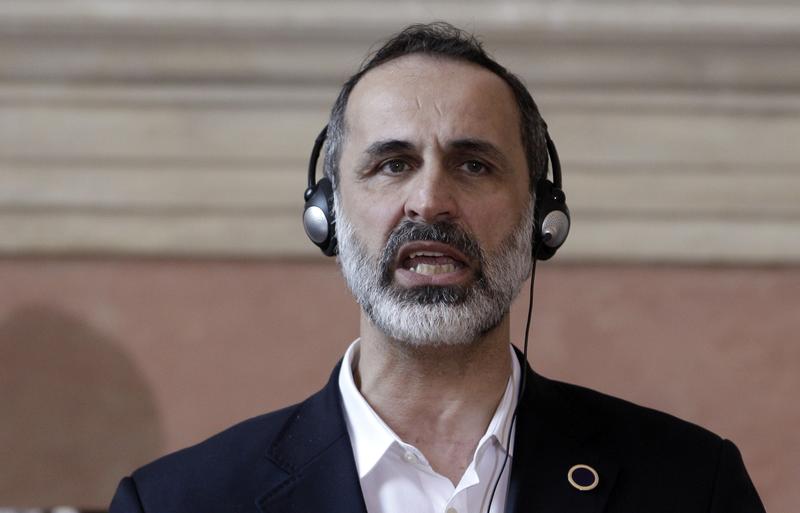
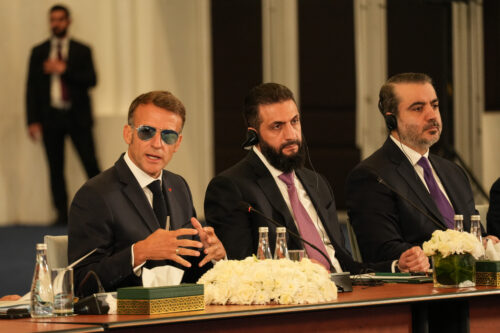
When the US and Israel launched military action against Iran on February 28, 2026, it set in motion a chain of events that saw violence spread across the Middle East. Yet as the region found itself engulfed in conflict, Syria has experienced its most peaceful months in 15 years, and the government in Damascus appears determined to stay its course toward recovery.
Robert Baer’s See No Evil presents a firsthand account of the life of a CIA case officer in the war on terror. From recruiting agents in the volatile Bekaa Valley in Lebanon to wiretapping Abu Nidal students in France, Baer provides a fascinating description of his CIA service.
The recent public row between Deputy Prime Minister Bulent Arinc and Ankara Mayor Melih Gokcek marked the latest fallout from a widening rift between the country’s president, Recep Tayyip Erdogan, and his handpicked prime minister, Ahmet Davutoglu. If the crack continues to widen, it will not only deal a blow to Erdogan’s presidential dream but also to the future of the ruling party.
Israeli Elections and U.S. Policy Reevaluation: What Lies Ahead?
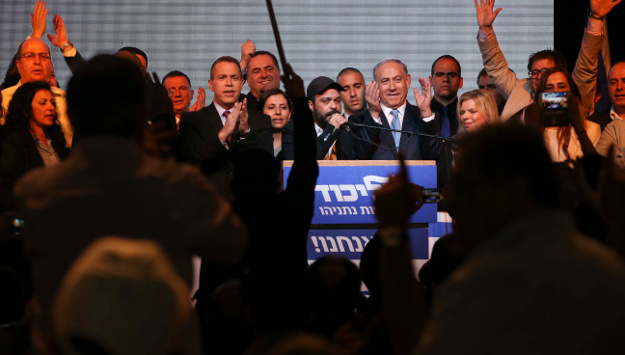
The Obama administration has lost all patience with Israeli Prime Minister Benjamin Netanyahu’s defiant challenges to two basic U.S. goals: a two-state Israeli-Palestinian peace and a nuclear deal with Iran. Netanyahu’s hostility and the emergence after the March 15 elections of a new, more right-wing coalition, have triggered a major crisis in relations and an apparent decision by Obama to “reevaluate” U.S. policy.
Among Old Friends: A History of the Palestinian Community in China
Following the Bandung Conference in 1955, the People’s Republic of China (PRC) espoused―in an unusual contrast with other major powers of the “socialist” and “nonaligned” camps―a pro-Palestinian stance in its foreign policy toward the Middle East. This did not entail, however, any direct contact with the Palestinians, a development that did not appear until the mid-1960s emergence of a more autonomous and coherent Palestinian national movement embodied in the PLO. Contact prior to the establishment of formal channels of communication took place through a number of unofficial and semi-official conduits, ranging from the Algerian National Liberation Front (FLN), the Chinese embassies in Egypt and South Yemen after 1967, and the “underground” Communist networks (mainly Iraqi, Sudanese, and Yemeni) to such bodies as the Chinese Committee for Afro-Asian Solidarity and the Chinese People’s Association for Friendship with Foreign Countries. These contacts enabled the PRC to eventually extend formal diplomatic recognition of the PLO in 1964, making it the first non-Arab country to do so.
Collection Spotlight: In the Name of Oil: Anglo-American Relations in the Middle East, 1950-1958
Ivan L. G. Pearson’s In the Name of Oil: Anglo-American Relations in the Middle East, 1950-1958 provides a comprehensive analysis of the extent to which British interests in the Middle East influenced or were furthered by the United States between 1950 and 1958.
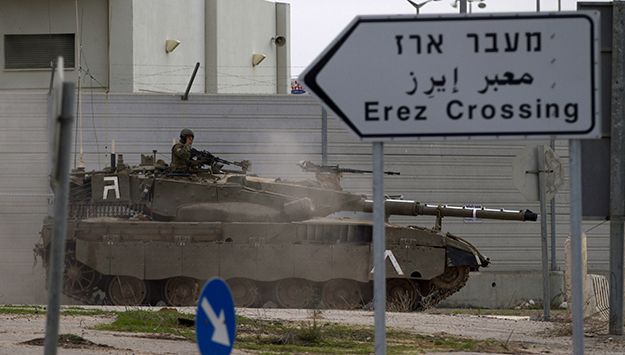
The Middle East is in disarray, but in Gaza, of all places, there are fragile hints of better days.
Two weeks ago, for the first time since Hamas’s takeover of the Gaza Strip in 2007, Israel permitted produce exports from Gaza into Israel and the West Bank.
Former British Prime Minister Tony Blair acknowledged Gaza’s plight during a visit to the area in February.
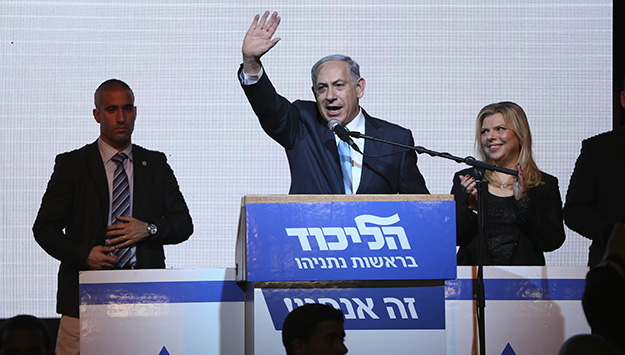
Those Israelis who hoped for a change in Israel’s direction awoke this morning to news worse than they had feared. With more than 99 percent of the vote reportedly counted, Prime Minister Benjamin Netanyahu’s Likud Party has won 30 seats to 24 for his main challenger, the Zionist Union’s Isaac Herzog.
Frustrated Turkey Turns to Onetime Ally Saudi Arabia
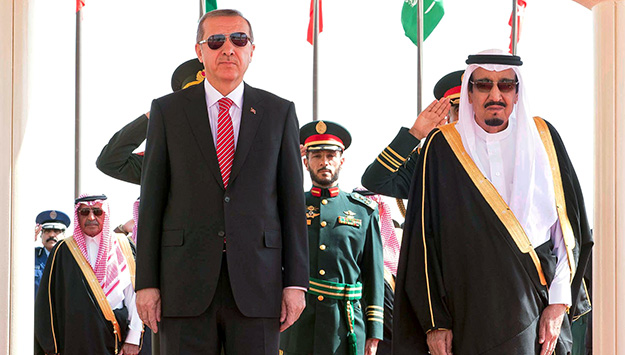
Frustrated by the United States’ failure to heed its advice on Syria and Iraq, and by Iran’s growing clout in these countries, Turkey seems to have decided to mend its frosty relationship with Saudi Arabia. When King Abdullah died earlier this year, Turkish President Recep Tayyip Erdogan immediately cut short an African tour and flew to Riyadh to offer his condolences. He declared a period of mourning in Turkey and ordered the Turkish flag to be flown at half-mast.
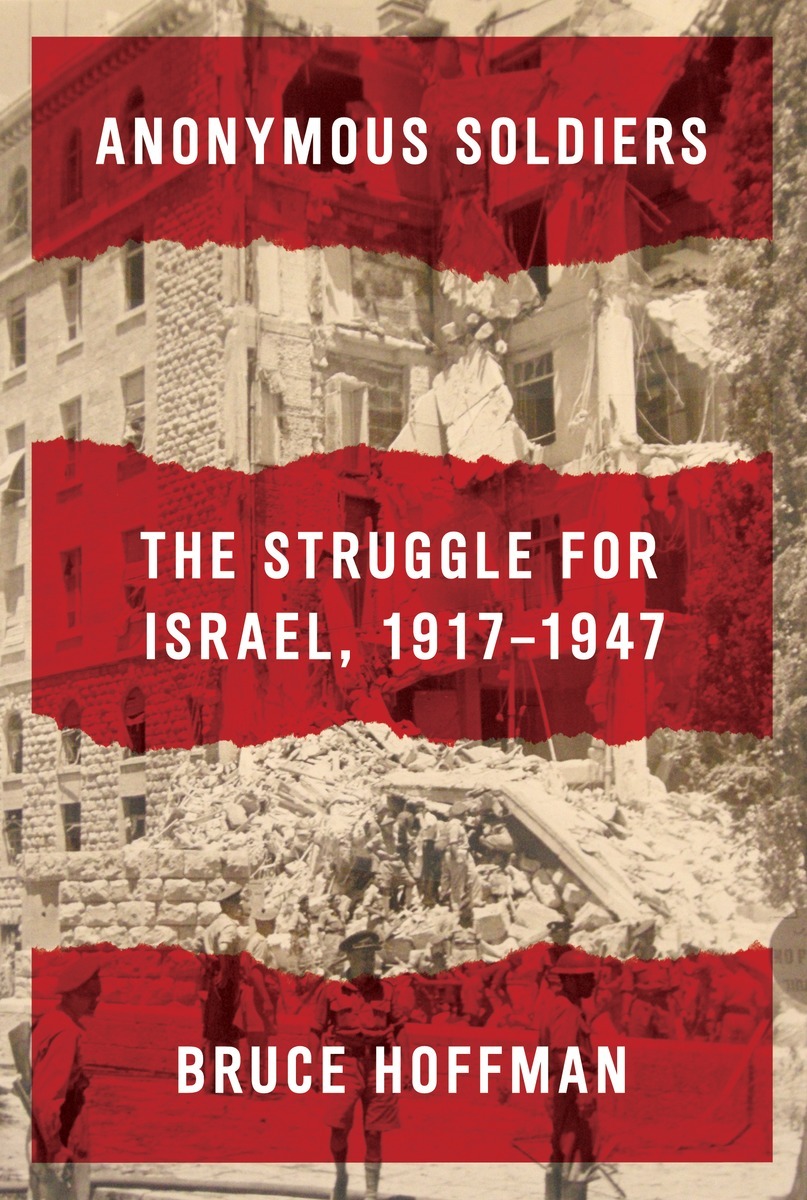
Anonymous Soldiers: The Struggle for Israel, 1917-1947
A review of Anonymous Soldiers: The Struggle for Israel, 1917-1947, By Bruce Hoffman (Knopf 2015). This book review was first published by The Washington Post.
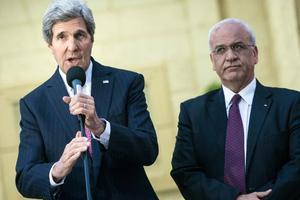
Do Kerry’s Remarks on Syria Represent a Break with Previous Policy?
Over the weekend, the Western and Arab media reported extensively on U.S. Secretary of State John Kerry’s remarks, given on the fourth anniversary of the Syrian revolution, that the United States must negotiate “in the end” with Bashar al-Assad. Are his remarks anything new, or do they represent a continuation of previous policy? MEI’s Robert Ford weighs in.
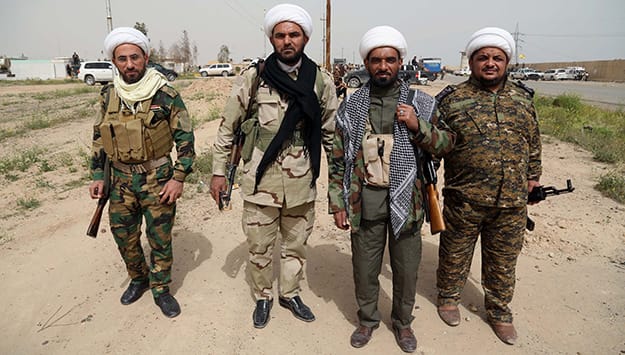
It has long been known that the Assad regime, facing a shortage of manpower in its regular army, has had to rely on irregular paramilitaries in its bid to reverse rebel advances. This became particularly apparent in 2013, when Hezbollah openly declared its participation in the capture of Qusayr, a town in Homs Province on the border with Lebanon.







 Robert Baer’s See No Evil presents a firsthand account of the life of a CIA case officer in the war on terror. From recruiting agents in the volatile Bekaa Valley in Lebanon to wiretapping Abu Nidal students in France, Baer provides a fascinating description of his CIA service.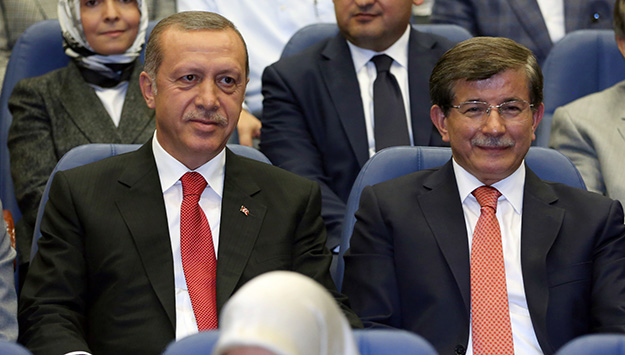

 Ivan L. G. Pearson’s In the Name of Oil: Anglo-American Relations in the Middle East, 1950-1958 provides a comprehensive analysis of the extent to which British interests in the Middle East influenced or were furthered by the United States between 1950 and 1958.