
Reflections on a Diplomatic Career in the Middle East: A Conversation With Ambassador Yael Lempert
Brian is joined by Amb. (ret.) Yael Lempert, Vice President for Outreach at MEI, to discuss her career in diplomacy and the importance of US diplomatic efforts abroad. She shares stories from postings across the Middle East in Baghdad, Cairo, Tripoli, Jerusalem, and Amman and examines how her personal and professional experiences shaped her approach to the work. Together, Brian and Yael discuss the realities of life in the Foreign Service, the core tenets of American diplomacy, and why it matters in today’s Middle East.
The New Old Middle East
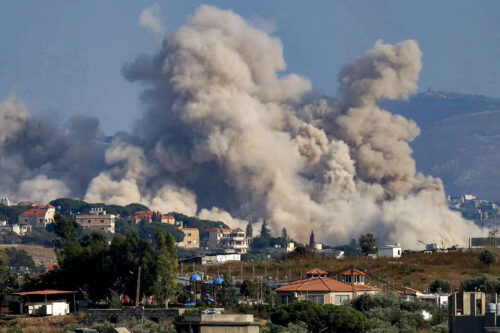
In many ways, the U.S.-Israeli war against Iran and the war in Gaza that preceded it seem transformative. After decades of shadow warfare, Iran and Israel have now attacked each other’s homelands directly. And Israel and the United States have joined forces in a genuinely novel way to wage war against Iran.
احصل على التحديثات من معهد الشرق الأوسط
الخبراء البارزون





A UNGA without Netanyahu
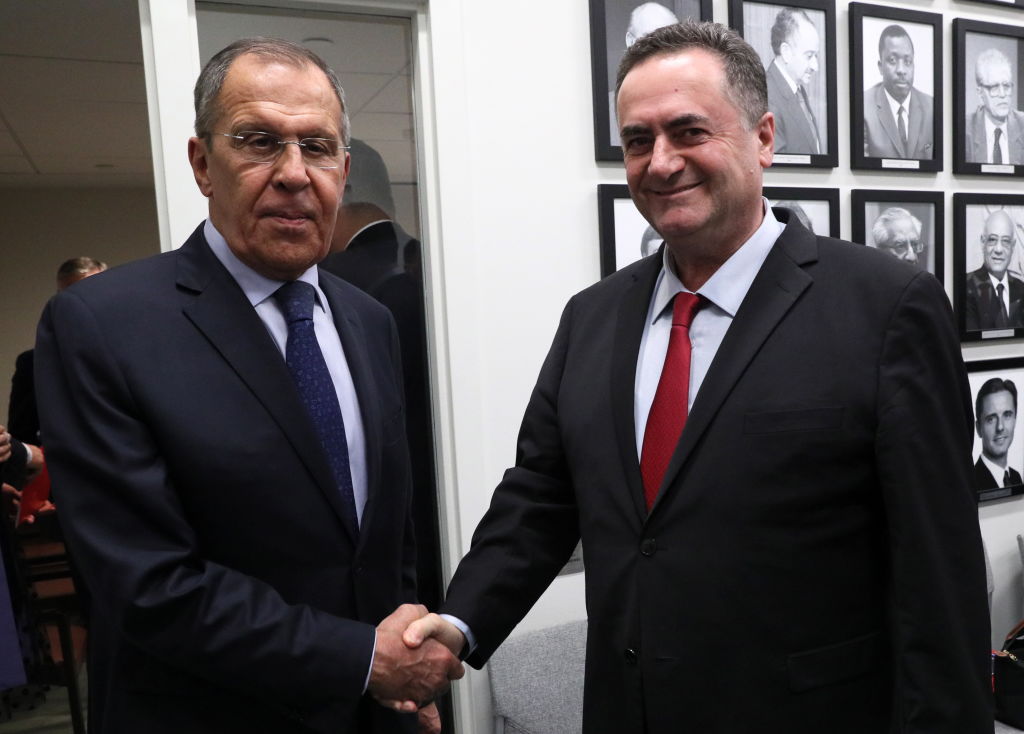
For the first time in a decade, the upcoming UNGA will be held in the absence of the outgoing Israeli prime minister, Benjamin Netanyahu.
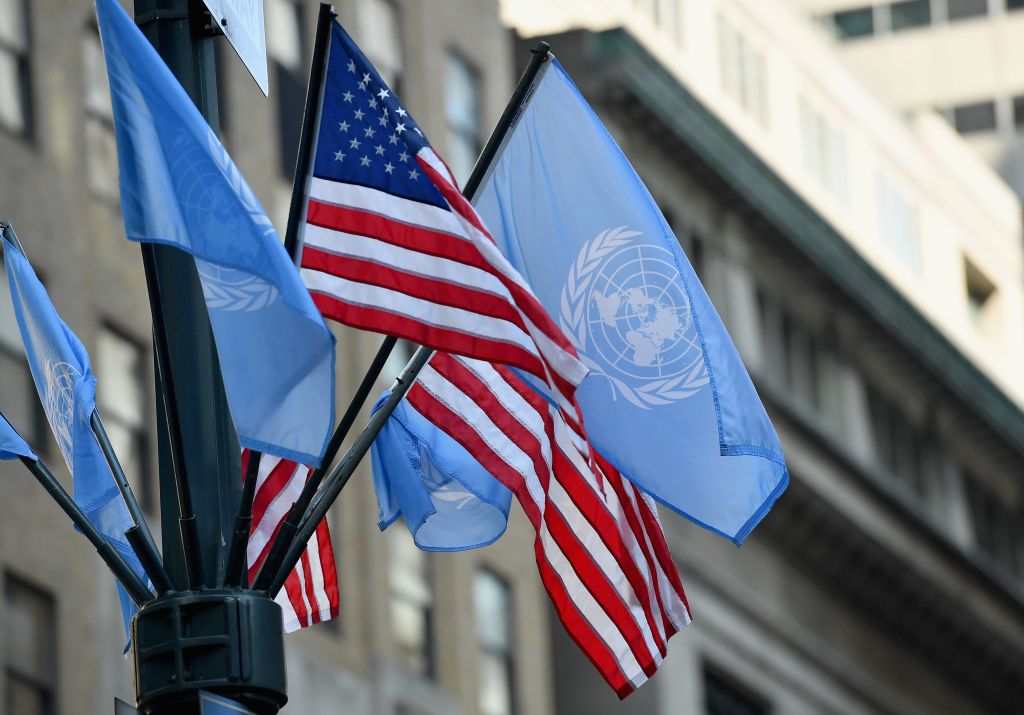
Monday Briefing: Middle East takes center stage at UNGA
This week’s briefing on recent news and upcoming events in the region featuring Gerald Feierstein, Alex Vatanka, Eran Etzion, Gonul Tol, Amal Kandeel, Marvin G. Weinbaum, Michael Sexton and Eliza Campbell.
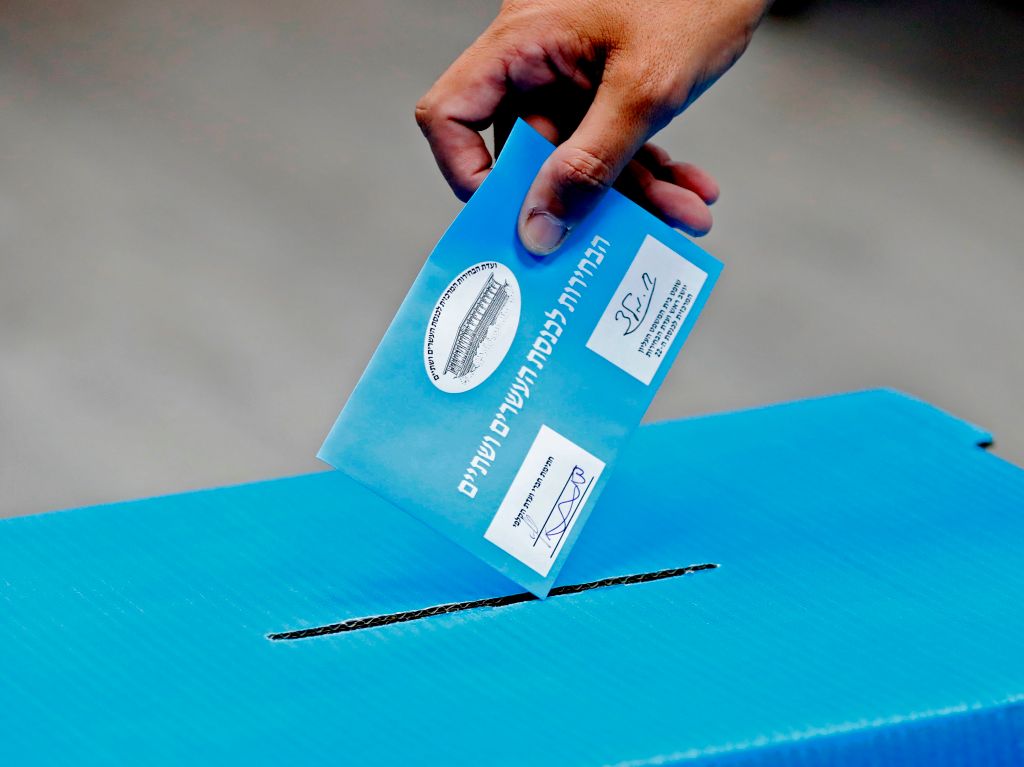
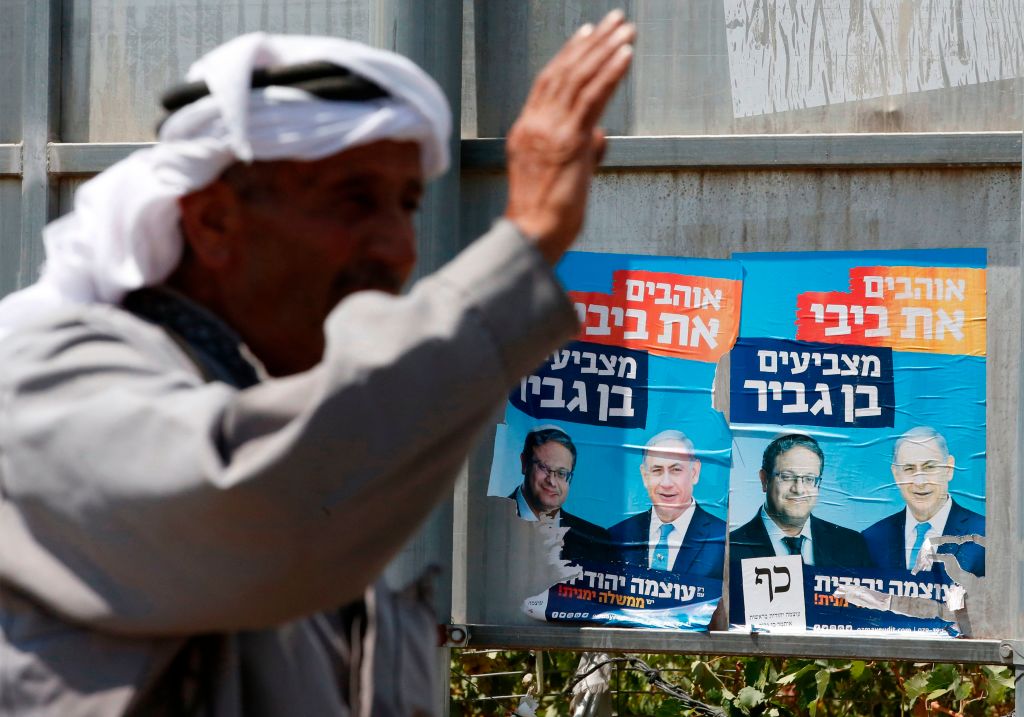
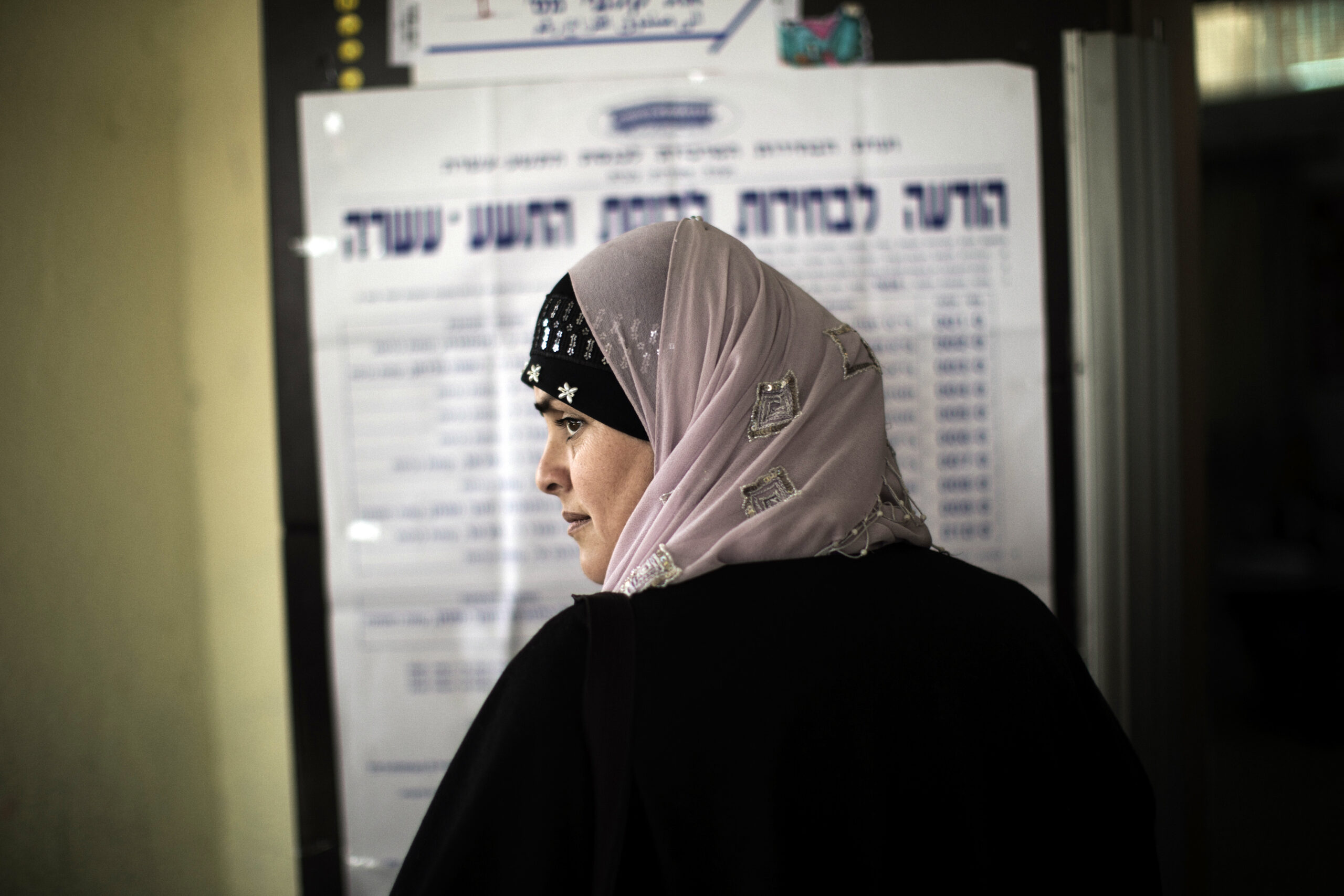
The Ongoing Divide: Palestinian Participation in Israeli Elections
Despite constituting about 20 percent of the Israeli population, Israel’s Palestinian minority does not wield significant political power; throughout Israeli history Palestinian parties have played the role of the permanent opposition. While low Israeli-Palestinian electoral participation and the resulting disproportionate parliamentary representation have hampered political influence, these factors are merely one part of a multi-faceted and multi-causal picture. This report seeks to provide a comprehensive analysis of the exogenous and endogenous drivers of reduced Palestinian political engagement. It is concerned with the structural obstacles –– primarily put in place and sustained by the Israeli right wing –– that seek to impede Palestinian influence at the polls and in the Knesset.
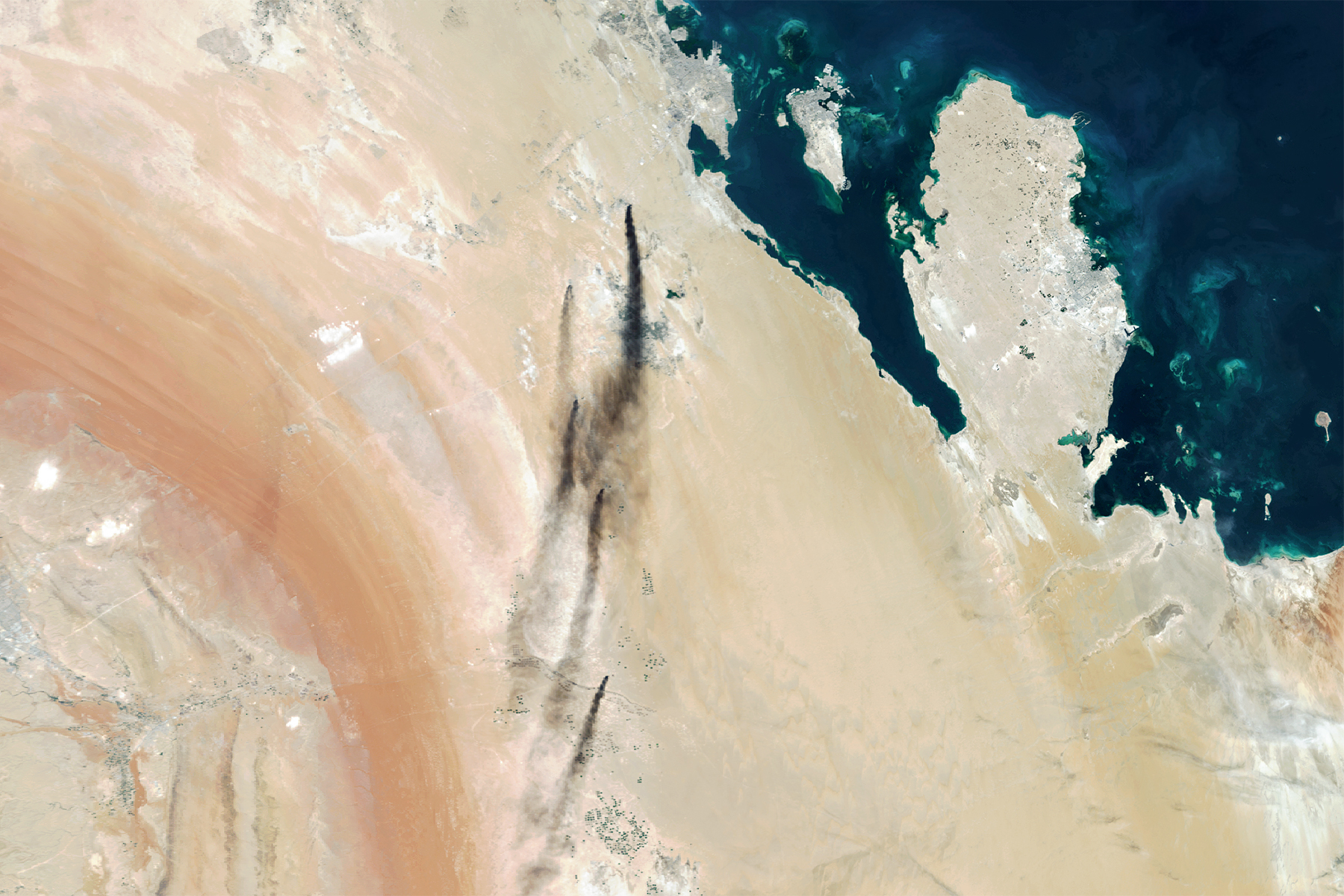
Monday Briefing: Attack on Saudi oil facilities has an impact far beyond the kingdom
This week’s briefing on recent news and upcoming events in the region featuring Ruba Husari, Paul Salem, Gerald Feierstein, Amal Kandeel, Grace Wermenbol, Robert S. Ford, Charles Lister, and Gonul Tol.
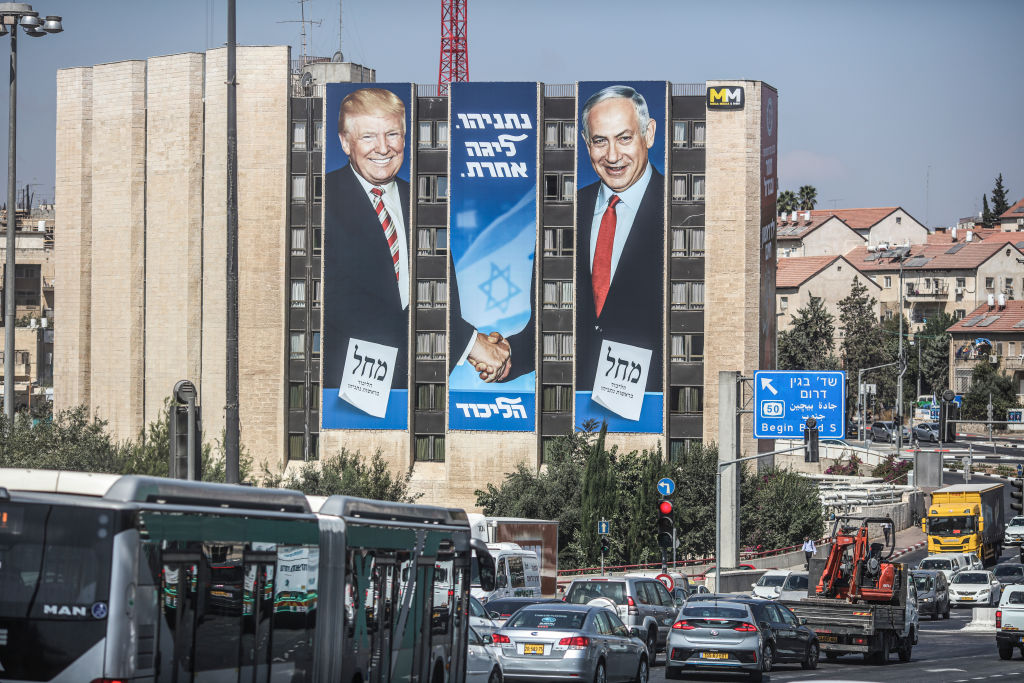
Israeli elections: Sound and fury — signifying little
Israel’s upcoming election, set for Sept. 17, dragged on through the summer and looked set to be a repeat of its predecessor on April 9, when Prime Minister Benjamin Netanyahu failed by a single Knesset vote to put together a majority coalition. It has indeed been a largely sleepy affair, with the centrist Blue-White party dueling with the Likud for the crucial top spot and most other parties barely budging in the polls. This somnolence ended explosively the week before the election with a series of events whose impact is still unclear.
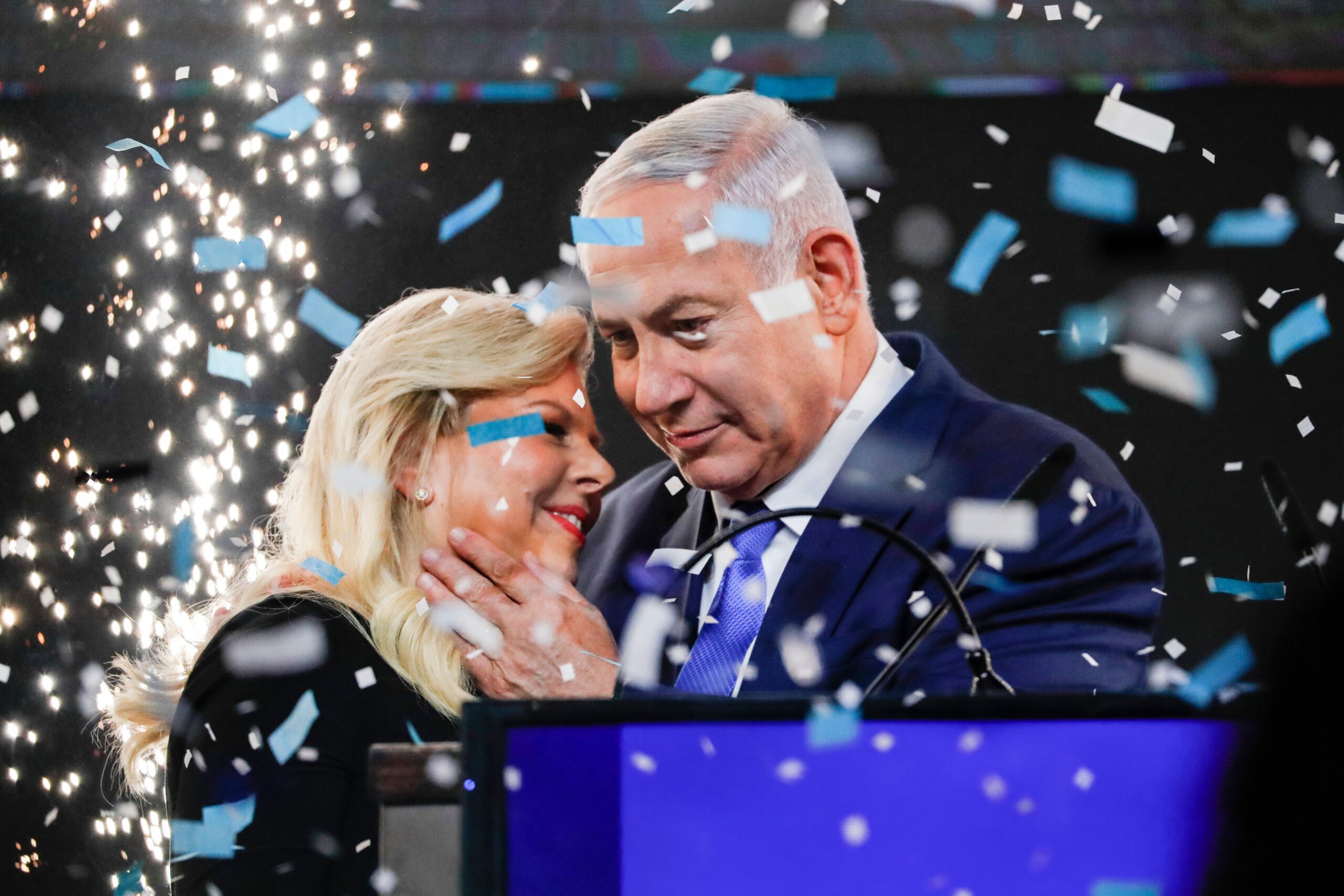
Israel’s upcoming elections: Much ado about nothing?
Prime Minister Benjamin Netanyahu won a fifth term in April, the first such victory for an Israeli politician. In May, he failed to form a governing coalition, a first for an Israeli politician as well. Snap elections are scheduled for Sept. 17 and, true to form, rivals and observers are saying that surely his era may be nearing an end. Notwithstanding the possible changes that could be witnessed on the local political scene, skeptics are hard-pressed to see how the elections could bring about drastic change for either Israel or the region.
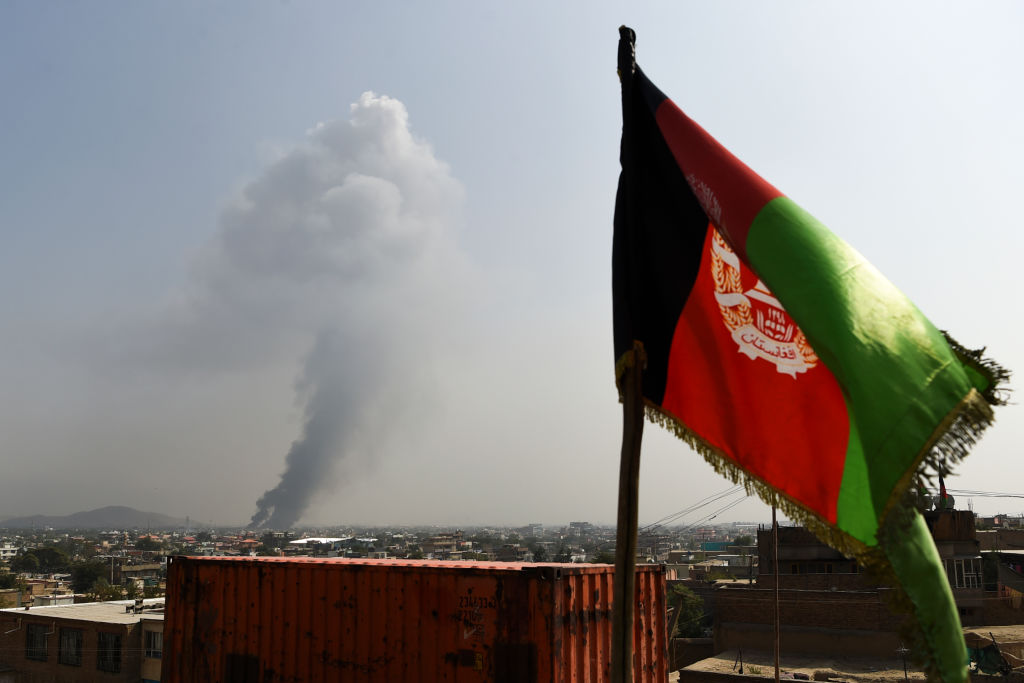
Weekly Briefing: A US-Taliban agreement but no sign of peace in Afghanistan
This week’s briefing on recent news and upcoming events in the region featuring Marvin G. Weinbaum, Randa Slim, Alex Vatanka, and Gonul Tol.
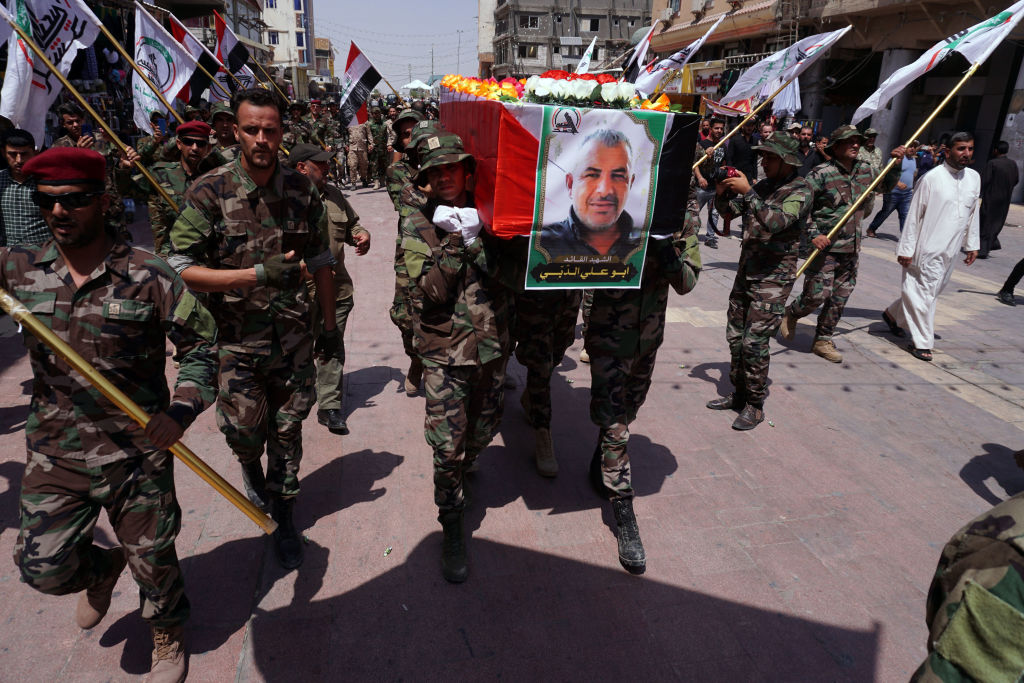
Monday Briefing: Drone strike thrusts Iraq into Iranian-Israeli military confrontation
This week’s briefing on recent news and upcoming events in the region featuring Randa Slim, Gerald Feierstein, Alex Vatanka, Robert S. Ford, and Michael Sexton.
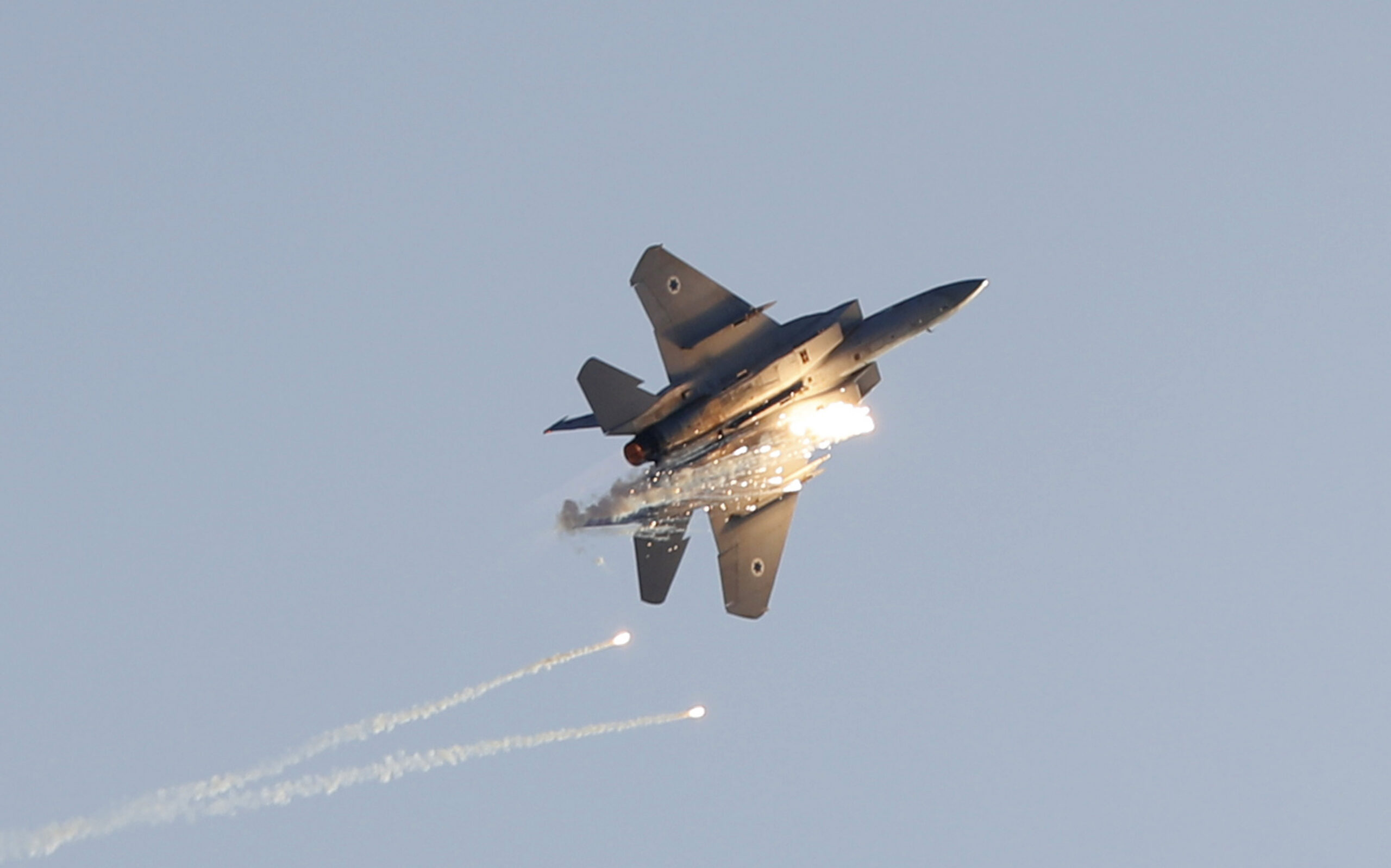
Countering and courting Iran: Israeli-Palestinian objectives in Iraq
Israel has reportedly expanded its operations against Iran in the Middle East. In July, Israeli and foreign media attributed airstrikes on Iranian targets near Baghdad to Israel. Last week, U.S. officials confirmed that Israel was responsible for the attacks, which mark the first such air raids on Iraq since 1981, when Tel Aviv destroyed Saddam Hussein’s Osirak nuclear reactor.
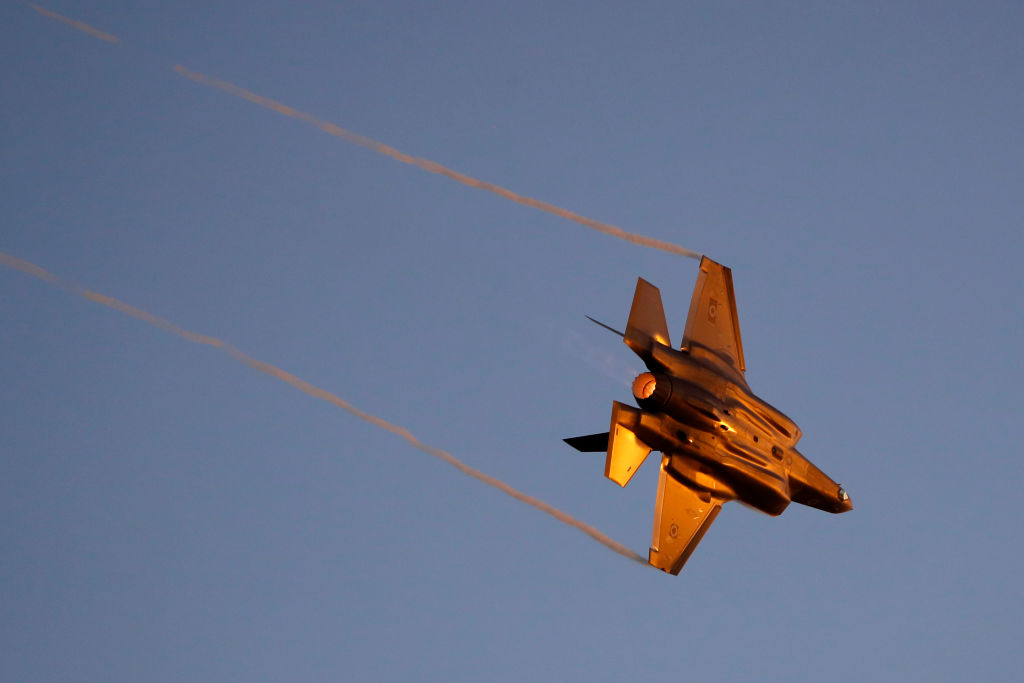
Israel’s new front in the fight against Iran
On Aug. 12, an explosion took place inside an ammunition warehouse in the al-Saqr military base in southern Baghdad, triggering hundreds of mortars and rockets to fire off in all directions throughout urban, populated areas. One person was killed and 29 wounded, as munitions and debris scattered as far as 5 kilometers away.
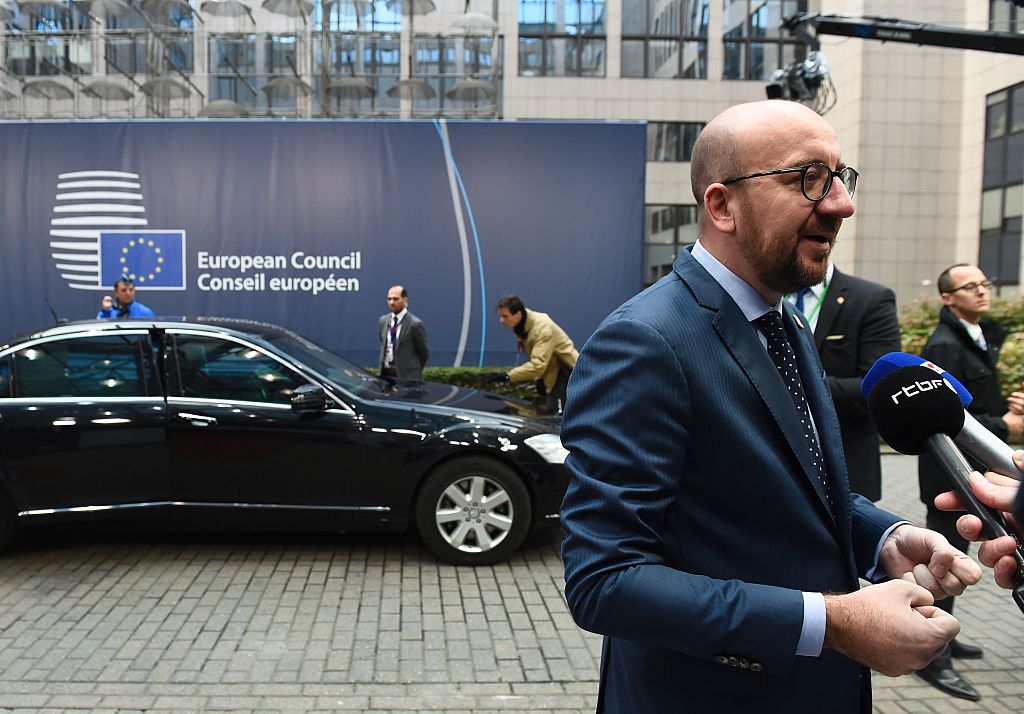
What will the European Council's new president mean for EU-MENA relations?
While some changes may be in the offing, for now most signs suggest that regional leaders should expect neither new opportunities, nor new challenges, but more likely a broad continuity of existing EU policy toward the region.
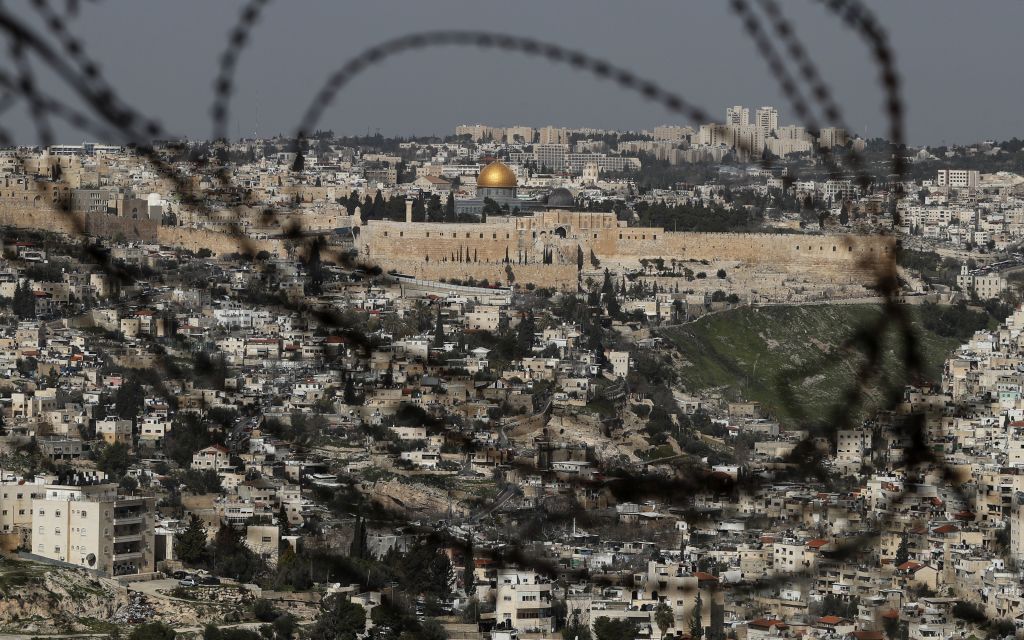
There Is No "Status Quo": Drivers of Violence in the Israeli-Palestinian Conflict
The Israeli-Palestinian conflict remains a destabilizing element in an already volatile Middle East. The Palestinians are too weak to wrest their independence from Israel. But as long as their right to self-determination is denied, they are likely to engage in regular violence targeting Israel. Absent outside intervention, Israel is powerful enough that it can suppress Palestinian demands for freedom — but it is not able to completely pacify the Palestinians. Thus, the conflict continues, punctuated every few years by rounds of more significant violence.
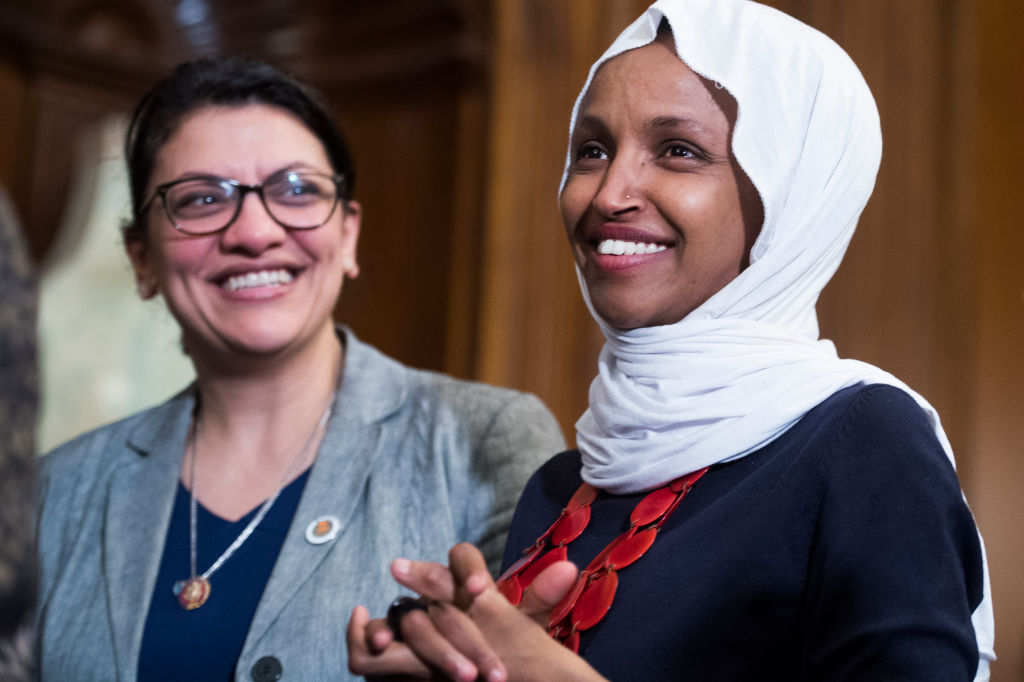
Tlaib/Omar: It’s only politics
The current Rashida Tlaib/Ilhan Omar debacle has received more attention from every quarter than virtually anything other than a war. All the usual suspects have weighed in with (mostly) predictable comments, generally in the context of the long-running “special relationship” between Israel and the U.S. The two domestic political contexts are often mentioned only in passing. With all respect to those who have tried to take a longer or strategic view, I would suggest that it really boils down to the political calculations of just two men, President Donald Trump and Prime Minister Benjamin Netanyahu.
اقرأ مجلة الشرق الأوسط
أقدم مطبوعة محكمة مخصصة لدراسة الشرق الأوسط المعاصر، تغطي مجلة MEI الرائدة السياسة والمجتمع والثقافة في المنطقة.