Lebanon: Where the Axis of Resistance Breaks First
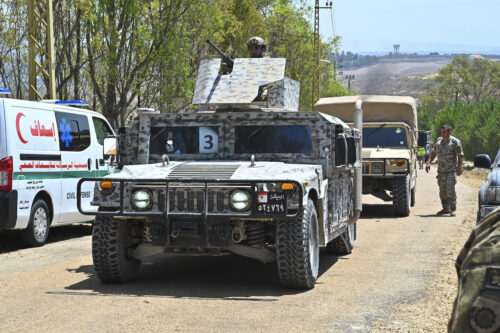
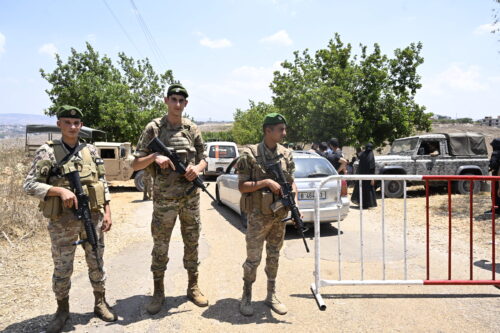
The war with Iran has not yet resolved the contest between Tehran and Washington, but it has already begun to reshape the Middle East — and nowhere as clearly in the United States’ favor as in Lebanon. The challenges in Lebanon have presented the US with a defining test: whether Washington and its partners have the determination to convert Iran’s material losses into lasting strategic change.
Consolidating Sovereignty, Security and Peace: Time to Step up the Game
Although it has been a frustrating summer, Lebanon remains on the right track. My observation after a ten-day visit to Beirut and Jerusalem this month is that leaders in both capitals remain strongly committed to a shared objective.
Brian is joined by Hisham Melhem, a prominent journalist known for his interviews with Presidents George W. Bush and Barack Obama and his role as an honest intermediary between Americans and the people of the Middle East. He reflects on his journey from growing up in Lebanon to building a life in America, discusses how the region has transformed over his lifetime, and offers a candid take on where US foreign policy stands today.
Hariri announces another flawed government, but don’t walk away from Lebanon
After nine months of deadlock, Prime Minister-designate Saad Hariri announced the formation of a new government of 30 ministers. The composition of the government is reflective of Lebanon’s power-sharing system and of the results of the last parliamentary elections.
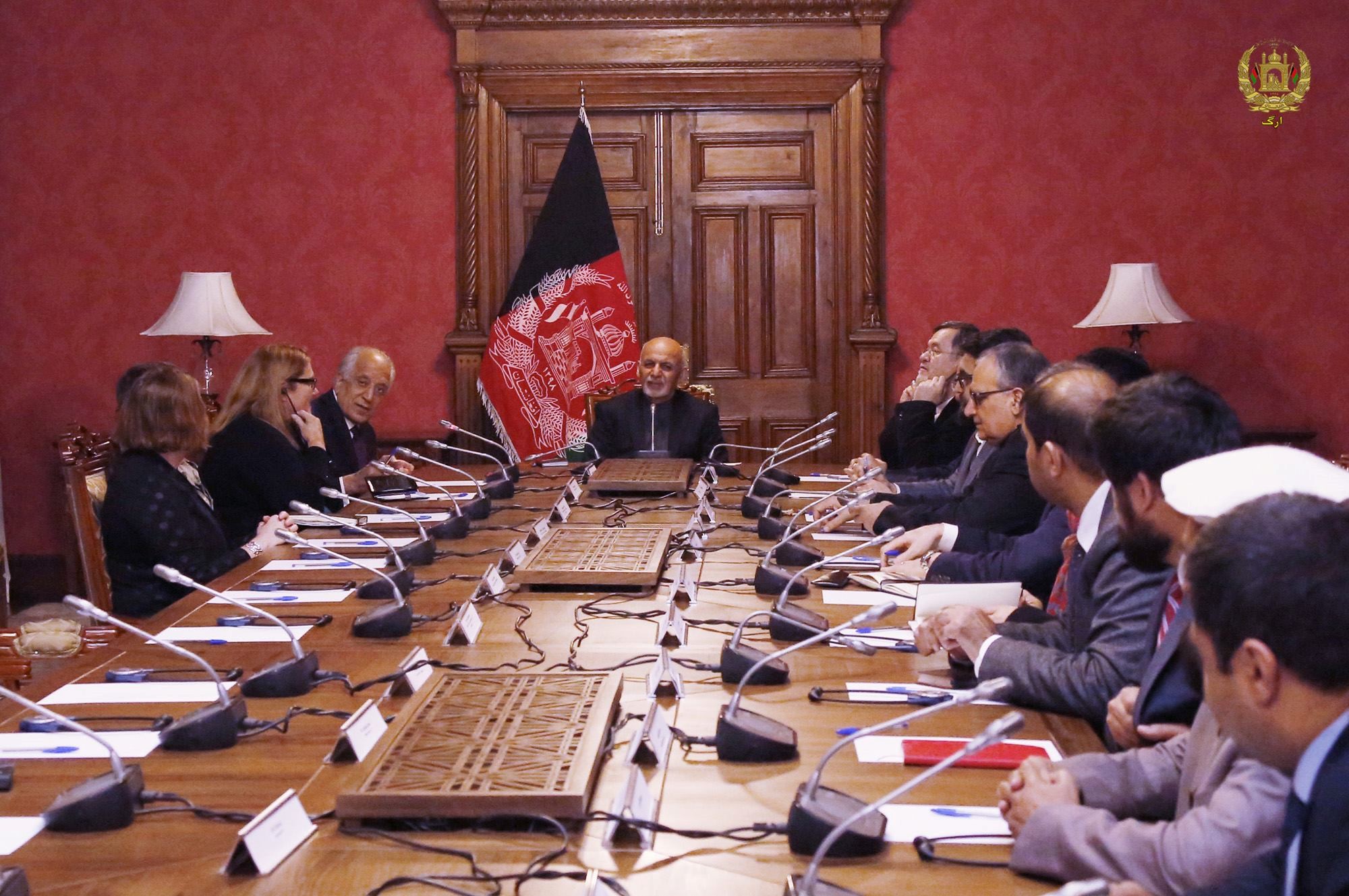
Monday Briefing: US-Taliban talks progress, but major obstacles remain
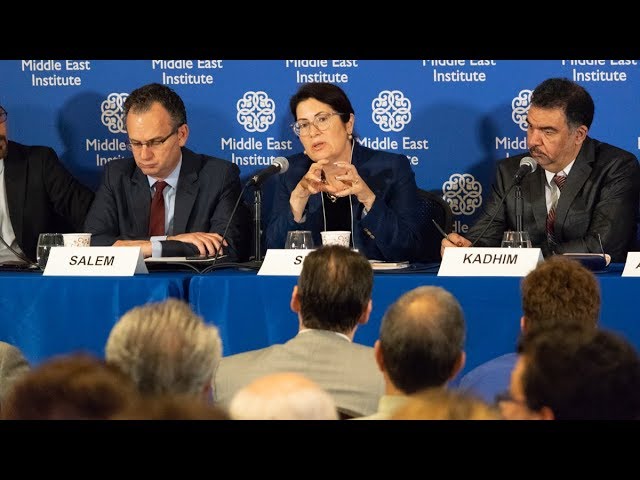
In this week’s Monday Briefing, MEI experts Ahmad Majidyar, Marvin G. Weinbaum, Randa Slim, Paul Salem, and Guney Yildiz provide analysis on recent and upcoming events including U.S. negotiations with the Taliban in Afghanistan, a warning sent to Israel by Hezbollah leader Hassan Nasrallah, the Sudanese president’s appeal for external support, Turkish-Syrian diplomacy, and Pakistan’s acceptance of Gulf aid.
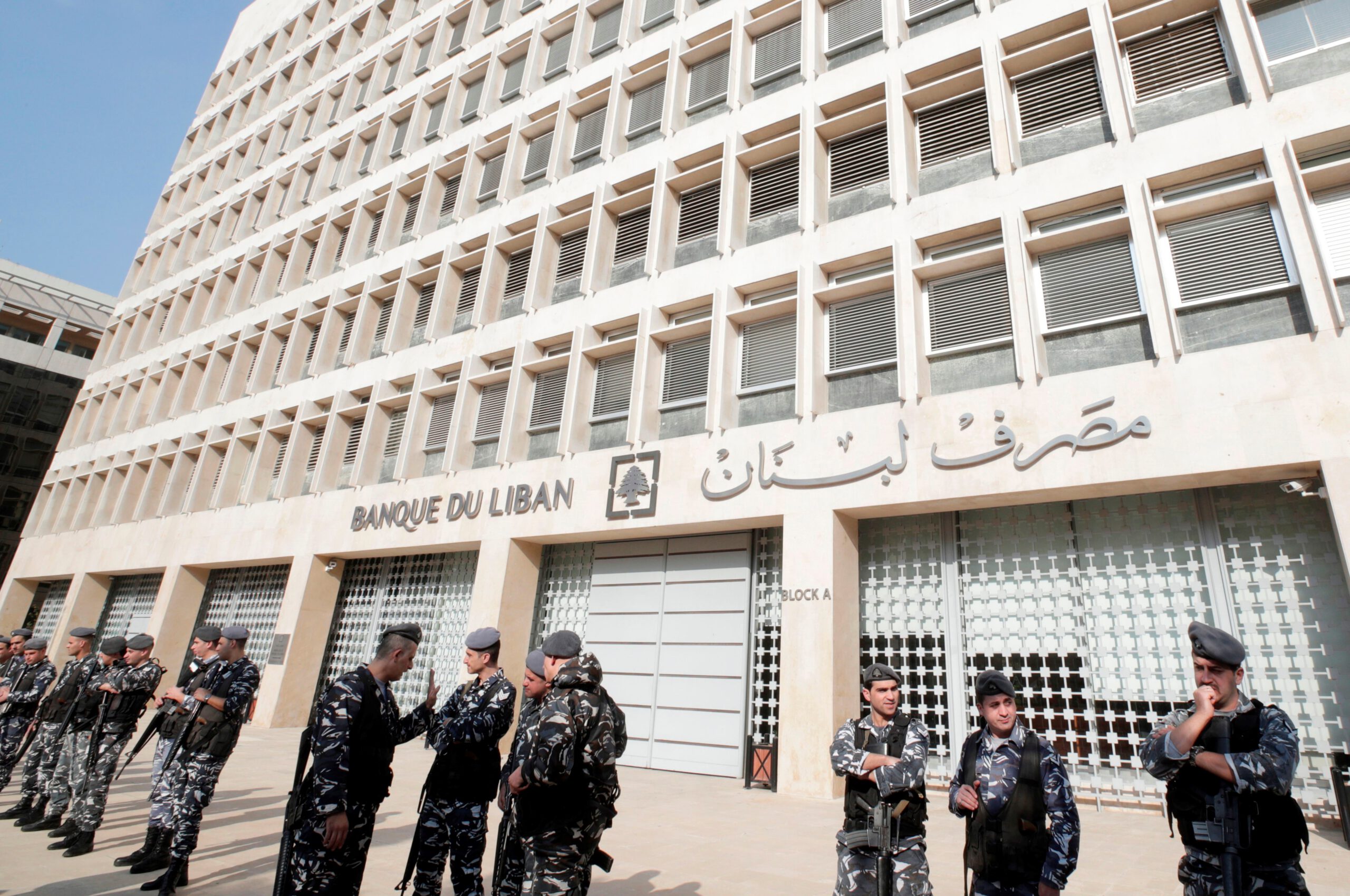
Security sector reform and the Internal Security Forces in Lebanon
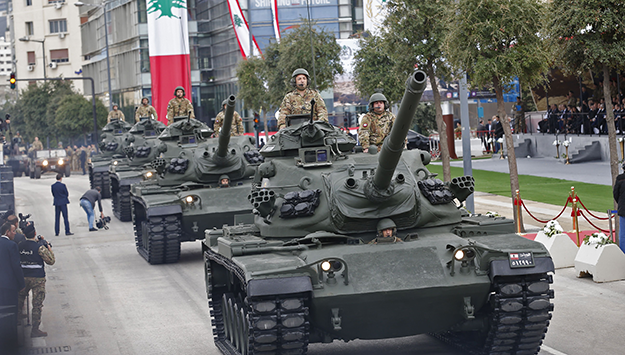
Donor-backed reform efforts in the Lebanese Internal Security Forces have shown good results in a jurisdiction in Beirut. While imperfect and limited in scope, these results are encouraging, as obstacles to the provision of fair and effective policing in Lebanon are myriad.
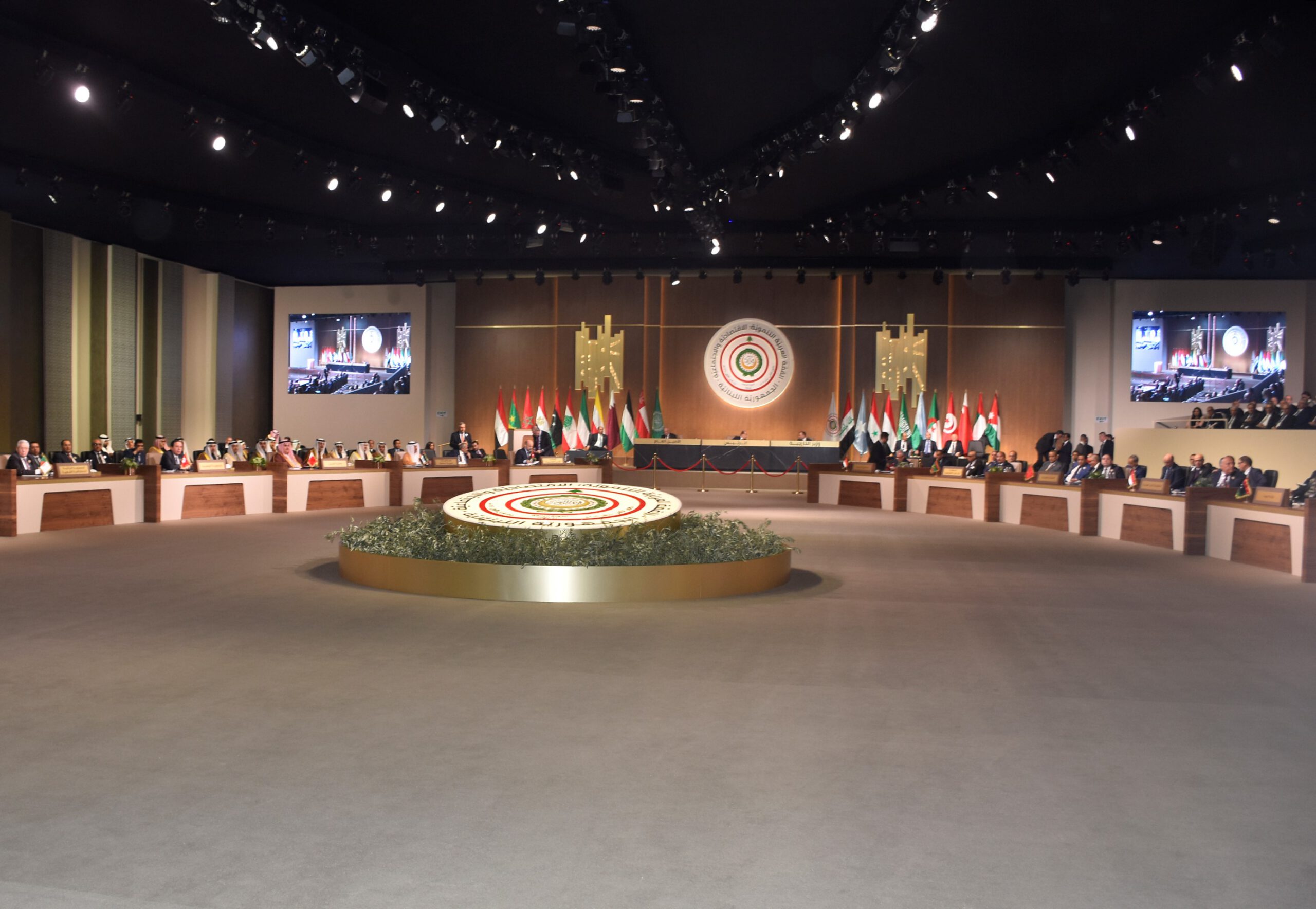
Weekly Briefing: Failed Arab Economic Summit in Beirut underscores divisions
In this week’s Weekly Briefing, contributors Paul Salem, Marvin G. Weinbaum, William Lawrence, Ruba Husari, and Jean-François Seznec provide analysis on recent and upcoming events including the Arab Economic Summit held in Beirut this weekend, Afghanistan’s upcoming presidential elections, strikes in Tunisia, the Trump administration’s next steps on Iranian oil policy, and Saudi Aramco’s $10B bond issue.
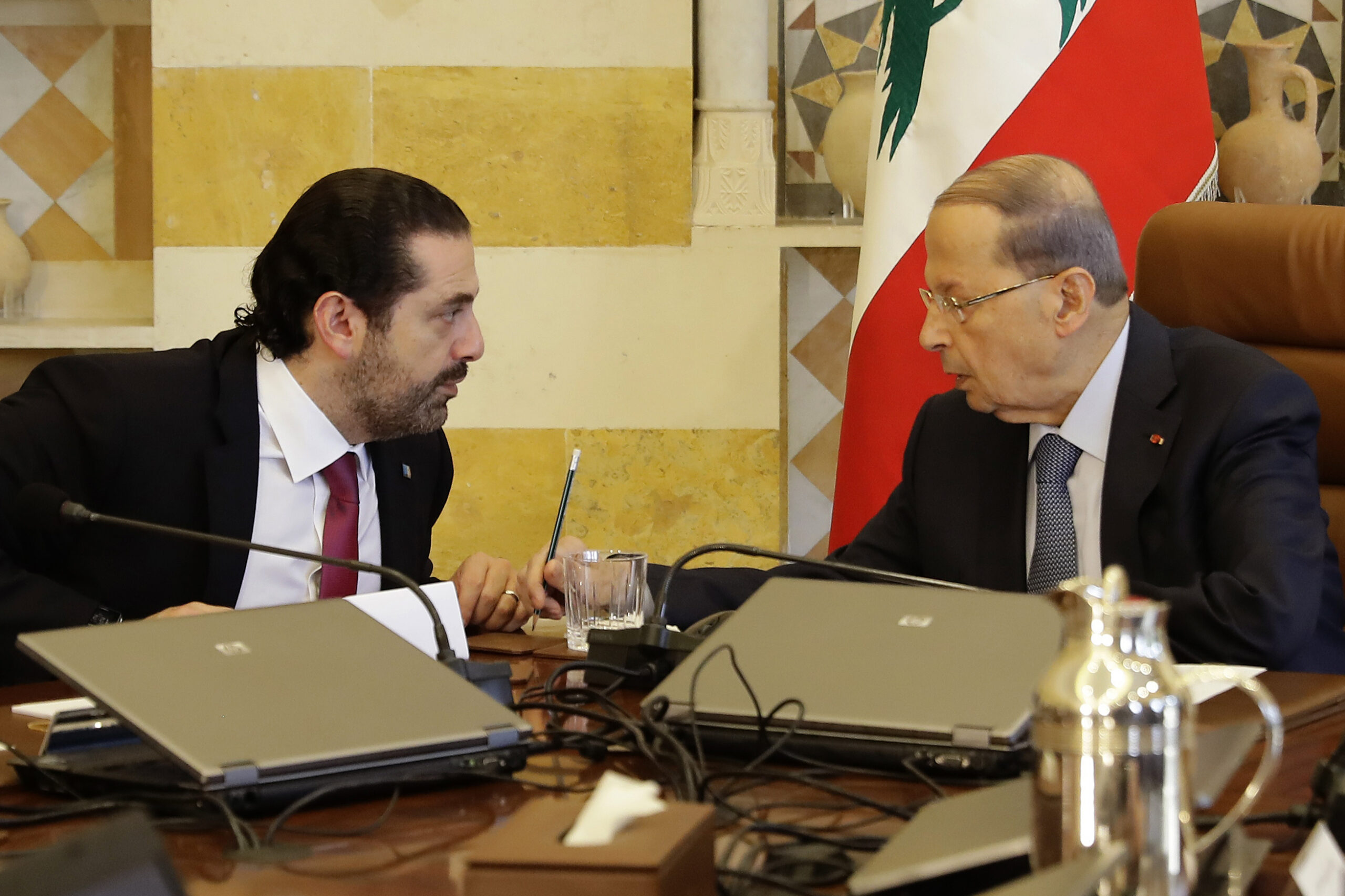
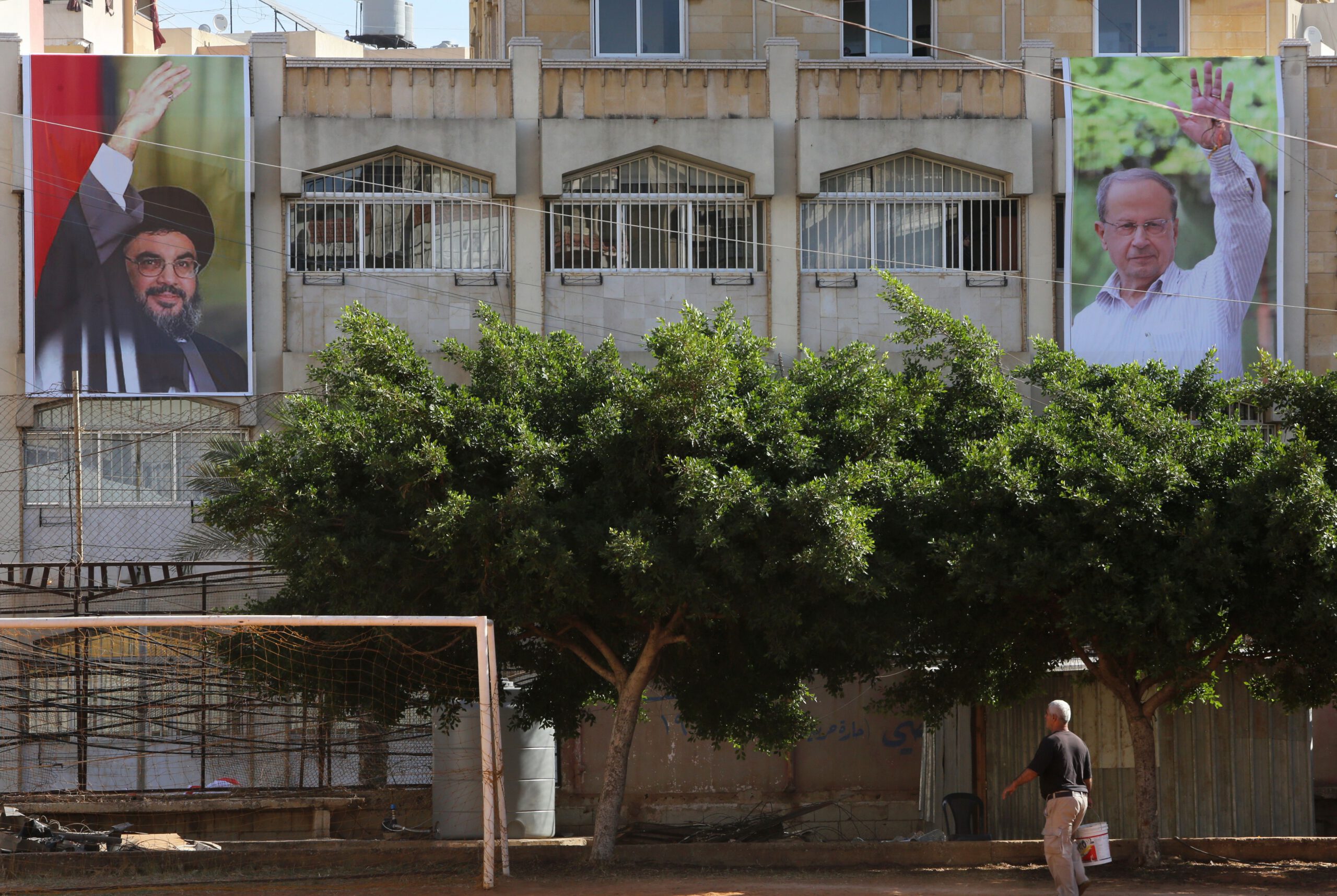
Lebanese President Michel Aoun and Hezbollah remain at loggerheads over the formation of a new government. The dispute has now entered its eighth month and the country is slowly tiptoeing towards a financial crisis.
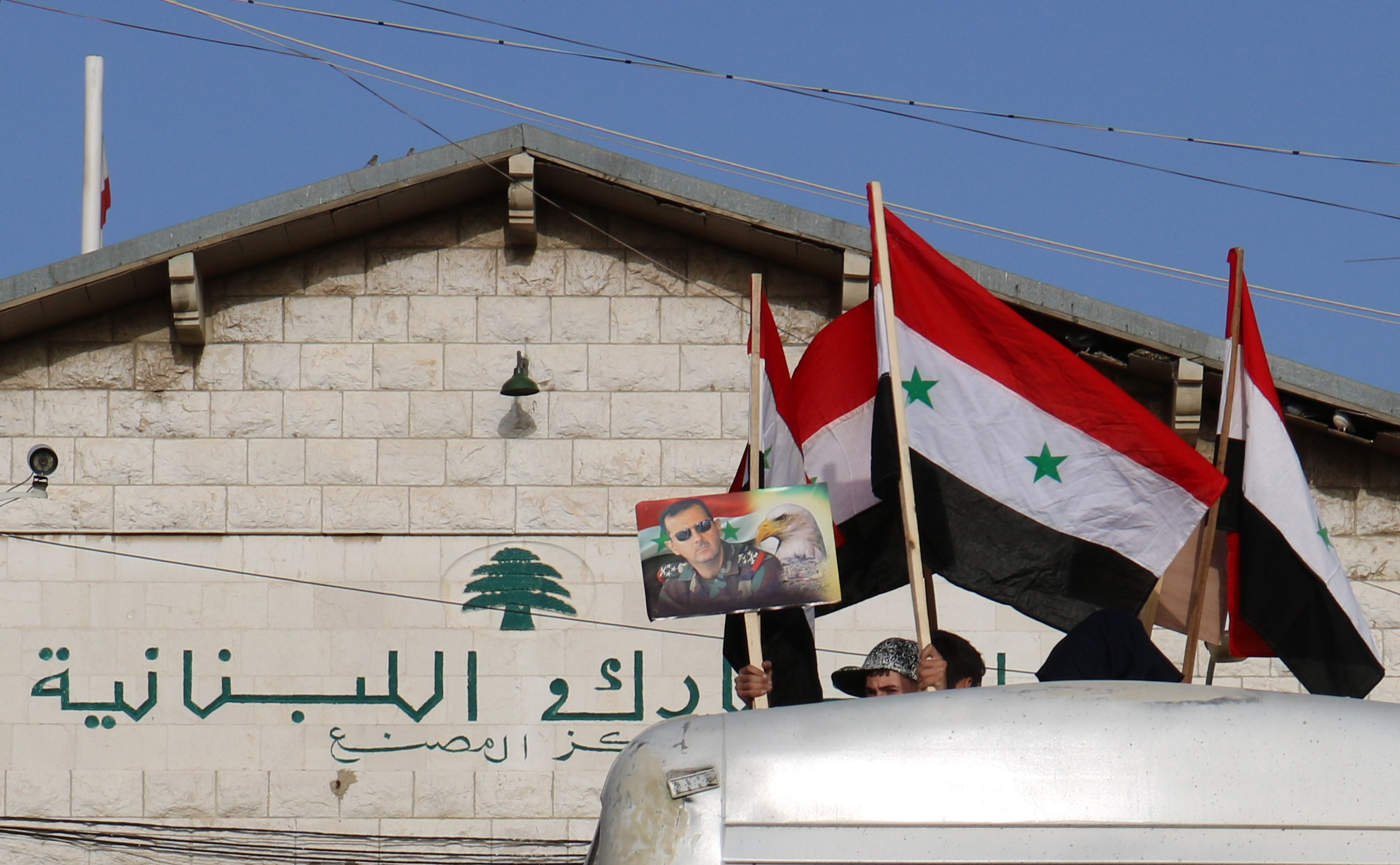
The Sectarian Dimension of the Syrian Civil War and Lebanese-Syrian Relations
The eruption of conflict between the Syrian regime and the armed opposition exacerbated the political and sectarian divisions within the Lebanese government, causing it to sever relations with Damascus and dissociate itself from the war. Nevertheless, the Lebanese government eventually was forced to coordinate with the Assad regime in order to manage the refugee crisis and other spillover effects of the conflict. Beirut’s dealings with Damascus reflect the overarching aim of mitigating the impact of the war on the relations between the Lebanese Sunni and Shiite communities.
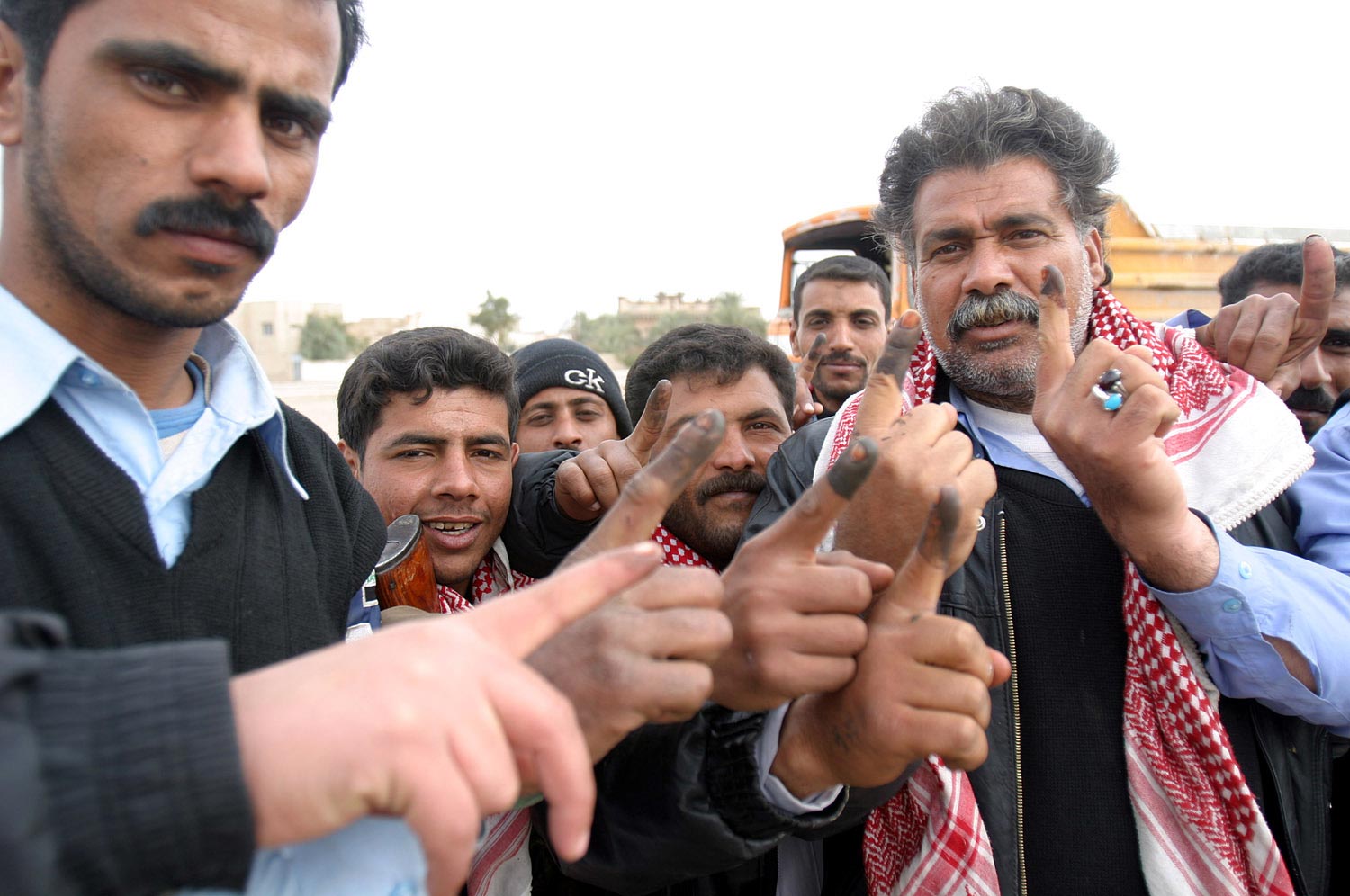
A tale of two elections: recapping the polls in Lebanon and Iraq
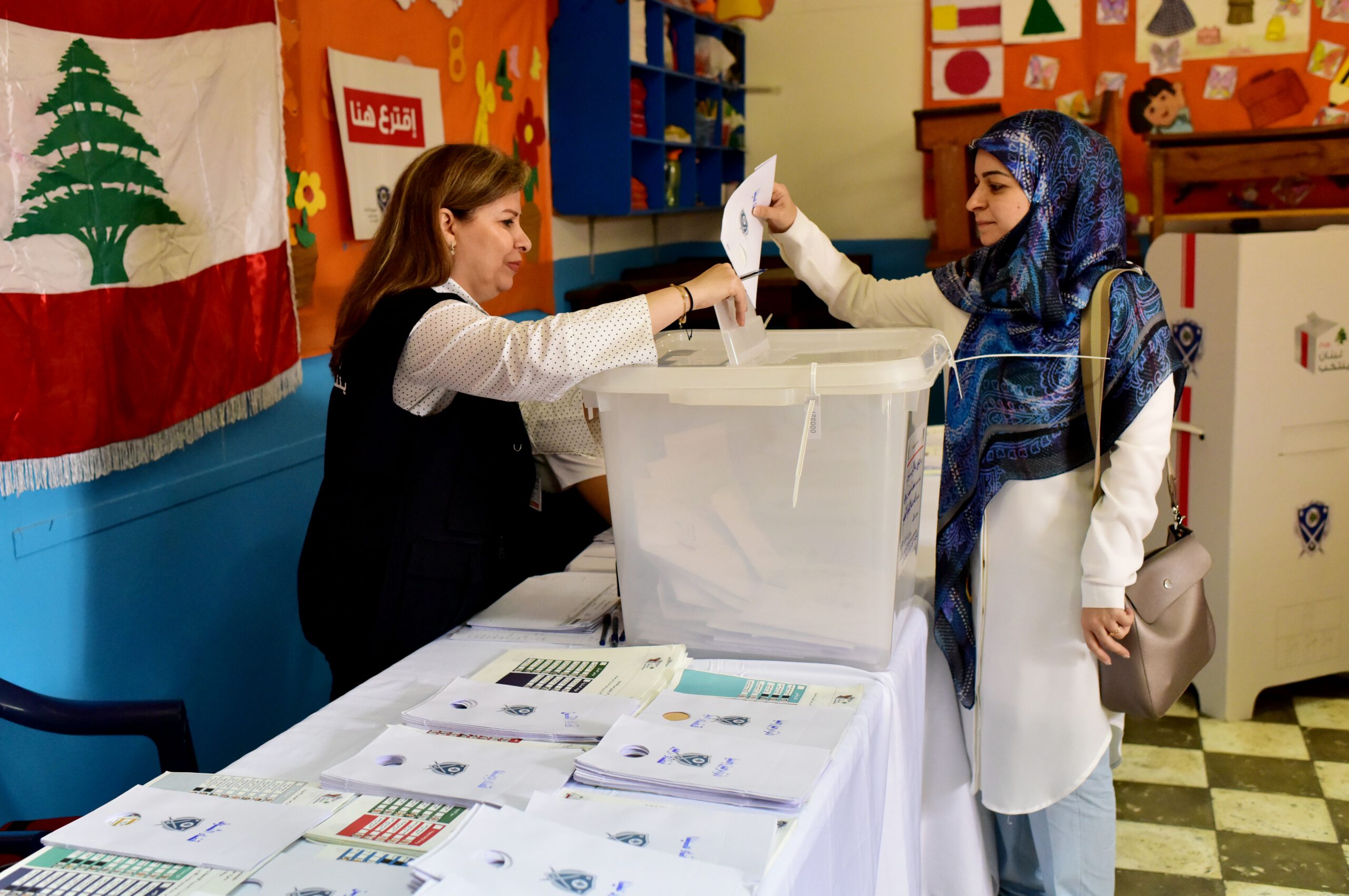
As Lebanon holds its first parliamentary elections in nine years and Iraq paves a way forward in the aftermath of the war against ISIS, many questions remain as to what the political future holds for both countries. The parliamentary elections in Lebanon on May 6, and in Iraq on May 12, serve as a barometer for transparency, inclusion, and the political realities in both countries. The polls have raised pressing political and governance issues such as how to overcome sectarianism, corruption, and economic stagnation in order to encourage further openness and plurality.
In Sunday’s elections in Lebanon, Hezbollah and its allies gained more than half the seats in Parliament. After a result like that, an old canard in Washington is likely to resurface with full force: the idea that U.S. policy in Lebanon is a disaster. Don’t buy it. In fact, of all the investments the United States has made in the Middle East over the past decade, Lebanon has generated the greatest returns.
Trump's goal in Iran is regime change | Monday Briefing
In this week’s Monday Briefing, MEI experts Alex Vatanka, Randa Slim, and Randa Slim provide analysis on recent and upcoming events including President Trump’s decision on whether to withdraw from the Iran nuclear deal, what this weekend’s election results in Lebanon indicate about Hezbollah’s standing in the country, and expectations for the outcome of Iraq’s elections on May 12.
With Lebanon’s parliamentary elections just around the corner, Washington will be watching closely how its Lebanese nemesis, the powerful Shi‘a party Hezbollah, sets itself up for the future.
In this week’s Monday Briefing, MEI experts Gonul Tol, Paul Salem, Nathan Stock, Alex Vatanka, Gerald Feierstein, and Marvin G. Weinbaum provide analysis on recent and upcoming events including upcoming snap elections in Turkey, Lebanon’s Free Patriotic Movement party, protests in Gaza, the future of the Iran nuclear deal, Yemeni peace talks, and the ISKP attack on Shiite Hazaras.
The oldest peer-reviewed publication dedicated to the study of the modern Middle East, MEI’s flagship journal covers politics, society, and culture in the region.