As a result of the Iran war, Turkish thinking about nuclear weapons appears to be shifting. Iran’s emergent ability to threaten regional states (and possible determination to acquire a nuclear weapon itself), growing concern about Israeli aggressiveness, doubts about US security guarantees, and greater Saudi nuclear autonomy are all pushing Ankara to consider a future nuclear option.
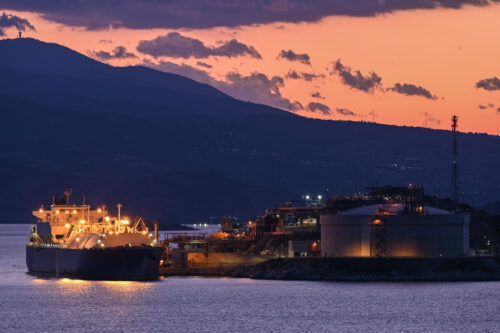
In less than two decades, a string of offshore discoveries has turned the Eastern Mediterranean into a significant gas-producing region, making Israel an exporter, twice lifting Egypt into the ranks of liquefied natural gas (LNG) exporters, and giving Cyprus finds it has yet to bring to market. This backgrounder explores the potential and challenges of exploiting and managing LNG resources in the region.
The Mecca Joint Défense Agreement: A New Geometry of Middle Eastern Power?
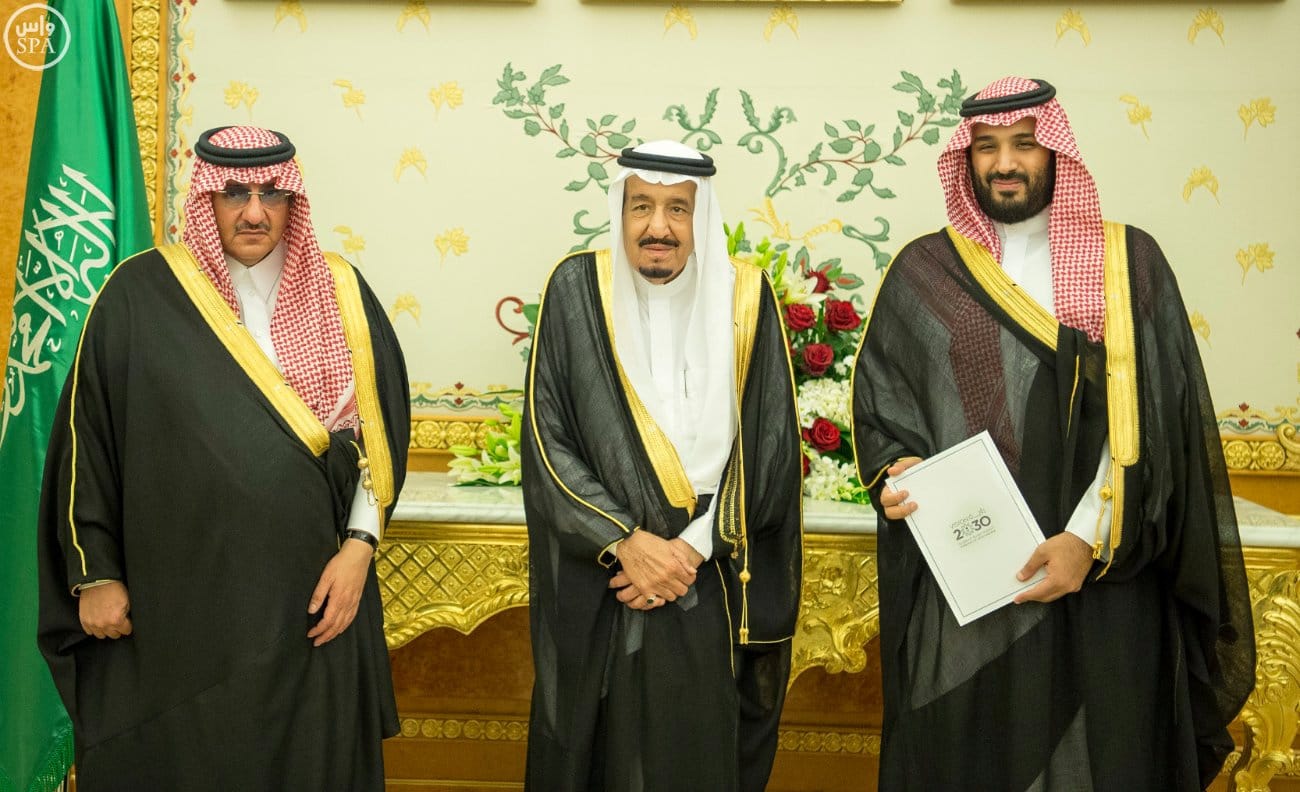
On August 7, 2026, Saudi Arabia, Turkey, and Pakistan signed the Mecca Joint Défense Agreement, a collective-defense pact widely compared to NATO’s Article 5. This essay argues that the comparison is misleading. Mecca borrows NATO’s language of solidarity without yet possessing NATO’s institutional machinery, and the Houthi offensive against Saudi Arabia in September 2026 provided an early and revealing test of what the agreement actually means in practice. Neither Pakistan nor Turkey automatically entered the fight on Saudi Arabia’s behalf, and Washington, despite an initial reluctance to strike directly, remained indispensable through intelligence support and a major proposed F-35 sale. Drawing on realist alliance theory — Hans Morgenthau, Kenneth Waltz, Stephen Walt, Glenn Snyder, and Steven David — and on the precedent of the Central Treaty Organization (CENTO), the essay contends that the Middle East is not dividing into rival blocs but moving from hierarchy toward a looser, overlapping geometry of hedged partnerships, in which American exclusivity is eroding considerably faster than American primacy.
This Opinion first appeared in The National on February 10, 2012
Despite his popularity at home and abroad, it’s not all roses for Turkish Prime Minister Recep Tayyip Erdogan. Far from having zero problems with neighbors, Turkey these days is virtually surrounded by neighbors with problems – Greece’s imploding economy, Syria’s civil war, Iraq’s tenuous stability and Iran’s troublesome nuclear program.
This Opinion piece first appeared in Frontline’s Tehran Bureau on January 19, 2012.
After months of frosty relations, Iran and Turkey are talking again. The ostensible reason for Turkish Foreign Minister Ahmet Davutoglu’s visit to Tehran two weeks ago was to try to jump start stalled nuclear talks with the so-called P5+1 group of nations. Davutoglu conveyed to Iranian chief nuclear negotiator Saeed Jalili the European Union’s invitation to resume the talks in Turkey that were suspended a year ago for lack of progress.
Center for Turkish Studies Second Annual Conference on Turkey
The 2011 Second Annual Conference on Turkey, entitled “Change Within and Beyond and Borders: Turkey’s Domestic and Foreign Policy Agenda,” was organized by the Center for Turkish Studies at the Middle East Institute on June 23rd, 2011 at the University Club. As the Conference coincided with recent important developments in Turkey, especially the general elections, about 300 participants from think tanks, universities, U.S. and foreign government officials as well as private sectors attended the Conference.
Troubled Triangle: The US, Turkey, and Israel in the New Middle East
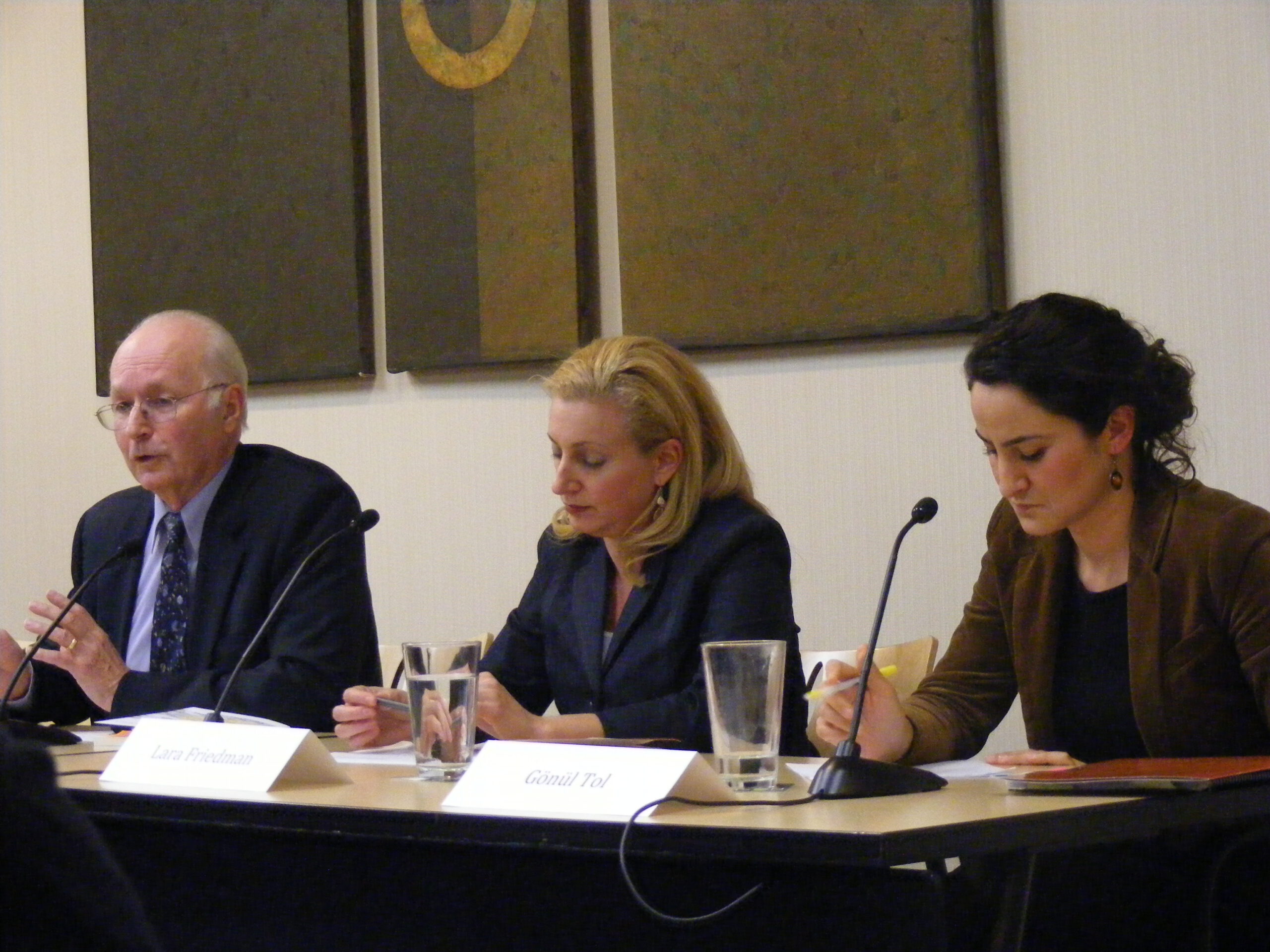
The trilateral relationship between Turkey, Israel and the United States has deteriorated in recent years as Israel's and Turkey's foreign policy goals in the Middle East continue to diverge. Despite repeated attempts, the United States has failed to reconcile these two important regional allies since the divisive Mavi Marmara incident in May 2010. MEI and The Stimson Center held a discussion of this critical yet troubled trilateral relationship in a time of unprecedented change in the Middle East featuring Prof. William B. Quandt, Edward R.