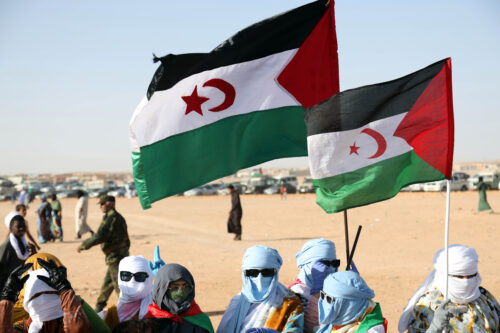
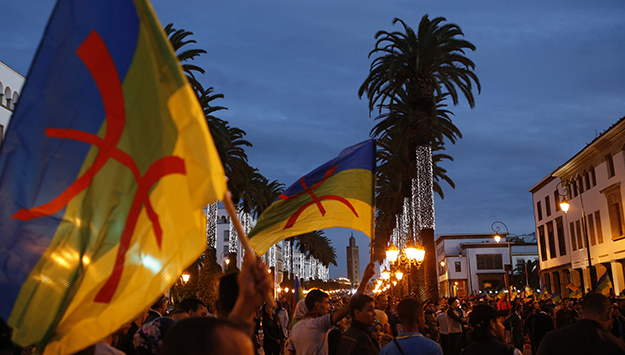
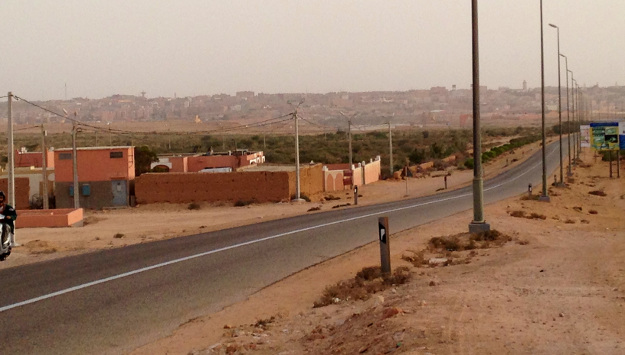
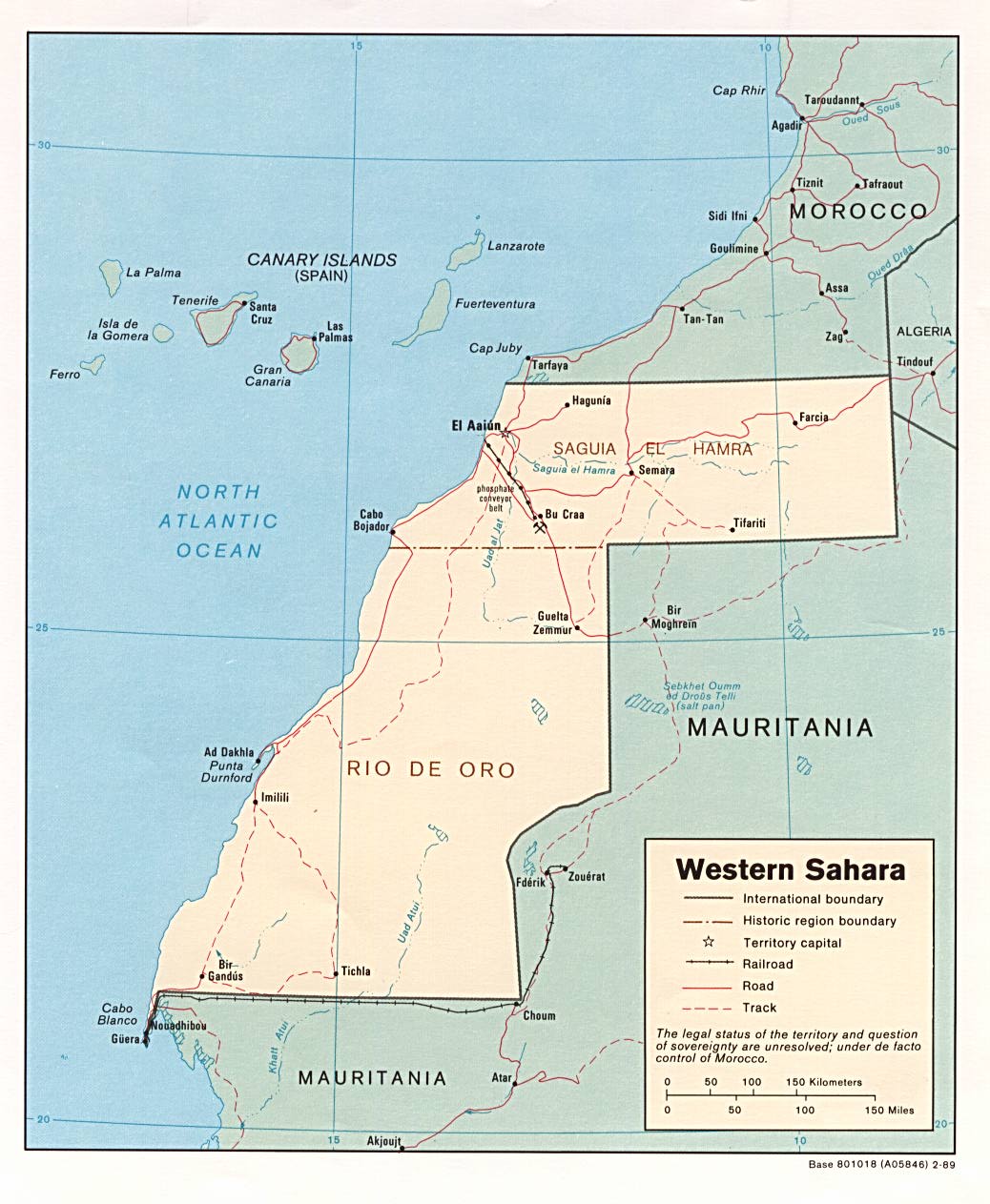
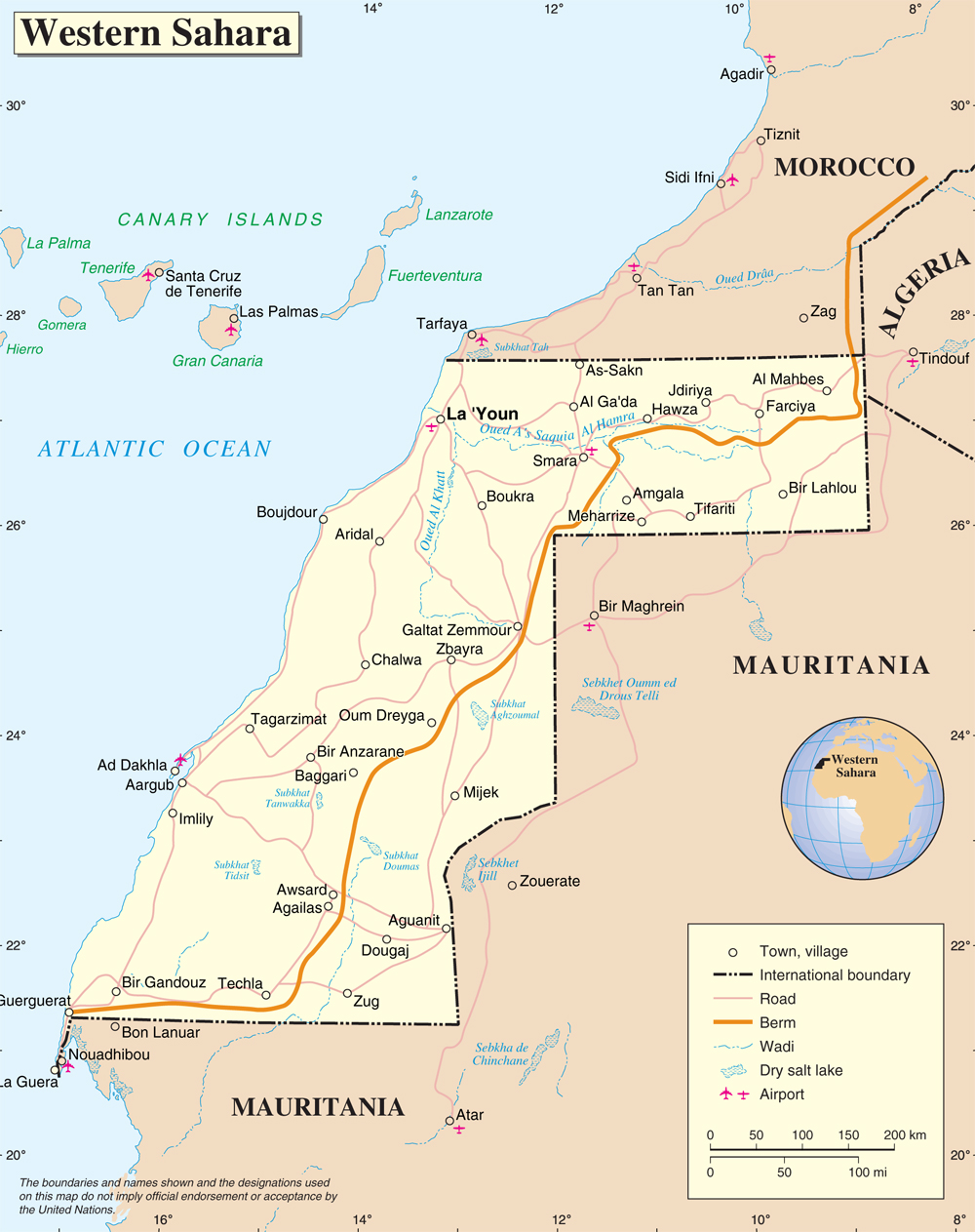
Western Sahara, a sparsely populated territory on the Atlantic coast of northwest Africa, is the site of one of the continent’s longest-running territorial disputes. The conflict dates to Spain’s withdrawal from the territory in 1975, after which Morocco Algeria, and Mauritania vied for control over the former colony.
Algeria and Morocco have long been at odds, but recent diplomatic moves may signal a widening geopolitical split in North Africa. Hosts Alistair Taylor and Matthew Czekaj are joined by MEI Senior Fellow Intissar Fakir to unpack Algeria’s decision to sever diplomatic ties with the United Arab Emirates and Morocco’s warming relations with both the UAE and Israel. They also explore linkages between these diplomatic shifts and the Western Sahara conflict, Moroccan domestic concerns, particularly in light of this week’s elections, as well as broader regional stability.
The Legacy of Morocco’s Gen Z Protests: Development as the New Political Language
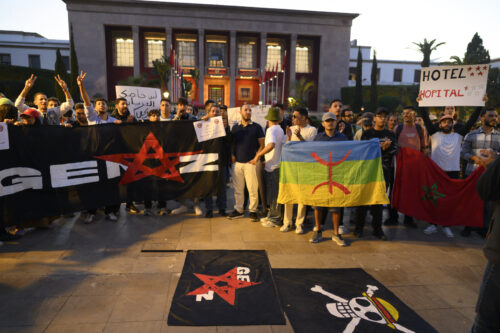
Moroccans head to the polls on September 23 in a parliamentary election that is meant to formally close the chapter opened during last year’s Gen Z 212 protests. The demonstrations, which erupted almost exactly a year ago, drew attention to the mismatch that exists between Morocco’s economic and geopolitical ambitions, and the stark reality of its lagging domestic development.
Islamists in Government: Lessons from their Successes and Failures
The question of whether Islamist groups are compatible with democracy has been a topic of serious discussion for some time, especially considering the claims that Islamists have structural impediments when it comes to adapting to various social and political contexts.
Screams and gruesome images mar the graphic video of a young man being crushed to death in the back of a garbage truck. Late Friday night, October 28, Mouhcine Fikri, a fish vendor from the northern town of Imzouren, desperately tried to retrieve his 500 kgs of swordfish, which authorities threw away because of a fisheries law that bans the fishing of swordfish during this time of year. The incident unfolded in the coastal city of Hoceima, located in the historically socioeconomically marginalized Rif region.
“[Food insecurity has] the potential to amplify destabilization, engender violence, and even accelerate state failure processes in an already geopolitically charged region”
– Andy Spiess in Food Security in the GCC Economies (2012)
The Potential for Intra-Regional Energy Cooperation
Regional Cooperation Series
This Policy Paper is part of The Middle East Institute’s Regional Cooperation Series. Throughout 2016, MEI will be releasing several policy papers by renowned scholars and experts exploring possibilities to foster regional cooperation across an array of sectors. The purpose is to highlight the myriad benefits and opportunities associated with regional cooperation, and the high costs of the continued business-as-usual model of competition and intense rivalry.
Autonomy Can Resolve 40-Year Western Sahara Conflict
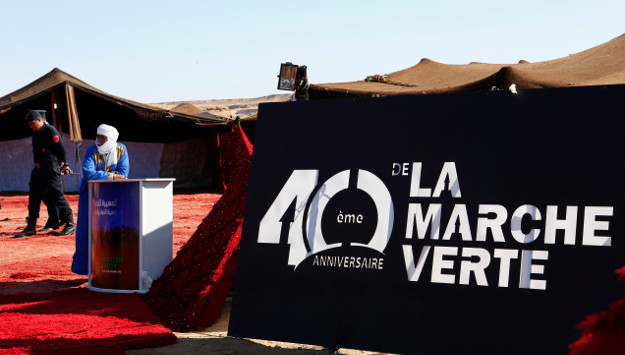
2015 marks the anniversary of the Green March, the spectacular initiative 40 years ago that began the decolonization of the Spanish Sahara. Since then, although Moroccan administration of the territory was recognized by the United Nations and populations in the region have voted regularly in Moroccan elections (including this year), final status has not been given international recognition. It is necessary that this chapter of decolonization be officially closed.
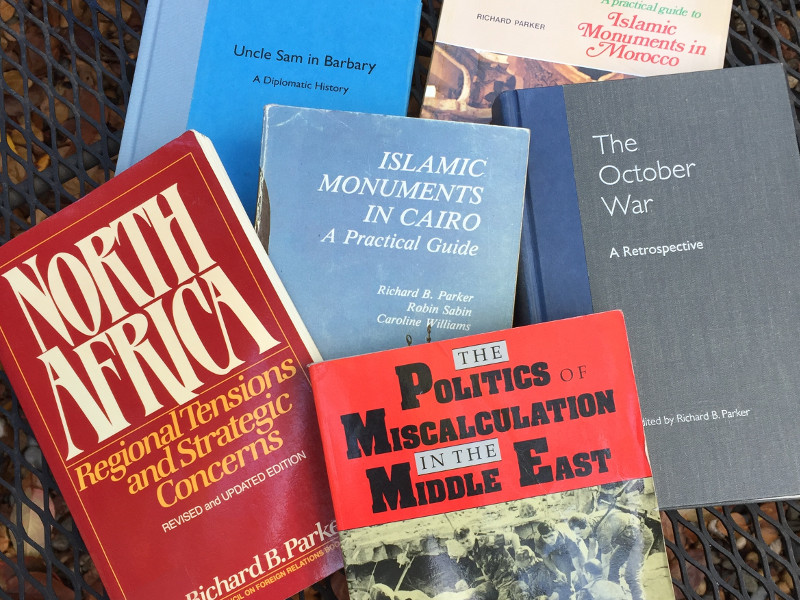
Only a few authors have works that can be found on both floors of the Oman Library at The Middle East Institute, and fewer still that have a personal connection to both the institute and the history of the region. The late Ambassador Richard B. Parker can claim this status, having served 31 years in the Foreign Service and as the third editor of The Middle East Journal. He was also a longtime MEI scholar-in-residence.
The Exploitation of Moral Controversies and the Marginalization of Morocco’s Justice and Charity Association
When a moral controversy arises in Morocco, the two main actors of the official political stage carefully play their specific role. On one side, the Party of Justice and Development (PJD), the party that leads the Moroccan government and as such is accountable to the electorate, reliably endorses the Moroccan majority’s socially conservative attitudes in order to fulfill its electoral mandate. On the other side, the king fully exploits his wider room for maneuver by adopting, according to circumstances, either a progressive stance or a conservative one. While the rhythm of moral controversies sets the tempo of the official political game and shows that Moroccan society is still very much conservative, the largest Islamist opposition group, the Justice and Charity Association, seeks to escape its marginalization within the civil society sphere.
Women’s Rights Organizations and Democratic Transitions: North Africa and Southeast Asia Compared
This paper spotlights women’s rights organizations as key players in civil society in Tunisia and Morocco, with a comparative glance at the Philippines and South Korea, two Asian participants in democracy’s third wave. Applying the existing literature on women, gender, and democratic transitions, we draw attention to the role of women’s rights organizations in civil society and as agents of democratization; examine the organizations’ role and influence during protests and transitions; and analyze the gendered outcomes in terms of laws and policies affecting women’s rights.
Morocco’s Counterterrorism Strategy: Implications for Western Sahara
In October 2014 the Moroccan Ministry of the Interior launched an enhanced effort to combat threats of terrorism through a strategy called Operation Hadar.
The Rise of Harm Reduction in Morocco: Successes and Challenges
Morocco has become the second MENA country after Iran to implement a nationwide harm reduction strategy aimed at stopping the spread of HIV/AIDS among people who use drugs. Moroccan civil society organizations (CSOs) have worked to devise a comprehensive strategy that will disseminate a full package of harm reduction services. The longstanding HIV/AIDS community-based organization Association de Lutte Contre le Sida (ALCS) is leading these efforts to make the national drug policy less repressive and more effective. Harm reduction is based on the notion that marginalized populations are entitled to their basic human rights, but in some countries, governments have merely used it as another tool for social control. ALCS has sought to prevent this from occurring in Morocco by remaining focused on harm reduction’s core principles.
Obama and the Maghreb in the Wake of the Arab Spring
This paper is part of an MEI scholar series, titled “Obama’s Legacy in the Middle East: Passing the Baton in 2017.” Click here to view the full project, or navigate using the table of contents to the right.
“Compromise” is the word repeated 25 times in this three-voice dialogue with opposing views on what could be the best solution to the Western Sahara dispute. The settlement options that emerged from the three contributors to this series have accepted either autonomy for the Western Sahara territory (subject to a referendum) or a referendum on self-determination that would include independence as well as other possibilities, including autonomy.
The oldest peer-reviewed publication dedicated to the study of the modern Middle East, MEI’s flagship journal covers politics, society, and culture in the region.