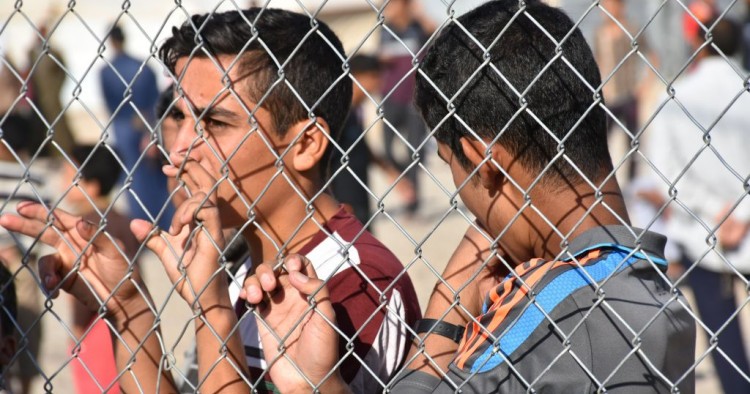
President-elect Joe Biden has promised a return to normalcy. However, for refugees and asylum seekers, merely reversing the policies of President Trump will not be sufficient. Since entering office in January 2017, President Trump has engaged in an undeclared war on refugees. With the added stress of the COVID-19 pandemic, it is essential that the Biden administration adopt new policies that will support the most vulnerable populations around the world.
Intra-Party Democracy in Tunisia’s Ennahda: Ghannouchi and the Pitfalls of “Charismatic” Leadership
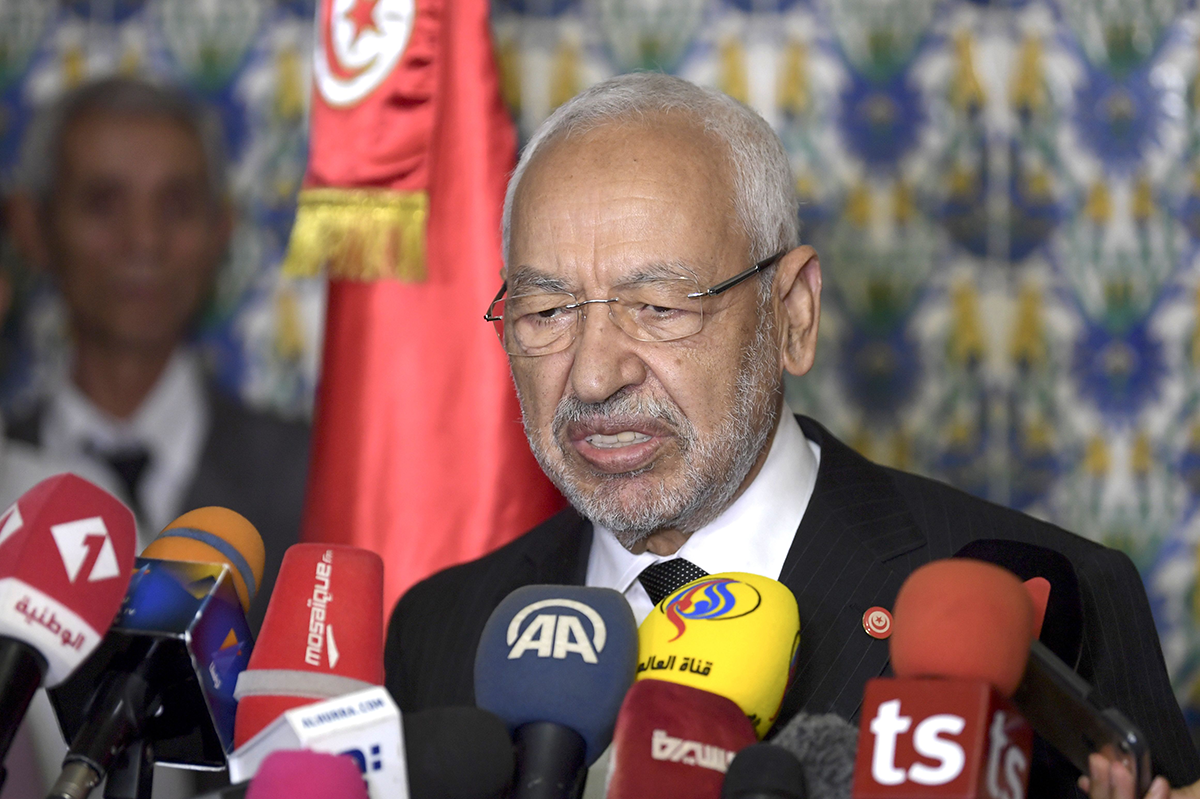
Rached Ghannouchi, president of the Islamist party Ennahda and speaker of Parliament, has been a voice of moderation and reason contributing to Tunisia’s incipient democratization. While there is much to praise in Ghannouchi’s stewardship of Ennahda, he should consider the pitfalls of longevity in power. This article examines the ongoing debate on Ennahda’s leadership crisis, considering it from the vantage point of intra-party democracy.
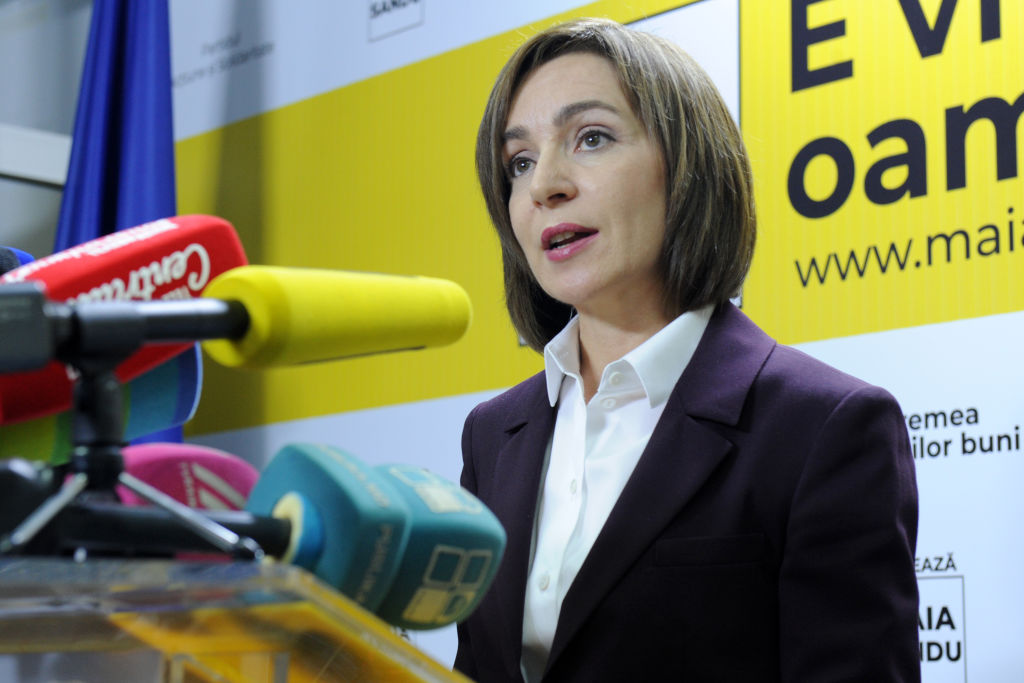
Recent presidential elections in the Republic of Moldova were won by Maia Sandu of the Action and Solidarity Party (PAS), a party advocating for judicial and anti-corruption reform and for rapprochement with the European Union (EU). Sandu becomes the first female president of Europe’s poorest country, securing 57.7 percent of the vote ahead of incumbent Igor Dodon’s 42.2 percent. The result followed an unprecedented election campaign during which verbal violence was widely witnessed.
State of play for Middle East cybersecurity leaders
This new white paper distills the findings of the Middle East Institute panel “State of Play for Middle East Cybersecurity Leaders,” a discussion held in September 2020 about the unique threats, best practices, and corporate landscape in the Middle East and North Africa region.
Foreign Terrorist Fighters: Implications for Malaysia’s Border Security
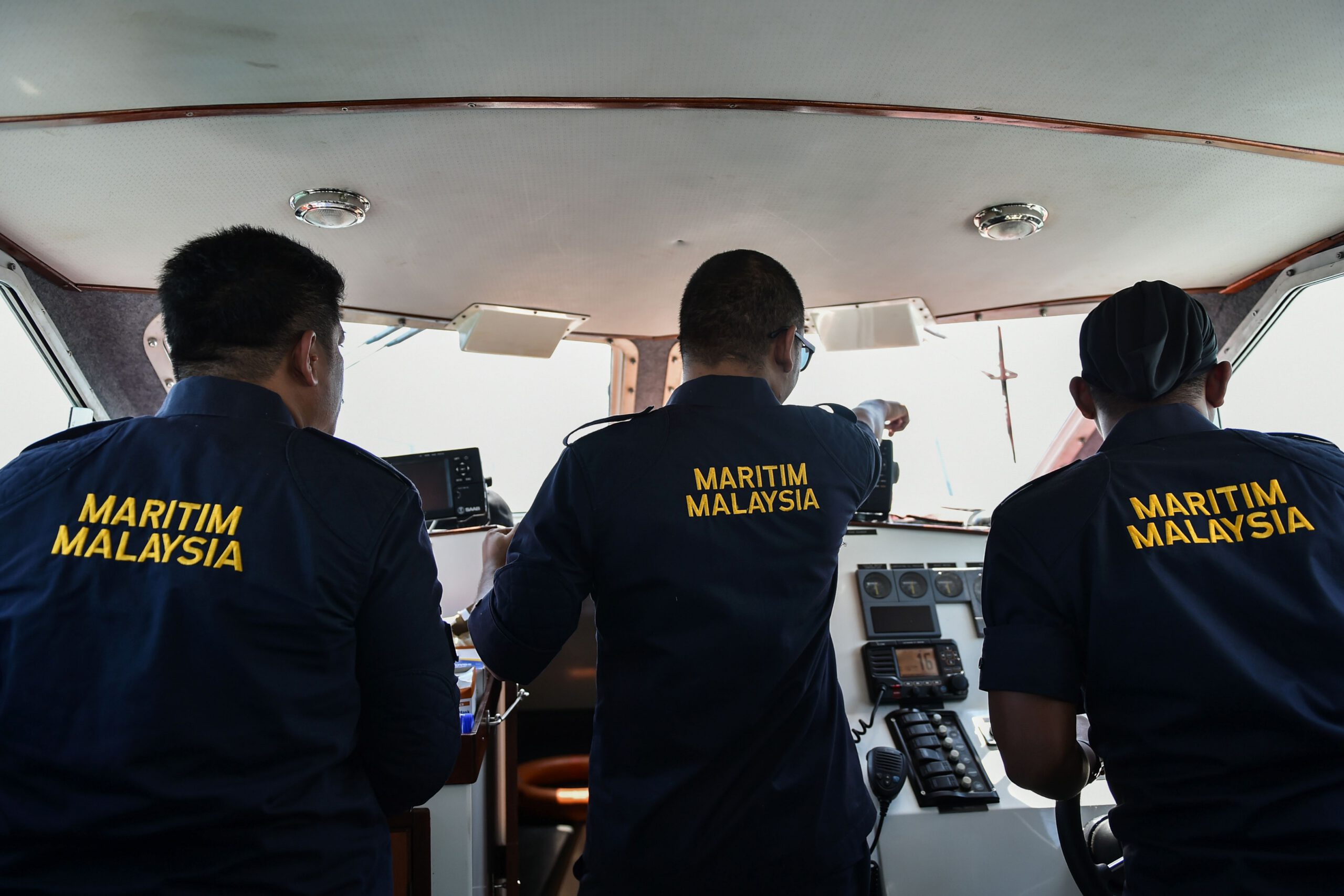
As governments around the world continue to deal with the COVID-19 pandemic, the world must not lose sight of the ongoing threat of returning Islamic State (IS) foreign terrorist fighters from Syria. As foreign fighters and their families scour for places to seek refuge, Malaysia may inadvertently turn out to be an attractive destination given the country’s visa-waiver program; the porousness of the tri-border region of Sabah, Indonesia, and the Philippines; and insider threats. In the past, terrorists have capitalized on these vulnerabilities. Given the country’s susceptibility to being used as a terrorist safe haven and platform for staging trans-border terrorist attacks, Malaysian authorities need to strengthen and improve existing measures aimed at countering terrorist infiltration.
Direct Libyan-to-Libyan talks are giving Libyan peace a new chance
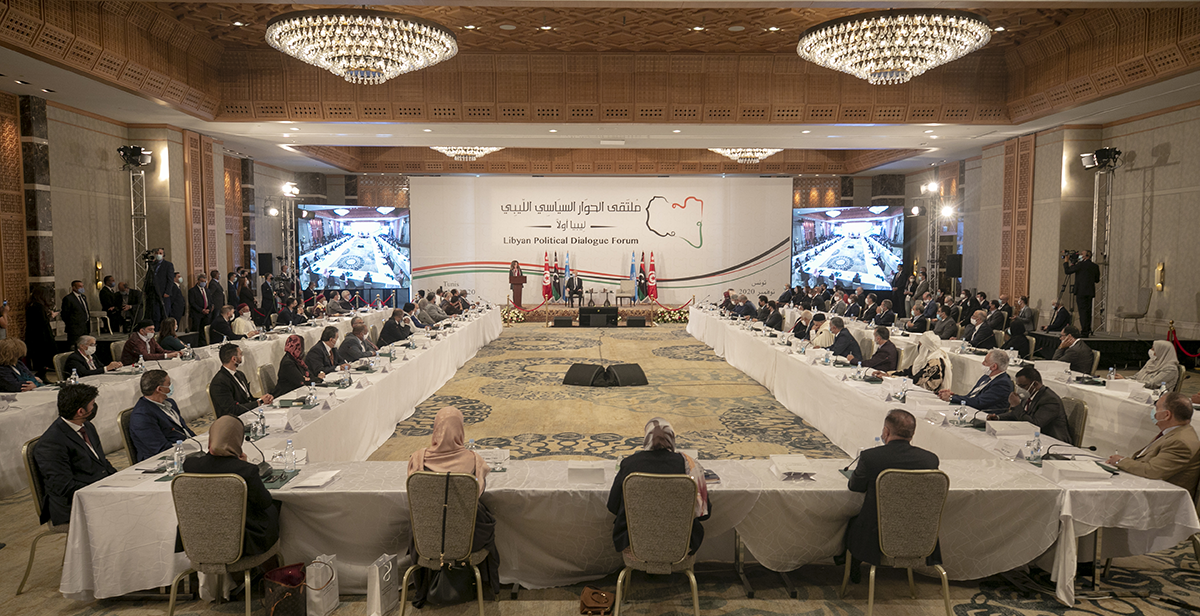
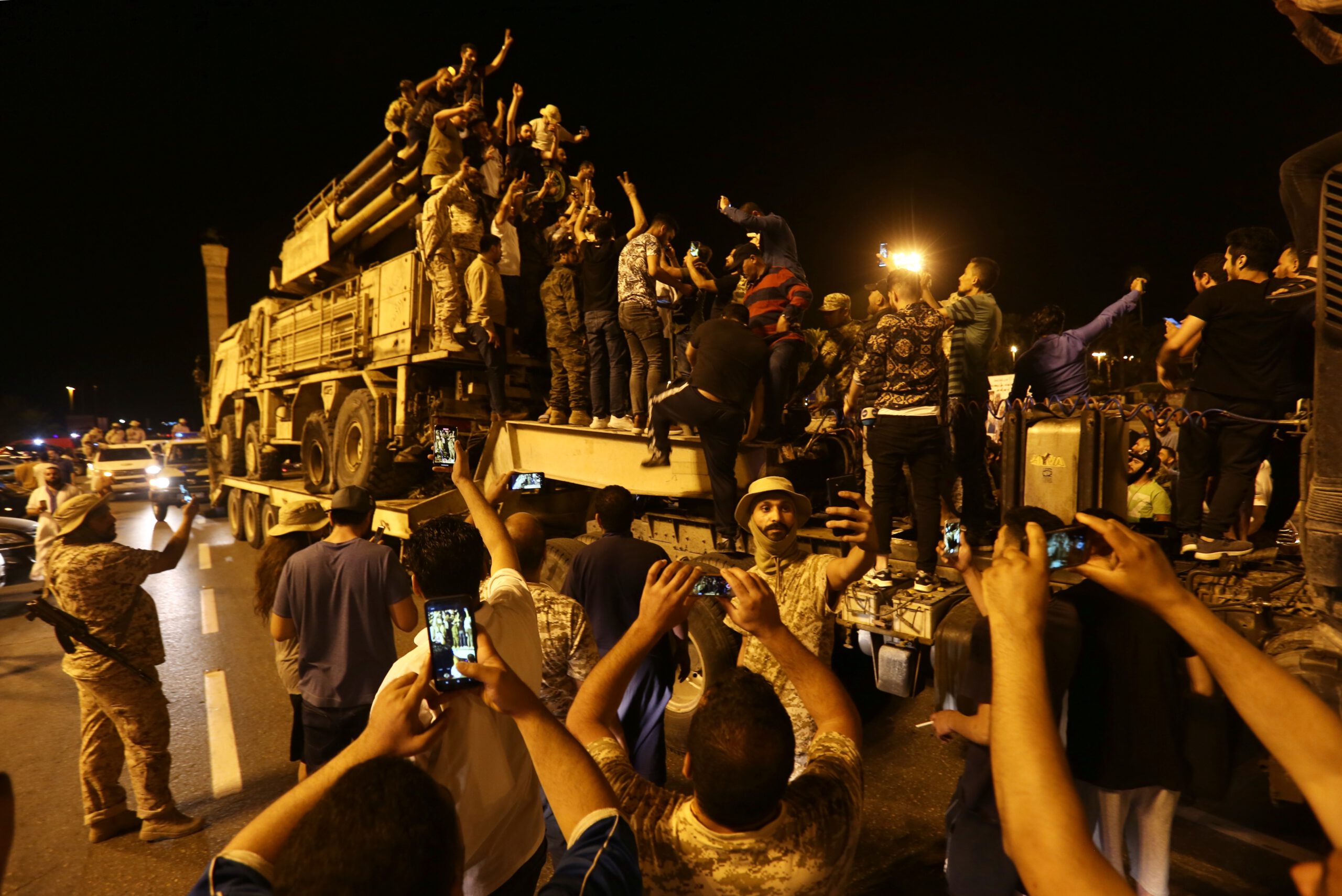
Hoping to avoid a foreign takeover of their country, a growing number of Libyans seem to have finally recognized that progress in Libya required Libyans to take charge of their own future. Accordingly, they are now taking active steps to see if they can forge a political deal to create a new, short-term transitional government to succeed the current GNA created by the Libyan Political Agreement of December 2015, following growing momentum that has already transformed Libya’s security situation with remarkable speed.
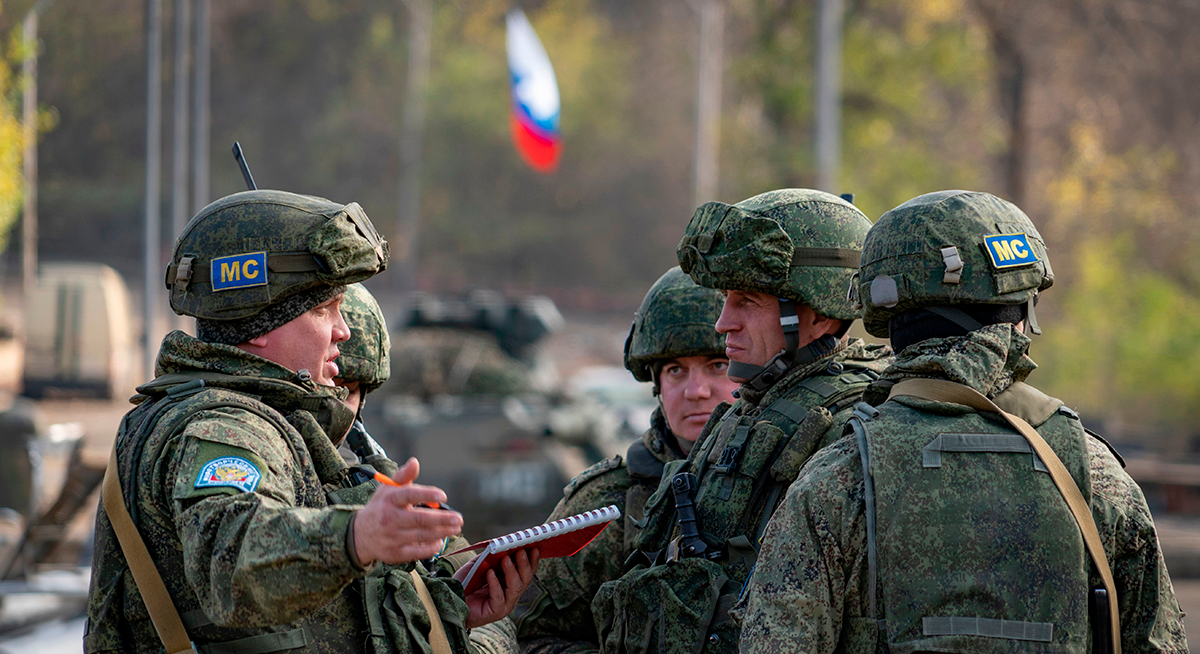
The recent ceasefire agreement signed by Armenia, Azerbaijan, and Russia halted the armed phase of the Nagorno-Karabakh conflict following 45 days of fighting and thousands of military and civilian lives lost on both sides. Russian peacekeepers have already been deployed to the conflict zone to oversee implementation of the agreement. It now remains to be seen whether they will be joined by Turkish counterparts, either in the field or at a joint monitoring center in Azerbaijan. The latter is the first disagreement between Moscow and Ankara over peacekeeping in the region.
The geopolitics of Crimea are important, but we mustn't overlook the persecution of Crimean Tatars
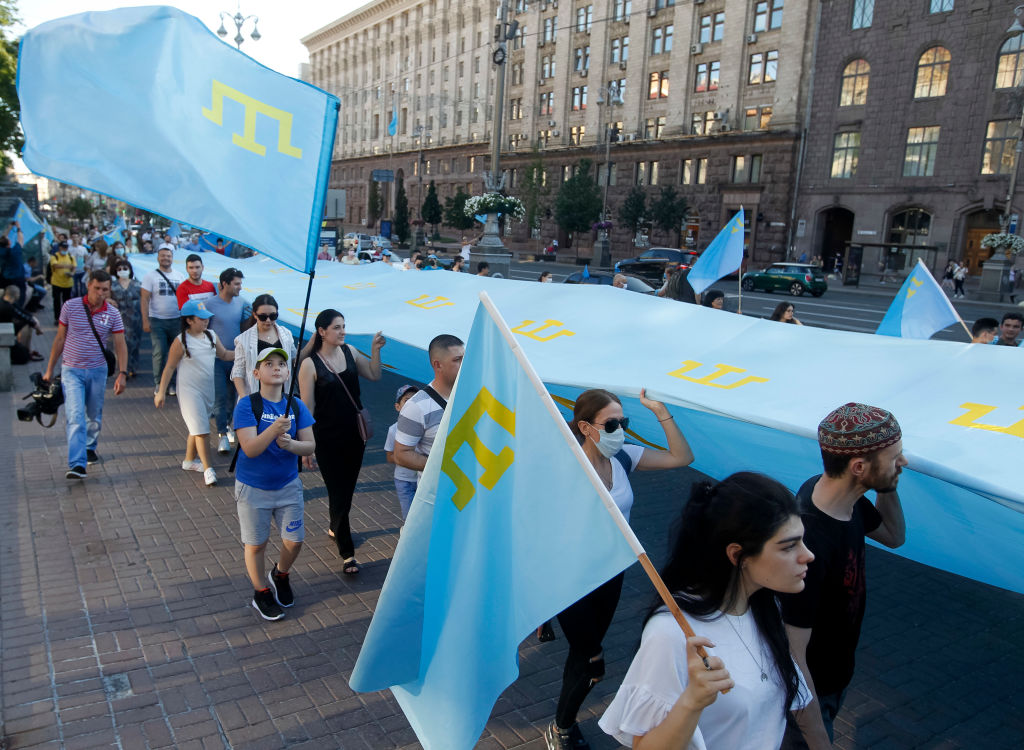
When commentators and policymakers discuss Russia’s illegal annexation of Crimea in 2014, the focus is often placed on geo-politics and Black Sea security. This is understandable. While the geo-politics of Crimea are important, one should not overlook the tragedy taking place to many of the people living there. This is especially true with the Crimean Tatar community – an ethnically Turkic and religiously Sunni Islam minority population which has faced decades of religious and political persecution under Russian domination.
The Consequences of Inaction: US and NATO Syria Policy
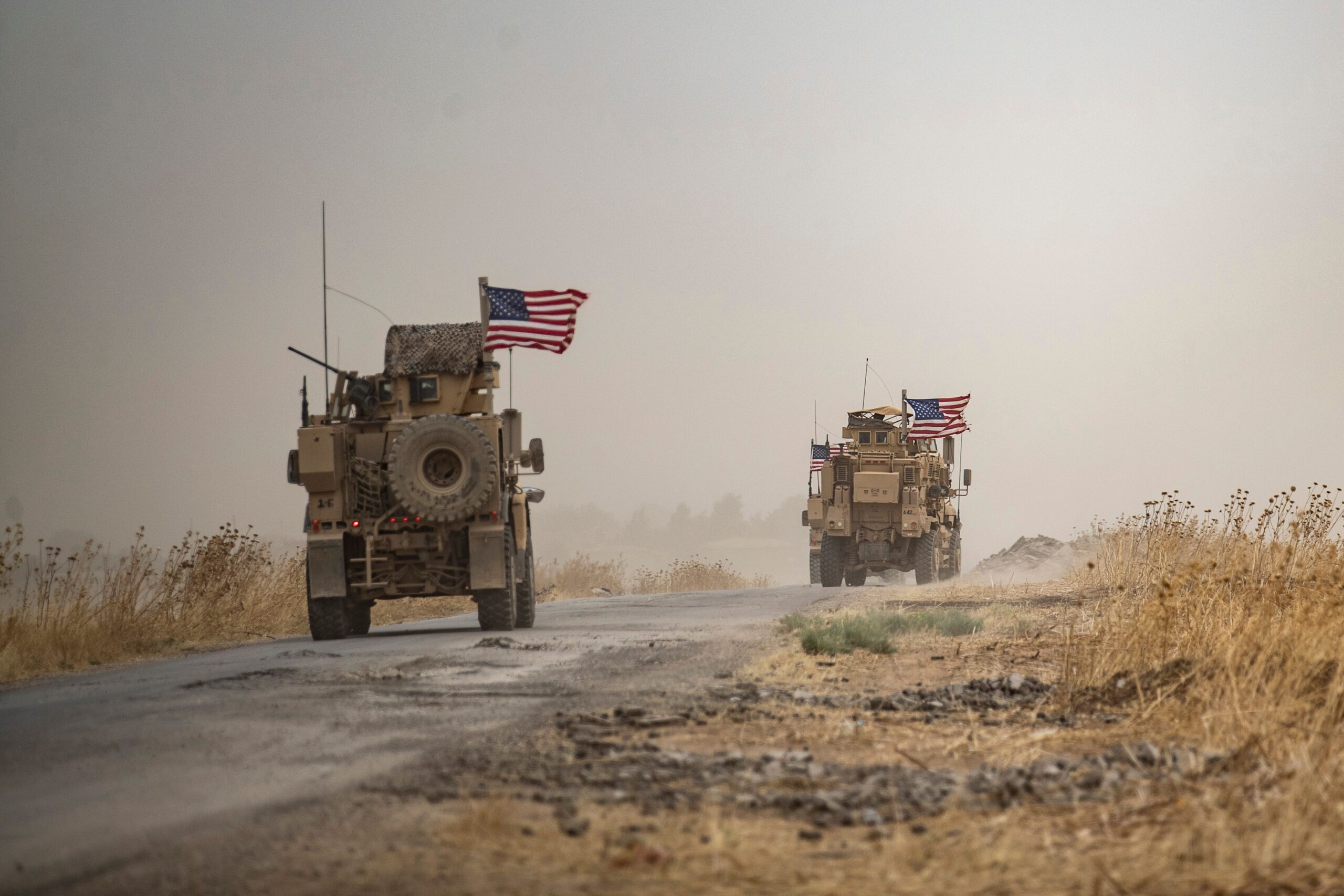
In recent years of the Syrian crisis, the reluctance of NATO states to take decisive action to secure their interests and protect Syrian lives has had drastic repercussions in both Syria and the wider region. Where NATO members have shown indecisiveness and a refusal to engage, their geopolitical rivals, Iran and Russia, have seized the moment and cemented their influence. However, as the regime is challenged by a crippling economic crisis, a new U.S. administration may offer an opening for the U.S. and its NATO allies to develop a collective approach in Syria that will secure their interests and bolster regional security.
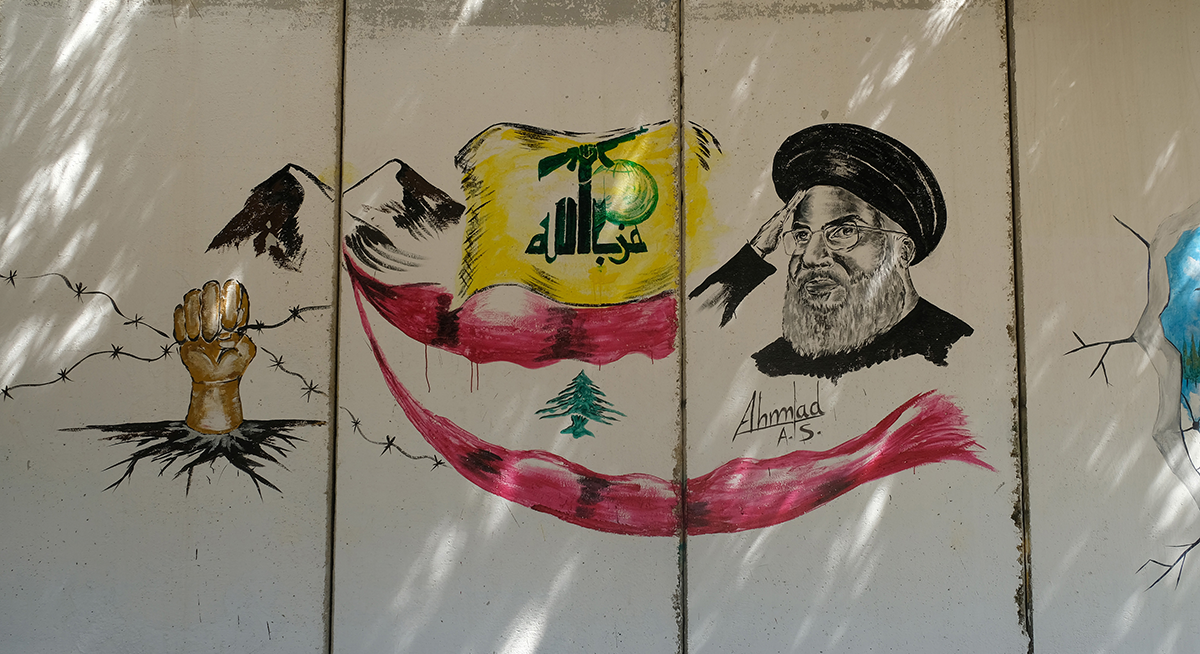
Despite fresh comments from Hezbollah’s leader Hassan Nasrallah that Joe Biden’s victory in the U.S. elections would not dramatically alter America’s pro-Israeli foreign policy in the Middle East, Hezbollah appears largely optimistic of its future under the new administration. The Party of God seems wary of the next few months, however, until President Donald Trump leaves the White House in January. While Hezbollah will certainly benefit from a reboot in diplomatic relations between the U.S and Iran, which could translate into much-needed liquidity for the organization and a strengthening of its internal position, it still faces numerous domestic challenges that money alone cannot solve.
Iran’s strong hand in the Arab world is missing in the Caucasus
Iranian military advisers and pro-Iran foreign proxy groups are present from Yemen and Iraq to Syria and Lebanon. Tens of thousands of armed men operating across the Middle East look to Tehran for guidance and patronage. This sort of sway has made Iran into a regional power broker — at least in the Arab world. But Tehran’s deep ideological and financial investments in Arab states have come at the expense of neglecting Iranian interests closer to home.
The UAE eyes AI supremacy: A key strategy for the 21st century
The (UAE is laying the groundwork for regional supremacy in AI. By fostering a web of novel institutions and partnerships, the Gulf state aims to augment its capacity to execute lofty AI policy initiatives. Further signaling its resolve, Abu Dhabi is lavishing the nascent sector with a host of incentives: financial privileges, office space, and even health care coverage. The embrace of AI comes as the UAE is cultivating emerging technologies as a means of boosting and diversifying its rentier economy, as well as signaling its innovation capacity and viability as a global trade powerhouse.
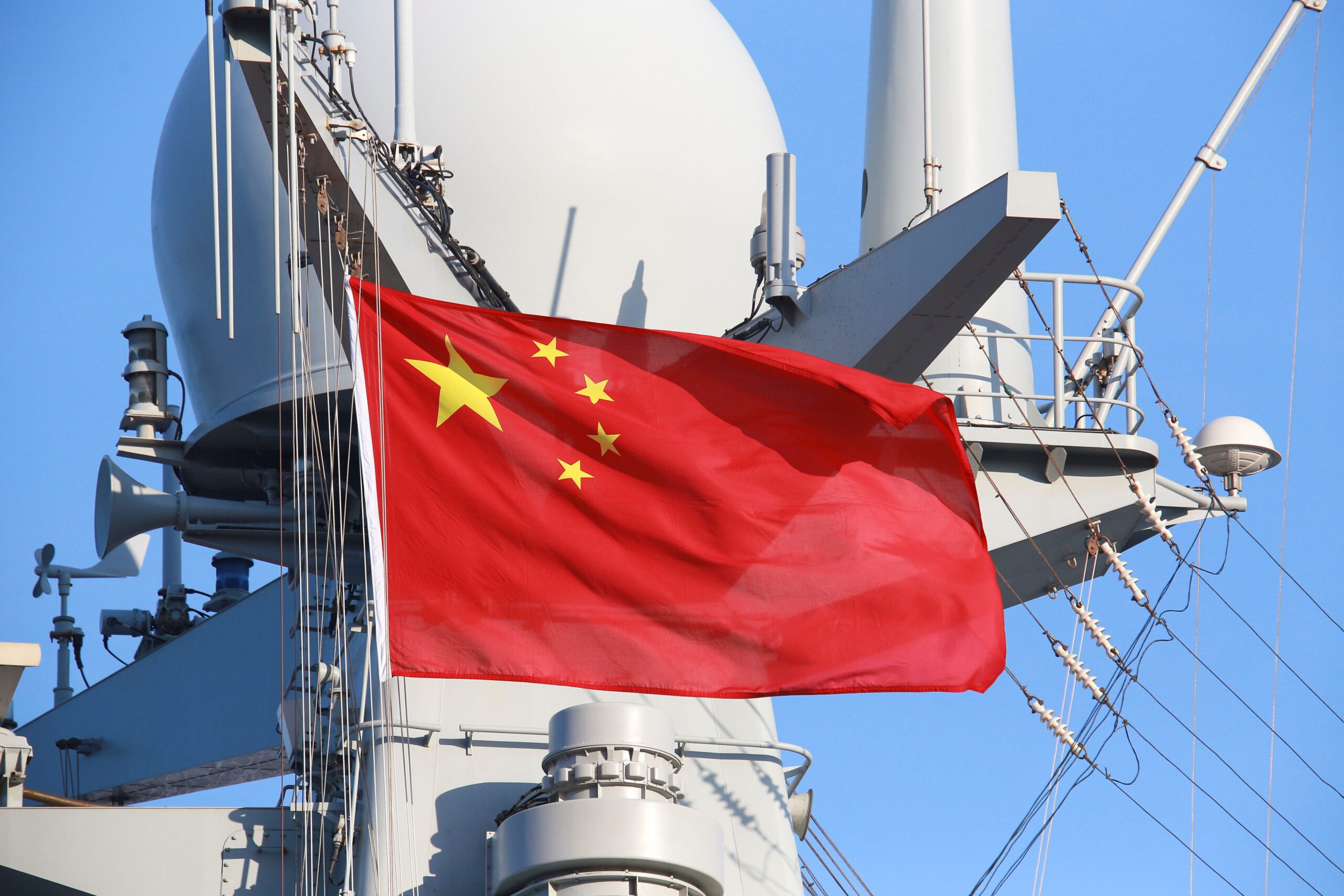
Through its Belt and Road Initiative, China seeks to play a larger role in the Black Sea region. China has been wooing littoral states in hopes of securing new markets for its goods and investing in infrastructure projects. But some worry that there is more to Chinese actions in the region than meets the eye. The worry is that China will increase its political and diplomatic clout in a region that is considered vital for Russian interests and create tension between Moscow and Washington. Despite the uneasiness in the West about China’s increasing presence in the Black Sea, there is not enough focus on the issue in the scholarly debates in Western capitals. The MEI’s Frontier Europe Initiative aims to contribute to the debate on the role of China in the Black Sea. We hope the articles in this report will help to address several important unaddressed questions.
Trusted networks: How the Assad regime subverts clan ties in Daraa
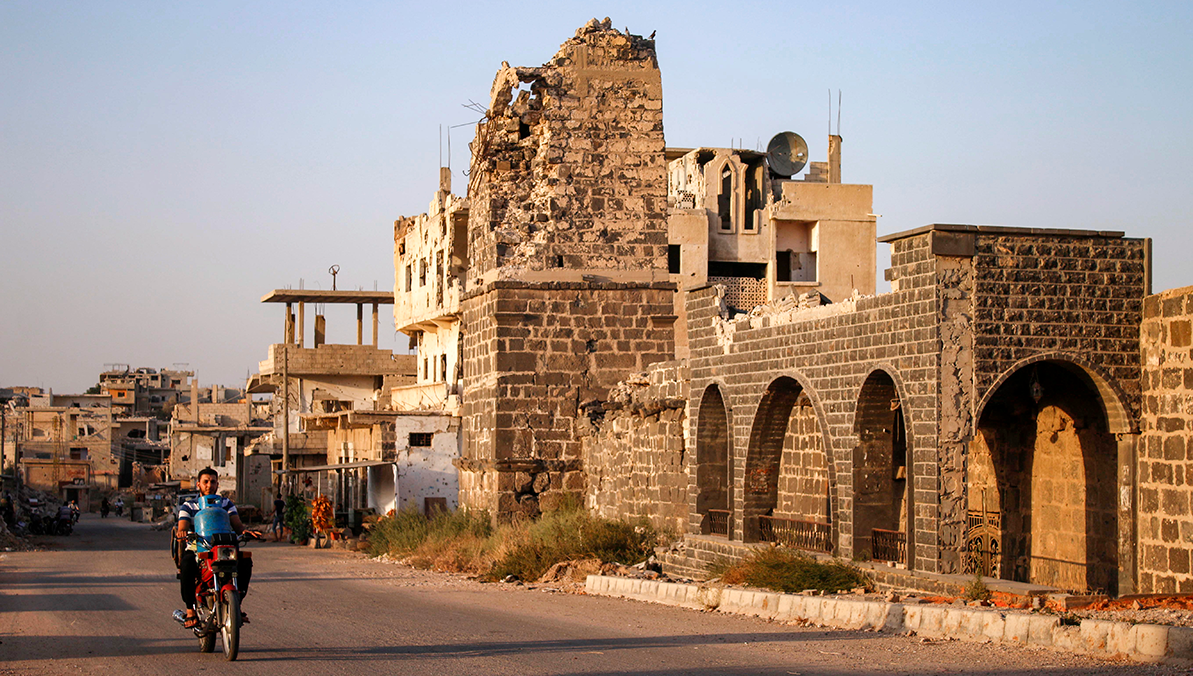
In 2018, Assad’s Syrian government forces, with Russian support, managed to regain control of opposition-held areas in Daraa. Russia has emerged as the primary power broker by arranging agreements between the rebels and the regime, which, in turn, has allowed the rebels to keep some of their arms under the banner of the Russian-formed Eighth Brigade. Nevertheless, since 2018, the tight-knit tribal networks in Daraa have functioned as a nucleus for the continuation of the uprising against the Assad regime. The same tribal attributes that create interconnectedness among the people of Daraa, however, also render them susceptible to the regime’s strategy of pitting clans against each other and leveraging the resulting strife to justify the use of force with the goal of asserting full control.