Black Sea economies poised to take advantage of a post-pandemic climate
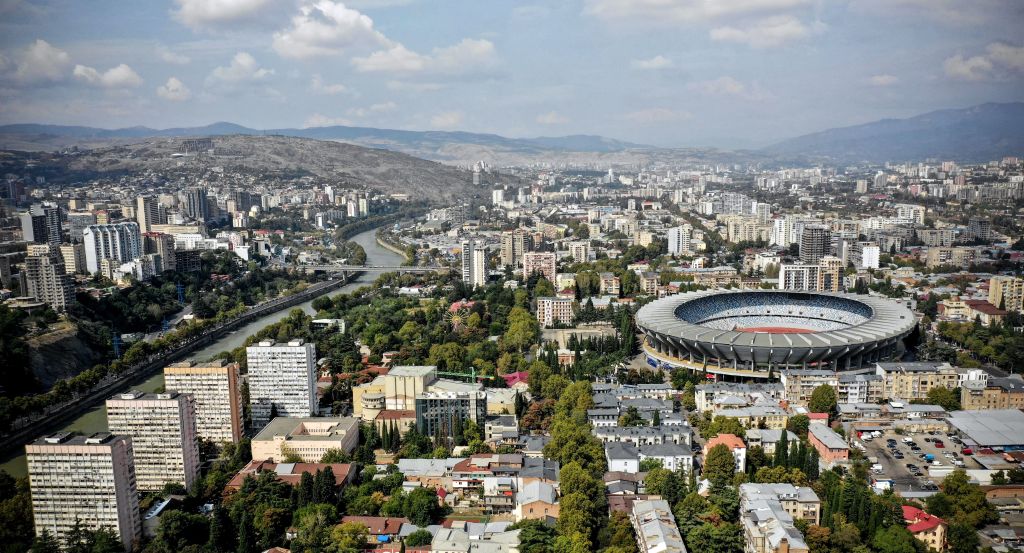
In recent years, the Black Sea has featured high on the radar for US companies looking for alternative locations to do business – in part due to Black Sea countries’ success in creating a favorable business climate and offering flexibility as an adaptable production base. This trend has been exacerbated by global developments such as the US-China trade war and most notably, COVID-19.
How is the crisis in Lebanon impacting Syria’s economy?
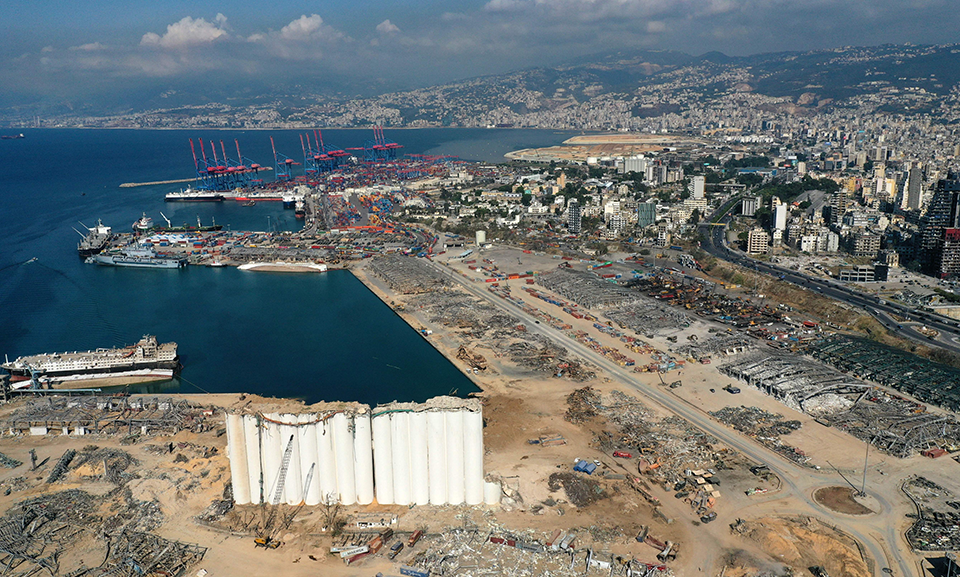
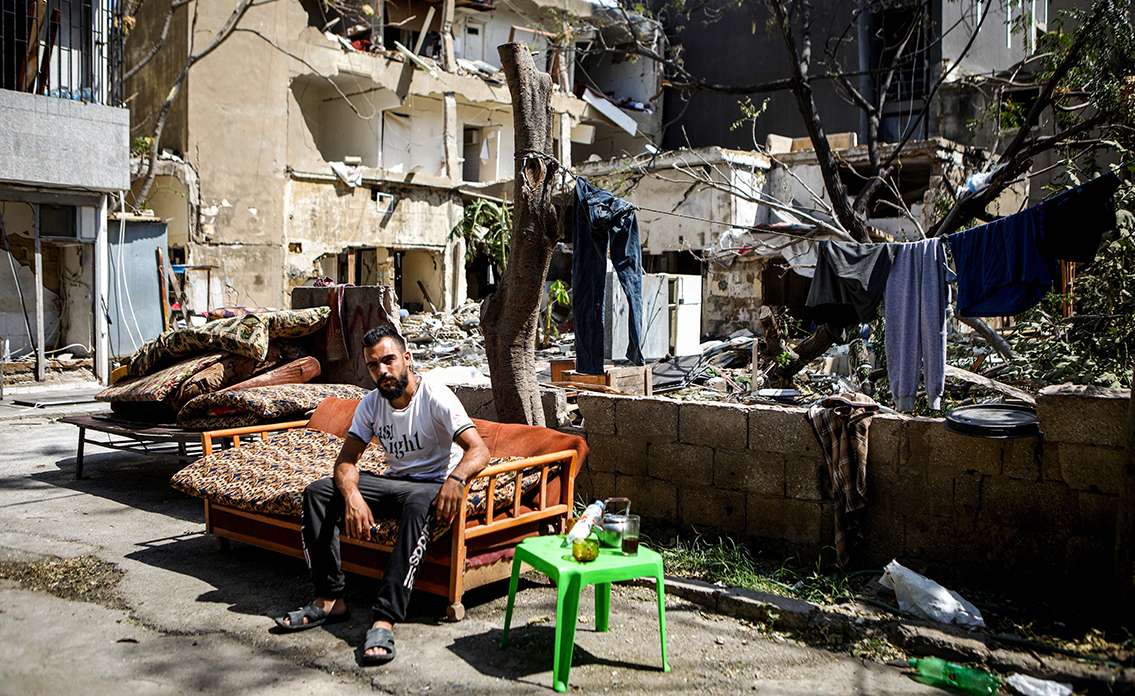
The explosion at the Port of Beirut on Aug. 4 has resulted in a further escalation of the political and economic crisis in Lebanon. Its repercussions can already be deeply felt in neighboring Syria and are expected to take an even greater toll on the country given its complex links to Lebanon. This crisis is feeding into Syria through multiple channels and has severe implications for its ability to import goods and, ultimately, its food security.
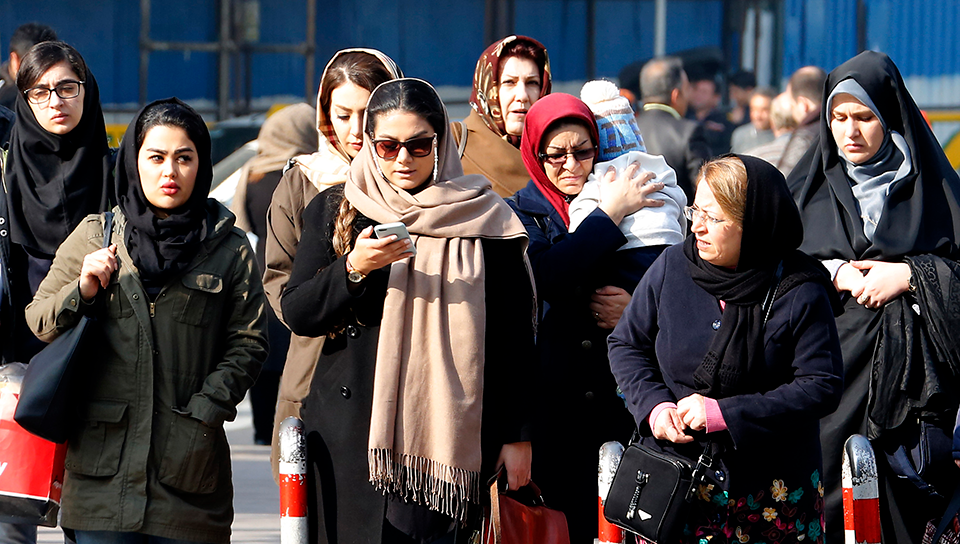
The ripple effects of the 2017 “#MeToo” movement shook Iranian social media this week as rape allegations were levelled against some of the country’s most prominent figures. The movement, which has led to the arrest of at least one alleged rapist so far, has triggered a broader conversation around sexual violence and harassment — an unspoken topic in Islamic Iran.
Jordan’s rising economic challenges in the time of COVID-19
The Jordanian government implemented one of the most comprehensive and effective COVID-19 responses in the region. While the government’s stringent measures did prompt some public discontent, the population largely accepted them. The government’s rapid and broad initial response was successful in thwarting a major public health crisis. Nevertheless, the kingdom has not been able to forestall the damaging economic consequences of COVID-19, which are bound to linger for years to come.
Russian and Chinese views on the Israel-UAE normalization deal
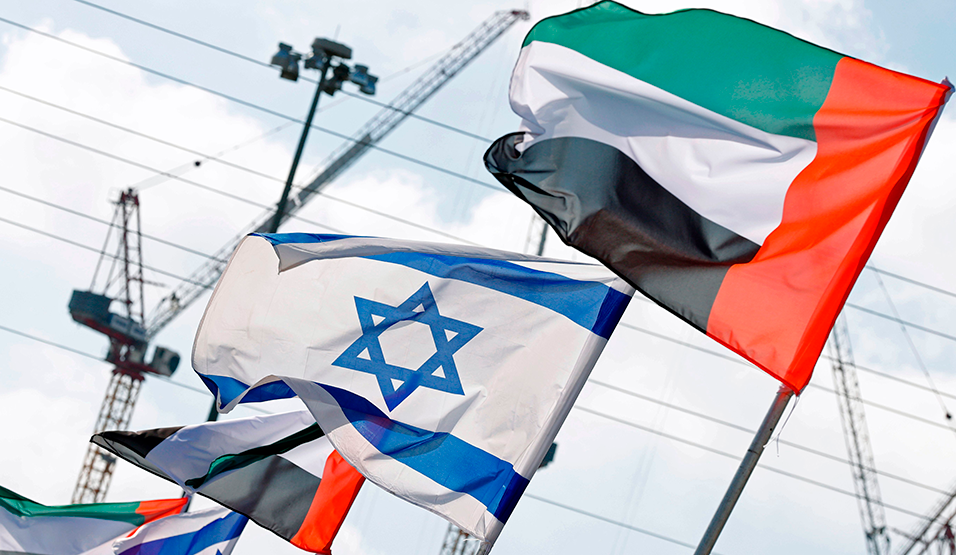
On Aug. 14, Israel and the United Arab Emirates (UAE) agreed to normalize diplomatic relations in exchange for a suspension of Israeli annexation plans in the West Bank. International reactions to this historic deal were sharply polarized, but the two main strategic rivals of the United States, Russia and China, responded cautiously to the announcement.
Strategic pause: What explains Russia’s inertia in eastern Syria?
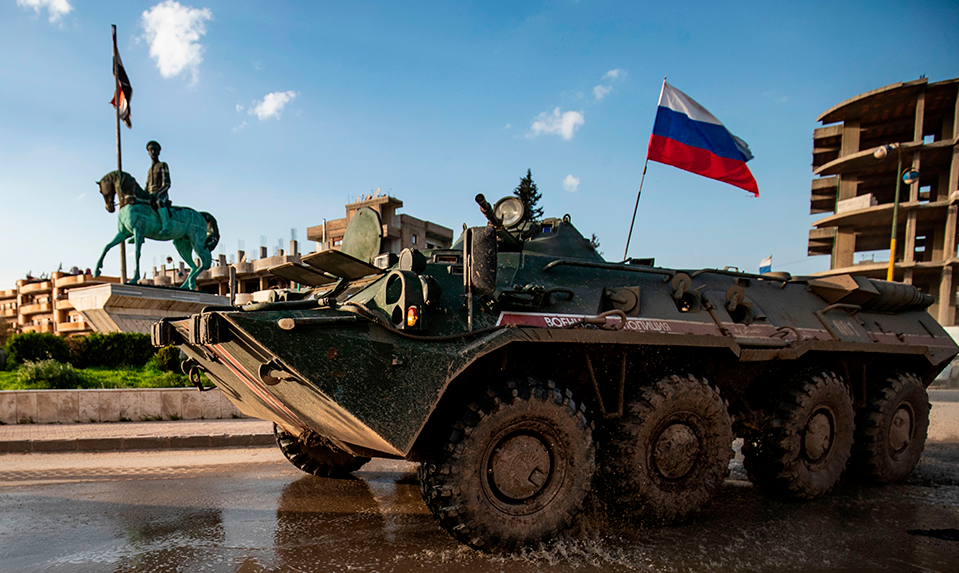
Moscow has been scaling down its activities in eastern Syria and the most likely reason for this inertia lies in Moscow’s reluctance to be associated with actors seeking to erode the quasi-autonomy of the Trans-Euphrates region. Instead, Russia prefers to stand to the side and watch events unfold, while contemplating the right moment to jump in as a mediator and reap the political rewards.
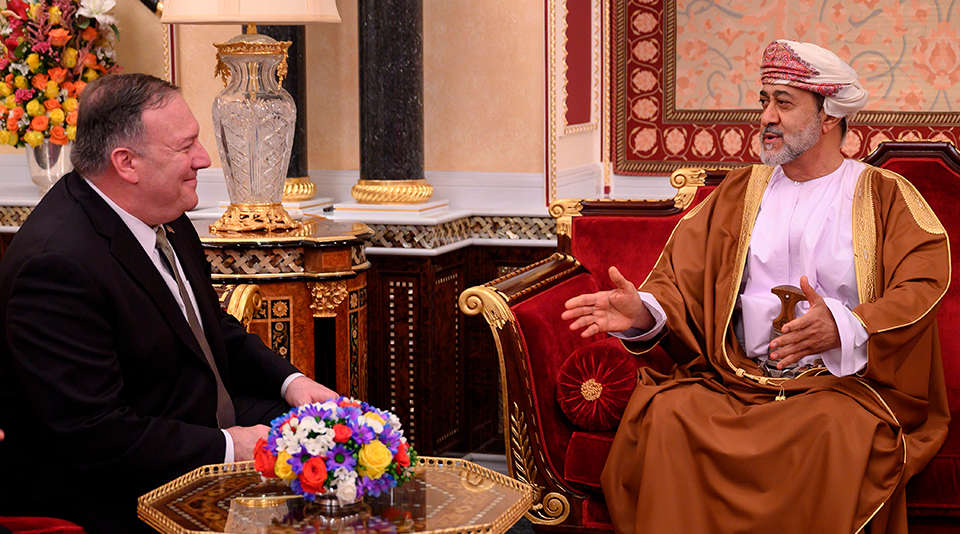
Oman’s regional role in a time of challenge and change
Oman’s independent and creative foreign policy has been a boost to a region fraught with instability, but the combination of a new sultan and an adverse regional environment means Muscat’s trademark foreign policy may be diminished.
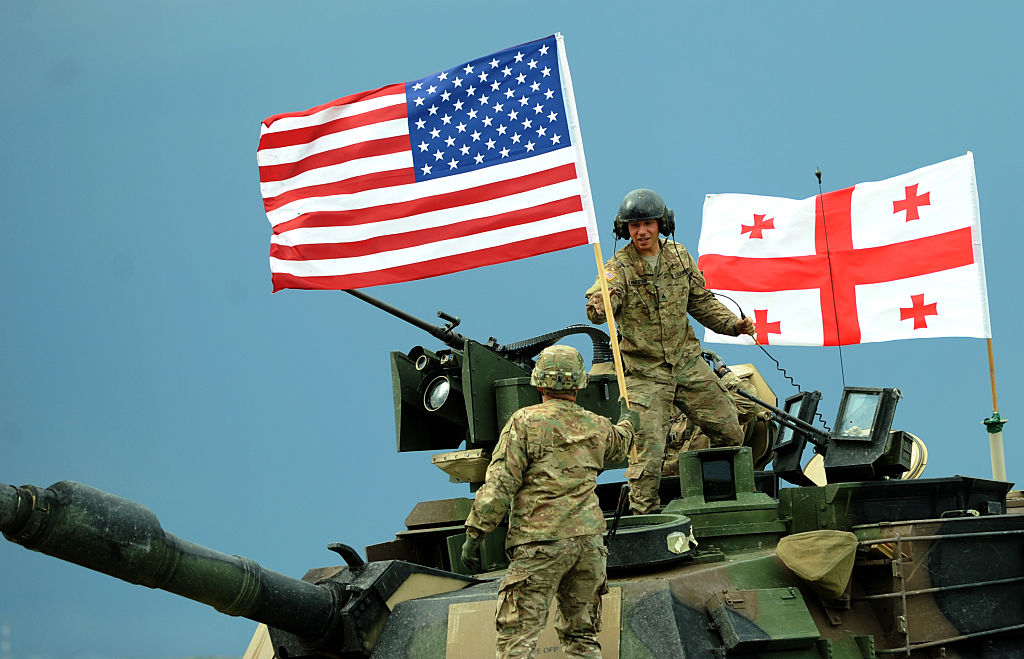
Georgian Defense Forces: The role of military partnerships
Following the dissolution of the Soviet Union, an independent Georgia found itself challenged by the separatist movements backed by the Russian Federation in the Abkhazia and Tskhinvali regions, leading to civil war in the early 1990s.
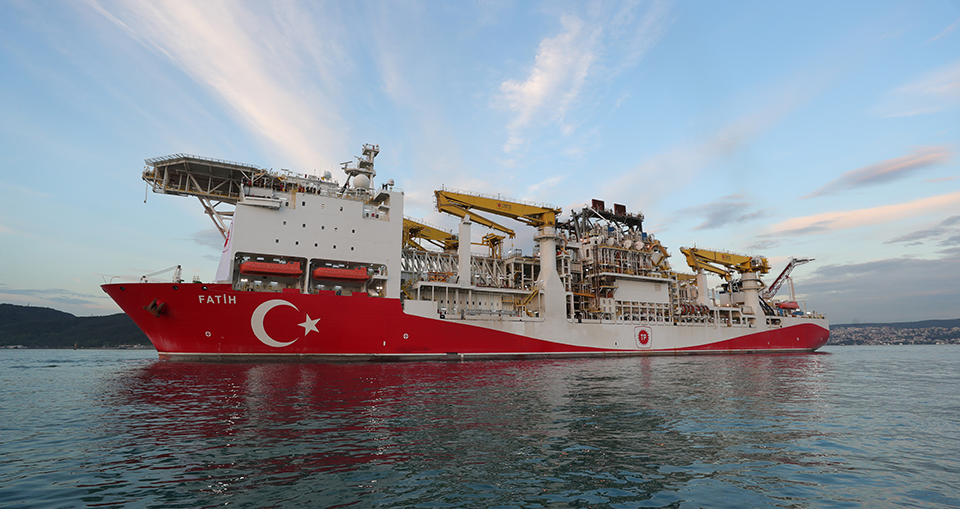
Erdogan pulls a rabbit out of his hat with Black Sea gas find, but is it all it seems?
“God has opened the door to unprecedented wealth for us,” said an enthusiastic Recep Tayyip Erdogan as he announced that Turkey had made its biggest-ever discovery of natural gas on Aug. 21. He promised that gas from the 320-billion-cubic-meter deep-sea find would reach consumers in 2023, but industry experts are skeptical and have raised questions about the feasibility of the discovery.
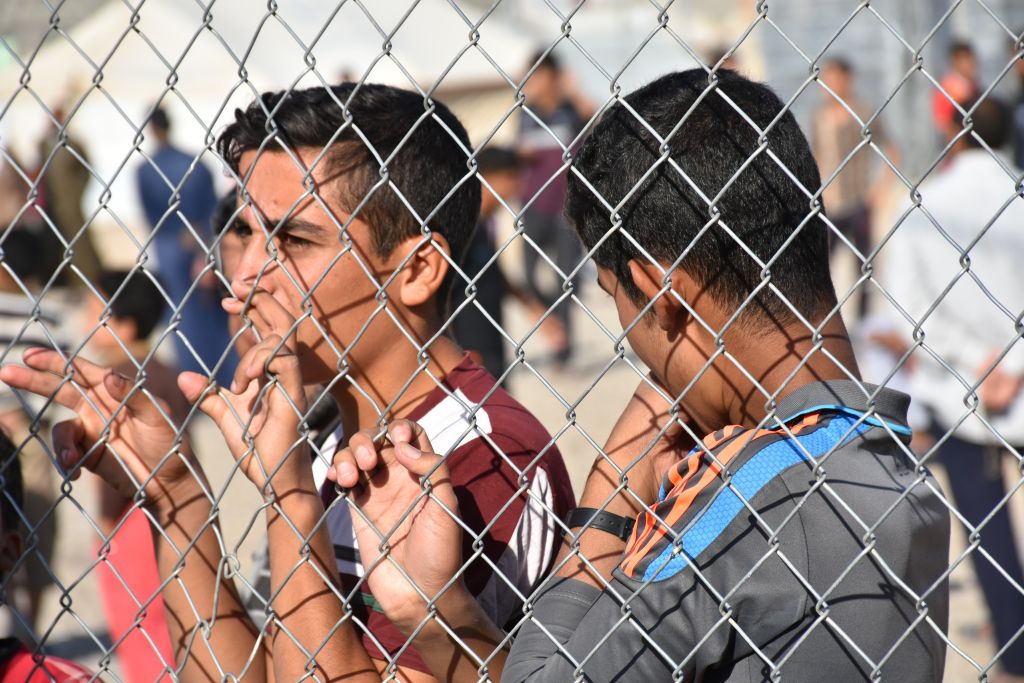
Biometrics, refugees, and the Middle East: Better data collection for a more just future
The increasing adoption of biometric technology by governments, aid organizations, and other stakeholders in the Middle East has critical implications for regional developments in business, governance, and society. And while some observers and stakeholders have noted the potential for such tools to streamline security infrastructure and provide opportunities for sectors as diverse as mobile payment and financial security, a growing chorus of voices has raised concern about the potential of biometric data to similarly streamline violations of human rights, particularly those of the region’s most vulnerable populations.
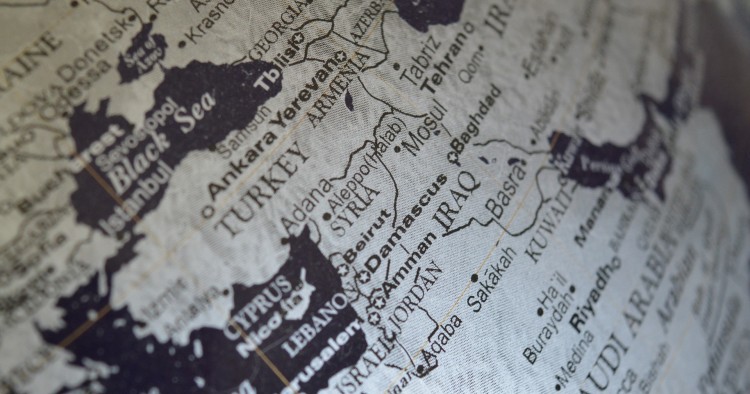
In one of the interesting turnarounds in recent years, travel flows between the Black Sea region and the Middle East have undergone a silent change. During the past decade, this southward flow of shuttle migrants was replaced by Middle Easterners heading northwards in search of promising business opportunities and alternative holiday destinations.
Lebanon’s invisible: Refugees, COVID-19, and the Beirut port explosion
The catastrophic explosion in Beirut on Aug. 4 left 200 dead and thousands more injured. This included at least 43 Syrian and Palestinian refugees and dozens of foreign migrant workers that were killed or injured. The Beirut port explosion will place a great burden on Lebanese society and it will have short- and long-term impacts on marginalized communities.
As the people of Iran and the region rise up against the regime in Tehran, it is time to prepare for what comes next and imagine what could lead to the region’s next renaissance: a Middle Eastern cooperative organization.
In recent years, Saudi Arabia and China have publicly announced several joint nuclear projects in the Kingdom, including one to extract uranium from seawater, with the stated goal of helping the world’s largest oil producer develop a nuclear energy program or become a uranium exporter. This article discusses China’s reported involvement in Saudi Arabia’s nascent nuclear program.
The Impact of Middle East Regional Competition on Security and Stability in the Horn of Africa
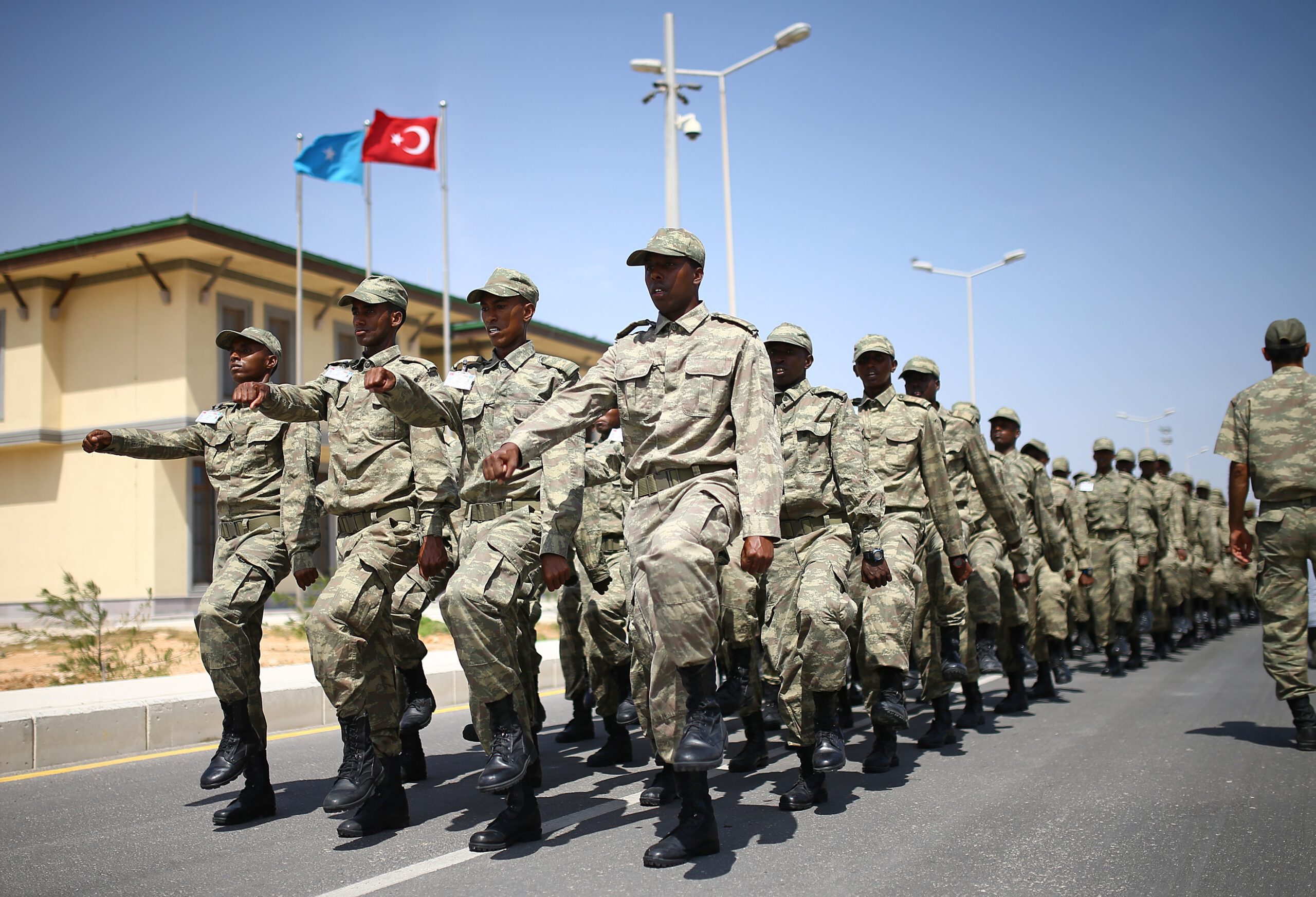
The relationship between the Middle East and the Horn of Africa is centuries-old and complex. While the world’s attention is focused mainly on the “great power competition” in the region, primarily between the U.S. and China, the Horn of Africa has also become a central battleground for influence among competing regional players, principally Saudi Arabia, the UAE, Turkey, Qatar, Iran, and Egypt. As they pursue their interests in the region, from Ethiopia and Sudan to Somalia and Djibouti, these competing states are the main drivers of tension and instability in the Horn of Africa.