China’s Maritime Silk Road and the Middle East: Tacking Against the Wind
The momentum of the BRI has lately slackened due to a variety of setbacks and disruptions. Until now, China has made headway in executing BRI-related projects in the Middle East despite such problems. Plummeting oil prices coupled with the onset of the worldwide public health and economic crises triggered by the covid-19 pandemic could result in scaled back plans and delayed implementation of BRI projects in the region. But China is not about to abandon the effort to extend the Maritime Silk Road to the Middle East — nor are its most avid regional partners.
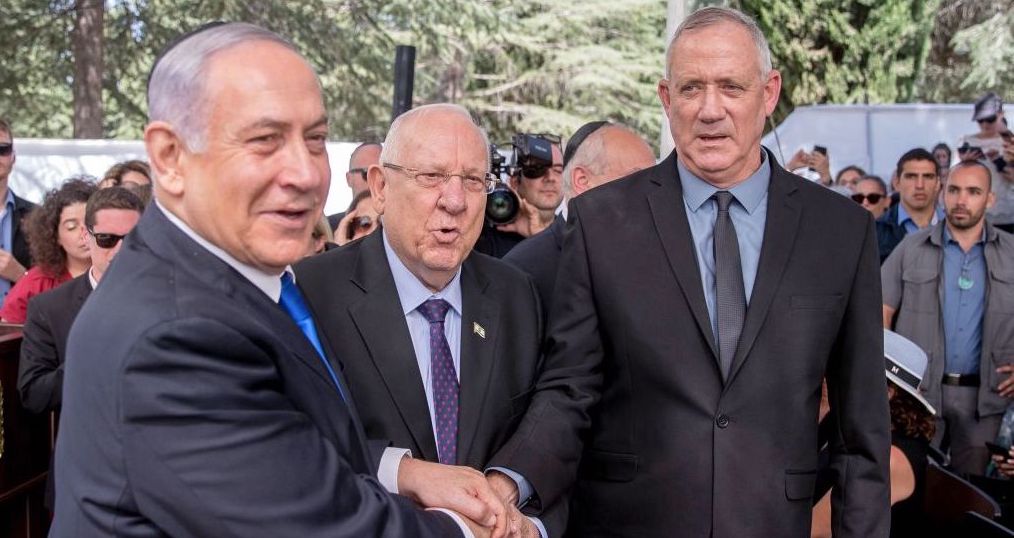
Israel finally has a government, but for how long?
Israel’s 17-month ordeal without a functioning government has mercifully come to an end. An unlikely coalition that agrees on little has given birth to a monstrosity that is the largest government in Israel’s history, with 34 cabinet positions (some reports say 36) plus 16 deputy ministers.
Gulf Partners Can No Longer Afford To Stay The Course With U.S. Iran Policy
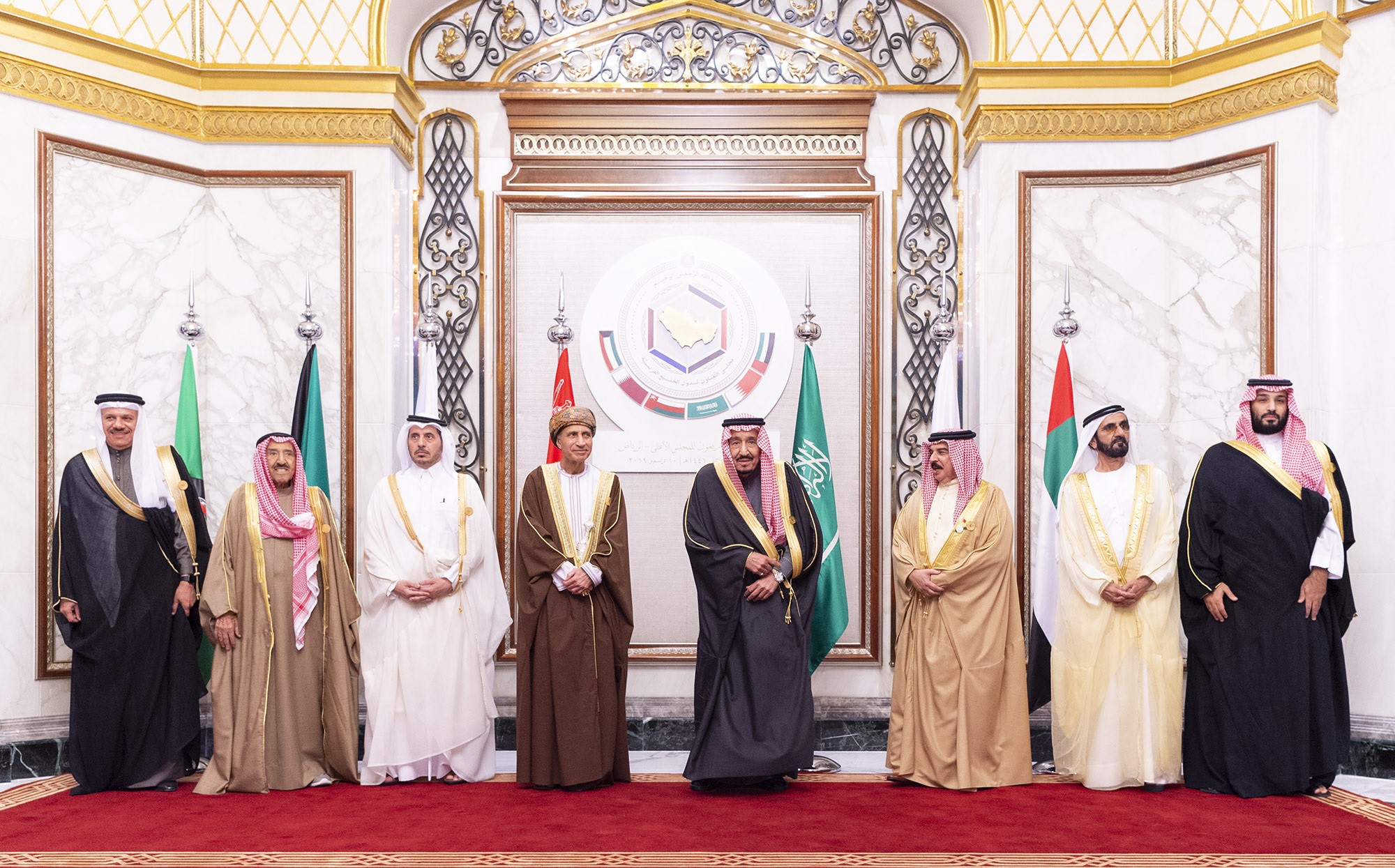
To help prevent a U.S.-Iran war in their neighborhood, the countries of the Gulf Cooperation Council have called for diplomacy. They have reached out to Iranian officials to de-escalate. And they have provided Tehran with humanitarian assistance to deal with the coronavirus pandemic.
The Syrian constitution will only be words on paper until power is devolved to the local level
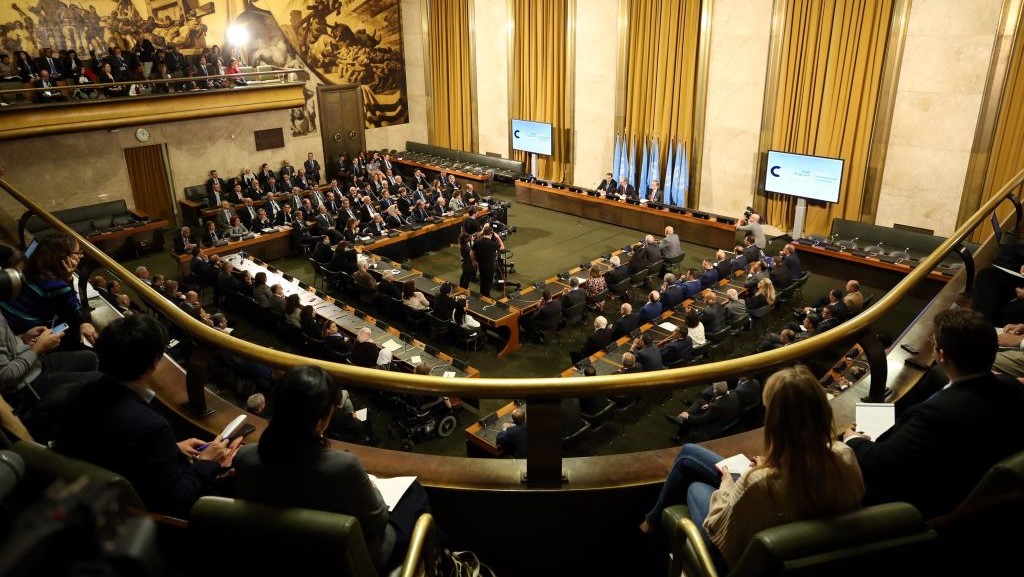
Syria faces long-standing economic problems that have been greatly exacerbated by its nine-year-long war. The cost of rebuilding the country will be enormous. But before there can be any discussion of sanctions relief or economic assistance, key political and economic reforms must be implemented. First and foremost among these is the devolution of power to the most local level of governance.
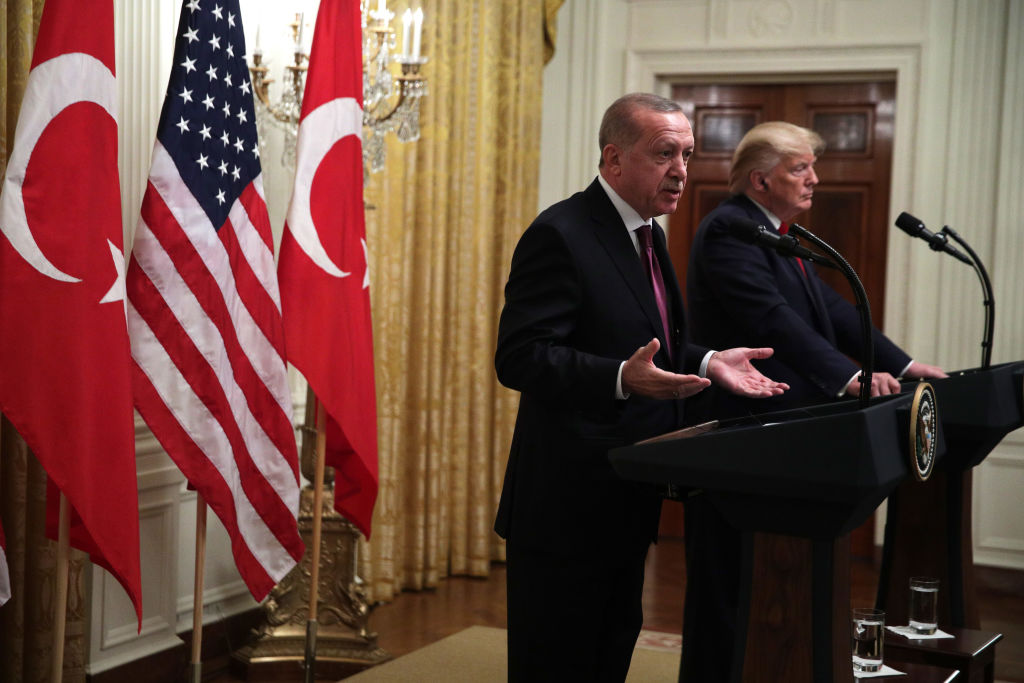
Arguably the time is now ripe to begin accumulating such nuances in regard to Turkey. The difficulties of dealing with Turkey and President Recep Erdogan are incontestable and well-known. Nevertheless, Turkey’s geopolitical significance is equally indisputable and far-reaching. Many of the major issues in European security – migration, Libya’s civil war, confronting Syria’s civil war (the equivalent in our time of the Spanish Civil War in the 1930s), stabilizing the Balkans, defending the Black Sea, European energy security, and in particular accessing the energy in the Eastern Mediterranean – would benefit from the restoration of a true and ongoing strategic dialogue with Turkey. Indeed, neither we nor Turkey can make progress on them without such a dialogue.
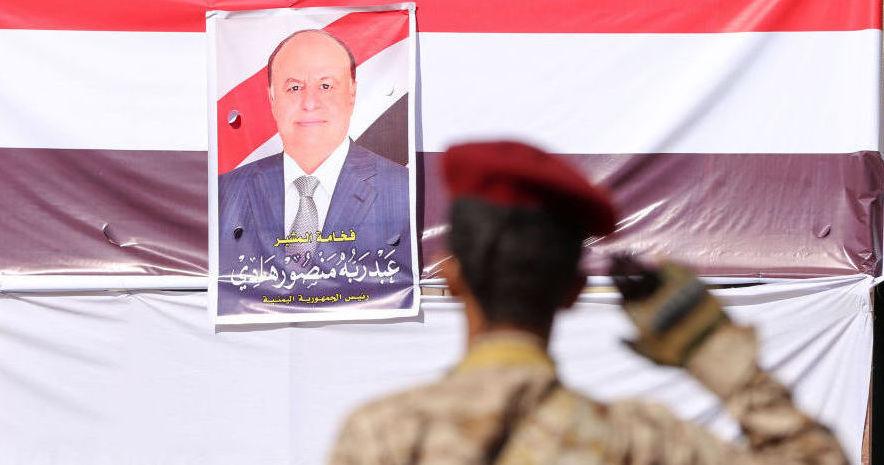
President Hadi and the future of legitimacy in Yemen
What is the future of legitimacy in Yemen? The question of what would happen if President Abed Rabbo Mansour Hadi were to die has been an unspoken concern for the past several years. It is important to address the question of legitimacy after Hadi because the constitutional rules on how to transfer his authority to a successor and how to avoid a presidential vacuum are impractical given the ongoing conflict.
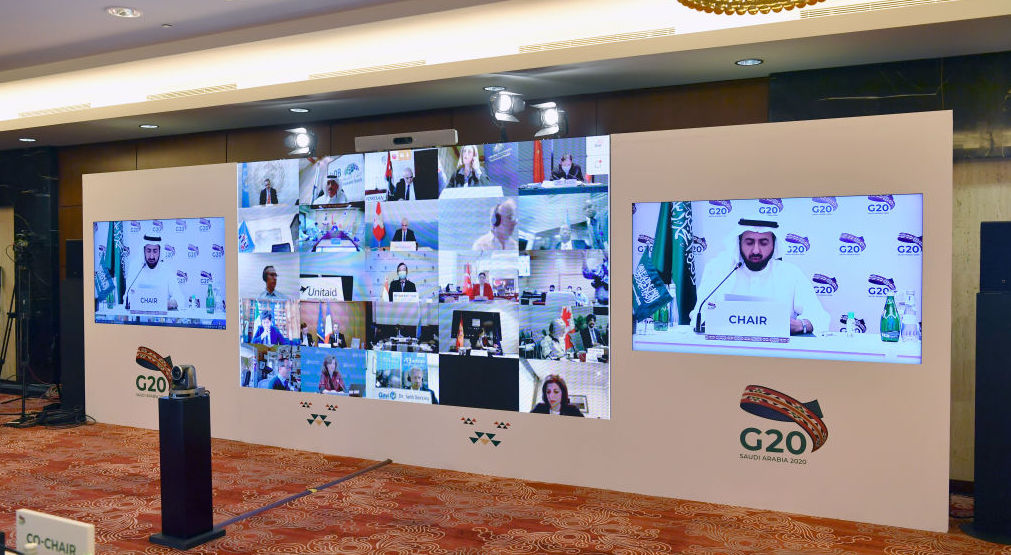
While COVID-19 and historically low oil prices are disrupting the Gulf’s political economy, the pandemic has demonstrated the region’s tech resilience.
Salafism Meets Populism: The Al-Karama Coalition and the Malleability of Political Salafism in Tunisia
The nascent research on political Salafism suggests that it can often be much more pragmatic, flexible, and malleable than both the quietist and the jihadist Salafist strand and can sometimes show a certain openness to other political actors and ideologies. The case of the Tunisian al-Karama Coalition (Dignity Coalition) indicates that the new (tactical) openness of some politicized Salafists can also extend to populism. In this article, the authors locate the rise of al-Karama within the context of Tunisia’s successful but still incomplete and “bumpy democratic transition.”
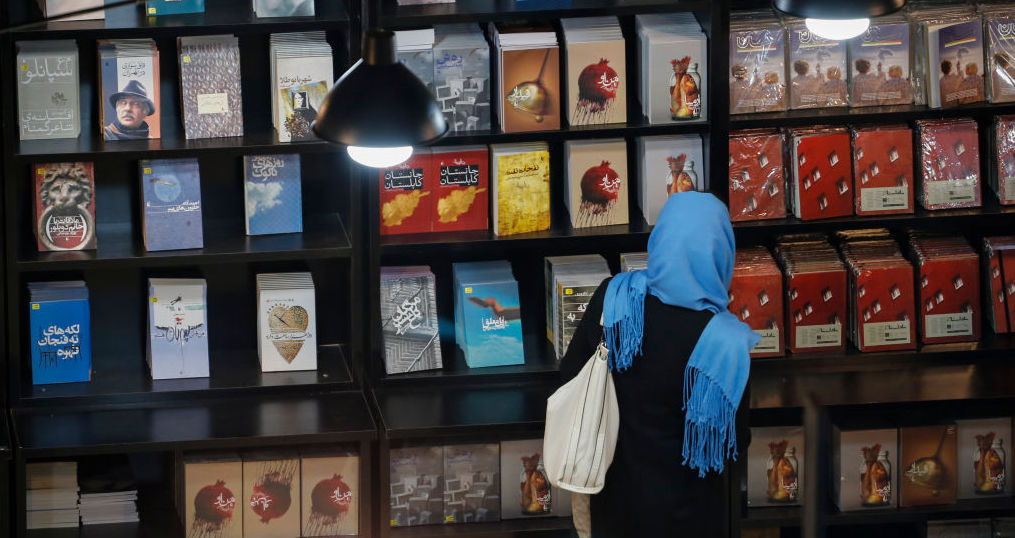
Unfortunately, many distinguished Arab writers are unknown to the majority of Iranian readers and their works are not available in Persian. Arab literature has largely been neglected in the Iranian literary translation market.
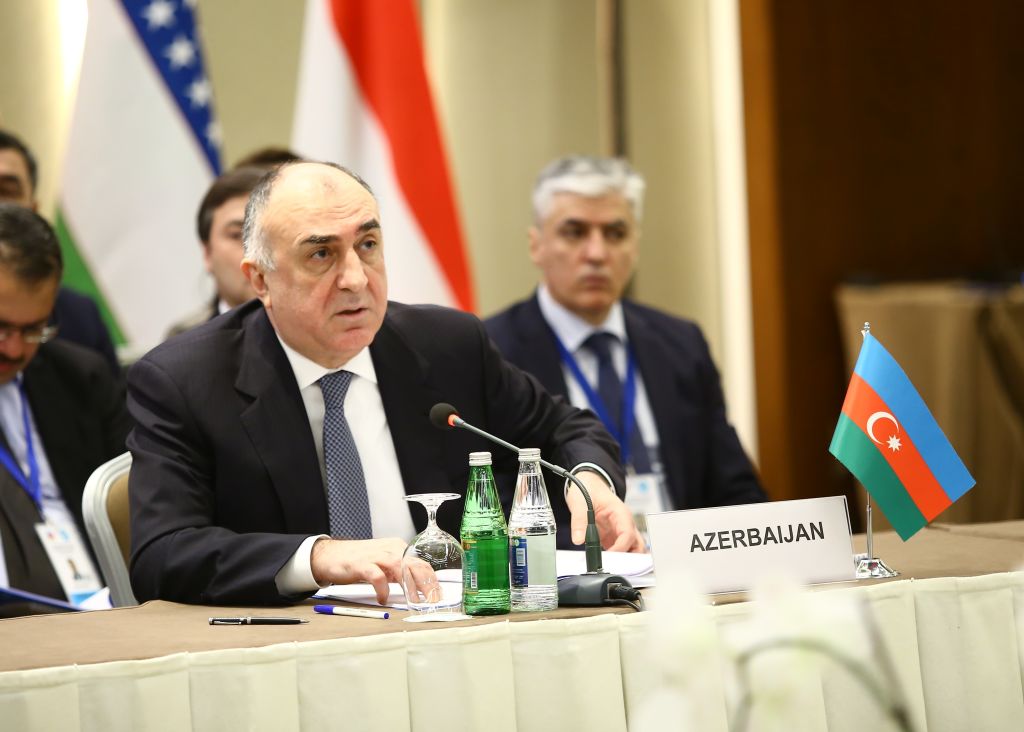
Azerbaijan’s foreign policy priorities and the role of the Middle East
Azerbaijan will soon celebrate 30 years since its independence and sovereignty was restored. However, the country’s foreign policy priorities have stayed largely the same since the early 1990s. That is, the restoration of territorial integrity, strengthening the country’s independence, and the development of strong regional economic partnerships.
The Middle East and China: Trust in the time of COVID-19
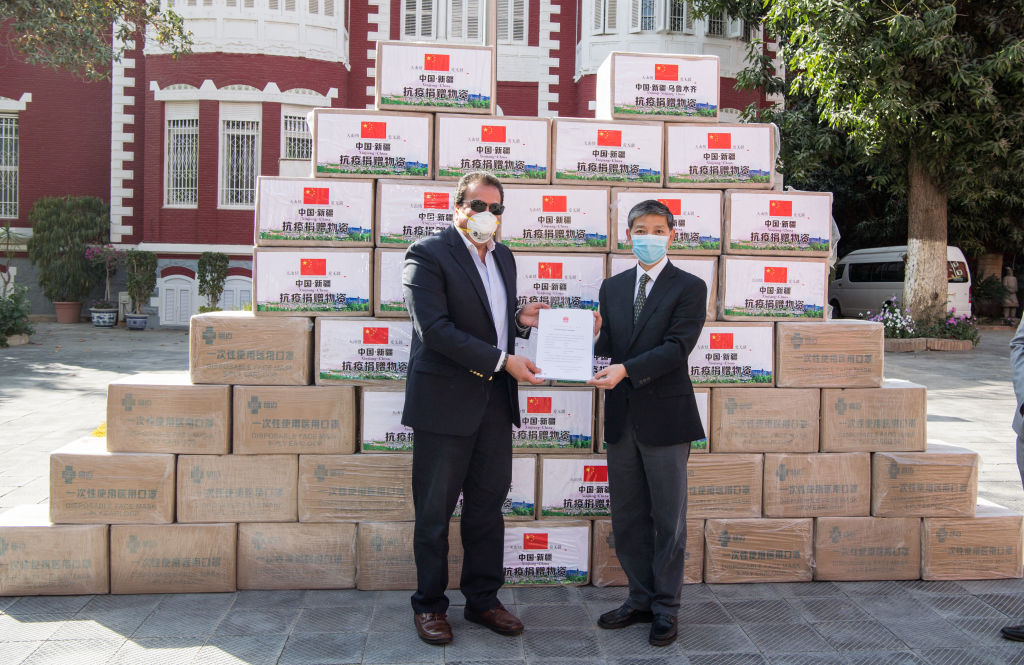
China and the Middle East have long-standing historical ties that have grown significantly closer in recent years, driven by rising levels of trade and investment, as well as a burgeoning political relationship. However, the outbreak of the COVID-19 pandemic, which spread from China to the region and the rest of the world, has ushered in a complex new dynamic in relations between the two sides.
Challenges of COVID-19 in areas of protracted conflict
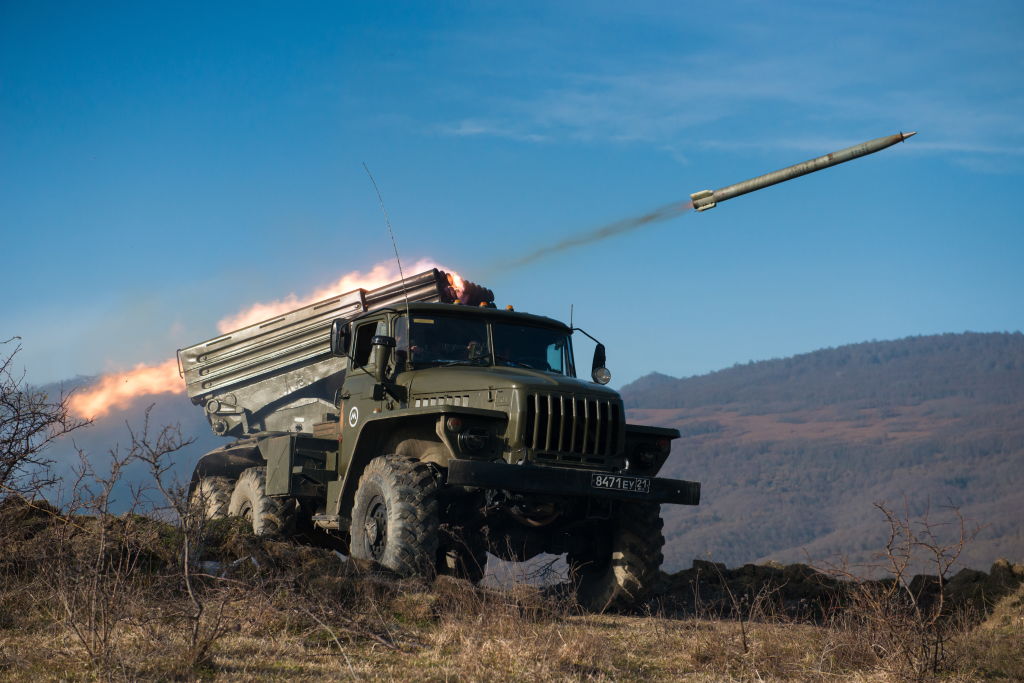
COVID-19 poses immense humanitarian, economic, social and political challenges for the world. However, the threat is especially serious for those affected by ongoing or protracted conflicts. Despite United Nations Secretary General António Guterres appealing for a global ceasefire, there are many conflicts which are not at the forefront of international attention but remain extremely vulnerable to COVID-19. Among them are ongoing and protracted conflicts in the Black Sea and South Caucasus regions.
Protracted conflict on Yemen’s island of Socotra reflects rival geopolitical ambitions
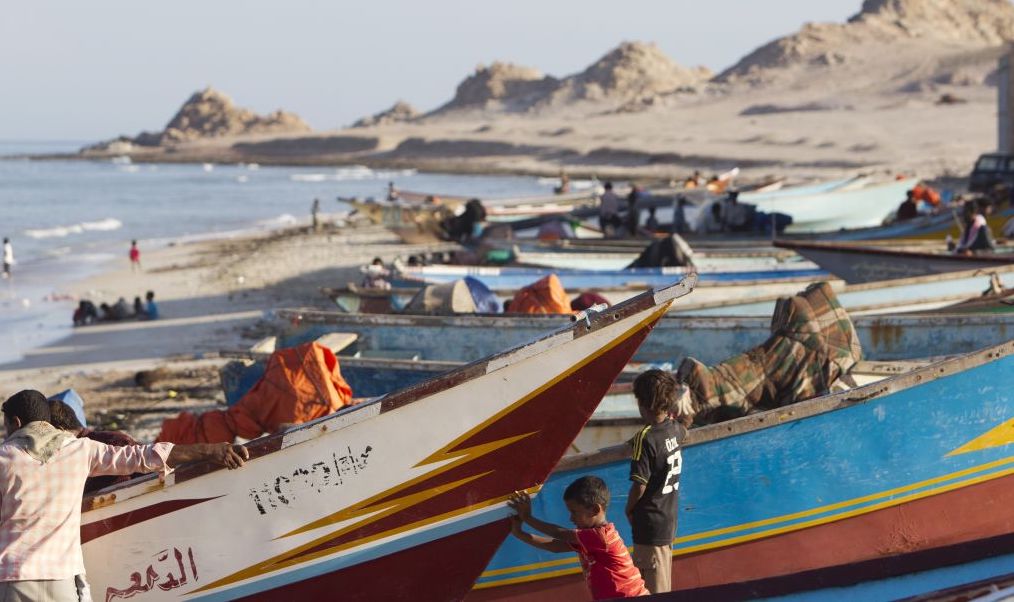
On April 30, roughly a week after the Southern Transitional Council (STC) declared self-administration in Aden, a military confrontation broke out on the remote Yemeni island of Socotra between members of the STC and government forces. After just a few days, the situation was diffused when the island’s governor and the STC asked the Saudis to intervene. Although an agreement was reached quickly, it is likely to be fragile because the causes of the conflict are not entirely local. The island of Socotra is simply too important to multiple international players that are not willing to let it easily slip outside their sphere of influence.
Self-administration: Will it strengthen Yemen’s STC or further complicate the conflict?
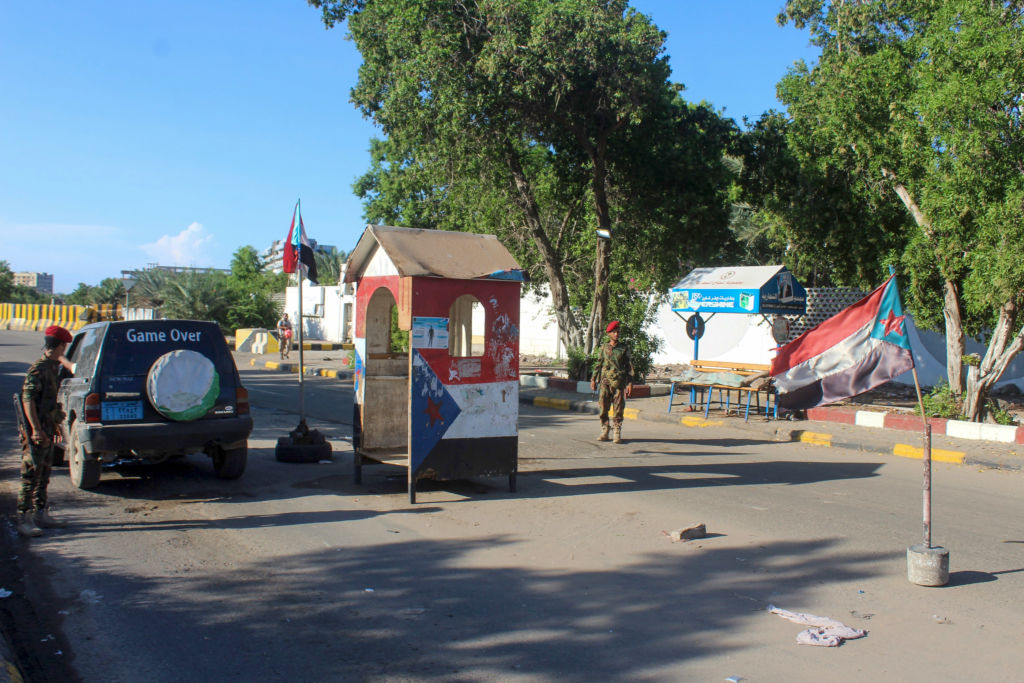
A few hours before Ramadan’s pre-fasting suhoor meal on April 25, the Southern Transitional Council (STC), a UAE-sponsored regional secessionist movement, abruptly announced self-administration in Yemen’s South and a state of emergency.
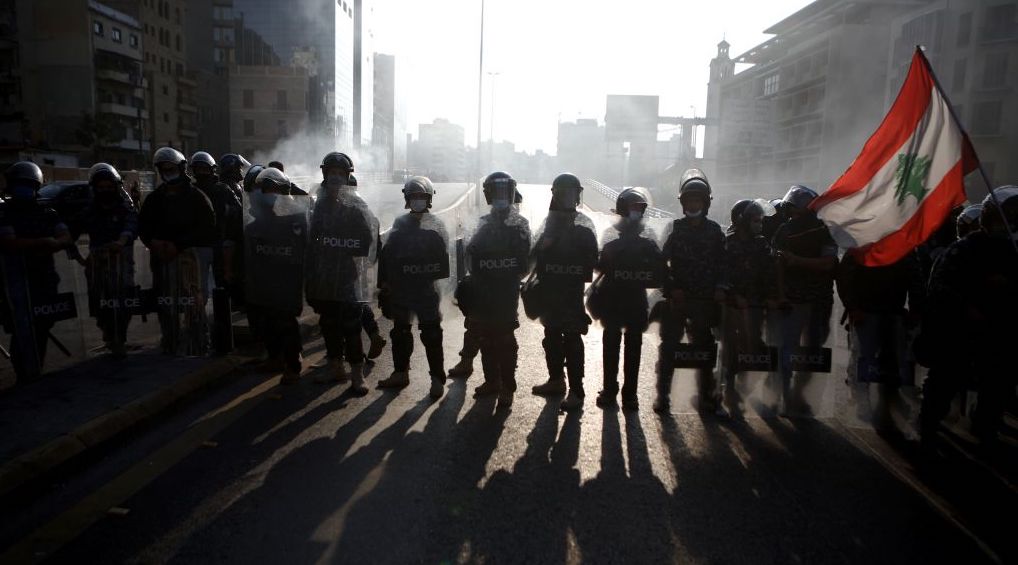
Washington needs to find a new way of dealing with Lebanon
For too long, Washington has been an accomplice of the rampant corruption in Lebanon, choosing to look the other way as it deals with officials known to be implicated in various corrupt schemes.