Russia signals growing dissatisfaction with Syria’s Assad regime
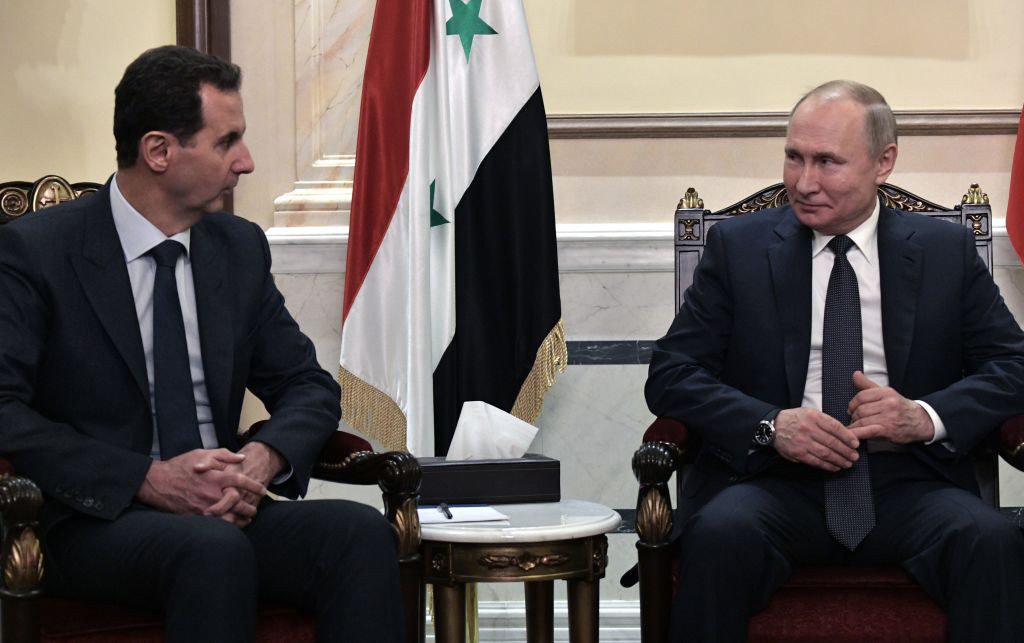
In recent weeks, a flurry of commentary from prominent voices and publications in Russia has seen a wave of criticism directed at Syria’s Assad regime. Accusations have been leveled against the regime of corruption, warlordism, and incompetence, as well as an obsession with achieving unrealistic military objectives at the expense of dwindling resources, reconstruction, and political and economic reforms.
The Rami Makhlouf saga poses a dangerous challenge for Assad
In a series of videos posted on Facebook this week, Rami Makhlouf called out the upper echelons of Syria’s political establishment, of which he had been an integral part for over two decades. By making his feud public Makhlouf has created an unprecedented rift within loyalist ranks, transforming his dispute with Syria’s ruling elite from one that was tightly controlled and behind closed doors to an out in the open, nationwide row the likes of which haven’t been seen since Hafez al-Assad’s standoff with his brother Rifaat in 1984.
Talking about water pipes: The fraught reconstruction of Syria’s Yarmouk camp
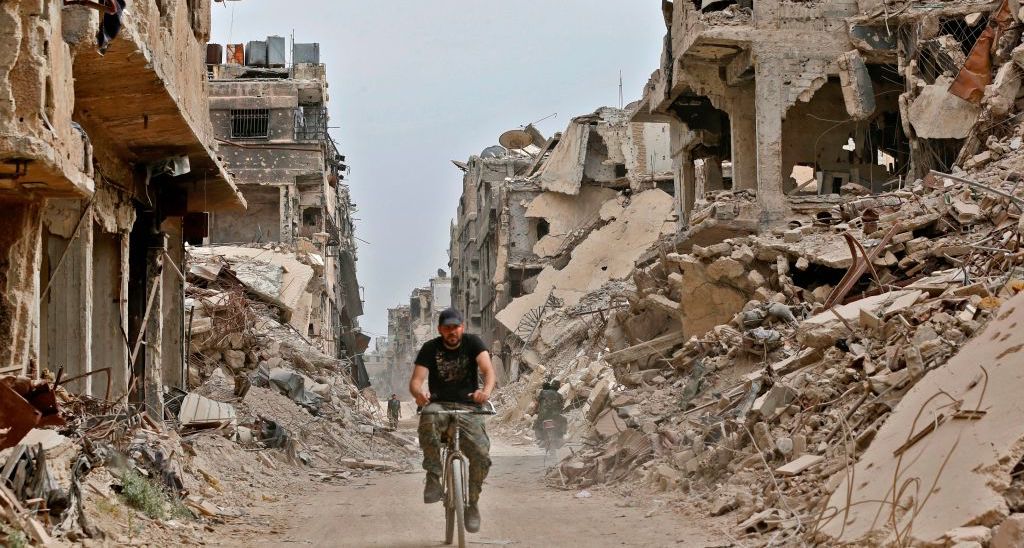
Officials in Damascus say reconstruction plans for what was once Syria’s largest Palestinian refugee community will pave the way for the return of large numbers of displaced residents “as soon as possible.” But with plans beset by delays and vague statements from those same officials, the available evidence suggests otherwise.
China’s Petrochemical Enterprise Alliance and Iran Oil Trade
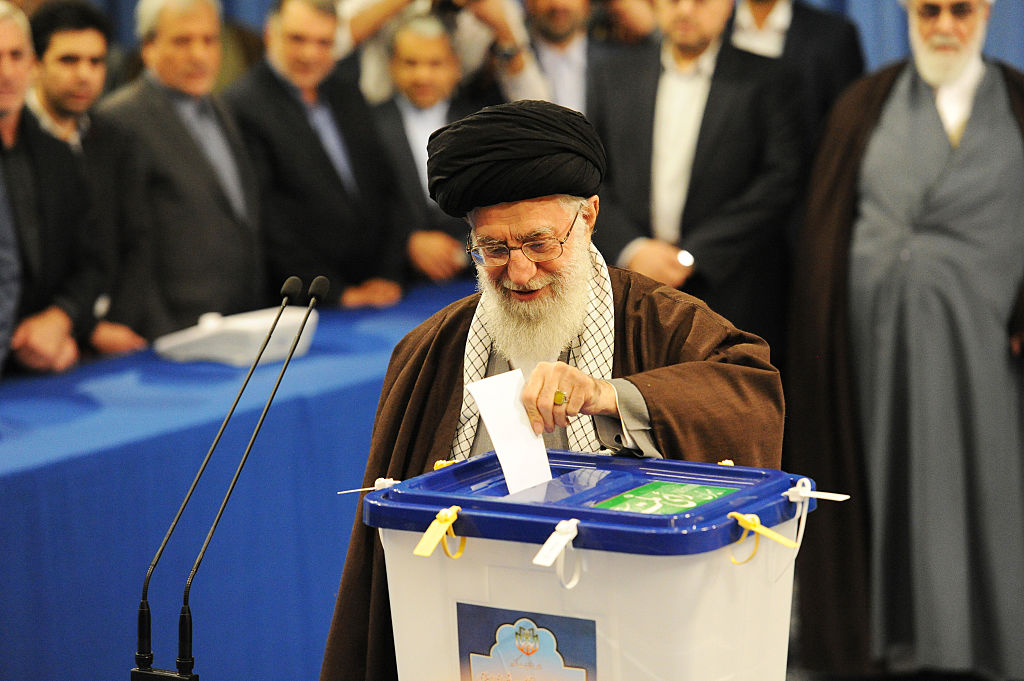
China’s outbound capital policy is an attempt to reforge the Middle East in its own economic likeness through a revised ‘Going Global’ geoeconomic macro policy. China-Iran oil trade is only the beachhead of a deeper economic integration agenda, yet the geoeconomic management institutions that are currently forming will define China-Iran and wider China-Middle East engagement for decades to come.
In the wake of COVID-19, Jordan has limited choices if Israel annexes West Bank settlements
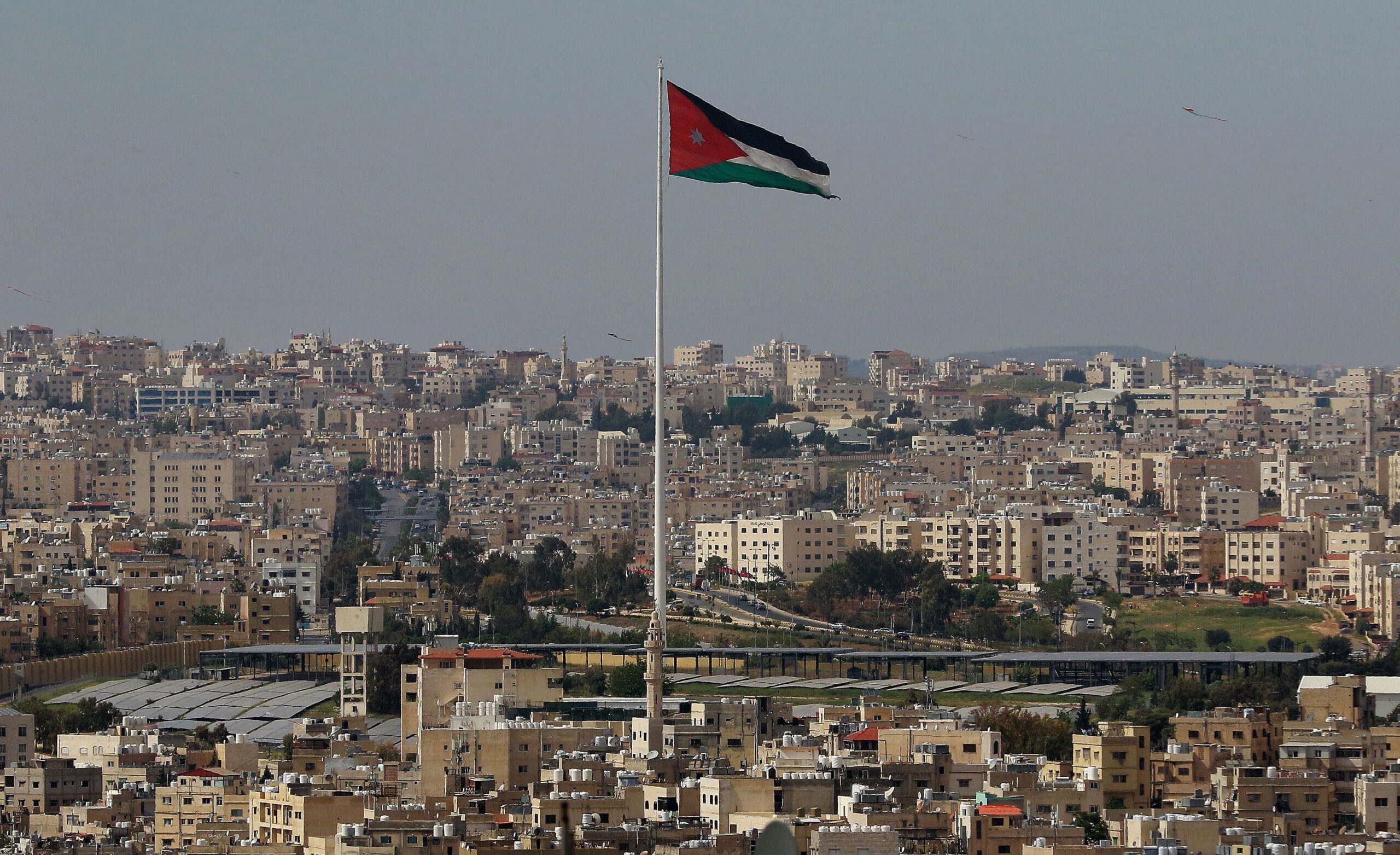
For Jordan Israeli annexation of Jewish settlements in the West Bank, as well as the strategically important Jordan Valley, constitutes an existential threat to the kingdom. But now Jordan faces unprecedented economic hardship as a consequence of the coronavirus crisis, and this could limit its scope for action.
Coalition’s cease-fire extension keeps the ball in the Houthis’ court
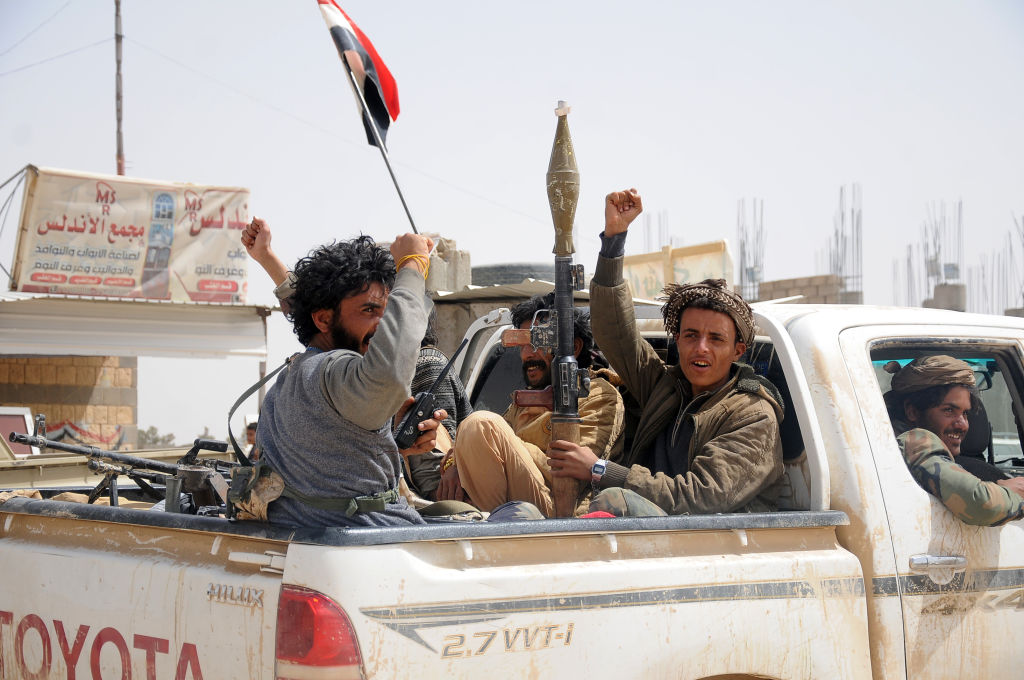
Despite the Houthis’ rejection of the Saudi-led coalition’s two-week unilateral cease-fire, on April 24 the coalition’s Joint Forces Command announced an extension throughout the holy month of Ramadan.
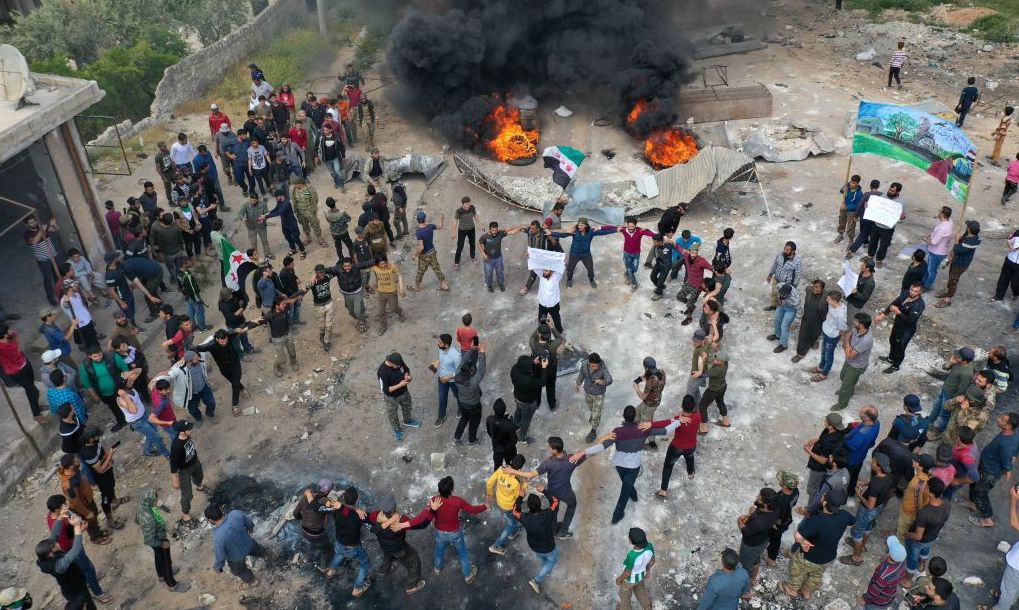
With its territory under increasing pressure, its finances dwindling, and manpower more challenged than ever, HTS’s ability to balance its extremism with controlled uses of pragmatism is under strain. Internally, its leadership is bitterly divided over decisions of the past, present, and future and externally, its rivals and enemies all appear to be conspiring against it. In an attempt to protect internal cohesion, HTS has become determinedly self-assertive in recent weeks, pursuing unpopular policies such as trading with the regime and lashing out at those brave enough to express their dissatisfaction. In response to HTS aggressions, a wider array of opposition voices — both moderate and Islamist — are declaring loudly that HTS now represents a threat to their revolution.
Waiting for the bad to get worse: Lebanon in the time of corona
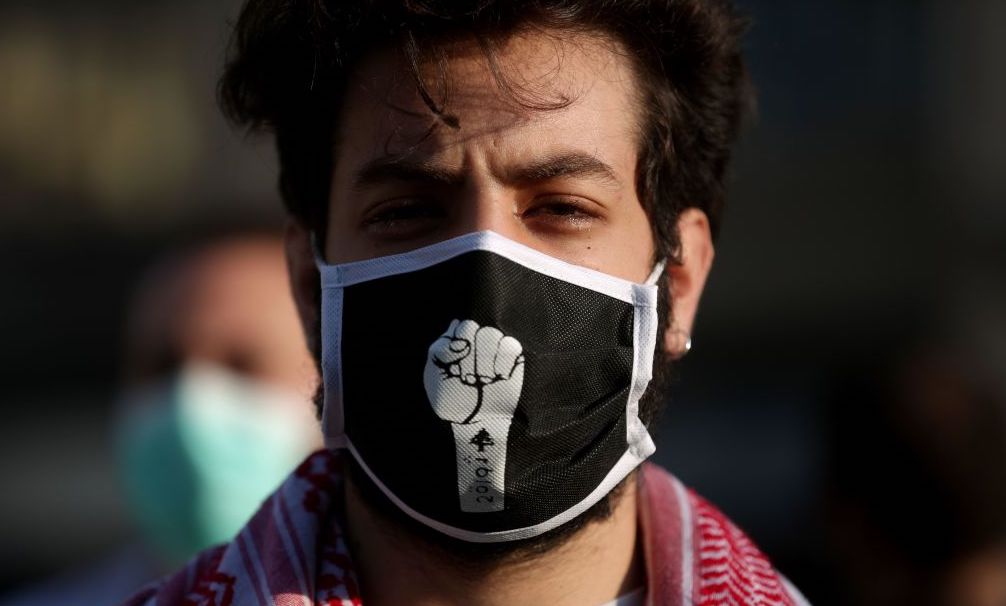
In a country already beset by economic and financial crises, COVID-19-related lockdown measures, without accompanying government assistance, are increasingly pushing impoverished residents to the brink. Lockdown measures will gradually start to lift this week. But the lockdown only accelerated the inevitable economic freefall and lifting the measures will not solve the country’s economic woes. “There is a predicament coming that is much bigger than corona … the economy is the bigger crisis,” a political activist in Dahiyeh says.
Can corona diplomacy cure Turkey’s foreign policy isolation?
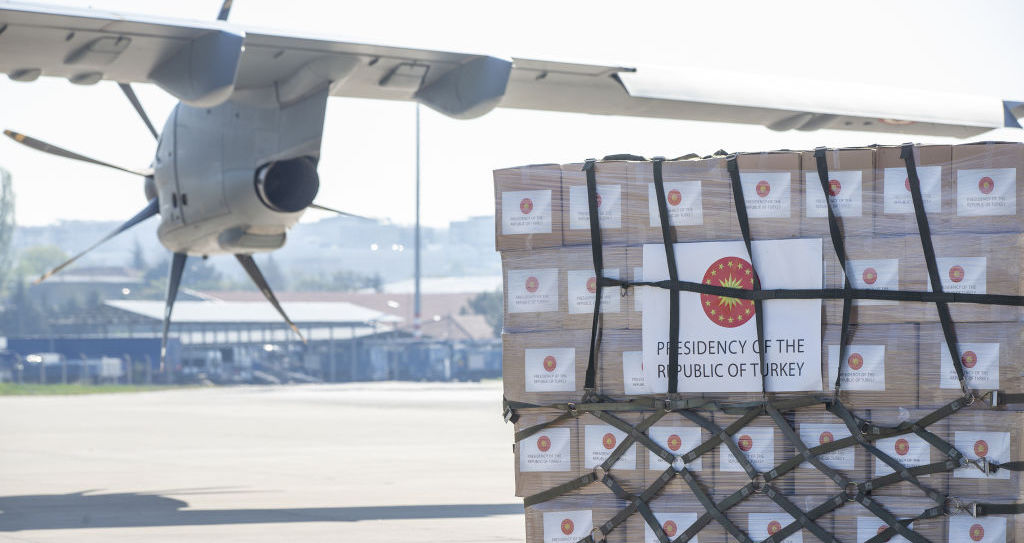
Even before the coronavirus upended life around the world, Turkey’s President Recep Tayyip Erdogan was already grappling with a host of problems. Then COVID-19 hit the country. Many argue the virus will exacerbate Erdogan’s problems but where others see a problem, Turkey’s president sees an opportunity. He is using the crisis to undercut the opposition, distribute government contracts to his loyalists, and punish his critics. Erdogan is relying on the virus to score foreign policy points as well. Sending medical aid to its neighbors and beyond helps assert Turkey’s leadership and improves its shattered image. The coronavirus likewise provides an excuse to remove a long-time irritant in Ankara’s ties with Washington and perhaps end its isolation in the region.
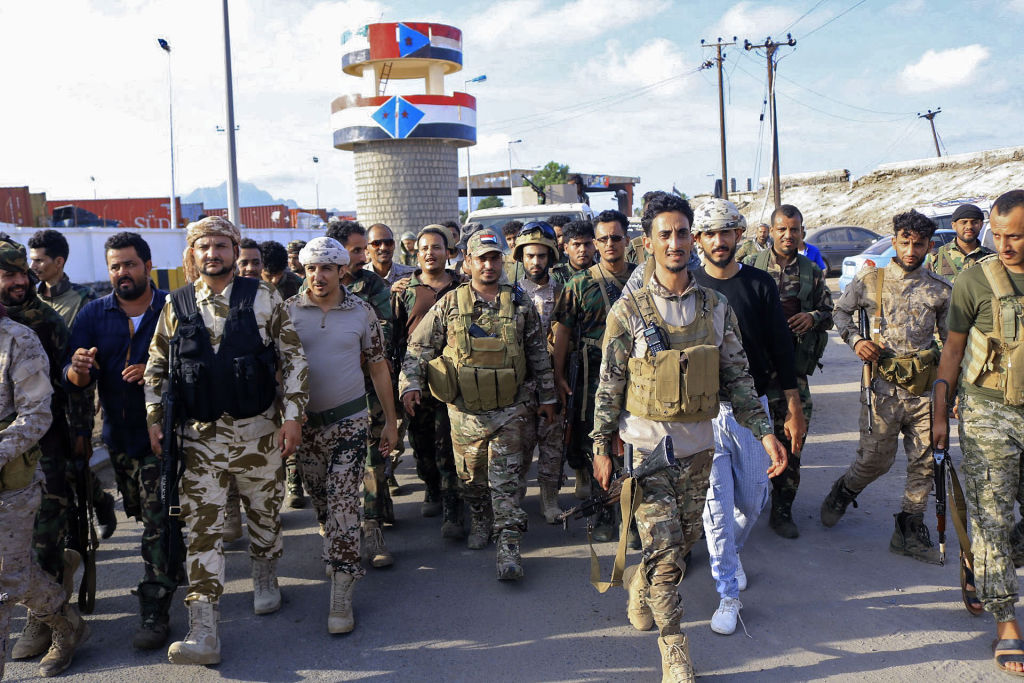
“Self-rule” in Aden and the implications for Russia
Russia acts as a “key if quiet player” in southern Yemen, where its approach has been based on strategic neutrality. The goal has been to position Moscow as a greater stakeholder in mediation between the various Yemeni parties and outside players. Moscow has engaged the Southern Transitional Council, the UN-recognized Yemeni government led by President Abed Rabbo Mansour Hadi, the Houthi rebels, as well as the three main regional powers intervening in Yemen — Saudi Arabia, the UAE, and Iran.
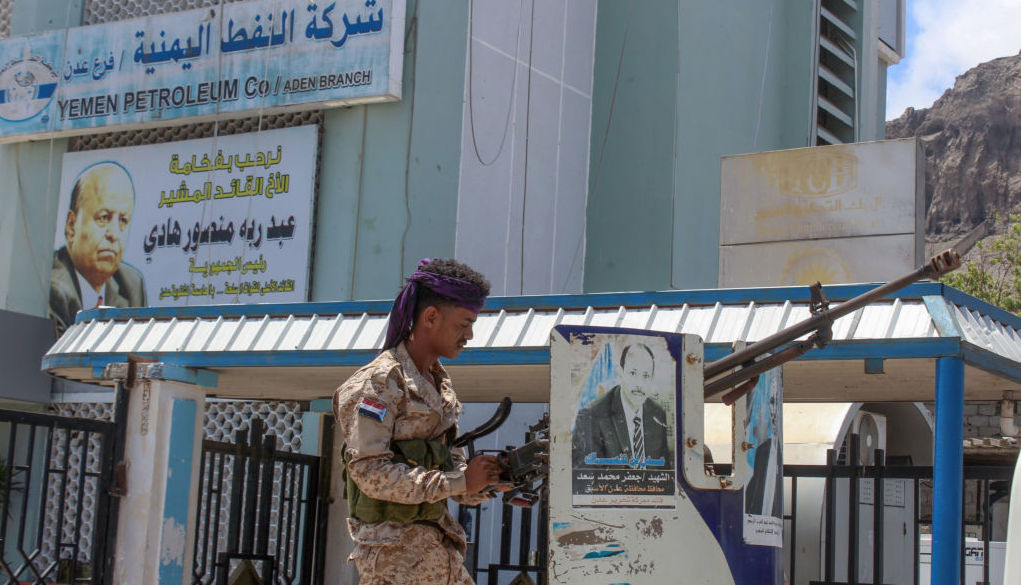
Yemen's competition for Saudi patronage heats up as the STC declares self-rule
On April 25, the Southern Transitional Council declared self-administration and claimed authority over state institutions in the interim capital of Aden. The declaration demonstrates the region’s volatility, the limited reach of Yemen’s government, and the difficulty of imposing a solution to the problem of secessionism. It is also sparking political competition for Saudi patronage, and all of this poses a major diplomatic challenge for the Saudis.
Everything is changing rapidly amid the COVID-19 pandemic. These changes are occurring primarily at the national level, affecting politics, society, and economics, but the pandemic is also having a major impact on international relations.
The Impact of the Coronavirus Pandemic on China’s Belt and Road Initiative in the Middle East
The coronavirus has hit the Middle East at a time when the region is already burdened with multiple problems, including a series of long-running conflicts, sectarian tension, economic crises, and widespread political unrest. This article provides a preliminary assessment of the effects of the covid-19 virus on China’s Belt and Road partners and activities in the region.
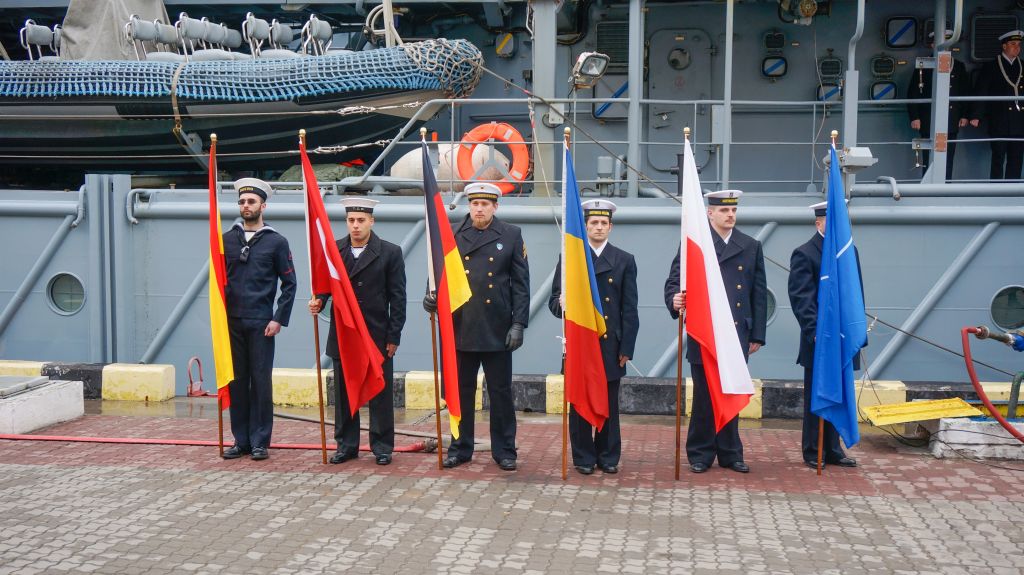
For an organization whose primary mission is collective security in the North Atlantic area, the Black Sea is a very important region for the North Atlantic Security Organization (NATO). This region forms the southeastern frontier of NATO’s area of responsibility. Thanks to Russia’s actions in the region, there are more miles of coastline under illegal military occupation along the Black Sea than in any other place in the world.