Lebanon crisis: How the US can bypass Hezbollah and help the people
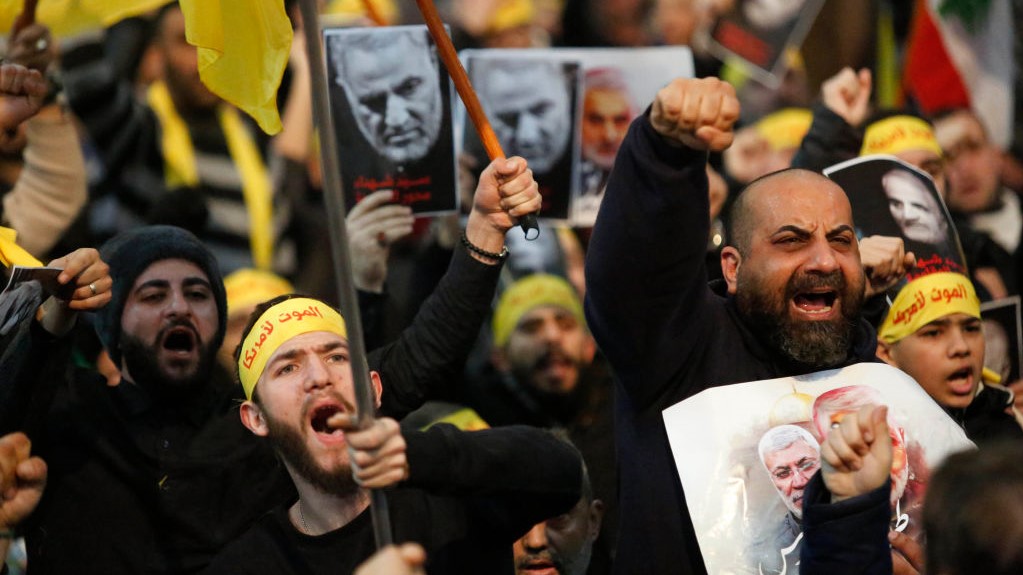
As Lebanon nears a breaking point due to its acute financial crisis, the Trump administration faces a policy dilemma: should it financially support a corrupt ruling faction that is allied with Hezbollah – Iran’s friend and Washington’s nemesis – or should it hold off on aid and watch the country fall apart?
And now what? A realistic approach to the Israeli-Palestinian impasse
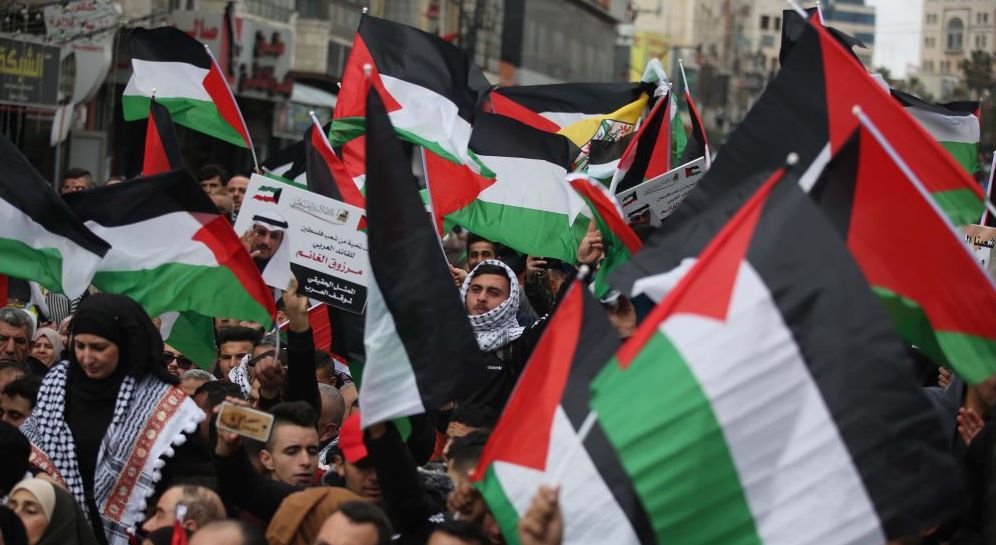
The announcement of Donald Trump’s “deal of the century” was a rude shock, roundly condemned by almost everyone concerned with peace and justice between Israelis and Palestinians. But it also presents an urgent challenge for all those who reject it because they realize the dire implications of what it portends for the future of any peaceful negotiated solution. If a genuine two-state solution is truly dead, and an equitable one-state solution is even harder to achieve, then where does that leave us? What is, or should be, the agenda for the foreseeable future for those concerned with the Israeli-Palestinian issue.
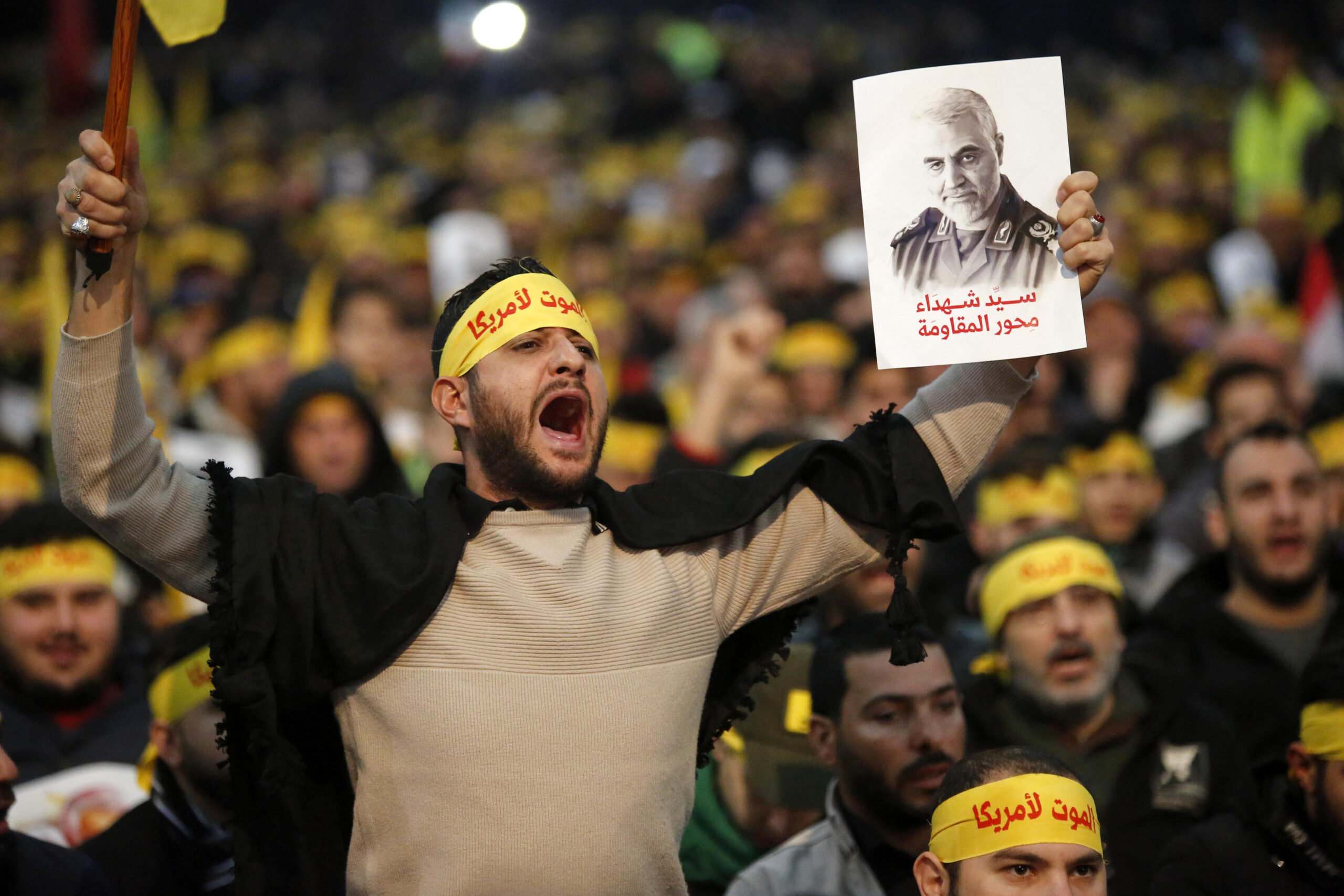
The past decade and a half have been a real whirlwind for Hezbollah, but the group seems to have weathered all of these storms, at least for now. However, it’s one thing for Hezbollah to survive and another altogether for it to thrive. In a special roundtable report from MEI, renowned Hezbollah analysts offer their perspectives on a series of key questions about the major upcoming challenges facing the group. This report includes contributions from Bilal Y. Saab, Nicholas Blanford, Nizar Hamzeh, Matthew Levitt, Magnus Ranstorp, Bruce Riedel, Randa Slim, and Michael Young.
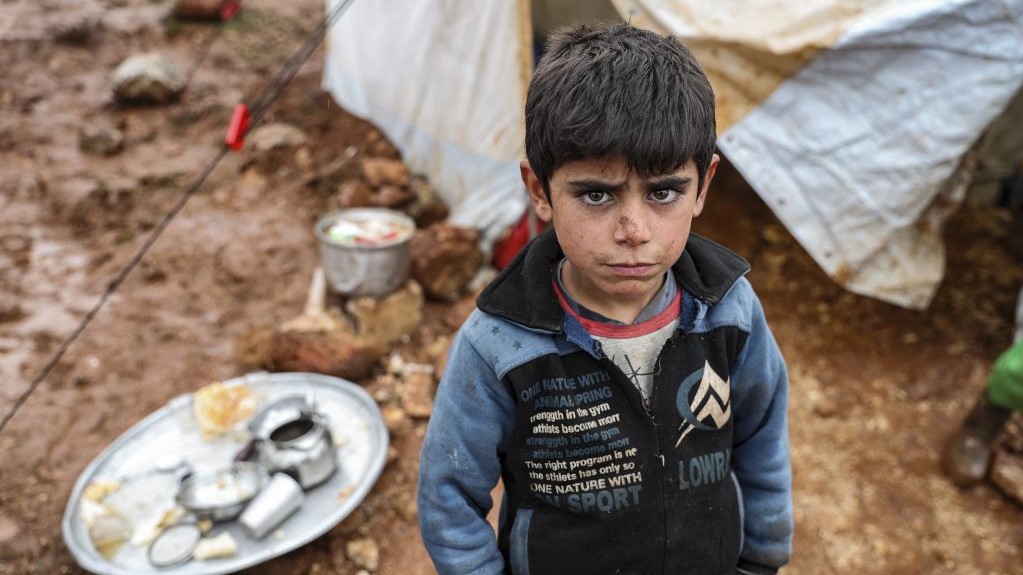
“People can’t even afford to buy bulgur”: Discontent is on the rise as Syria’s economic crisis worsens
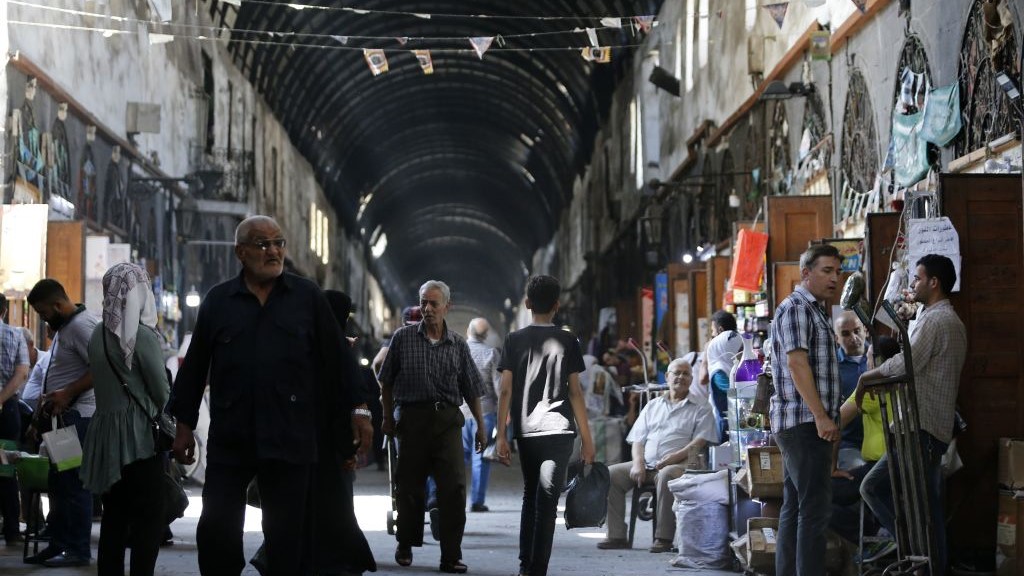
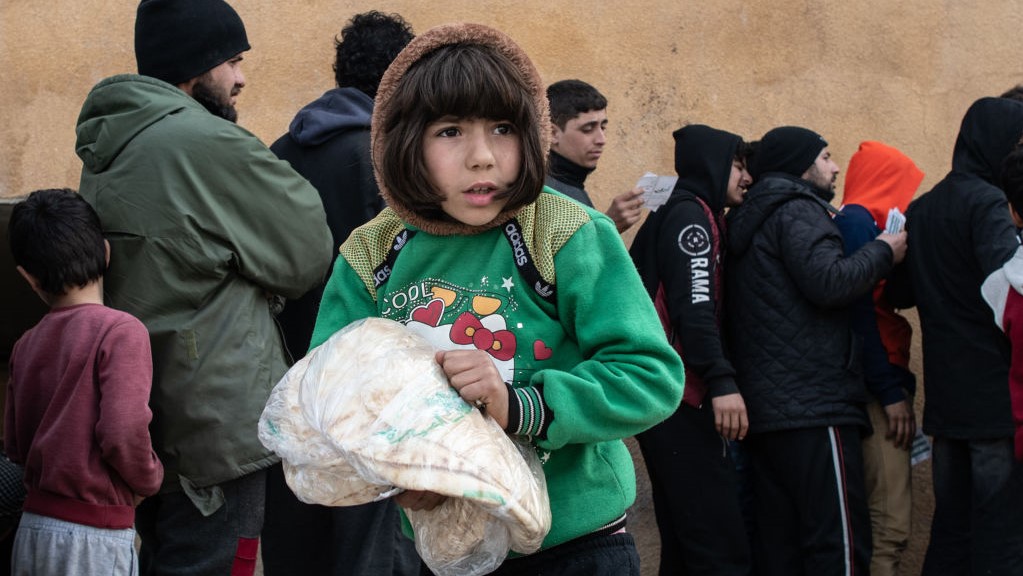
The latest economic crisis in Syria is hitting the population hard. Syrians have been beset by currency depreciation, soaring prices for basic goods, and energy shortages that have left people to freeze in the harsh winter, leading to growing and increasingly vocal discontent.
A wake-up call: The Idlib crisis and its effects look set only to worsen
The death of at least 33 Turkish soldiers and wounding of 60 more in Syria’s Idlib on Thursday night was a game-changing development. The crisis there and its effects represent an existential threat to Turkish President Recep Tayyip Erdogan and for now, it appears likely that Turkey will remain alone in dealing with the crisis. That presents us with two possible scenarios, both bleak. If the world wants to avoid a true nightmare from becoming reality, it needs to wake up and get engaged.
Will Iran replace its presidency with a parliamentary system?
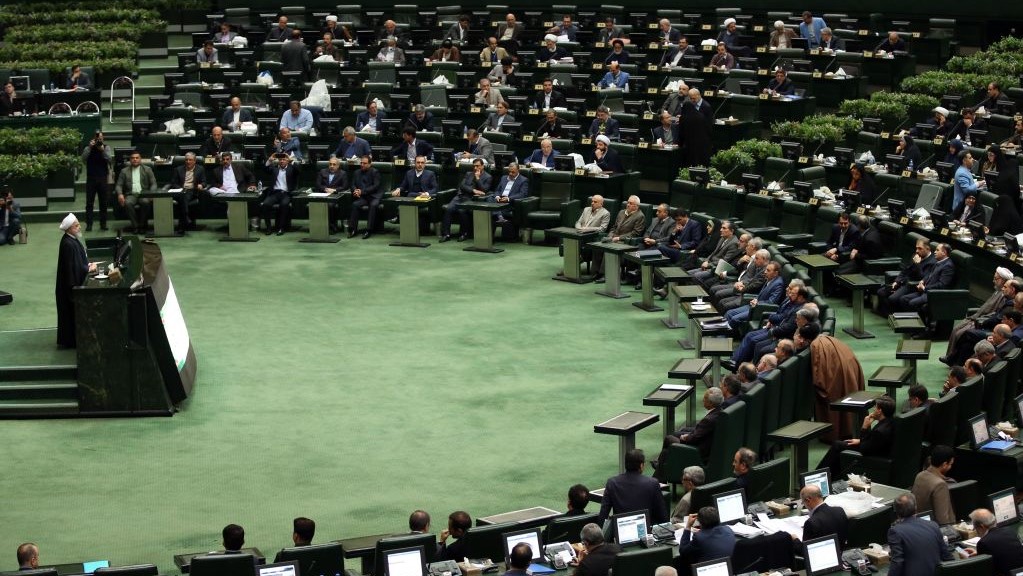
The results of Iran’s recent elections and preparations for the succession of Ayatollah Khamenei as supreme leader could mean that the topic of replacing Iran’s presidential system with a parliamentary one may very well be up for discussion again.
U.S. Middle East policy tends to elicit the most heated debates in Washington. But if there’s one issue on which there’s near unanimous consensus it is that the region is in desperate need of a new security architecture that ideally would generate stability but more realistically reduce tensions and the risk of hostilities and escalation. Even regional antagonists agree that the time to form such an architecture is now.
Geopolitics and propaganda: Lessons from the Black Sea
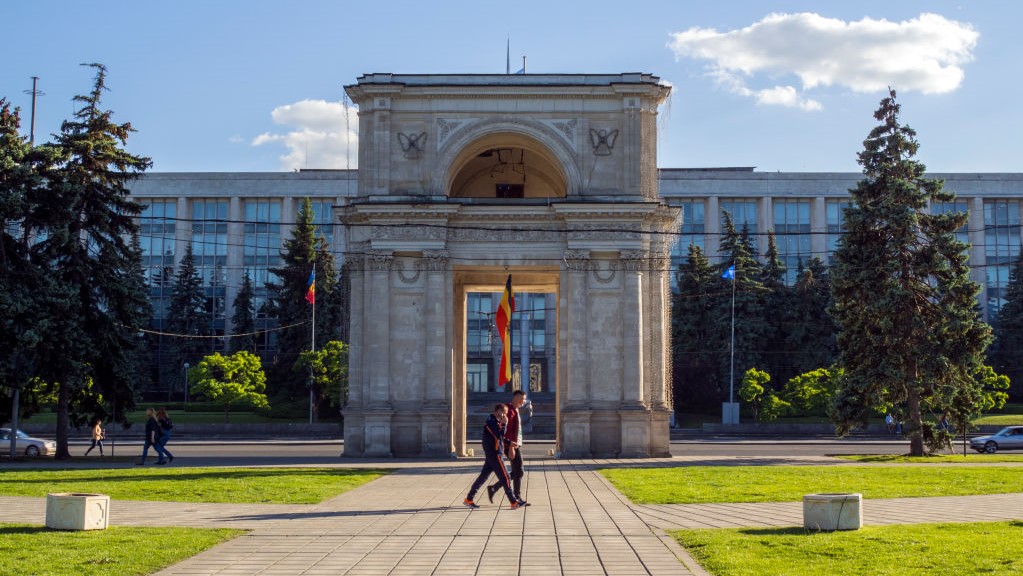
Since Russia’s 2014 annexation of Crimea, malign foreign influence within EU countries has been the subject of considerable scrutiny. What lessons can be learned from comparing EU and NATO members Romania and Bulgaria with partner countries Moldova and Georgia?
If the West leaves Idlib to Russia and Assad, it won’t be only Syrians who pay the price
If Assad and the Russians are not reined in and are instead allowed to conquer Idlib — and the more than three million people trapped there — the results could be catastrophic, leading to massive displacement and loss of life.
Russia’s Middle East: You probe with bayonets. If you find mush, you proceed …
This paper looks at the 2018 U.S. National Defense Strategy (NDS), and the Irregular Warfare Annex (IWA) to that guiding document, with recommendations on how to better implement the strategy. It also analyzes the current Russian way of conducting irregular warfare by reviewing their actions in Ukraine, Syria, and Libya.
Community Policing in the Middle East and Africa: A Matter of Context?
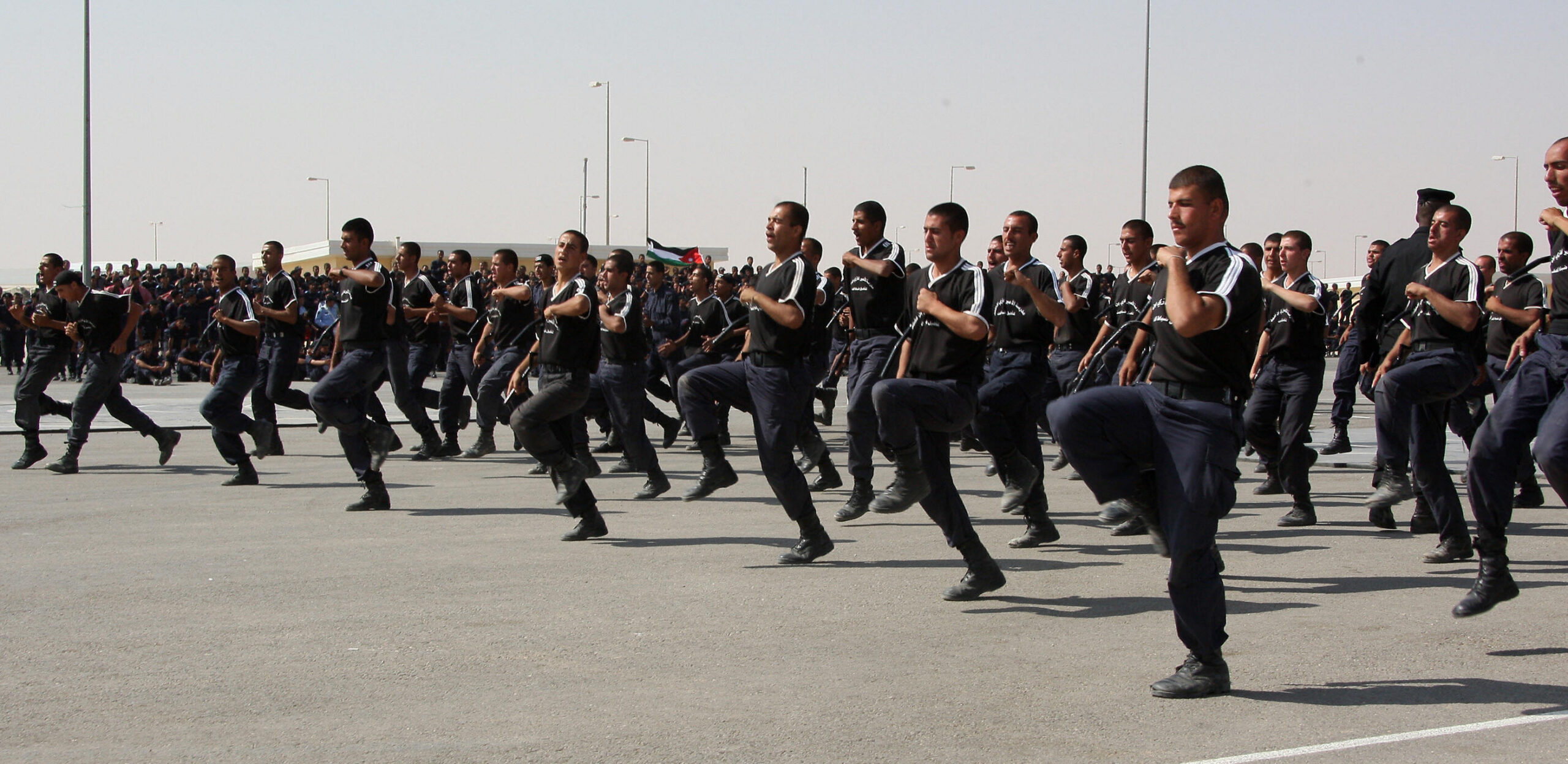
This article explores some of the challenges associated with introducing what is, in effect, a “Westernized” community policing concept to the Middle East and Africa. The authors are practitioners in this area from Northern Ireland and Jordan having in excess of 50 years policing experience between them. They have advised upon, trained and implemented programs on “Community Policing and Engagement” in the Middle East (Jordan, Qatar, Lebanon) as well as in the Horn and South East Africa, Central Asia, Eastern Europe and the Balkans. They argue that more attention needs to be paid to basic context setting and understanding of the perceptions of the beneficiary state and communities therein on, what can be, an alien concept of Community Policing/Engagement and Outreach. They further argue that problem solving and informal justice/dispute resolution mechanisms in the Middle East, Horn and Sub-Saharan Africa can form part of a new and bespoke package “fit for purpose” in these contexts.
The UAE may have withdrawn from Yemen, but its influence remains strong
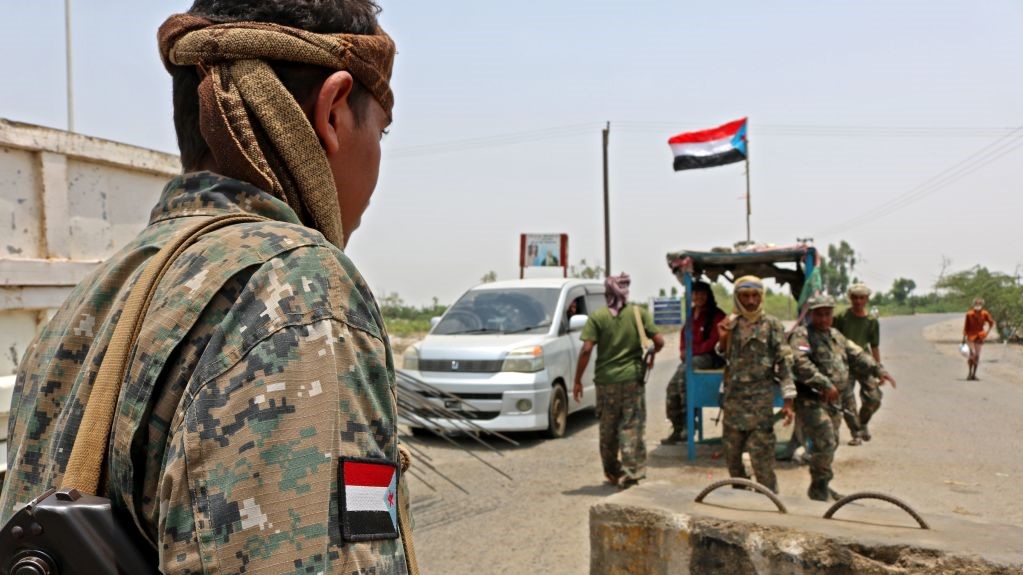
On Feb. 9, 2020, after five years of involvement in Yemen’s civil war as part of the Saudi-led coalition, the UAE’s leadership celebrated the completion of its phased military withdrawal from the country in a ceremony at Zayed Military City. Although the UAE’s withdrawal has provided an exit strategy from the stalemate in Yemen, it neither suspends Abu Dhabi’s role in the coalition nor curtails Emirati influence on the ground.
Why Erdogan can't afford to back down over conflict with Assad and Russia
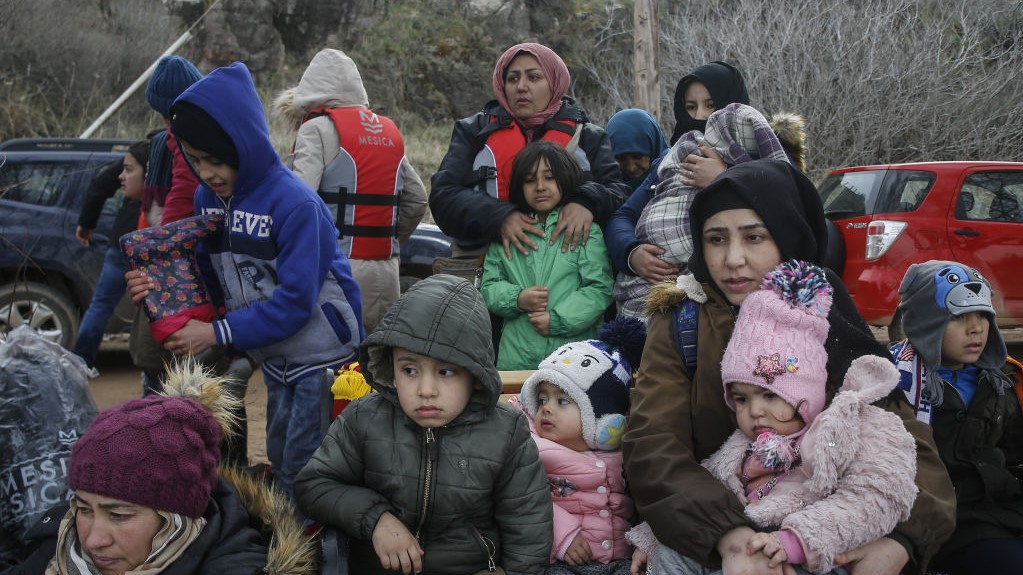
Nearly a million civilians, 81 percent of them women and children, have been displaced from their homes in 90 days in Syria’s northwestern province of Idlib, amid a brutal military campaign by Syria’s Assad regime, Russia and Iran-backed militias.
Why there’s little media coverage of the Lebanon and Iraq protests
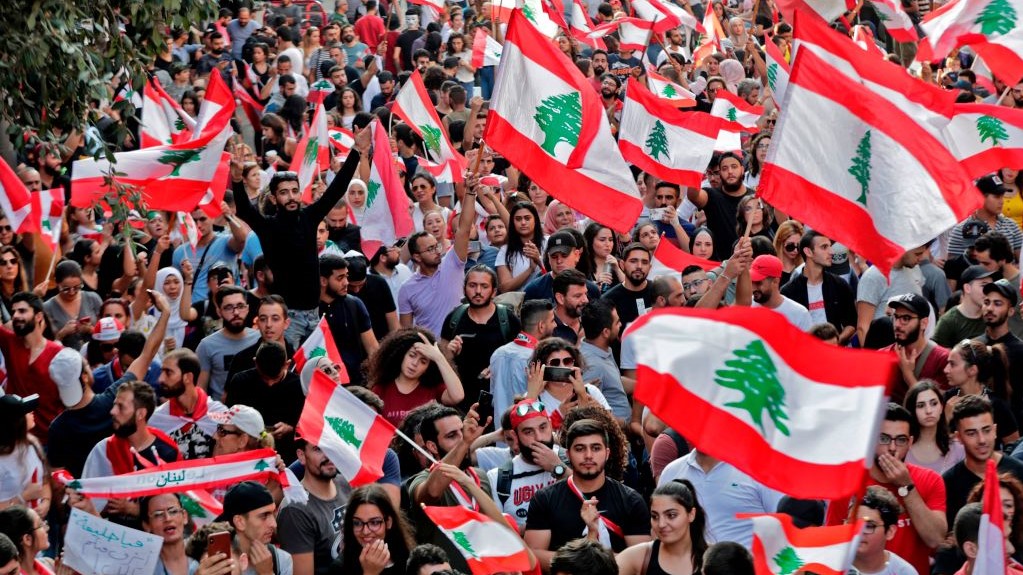
Lebanese and Iraqi protesters have faced an uphill battle drawing global media attention since Arab Spring-like uprisings erupted in both countries last October. Coverage of the protests has been dwarfed by other major international news stories running concurrently with the uprisings, such as Brexit and the Hong Kong protests. The main implication of low coverage has been a lack of sustained international pressure on Lebanese or Iraqi political leaders to accommodate protester demands for wholesale systematic changes.
Middle East disinformation: 2020 prospects & solutions
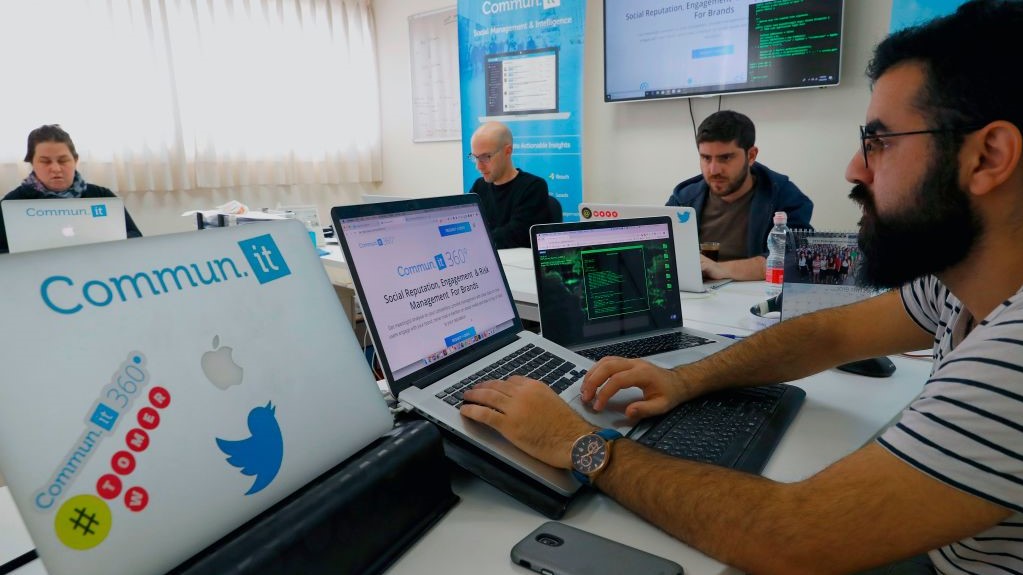
Social media has transformed the information landscape in the Middle East over the past decade. The 2009 Green Revolution and the 2011 Arab Spring demonstrated the enormous power of platforms like Twitter and Facebook for political organizing. Popular perception in the U.S. at the time was that these services would democratize a region notorious for its strongman governments. But it also showed governments and militants in the Middle East how powerful social media campaigns can be, if co-opted for their own purposes.