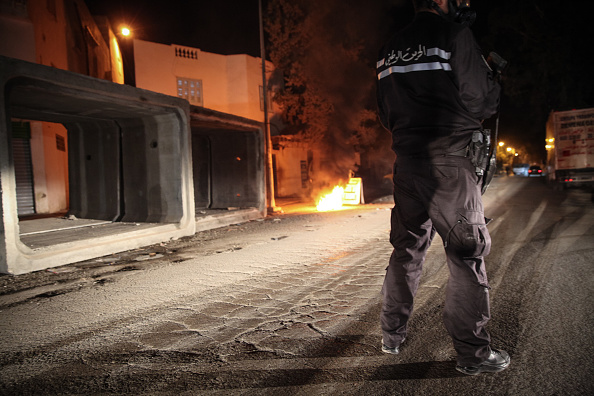
Since the intensive campaign of civil resistance that culminated in the January 2011 ousting of President Zine El Abidine Ben Ali after 24 years in power, Tunisia has undergone a political transition that has produced a new constitution, unharnessed civil society, and delivered much-needed political and economic reforms. Although the transition process has also included security sector reform (SSR), Tunisians remain insecure — subjected to a steady, unabated diet of everyday violence.
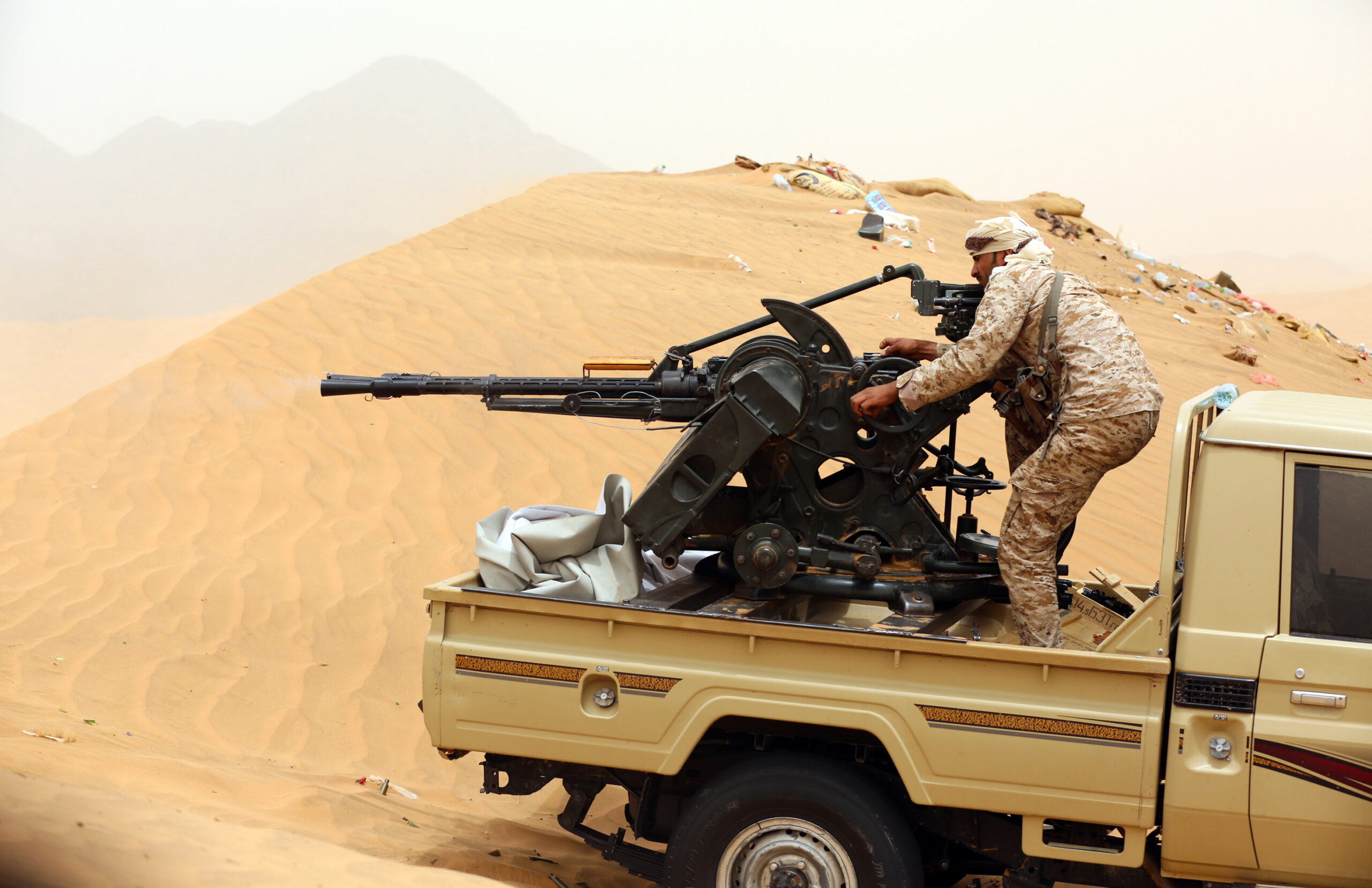
The ongoing civil conflict in Yemen is a continuation of a cycle of violence, political upheaval, and institutional collapse, caused by the failure of Yemeni society to address and resolve the popular anger and frustration arising from political marginalization, economic disenfranchisement, and the effects of an extractive, corrupt, rentier state.
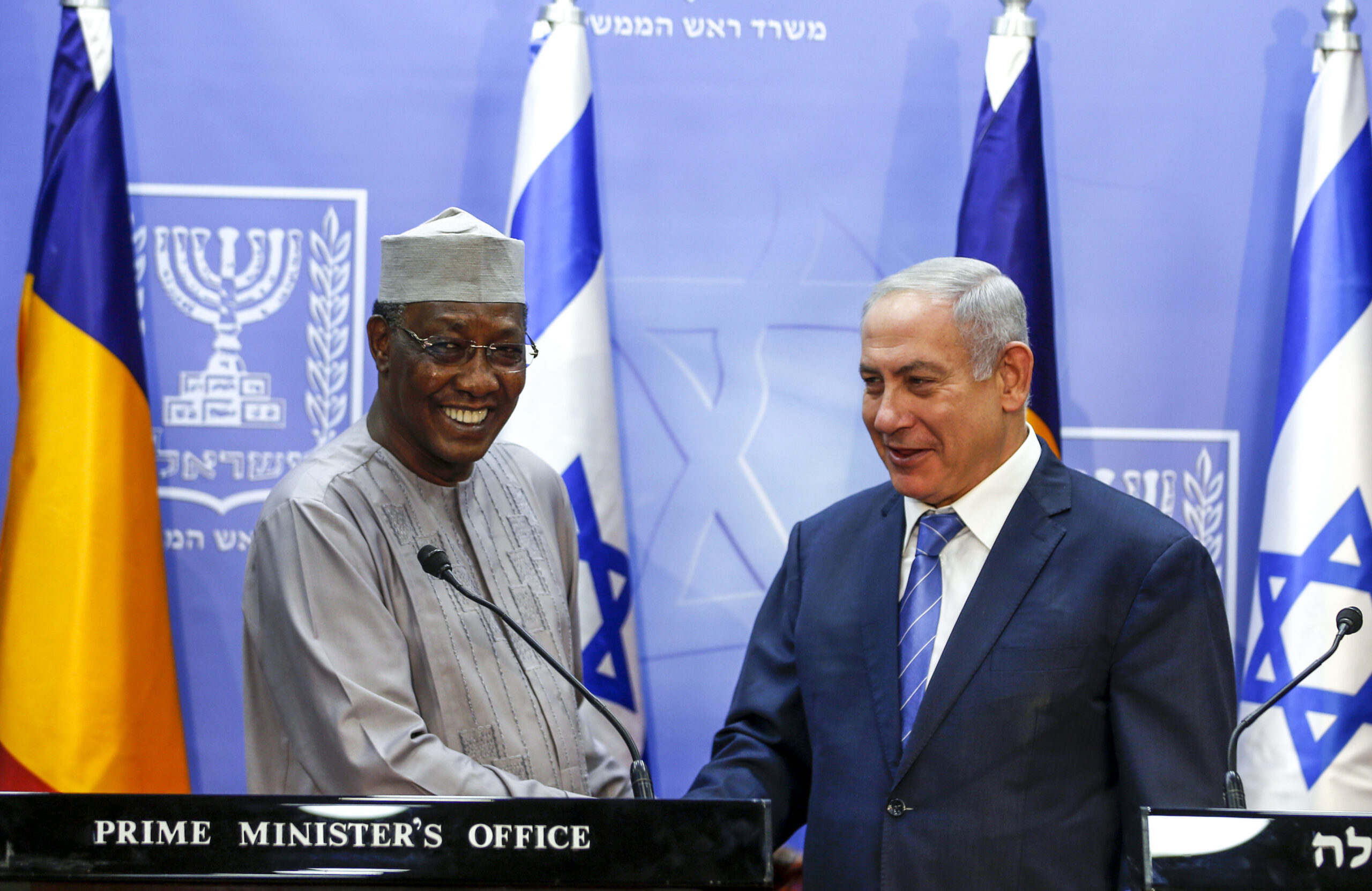
Recently, Israeli Prime Minister Benjamin – Netanyahu began a mission to cultivate ties with African nations– through incentives of economic aid and defense technology– in order to strengthen Israel’s position in the international community. Chadian President Idriss Deby’s visit to Jerusalem in January is only one component of a long line of Israel-Africa visits and agreements.
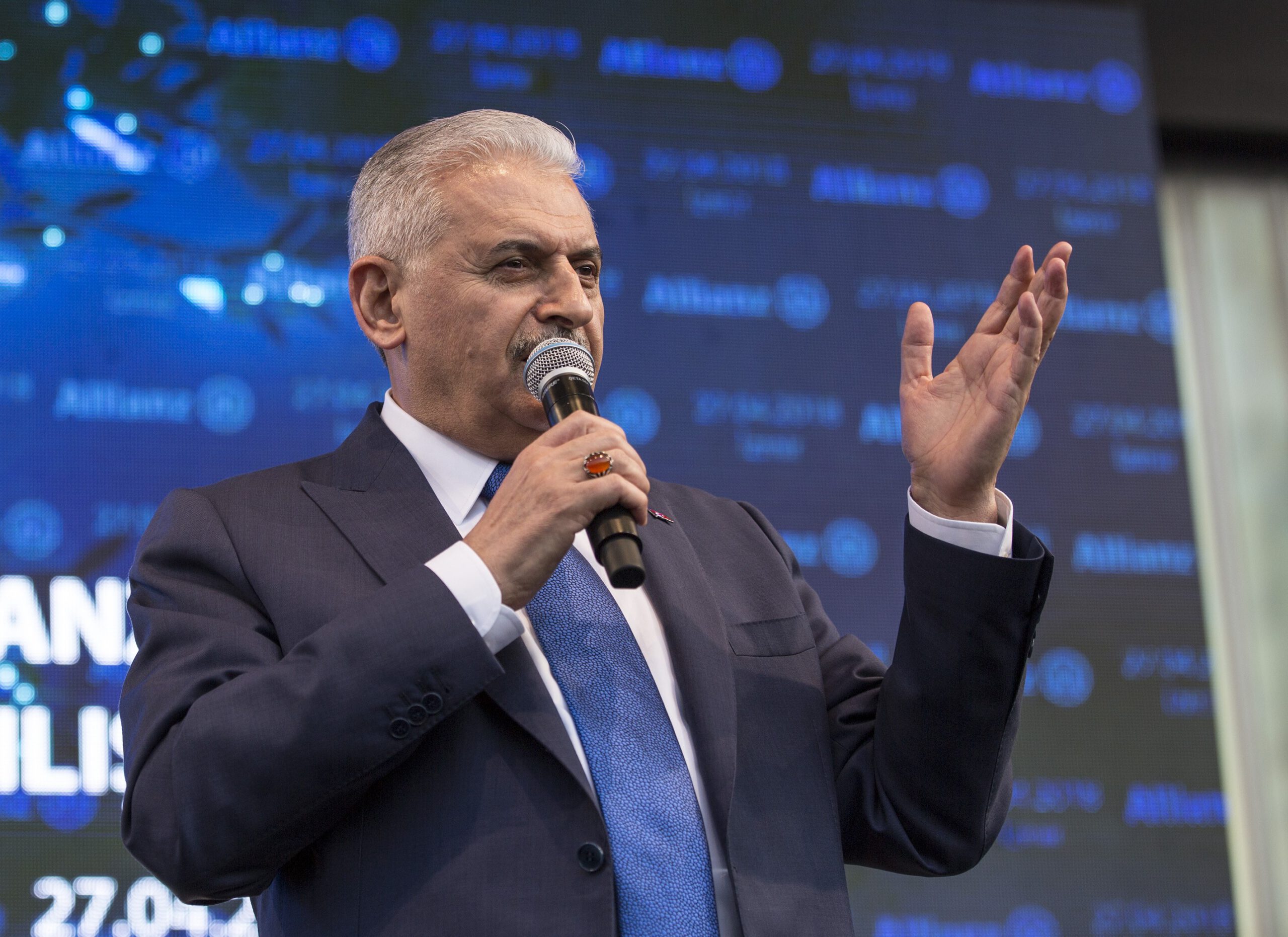
Turkish President Recep Tayyip Erdogan angles to gain further influence as a leader of the Sunni Islamic world through an unlikely vehicle – Islamic insurance, or takaful.
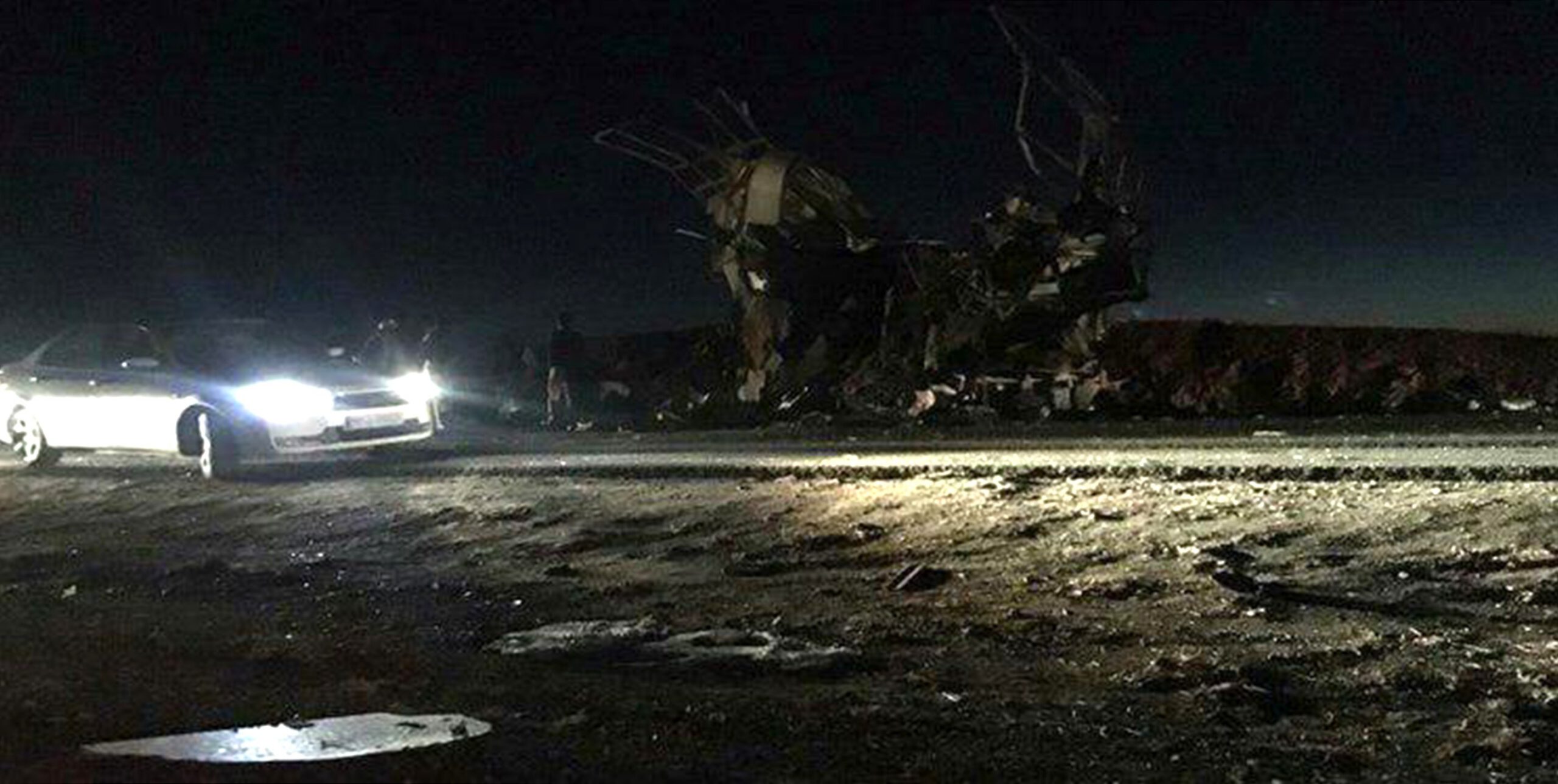
The suicide attack today, which killed at least 20 members of the Islamic Revolutionary Guards Corps (IRGC) in Iran’s southeastern province of Sistan and Baluchistan, may have serious implications for the Iranian government’s ability to maintain the legitimacy of its regional intervention in the eyes of the Iranian people.
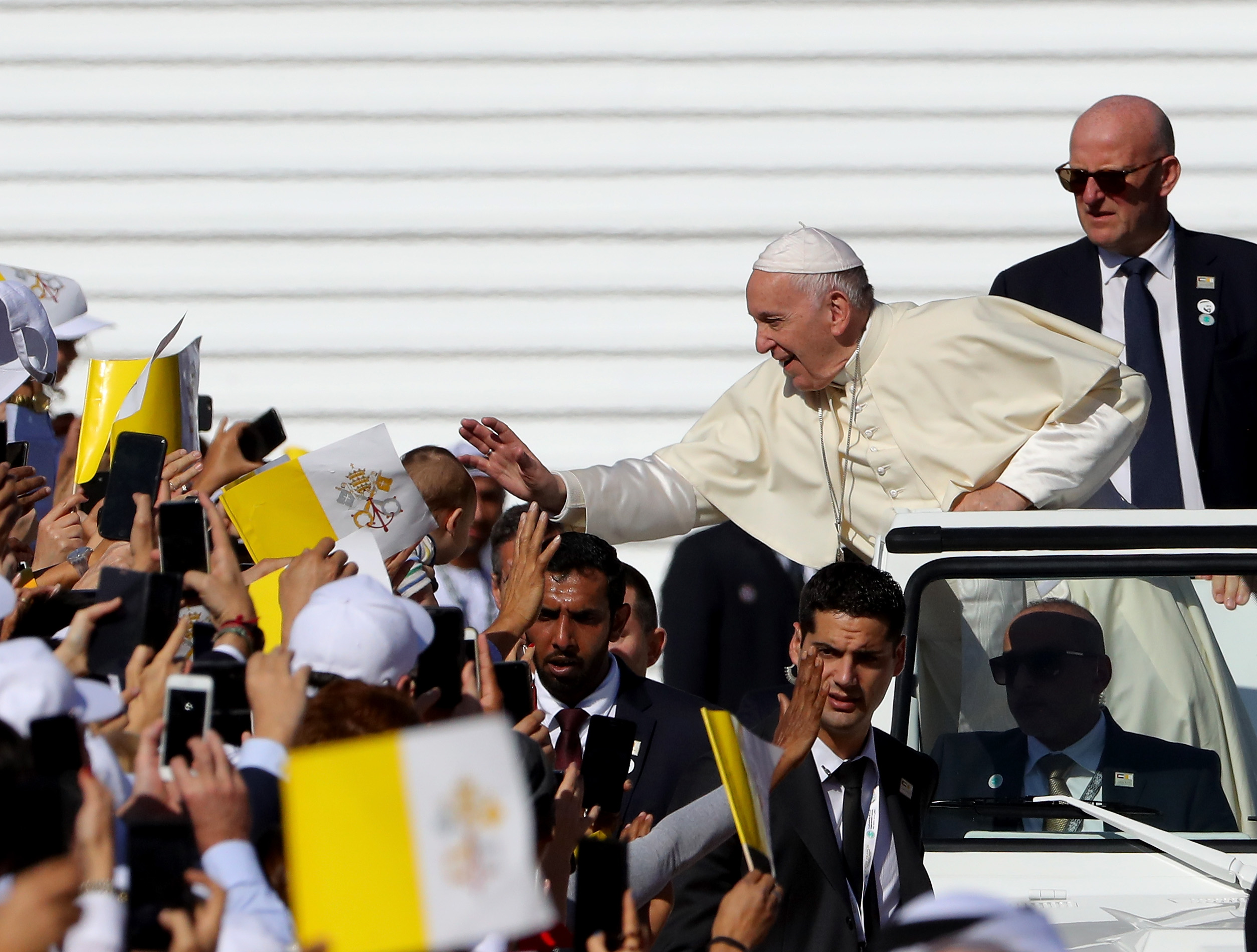
Pope Francis’s recent visit to the UAE is not only a landmark event for inter-religion relations and tolerance, but also represents a strategic geopolitical move by the Emirati government.
Responding to Natural Disasters in the MENA Region and Asia: Rising to the Challenge?
A “disaster” refers to a sudden, calamitous event that disrupts the functioning of a community or an entire society. Natural disasters range from earthquakes, tsunamis, and landslides to droughts, floods, and storm surges. Some disasters result from a complex combination of natural and man-made causes, and are typically characterized by extensive violence and mass displacement.
Climate Change, Sea Level Rise, and Sustainable Urban Adaptation in Arab Coastal Cities
This article highlights how the lesser-known issue of sea level rise makes Arab states increasingly vulnerable to climate change. Using the city of Doha as a case study to highlight how sea level rise represents a critical threat to many Arab coastal cities and a national security challenge to Gulf Arab nations, this article underscores the need for greater anticipation in the region’s urban planning of the risks posed by climate change and sea level rise.
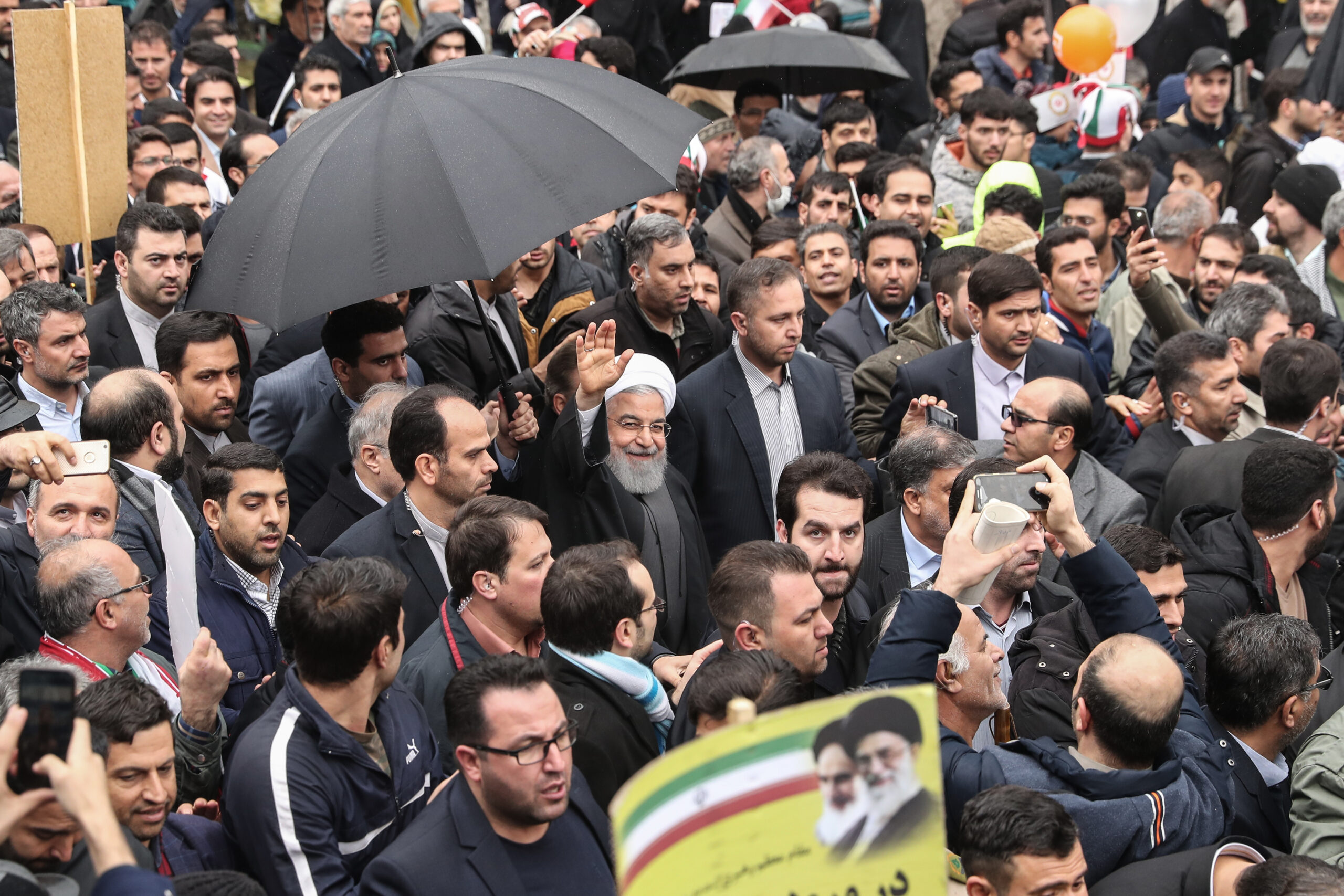
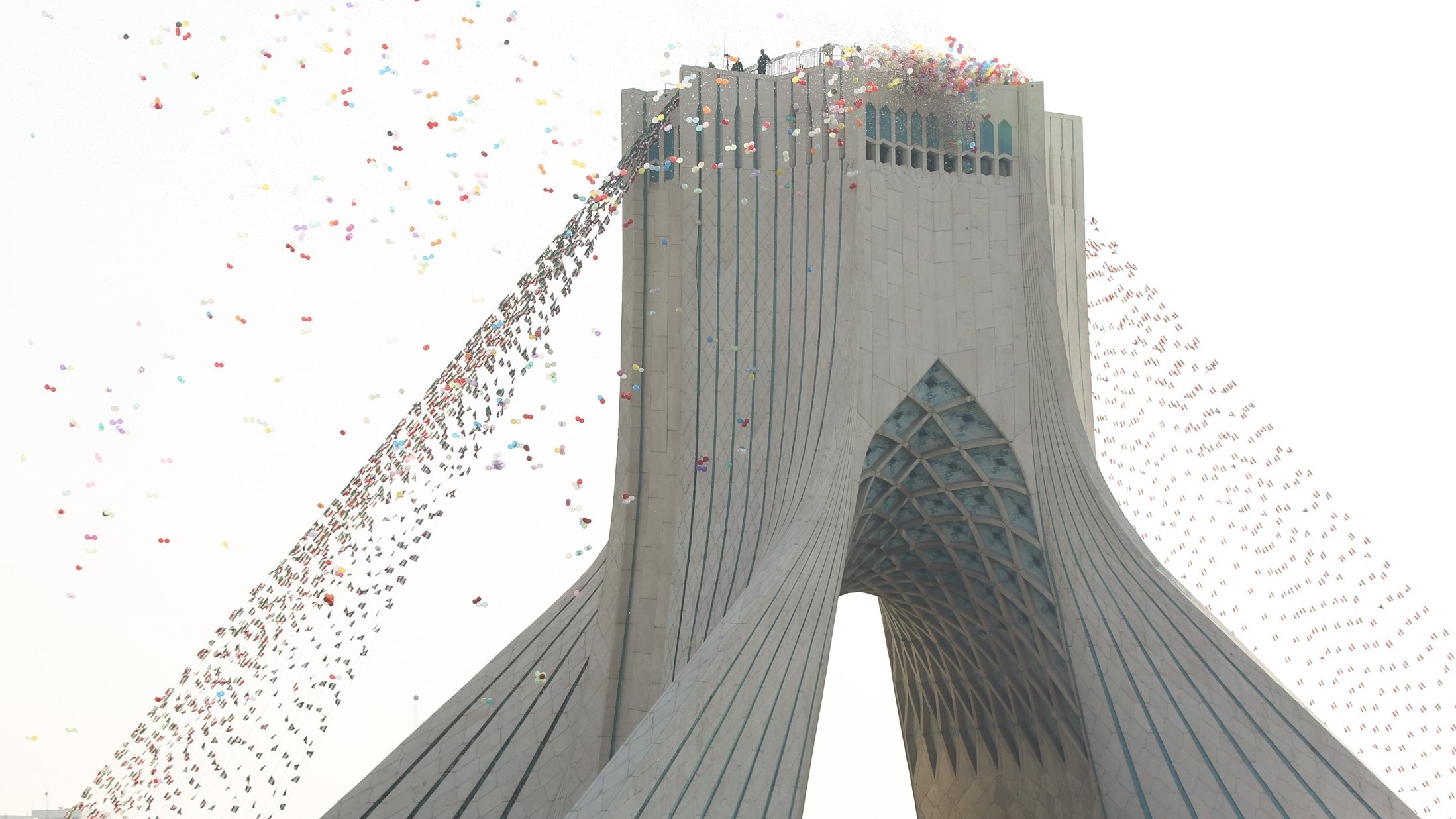
In this week’s Monday Briefing, MEI experts Ahmad Majidyar, Mirette F. Mabrouk, and Hassan Mneimneh provide analysis on recent and upcoming events including the 40th anniversary of Iran’s Islamic Revolution, a proposal for constitutional amendments in Egypt, and Iraqi PM Abdul-Mahdi’s first 100 days in office.
Challenges abound as the Islamic Republic turns 40
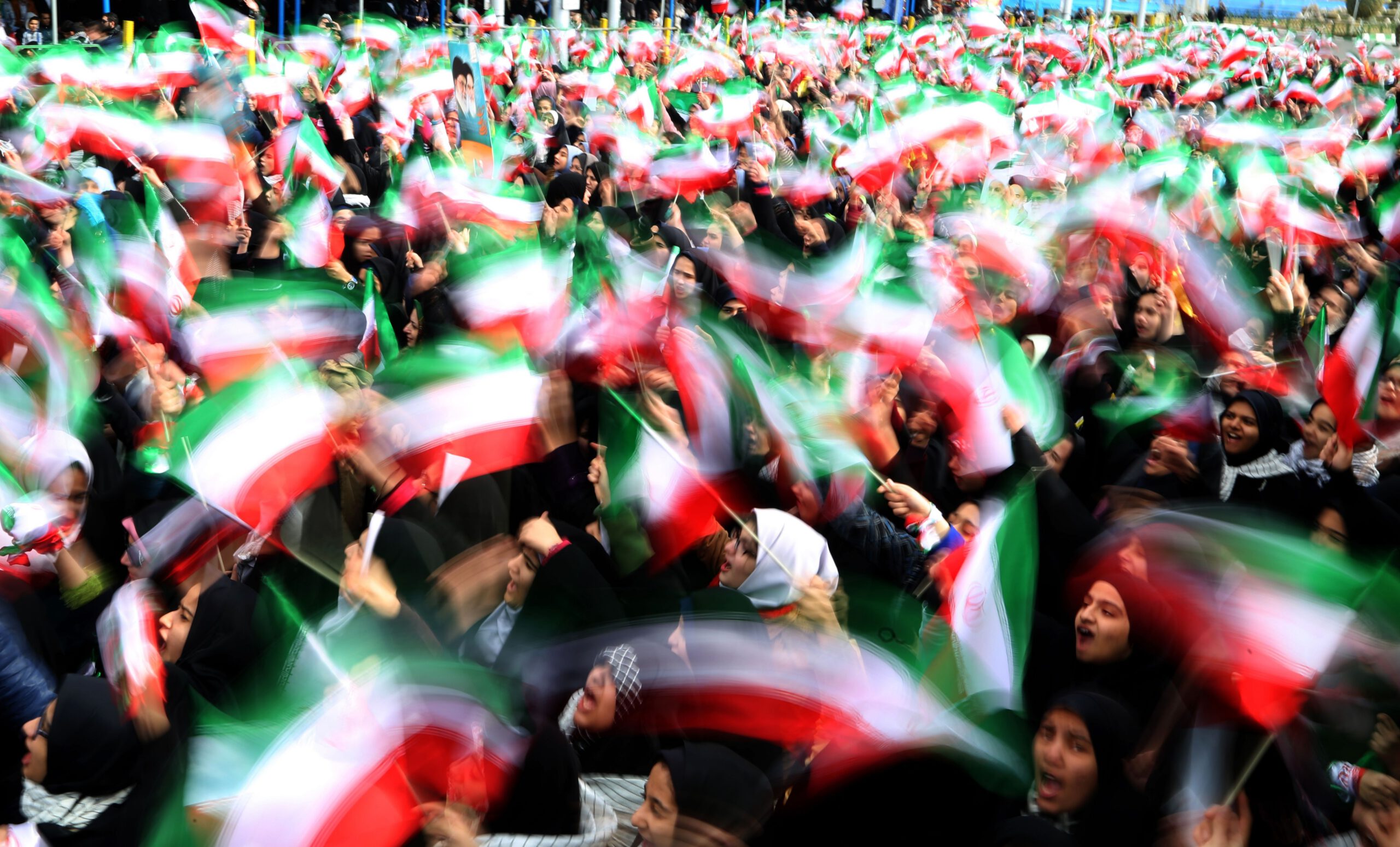
This February marks the 40th anniversary of Iran’s 1979 revolution and the birth of the Islamic Republic, but for those in power in Tehran, celebrating the victories of the past is easier than dealing with the problems of the present. Challenges abound on all sides.
Iran and the Gulf states 40 years after the 1979 revolution
Geopolitically, the Iranian Revolution did more to transform the Middle East than any other event in the second half of the 20th century. It aimed to restructure not only Iran’s society and political system, but also others across the Islamic world. Refusing to align with either the United States or the Soviet Union in the Cold War, the newly established Islamic Republic sought to create a new geopolitical order in the Persian Gulf and greater Middle East based on a mantra of “neither East nor West.”
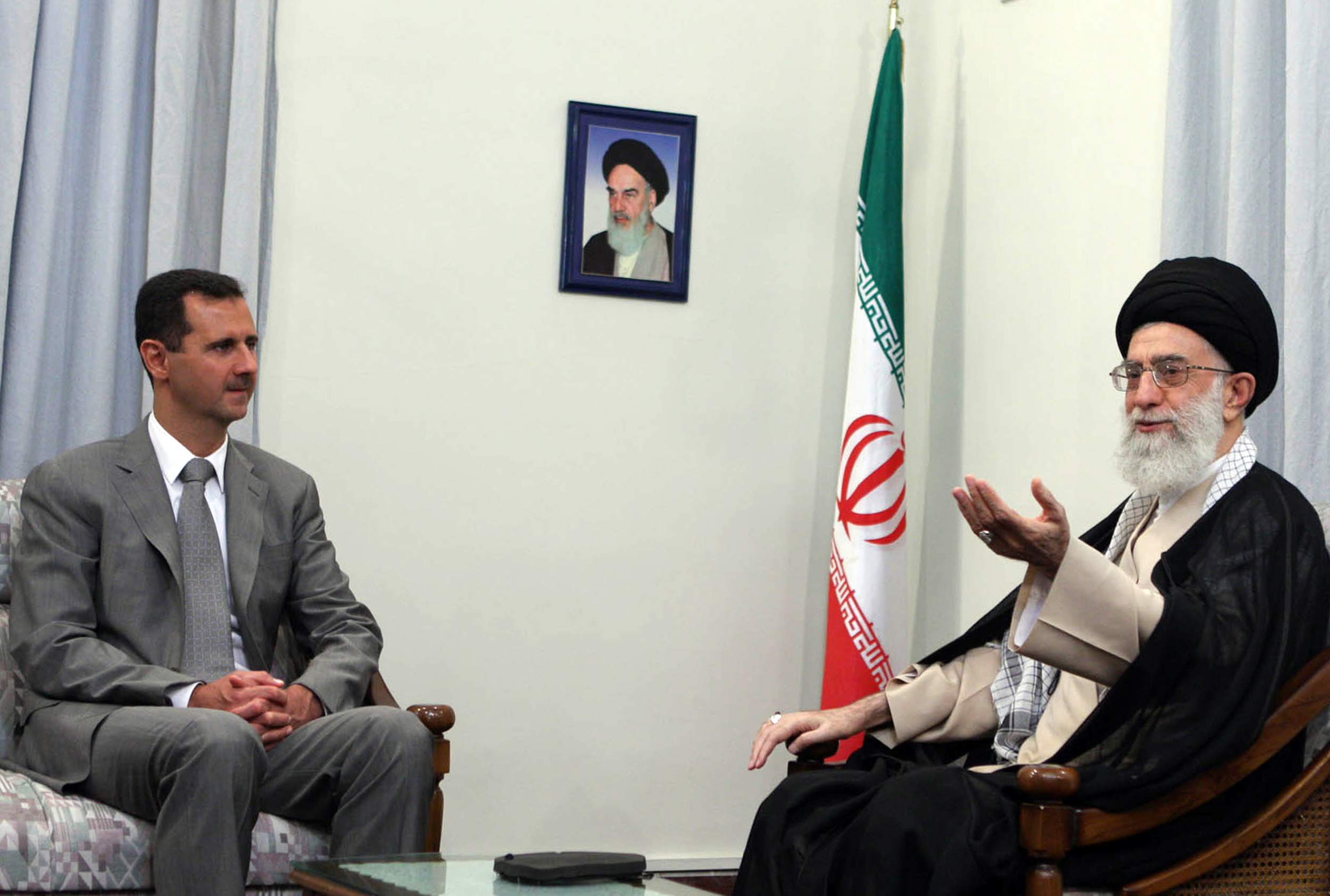
Why Assad’s alliance with Iran and Hezbollah will endure
This article was published by IranSource on February 6, 2019.
The Tehran-Damascus-Hezbollah trilateral partnership has been decades in the making. It pre-dates the Syrian civil war, has strengthened as a result of the war and will likely endure in the post-war years.
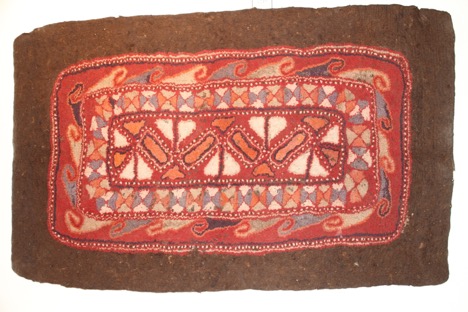
As Iraqi Kurds gain more autonomy than ever in modern history, they seem to be losing their cultural heritage. This is exemplified best by the disappearing tradition of Kurdish carpet weaving.
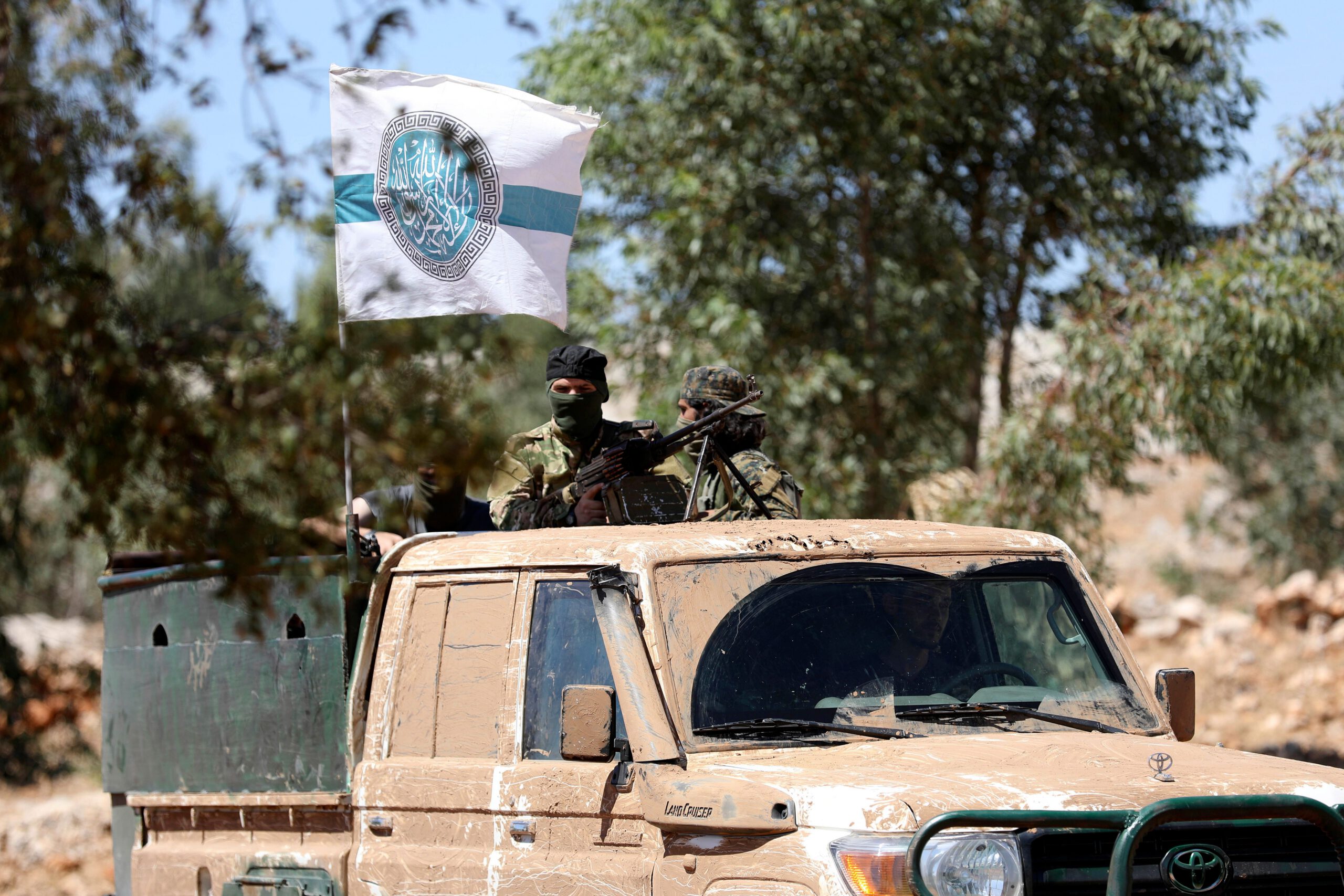
Renouncing al-Qaeda and the prospects for engagement
Hayat Tahrir al-Sham’s (HTS) recent seizure of the northern Syrian province of Idlib once again brings to the fore the debate over HTS’ renunciation of al-Qaeda (AQ). But can a group renounce AQ? If so, how should Western countries react, if at all?
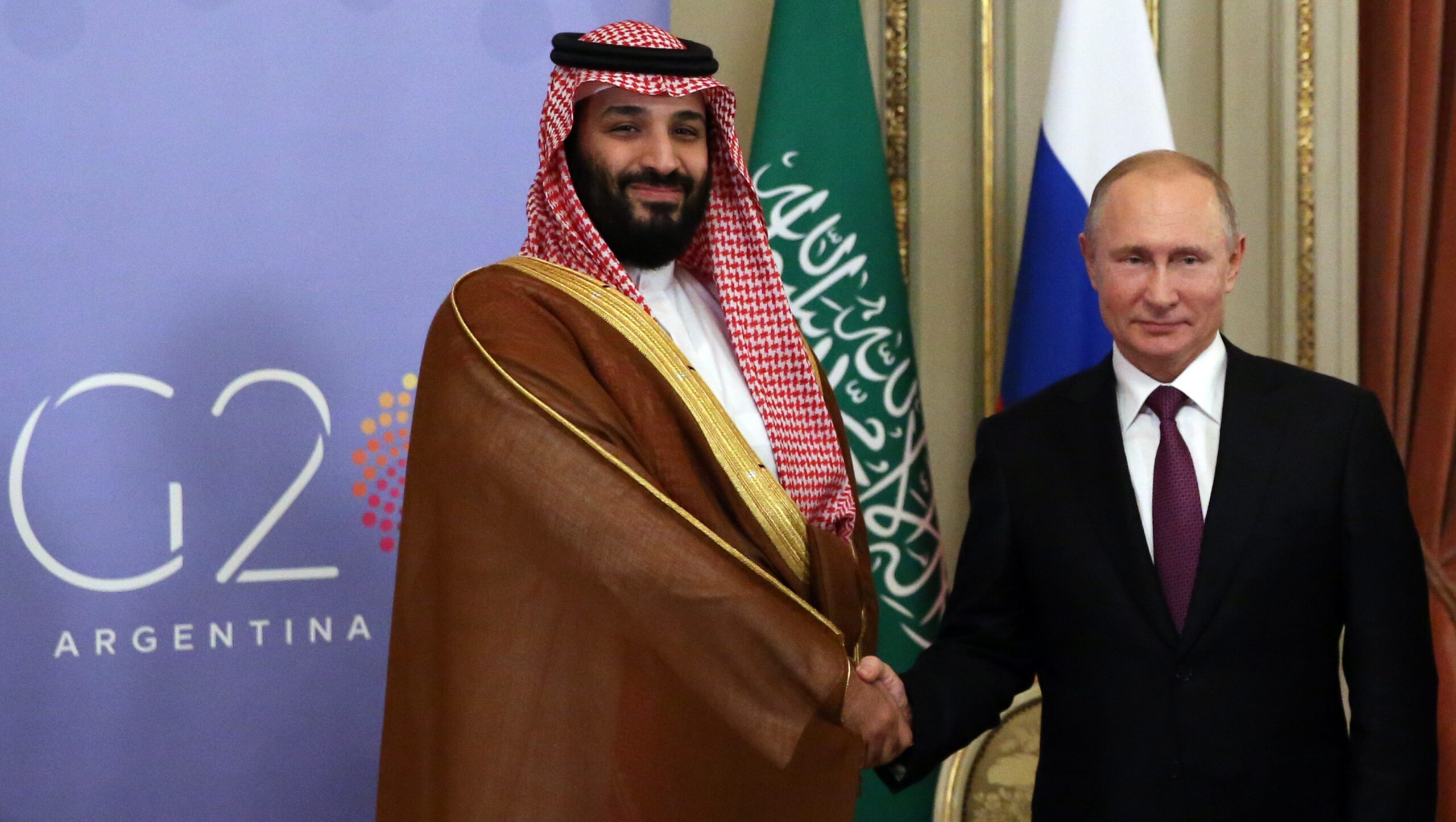
Growing ties with Russia could strain Saudi-US relations
With more of their geopolitical goals aligning, ties between Riyadh and Moscow are growing closer, and the kingdom plans to invest billions of additional dollars in Russian petroleum and other projects.