Go West at What Cost? China’s Pivot on Middle East Studies
“… China’s move to gain a foothold in Middle East diplomacy, might not be such a bad thing … But the consequences for China moving closer to U.S. and Israel on Middle East policy could also mean alienating its partners in Muslim societies in the region.” [May 10, 2013] Read this article …
China’s Iraq Oil Strategy Comes Into Sharper Focus
“…Despite the inherent risks in dealing with complex and unstable markets such as Iraq, Chinese investors have been gaining a foothold in the country’s energy sector and in doing so have begun to face a unique set of challenges. In addition to having to navigate a tumultuous political and security environment, China is engaging a country that for a long period of time remained effectively under U.S. military occupation even as the central Iraqi government operated under a framework of limited sovereignty …
This article was originally published on Salon.com on May 10, 2013
Watching Syria is like looking through a kaleidoscope. The picture seems to change dramatically in response to the slightest jolt, but the components remain the same. The past week has seen lots of jolts, but no real change in the elements that make up the sad picture.
Iraq's Oil Sector Open for Business: The Asia Connection
Post-occupation Iraq’s oil production ― buoyed by the existence of vast unexploited reserves ― is resurgent. Asian national oil companies (NOCs), which tend to be less risk averse than many of their Western counterparts, are increasingly making their presence felt.
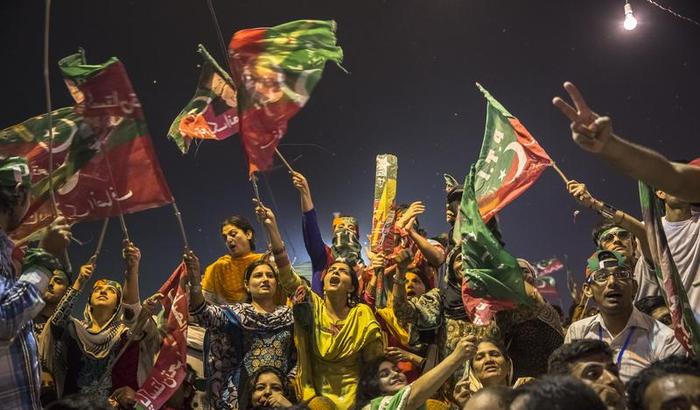
What Pakistan’s Democratic Future Holds for the United States
With elections set to take place on May 11, Pakistan stands at an important juncture of its history. The Election Commission of Pakistan, arguably the most independent and impartial that the country has had, is working diligently to ensure that the electoral process is free and fair. A democratically elected government could, for the first time in Pakistan’s history, relinquish power to another civilian government. Such a development, which marks a new phase in the Pakistan’s democratic struggle, indicates the need for a reassessment of U.S.
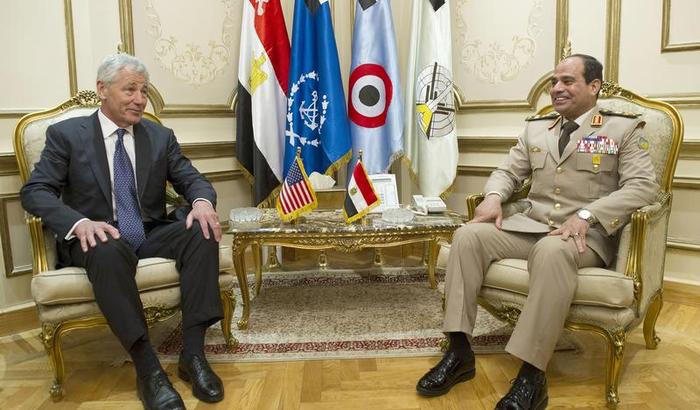
Debunking Five Myths of Washington’s Leverage in Egypt
This article was first published by Al-Monitor on April 28, 2013
Assertions and opinions in this publication are solely those of the above-mentioned author(s) and do not necessarily reflect the views of the Middle East Institute, which expressly does not take positions on Middle East policy.
The Middle East Institute is pleased to announce the launch of the Arab Transitions program, an initiative to provide in-depth analysis of the historic changes taking place in the Arab world in the wake of the 2011 uprisings.
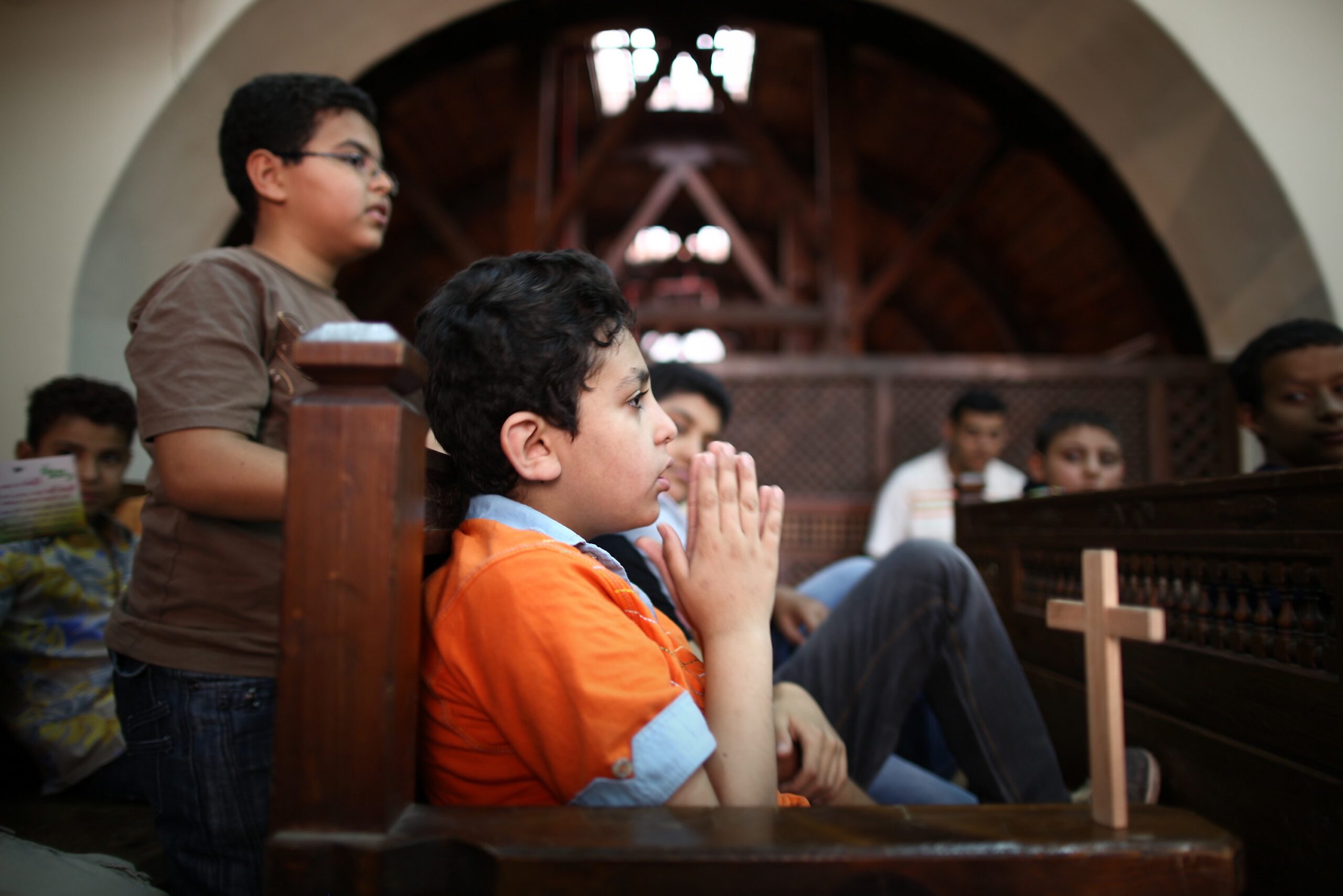
When Mohamed Morsi assumed the mantle of first democratically-elected, civilian president of Egypt, he both resigned from the Freedom and Justice Party‑‑the political arm of the Muslim Brotherhood‑‑and declared himself “president of all Egyptians.” Now, only ten months later, the country’s Coptic Christians are undoubtedly sneering at the insincerity of Morsi’s initial gestures toward magnanimity.
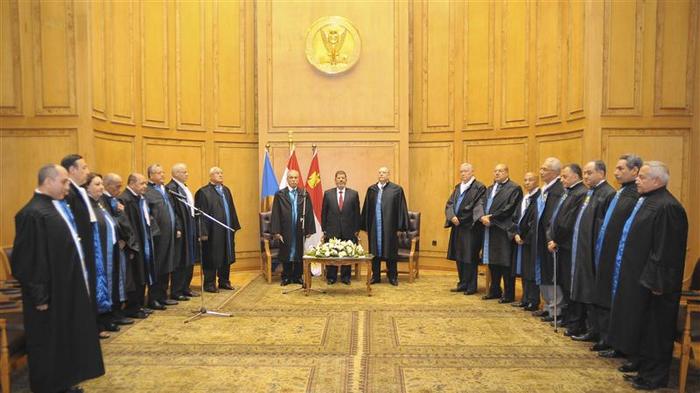
The Egyptian judiciary is facing enormous challenges and hardships while striving to perform its essential role, not only as a judicial institution, but also as a constitutional authority standing alongside the executive and legislative branches. Its difficulties can be seen in a range of problems with which it has been struggling both before and since the outbreak of the revolution in January 2011.
The Case for Women’s Rights in Post-Uprising Egypt
When Egyptian women first gained the vote in 1956, a woman in the cabinet swiftly followed. Women likely thought that all would be clear sailing from that point on, but it hasn’t quite worked out that way. Almost 70 years later, only one woman is in the cabinet.
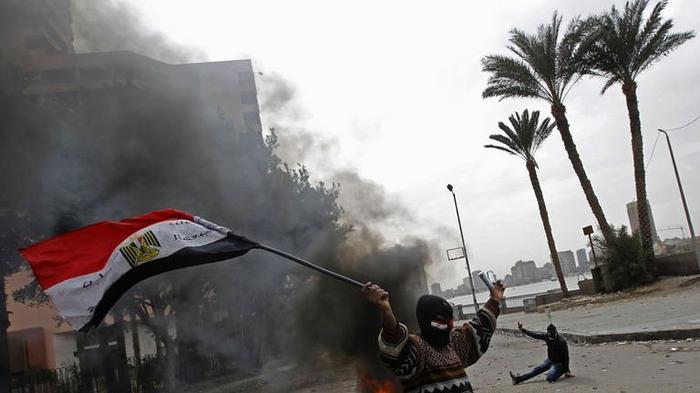
In March, Egypt’s public prosecutor announced the summoning of five members of the largely unknown group the Black Bloc.[1] The group, which takes its inspiration from “black blocs” the world round who wear black masks in order to protest anonymously, is known for such actions as halting public transportation and aiding people in distress.
The Predicament of the Obama Administration and the Muslim Brotherhood
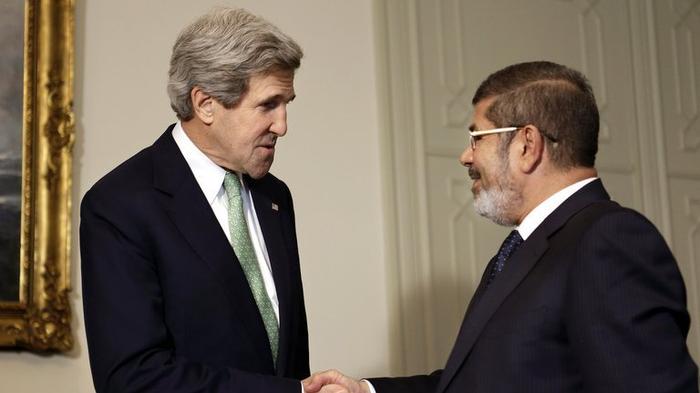
Al-Ahram columnist Ahmed al-Beri wrote on 23 March that “while the United States has often been supportive of President Mohamed Morsi’s regime, Egypt’s security and economic deterioration may be forcing it to reevaluate this support.”[1] Such thoughts are not exclusively al-Beri’s; they are dominating intellectual circles inside Egypt. The emergence of the Muslim Brotherhood as the new political warhorse in Egypt has complicated a delicate strategic relationship between Cairo and Washington.
Mohamed Yousry Salama passed away from stomach disease on 24 March 2013. The 39-year-old had been a spokesperson for the Salafi al-Nour Party immediately following Egypt’s revolution. After falling out with members of the party, he resigned in August 2011 and eventually co-founded the Dostour Party with such progressive political figures as Mohamed ElBaradei, George Ishaq, and Gamila Ismail.