Measure, verify, certify: How to future-proof Gulf companies in the energy transition
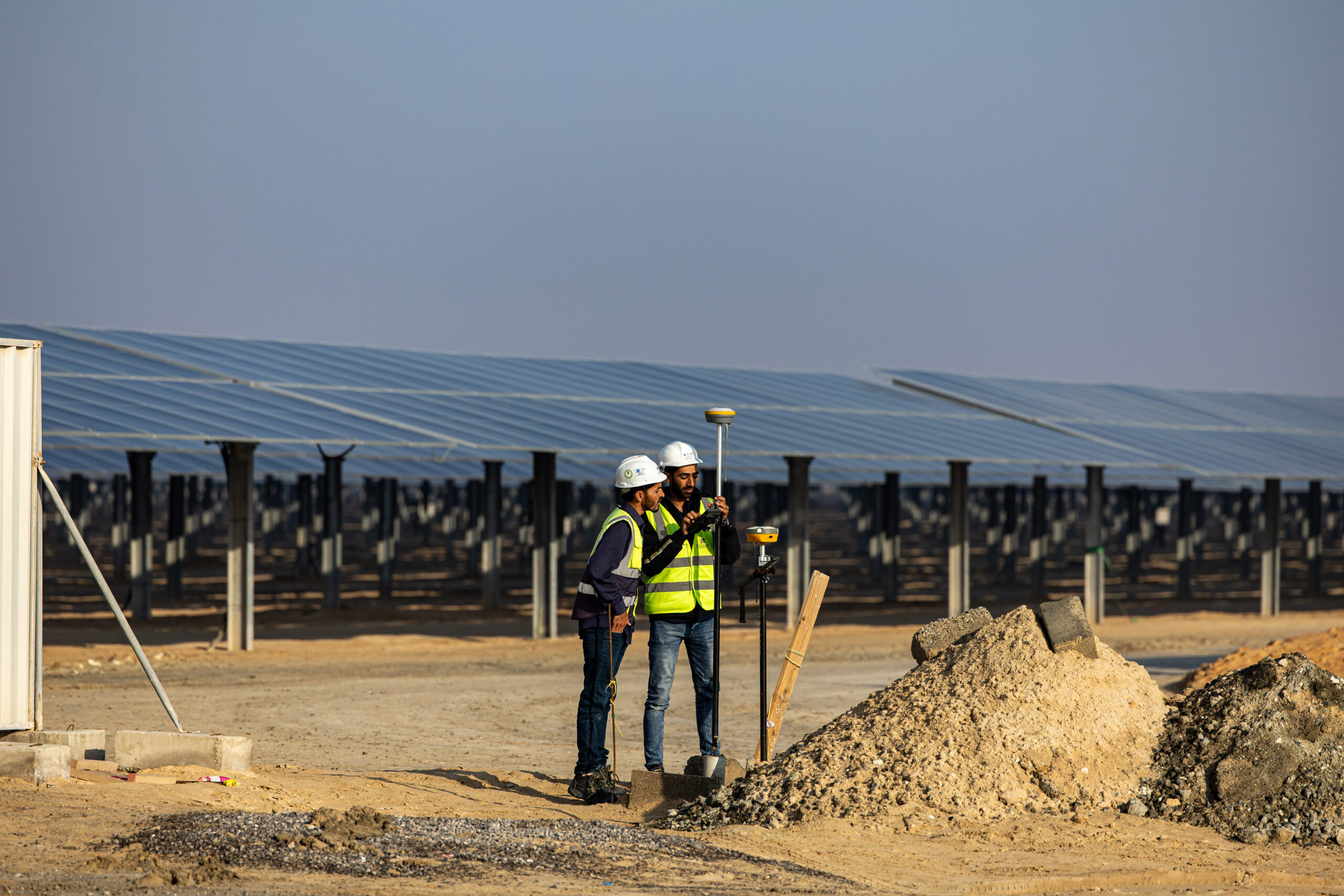
Several Gulf states have introduced renewable energy certificates into their low-carbon energy eco-system. What are RECs and how can they help companies navigate the energy transition?
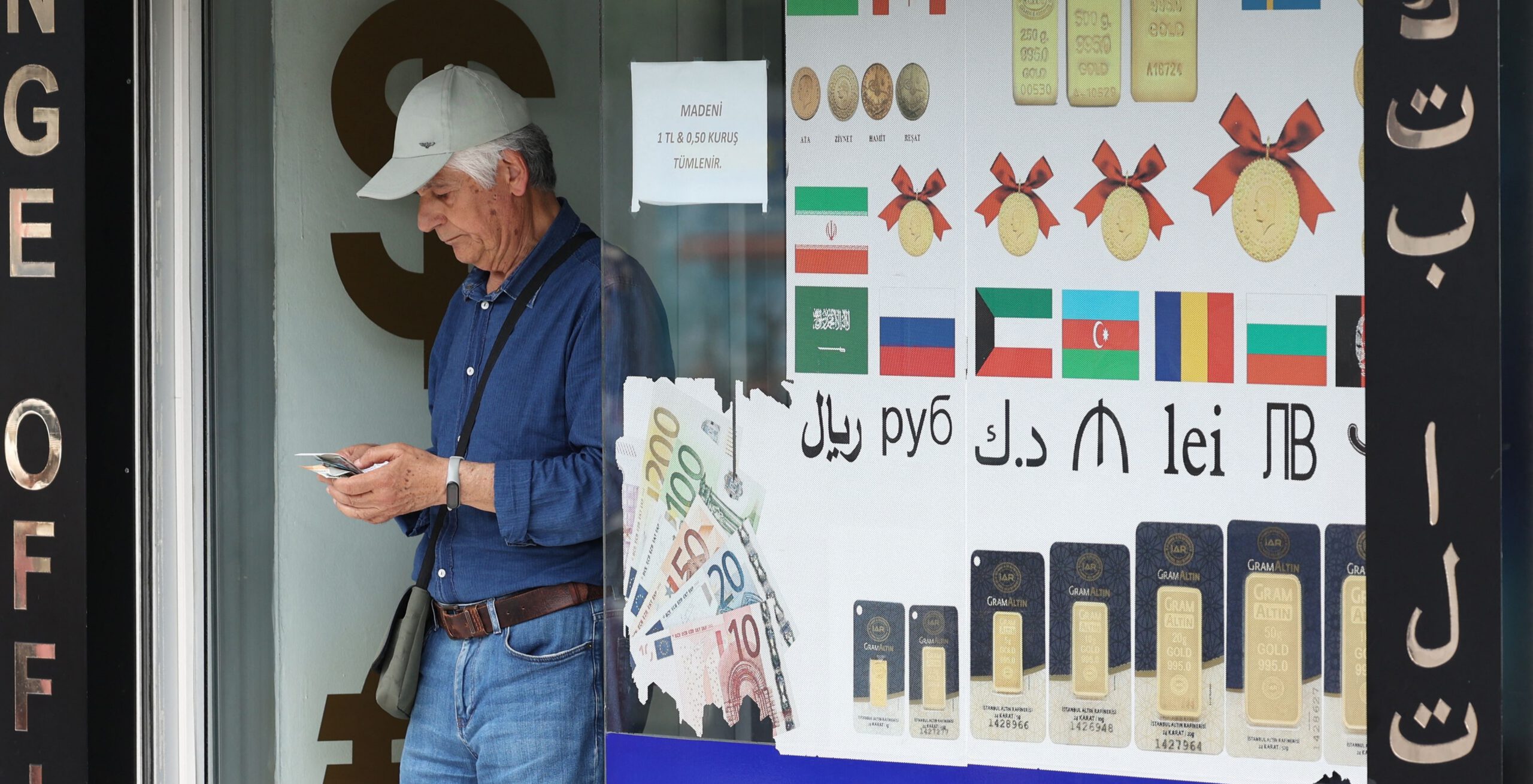
Turkey’s new economic team may take a more hawkish tone when it comes to tackling inflation and preserving financial stability through fiscal and monetary measures. However, investors and policymakers should not be naïve, as this approach will only be temporary or partial, aimed at winning the upcoming local elections.
Iran and the GCC connectivity agenda: Implication for Washington’s Iran policy
The prevailing political spirit in the Gulf region is presently one of de-escalation. In the case of the UAE and Iran, a number of existing connections could help hasten the process of de-escalation and enable it to happen faster than anywhere else in the region.The outcome should be of interest not only to the UAE and Iran but also to the U.S. given the latter’s long-standing efforts to shape Iranian policies.
Amid calls for refugee returns, Assad’s property grab continues
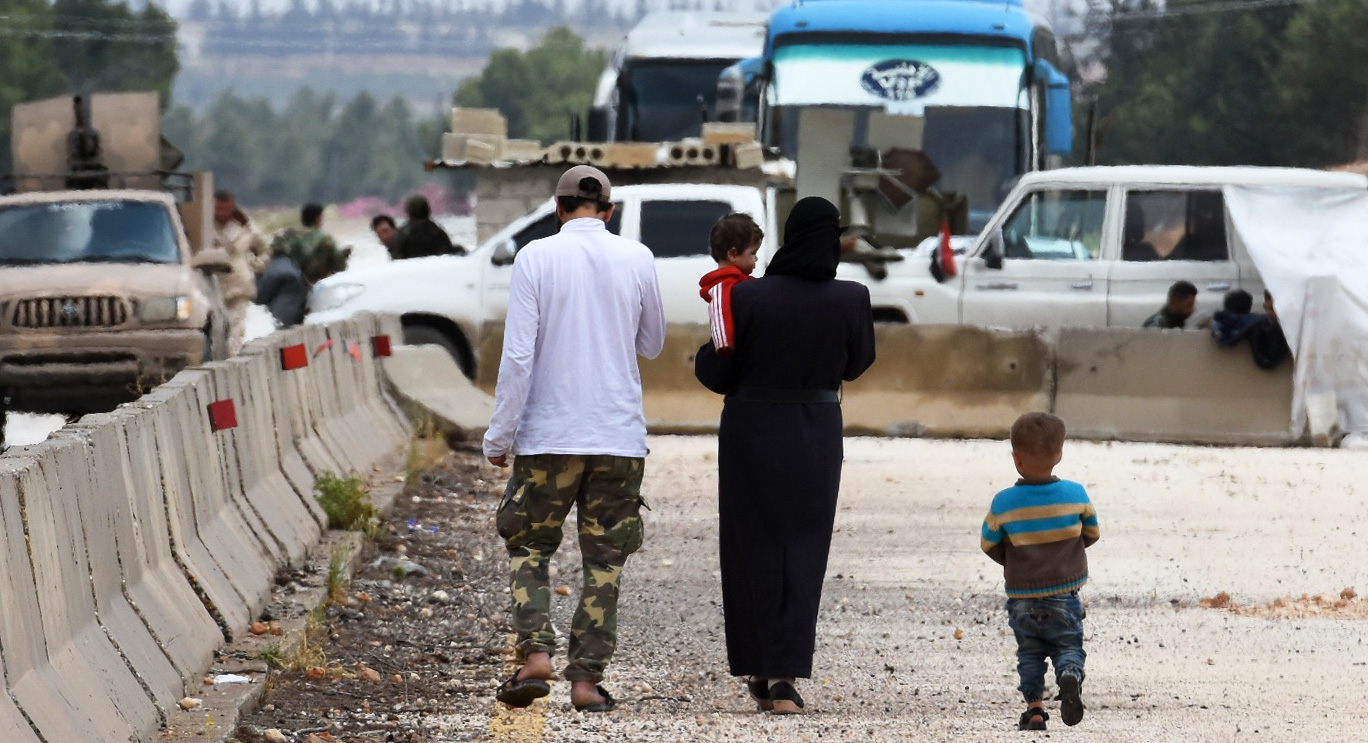
While calls for the immediate return of Syrian refugees have increased at the regional and international levels, it is imperative to closely examine the direct link between the regime’s policy of property confiscation and the possibility of refugee returns. Property confiscation does not only impact the direct owners and their immediate families’ livelihoods but also hinders the ability of thousands of displaced Syrians to return while leading those who still reside under regime rule to consider migration.
Disease, destruction, flooded fields, and hunger: The far-reaching consequence of the Kakhovka dam collapse in Ukraine
Last week’s collapse of the Nova Kakhovka dam on the Dnipro River in Ukraine is one of the largest environmental disaster the Black Sea region and Europe has faced in decades. Its far-reaching environmental, economic, and humanitarian consequences will affect not just Ukraine and the Black Sea region, but also the Middle East and Africa.
Defense Rapid Reaction: Proposed reforms to the U.S. Foreign Military Sales process
In the latest installment of the Defense Rapid Reaction series, experts from MEI’s Defense & Security Program provide their views on what reforms to the U.S. Foreign Military Sales process could or should accomplish and how an improved approach to approving foreign arms sales can strengthen U.S. relations with international partners and allies.
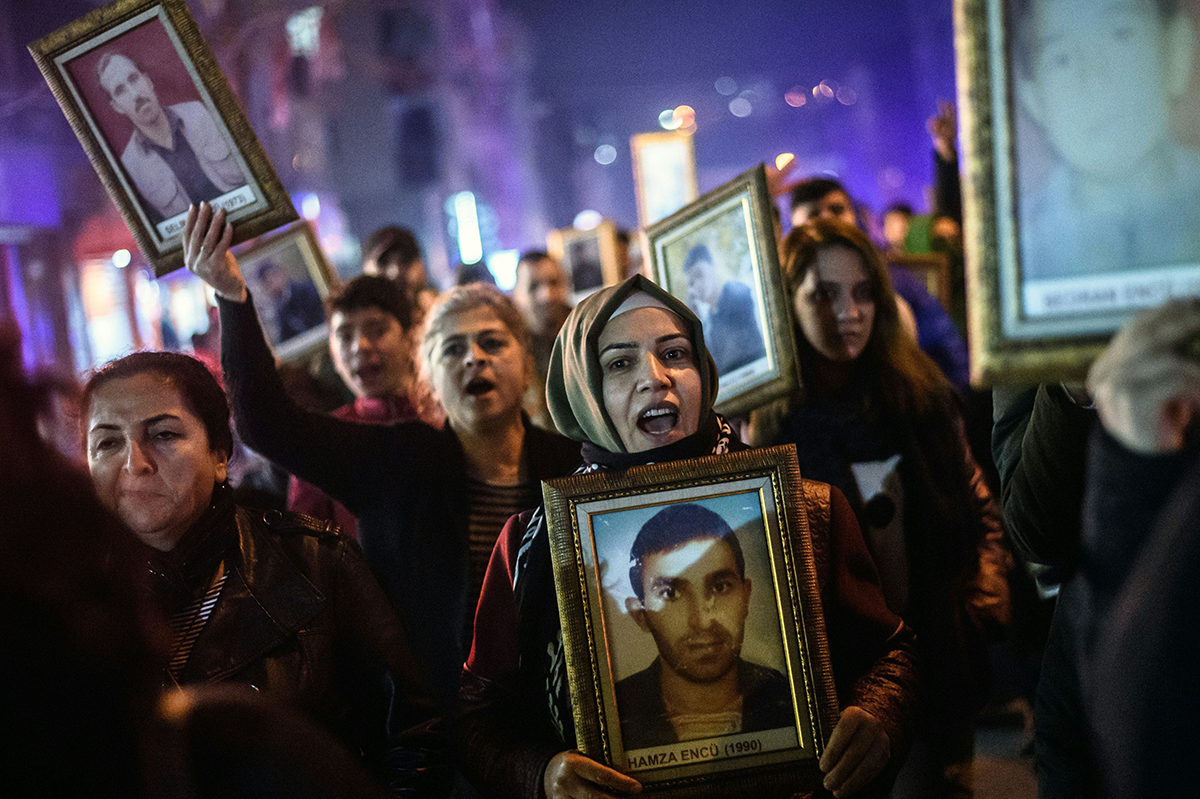
The limits of human rights law in an authoritarian context: Torture and impunity in Turkey
Turkey is a test case of the limits of international human rights law in an authoritarian context. The country is party to all major U.N. and Council of Europe international human rights treaties, including those prohibiting torture and ill treatment, and is subject to the jurisdiction of the European Court of Human Rights. Its constitution and laws ban torture and contain procedural safeguards against it. Yet torture and the impunity of its perpetrators remain state practice, at times reaching systemic levels.
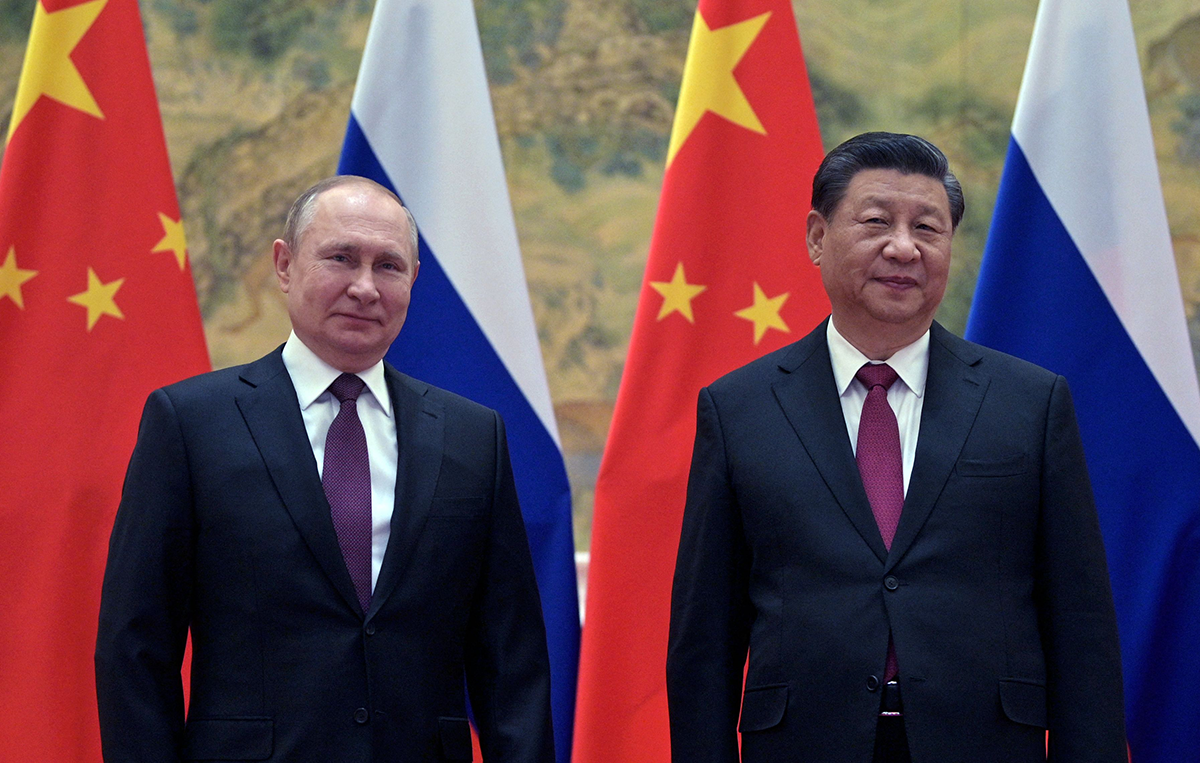
The potential and limitations of Russia-China cooperation in the Middle East
Even though Russia and China’s strategic partnership has strengthened in recent years, the leaderships of both countries infrequently engage on Middle East affairs. Russia views China’s growing diplomatic assertiveness in the Middle East as a positive step toward a multipolar regional order. Nevertheless, Russia is trying to avoid being completely eclipsed by China as a prospective conflict arbiter. While the two countries concur on opposing unilateral sanctions and democratic uprisings in the Middle East, Beijing does not universally approve of Moscow’s positions on regional crises and its power projection strategy.
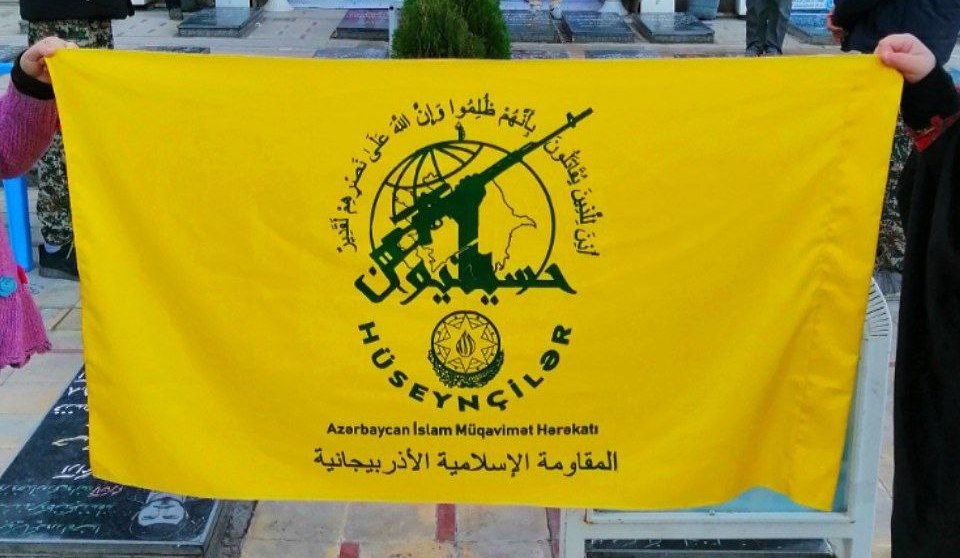
Azerbaijan's Hoseyniyun: The prospects and challenges of a Caucasus Hezbollah
The “Axis of Resistance,” a network of non-state actors aligned with Iran, has emerged as a significant force in the Middle East in the last two decades. Despite the attention given to the more well-known members of the Axis of Resistance, the Azerbaijani group Hoseyniyun, which also operates within the network, remains relatively unknown.
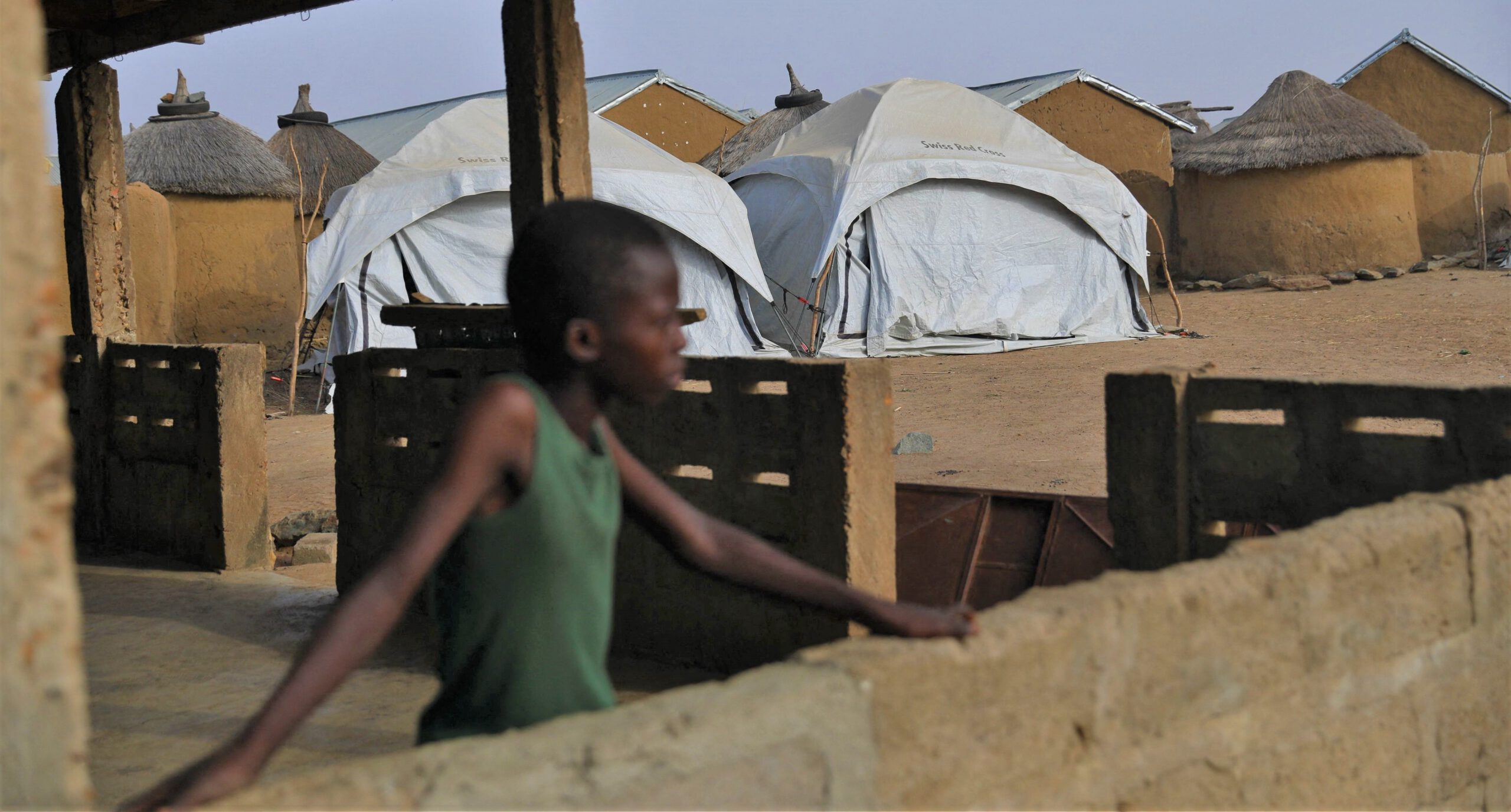
The Risk of Violent Inter-Communal Spillover in West Africa: Realities and Prescriptions
The Sahel region of West Africa suffers from escalating cycles of inter-communal violence that have resulted in countless deaths of innocent people. As this worsening situation continues to spread, it has come to be one of the most prominent threats to security and socio-political stability in the region.
Managing US-China relations in the Middle East among common and conflicting interests
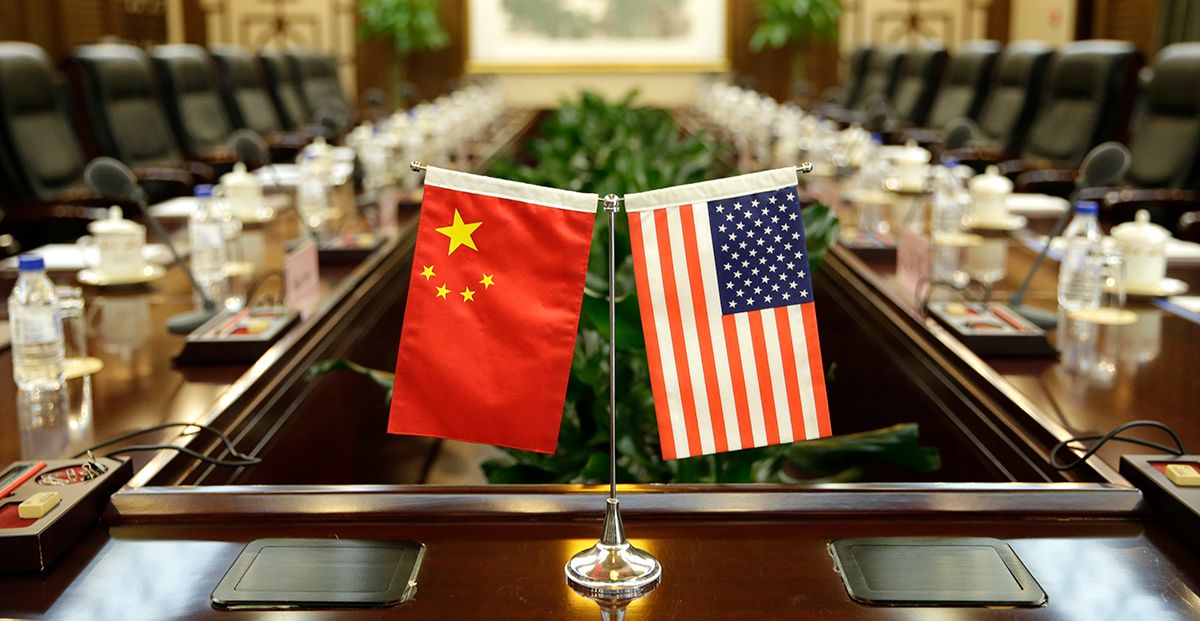
The Biden administration has been trying to diplomatically reengage with China, although so far with little response from Beijing. Any broad reengagement would necessarily include reengagement in the Middle East and North Africa. Both sides have a long list of common interests in the Middle East; the areas where their interests diverge relate mainly to suspicions of the other side’s long-term strategy and global ambitions. How can Washington and Beijing build on common interests in the region while addressing their long-term concerns, reducing some of them and accommodating robust competition or even sharp adversarial attitudes in other areas?
Israel’s ties with pre-revolutionary Iran provided a road map for the Abraham Accords
In the 1950s-1970s, the bilateral relationship between Israel and pre-revolutionary Iran provided a road map for the process leading to a normalization in ties between the Jewish state and Arab countries in the 2020s.
Beijing to Baghdad: China’s growing role in Iraq’s energy sector
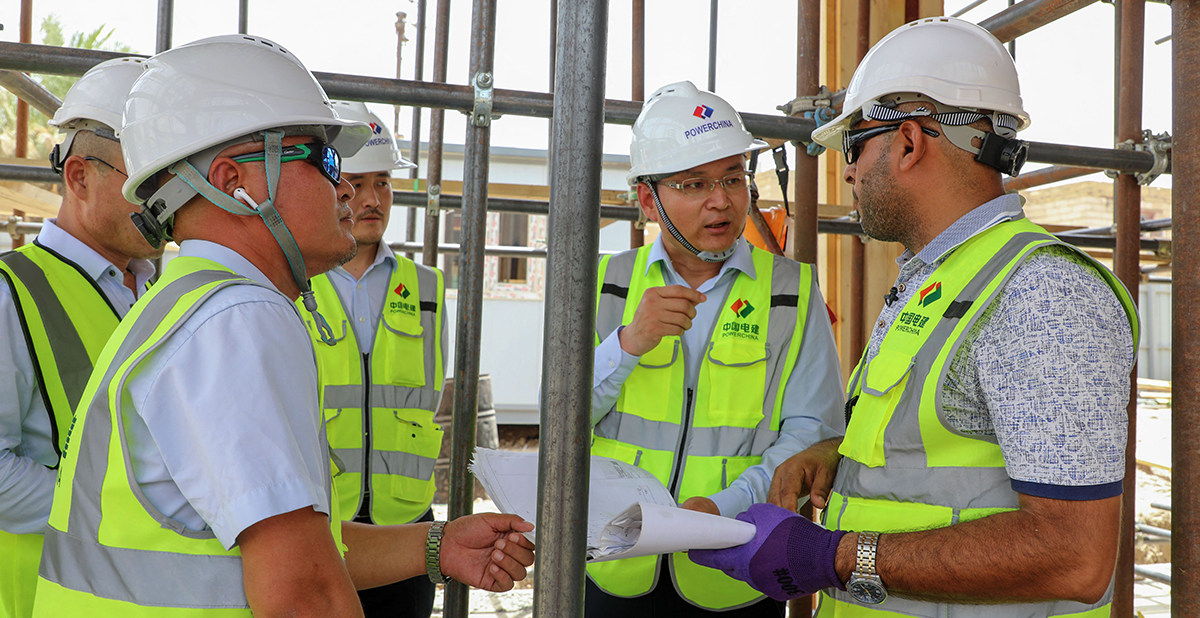
Chinese companies are well positioned to participate in Iraq’s efforts to expand its oil production capacity and develop domestic gas supplies, as they are actively engaged in various energy-related undertakings throughout the country. However, if indeed China’s strategy is, as some have suggested, to become the dominant player in Iraq’s economy, achieving that objective will likely prove difficult given Iraq’s challenging operating environment and contentious politics.
Pakistan’s establishment closing the curtain on Imran Khan and his party
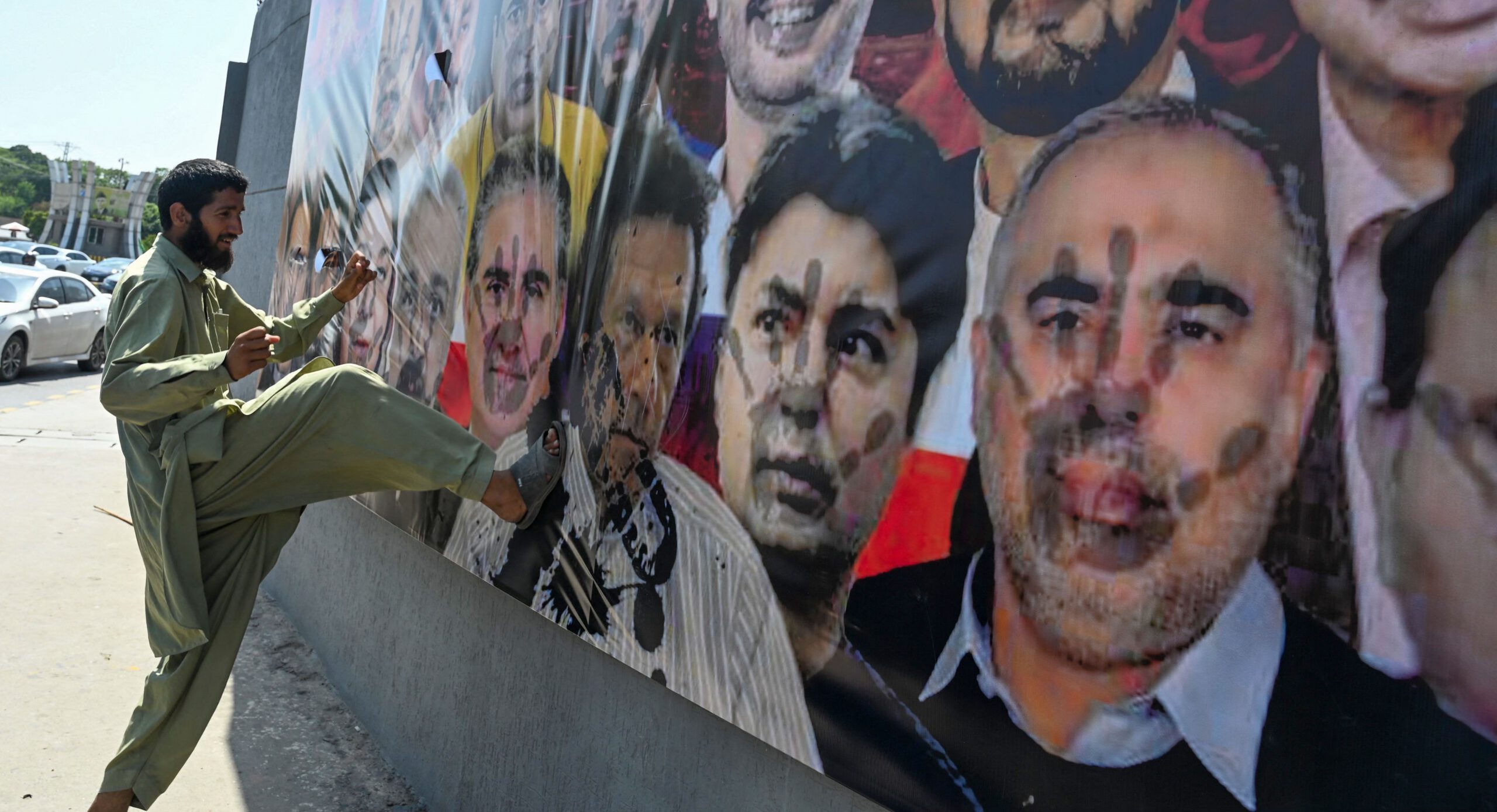
The likelihood of former Pakistani Prime Minister Imran Khan successfully extricating himself from his entwined battle with the Army now appears to be nearly impossible. He has crossed too many red lines for the military establishment to give him slack. The developing situation ahead of the October elections looks set to culminate with Khan imprisoned and stripped of his political party.
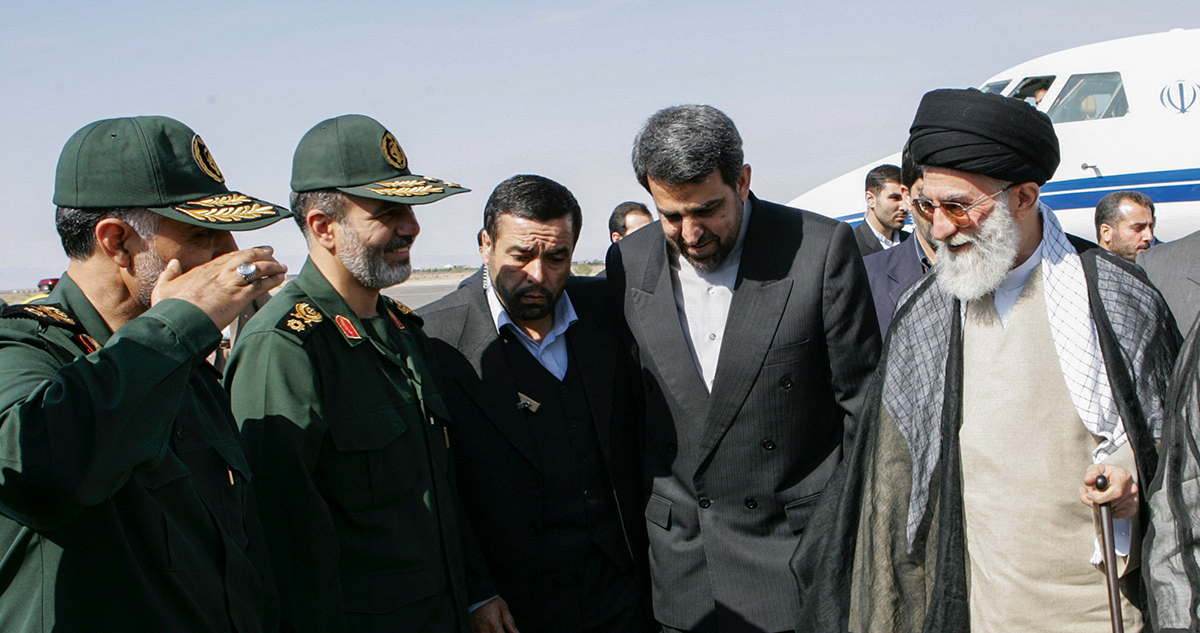
The recent removal of IRGC commander Ali Shamkhani from his role as the head of the Islamic Republic of Iran’s top foreign and security policy body, the Supreme National Security Council (SNSC), has triggered assessments about the potential implications for Tehran’s external calculus. But the changes at the SNSC should not be viewed in isolation. Rather, they must be understood and assessed in the context of a much deeper transformational project that began in 2019, personally spearheaded by Supreme Leader Ayatollah Ali Khamenei.