What’s driving the escalating tensions between Algeria and Morocco?
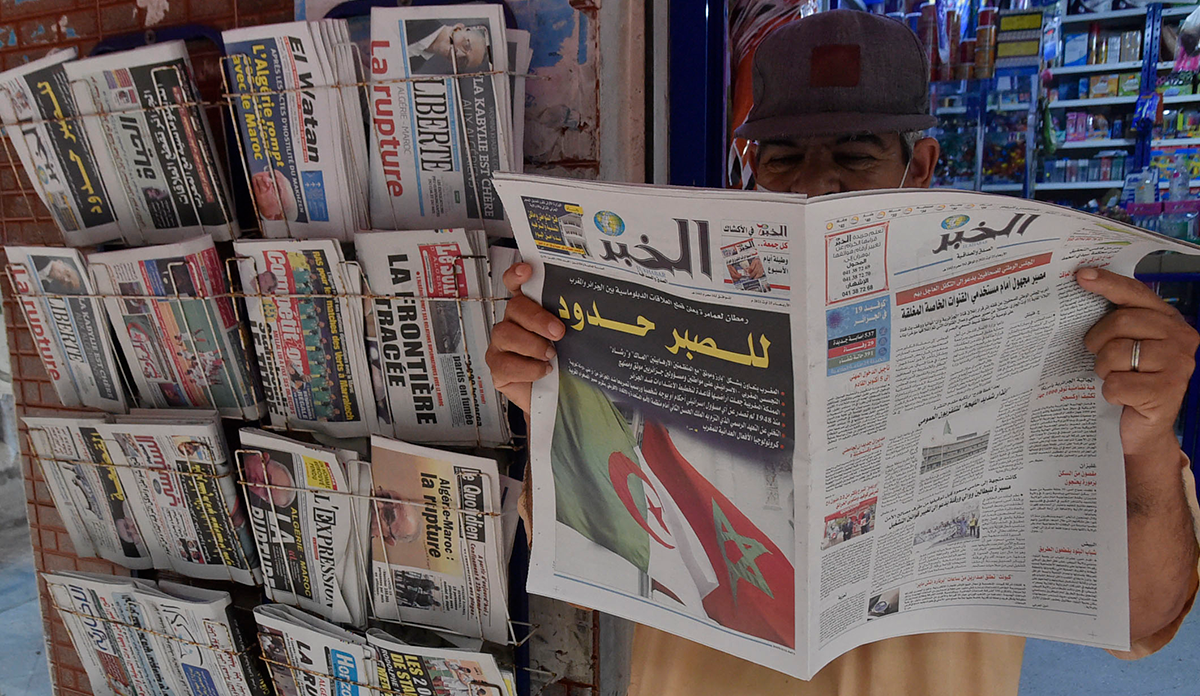
On Aug. 24 Algeria broke off its already minimal bilateral relations with Morocco, declaring this was due to the kingdom’s “hostile actions” and accusing it of involvement in the wildfires that struck the Kabylia region earlier that month. The heightened tension between the two countries brings into focus regional uncertainty and may spell the end of their limited collaboration in the energy sector.
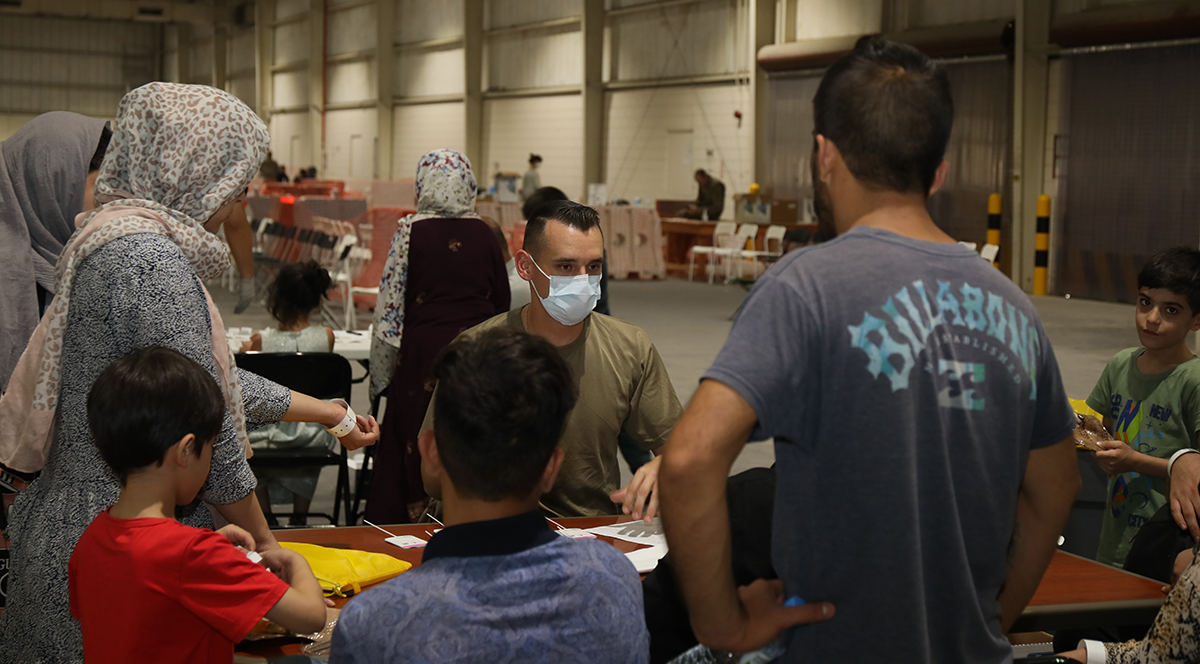
We rarely miss an opportunity to criticize our Gulf Arab partners — sometimes rightly so — for not doing enough to safeguard collective interests. But one must acknowledge that on Afghanistan, and especially our just-completed exit from the country, most of our Gulf Arab partners absolutely shined. They deserve a ton of credit for the role they played in our large, challenging, and deadly evacuation — a role which was nothing short of indispensable.
Déjà vu all over again in Afghanistan: Negotiating with the Taliban to save heritage sites
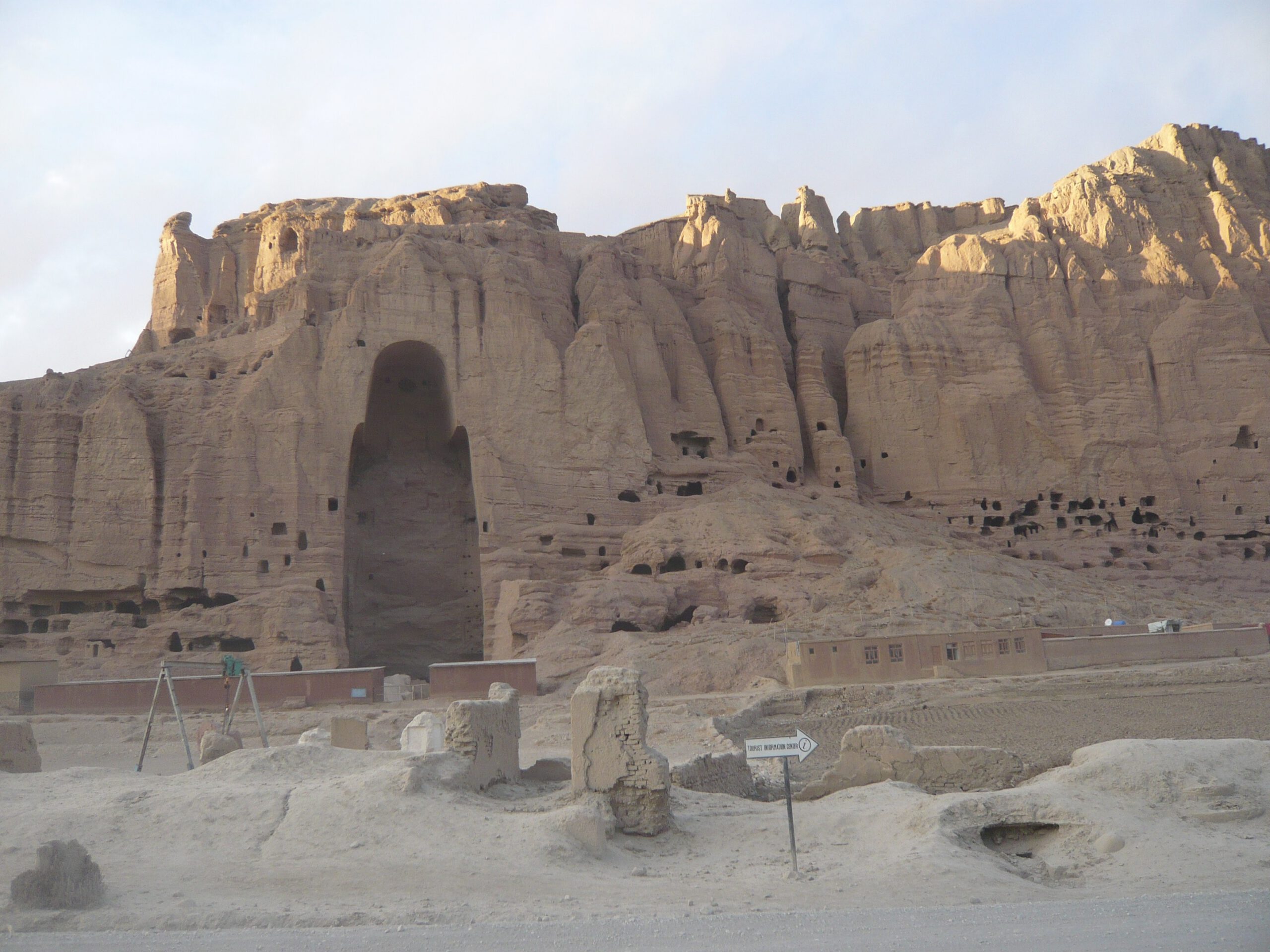
As the world watches the Taliban takeover of Afghanistan and its aftermath, it’s like déjà vu all over again for the nation’s long-suffering peoples. With the Taliban back in the Bamiyan Valley, the UNESCO World Heritage site where Mullah Omar sanctioned the destruction of the 6th century Buddhas 20 years ago, we’ve seen this movie before and we know how it ends.
“Our greatest value is our experience”: An interview with Ukrainian Deputy Foreign Minister Vasyl Bodnar
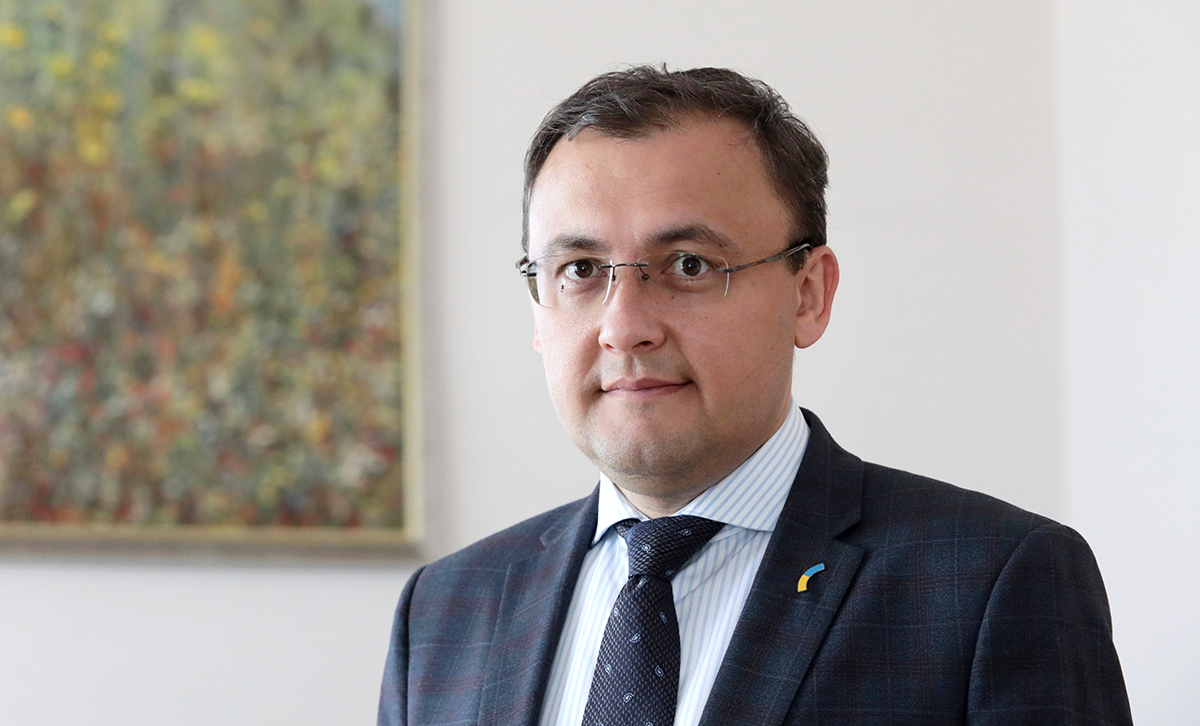
According to Deputy Foreign Minister Vasyl Bodnar, Ukraine has completed the necessary reforms for NATO membership and does not rule out integration without the territories illegally annexed by the Russian Federation. Bodnar also explains why Ukraine’s Euro-Atlantic integration process is so difficult in comparison to that of the Baltic countries, which have had accelerated Western integration. This interview has been edited for length and clarity.
There is a puzzle in the profits of Gulf Cooperation Council (GCC) firms, especially conglomerates. Even as the size of GCC economies has grown considerably in the last two decades, corporate profits have been flat. With a goal of economic diversification to expand private sector business and job opportunities for citizens, the imperative to create an environment for growth is acute for regional governments. Tarek Fadlallah, CEO of Nomura Asset Management Middle East and a member of the Program on Economics and Energy Advisory Council, lays out some of the challenges for Gulf economic diversification and improved corporate profitability.
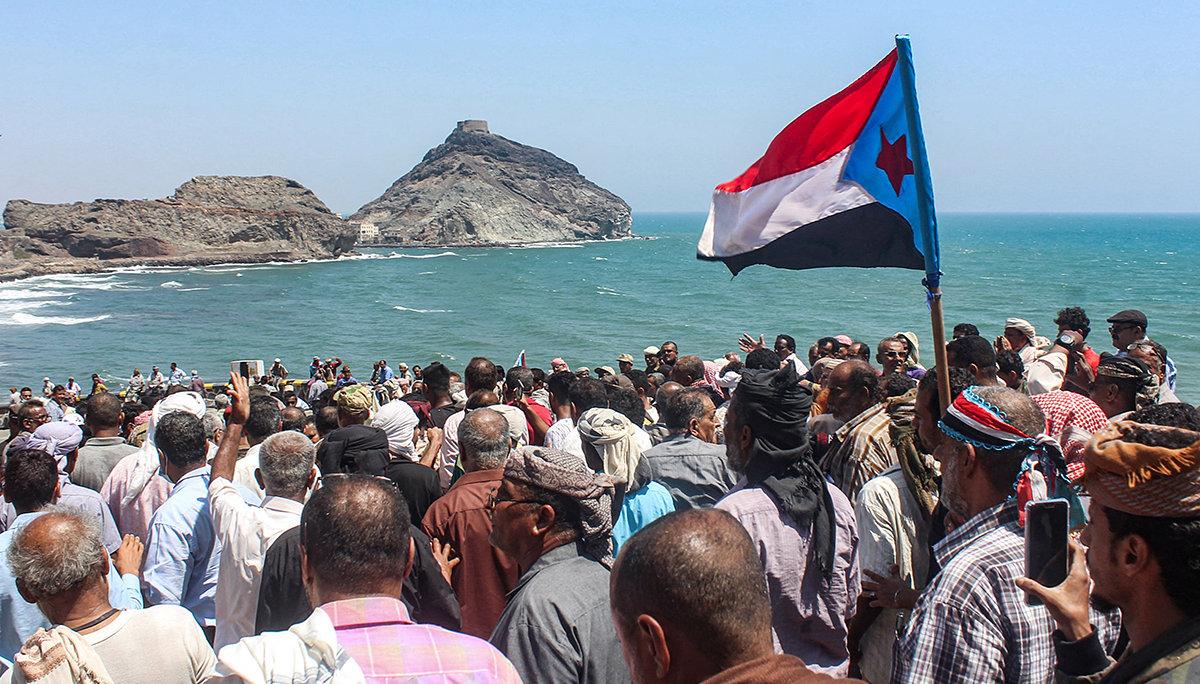
Southern inclusivity is key to Yemen’s chances for lasting peace
A reinvigorated international approach to Yemen is possible. The current architecture for advancing a negotiated peace is being challenged by both international and local developments. The protracted nature of the conflict, the risk that it could worsen, and local political developments over the past two years necessitate a recalibration of the peace process, informed by realities on the ground, the urgent needs of the population, and the demand for security. Evolving coalition priorities, renewed U.S. engagement, and the appointment of a new U.N. special envoy may be an opportunity to advance conflict resolution. Achieving greater unity among southern actors will be key to the success of national-level talks and is urgently needed to prevent a further descent into violence, extremism, and humanitarian catastrophe.
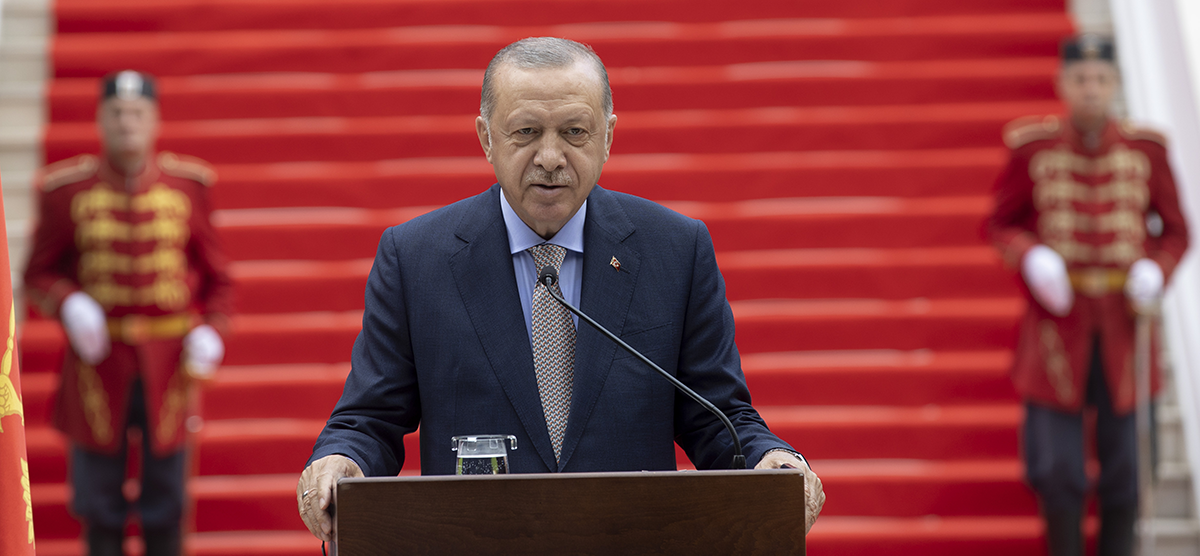
Just before visiting Turkish-occupied Northern Cyprus in late July, Turkish President Recep Tayyip Erdoğan gave Serbia an unpleasant surprise. He announced that Turkey would lobby to increase the number of countries that recognized independent Kosovo. Erdoğan stated on July 19, “Now 114 countries recognize Kosovo, and we want that number to increase. We hope that this year at the United Nations General Assembly, at the meeting I will have with [U.S. President Joe] Biden, we will discuss this topic again, that we will work together on the recognition of Kosovo.”
Building a Closer Black Sea: Promoting Trade and Economic Interdependence
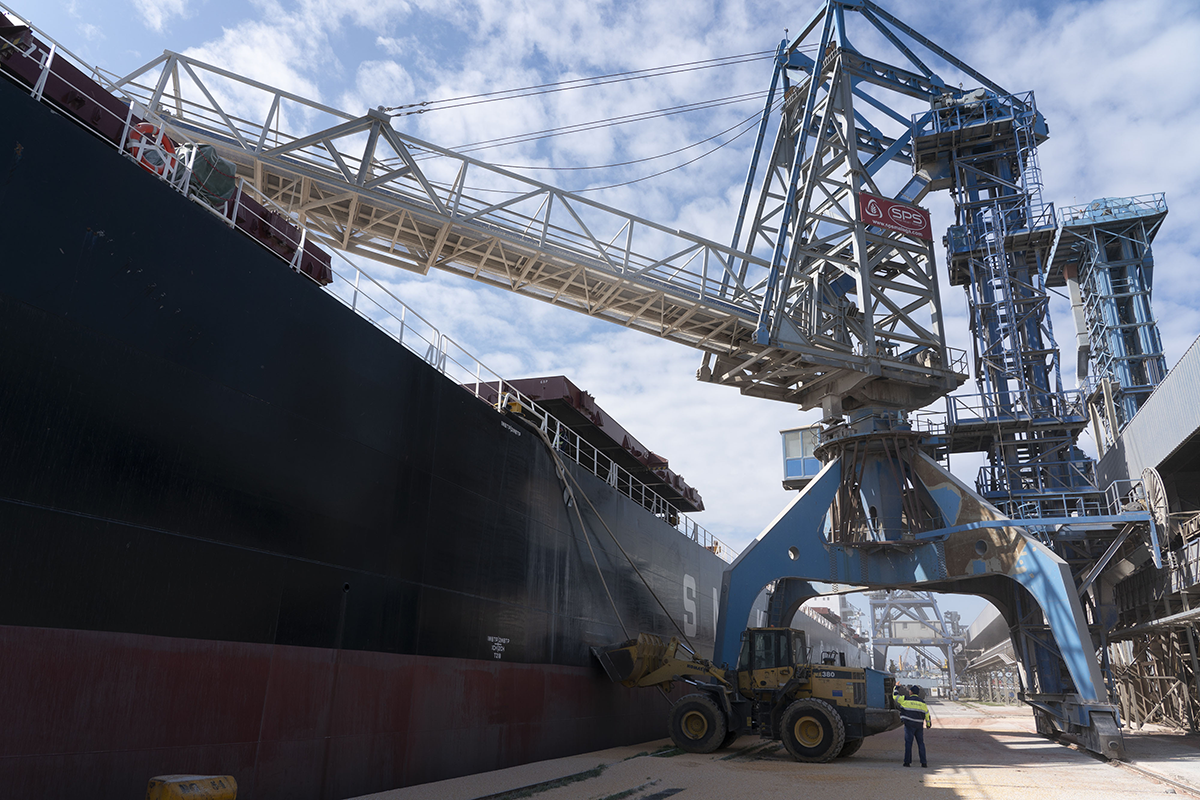
While the Black Sea has historically been an area of significant geostrategic importance, this has not made it a vibrant zone of commerce, transport, energy, tourism, or cultural exchange. Rather, it has become a theater of struggle for dominance and competing geopolitical and geo-economic interests. This situation has been exacerbated by conflict between Russia and countries in the region, like Ukraine and Georgia, that have sought closer ties with the West and aspire to NATO membership and EU integration. These developments have dire consequences for regional security and stability, disrupting political and economic ties in the area and beyond. A long-term solution to the region’s security issues could be based on intensifying trade relations and increasing economic interdependence between the states. This paper identifies major barriers to closer regional trade and economic cooperation and outlines ways to overcome them.
Afghanistan: The US decides, but will Europe pay the bill?
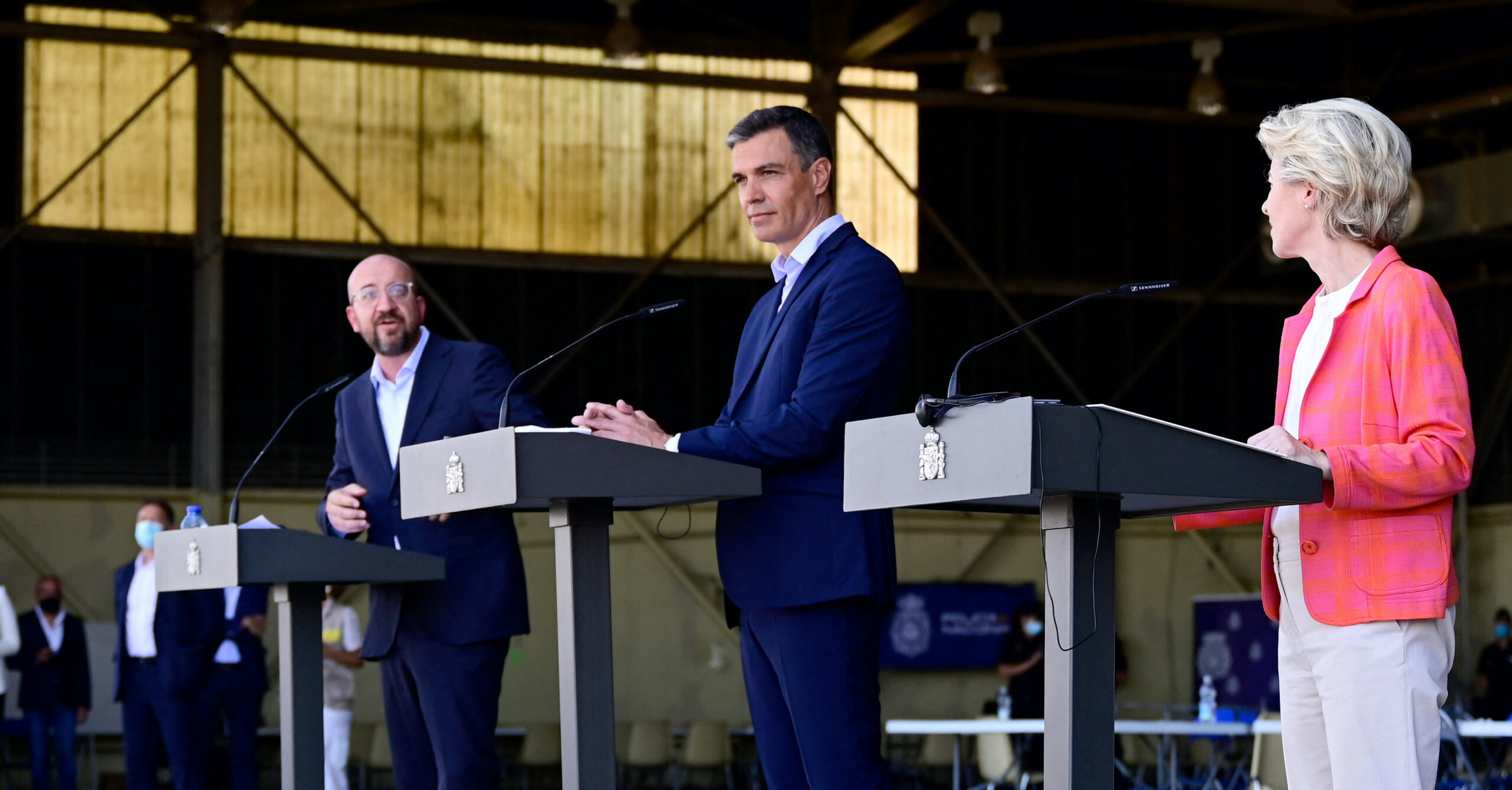
That the Taliban ended up taking over Afghanistan was not surprising, given the details of the agreement between the U.S. administration and the group’s leadership that have been known for many months. What was surprising for the international community, however, was the speed and manner of their takeover. The Taliban offensive and its consequences came as a particular shock to the institutions of the European Union (EU) and the member states that took part in the International Security Assistance Force (ISAF) mission and various aid programs in the country. When it comes to assessing the consequences of the Taliban’s takeover, there is no doubt that, first and foremost, it is the Afghan people that are most badly affected. Among the members of the international community, it is the Americans that have suffered the greatest reputational and financial losses so far, but from here on out the EU may well be the party that will face the greatest consequences.
Sectarianism and ideology: The cases of Iran and Saudi Arabia
Many analysts oversimplify the political conflict between Iran and Saudi Arabia as one driven by sectarianism or Shi’a-Sunni tensions that has shaped the two states’ outlook and actions in the Middle East. However, their political differences are actually much more complex and deeper rooted.
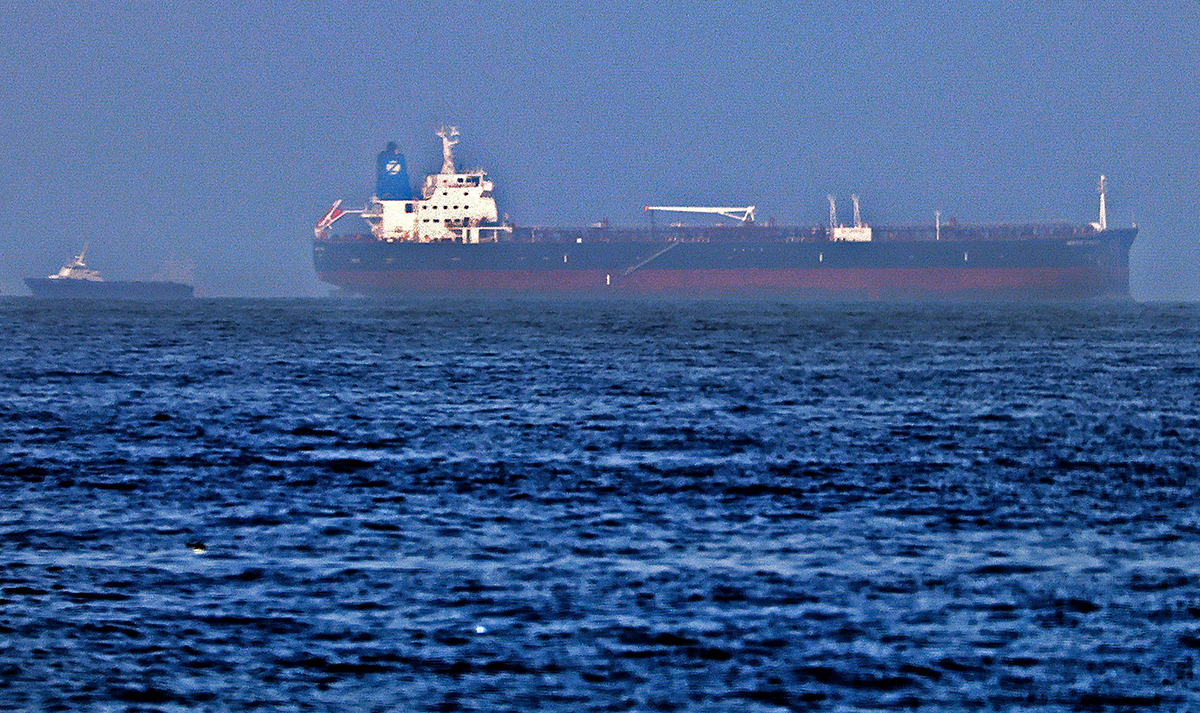
The July 29 suicide drone attack on the Israeli oil tanker Mercer Street, which left two British and Romanian crewmembers dead in the Arabian Sea, was carried out by Iran and was intended to cause human casualties and physical damage, according to the investigative report from U.S. Central Command(CENTCOM). While Tehran denied any hand in the strike, the G7 directly blamed Iran and U.S. Secretary of State Antony Blinken promised a “collective response.”
Iranian women campaign to stop the rise in “honor killings”
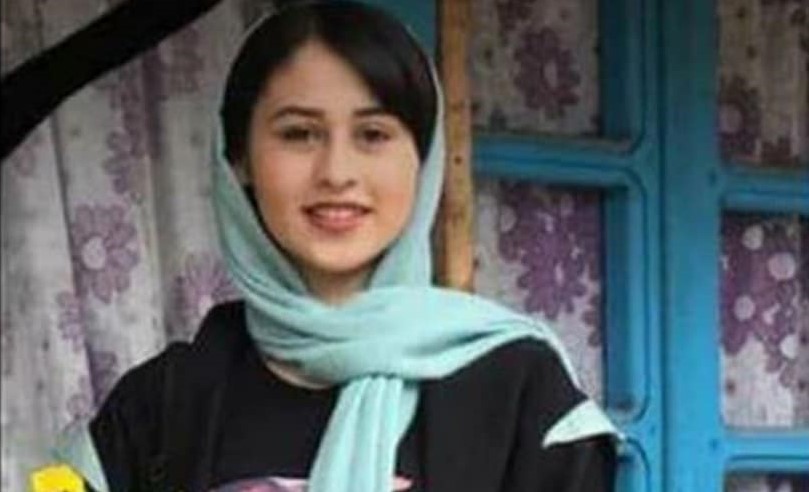
Every year 400-500 women are killed brutally in Iran to protect men’s “honor.” The killers are usually close relatives — often the victim’s father, husband, or brother. According to a report published in The Lancet in October 2020, at least 8,000 such killings were reported in Iran between 2010 and 2014. “The number of honor killing victims is greater than reported as in some cases women were driven to suicide or the cause of the death was not reported as murder but as illness,” according to Dr. Rezvan Moghadam, founder of the Iranian organization Stop Honor Killings. Dr. Moghadam has documented more than 1,200 cases of honor killings in the country. According to research, which will soon be published as a book and made available to the public, these kinds of violent killings of women and girls have been increasing for the last 20 years in different cities and villages in Iran.
Egypt needs a more inclusive approach to subsidy reform
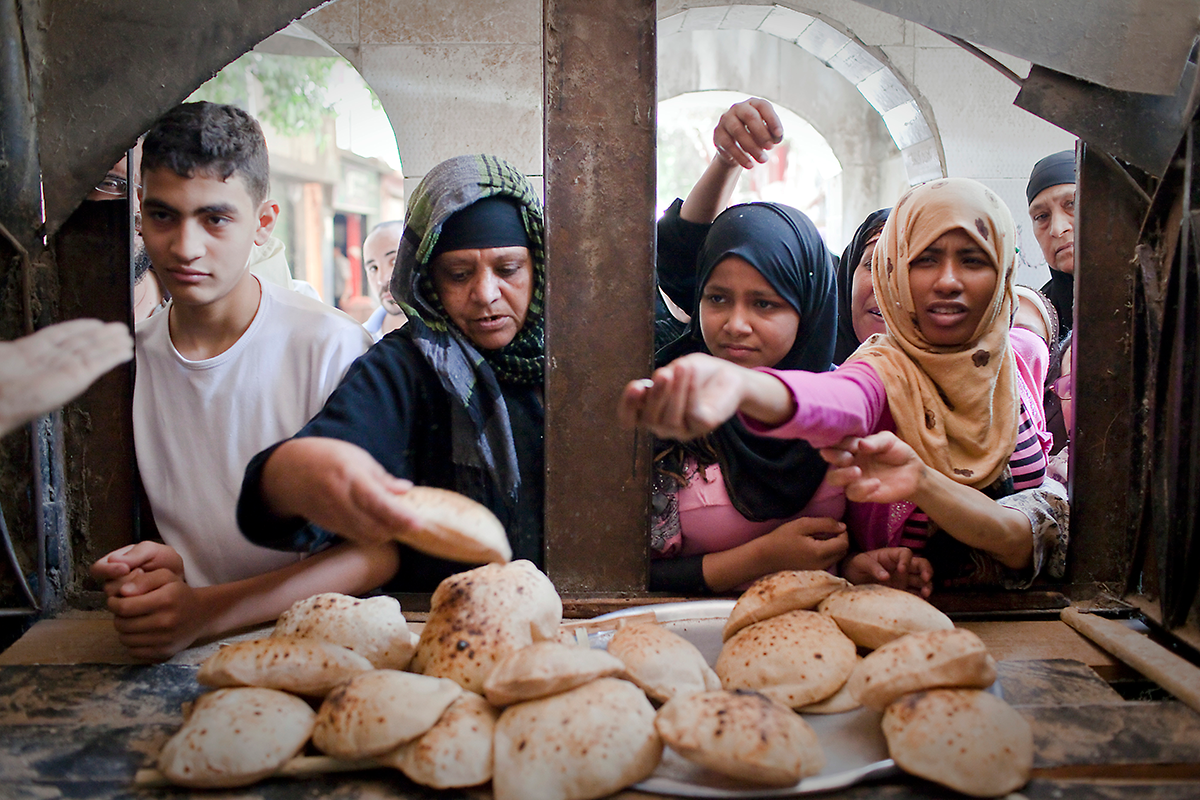
Speaking at a public event earlier this month, Egyptian President Abdel-Fattah el-Sisi made the surprise announcement that the next step in the country’s economic reform agenda will include the removal of bread subsidies. He becomes the latest in a long line of presidents to target the bread subsidies that provide cheap sustenance to a country of (now) over 100 million people at a huge cost to the state, although none of his predecessors ever successfully managed to remove or significantly reduce them.
Human rights consequences of Russian occupation: Georgia and Ukraine
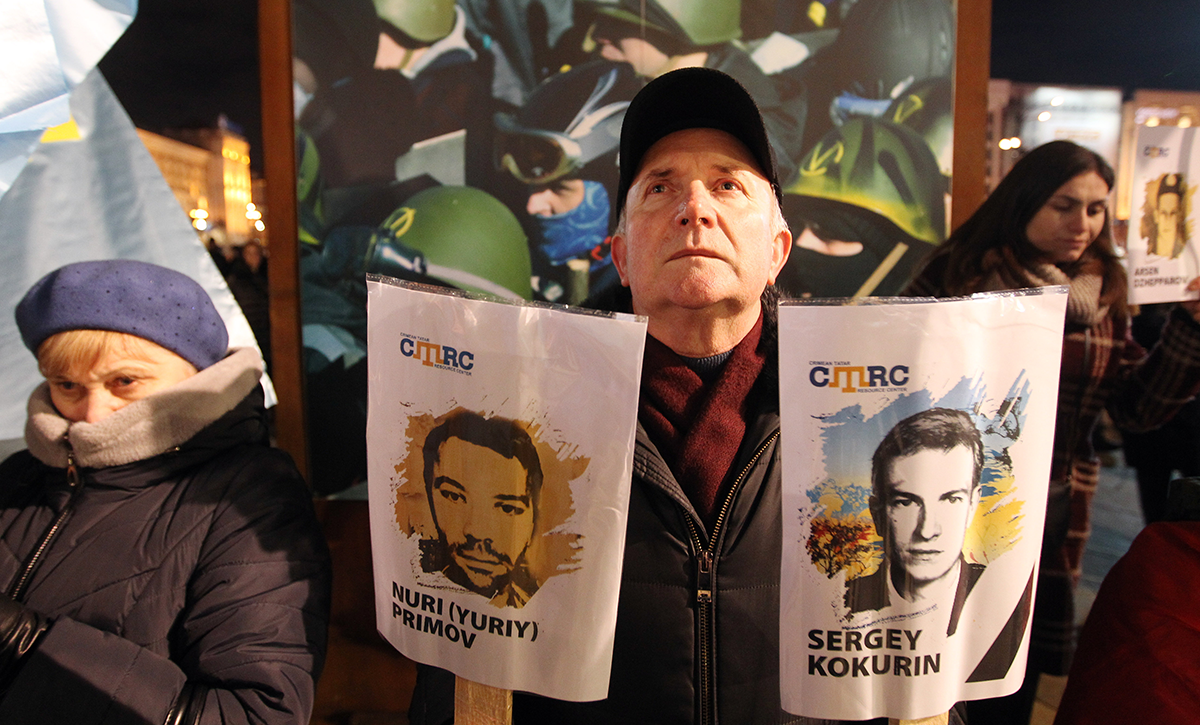
Despite their unique characteristics and contexts, the Russian occupation of two regions in Georgia and its annexation of Crimea in Ukraine share a variety of similarities when it comes to the human rights situation on the ground.
Content moderation trends in the MENA region: Censorship, discrimination by design, and linguistic challenges
Over the past decade, social media and communications platforms such as Facebook, Twitter, and WhatsApp have emerged as important spaces for civil society, journalists, and everyday people in the Middle East to express themselves and organize. However, users’ experiences on these platforms often differ as platforms’ enforcement of their content policies varies by geography, language of use, and context. These flaws in the content moderation system can harm users residing in and around the Middle East, as well as those who use Middle Eastern languages such as Arabic.