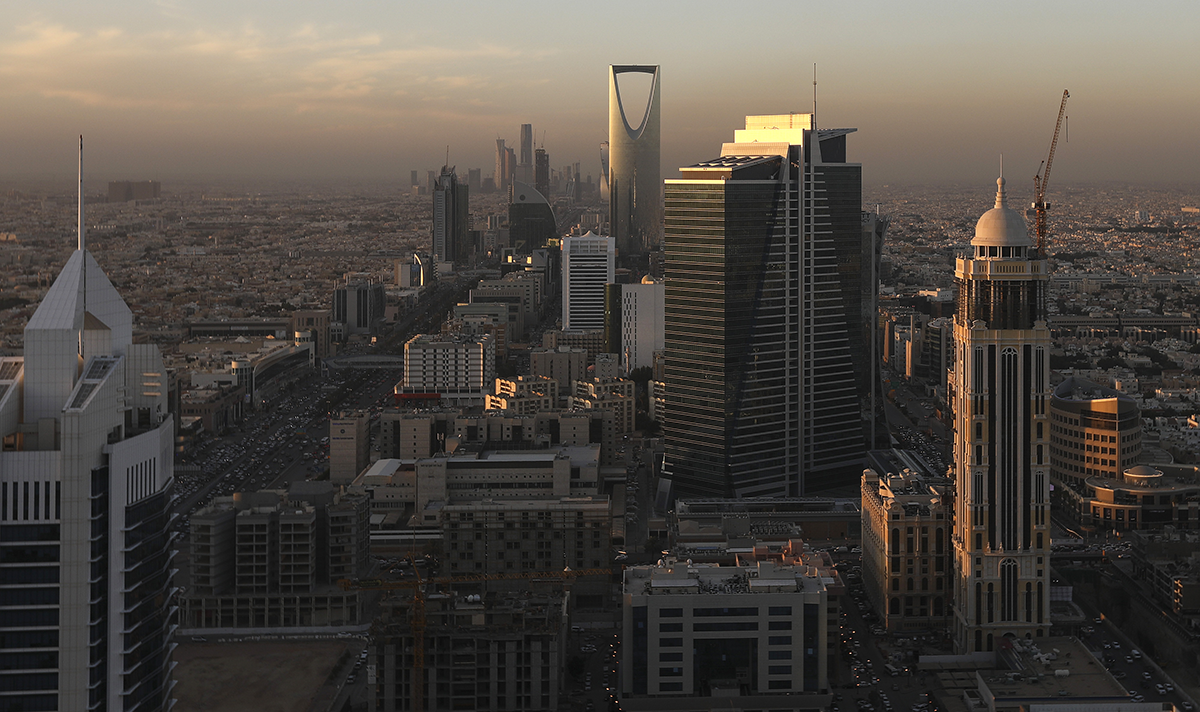
While Western banks saw their valuations drop substantially during the first 18 months of the COVID pandemic — and have yet to recover — the declines among Saudi banks have been smaller and their valuations are now closer to, if not above, their pre-pandemic levels. Identifying the drivers of this seemingly contradictory trend helps us better understand the shifts within the Saudi banking sector and the growing impacts of policies related to Vision 2030, the country’s long-term economic development and diversification program.
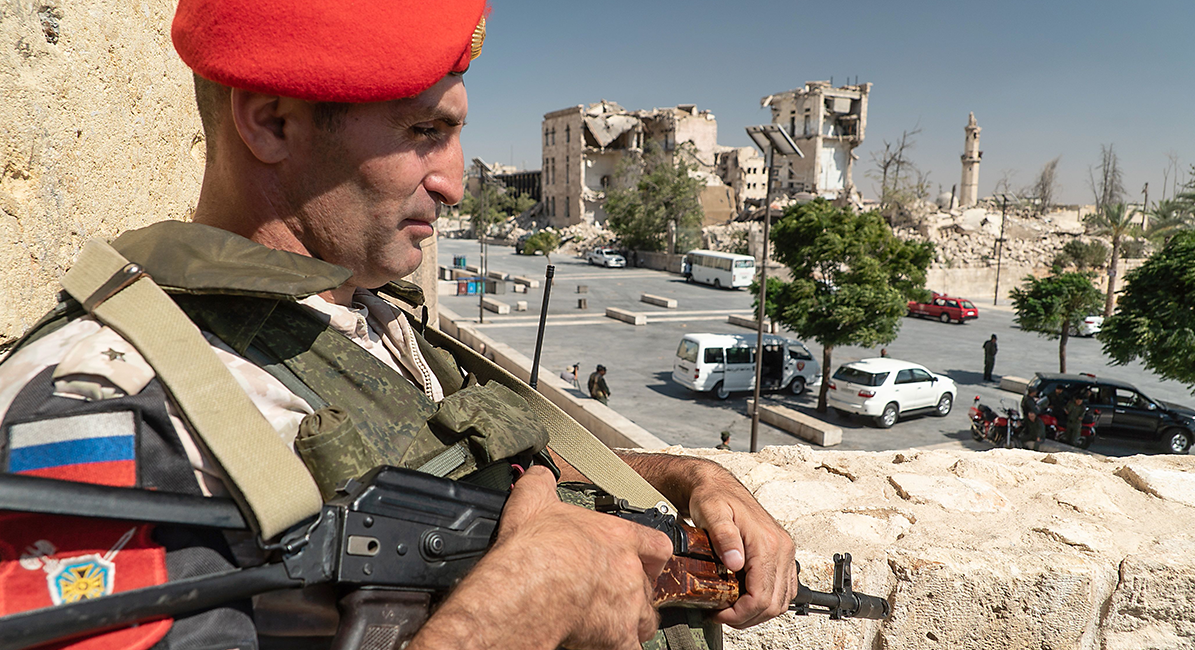
روسيا تنهي مهمة إعادة هيكلة الجيش السوري.. بعد الفشل
منذ بداية الانتفاضة السورية مايو 2011 وحتى صيف العام 2015، فشلت الميليشيات الإيرانية إلى جانب الجيش السوري والميليشيات المحلية في إعادة السيطرة على البلاد، على الرغم من العدد الهائل لمجموع هذه القوات أمام المتمردين الذين كانت حركتهم فوضوية في مقابل أجهزة أمنية وقوات منظمة، حيث سيطرت هذه القوات المتمردة على النظام السوري مساحات واسعة من سوريا.
Russia’s failed efforts to restructure the Syrian army
The Russian military intervention in Syria in late 2015 brought about a clear change in the balance of power in the military, political, and psychological spheres. The Russian military, especially its air force, dramatically tipped the scales in the conflict between the armed opposition, the regime, and the Iranian militias. Moscow’s intervention was also accompanied by a project to regain control over the security and military situation in Syria, but this effort proved far less successful.
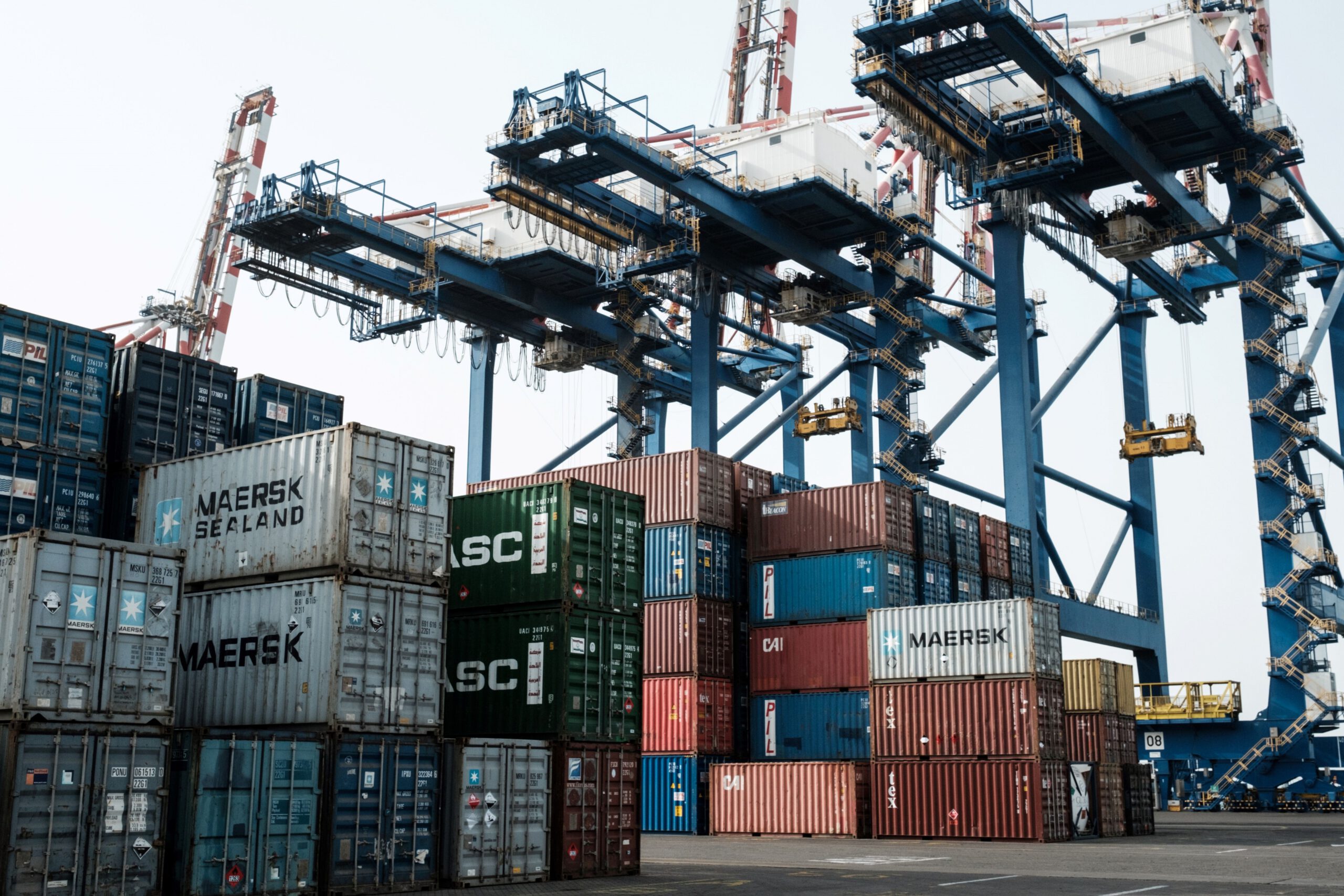
Although it is home to the Horn of Africa’s main transshipment hub, a host of foreign military bases, and a booming local service sector, Djibouti faces a number of major economic challenges, including new and growing competition, dangerous reliance on Ethiopian power and water supplies, climate change, and high levels of debt. This is why Djibouti needs a Plan B for what comes next after the presidency of its long-time leader, Ismail Omar Guelleh, in power since 1999.
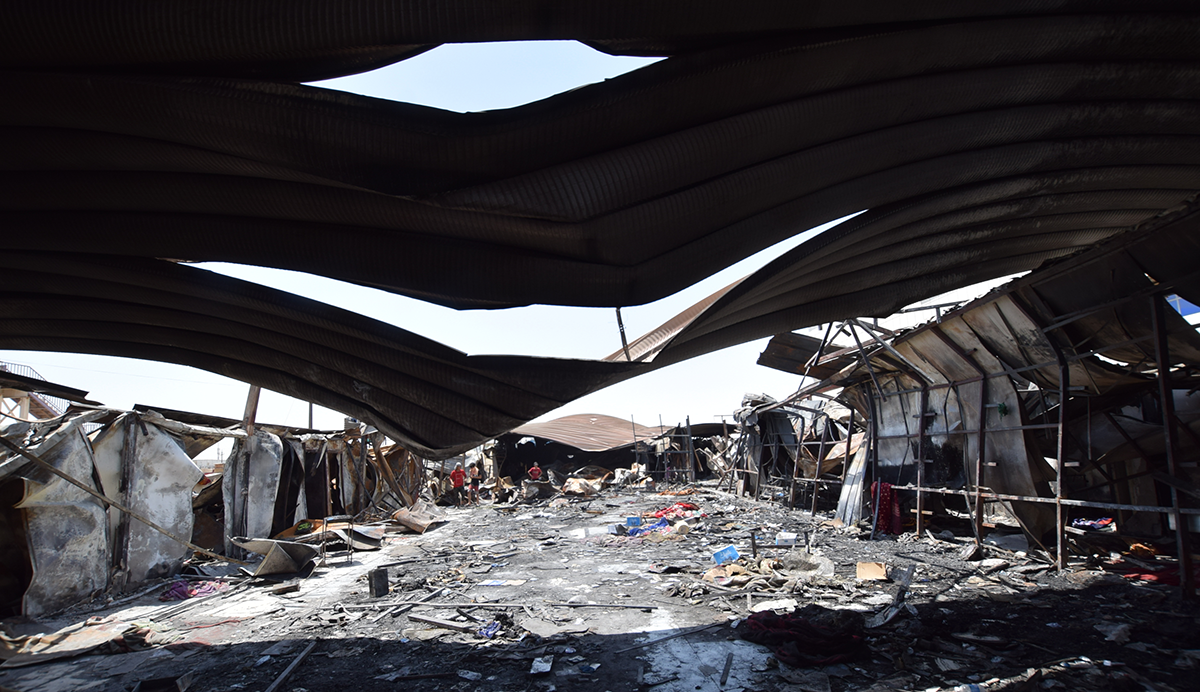
The idea for writing this piece came late last Tuesday as feelings ran high — the author’s included — amid scenes of patients’ charred bodies being pulled out from what remained of a burned-out coronavirus isolation ward in Nassiriya. It was originally meant to be a eulogy for those lost to Iraq’s stubborn corruption and chronic mismanagement, but it has since become a eulogy for democracy in Iraq.
Morocco finds on-ramp into EV manufacturing through electronic chip production for Tesla
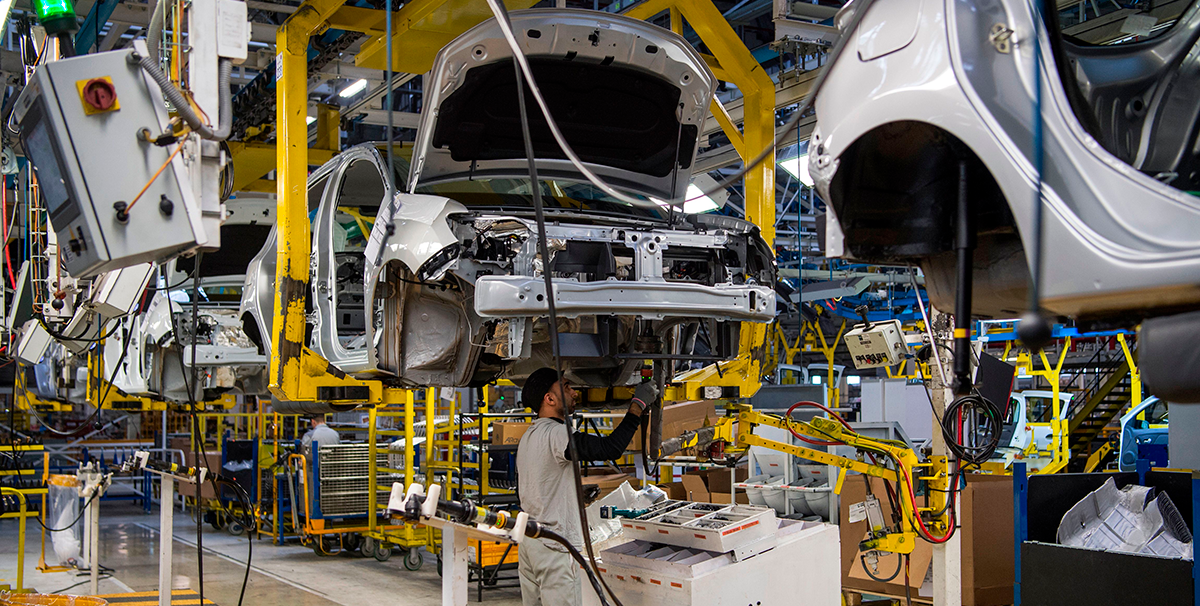
STMicroelectronics, one of Europe’s leading semiconductor manufacturers, will very shortly inaugurate a new production line in Morocco to manufacture electronic chips for American electric car pioneer Tesla. The production line is the latest example of a larger trend among international firms to look to Morocco as an attractive location for “nearshoring.” Through Rabat’s smart infrastructure investments and careful management of its foreign partnerships, Morocco has already exploited this trend to emerge as Africa’s leading automaker. Now with an auto chip production line dedicated to electric vehicles (EVs), Morocco is positioning itself to become a center for EV production while turning itself into a strategic component of Western semiconductor supply chain resilience.
Mitigating the darkest hour: Lebanon’s struggle for power
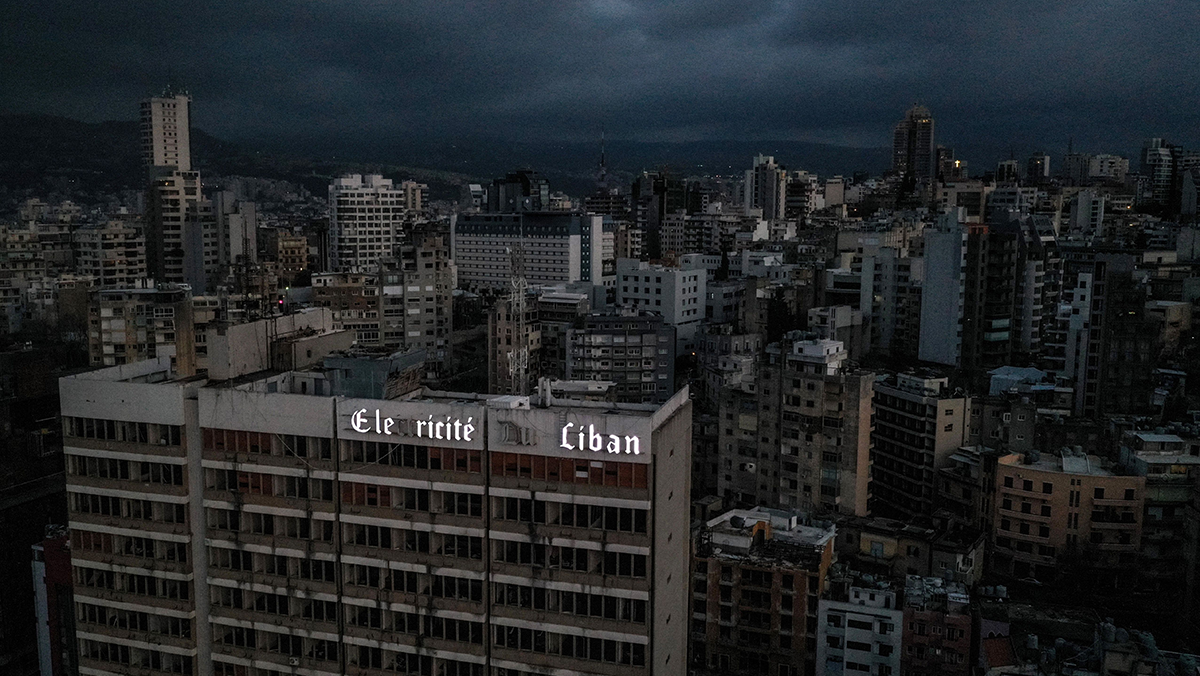
Lebanon is steadily plunging into total darkness. Decades of political bickering, weak governance, and vested interests have taken their toll on the power sector and are developing into economic and humanitarian crises. A long-term strategy focused on improving the sector’s governance is needed. In the short term, however, immediate actions such as distributed renewable energy and out-of-the-box financing mechanisms should be taken to avoid the darkest hour.
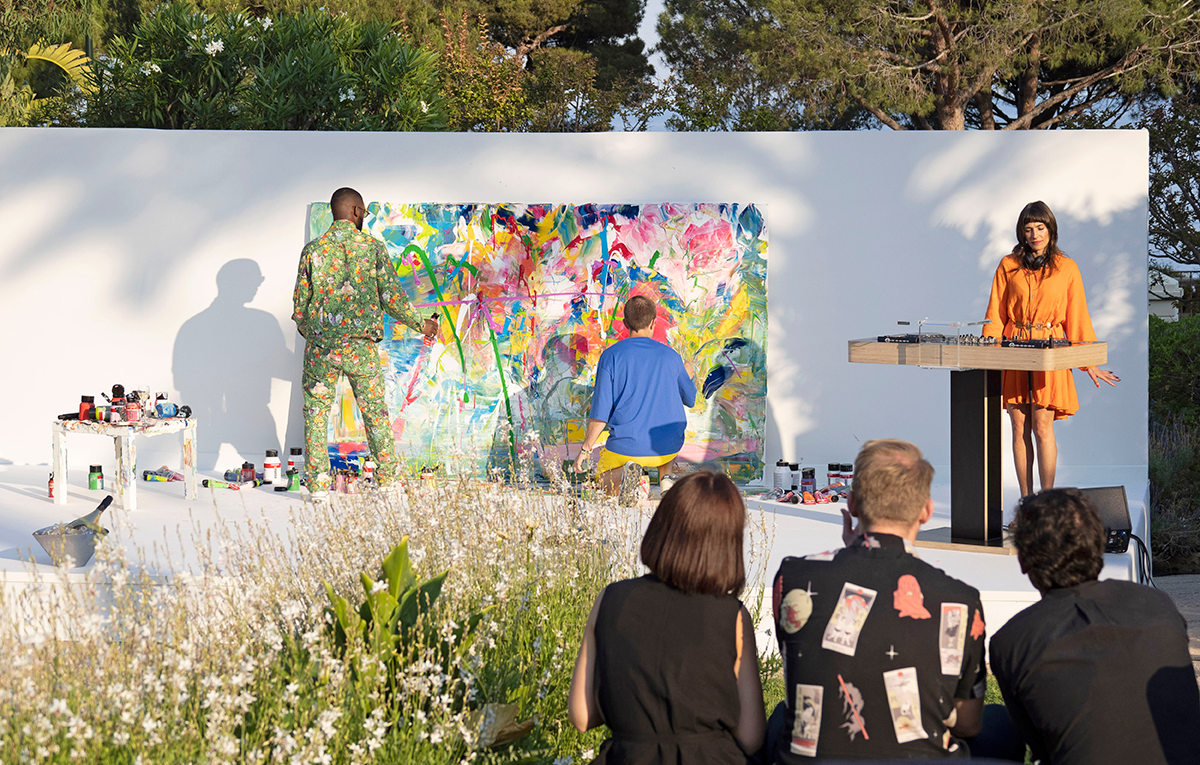
The digital space has not only enabled claims to online avatars or alter-egos, it has also ushered in new forms of digital ownership. The explosion of the online marketplace is changing the ways in which art is created, perceived, and owned. If post-internet art propelled artworks into immateriality, Cryptoart, which uses blockchain technology, is creating a new generation of art collectors. Sales of Cryptoart have leaped from over $416,000 in June 2020 to $616 million in the past year, based on data from cryptoart.io.
Russia’s “troubleshooting tactics” with the Taliban
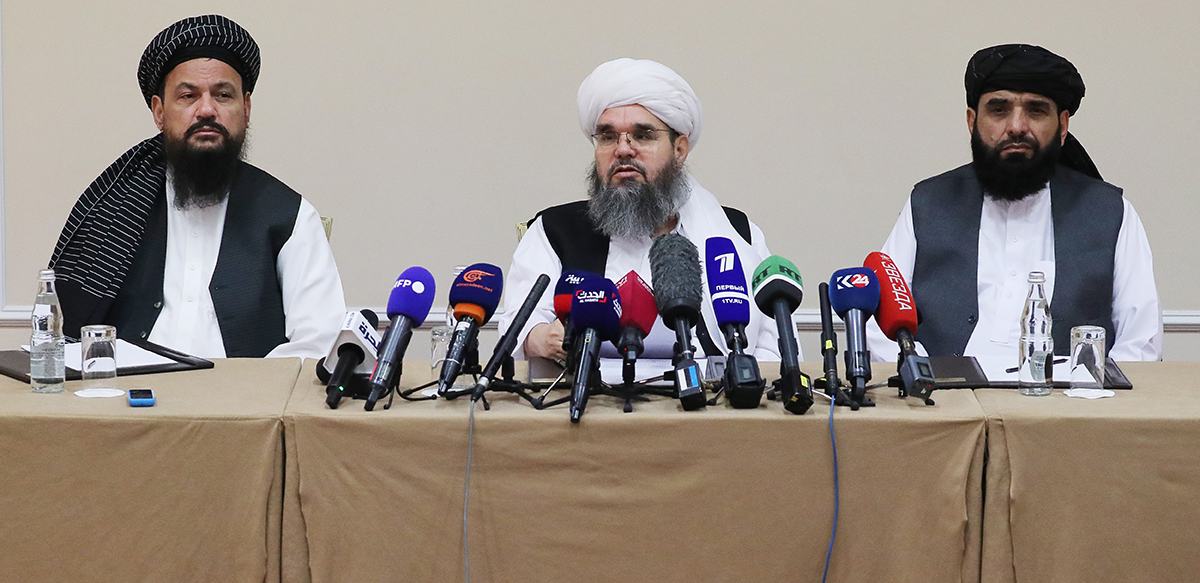
As U.S. forces continue to draw down from Afghanistan, the Taliban are rapidly filling the void by occupying large new swaths of territory and key military infrastructure. Last week the movement announced it controlled up to 85% of the country. With hundreds of Afghans, including members of the military, crossing the border to the neighboring former Soviet republics of Tajikistan and Uzbekistan, speculation over the potential destabilization of Central Asia is mounting. Many regional governments are looking to Moscow for support and defense.
The Saudi-Emirati OPEC rift might be local, but the core dispute is global
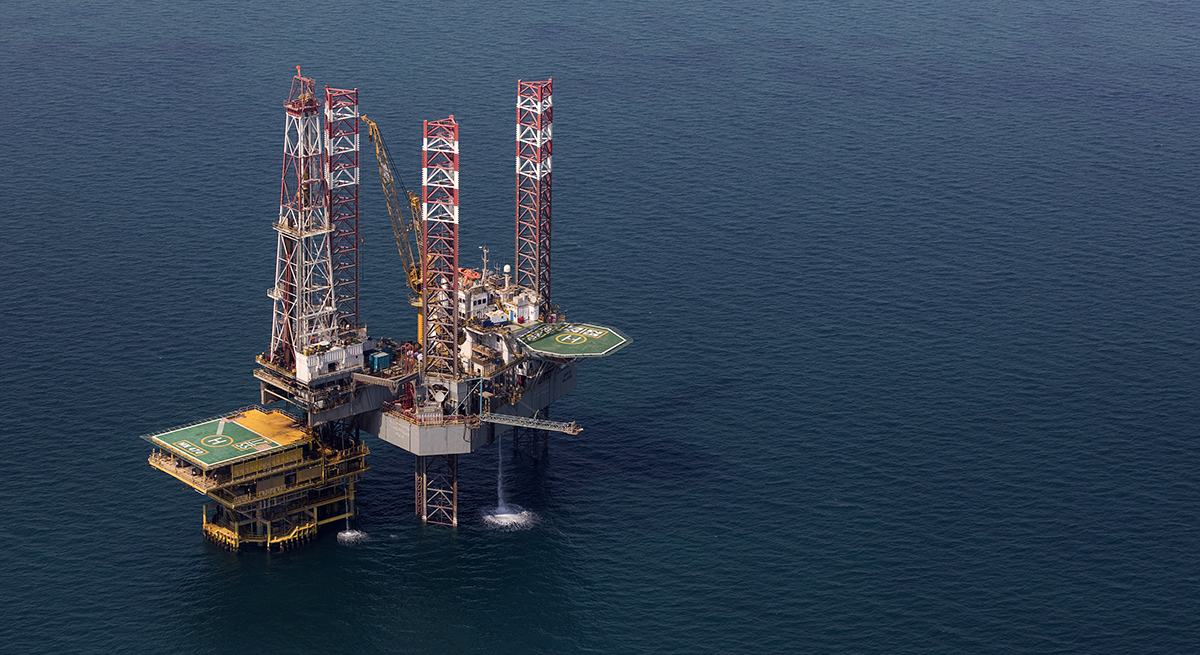
In spite of the growing political distance between Riyadh and Abu Dhabi, it was economic factors that played the key role in the UAE decision not to support the extension of the OPEC+ agreement until the end of 2022, thus putting on hold the cartel’s decision to increase production in the coming months. The OPEC+ agreement in place since December 2016 may have finally run its course. The medium term will see a changed landscape among oil producers, not just in the GCC, but globally as they compete for customers in emerging markets, the only place where oil demand is expected to increase after 2030, and as they attempt to transform their businesses across energy products. The national oil companies that can access capital, attract new investment, offload assets, and be nimble enough to grow across energy lines, whether it be hydrogen, solar, or even natural gas, will be the ones that thrive. Producers like Libya, Iraq, Iran, and even Russia and Saudi Arabia may be at a disadvantage in accessing new investment and pursuing transformation. The future of OPEC and its ancillary partners is one of intense competition and divergent time horizons for hydrocarbon exploitation.
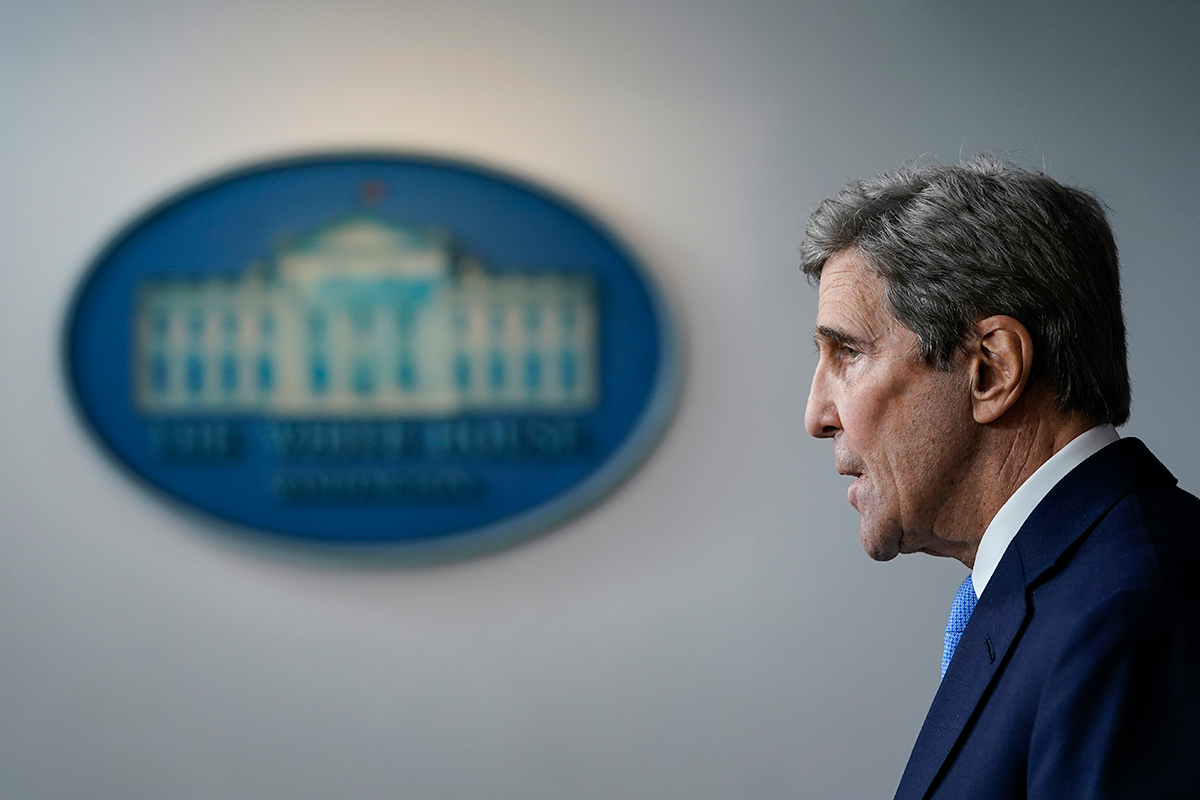
The Biden administration’s goals in climate policy, renewable energy infrastructure investment both domestically and globally (the Build Back Better World, or B3W, initiative), and its Middle East policy may be on the verge of a collision. While the administration would like to dial back its engagement in the Middle East at least militarily, the region will be essential to meeting U.S. foreign and domestic energy goals.
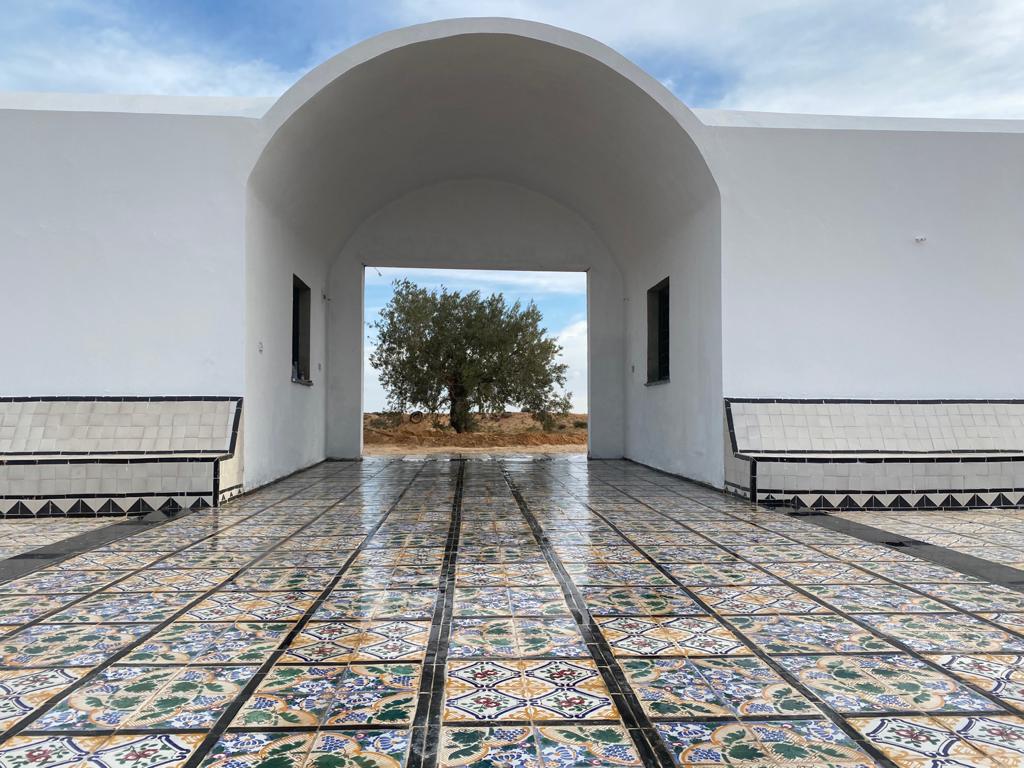
Jardin d’Afrique: A moving memorial to forgotten migrants
In Zarzis, on Tunisia’s southern coast, Algerian artist Rachid Koraichi has created a moving memorial to the thousands of migrants who have died crossing the Mediterranean. A hybrid of graveyard, garden, and art installation, Jardin d’Afrique has become the final resting place for over 300 souls whose bodies washed up on the shore of this tourist town.
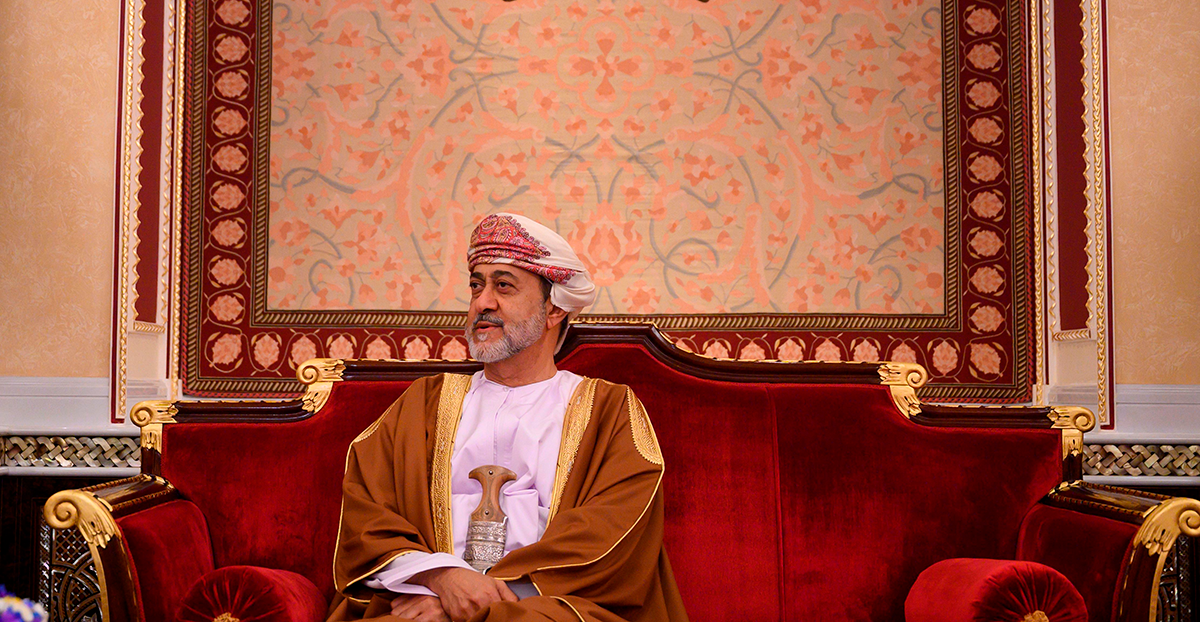
Consolidating Saudi-Omani relations under Sultan Haitham
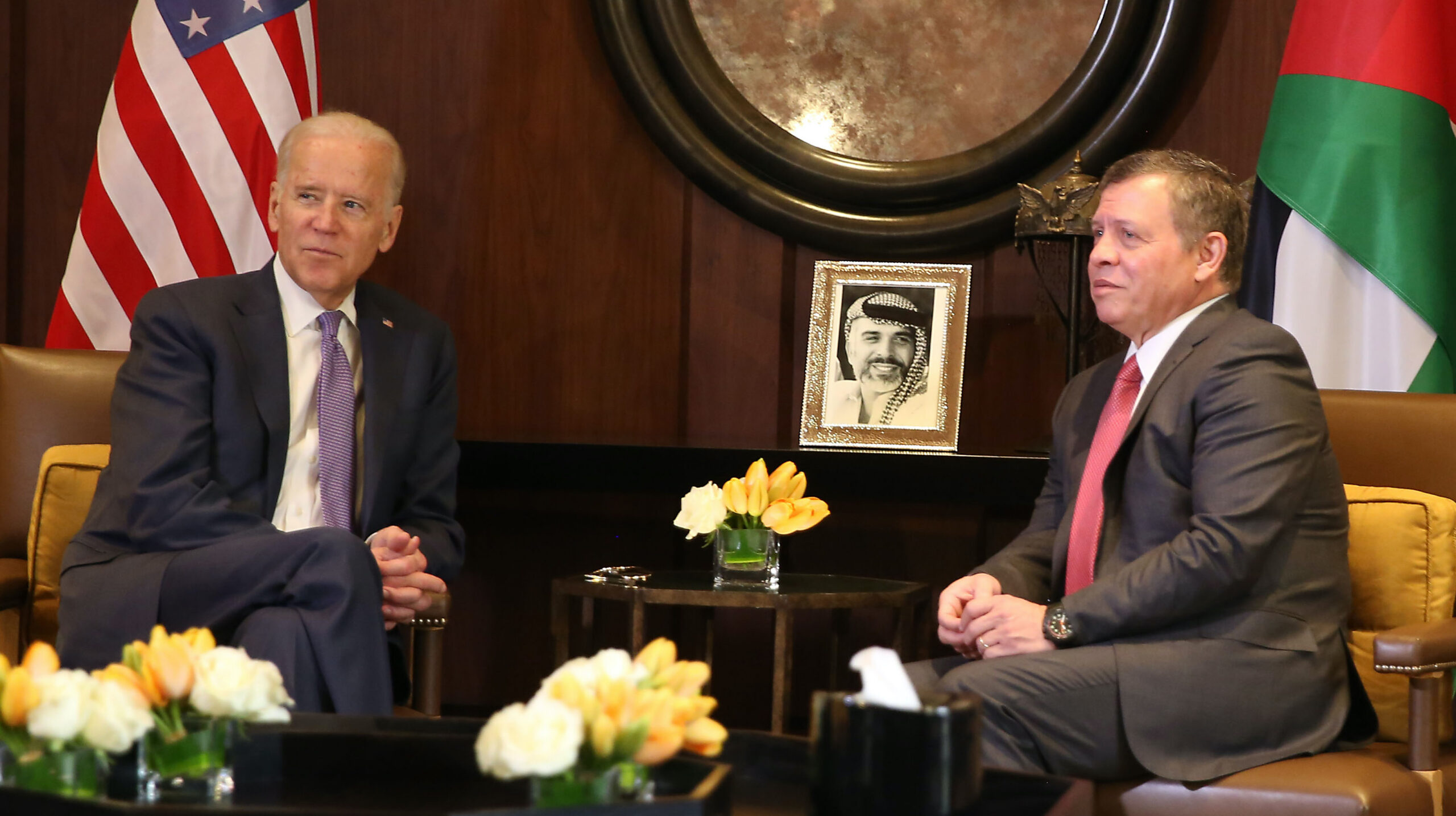
Sultan Haitham bin Tariq al-Said arrived in Neom, Saudi Arabia, on July 11, 2021, in his first foreign trip since becoming the sultan of Oman on Jan. 11, 2020. At the start of his two-day visit to the kingdom he was met by King Salman and accompanied by a high-level Omani delegation. A slew of new agreements were signed across commerce, culture, and transport.
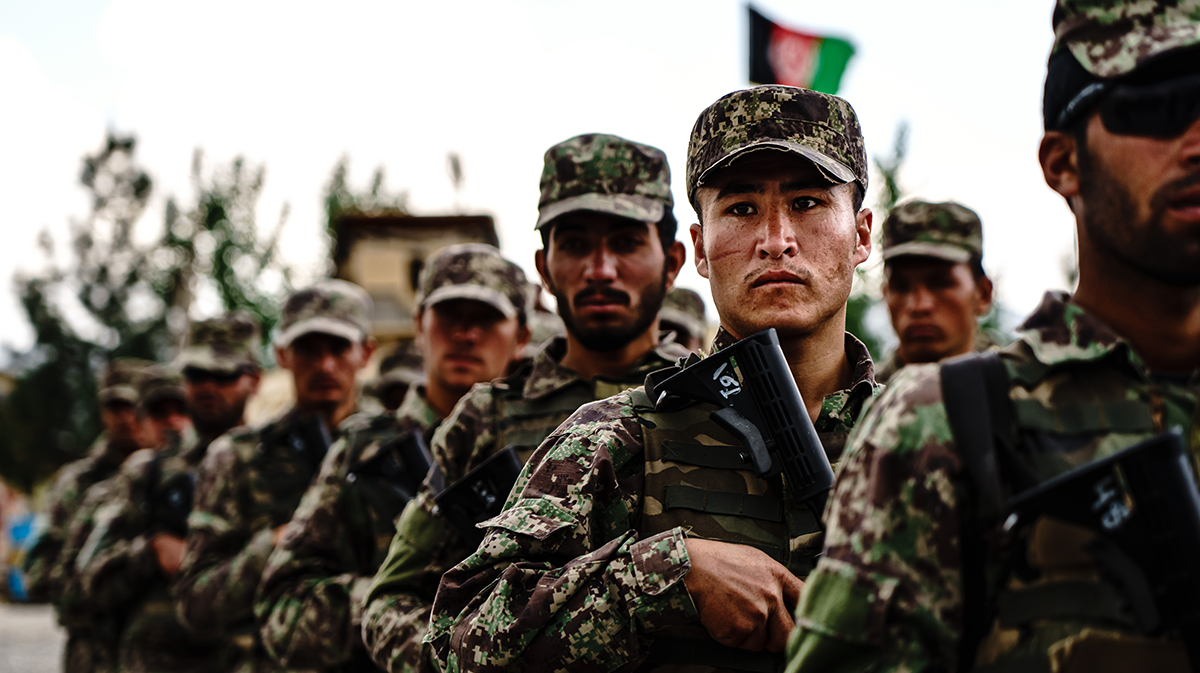
Mr. President, keep the military advisers in Afghanistan
Even the most ardent supporters of President Joe Biden’s decision to withdraw all American troops from Afghanistan recognize the inherent tension in his policy. Biden promised Afghanistan’s top leaders in a recent meeting at the White House that he would maintain U.S. material support to the country. But ensuring a “sustained” partnership with a politically fragile Afghan government requires first and foremost an Afghan force that’s capable of defending that government, providing some security across the country, containing the Taliban, and preventing terrorists from once again setting up shop and plotting attacks worldwide like they did on 9/11.