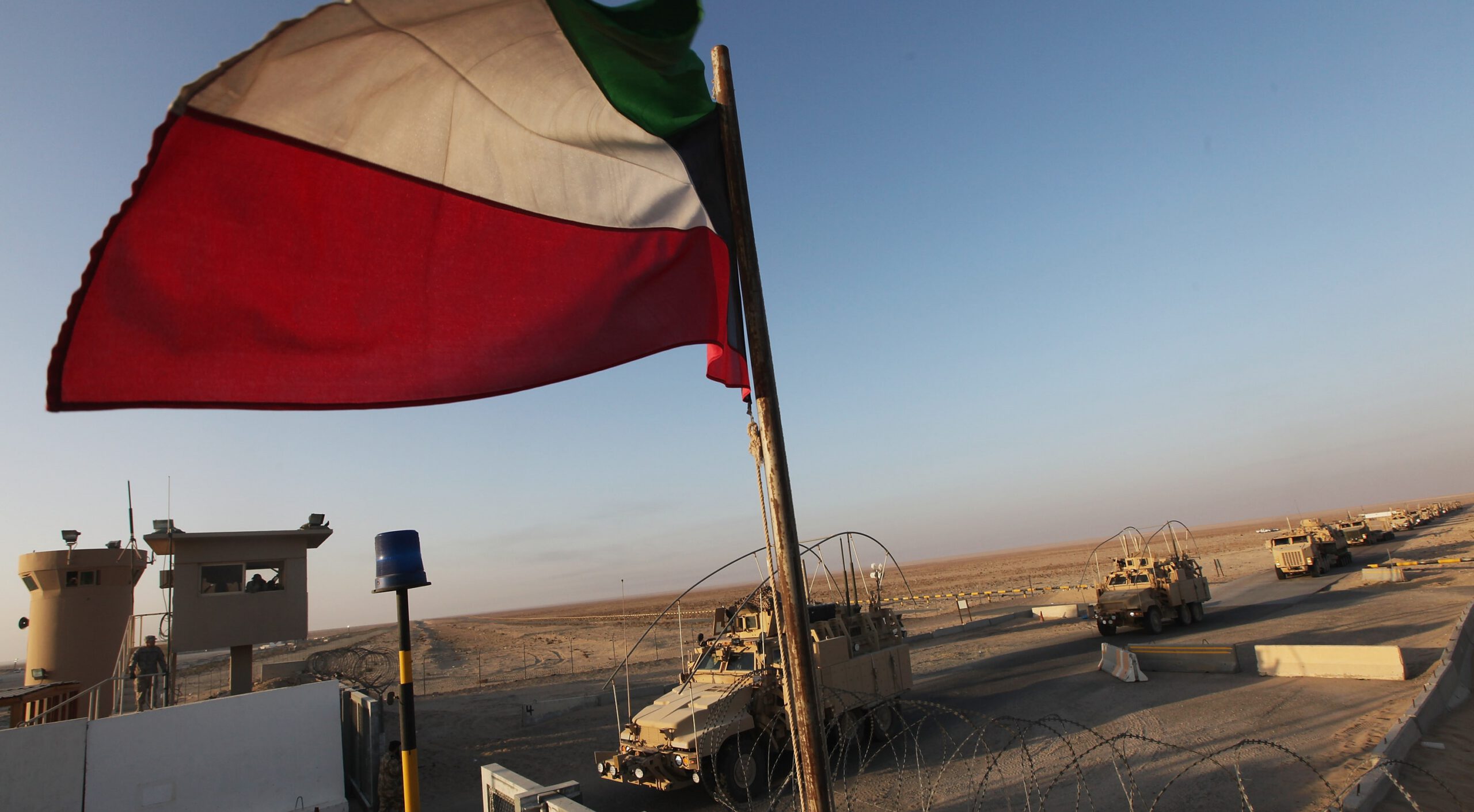
Beyond Post-Desert Storm: How to Elevate the US-Kuwait Security Partnership
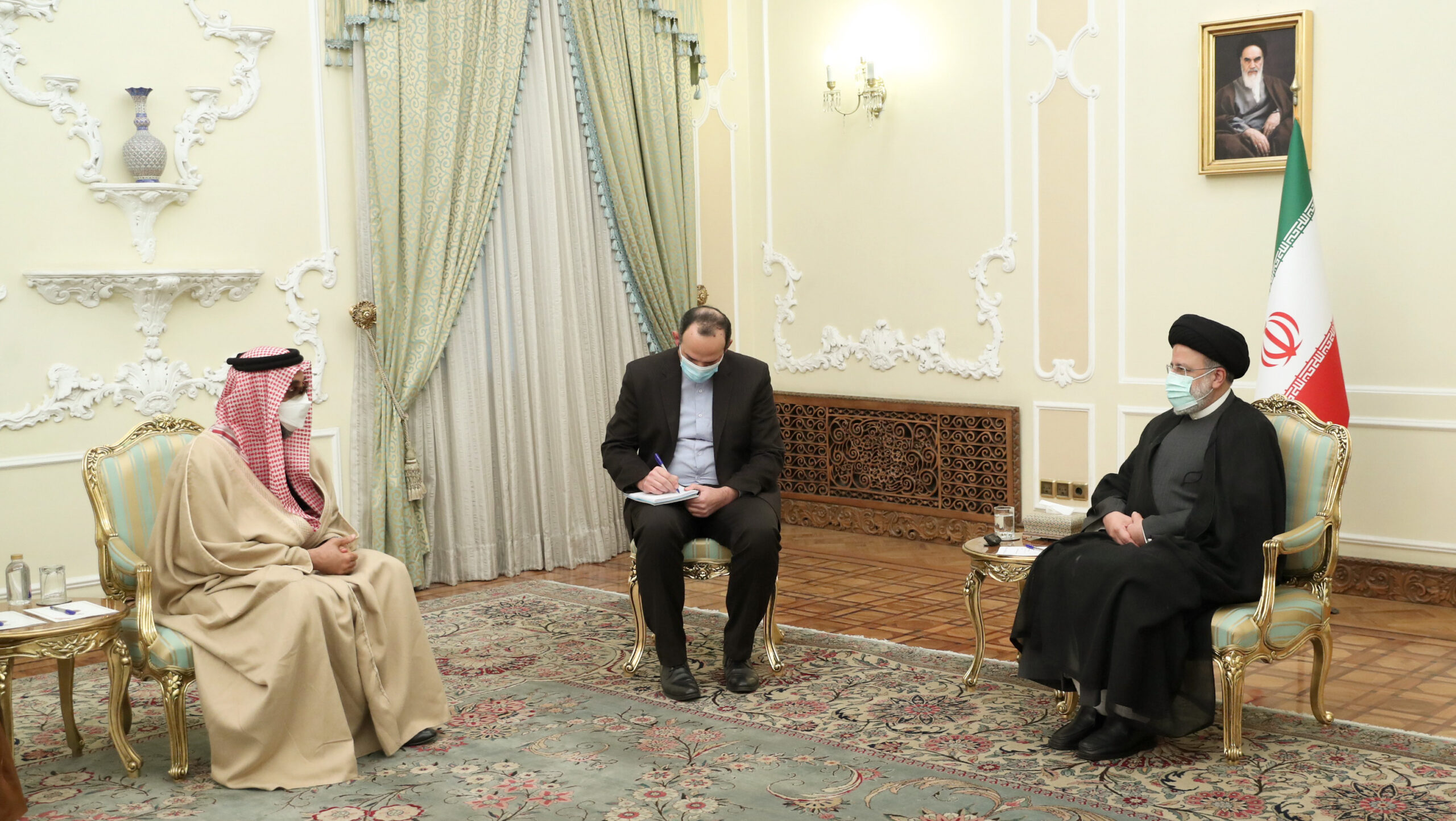
Kuwait plays a larger role than is often assumed in America’s present and future military plans in the Middle East. But as Washington prioritizes the Indo-Pacific, it is critical that the security arrangement between the United States and Kuwait is thoughtfully reconfigured.
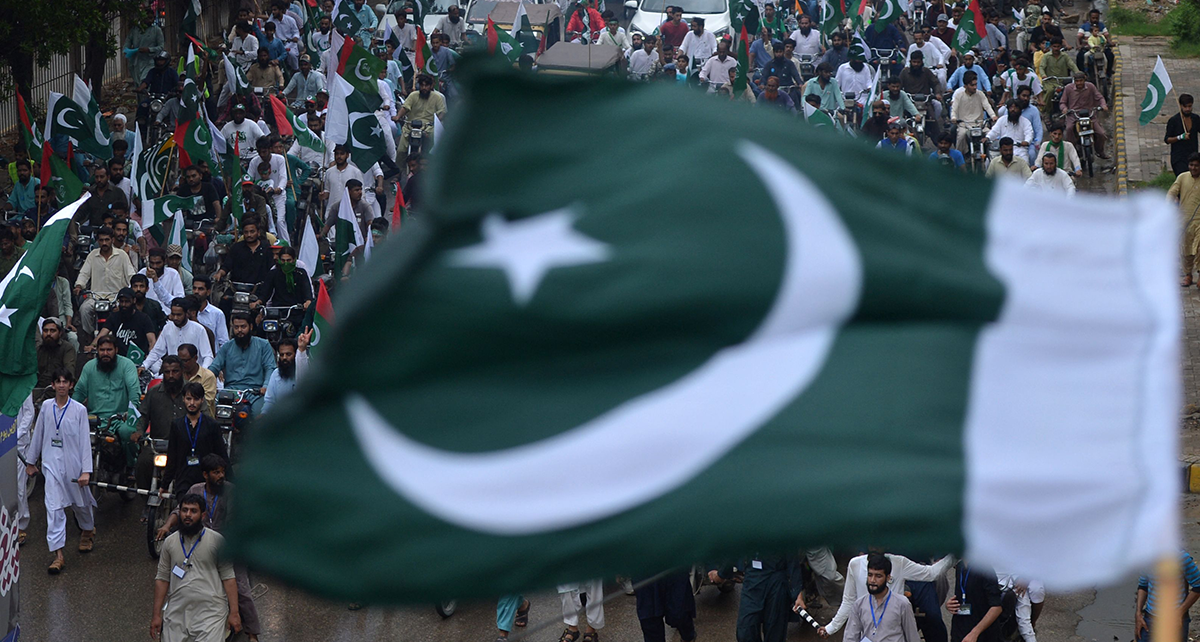
Pakistan at 75: The clock has run out for business as usual
On Aug. 14, Pakistan marked its 75th independence day, like many of the preceding 74, in a state of political and economic crisis. Days later, epic floods would befall the country, submerging a third of it under water. Pakistan can no longer afford business as usual.
Dysfunctional centralization and growing fragility under Taliban rule
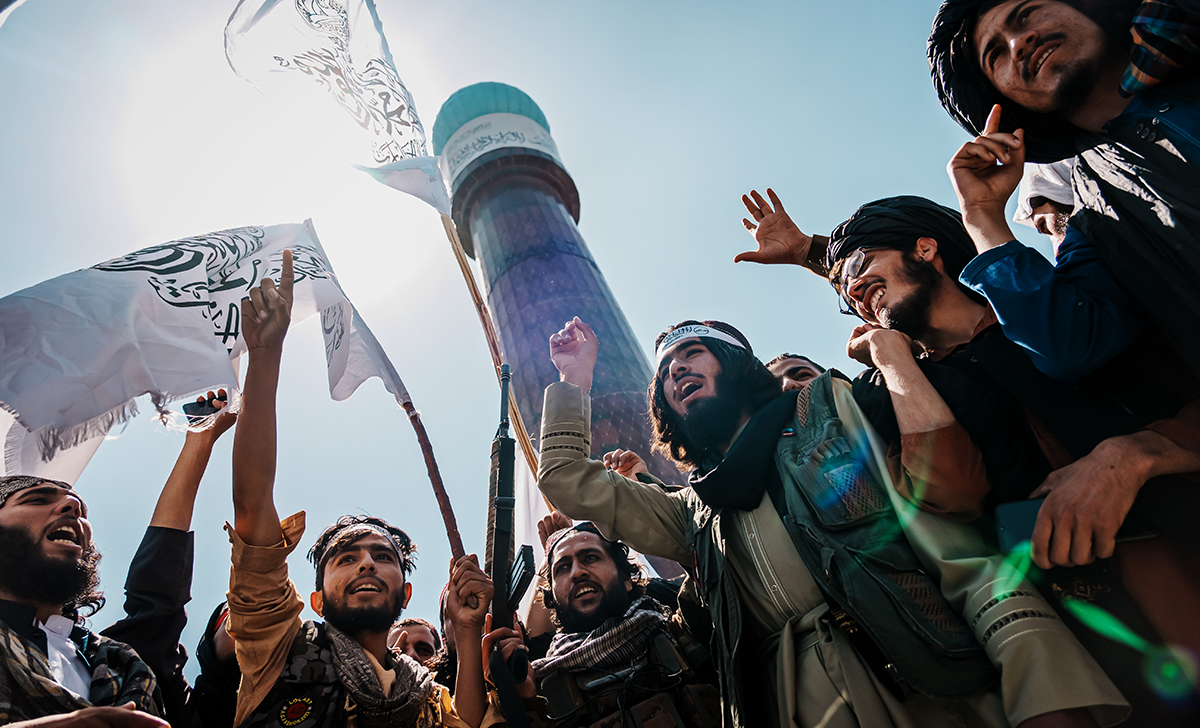
One year ago, on Aug. 31, 2021, the last foreign soldier left Afghanistan. Since then, the situation in the country has only grown more fragile, marked by deteriorating living conditions, widespread human rights violations, and increasing political instability. One key contributing factor to the crisis is a dysfunctional centralized governance structure that has become more paralyzed and unresponsive under Taliban control.
On the anniversary of the US withdrawal from Afghanistan
On Aug. 30, 2021, the commander of the 82nd Airborne Division, Maj. Gen. Chris Donahue, boarded the last U.S. military flight out of Hamid Karzai International Airport in Kabul. For many, the image of the final American soldier stepping onto a C-17 military transport plane marked the end of the war. But even as we remember the chaotic end of America’s longest war, we should also recall the sublime acts of loyalty and resolve that took place simultaneously.
The diplomatic ice is breaking in the Gulf. What does that mean for the region?
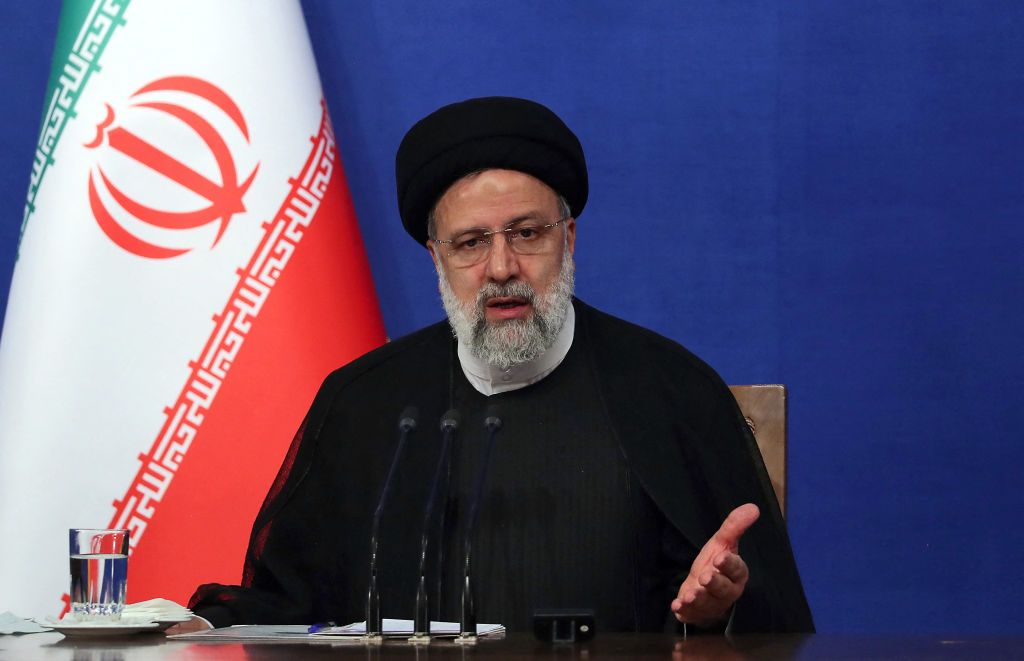
The announcements in mid-August that both the United Arab Emirates and Kuwait will be returning their ambassadors to Tehran after six years provided the latest indication that the diplomatic ice has started to break in the Gulf region.
Why the Afghan peace process failed, and what could come next?
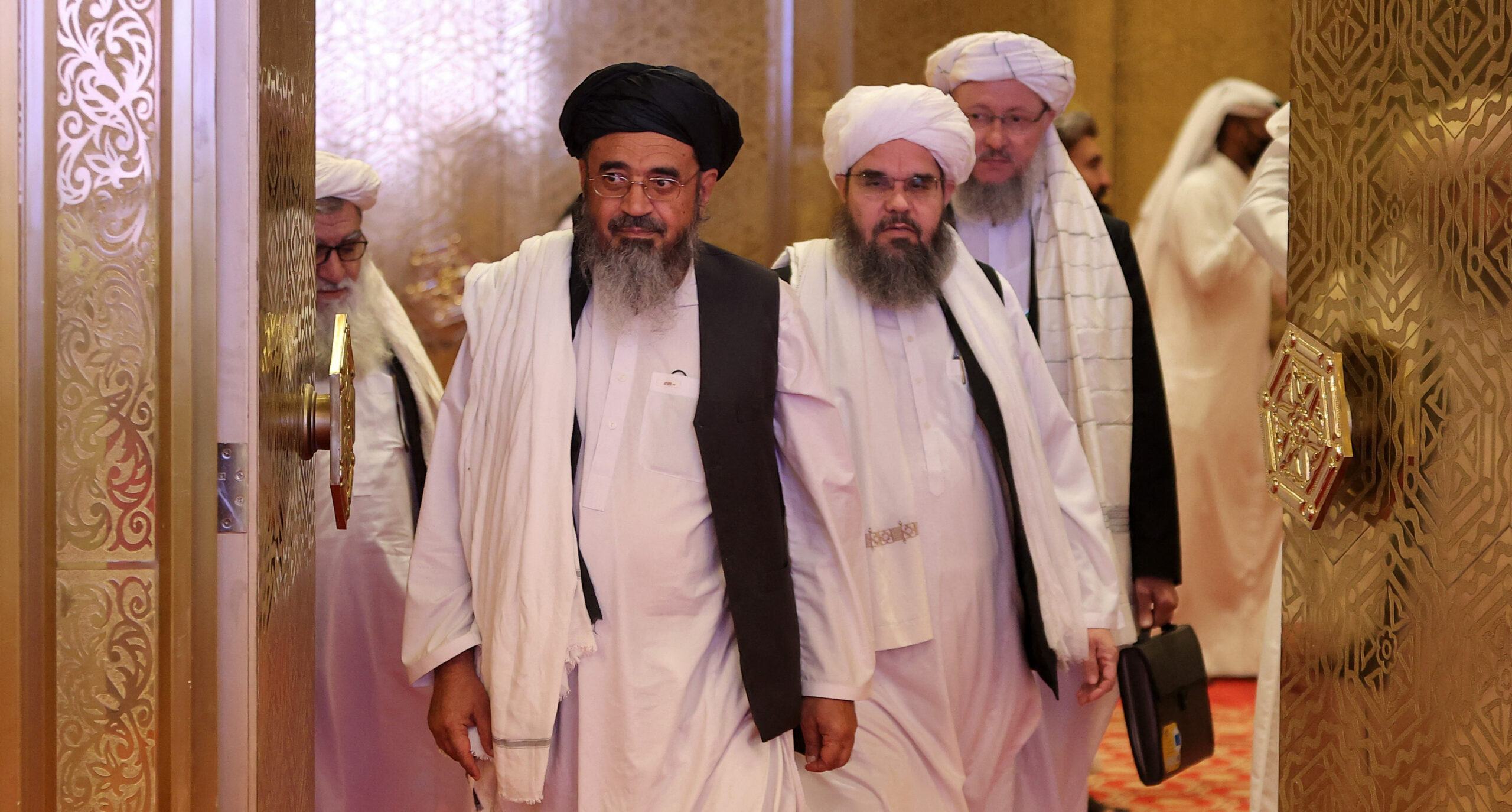
Multiple factors converged to derail the peace process prior to the U.S. withdrawal from Afghanistan. The lessons from this failure can inform policymakers on how to successfully pursue a new round of political peace talks involving the Taliban and all major segments of Afghan society.
On this week’s episode, host Alistair Taylor explores the ramifications of the CIA drone strike that killed al-Qaeda leader Ayman al-Zawahiri in Kabul, Afghanistan on July 31. Joining the program are three MEI experts — Mick Mulroy, Javid Ahmad, and Douglas London — who bring with them a variety of perspectives, from intelligence to diplomacy.
Gulf economies should use the available fiscal space to ensure a soft landing
After achieving respectable growth in 2021, the GCC member states now face the risk of monetary (over) tightening due to the need to follow the U.S Federal Reserve’s interest rate adjustments. These increases are not warranted, however, as the GCC economies currently face relatively moderate inflation. Instead, they should use the available fiscal space to mitigate the negative fallout of monetary tightening and make greater use of PPPs for future infrastructure development.
Afghanistan adrift one year after the Taliban takeover
Even prior to al-Qaeda leader Ayman al-Zawahiri’s death in a CIA drone strike on July 31, the last few months have mostly underscored the Taliban’s global isolation and the anguish of the Afghan people. A year on from the Taliban’s takeover of Kabul in August 2021, no foreign government has officially recognized the regime.