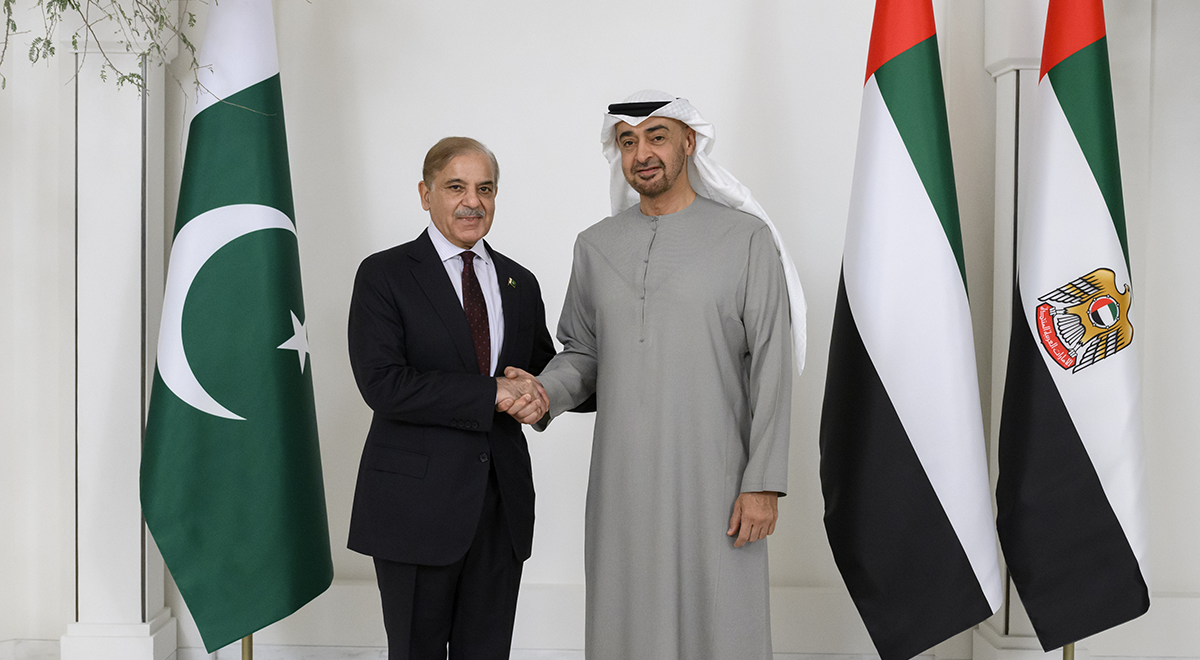
باكستان والشرق الأوسط: النهج المتطور تجاه أفغانستان
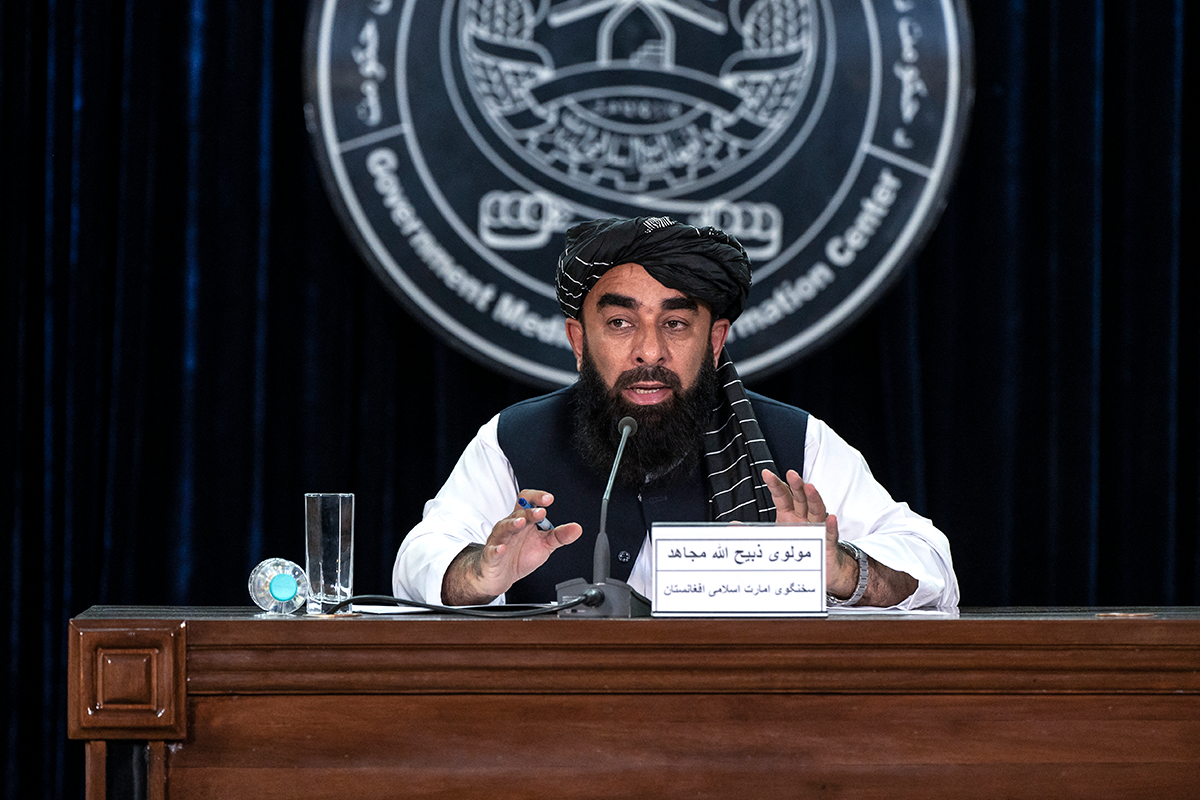
لطالما كانت أفغانستان ساحة للمنافسات بالوكالة بين القوى الإقليمية، التي اتبعت سياسات متباينة تجاه أفغانستان على مدى العقود الماضية من الاحتلال الأجنبي، وتقوم بذلك مرة أخرى الآن في ظل سيطرة طالبان المتجددة على البلاد.
Monday Briefing: The Middle East is the closest it has ever been to an all-out war
After 10 months of Israel’s war on Gaza, the US administration has lost control over its ally and the fear of its opponents. As a result, Washington has only limited, if any, impact on the cost-benefit escalation calculus of the fighting sides. The Middle East is today the closest it has ever been to an all-out multi-front regional war.
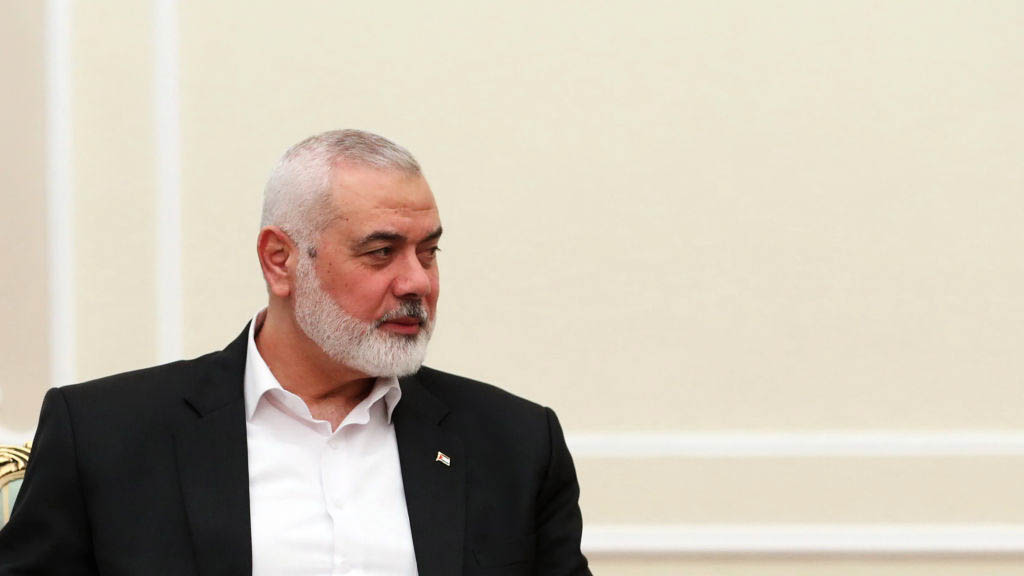
Special Briefing: The regional impact of Ismail Haniyeh’s assassination
In a new special briefing, scholars from across MEI weigh in with their thoughts on the assassination of Hamas political leader Ismail Haniyeh and the potential regional impact.
Israeli Strikes and the Risk of Regional Escalation
This week’s episode looks at the dramatic regional developments of the past 24 hours, including the Israeli strike on a top Hezbollah commander in Beirut and the assassination of Hamas political leader Ismail Haniyeh in Tehran. The strikes mark a significant escalation, and are expected to provoke retaliation from Iran and Hezbollah that could potentially ignite a wider regional conflict.
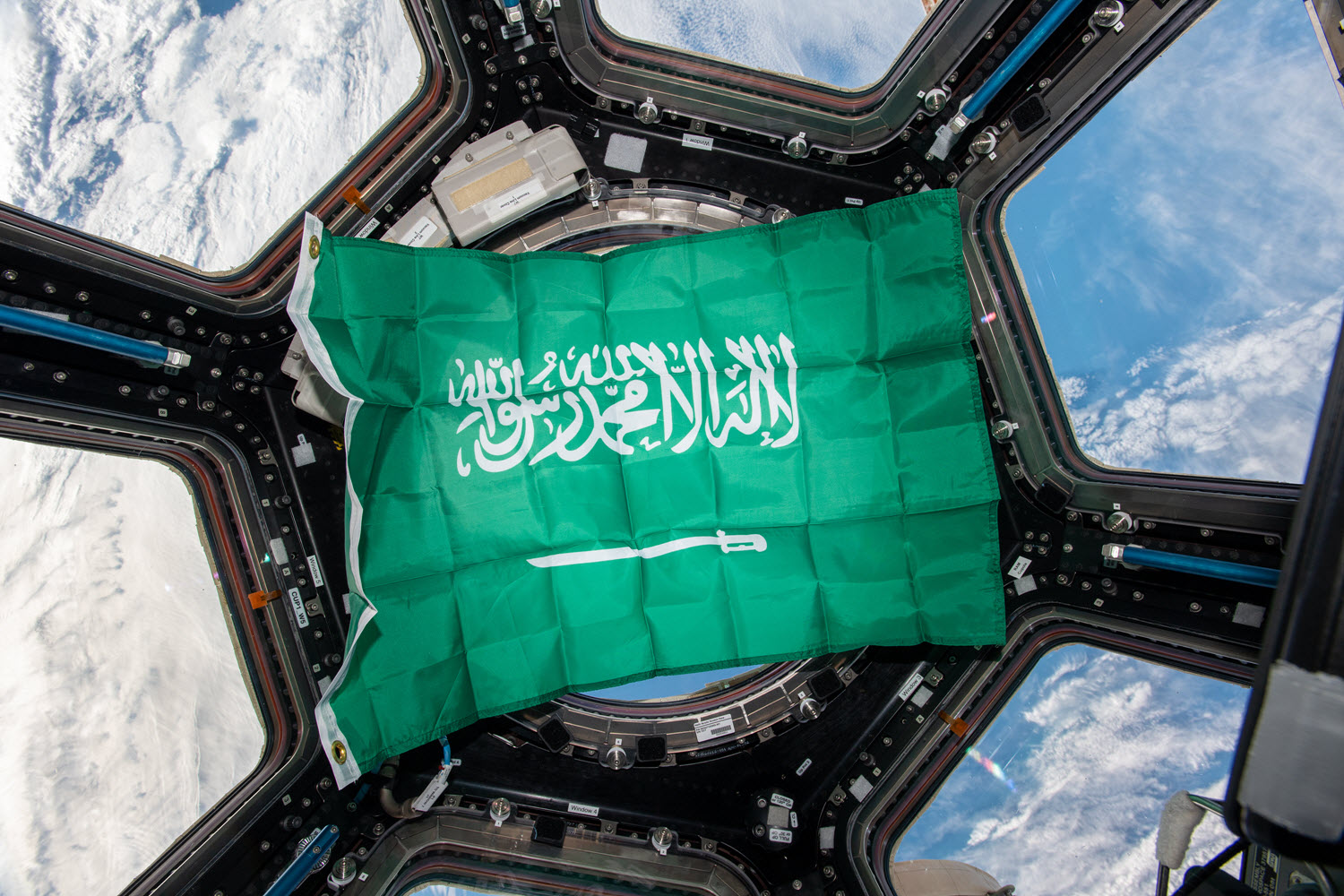
On July 16, the United States and Saudi Arabia announced a new framework for space collaboration and civil aeronautics that shakes up the space race. The agreement marks a turning point for the US-Saudi Arabia bilateral relationship, gearing it more toward scientific cooperation and demonstrating the pivotal role that emerging space powers, particularly in the Middle East, are poised to play in the Second Space Age.
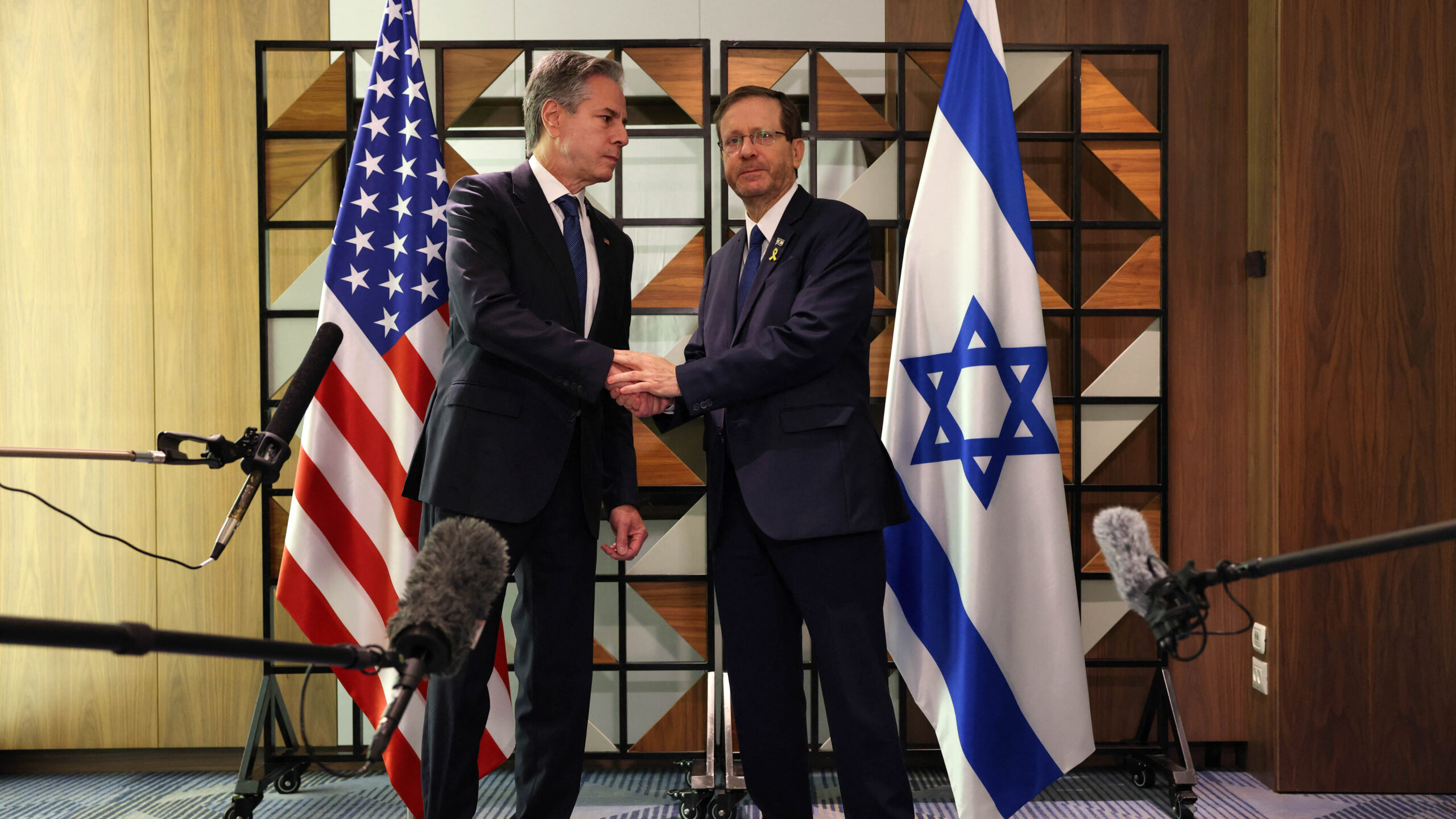
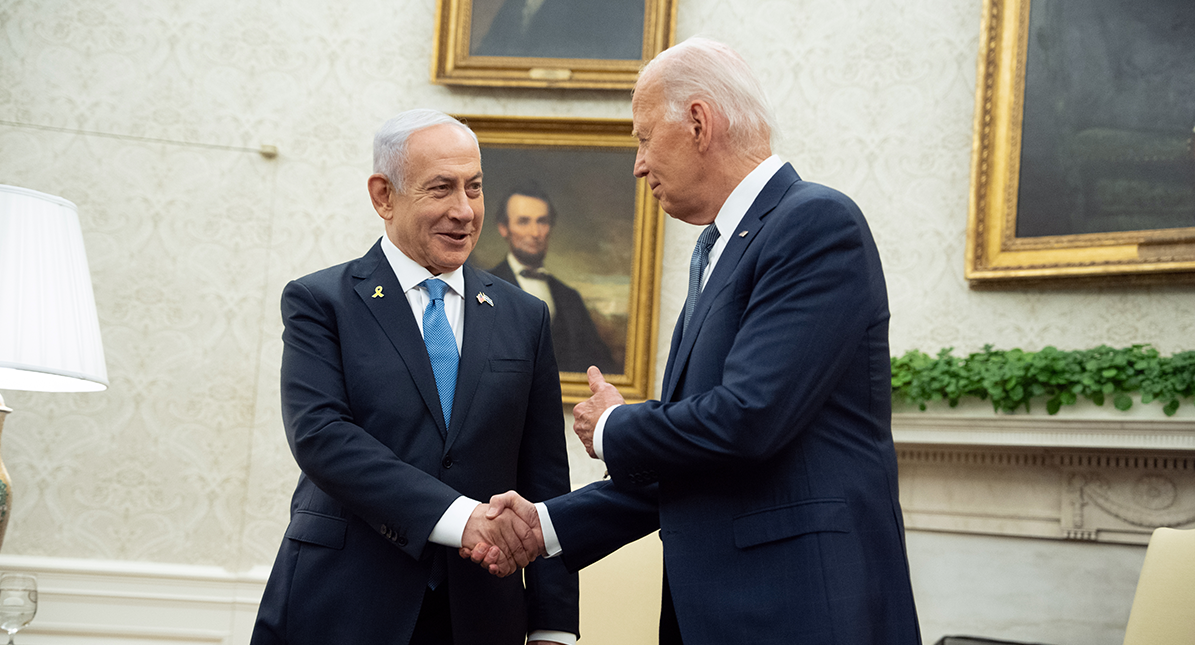
Unpacking the policy dimension of Netanyahu's Washington visit: A US push for a Gaza deal that came up short
The extensive coverage and analysis of Israeli Prime Minister Benjamin Netanyahu’s recent visit to the United States mostly focused on optics and domestic politics, rather than on policy. Nevertheless, policy issues were very much present throughout the course of the visit, with Biden and his team trying to push for a hostage and cease-fire deal between Israel and Hamas.
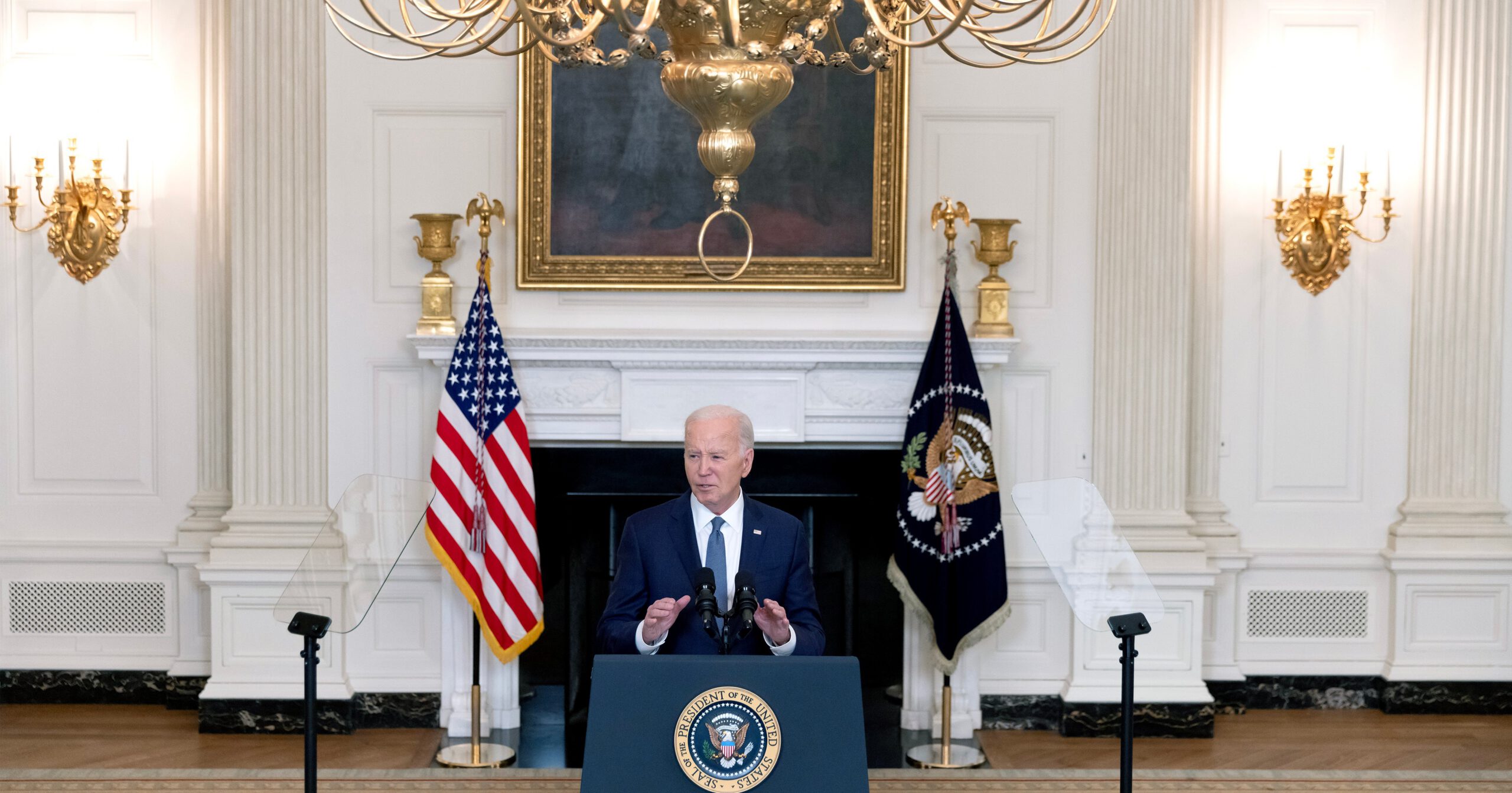
The Limits of Biden’s Middle East Diplomacy: An Assessment of US Policy, April-July 2024
In reaction to the Oct. 7 Hamas attack on Israel and the subsequent Gaza war, the Biden administration articulated six main objectives. After nine months of the Israel-Hamas conflict, which has repeatedly threatened to spill out into neighboring theaters, the Biden administration’s success toward achieving these goals has mostly declined, not for a lack of effort but rather a reflection of considerable challenges in the environment and major shortcomings in policy conceptualization and implementation.
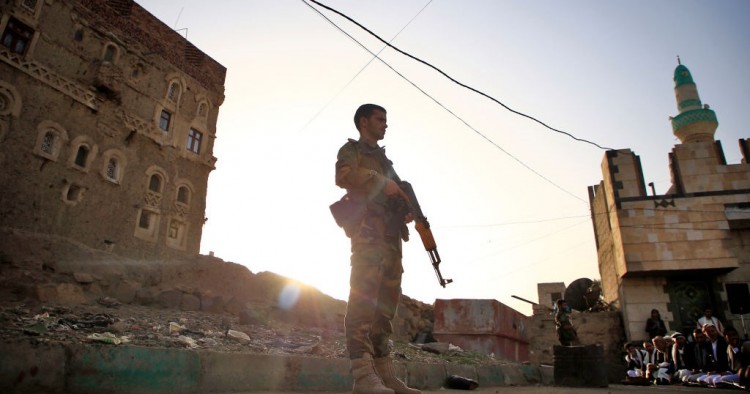
The geopolitical implications of Houthi attacks and Israeli retaliation
The Houthis’ strategy of escalation has the potential to upset the fragile balance of power in the Middle East and underlines the ability of smaller actors to influence larger geopolitical outcomes through calculated risks and alliances.
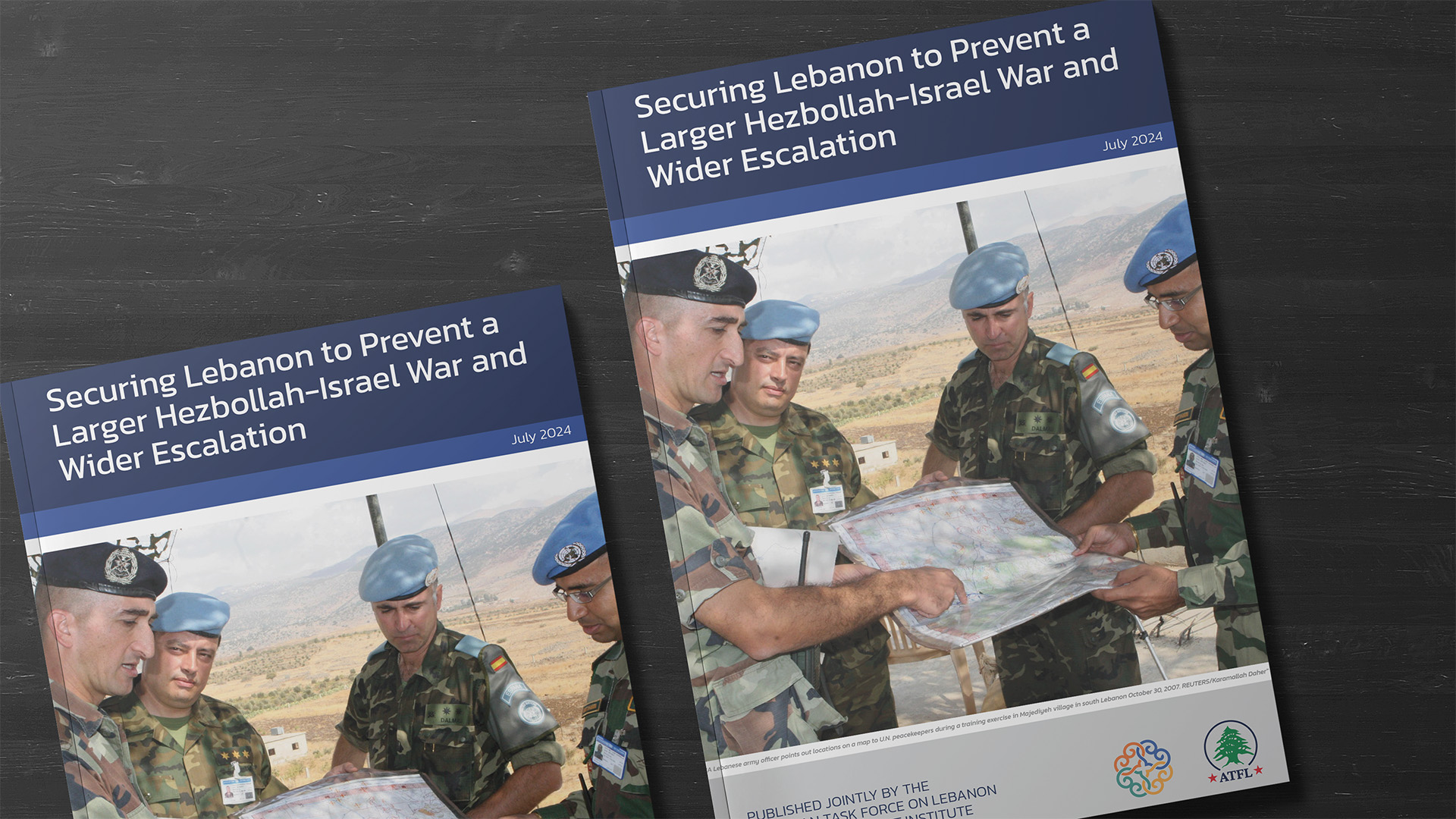
Securing Lebanon to Prevent a Larger Hezbollah-Israel War and Wider Escalation
The Middle East Institute (MEI) and the American Task Force on Lebanon (ATFL) convened a group of experts on Lebanon who co-authored this policy brief.
Executive Summary
As tensions between Israel and Hezbollah escalate, the specter of a full-scale war, with the potential to draw in the United States and Iran, demands the US’s immediate attention. The Biden-Harris Administration has tasked, in response, White House Senior Advisor Amos Hochstein with mediating efforts to de-escalate the conflict and bring stability to the Lebanon-Israel border.
Why Pakistan is looking to Saudi Arabia and the UAE to ramp up investment
Pakistan’s government is pursuing a two-track approach to stabilize the country’s long-troubled economy. It is engaged in lengthy negotiations with the IMF to secure at least $6 billion in loans to shore up its ability to service its external debt. At the same time, Islamabad is also trying to woo its Gulf allies, most notably Saudi Arabia and the UAE, in a bid to diversify its sources of external financing, address the lingering threat of insolvency, and put its economy on an upward trajectory of sustainable growth.
“Vision of darkness balanced by light”: Lebanese-American Artist Nabil Kanso’s Works Express the Current Moment, Decades After Their Creation
Nearly six decades after Kanso moved to America and began his career as a visual artist, his work remains enormously important, channeling the zeitgeist of our uncertain and violent era. Yet as dark as Kanso’s vision is, he also reminds us that even the most hellacious of contexts can contain light and the possibility of rebirth and renewal.