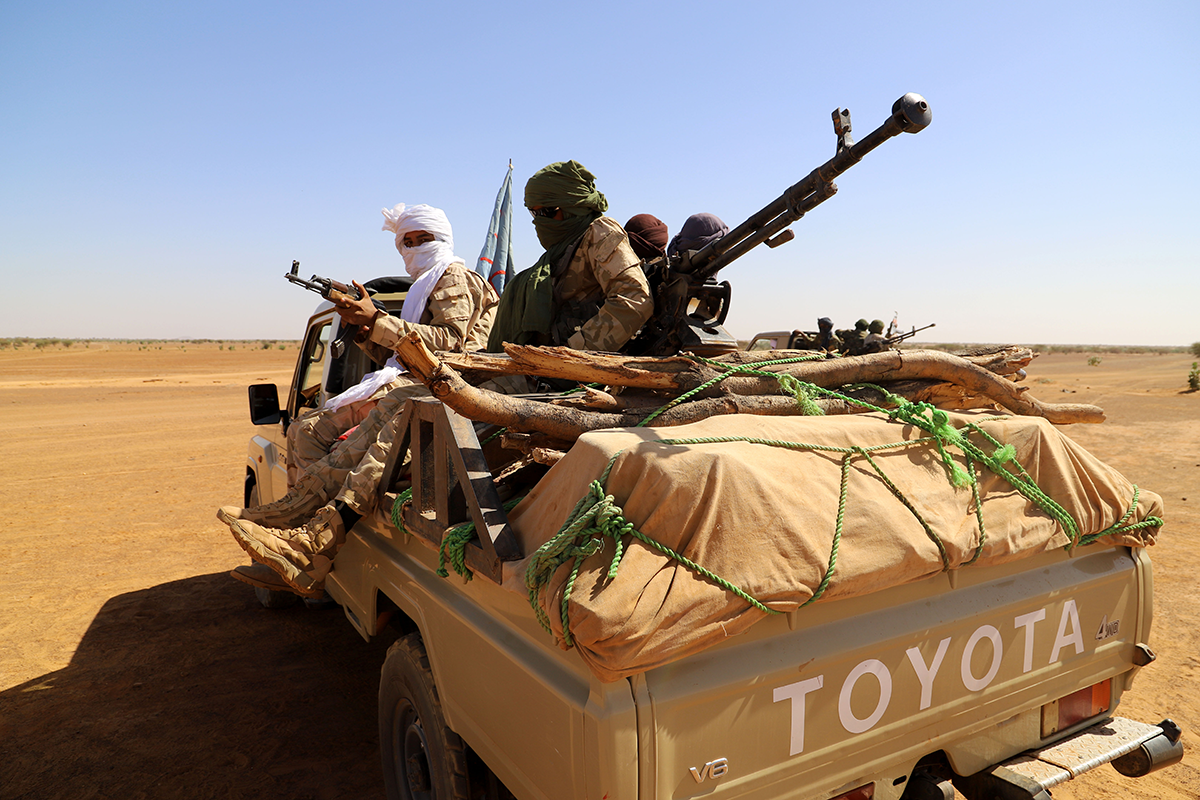
In Disorder, They Thrive: How Rural Distress Fuels Militancy and Banditry in the Central Sahel
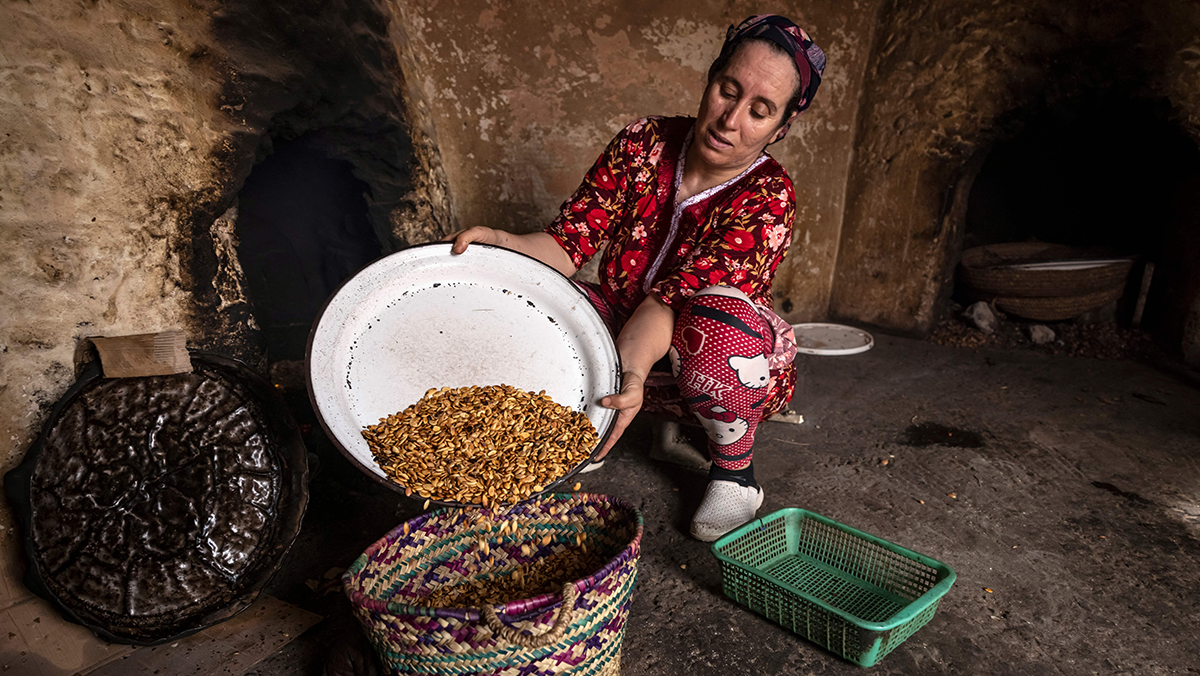
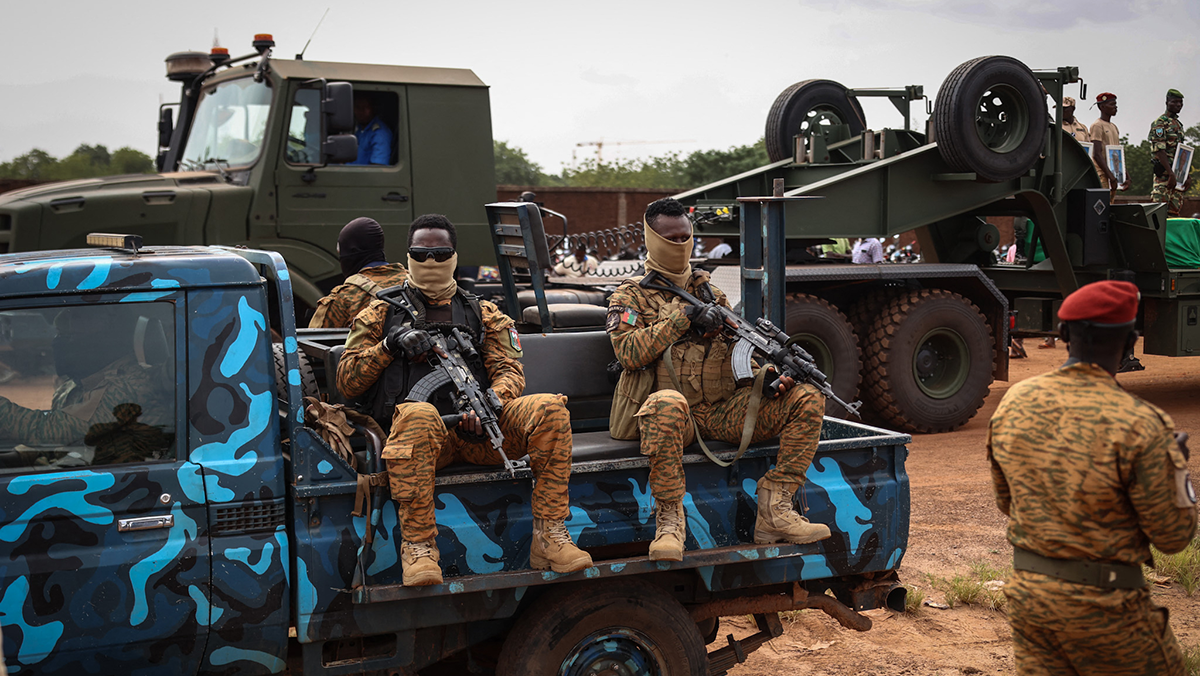
The central Sahel — Burkina Faso, Mali, and Niger — is buffeted by three main forms of armed conflict that overlap and fuel each other: communal conflict, banditry, and violent extremism. These conflicts are partly rooted in a crisis of governance in rural areas, and are exacerbated by climate change, demographics, and internal and cross-border migration.
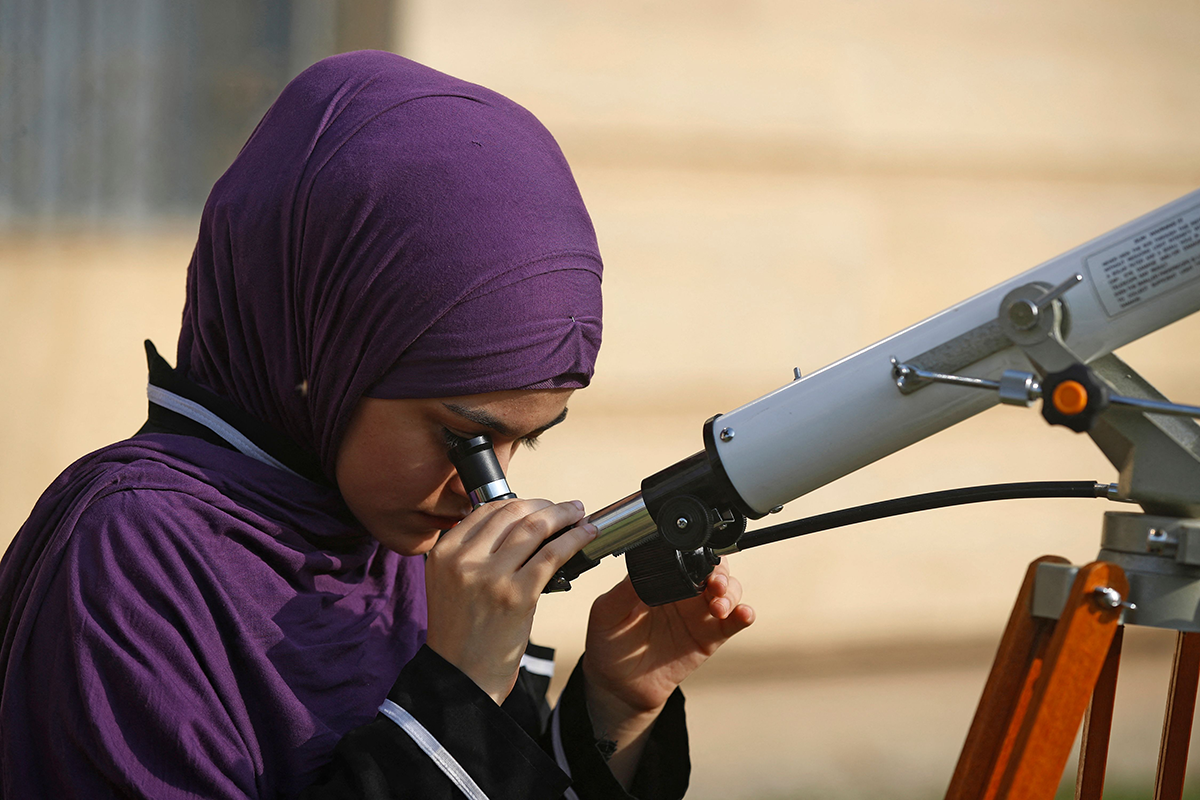
An Arab Science Spring: Science, technology, and innovation in the Middle East
At present, the MENA region is a net importer of science, technology, and innovation (STI) products and a net exporter of STI talent. This was not always the case, however, as the Middle East has a rich history in science and needs to be put on a path back towards its historical zenith. An STI strategy for the region must focus on improving science education in universities, enhancing scientific research capacity, increasing financial support for R&D, and fostering regional and international scientific and educational cooperation.
Dispatches from Tokyo: Abe’s legacy, the Middle East and the Indo-Pacific, tech decoupling, and more
After a week of talks with Japanese officials, scholars, and intellectuals, I am still grappling with the back-and-forth about the emerging global disorder and the evolving situation in the Indo-Pacific and the Middle East.
Challenges new and old: The myriad economic issues affecting MENA through the lens of public opinion
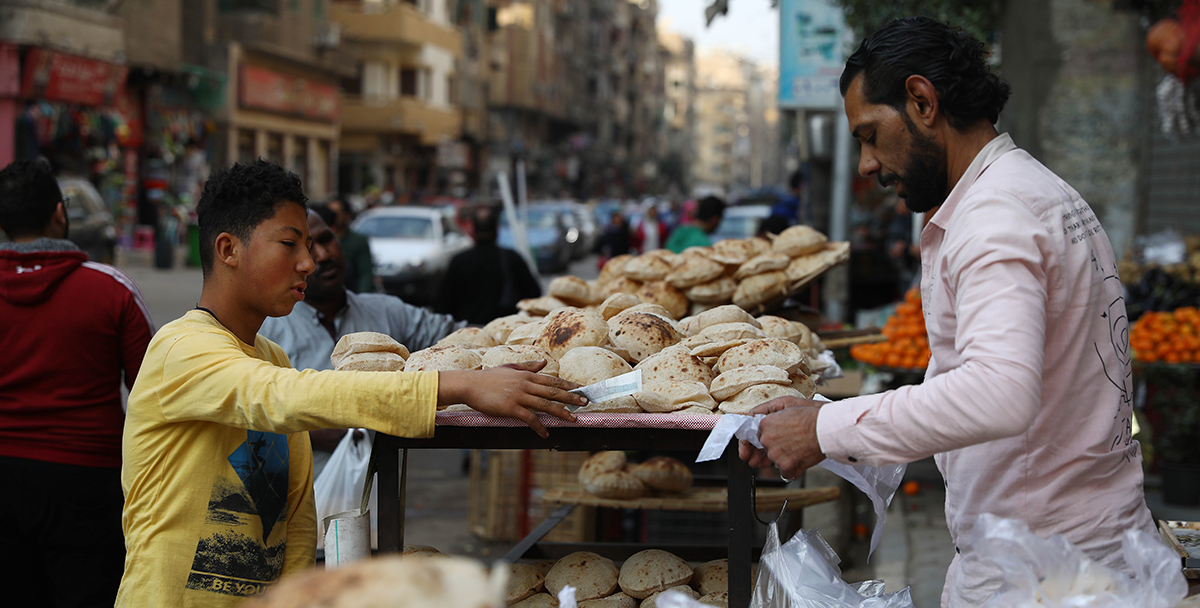
For more than a decade, policymakers in developing countries in MENA have been confronted with high inequality, low growth, rising poverty, and high youth and female unemployment. They now face new challenges as well. This note briefly identifies some of the most important issues affecting the region, relates them to the results of a recent survey of 12 Arab countries carried out by Arab Barometer, and suggests some pathways out of the current quagmire.
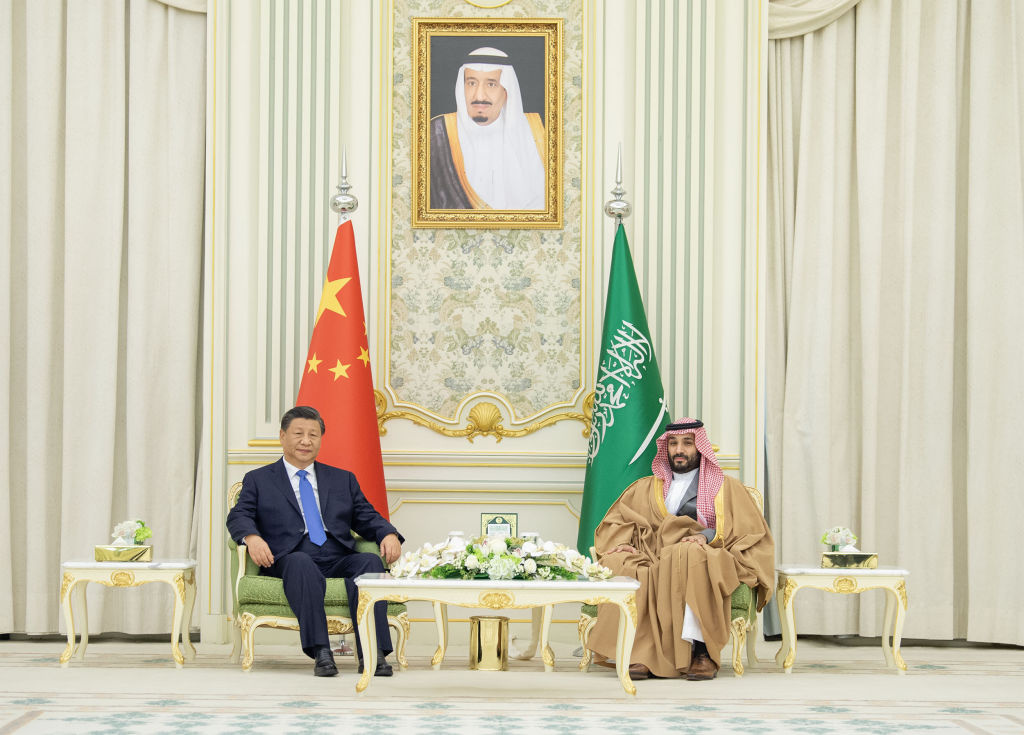
The traditional 20th-century pillars of U.S.-Saudi bilateral relations are energy and security — a reflection of Cold War dynamics and the critical role that Saudi Arabia plays in the global economy as an energy superpower. Now, in 2023, Riyadh and Washington should think beyond energy to explore opportunities and address critical challenges in areas such as tech and cyber, which could ultimately cement their strategic relations for the 21st century.
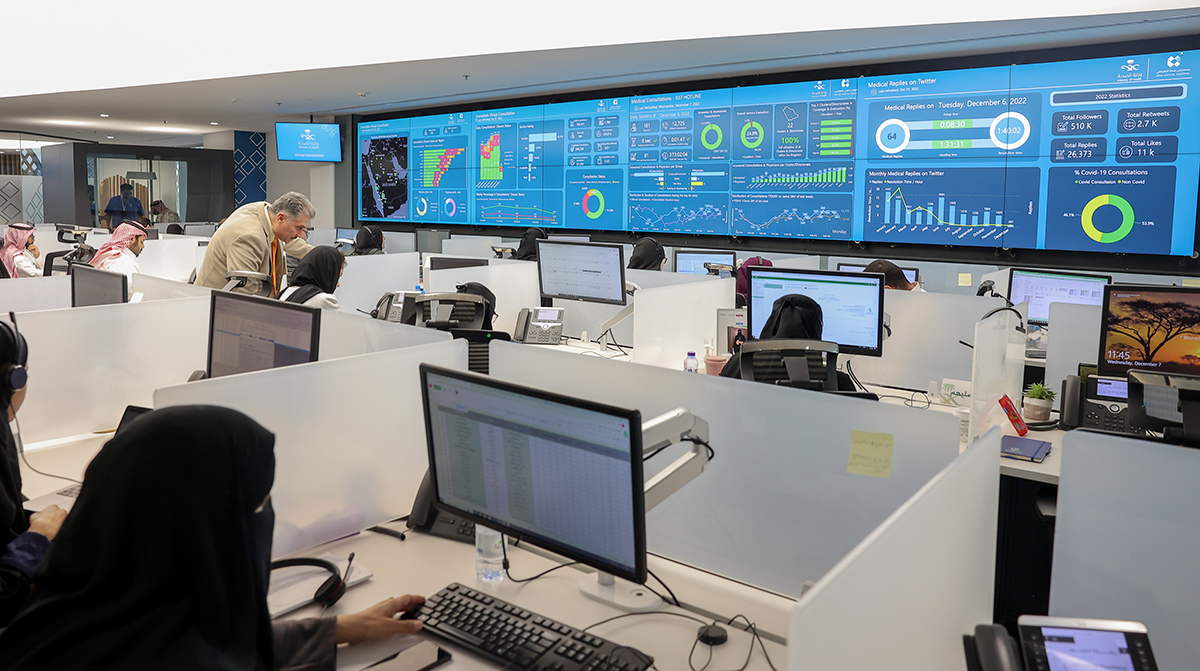
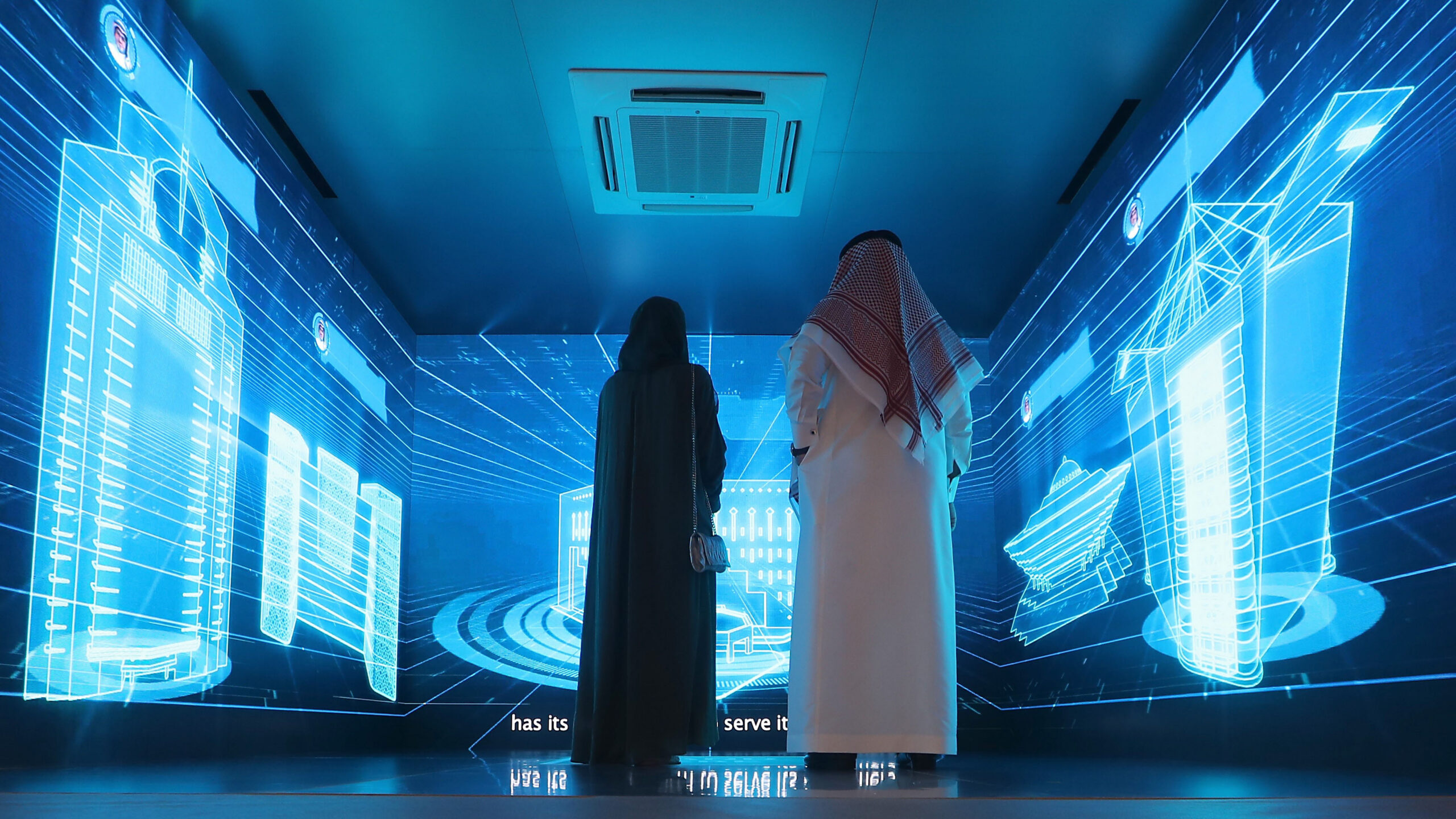
The Middle East in an era of great tech competition
With the acute impacts of US-Chinese global tech decoupling becoming clearer, MENA is slowly emerging as an important region to watch. Economic and geopolitical ties with the West have long dictated the shape of the region’s digital environment, but more recent great power competition and Middle Eastern countries’ pursuit of economic and technological sovereignty have slowly deconstructed these dynamics.
Seeding future stability: How can startup ecosystems help build peace?
Disregarding the fundamental desire for economic opportunity carries real risk to stability and peace. If we imagine different possible futures for economically disadvantaged communities in MENA and elsewhere, one difference between conflict futures and peaceful, stable ones may be the degree to which entrepreneurial capability is afforded the conditions in which to thrive.
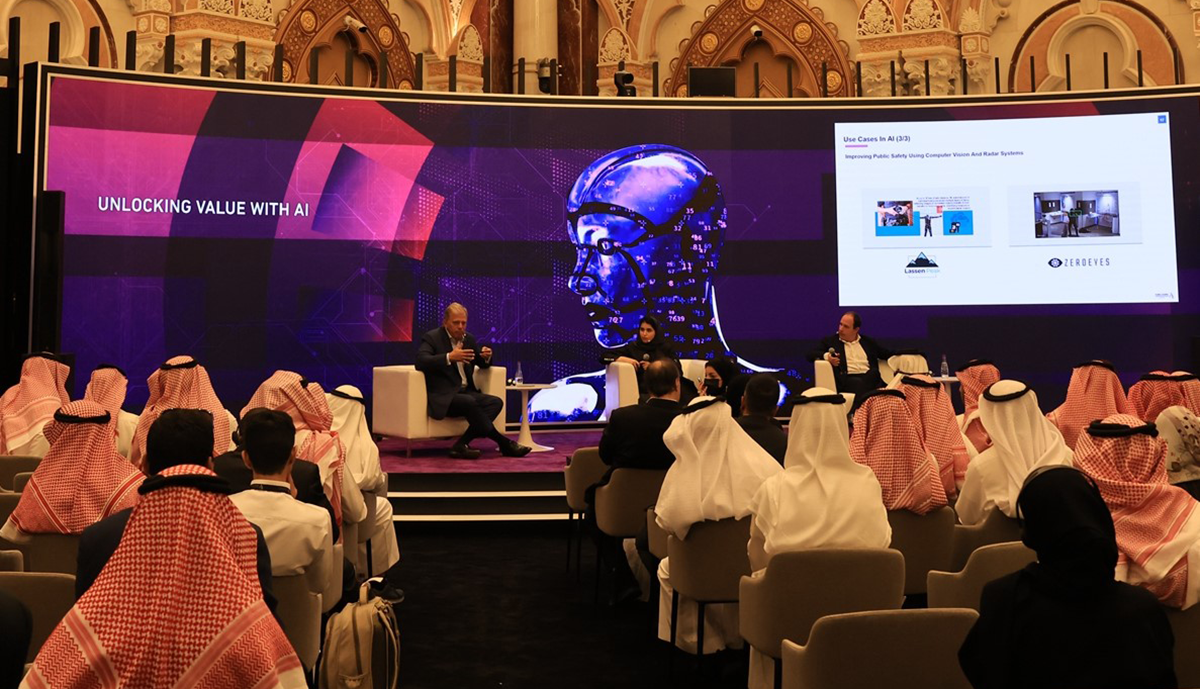
Artificial intelligence is expected to significantly impact humanity’s progress, to the extent that Google CEO Sundar Pichai compares AI-induced advancement to being on par with that ushered in by fire and electricity. There are plenty of skeptics, however, like world-renowned scientist Stephen Hawking, who have raised doubts about whether it can be controlled in the long term and speculated that its development could even spell the end of the human race.
As terrorist groups expand in the Sahel, is Algeria the missing link?
Over the past two years, the steady expansion of terrorist and fundamentalist threats in the Sahel has not gotten the attention it deserves. Algeria’s regional diplomatic clout, military might, and experience in fighting terrorism could help Sahelian states ward off an imminent political and security collapse.
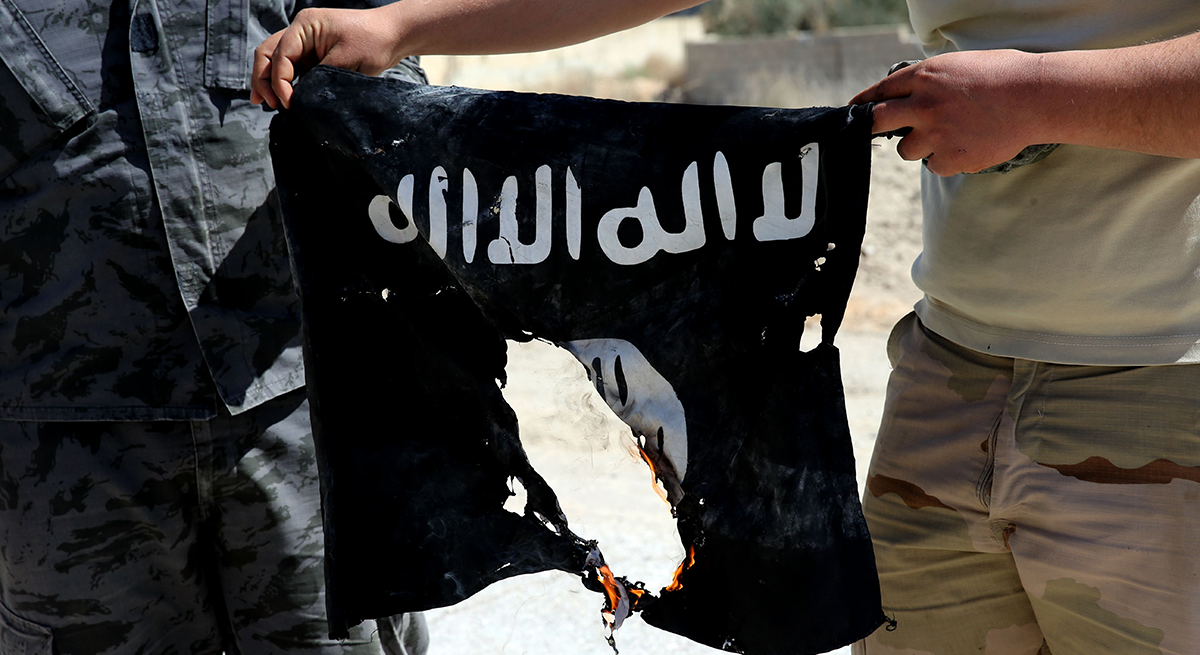
On Nov. 30, the Islamic State announced that its leader, Abu al-Hassan al-Hashimi al-Qurayshi, had been killed in battle and that his successor, Abu al-Hussein al-Husseini al-Qurayshi, was now in place. Hours later, the United States military’s Central Command confirmed the death of Abu al-Hassan, adding that it had occurred in Daraa, in southern Syria, in mid-October at the hands of “the Free Syrian Army.”
The future of climate technology: Data-informed policies are indispensable in mitigating climate risks
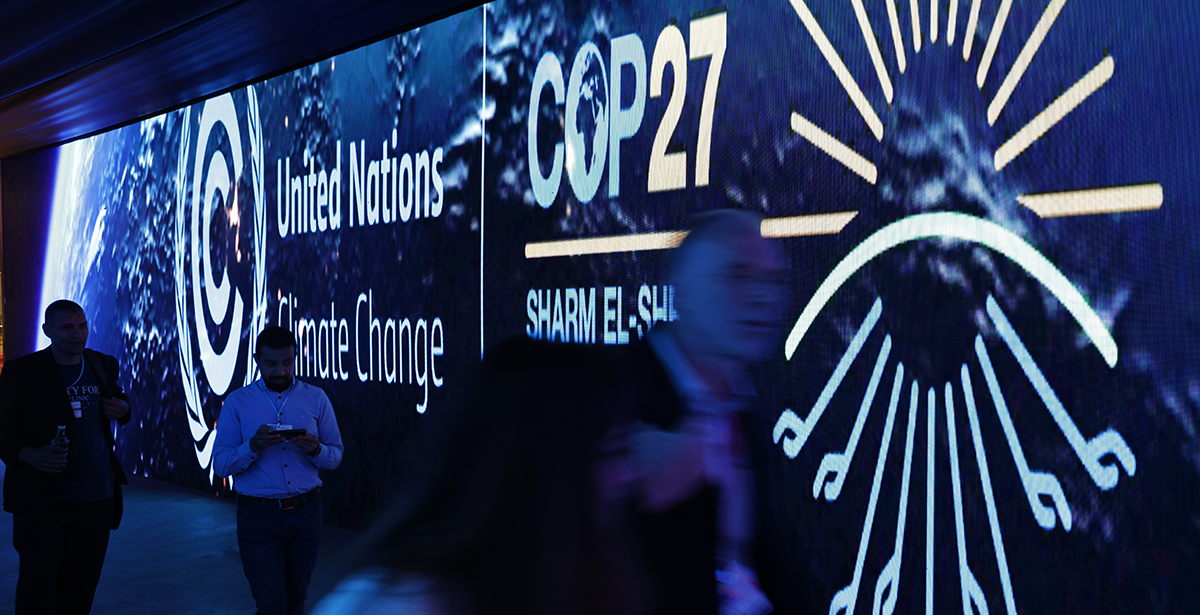
During COP27 in Egypt, world leaders discussed climate adaptation, mitigation, financing, and collaboration. Data is at the heart of these conversations. Although most countries are already integrating data into their policymaking process, it remains an under-utilized resource despite the fact that half the world is vulnerable to climate disasters.
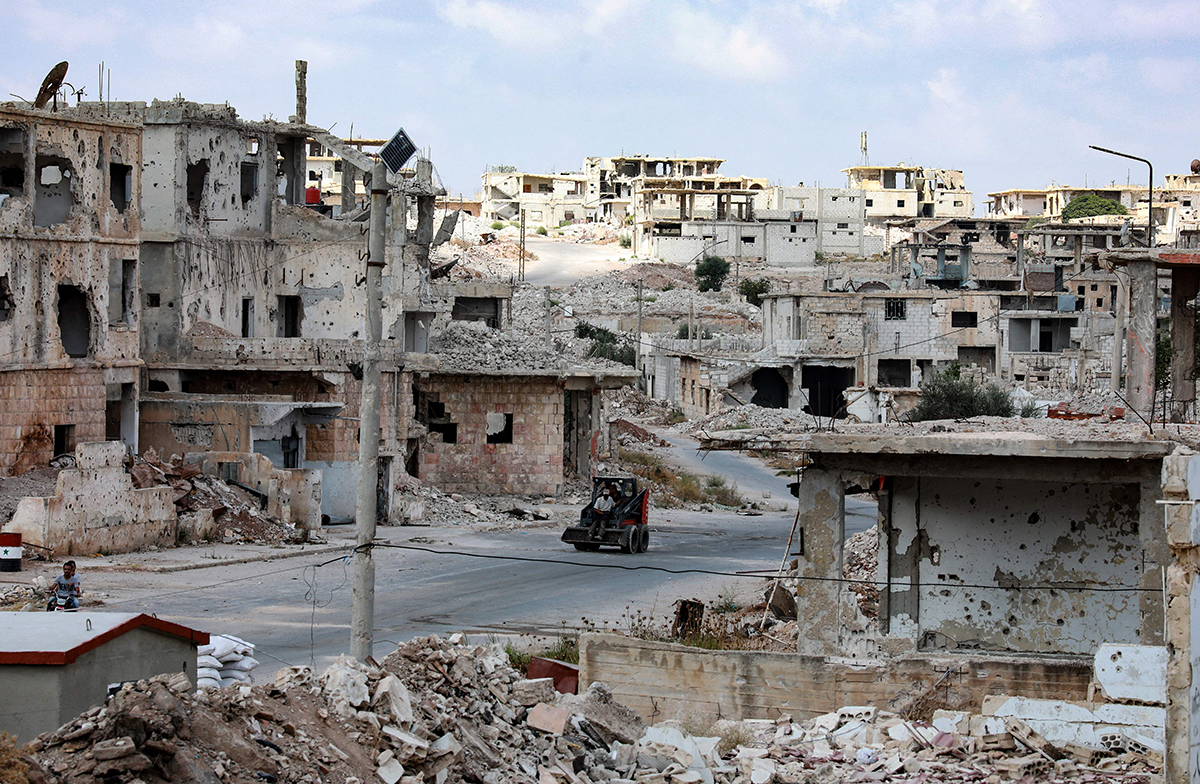
أطلقت المجموعات المحلية في مدينة درعا البلد ، وهي مجموعات عسكرية كانت تتبع للجيش السوري الحر، و بقيت في المحافظة بعد توقيع أتفاقية المصالحة مع النظام السوري برعاية روسية في يوليو / تموز عام 2018، عملية عسكرية واسعة على مجموعات هفو _ الحرفوش في أحياء طريق السد والمخيم داخل درعا البلد.