Iranian-backed militia attacks on coalition forces threaten to ignite eastern Syria
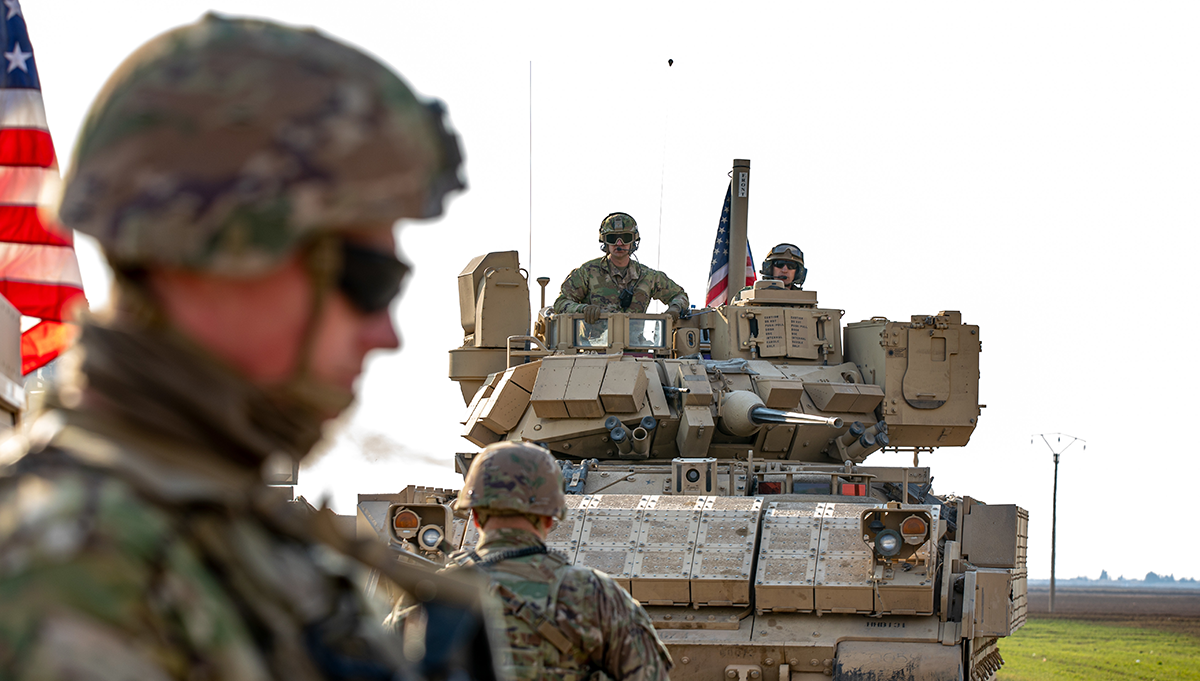
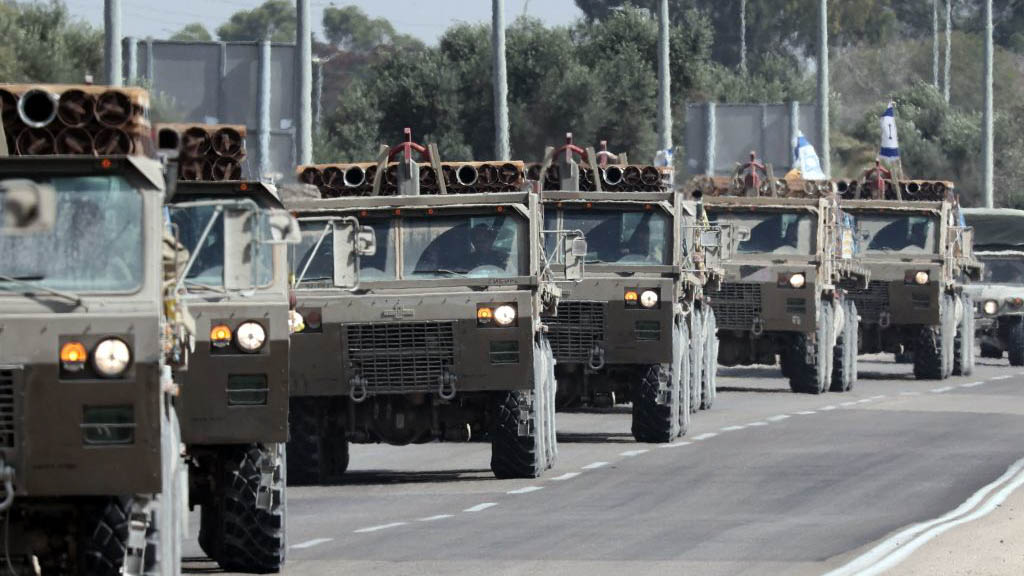
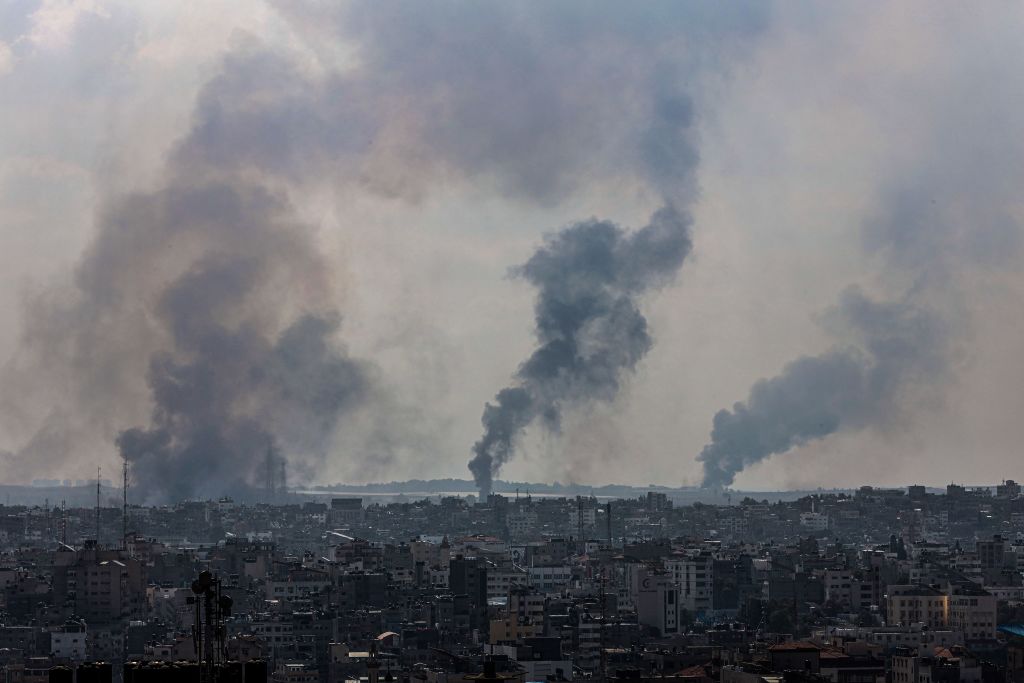
Over the last three weeks, there has been a notable escalation in attacks targeting international coalition bases in northeastern Syria orchestrated by Iranian-backed militias operating in Iraq and Syria. Concurrently, there have been reports indicating the establishment of operational centers aimed at coordinating these strikes. These developments appear to be part of an effort to exploit the widespread popular discontent with the United States and Israel, with the strategic aim of expanding and consolidating Iranian influence in Syria.
Turkey and Iran: Toward an “Axis of Revisionism” amid the war in Gaza?
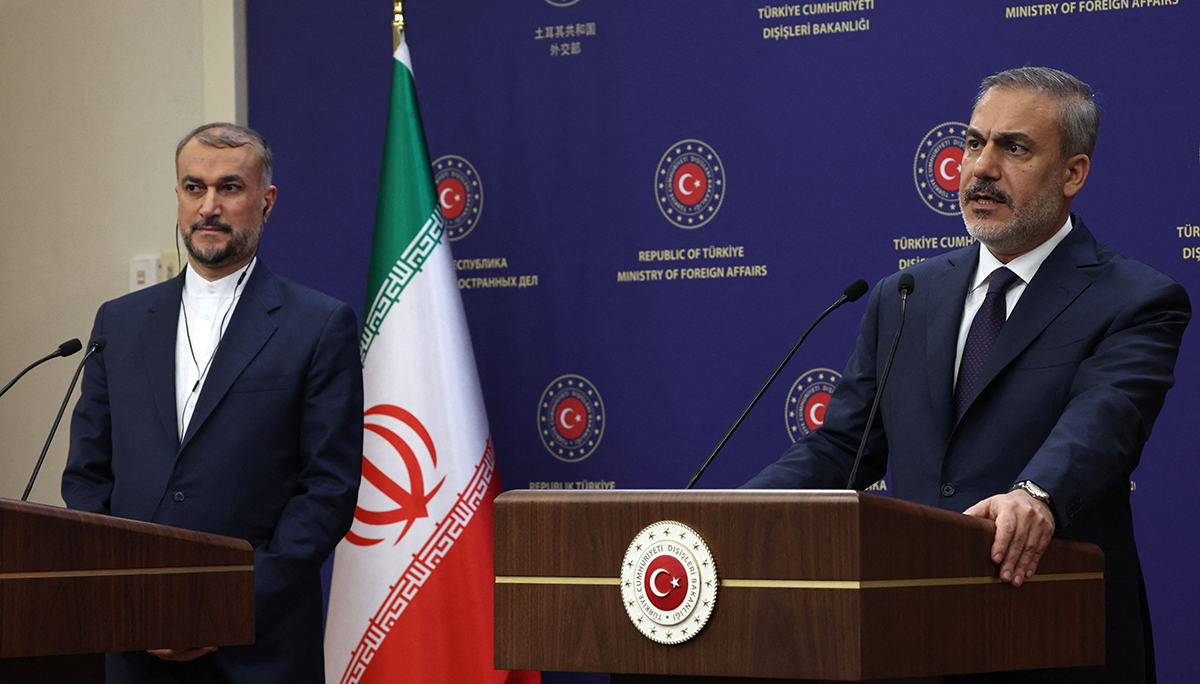
Hamas’ violent and unexpected Oct. 7 attack on Israel has shaken a fragile regional order in the Middle East. Ankara and Tehran are worried that a stronger U.S. presence in the Middle East is detrimental to their regional interests. The war in Gaza might help close the ranks between Turkey and Iran, yet there are serious limitations to a sustainable alliance between the two countries.
Gaza crisis shows Washington badly missing Iran strategy
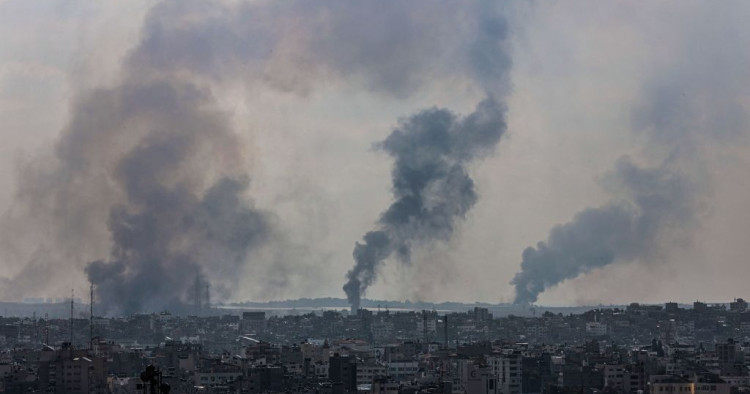
Washington’s chief concern regarding Israel’s ground offensive against Hamas in Gaza is the risk of regional escalation and Iran’s opening of another front against the Jewish state, which could drag the United States into the war.
The United States has communicated to Tehran the consequences of further Iranian involvement in the conflict, and it has moved additional military assets to the region to boost the credibility of its threats.
Built For Growth: Energy Storage Systems In The Gulf
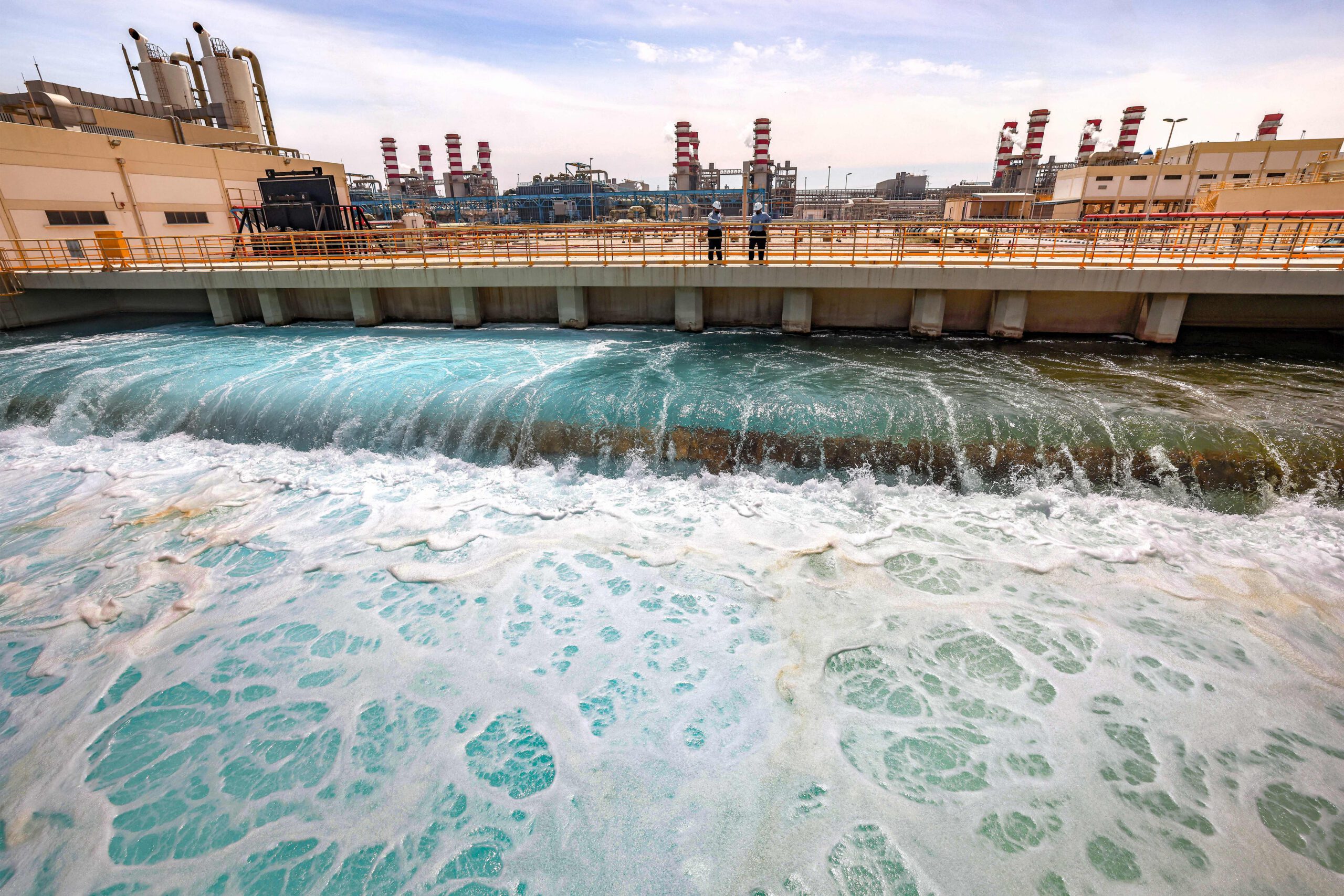
Increasing deployment of large-scale grid-integrated Energy Storage Systems (EES) in Gulf Arab states is being driven by the implementation of renewable energy systems. More and more, variable renewable energies are being integrated into the grid as upgrades to transmission and distribution networks are being deferred. As a result, demand for ESS is likely to grow.
Hezbollah’s calculations on opening a second front against Israel
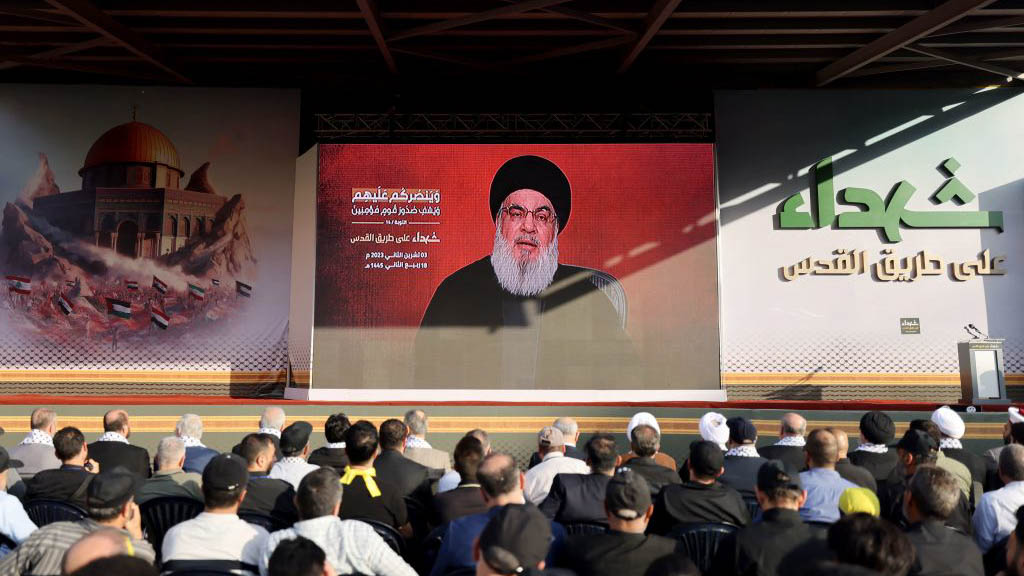
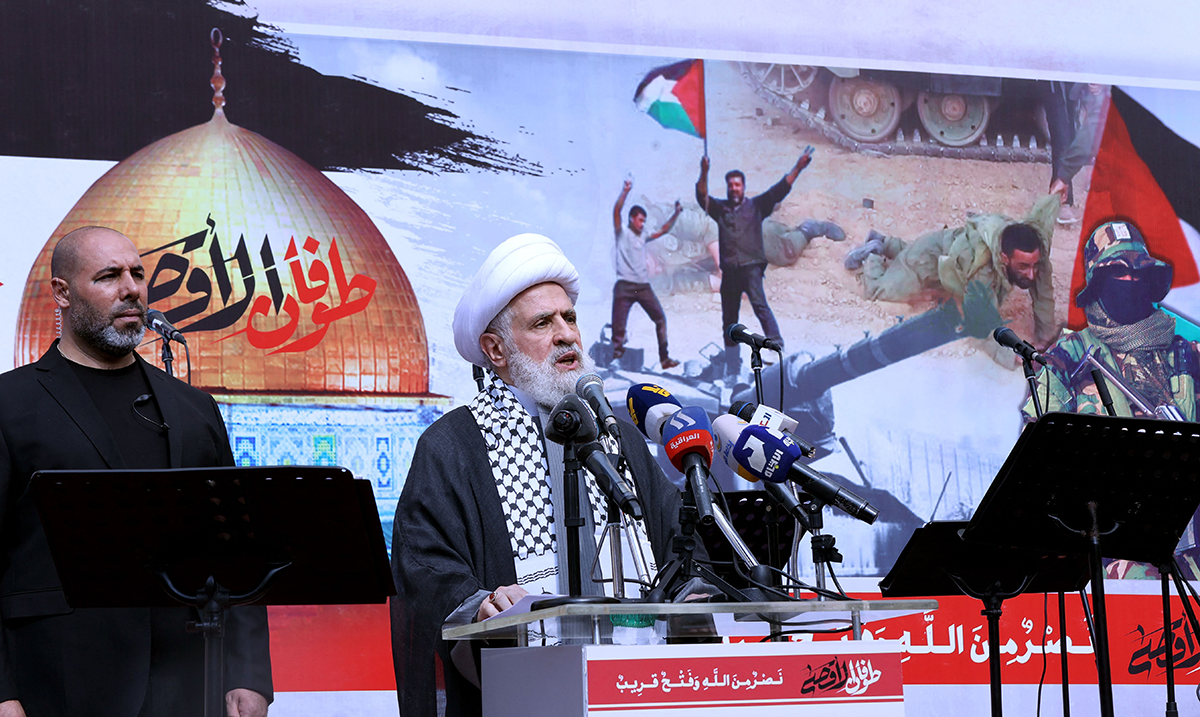
Since the Hamas attack on Oct. 7, regional and extra-regional actors have been working to prevent an expansion of the conflict beyond the Gaza-Israel theater, focusing particularly on the Lebanese-Israeli border. A decision by Hezbollah to enter the ongoing war would open a second front and bring into the fight their large arsenal of rockets and precision-guided missiles capable of hitting critical Israeli infrastructure. It would also bring destruction to Lebanon while the country reels from a severe economic crisis.
A devastating Israel-Lebanon war is brewing, but it can still be stopped
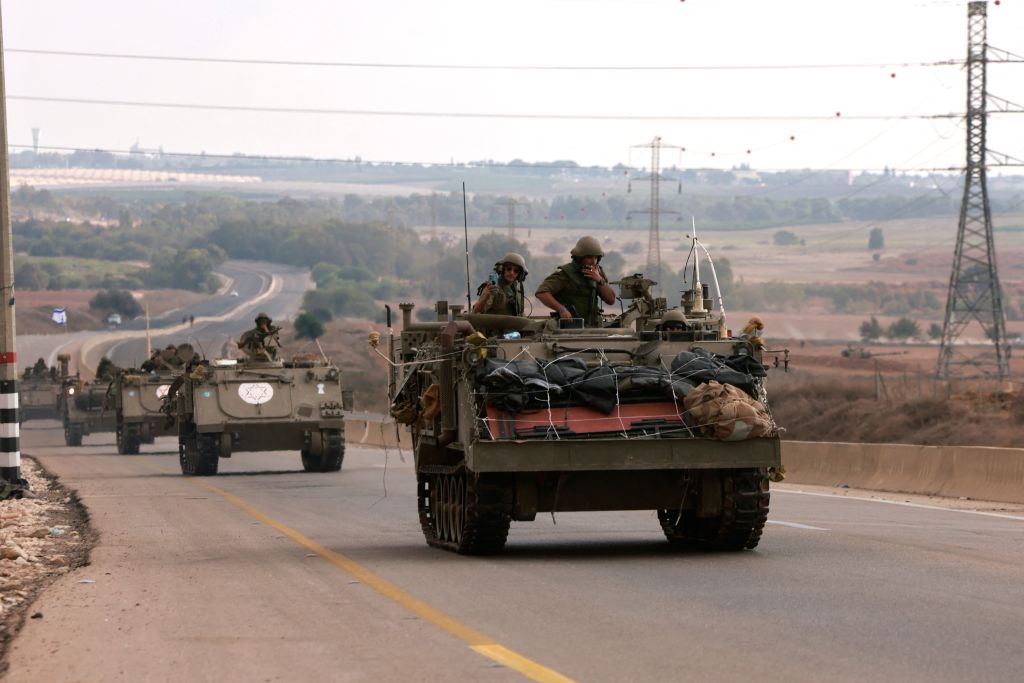
This week’s shock attack by Palestinian militant group Hamas against Israel left the Middle East on a knife’s edge. The world remains focused on Israel’s unfolding military response in Gaza, which in the days ahead will surely prove long, punishing, and unpredictable.
التحرك بحذر على رمال متحركة: تقييم نهج بايدن في سياسة الشرق الأوسط، 2021-2023
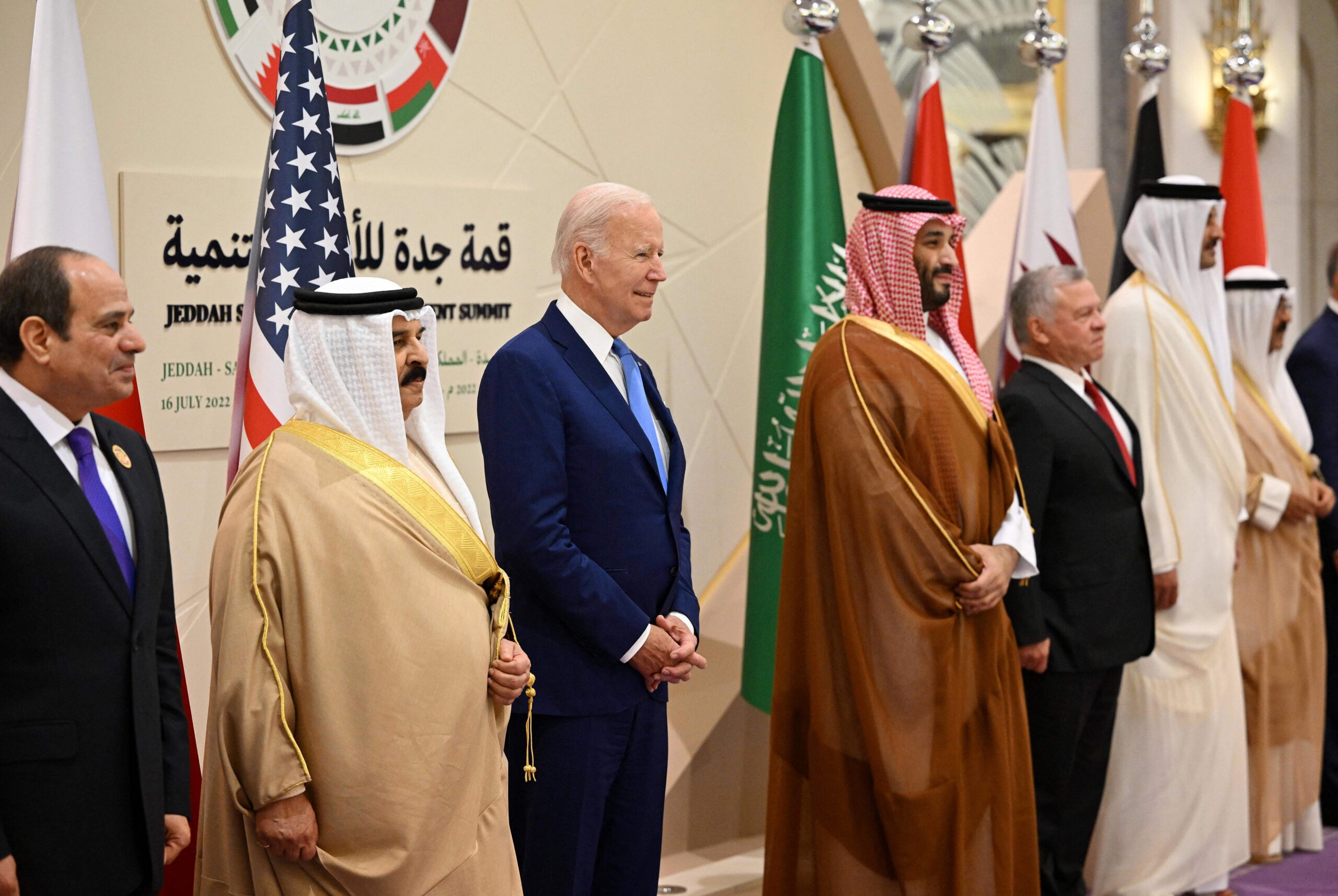
يقدم هذا التقرير تقييماً مؤقتاً لاستراتيجية إدارة بايدن الشاملة تجاه الشرق الأوسط، ويبحث الفرص والمخاطر الاستراتيجية للسياسة الأمريكية في المنطقة بشكل عام.
Can oil and water mix?: Creating opportunities for Iraq-Turkey cooperation
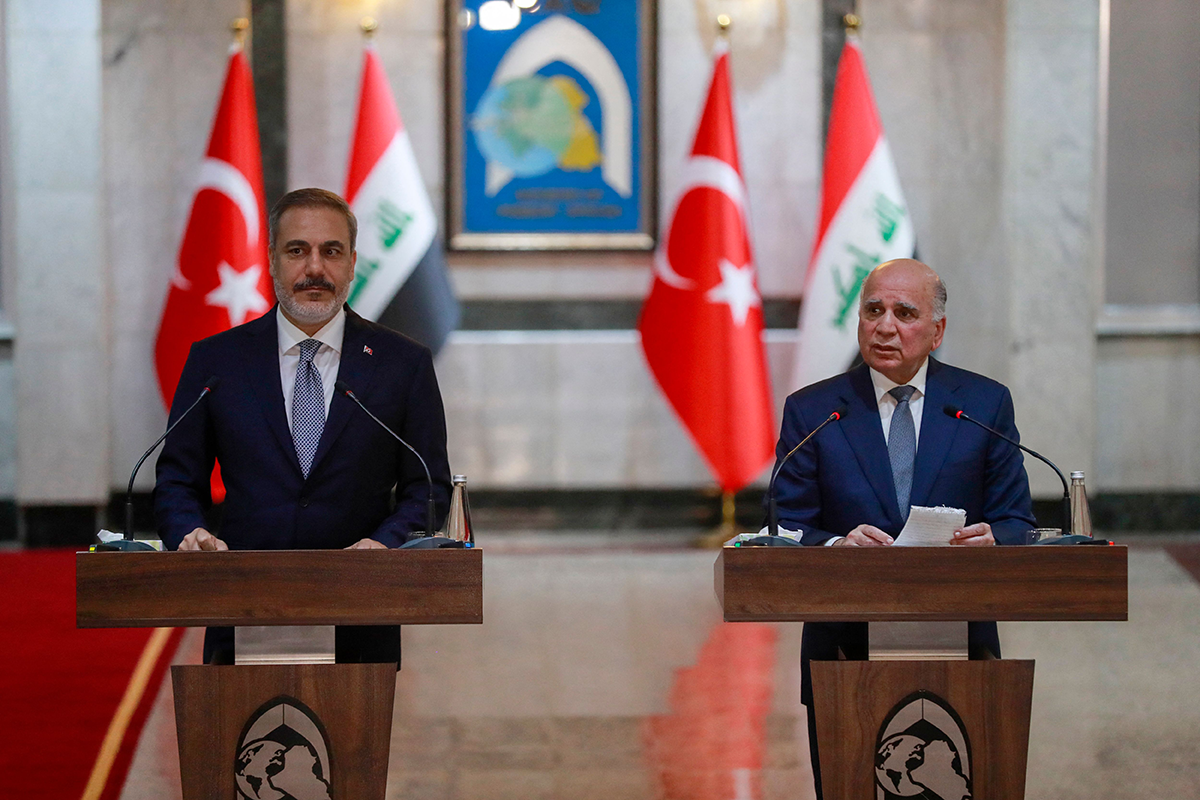
Last week saw a flurry of diplomatic activity between Baghdad and Ankara. The top priorities in the talks were oil exports, the presence of the PKK in Iraq, and Iraq’s water crisis. The outcomes have been unimpressive, but there is an opportunity for Iraq to shake things up and improve its bargaining position, at least on the oil export issue, possibly more.
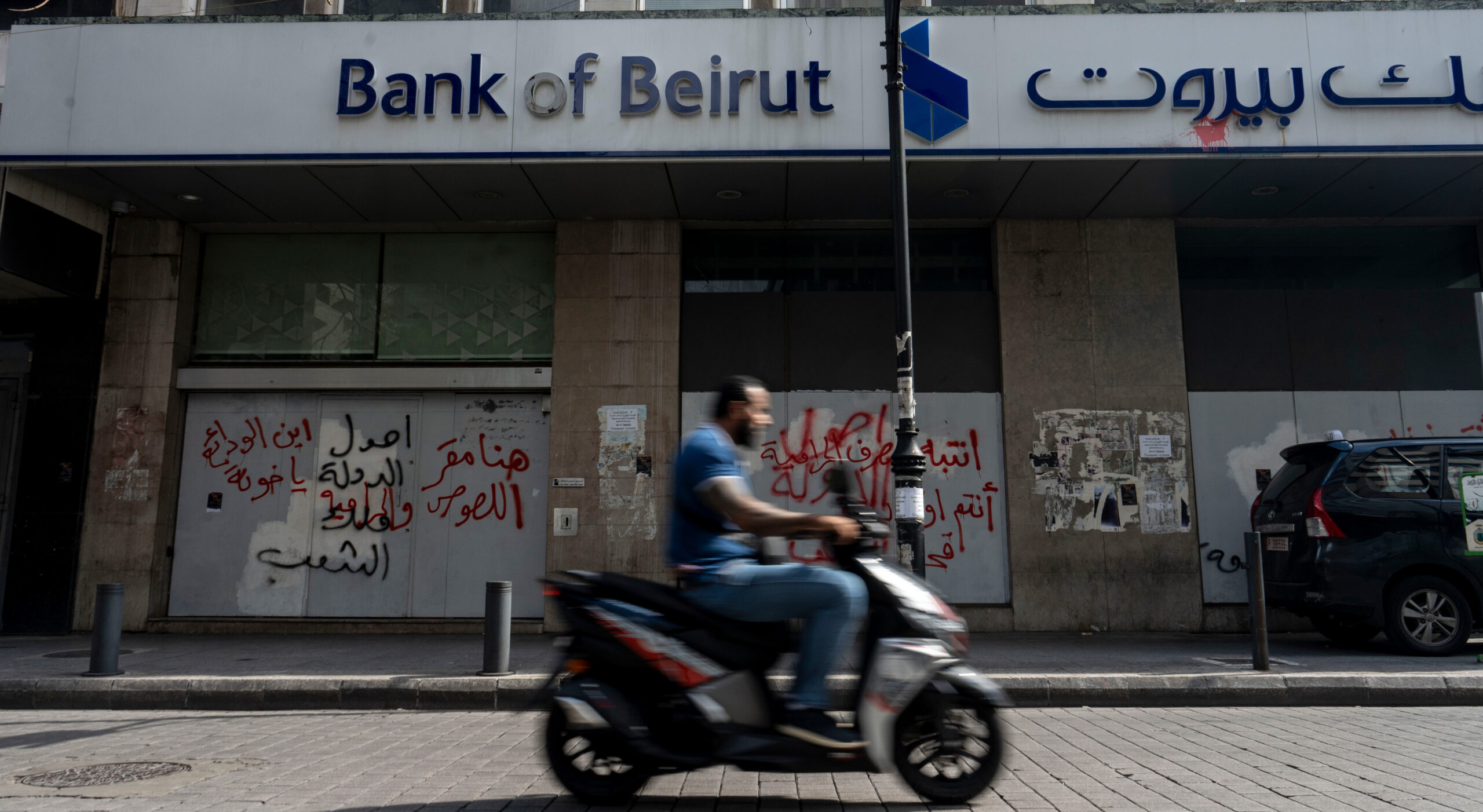
Lebanon needs a new aid strategy to preserve the country’s ability to one day recover. What is required is a donor strategy that walks on two legs: a first leg that offers a big reconstruction push conditioned on economic and institutional reforms and, in parallel, a second leg that provides urgent support to the Lebanese population.