The limits of human rights law in an authoritarian context: Torture and impunity in Turkey
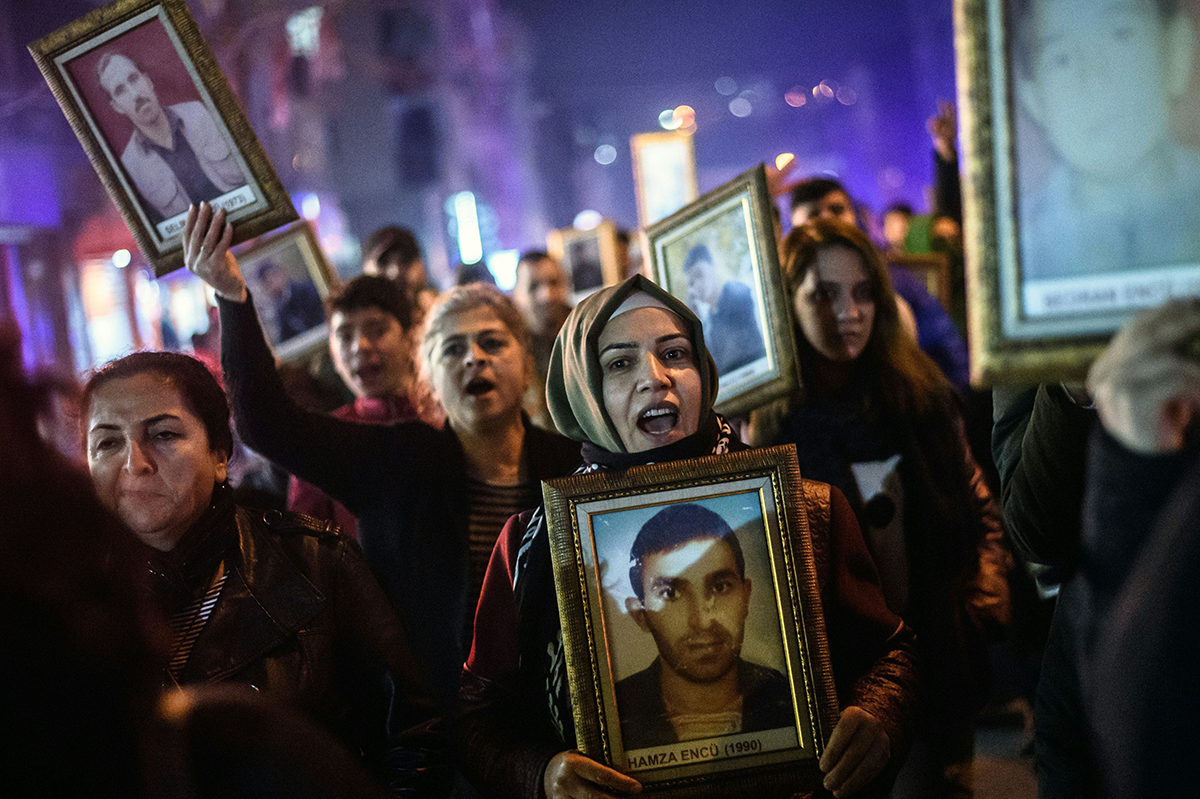
Turkey is a test case of the limits of international human rights law in an authoritarian context. The country is party to all major U.N. and Council of Europe international human rights treaties, including those prohibiting torture and ill treatment, and is subject to the jurisdiction of the European Court of Human Rights. Its constitution and laws ban torture and contain procedural safeguards against it. Yet torture and the impunity of its perpetrators remain state practice, at times reaching systemic levels.
To analyze the crossroads Turkey faces in the 2023 elections, it could prove useful to “look back from the alternative futures” and explore how the possible outcomes might play out. What could it look like if we look back from 2030 to another victory by Erdoğan? And how might have the last seven years played out had the opposition won?
Turkish Election Watch: Preparing for a presidential run-off
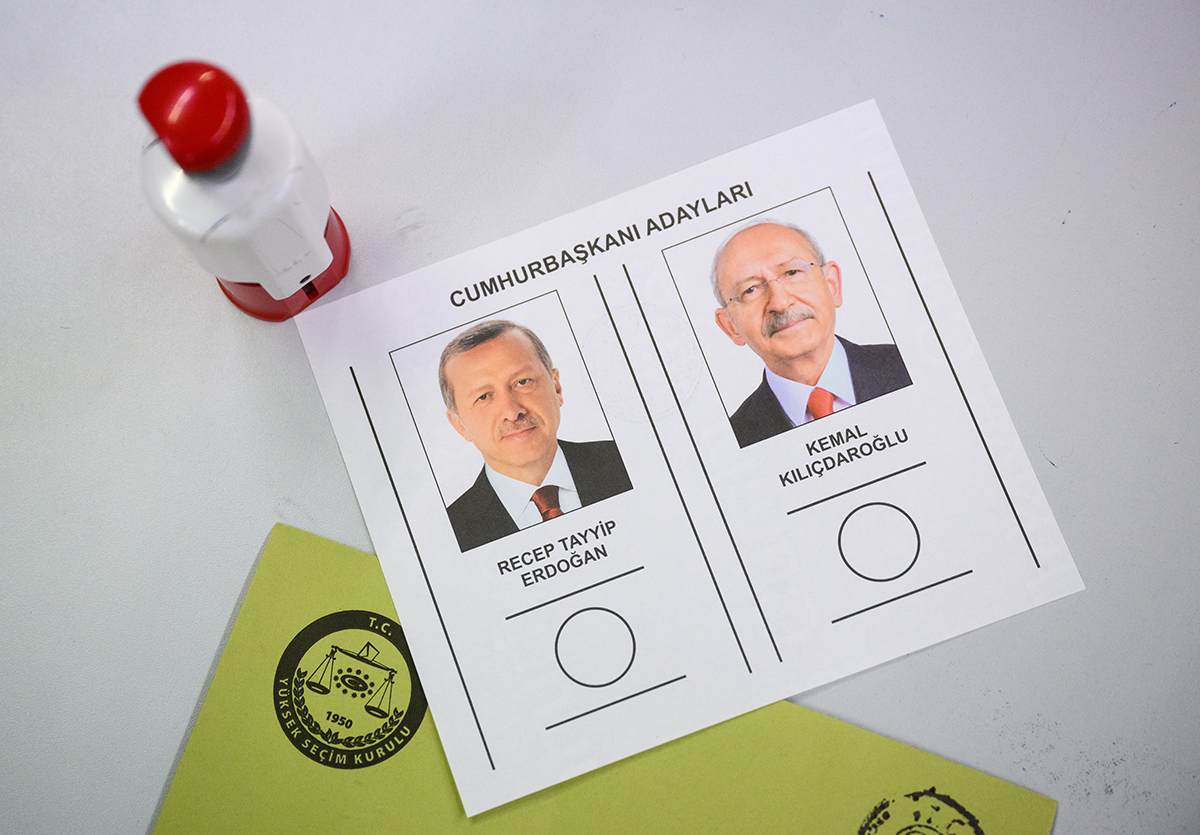
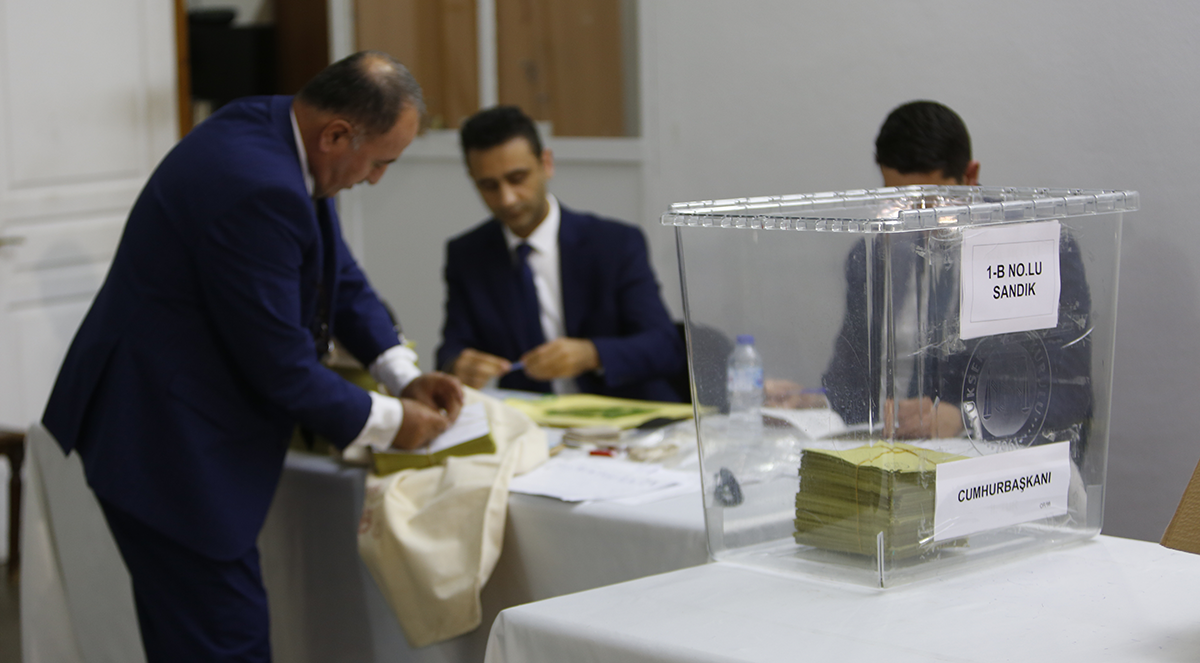
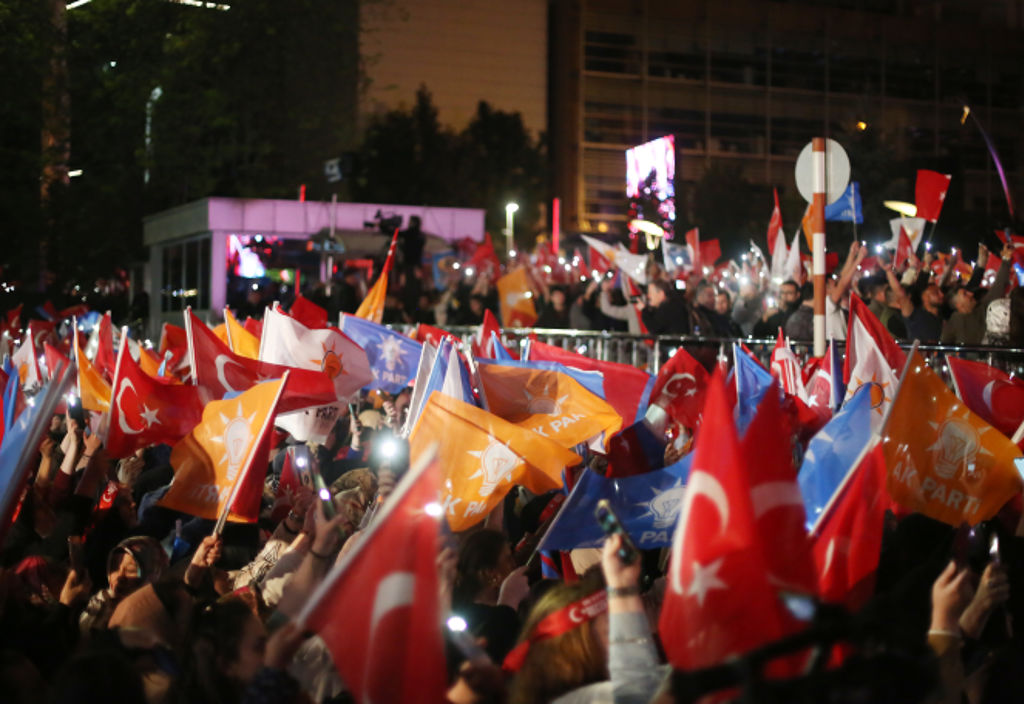
This week on Turkish Election Watch: The May 14 election results, the race to the right ahead of the May 28 run-off and Oğan’s endorsement of Erdoğan, and a closer look at the nature of the election.
The failure of partner-led, US-enabled policy in the Horn of Africa: The case study of Somalia
Rather than addressing the critical gaps in Somalia’s security, President Hassan Sheikh has chosen to prioritize nation-building over state-building, diverting scarce resources needed to stabilize areas liberated from al-Shabaab. The Biden administration has enabled President Sheikh’s nation-building project through its partner-led, U.S.-enabled approach.
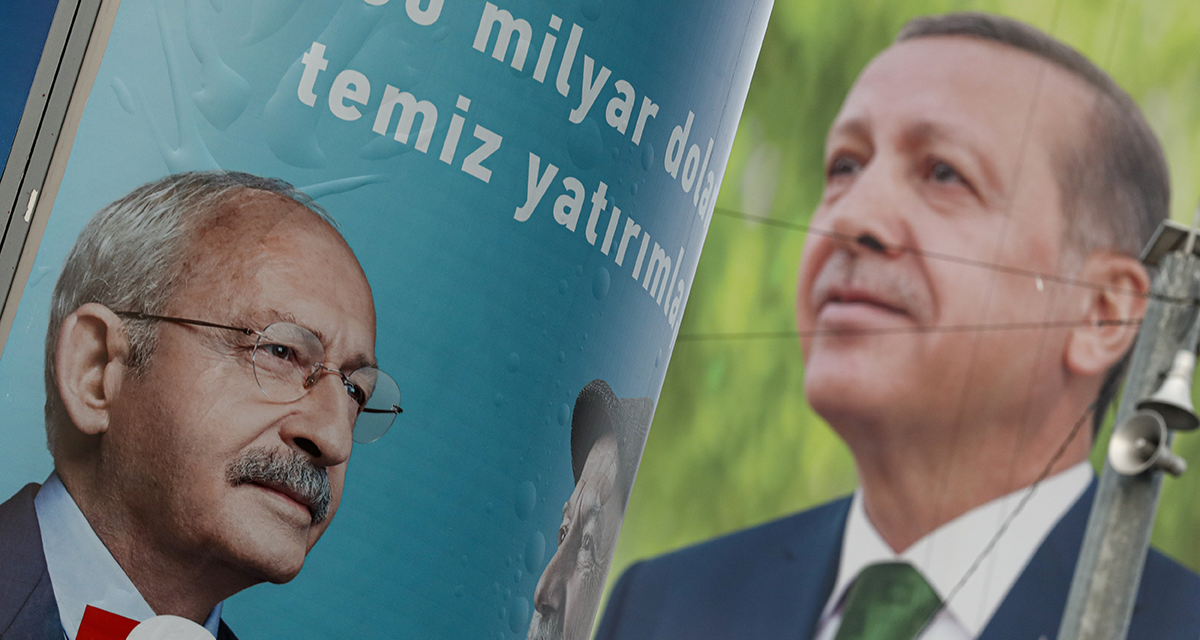
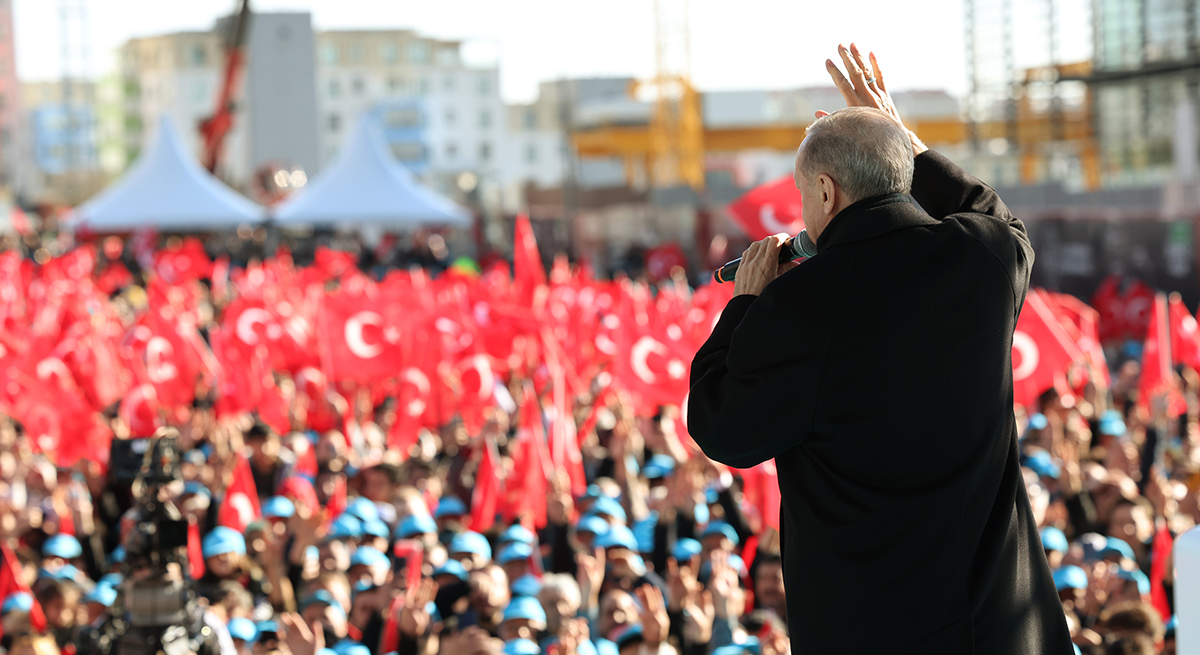
In what may or may not be the last edition of Turkish Election Watch: Could minor candidates İnce and Oğan affect the election outcome, Putin votes, Erdoğan meets the young — and makes some threats, and no predictions.
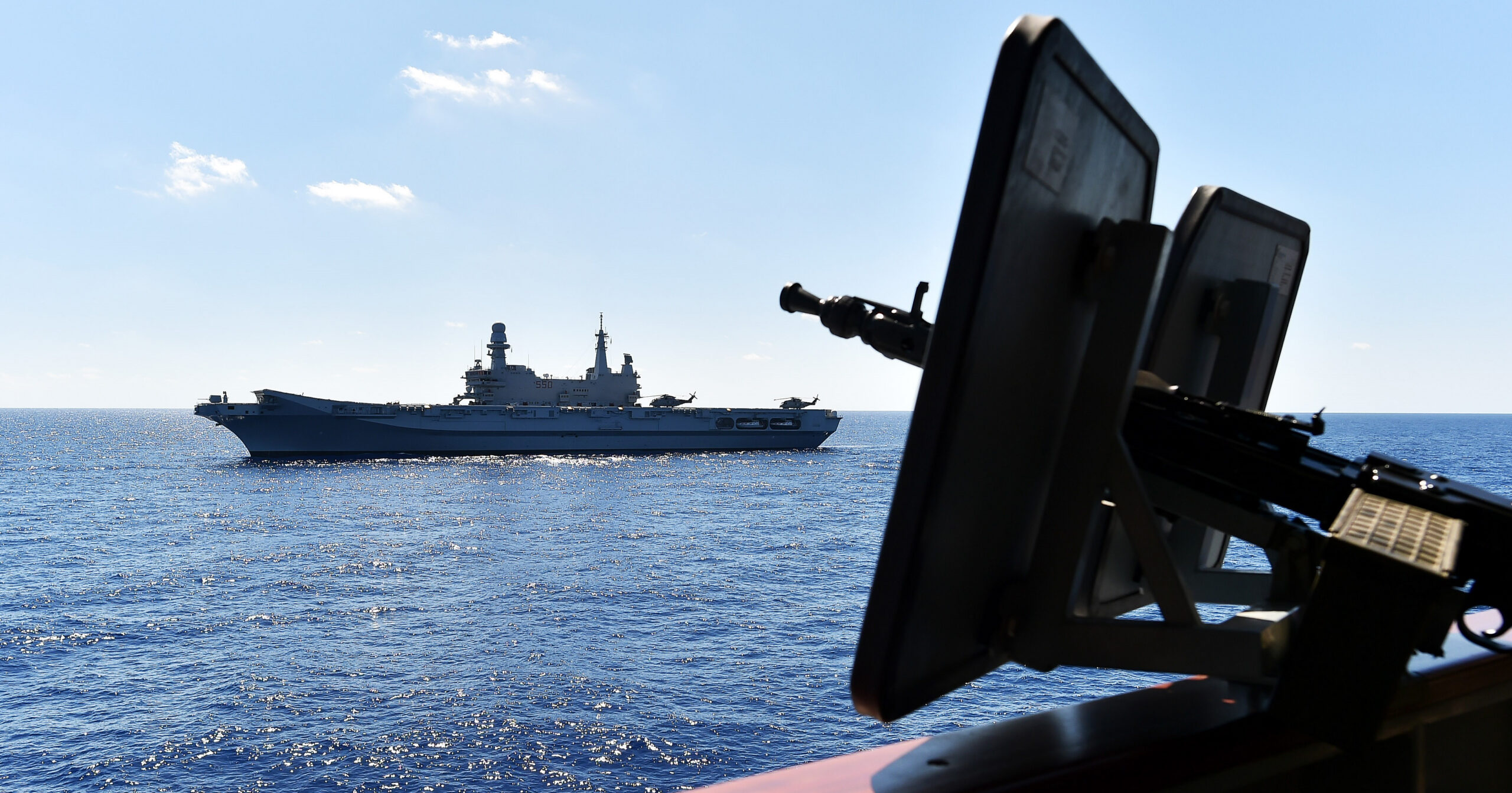
Navigating complex maritime security challenges in the Black and Mediterranean seas: Insights from the updated EUMSS
Russia’s February 2022 full-scale invasion of Ukraine helped influence the updated European Maritime Security Strategy’s approach to the Black and Mediterranean seas, with implicit and explicit references to the war dispersed throughout the document. The updated EUMSS showcases the wide array of security issues present in the region, including seaborne UXOs, human and drug trafficking, and threats to critical infrastructure. But security in the Black and Mediterranean seas will require greater cooperation with non-EU countries.
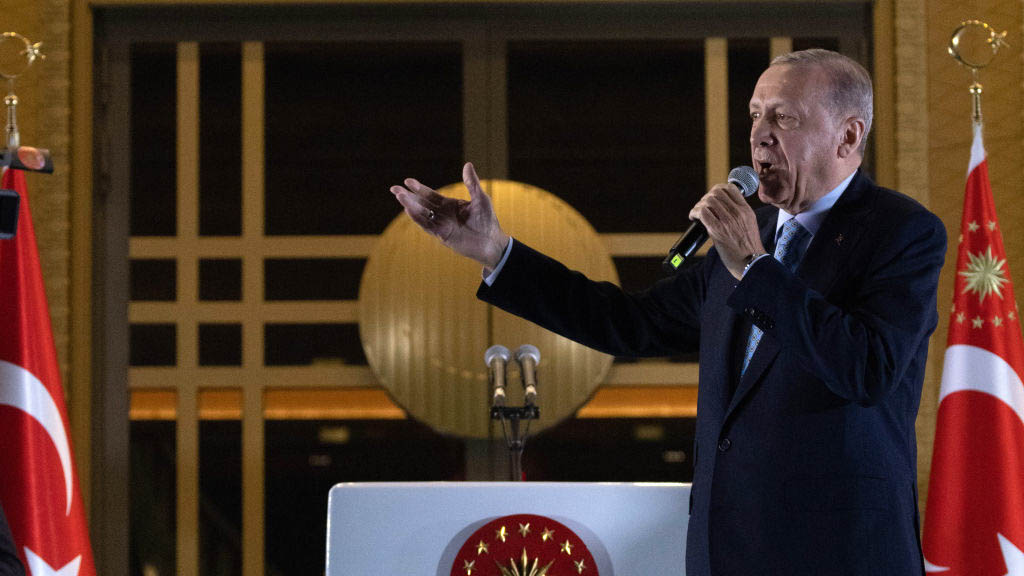
On this week’s episode Alistair Taylor, MEI’s editor-in-chief, is joined by Gönül Tol, the founding director of MEI’s Turkey Program and the author of “Erdogan’s War: A Strongman’s Struggle at Home and in Syria,” to discuss Turkey’s critical upcoming elections. After two decades in power, President Recep Tayyip Erdogan and the Justice and Development Party (AKP) are facing unprecedented challenges, including an economy in shambles, the ongoing impact of the devastating early February earthquakes, and a united opposition.
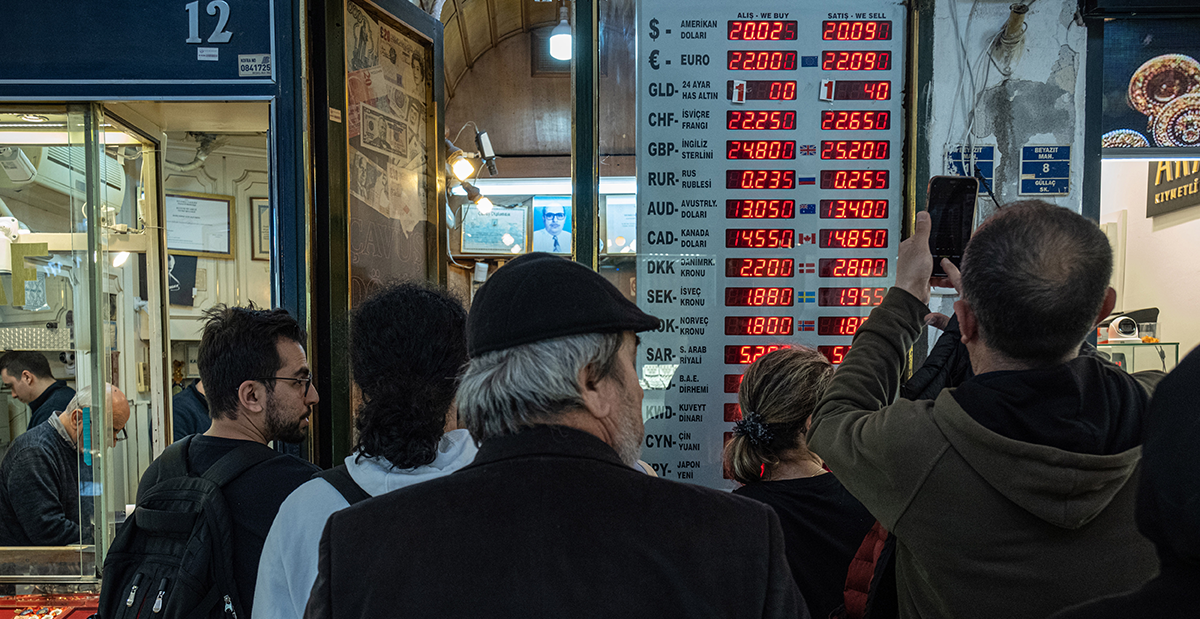
The economic impact of Turkey’s elections: Six potential scenarios
As Turkey heads to the polls for presidential and parliamentary elections this month, the consequences for its troubled economy are likely to be significant and wide-ranging. Financial stability, business confidence, purchasing power, and asset prices all depend on whether President Recep Tayyip Erdoğan’s two-decade-long rule will continue; at the same time these factors will also determine his chances for re-election. There are a number of potential election outcomes that could lead to greater uncertainty and volatility rather than clarity and stability.
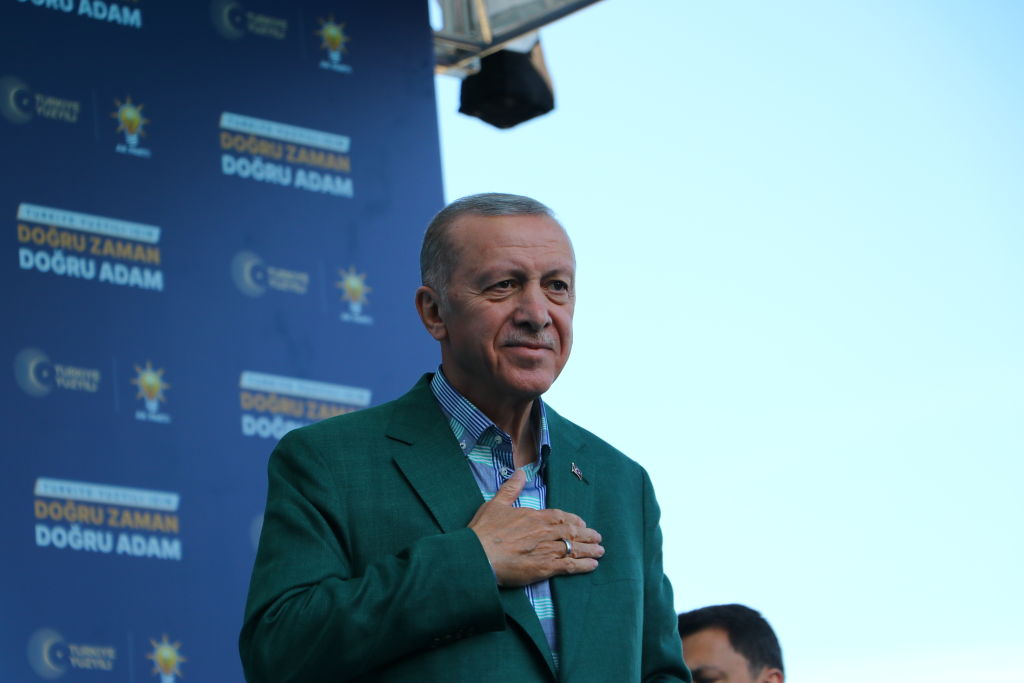
If Turkish President Recep Tayyip Erdoğan and his AKP are defeated in this month’s elections, the next government, led by the CHP, will likely prove more agreeable — or at least no more difficult — on virtually every issue of importance to the United States and Turkey’s other allies in the NATO. There undoubtedly will still be areas of contention, including some of the same ones that have bedeviled the West’s relations with Turkey under Erdoğan. For reasons both ideological and economic, however, a new Turkish government would want a closer relationship with the West than Erdoğan has pursued for many years.