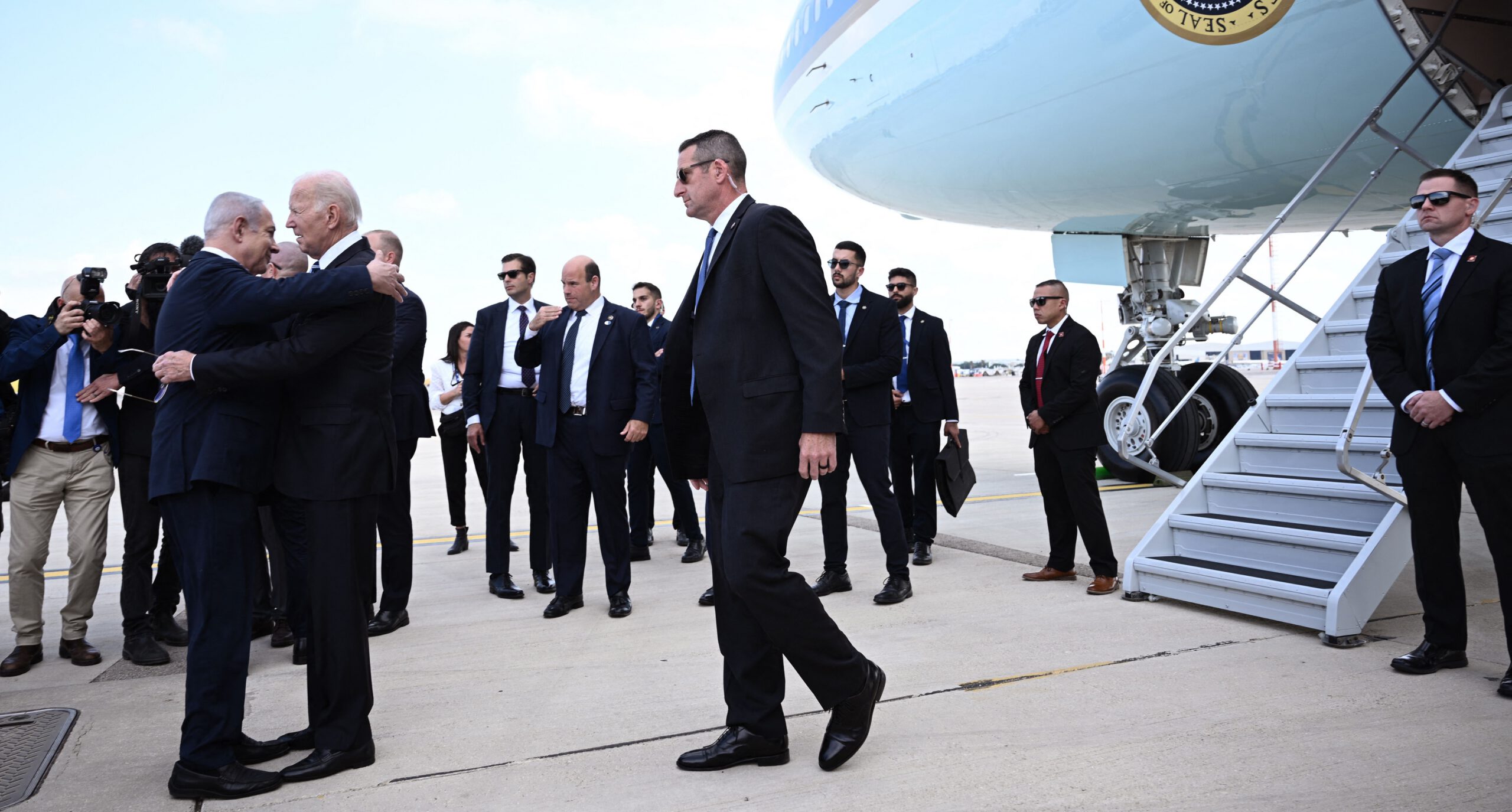
The intensity of the Oct. 7 terrorist attacks by Gaza and the ensuing crisis have already had a significant and dramatic impact on relations between the United States and Israel. The resolute American backing reflects the purest expression of the strategic partnership that has existed between Israel and the U.S. for more than five decades.
The war in Gaza as a major test of China’s Middle East peace diplomacy
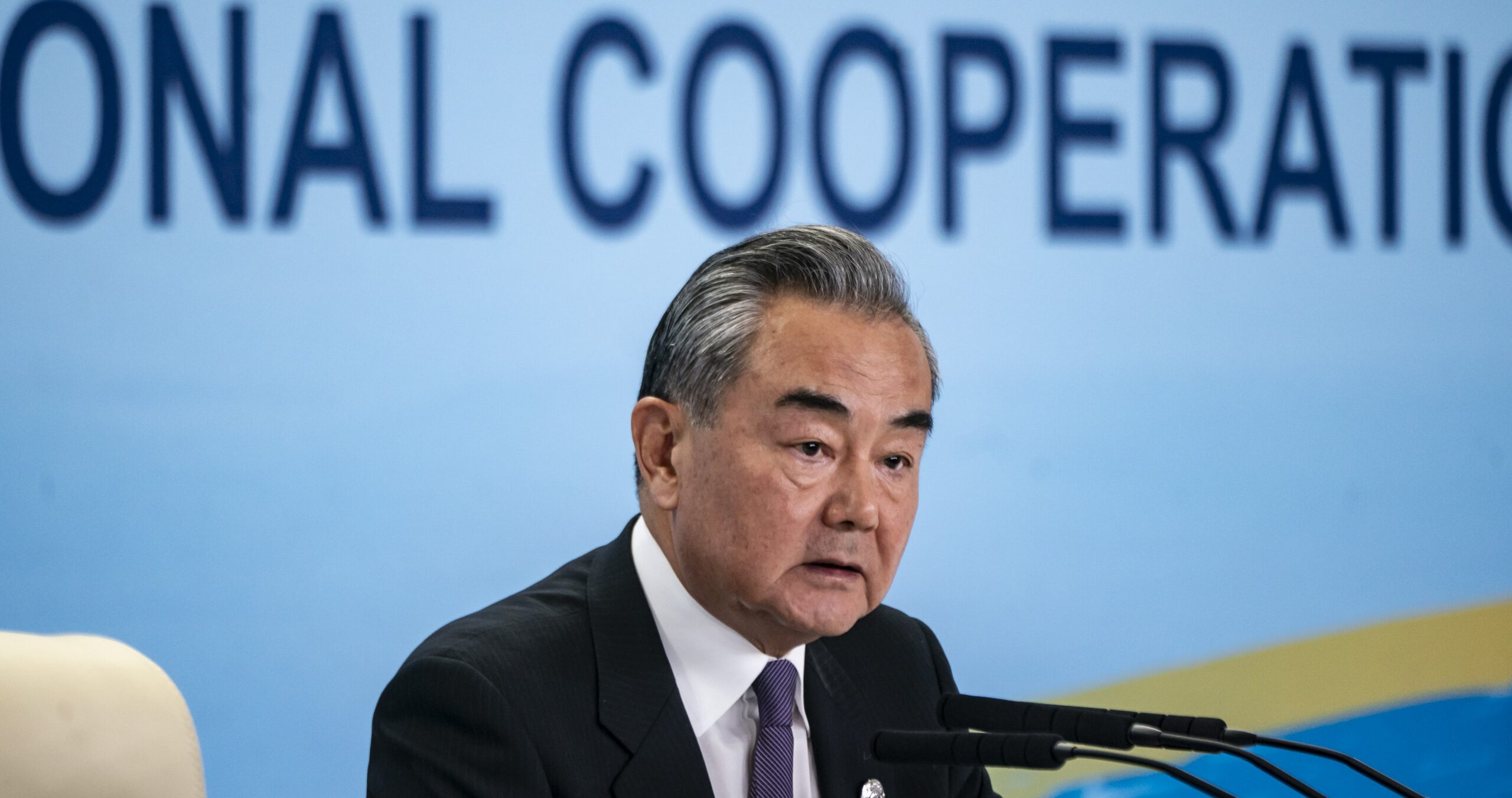
China has long sought to brand itself as a “neutral” player and force for peace in the Middle East and elsewhere, willing and able to talk to “all sides.” Beijing’s nascent ambition to play the role of peacemaker and its potential to shape regional events was on display when it succeeded last March in brokering the détente between Riyadh and Tehran. The Israel-Hamas war offers no such low-hanging fruit. On the contrary, it poses a major test of China’s Middle East peace diplomacy — and an opportunity to examine some of our own, perhaps faulty assumptions.
With Russia’s future uncertain, Turkey and the West need each other
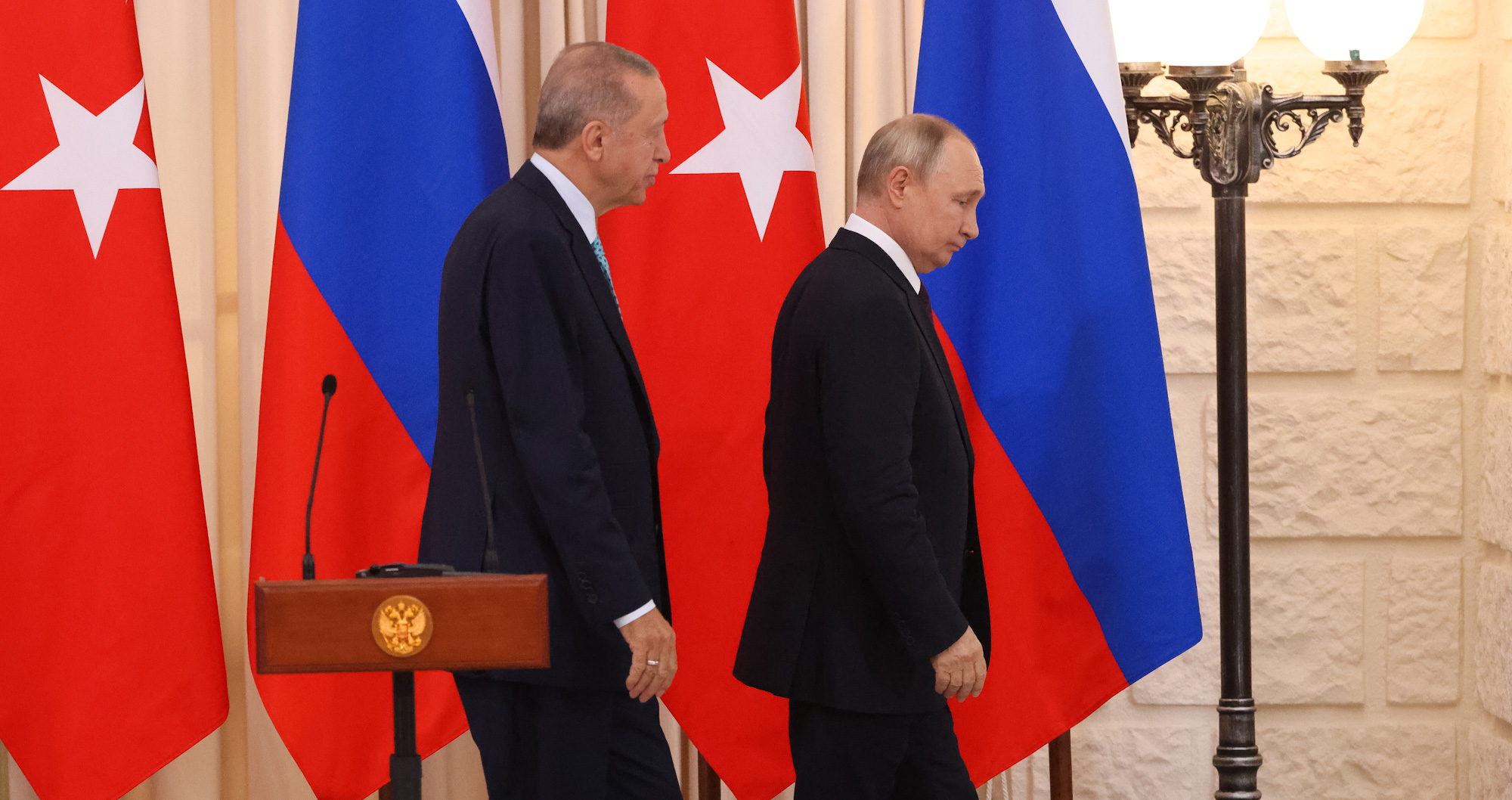
Prigozhin’s coup was a serious warning sign that should prompt Turkey to cool ties with Russia and rebuild its relationship with the West. Yet today, Turkey and the West look at each other in terms of problems not solutions. While the political risks of reengagement are high for both sides, the potential rewards are well worth the effort needed to overcome them.
Dehumanization, lack of empathy for Palestinians is alarming—and dangerous
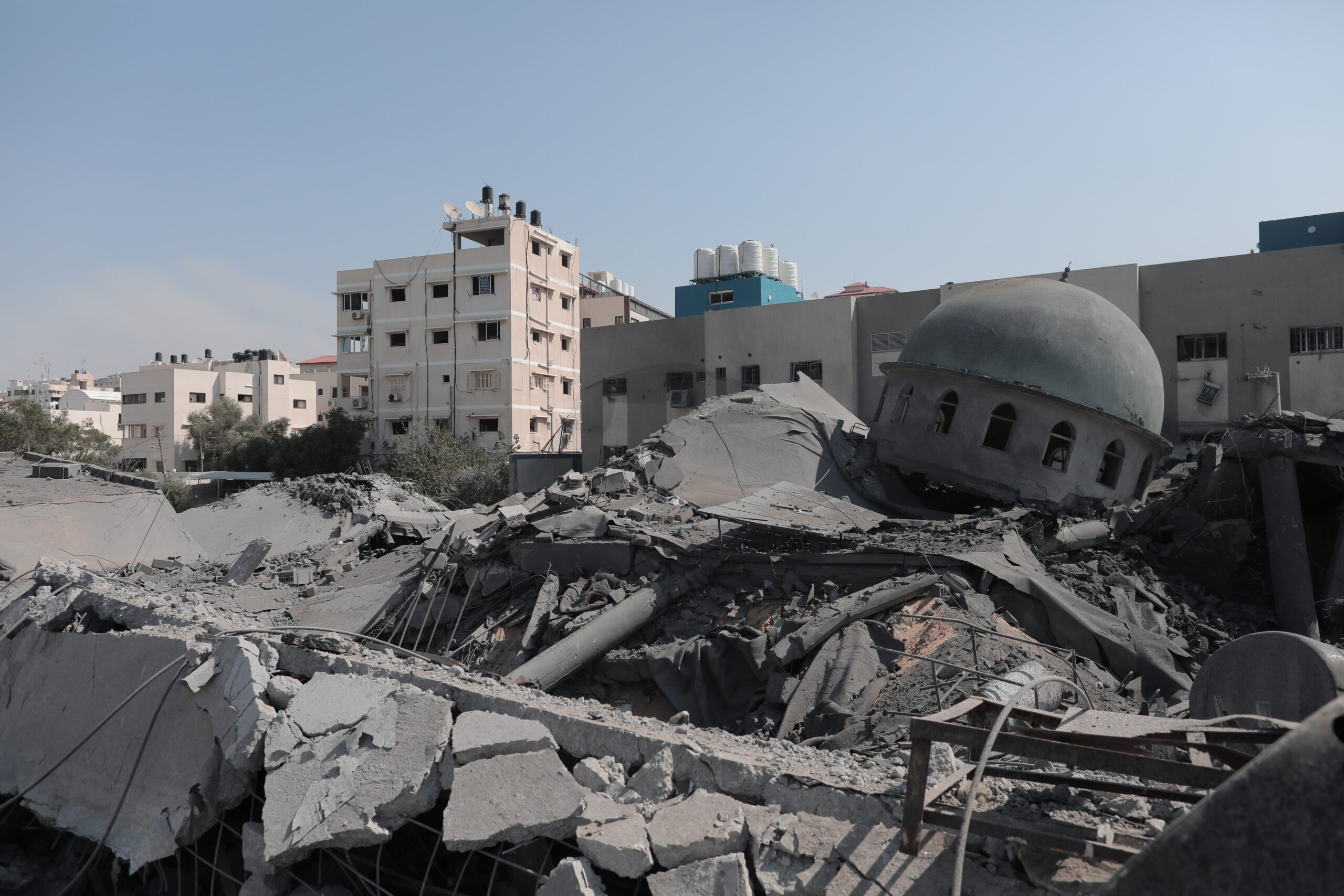
The scale and brutality of Hamas’s grisly attack on Israel last Saturday has understandably triggered a massive outpouring of sympathy and solidarity with Israel. And yet, there has been no similar outpouring of sympathy for Palestinians, who are now also dying in disturbingly large numbers.
As Israel-Hamas war begins, it’s not too late to shape this historic inflection point
Hamas’ murderous raid on Oct. 7, resulting in the deaths of more than 1,300 Israelis, mostly civilians, may well turn out to be a consequential inflection point, having unleashed political and popular forces that could lead in a positive or, just as likely, extremely negative direction.
Nagorno Karabakh offers the US a chance to make new friends and weaken old enemies
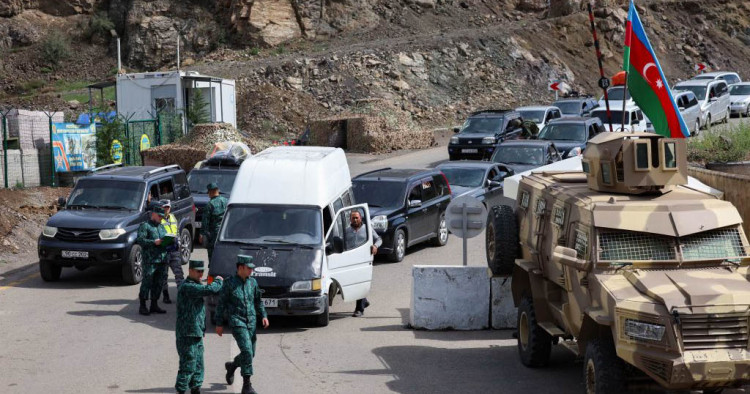
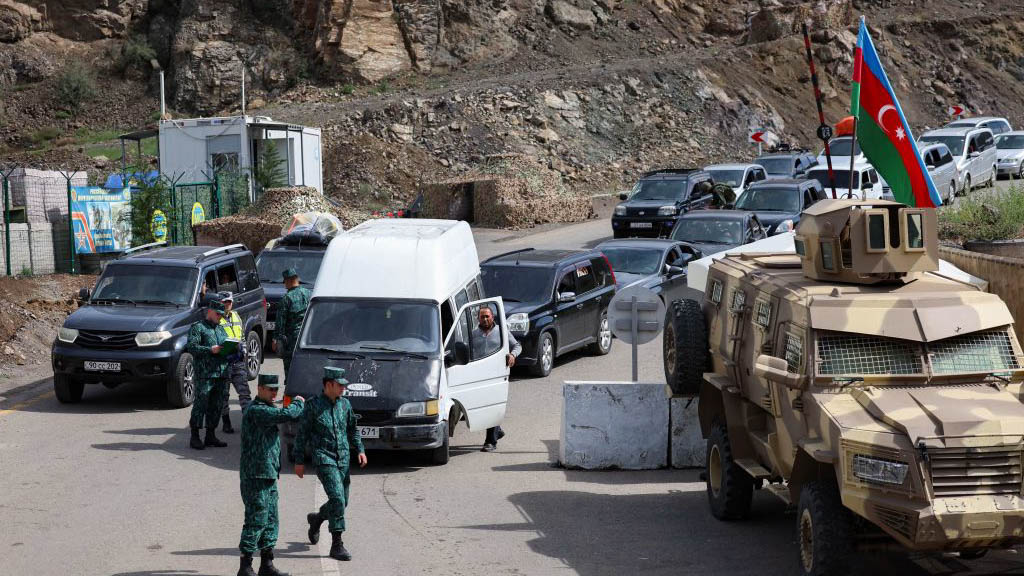
The latest war over Nagorno Karabakh lasted a single day, ending on Sept. 20. It is the third war over the region disputed between Azerbaijan and Armenia in the last three and a half decades.
But this time, it seems there was really only one party to the conflict. Armenia stayed out, leaving it to the Armenians of Nagorno Karabakh to surrender.
A hundred thousand people have fled to Armenia, roughly 80 percent of the Karabakh population. What’s more, Armenia’s most powerful allies, Iran and Russia, appear to be distracted and marginally engaged.
Human rights to counter terrorism: Now is the time for a Global Humanitarian Coalition to Defeat ISIS
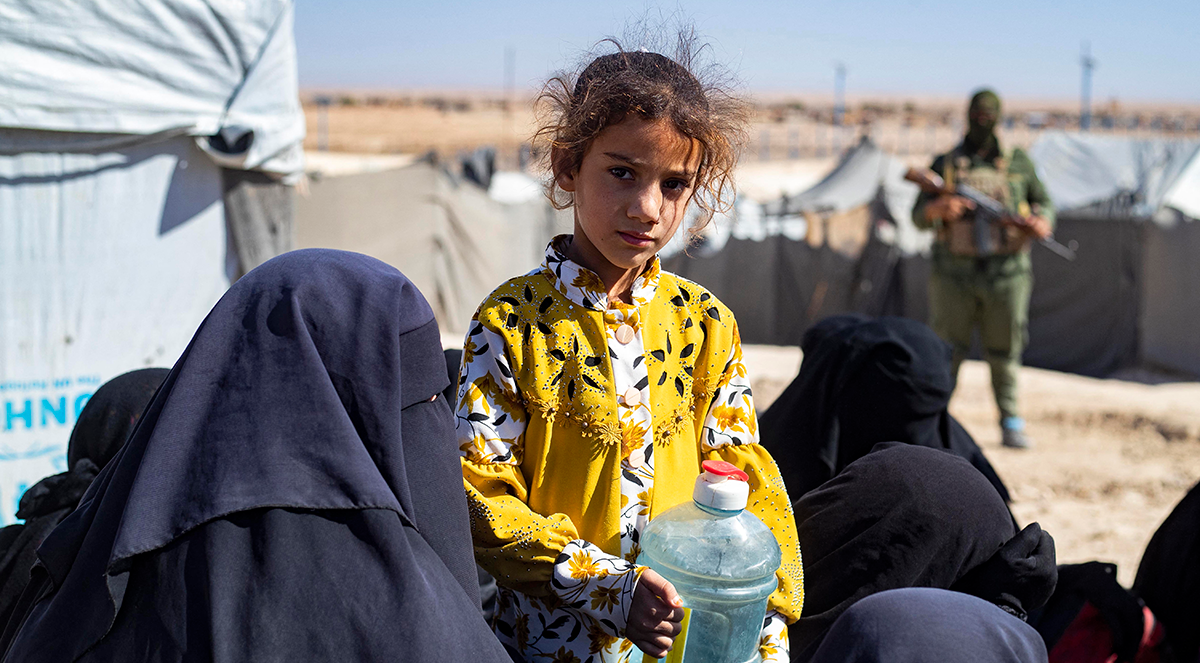
There is an urgent need for a Global Humanitarian Coalition to Defeat ISIS to conduct human rights-centered action and build upon hard-fought military gains in the campaign against ISIS. Repatriation of all third-country nationals in the squalid detention camps and prisons in northeast Syria must be the first joint task in order to ease the burden of the local administration and to accomplish long-sought security, justice, and stabilization goals.
NATO membership for Ukraine: The only lasting deterrence against future Russian aggression
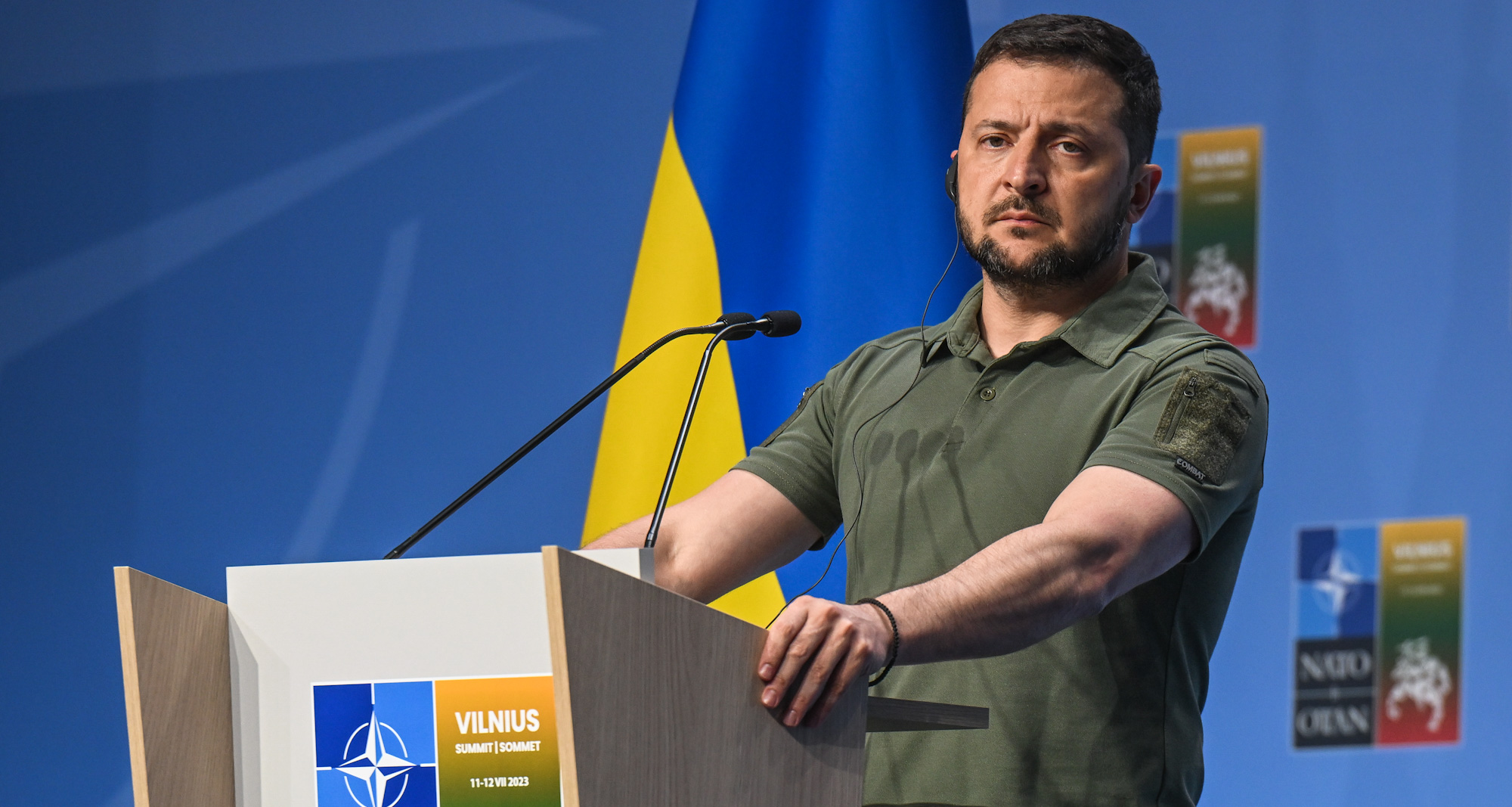
As important as it is for Ukraine to work with individual partners and receive their long-term support, the key security guarantor for Ukraine can only be NATO and its Article V umbrella. No arrangement other than full NATO membership will entirely remove the threat of a Russian re-invasion, at least so long as Putin remains in power.
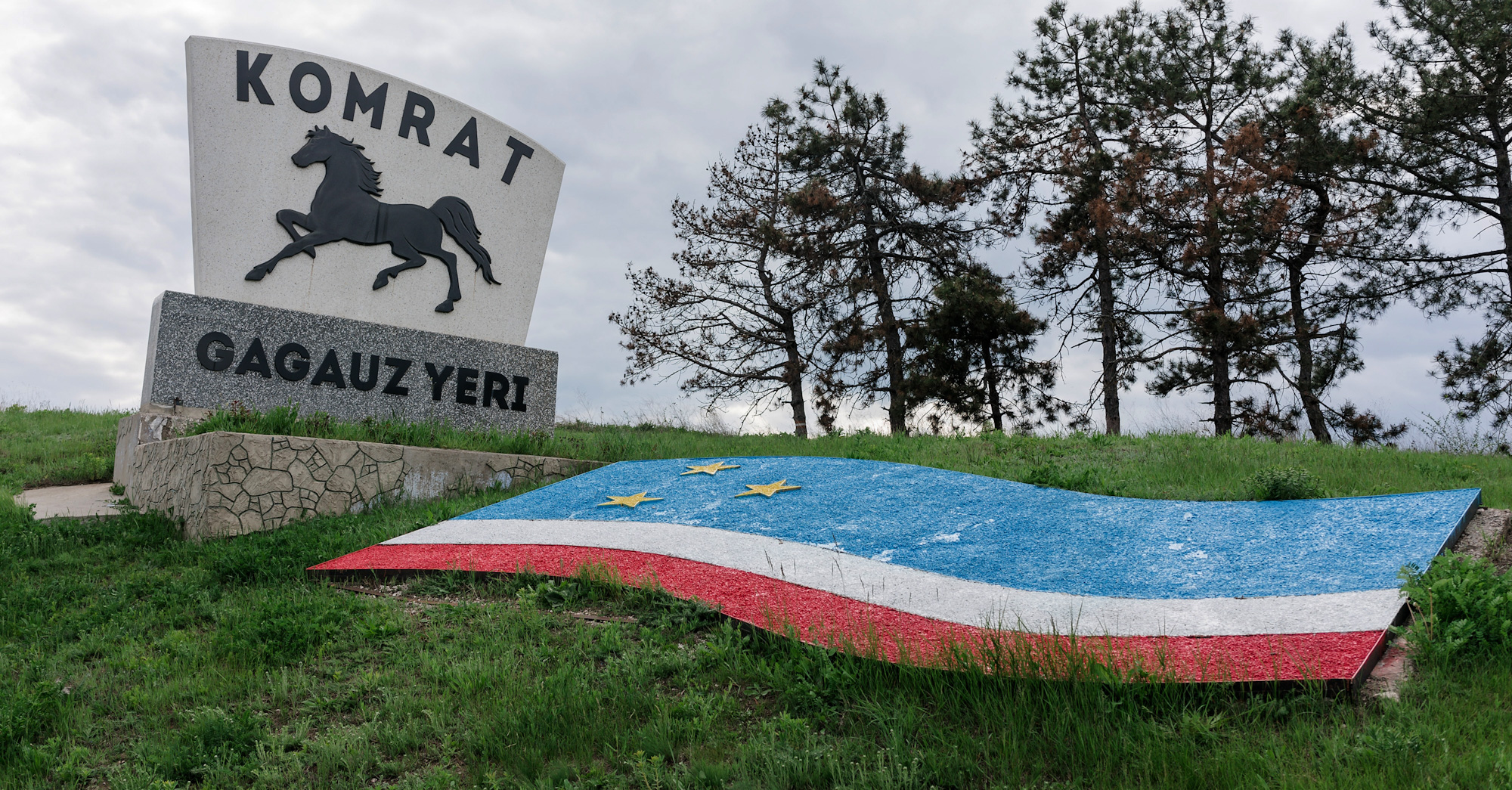
Understanding Moldova’s ethnic dynamics: Minority rights, external influence, and pathways to unity
Moldova is a country with a rich tapestry of multiple ethnic identities and linguistic traditions, but one where policymakers have long grappled with the complexities of preserving minority rights, fostering national unity, and addressing regional autonomy through engagement with the Gagauz minority.
What do China’s economic woes mean for the Middle East?
At the start of 2023, optimism was high that China would see a rapid recovery in consumer spending and an acceleration in GDP growth. Since then, however, the world’s second-largest economy has been in the doldrums. China’s ailing economy is a problem not just for China but for the entire world. A prolonged slowdown or a sudden financial crash, were it to occur, would ripple across global markets — including the countries of the Middle East, whose economies have become increasingly intertwined with that of China.
Navigating development in Moldova: The role and challenges of foreign donor organizations
This study on community leadership and social resilience factors in Moldova in the context of the war in Ukraine is based on in-country interviews with 15 Moldovan experts and community leaders, conducted in May-August 2023.
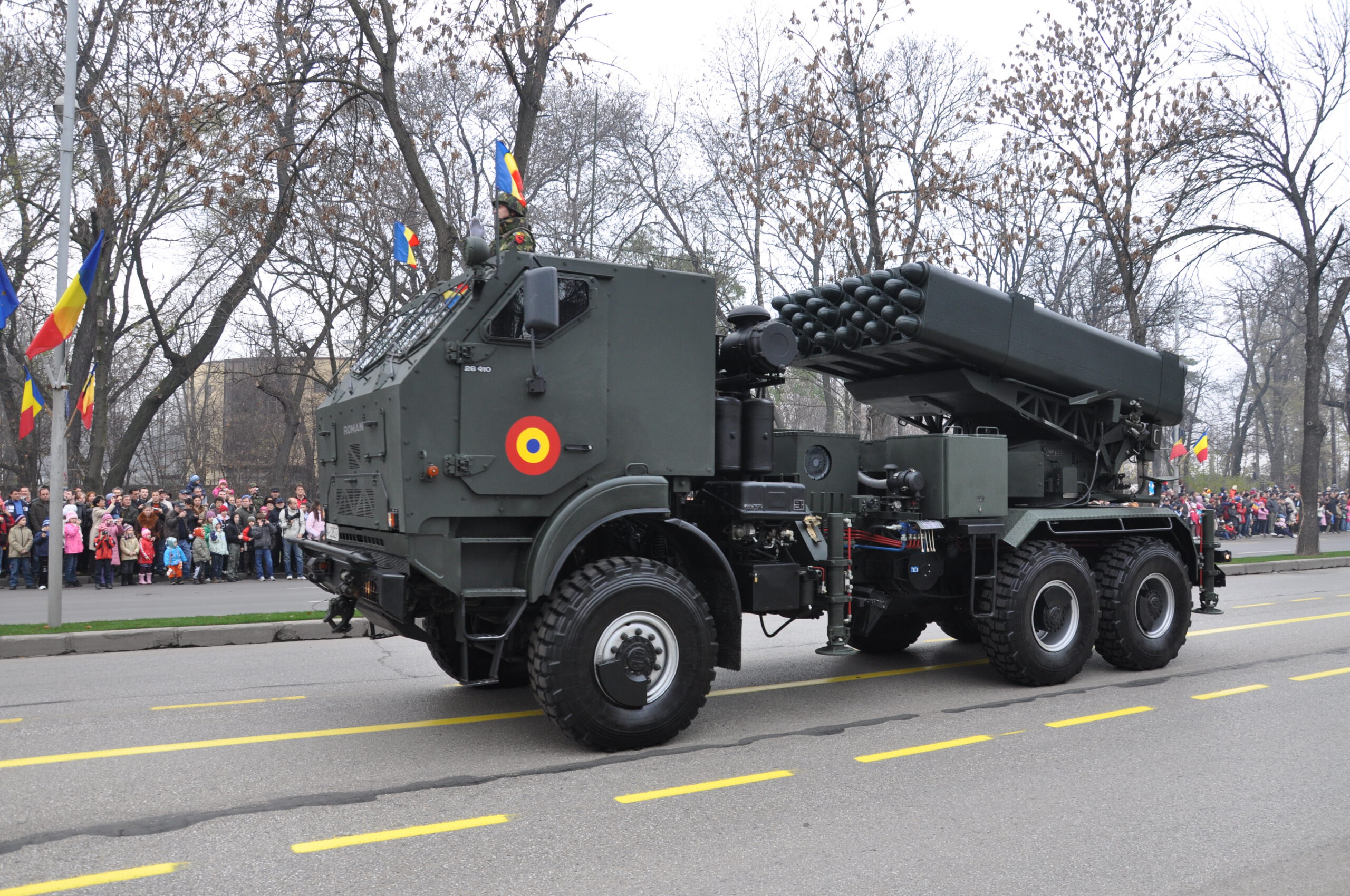
Deepening defense-industrial cooperation on NATO’s eastern flank
The war in Ukraine has turned policymakers’ eyes back toward the Euro-Atlantic arena and highlighted the need to reinvigorate NATO’s defense-industrial base. This analysis describes the macro policy environment that shapes the current relationship between Romania and the United States, and considers what steps the U.S. could take to improve Romania’s integration with the Euro-Atlantic defense-industrial base.
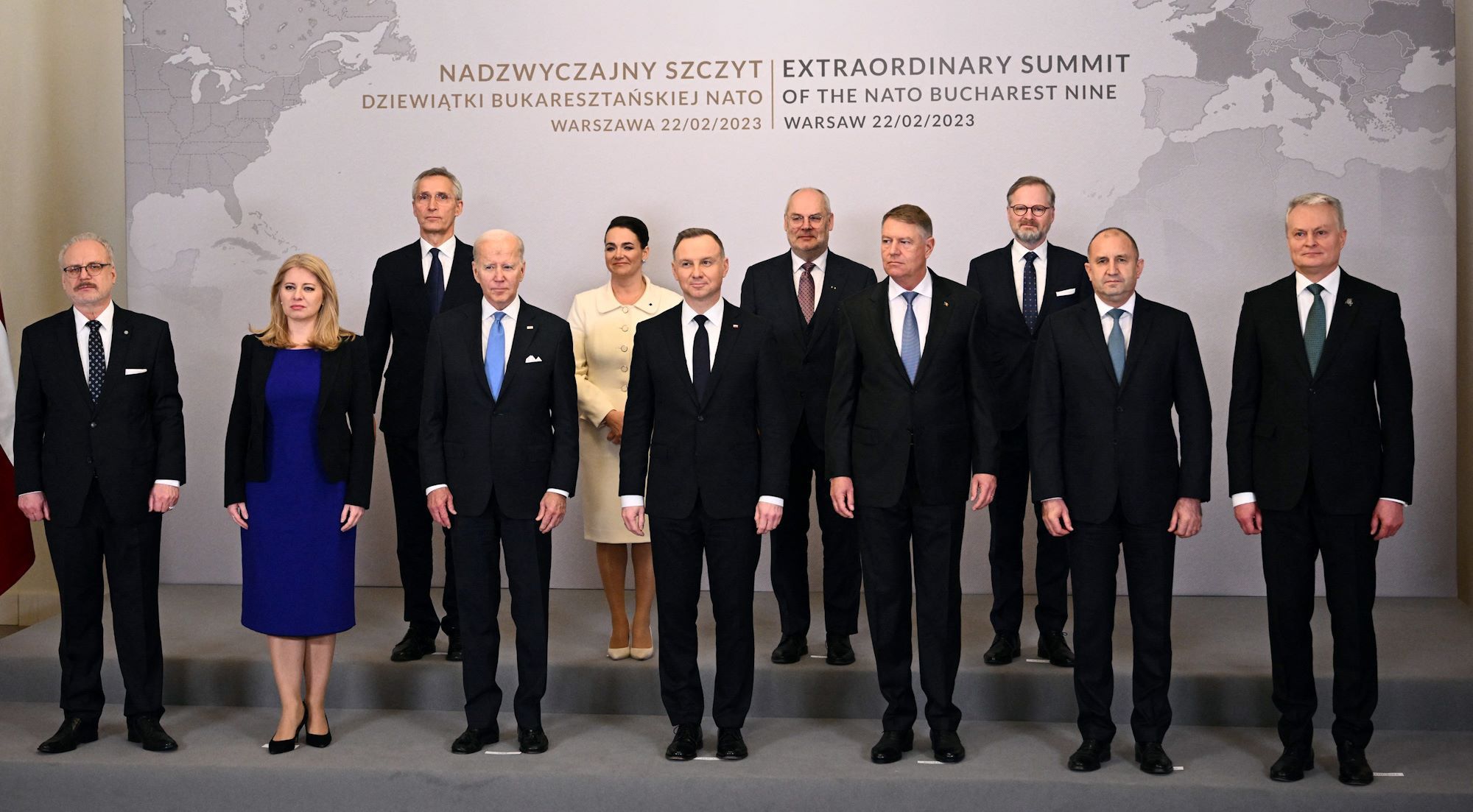
Polish and Romanian responses to Russian aggression: Lessons for a US CEE Strategy
The following analysis provides an overview of Poland’s and Romania’s engagement with NATO priorities on its eastern front line since 2022 and outlines their advocacy for increased regional security in multilateral formats. Drawing on the expertise of over two dozen Polish and Romanian security experts, it offers recommendations for an enhanced CEE security strategy for the United States, the leading member of the NATO alliance.
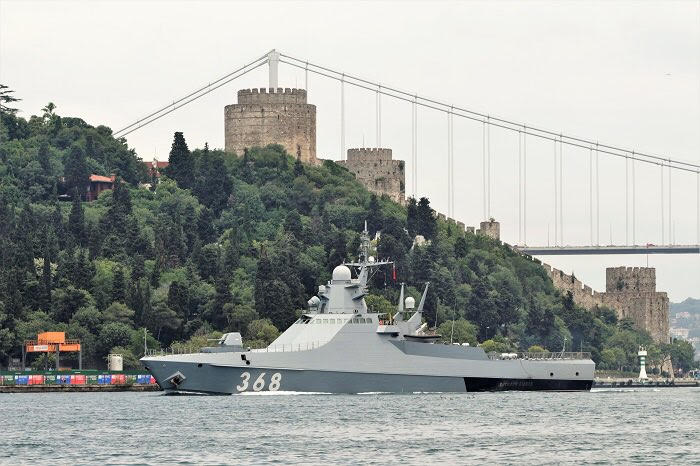
Russia’s aggressive behavior in the Black Sea can be challenged
Russia’s malign behavior in the Black Sea includes piracy, plunder, petroleum price cap violations, and actions to prevent the free transit of foreign commercial and naval vessels. Its largely unchallenged position in the Black Sea also helps Russia maintain access to foreign-made products and components, circumventing sanctions. The West and the broader international community have yet to act to decisively rein in these flagrant violations of international laws and norms.