Intissar Fakir is joined by Marwa Haddar and Fadil Aliriza to discuss the economic issues Tunisia is facing, international financial institutions’ role in the crisis, and the government’s actions, or lack thereof, to help the country.
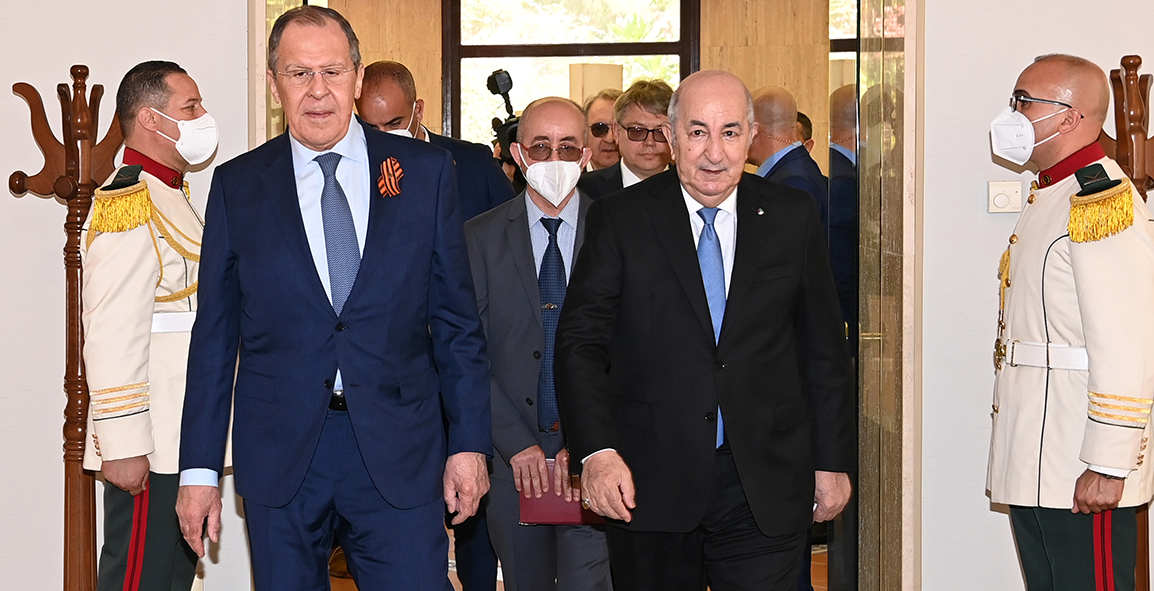
The war in Ukraine: A test for Algiers’ non-alignment doctrine
Russian President Vladimir Putin’s decision to invade Ukraine in late February could have unprecedented consequences for North Africa. Algeria will be swept up in the resulting shifts, forcing the country’s civilian and military leadership to make difficult international calculations.
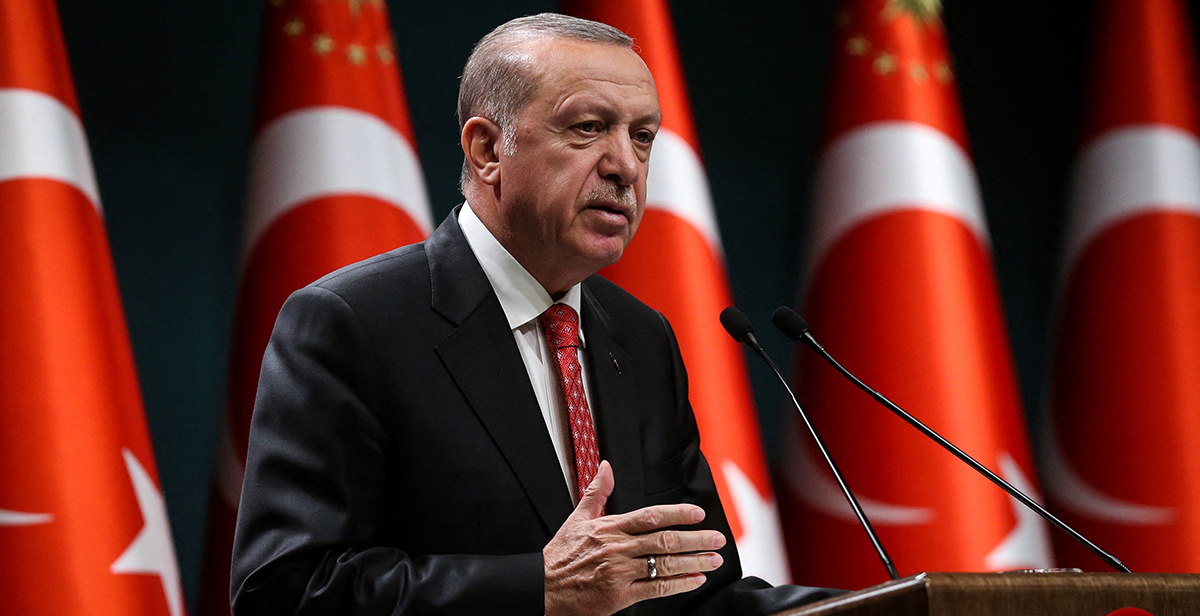
Erdoğan’s opportunism in the wake of the Russia-Ukraine war
Turkish President Recep Tayyip Erdoğan is notorious for pursuing a one-man foreign policy strategy to consolidate his popularity with his nationalist voter base. He has utilized bold, and sometimes reckless, foreign policy as a vehicle for his political ambitions. Now, Russia’s invasion of Ukraine has opened up new high-risk opportunities for Erdoğan to improve his domestic image, especially as the next Turkish presidential and parliamentary elections approach.
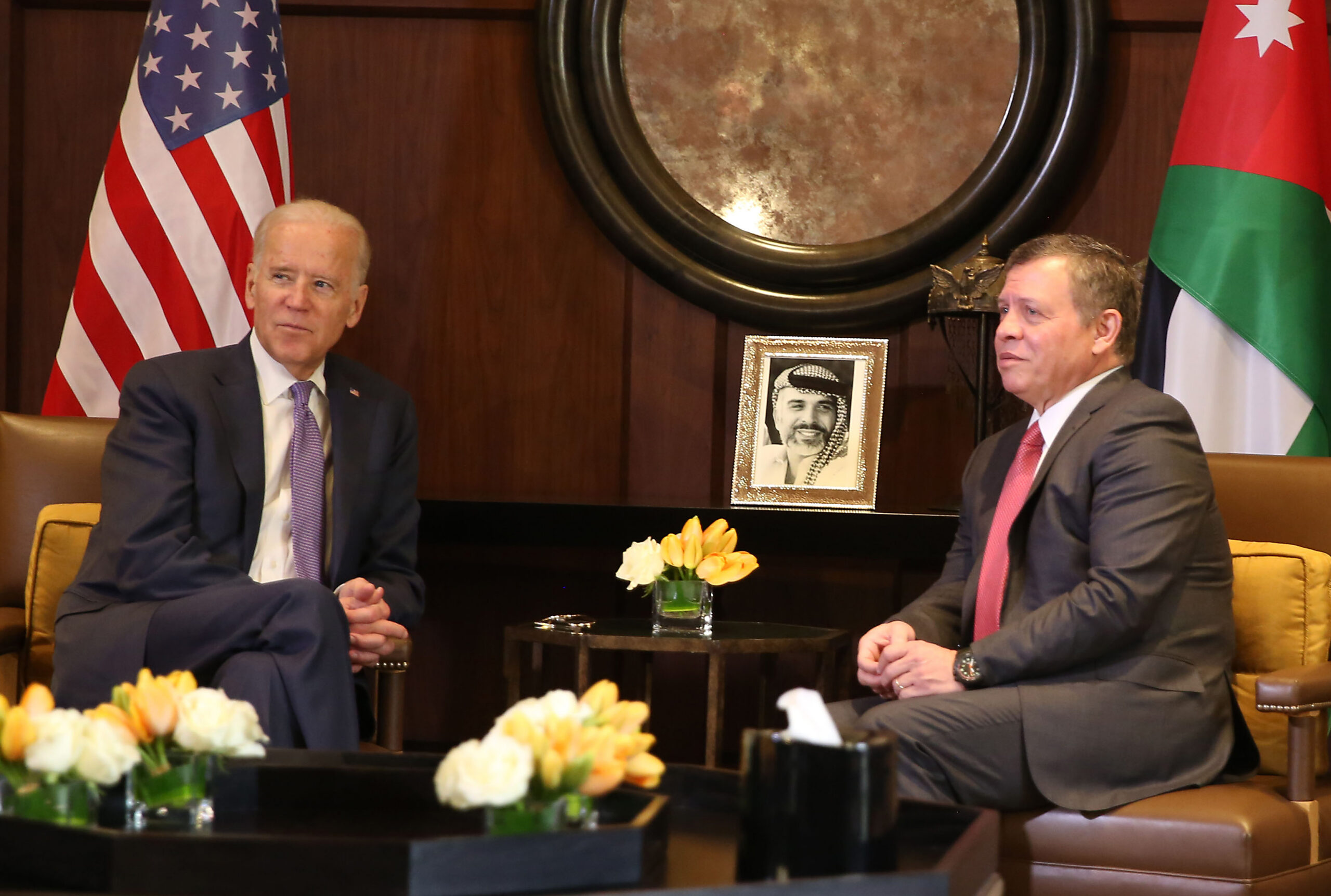
King Abdullah sends subliminal messages about a “Middle East NATO” alliance
Given Jordan’s often cautious diplomatic demeanor, the best way to respond to media reports that the U.S. was about to launch a “Middle East NATO” regional alliance on the eve of President Joe Biden’s visit to the region was to step in and take a stand. And it seems that King Abdullah thought that saying “yes” to the idea when he meant “yes but” would be the best response at this stage.
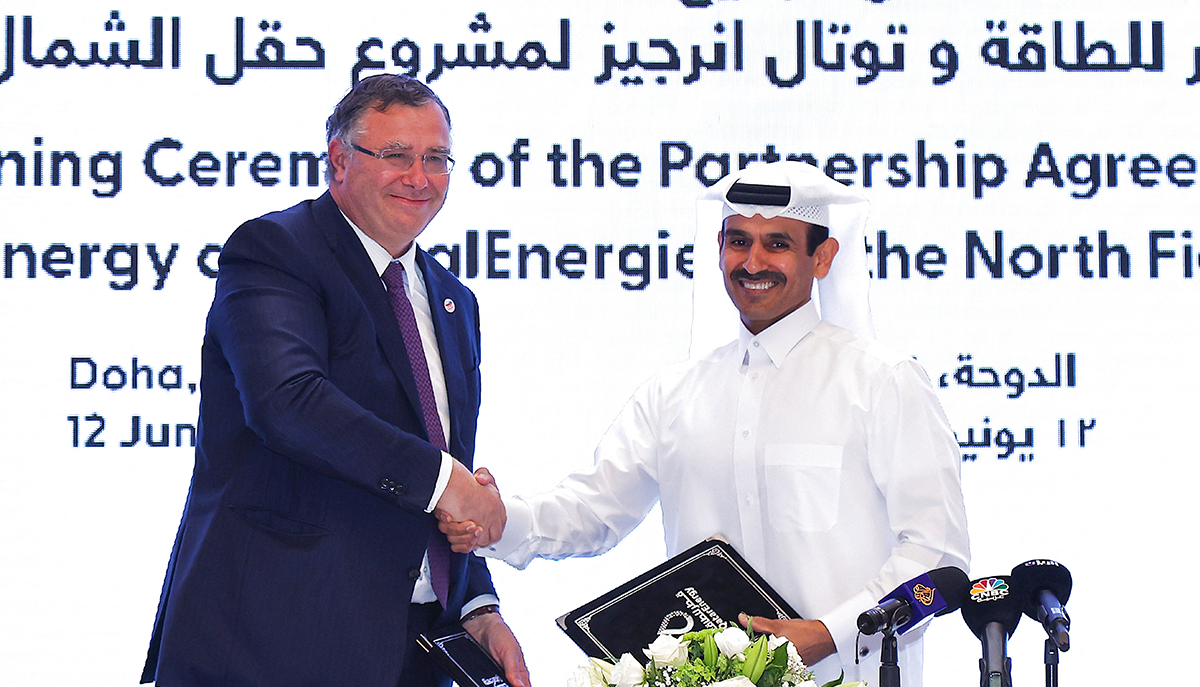
Qatar strengthens ties with international energy players through North Field East Project
Throughout the month of June, Qatar Energy, the state-owned energy company responsible for delivering the newly named North Field East Project, captivated the attention of global energy players. After more than six months of bid evaluation, the Qataris have selected the partners in the drive to expand their LNG capacity. While all partners have minor interests, the Qataris have publicly secured participation from representative Western energy players.
How Iran sees Turkey’s plan for a new military operation in Syria
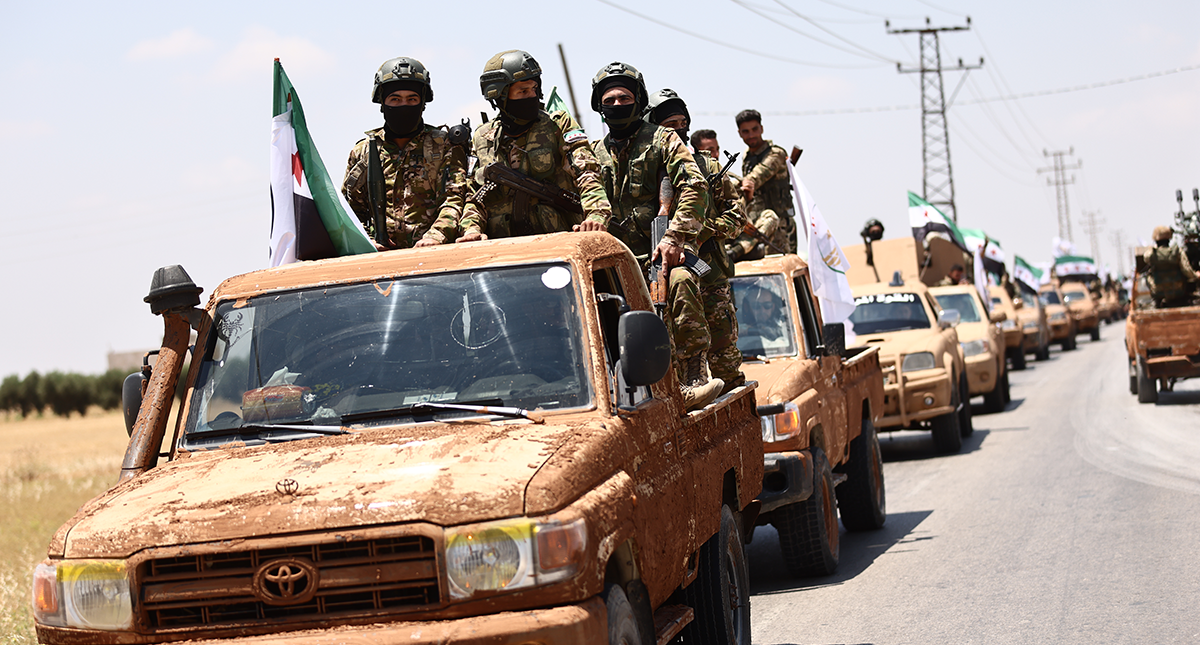
As the threat of a new Turkish military incursion into northern Syria looms, other international stakeholders in the Syrian crisis continue to voice their concerns over Ankara’s ambitions. At odds with Turkey since 2011 over its desire to overthrow the regime of Syrian President Bashar al-Assad and its support for an array of armed opposition factions, Iran has been increasingly vocal of late in opposing a potential new Turkish military operation.
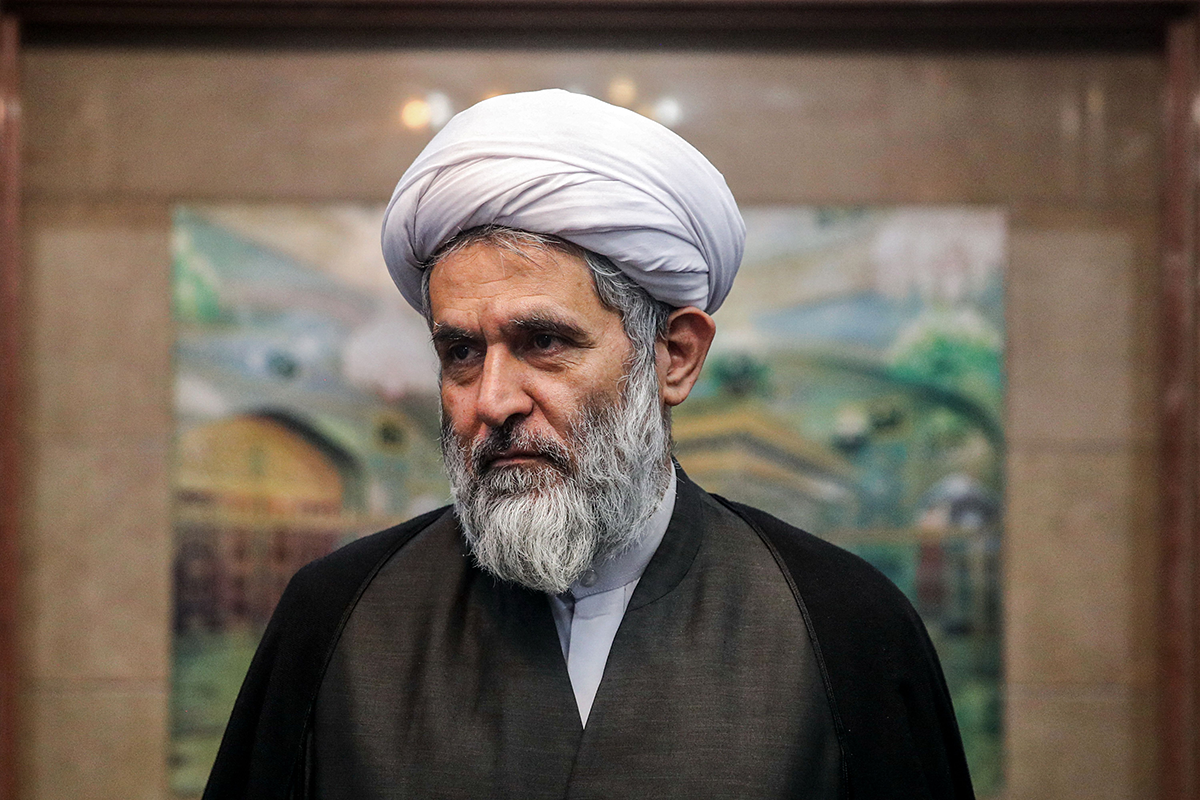
The departure of Hossein Taeb from his post as the head of Iran’s Islamic Revolutionary Guard Corps’ Intelligence Organization triggered a wave of reshuffling in the command structure of the guardsmen. But the story is more than just a reaction to Iran’s unsuccessful terrorist targeting of Israelis in Turkey and counterintelligence lapses. There are internal power struggles and a natural maturation of the Islamic Republic’s security structure that also likely figured into the decision to remove Taeb.
Fearing a collapse: Palestinian refugees and UNRWA’s worsening financial crisis
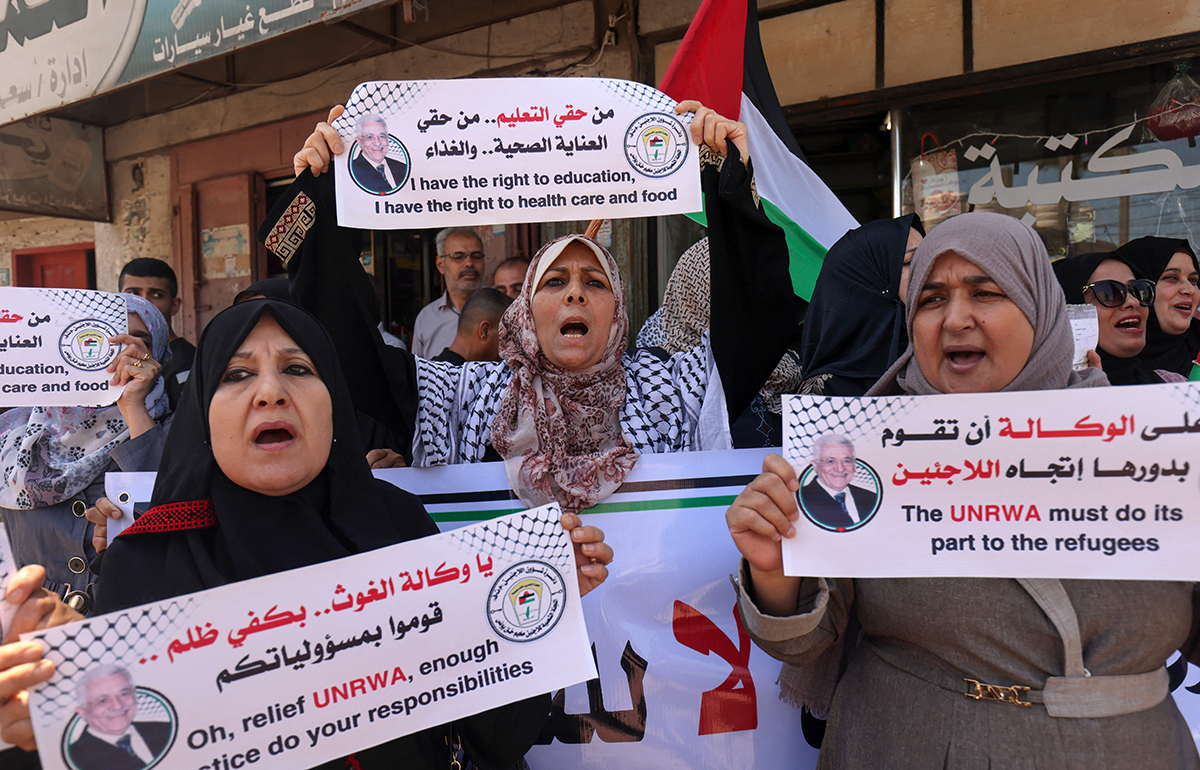
In early June 2022, the Advisory Commission of the United Nations Relief and Works Agency for Palestinian Refugees in the Near East met in Beirut. Facing a $100 million budget deficit and the indifference of donor countries, UNRWA’s future is uncertain.
Randa Slim is joined by Farhad Alaadin and Marsin Alshamary to discuss the latest political events in Iraqi Parliament, Muqtada al-Sadr, and what the future of Iraqi politics could look like moving forward.
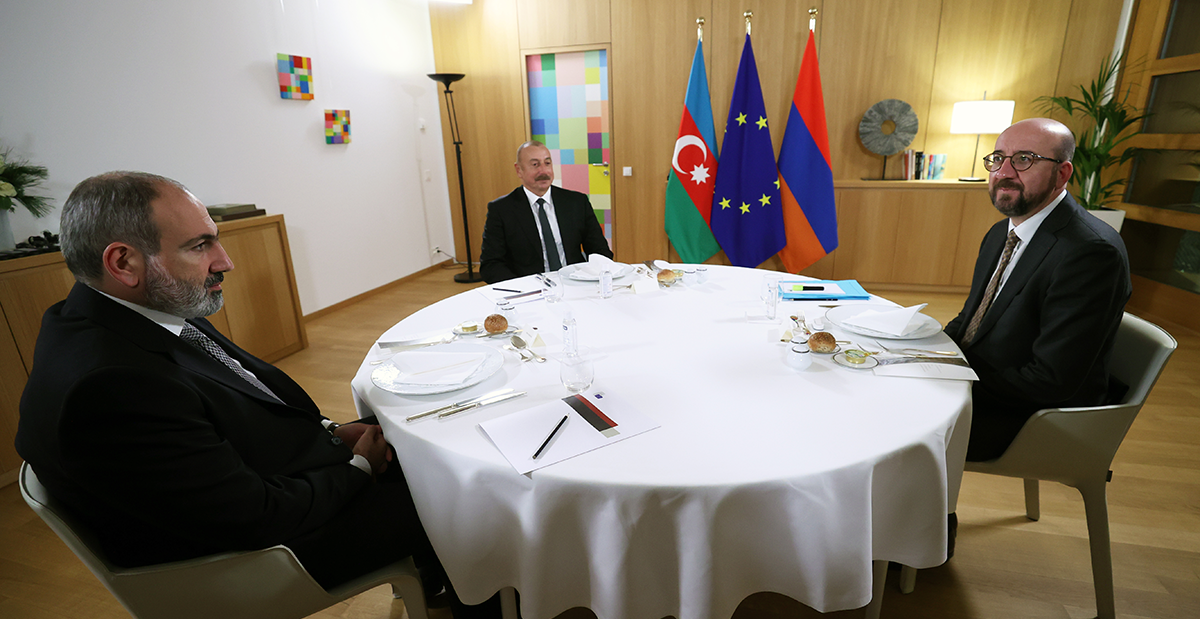
Overshadowed by war in Ukraine, Armenia and Azerbaijan edge closer to a peace deal
Armenia and Azerbaijan, two long-standing adversaries in the South Caucasus, are edging closer to a peace deal that could potentially alter regional geopolitics. The prospective reconciliation also coincides with a nascent rapprochement between Armenia and Turkey. Yet there are significant constraints too, in terms of both wider geopolitics and domestic Armenian politics, that could hinder the process.
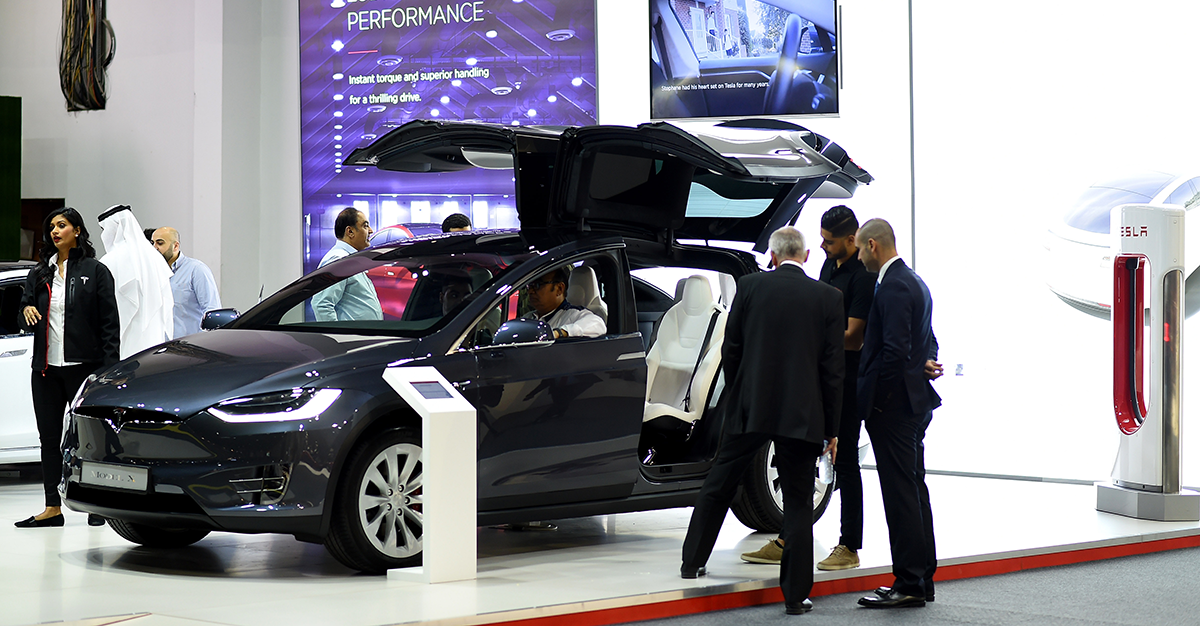
“Get an electric vehicle!” This might be the first idea that comes to mind when considering how to reduce carbon dioxide emissions from transportation at the community level. Fossil fuels are widely recognized as a significant source of emissions due to the large amount of carbon dioxide they produce when burned, but what about the emissions associated with electric vehicles?
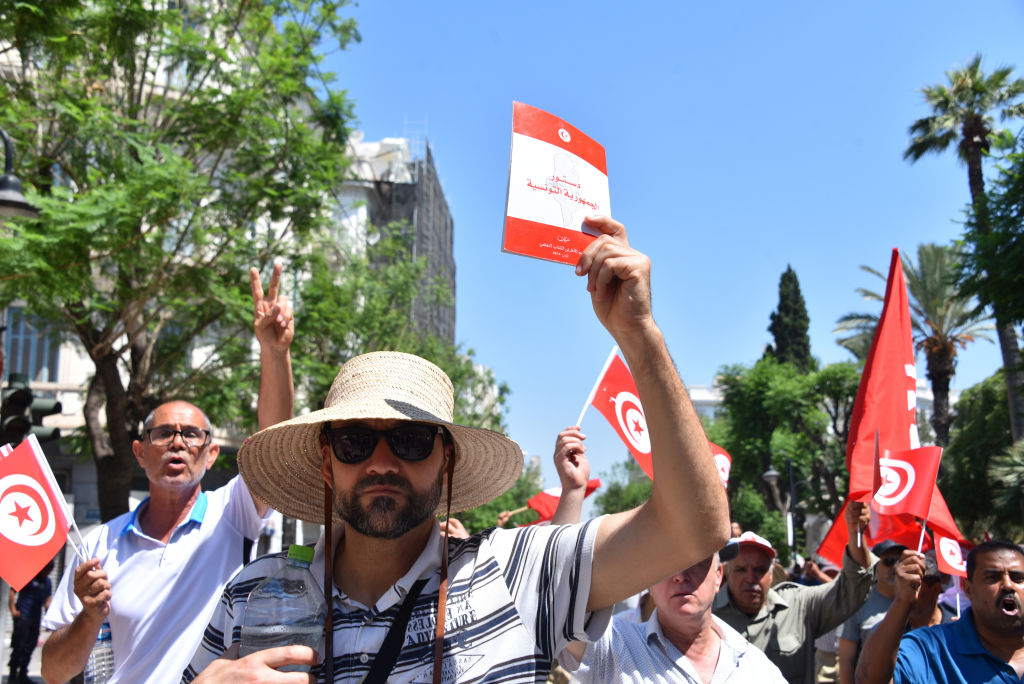
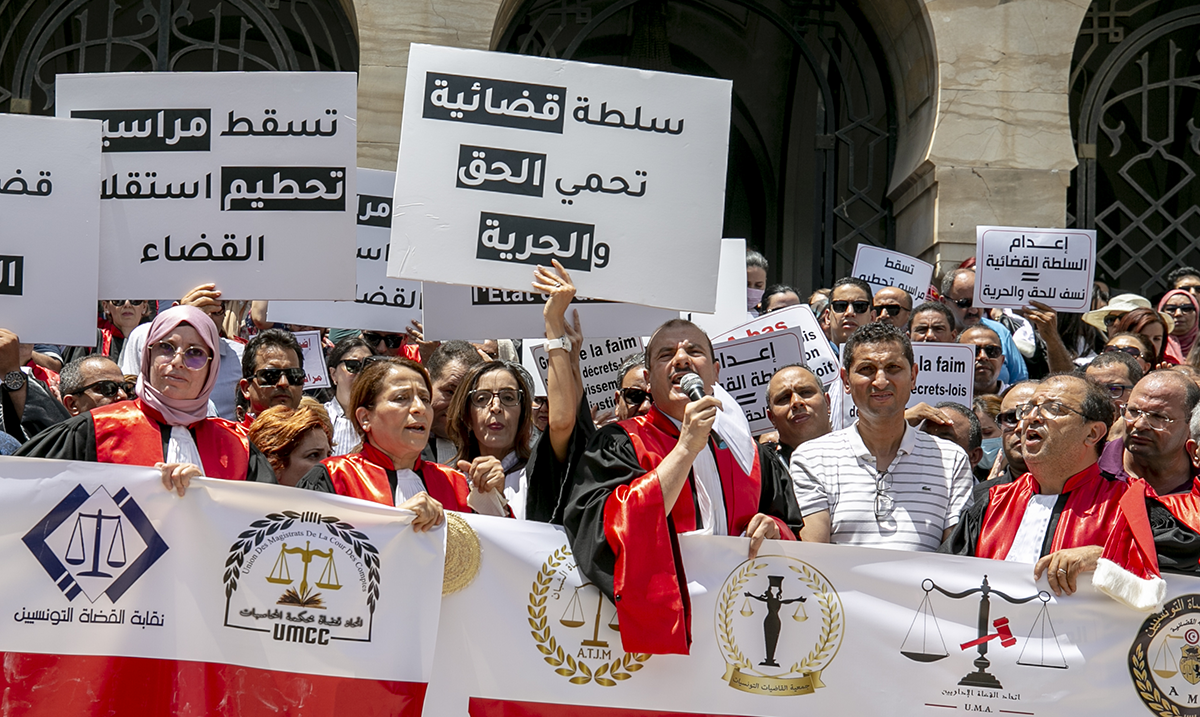
Since the beginning of 2022, Tunisian President Kais Saied has issued decrees reshaping the judiciary in a way that further subordinates it to the executive branch of government. Saied claims that his aim is to “cleanse” it of corruption and other forms of wrongdoing, yet judges counter that the president is interfering in the judiciary and intimidating judges.
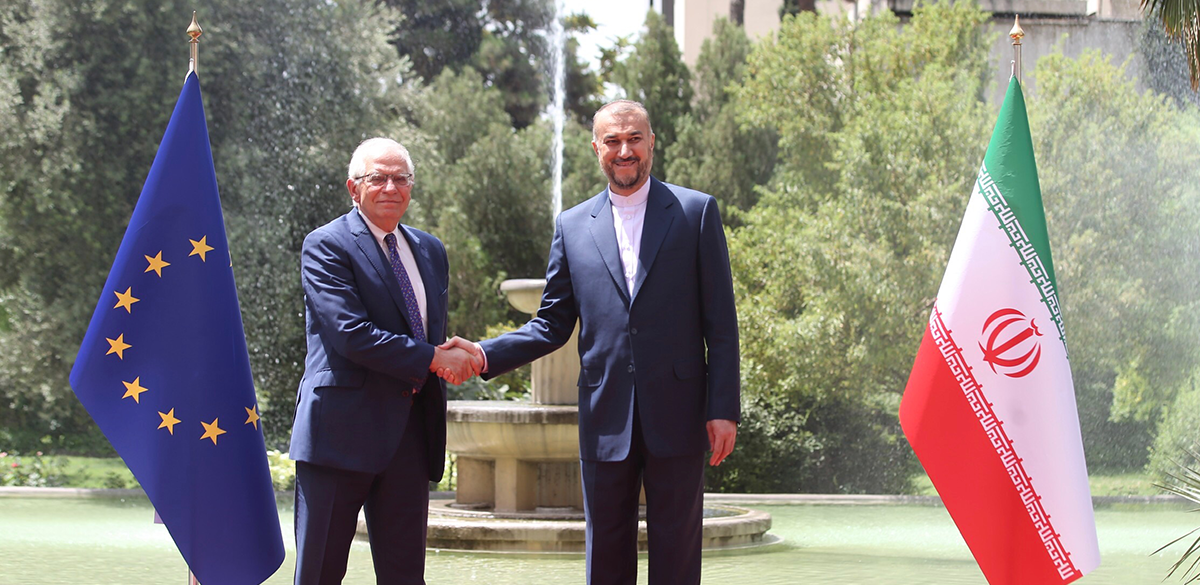
A moment of reckoning as the US and Iran prepare to resume talks in Doha
After a three-month-long suspension of the nuclear talks in Vienna, the U.S. and Iran appear set to resume diplomatic negotiations on June 28 in Doha, Qatar. While it is too early to be optimistic about the outcome, the Iranians and the Americans both seem to believe the talks in Doha represent a sink-or-swim moment for U.S.-Iran nuclear negotiations.
حزب الله الحجاز: جماعة شيعية سعودية يكتنفها الغموض
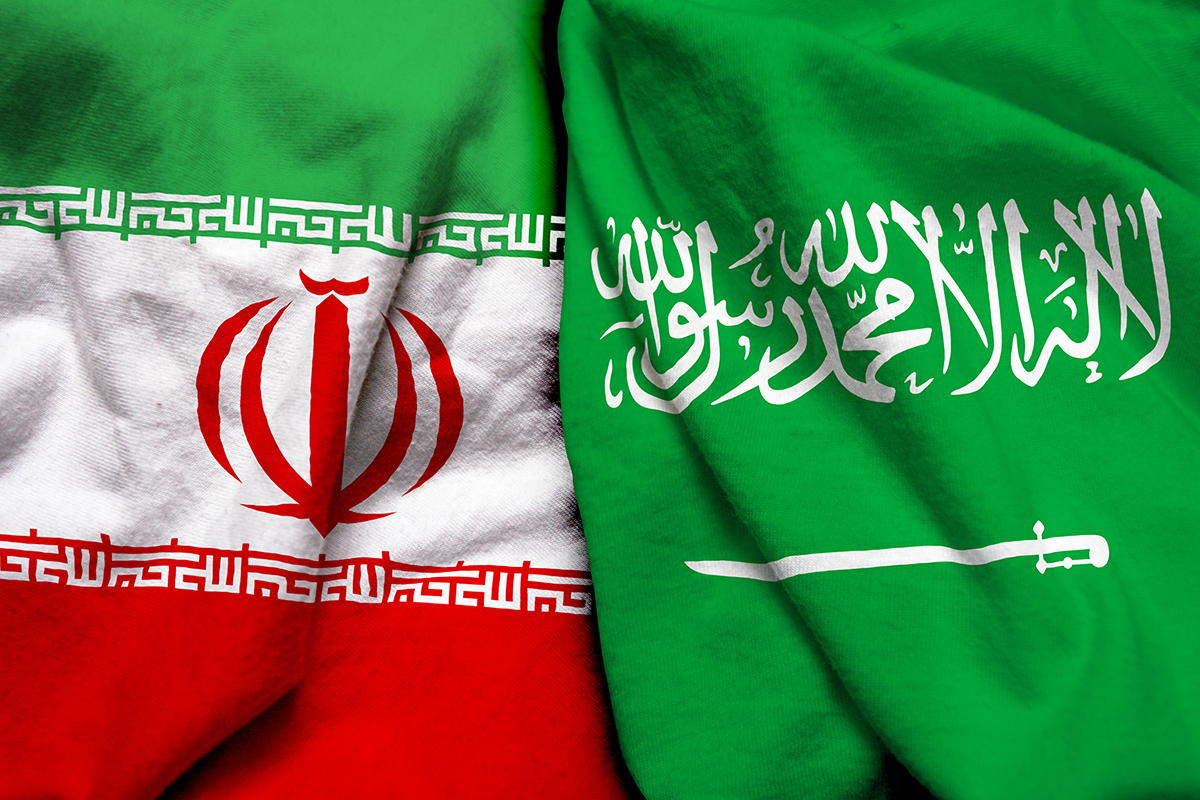
تهدف هذه الورقة البحثية إلى مقاربة النفوذ الإيراني داخل المجتمع الشيعي في السعودية من خلال التركيز على أتباع مرجعية المرشد الأعلى والمعروفين بـ “خط الإمام” والجناح العسكري المنسوب للتيار والمعروف دوليًا بـ “حزب الله الحجاز” أو “حزب الله السعودي” والذي تتوجه له أصابع الاتهام بتنفيذ تفجير الخبر ١٩٩٦.