Iran’s Navy reportedly warns off two “coalition warships” in latest dangerous encounter
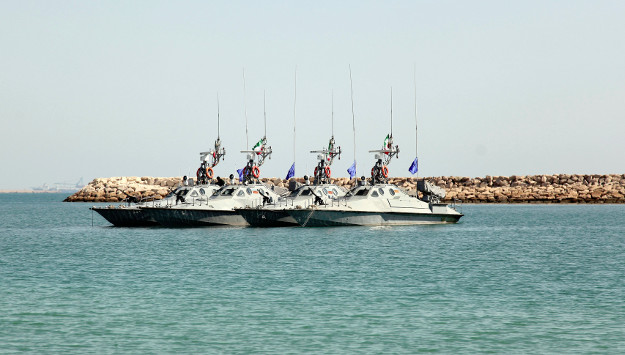
A senior Iranian naval officer said on Monday that the country’s warplanes warned off two US-led coalition vessels during a military drill in the Persian Gulf, the Iranian media reported. “This morning and in the first hours of the drills, two warships of the coalition which had approached the drills zone to monitor the Iranian Navy units were identified by the Navy drones,” Spokesman of the drills Rear Admiral Seyed Mahmoud Moussavi was quoted as saying by Fars News Agency.
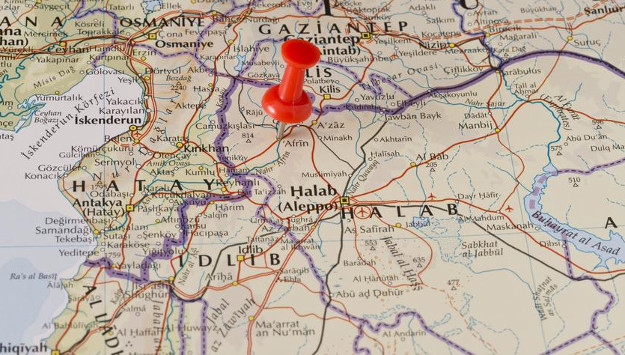
Iranian, Russian diplomats meet in Moscow amid looming Turkish offensive in Afrin
Iran’s deputy foreign minister for Arab and African affairs, Hossein Jaberi Ansari, today left Tehran for Moscow to hold talks over the latest developments in Syria and the broader region, the Iranian media reported. Ansari and his accompanying team met with Mikhail Bogdanov, Russian President Vladimir Putin’s special envoy to the Middle East and African countries, to discuss ways of strengthening cooperation between the two countries in Syria. The two sides reportedly also talked about Yemen and other regional crises.
IRGC commander: We’re chasing US to Eastern Mediterranean and Red Sea
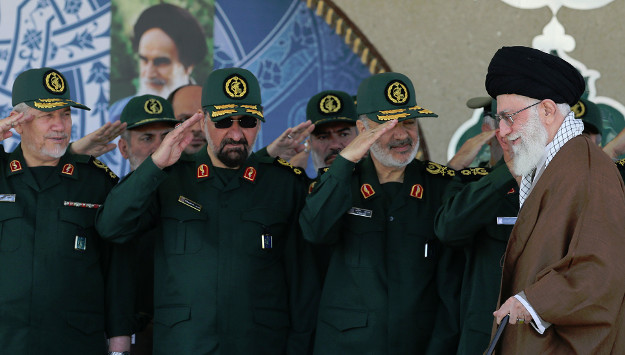
The deputy commander of the Islamic Revolution Guards Corps (IRGC) has said that the United States is no longer to “pull off a victory” in the Middle East and claimed that Tehran and its allies are driving the US forces out of the region.
US long-term military presence in Syria worries Tehran
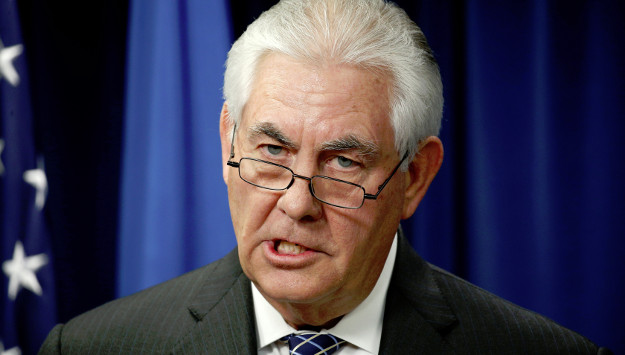
US Secretary of State Rex Tillerson’s remarks that Washington will maintain a long-term military presence in Syria to continue to assist the Syrian Democratic Forces and prevent a potential ISIS reemergence have worried Tehran. An article in Fars News Agency, a mouthpiece of the Islamic Revolutionary Guards Corps (IRGC), said that the “open-ended” deployment of US forces in Syria is aimed at “regime change” in the country.
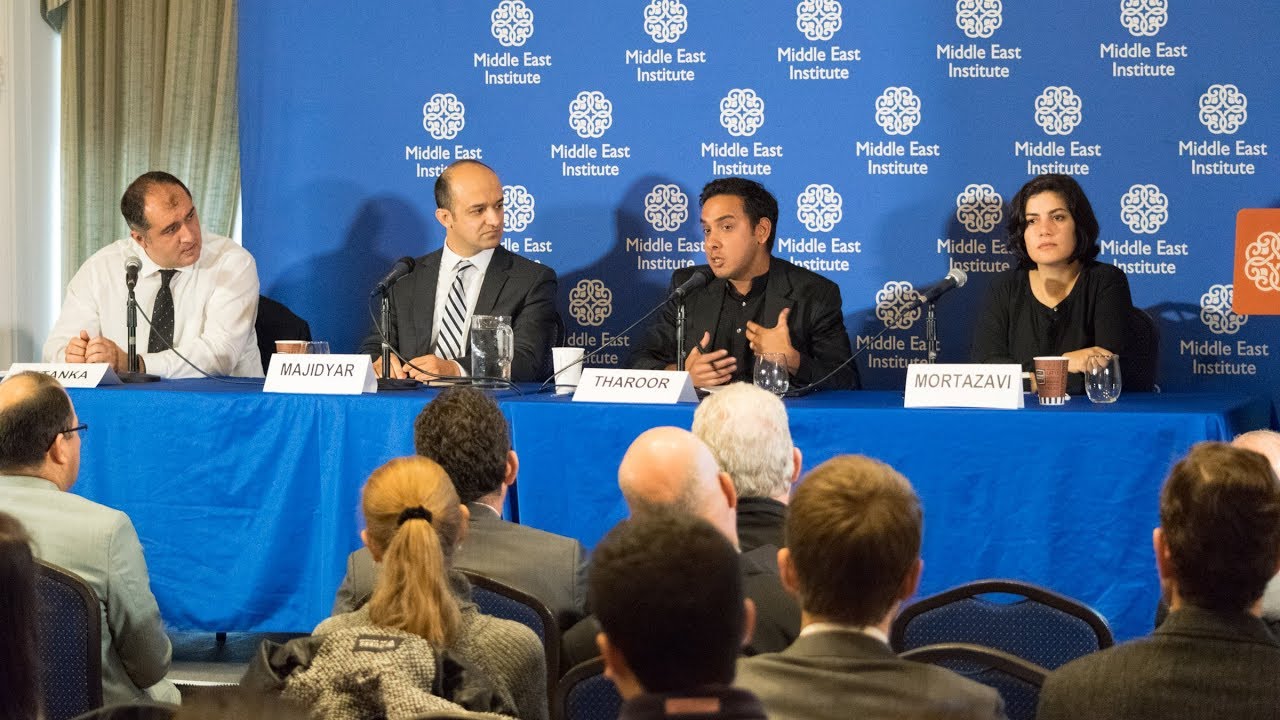
The demonstrations that broke out across Iran in late December were the largest the country has seen since 2009, however their causes and participants were quite different from past protests. Barbara Slavin of the Atlantic Council and MEI Senior Fellow Alex Vatanka join host Paul Salem to discuss what we’ve learned about these protests and their implications for Iran’s leaders, the region, and U.S. policy.
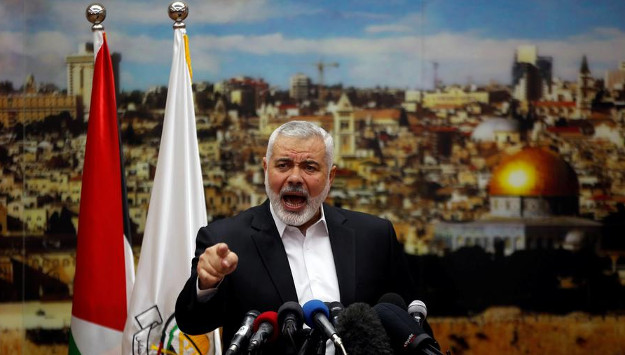
Hamas leader vows new intifada against Israel in letter to Iran's Khamenei
In a letter to Iran’s Supreme Leader Ali Khamenei, Ismail Haniyeh, the leader of Palestinian Hamas, has praised Iranian support for the militant group, and particularly Tehran’s “unwavering and valuable” stance on the issue of Jerusalem. According to the Iranian media, Haniyeh denounced President Donald Trump’s decision to recognize Jerusalem as Israel’s capital and emphasized in the letter that launching another intifada against Israel would be the best course of action at present.
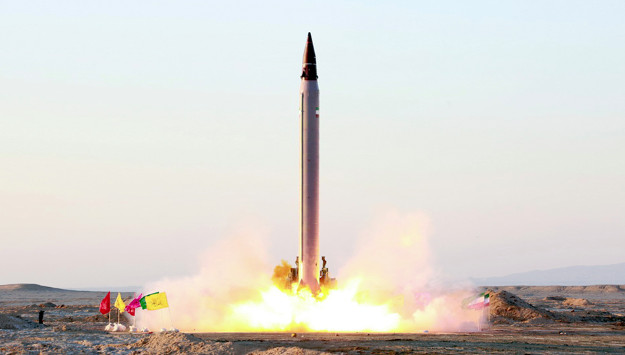
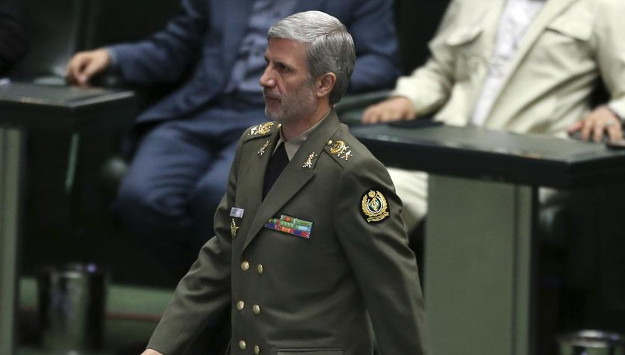
Iran rejects missile talks in defiance of Western pressure
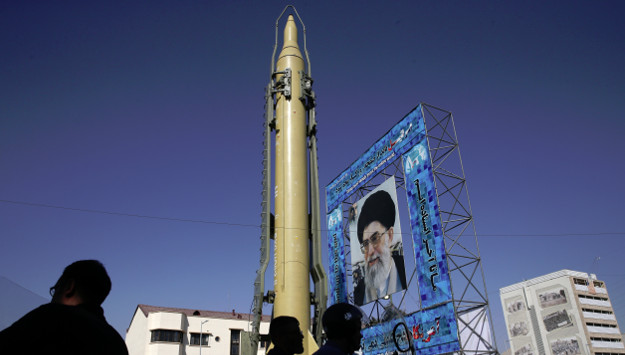
Iran’s defense minister today denied a report that Tehran has accepted Western demands to hold negotiations on the country’s controversial missile program, according to Tasnim News Agency.
Iran’s soft power: Islamic Azad University opening branches in major Syrian and Iraqi cities
While Iran’s military involvement in regional conflicts and support for militant groups often make headlines, Tehran’s sophisticated soft power strategies aimed at promoting the Islamic Republic’s ideological and political goals in the region are largely overlooked. The establishment of Islamic Azad Universities in major Syrian and Iraqi cities and the expansion of its main branch in Lebanon is one example of how Tehran uses soft power tools to expand its sphere of influence across the region.
January 12, 2018 – The protests shaking provincial cities and towns in Iran since December 28, 2017 are a new and different phenomenon for the Islamic Republic. Young, politically voiceless people of modest means are apparently frustrated over the economic prospects and inequities they perceive. The Middle East Institute (MEI) and Radio Free Europe/Radio Liberty (RFE/RL) were pleased to provide an inside view of the demonstrations and how they contrast with the “Green Movement” of 2009 or an Iranian “spring” of the like that spread through the Arab world in 2011.
Trump will no longer waive U.S. nuclear sanctions on Iran | Weekly Briefing
In this week’s Monday Briefing, MEI experts Alex Vatanka, Charles Lister, Marvin G. Weinbaum, and Eran Etzion provide analysis on recent and upcoming events including President Trump’s statement that he will no longer waive U.S. nuclear sanctions on Iran, new developments in northern Syria, Pakistan’s response to the withdrawal of U.S. security assistance, and Benjamin Netanyahu’s trip to India.
Afghanistan arrests government official on charge of spying for Iran
Afghan authorities in western Herat Province have arrested a government official who allegedly spied for Iran and transferred sensitive government documents to the Iranian intelligence agencies, the Afghan media reported. Jilani Farhad, the spokesman for the government of Herat, told the Khama News Agency that Asadullah Reza-yi, who previously worked in neighboring Farah Province, was under surveillance for a long time before he was arrested. The suspect is transferred to Kabul for further investigation, he added.
Iran rejects US demand for inspection of military sites
The deputy head of the Atomic Energy Organization of Iran (AEOI) has said that the Islamic Republic will not allow international inspectors to visit the country’s military sites, the Iranian media reported.
Militants step up antigovernment activities in Iran’s border regions
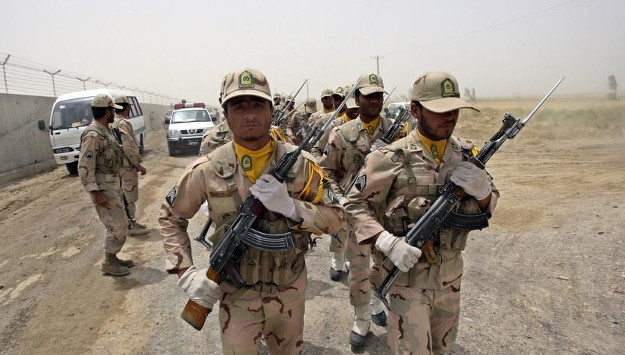
The Islamic Revolution Guards Corps (IRGC) said today that its forces have seized a shipment of explosives and suicide vests in the restive southeastern province of Sistan and Baluchestan. According to a statement released by the public relations department of the IRGC Ground Force’s Quds Base (not to be confused with IRGC’s elite Quds Force responsible for external operations), the explosives and communications and other assets were captured in the Saravan county of Sistan and Baluchestan.
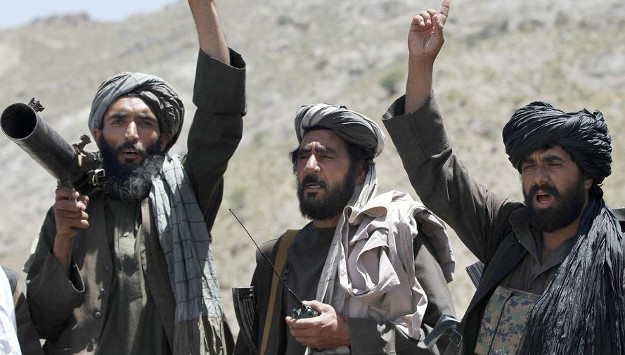
Afghan politician cautions Tehran against aiding Taliban
A prominent Afghan politician has cautioned that it is not in the interest of Iran to have close relations with the Taliban, Afghan media reported. “As an Afghan, I explicitly state that cultivating close relations – I hope it is a mistake – with an enemy, which has no difference with ISIS in its essence and substance, is harmful not only to the Iranian people but also to the people Afghanistan,” Amrullah Saleh, the head of the Afghan Green Trend and former intelligence chief, said at the Tehran Security Conference.
Iran’s defense minister threatens "retaliation" against US
Iran’s Defense Minister accused the United States of playing a role in the latest anti-regime protests in the country and threatened that Tehran will take retaliatory measures against US interests.