Non-Oil Industries in the Persian Gulf
For decades the Arab Gulf states and members of the Gulf Cooperation Council (GCC) — Bahrain, Kuwait, Oman, Qatar, Saudi Arabia, and the United Arab Emirates (UAE) — have seen their economic fortunes rise and fall with the demand for their chief export, oil. To shield themselves from the volatility of global oil markets, these states have sought to diversify their economies by investing in a host of non-oil industries, especially services, commerce, and manufacturing.

Southern Aspirations and Salih's Exasperation: The Looming Threat of Secession in South Yemen
Originally posted June 2009
Non-Oil Industries in the Persian Gulf Part 1
Originally posted on June 2009
Kill the Messengers: Yemen's 2009 Clampdown on the Press
Originally posted June 2009
Yemen Postpones Its April 2009 Parliamentary Elections
Originally posted June 2009
Politics in a Vacuum: The Yemeni Opposition's Dilemma
Originally published June 2009
Non-Oil Industries in the Persian Gulf Part 2
The six oil-producing monarchies of the Persian Gulf — Bahrain, Kuwait, Oman, Qatar, Saudi Arabia, and the UAE — are among the most important but also the most enigmatic societies to study.
Introduction to Discerning Yemen's Political Future
Originally posted June 2009
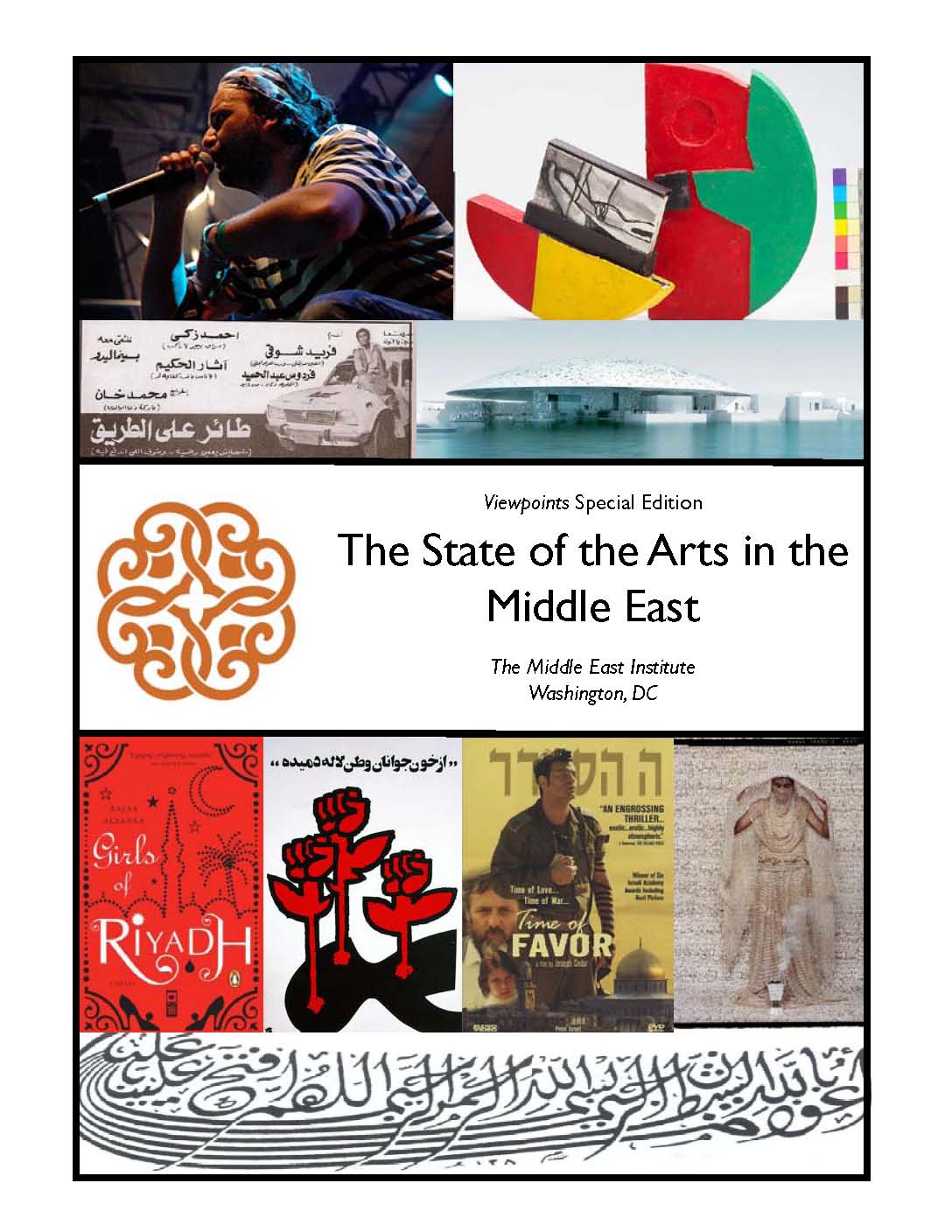
Introduction to The State of the Arts in the Middle East
Originally posted May 2009
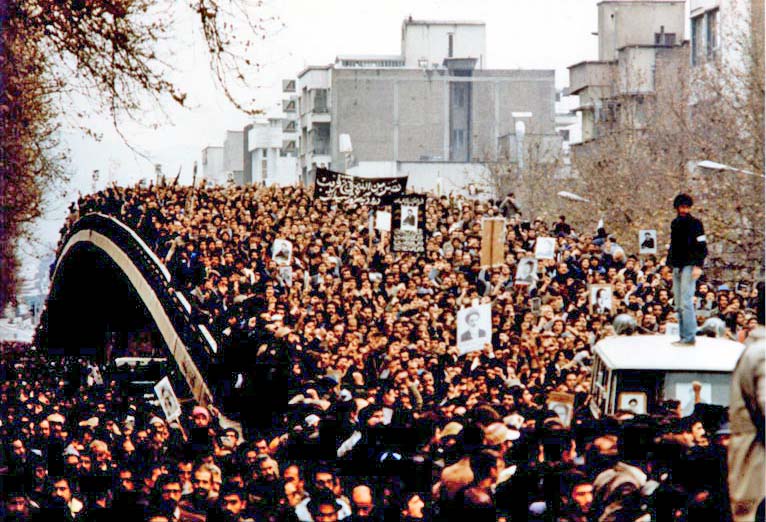
The Kurdish Factor in Iran-Iraq Relations
Kurdish issues have been an important part of the myriad political and socioeconomic problems that have preoccupied the Islamic Republic of Iran since its inception. The Kurdish factor has also been an important determinant of Iran’s regional foreign policy in the past three decades. Shortly after the onset of the Iran-Iraq War of 1980-1988, the Iraqi government began to woo the Kurdish Democratic Party of Iran (KDPI) as potential leverage in its war effort.
Water Issues in the Gulf: Time for Action
Originally posted January 2009
The Arab world, especially the Gulf countries, face many environmental threats and problems such as desertification, biodiversity loss, marine and coastal areas pollution, air pollution, and water scarcity and quality. Beside these traditional environmental threats, various other environmental problems have begun to emerge in the last few years, related to military conflicts, construction and demolition debris, and climate change.
Social Change Amidst Terror and Discrimination: Yezidis in the New Iraq
Originally posted August 2008
On August 14, 2007, in the largest single terror attack during the war in Iraq, over 350 Yezidis were killed and two entire villages completely destroyed, leaving over 1,000 families homeless. The two villages, Qahtaniya and Jazeera are located in the Sinjar Mountains, an area in northwestern Iraq that is hotly contested by Sunni Arab insurgents, Kurdish peshmergas, US-led coalition forces, and several minority groups.
A Note from the Jewish Past — A Comparison between Iraqi Refugees in Arab States Today and Jewish Iraqi Migrants in Israel
Originally posted July 2008
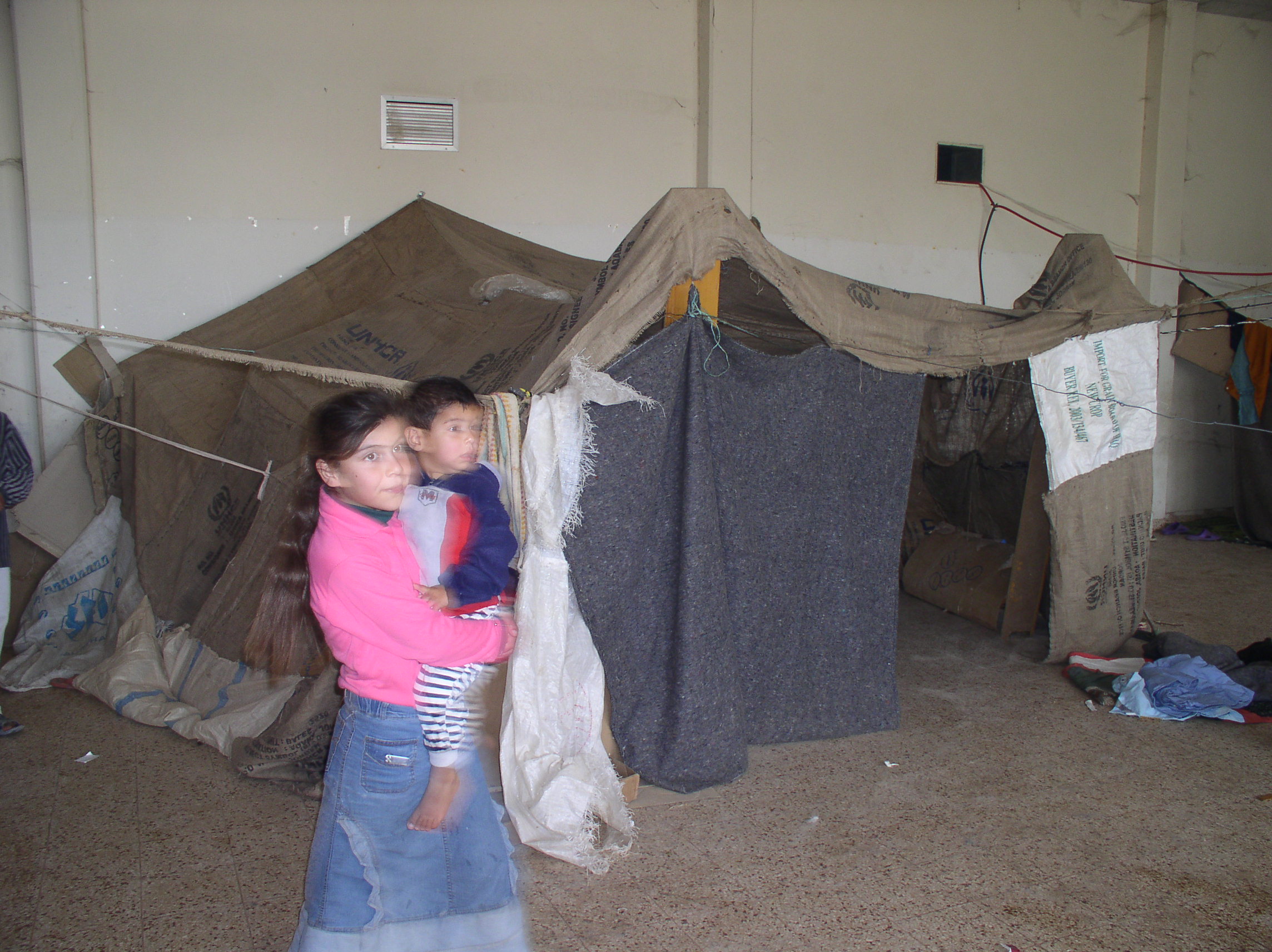
Forcible Eviction in Iraq: Past Practices and Current Crisis
Originally posted July 2008