Will Kuwait’s new parliament resolve its political impasse?
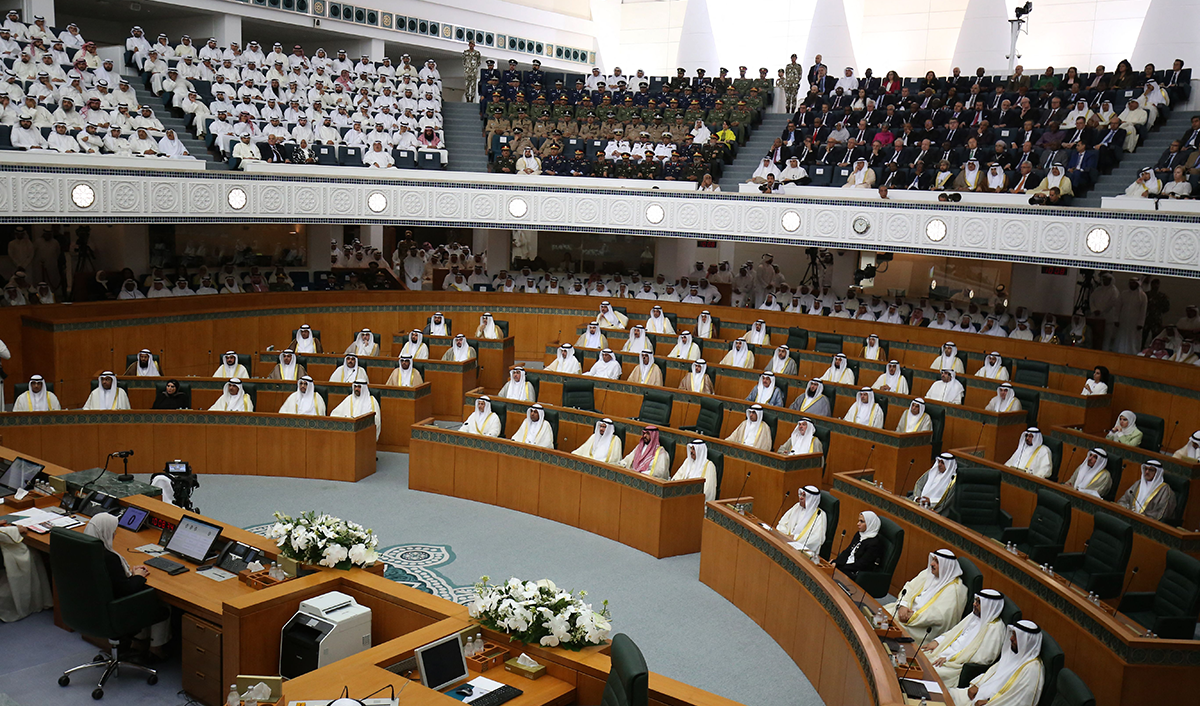
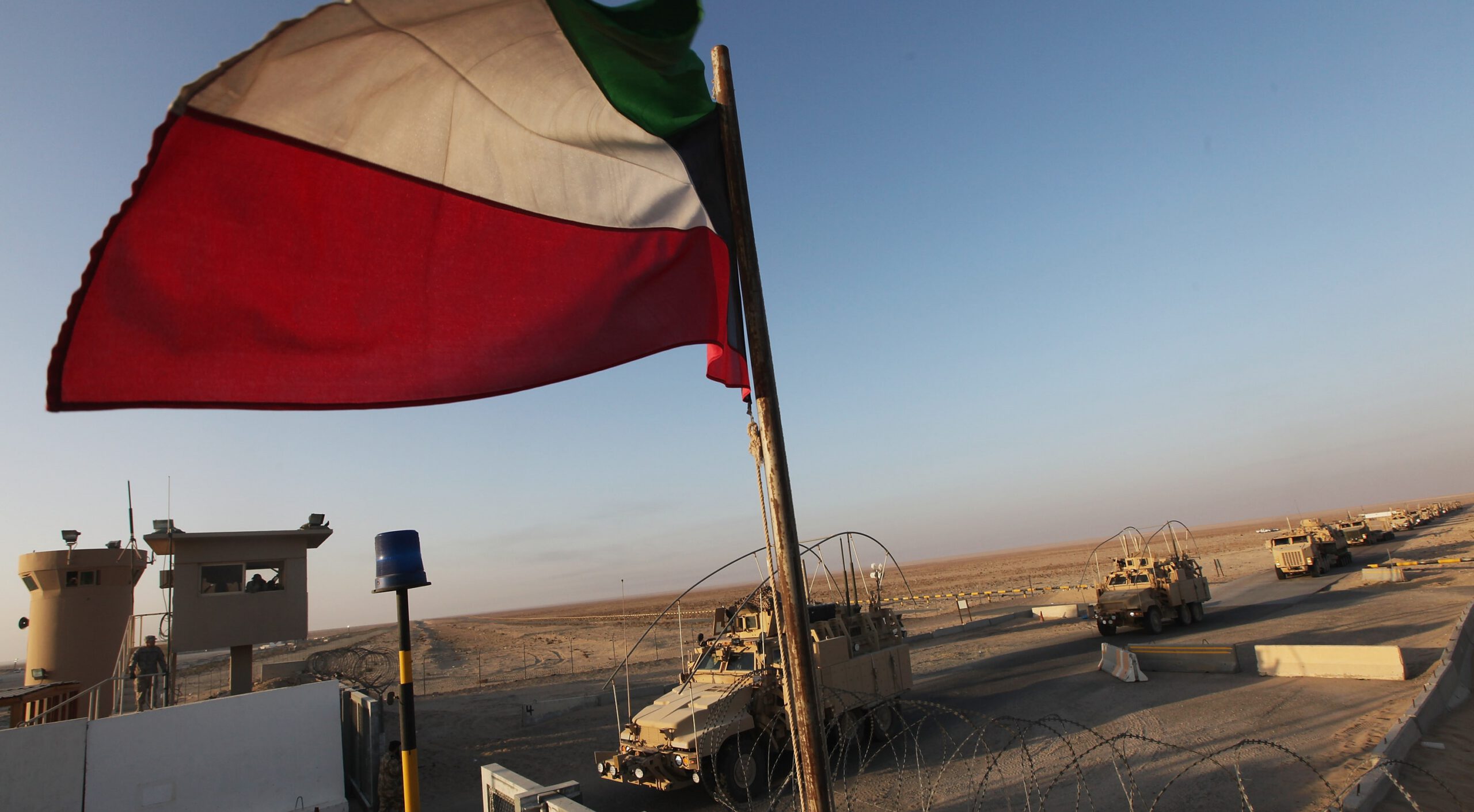
Kuwait’s Sept. 29 parliamentary elections were supposed to bring change to the gridlock and governmental churn that had plagued the country in recent years. Kuwaitis initially appeared optimistic about the results, calling on the amir to appoint a strong government to work with the National Assembly. Questions remain, however, as to how well the government and the majority opposition parliament will be able to cooperate to implement the necessary reforms.
Amid Lebanon’s perfect storm of crises, water demands attention
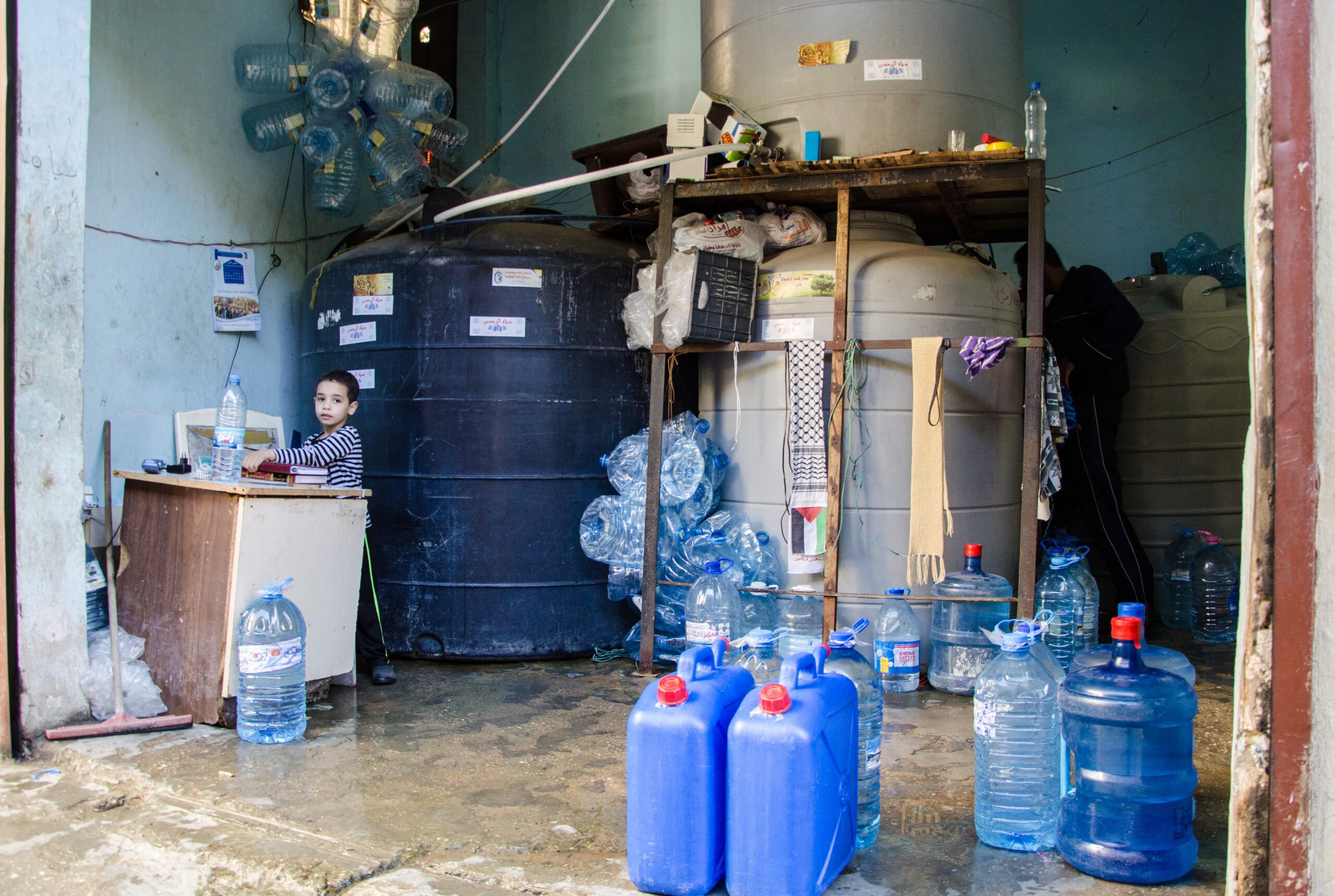
Lebanese crises have repeatedly made international news since October 2019, when the country witnessed the start of a popular revolution against a stagnant and corrupt political elite. Much less discussed but no less critical is the issue of water. The problem has been slumbering for years but has recently come to light along with other failings of the Lebanese government.
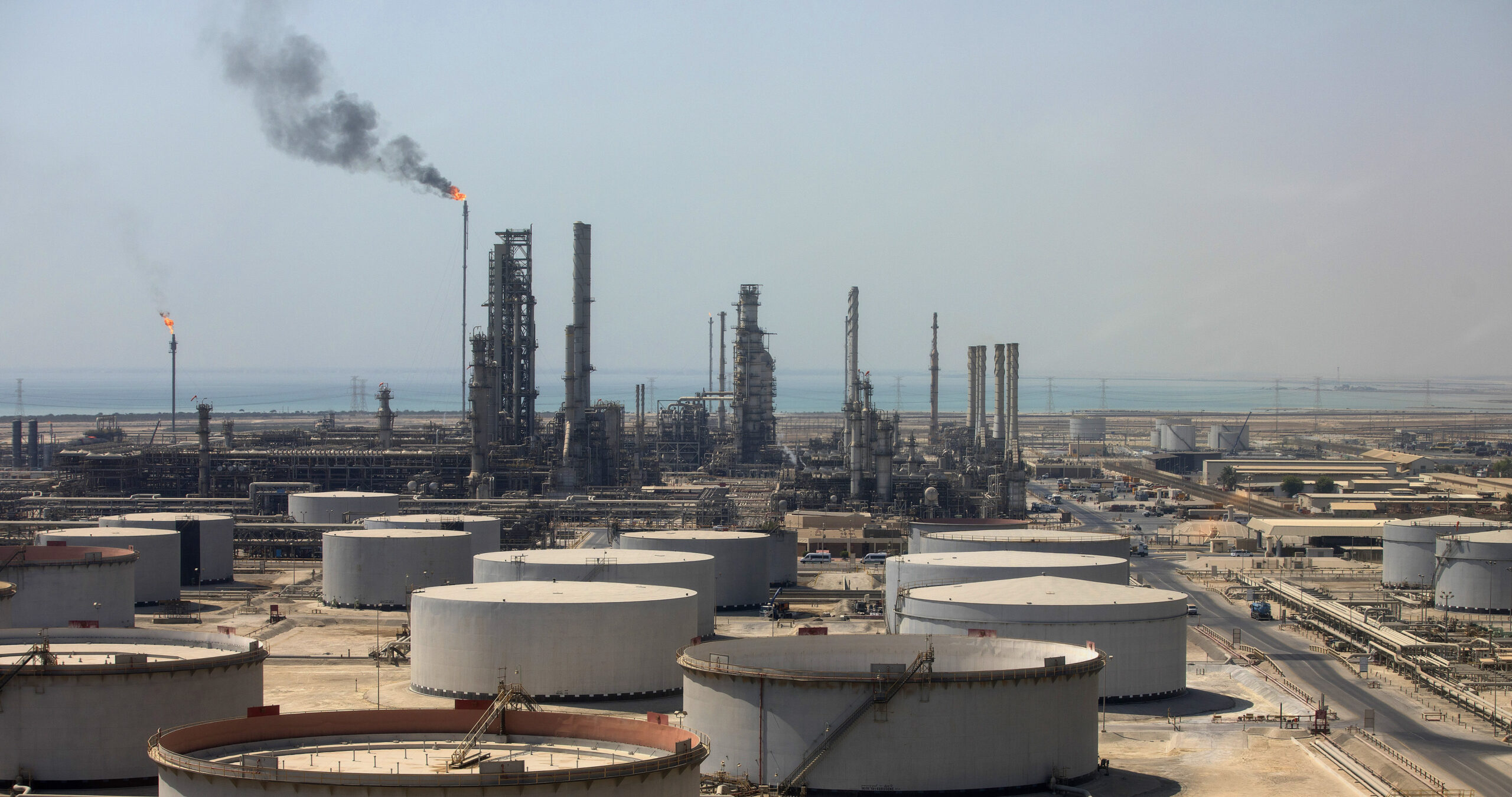
Under current, highly unpredictable market conditions, it is unreasonable for OPEC to make sharp movements to saturate the oil market or withdraw a significant number of barrels from it to meet divergent Western interests of lowering prices and punishing Russia.
Beyond Post-Desert Storm: How to Elevate the US-Kuwait Security Partnership
Kuwait plays a larger role than is often assumed in America’s present and future military plans in the Middle East. But as Washington prioritizes the Indo-Pacific, it is critical that the security arrangement between the United States and Kuwait is thoughtfully reconfigured.
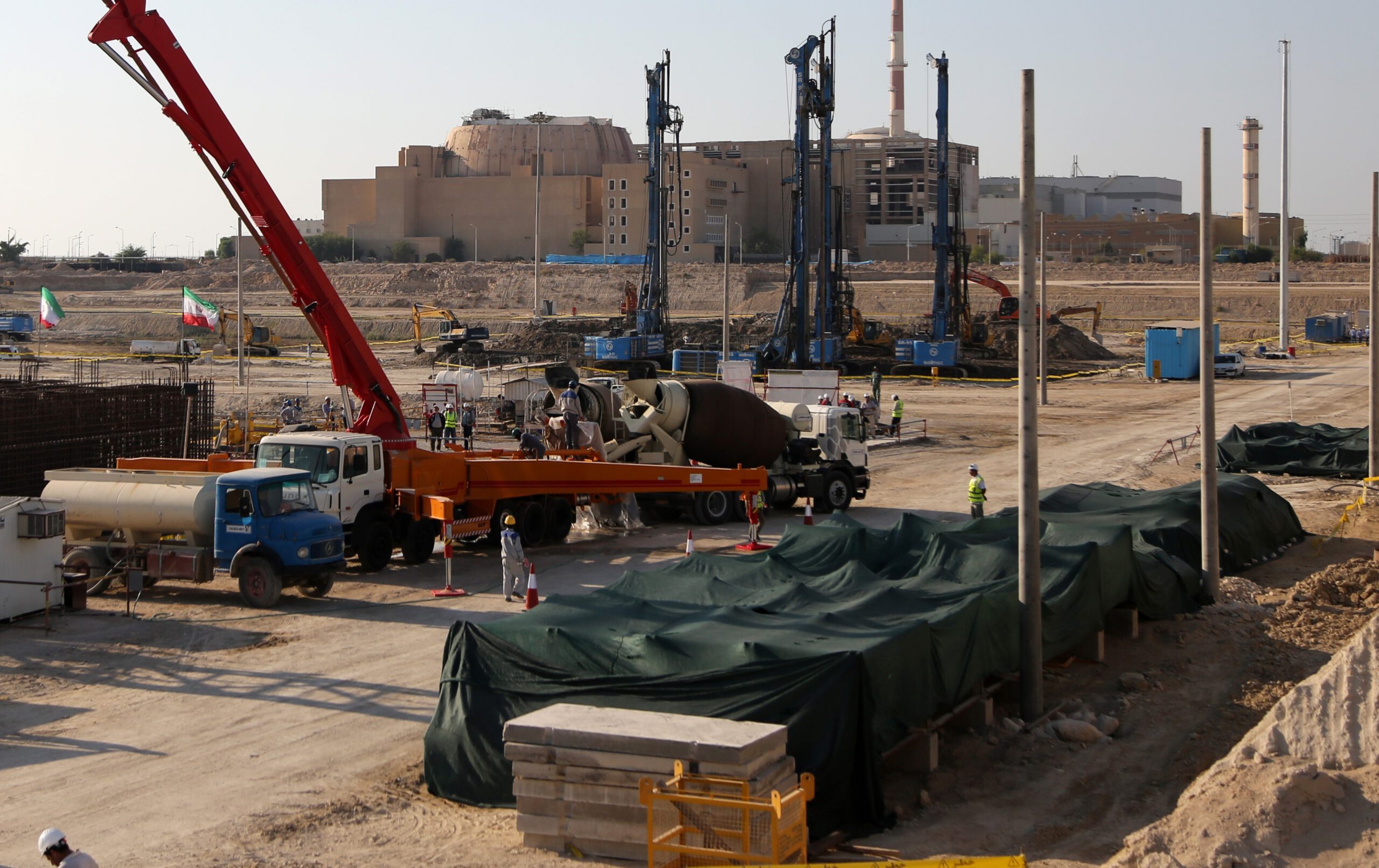
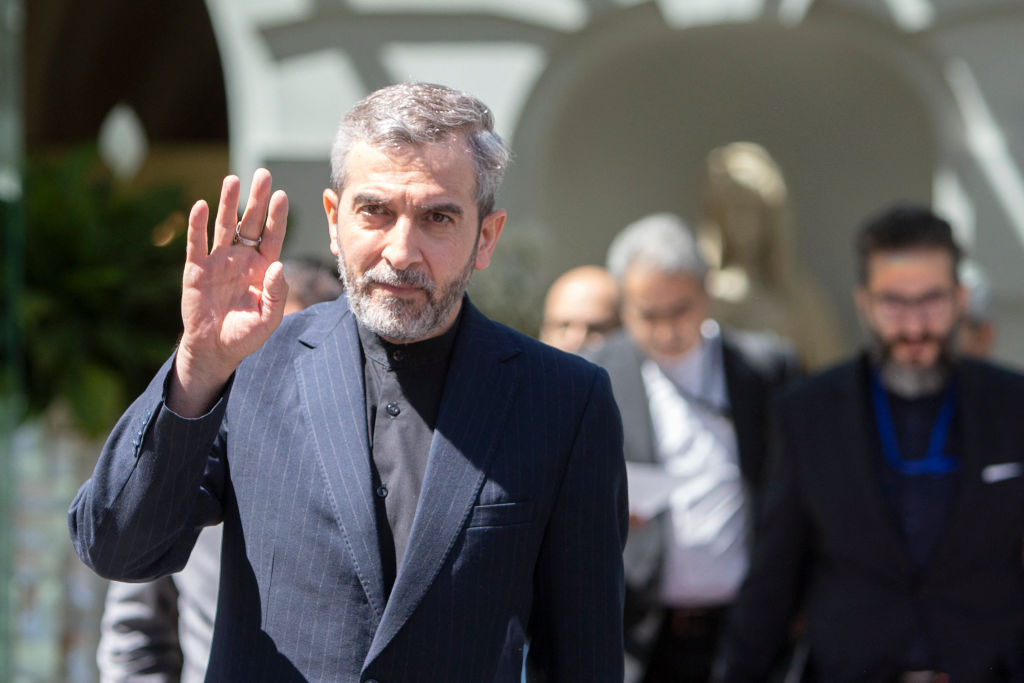
The renewal of the international agreement on Iran’s nuclear program does not undermine Israeli national security per se but rather a longstanding tenet of Israel’s strategic thinking: that it must be able to fully eradicate any challenge to its military superiority deep inside enemy territory.
The diplomatic ice is breaking in the Gulf. What does that mean for the region?
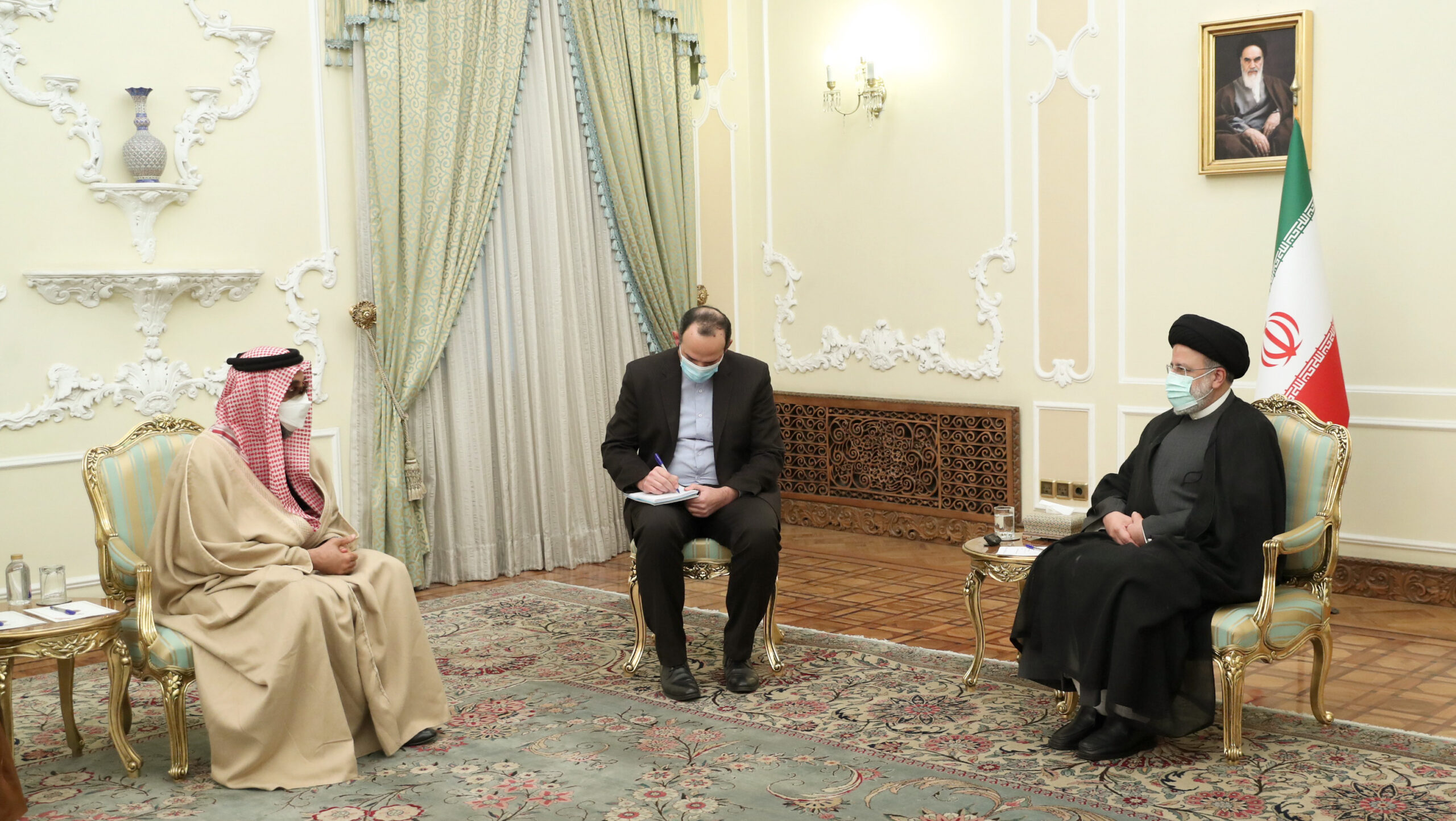
The announcements in mid-August that both the United Arab Emirates and Kuwait will be returning their ambassadors to Tehran after six years provided the latest indication that the diplomatic ice has started to break in the Gulf region.
Gulf economies should use the available fiscal space to ensure a soft landing
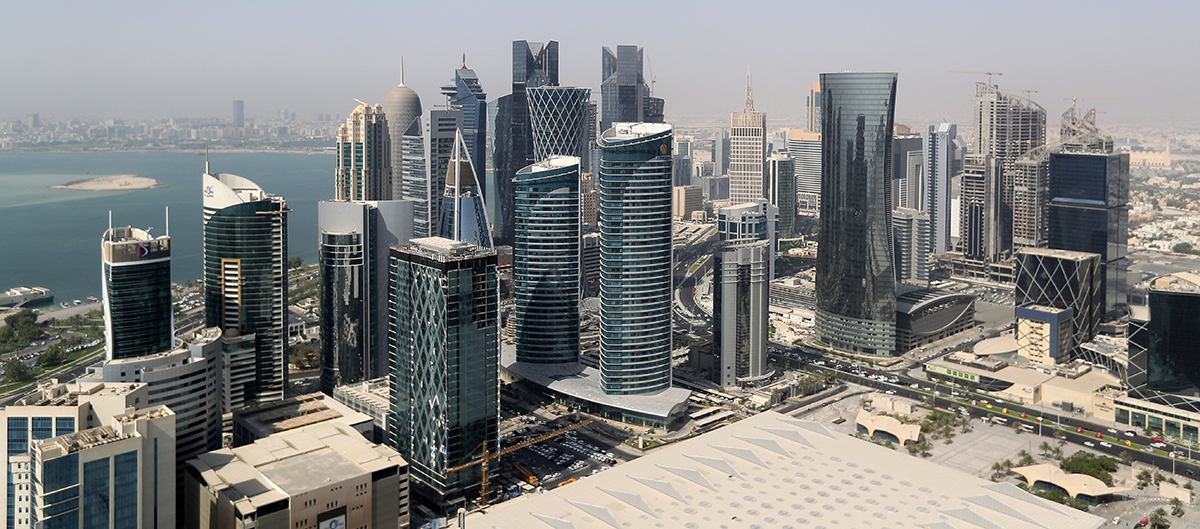
After achieving respectable growth in 2021, the GCC member states now face the risk of monetary (over) tightening due to the need to follow the U.S Federal Reserve’s interest rate adjustments. These increases are not warranted, however, as the GCC economies currently face relatively moderate inflation. Instead, they should use the available fiscal space to mitigate the negative fallout of monetary tightening and make greater use of PPPs for future infrastructure development.
When elections don’t matter? How new parliamentarians can improve the politics of power-sharing arrangements
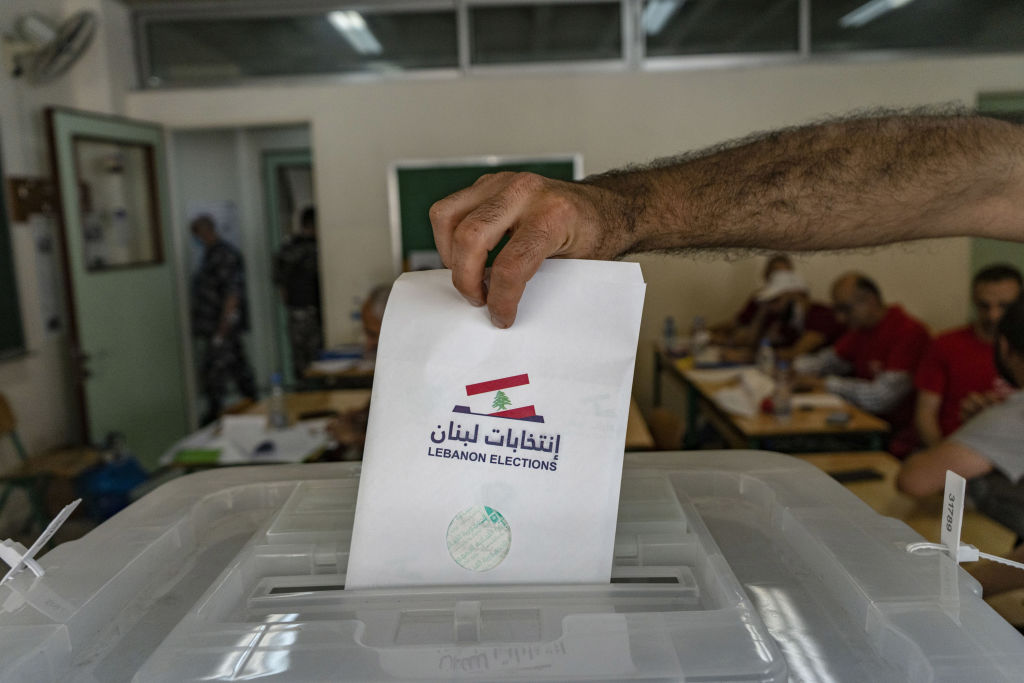
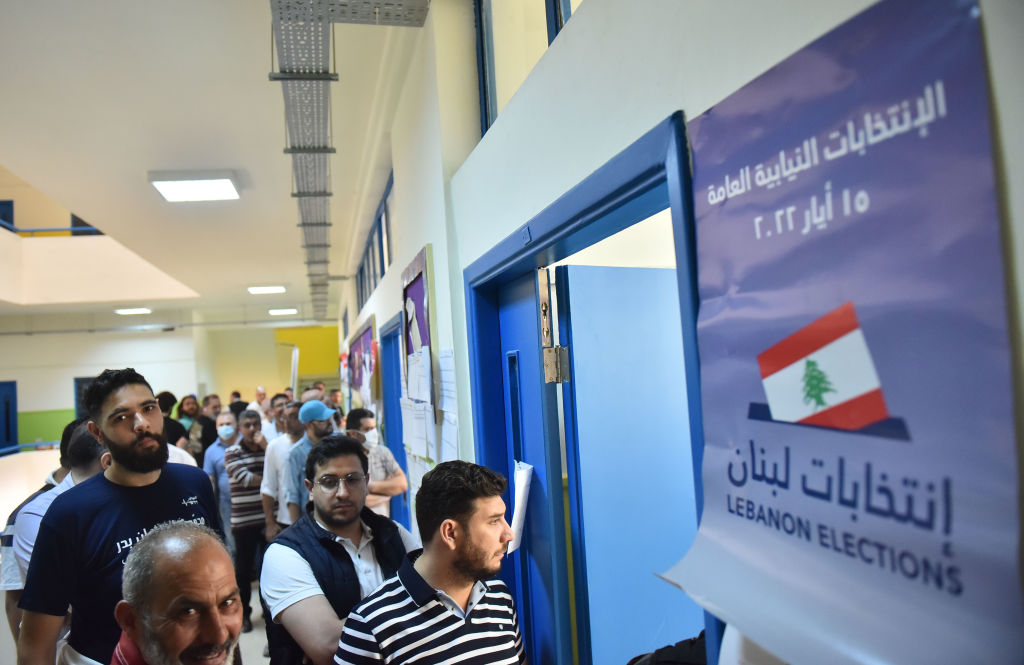
Power-sharing arrangements remain a paradoxical phenomenon. As a powerful tool to stop the guns of conflict, they tend to kill the ingredients for peace by preventing politics from changing. Three countries with such arrangements have recently held elections in which outcomes have — ostensibly — led to such political change. Change, however, has yet to materialize and so far the elections have brought more of a perennial companion of power-sharing arrangements: political gridlock.
Why Washington should provide direct cash payments to the Lebanese army
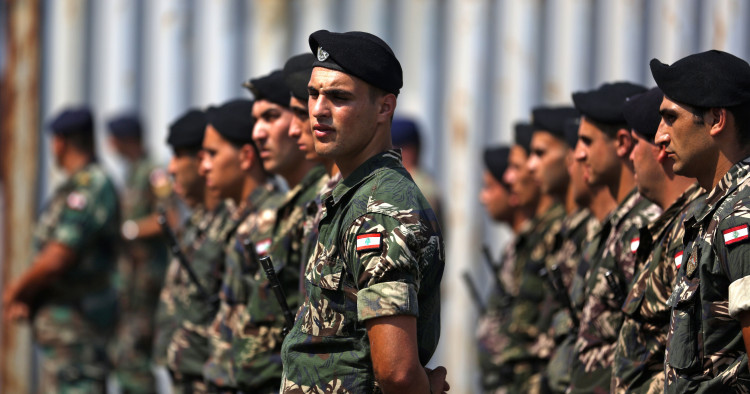
The considerable financial shortfall experienced by the Lebanese Armed Forces (LAF) over the past couple of years has measurably affected its morale, readiness, and operational capacity. There couldn’t be a worse time for the LAF to potentially fall apart. A series of monumental challenges await Lebanon now that the parliamentary elections are over, all of which demand a modicum of stability that only the LAF can provide.
From rivalry to partnership: Managing climate risks through regional collaboration
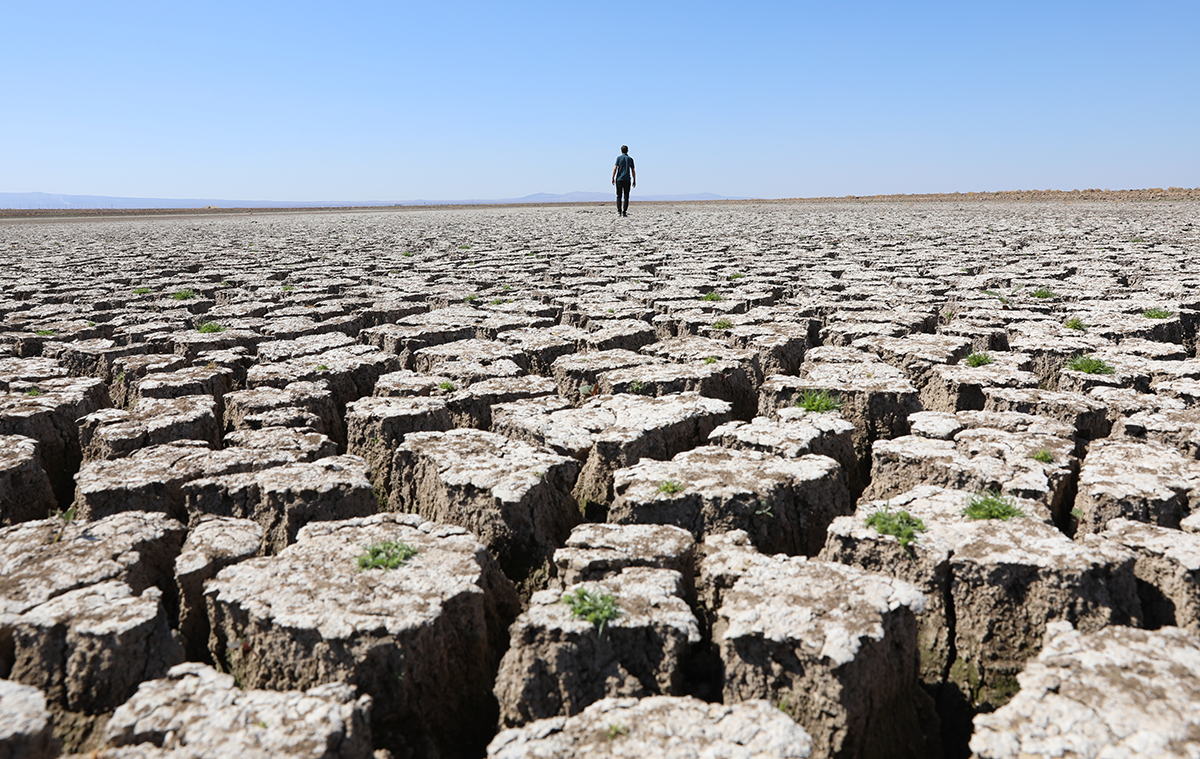
Countries across the region face similar climate risks and impacts, but tensions and socio-economic challenges have hampered regional collaboration and collective efforts to tackle climate change. One way to address this problem and to circumvent poor policy coordination is through technical research and knowledge-sharing.
The Dorra Field: Global gas market impact or bellwether for regional relations?
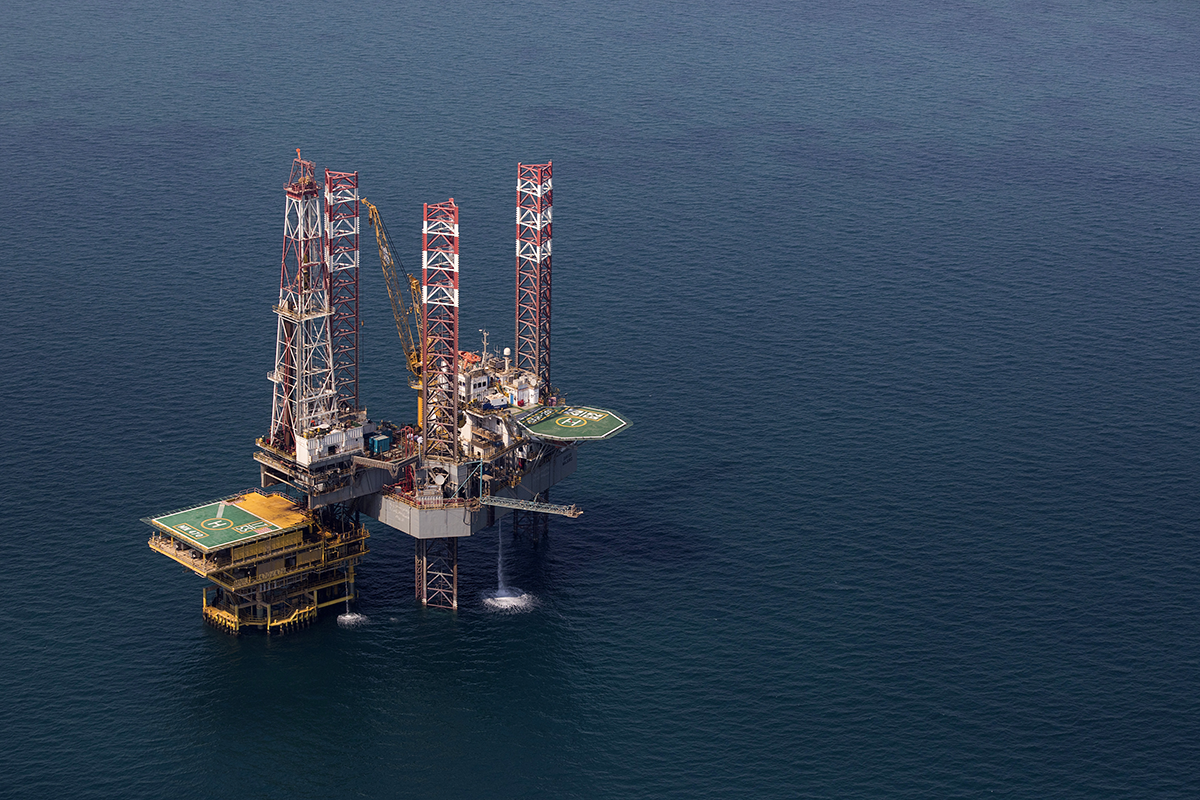
The Dorra Gas Field, located in shallow waters offshore in the northern Arabian Gulf, lies at the junction of competing territorial claims by Kuwait, Iran, and Saudi Arabia. With the growing gas demand in these countries, any production will be absorbed into the domestic network and the impact of production on the global gas and LNG market will be insignificant. However, the development of the field, if it occurs, may serve as a bellwether for regional relations.