The limits of human rights law in an authoritarian context: Torture and impunity in Turkey
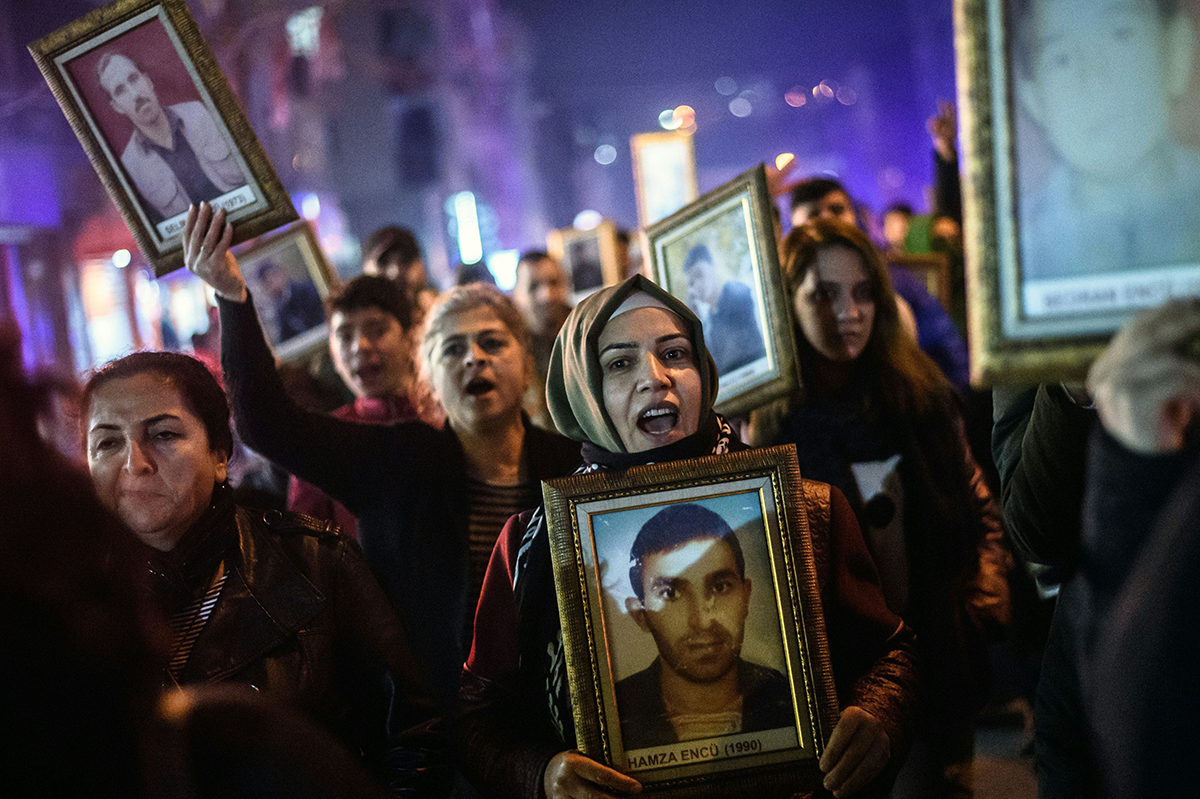
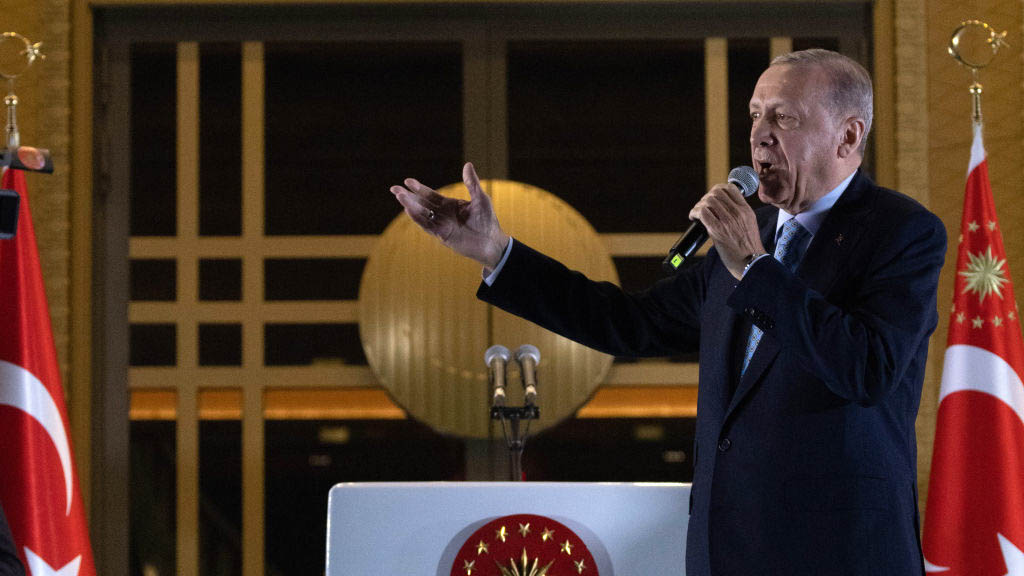
Turkey is a test case of the limits of international human rights law in an authoritarian context. The country is party to all major U.N. and Council of Europe international human rights treaties, including those prohibiting torture and ill treatment, and is subject to the jurisdiction of the European Court of Human Rights. Its constitution and laws ban torture and contain procedural safeguards against it. Yet torture and the impunity of its perpetrators remain state practice, at times reaching systemic levels.
Pakistan’s establishment closing the curtain on Imran Khan and his party
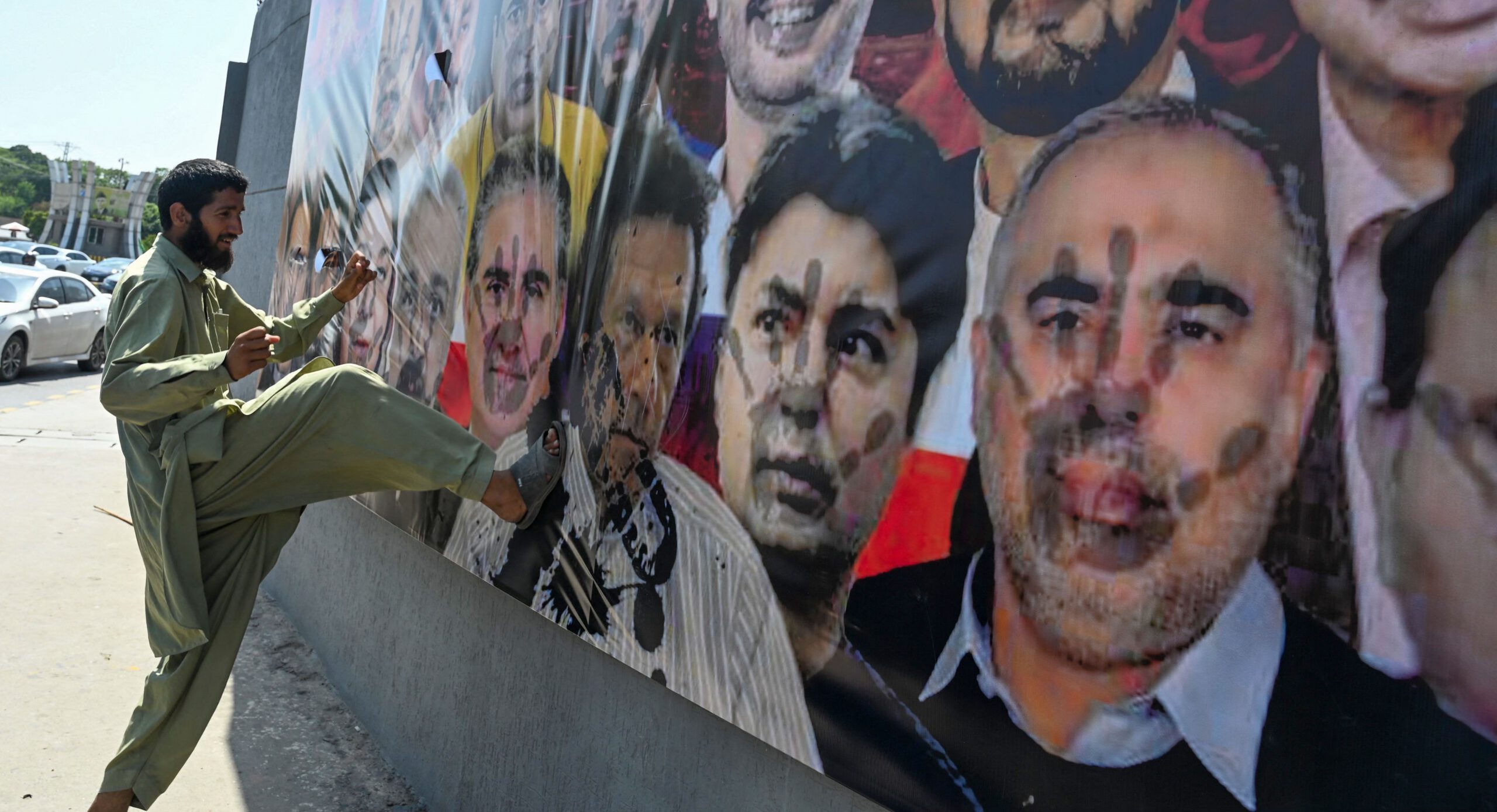
The likelihood of former Pakistani Prime Minister Imran Khan successfully extricating himself from his entwined battle with the Army now appears to be nearly impossible. He has crossed too many red lines for the military establishment to give him slack. The developing situation ahead of the October elections looks set to culminate with Khan imprisoned and stripped of his political party.
India-Taliban relations: A careful balancing act, driven by pragmatism
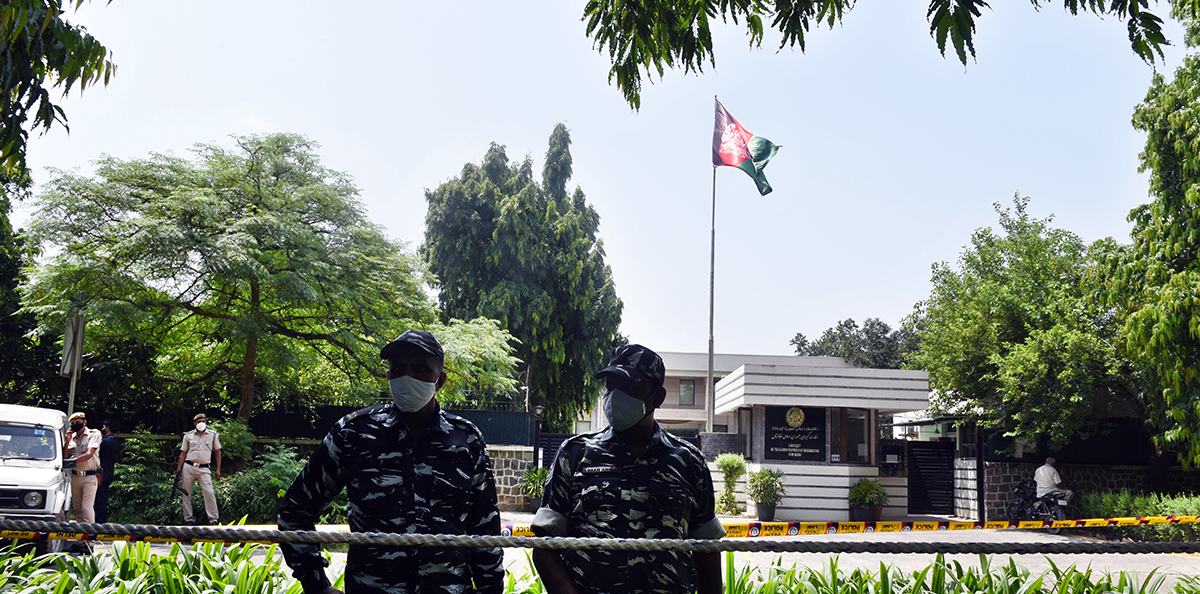
An ongoing power struggle for the position of ambassador at the Afghan embassy in New Delhi underlines India’s diplomatic quandary about the nature of its engagement with the Taliban regime in Afghanistan.
To analyze the crossroads Turkey faces in the 2023 elections, it could prove useful to “look back from the alternative futures” and explore how the possible outcomes might play out. What could it look like if we look back from 2030 to another victory by Erdoğan? And how might have the last seven years played out had the opposition won?
Turkish Election Watch: Preparing for a presidential run-off
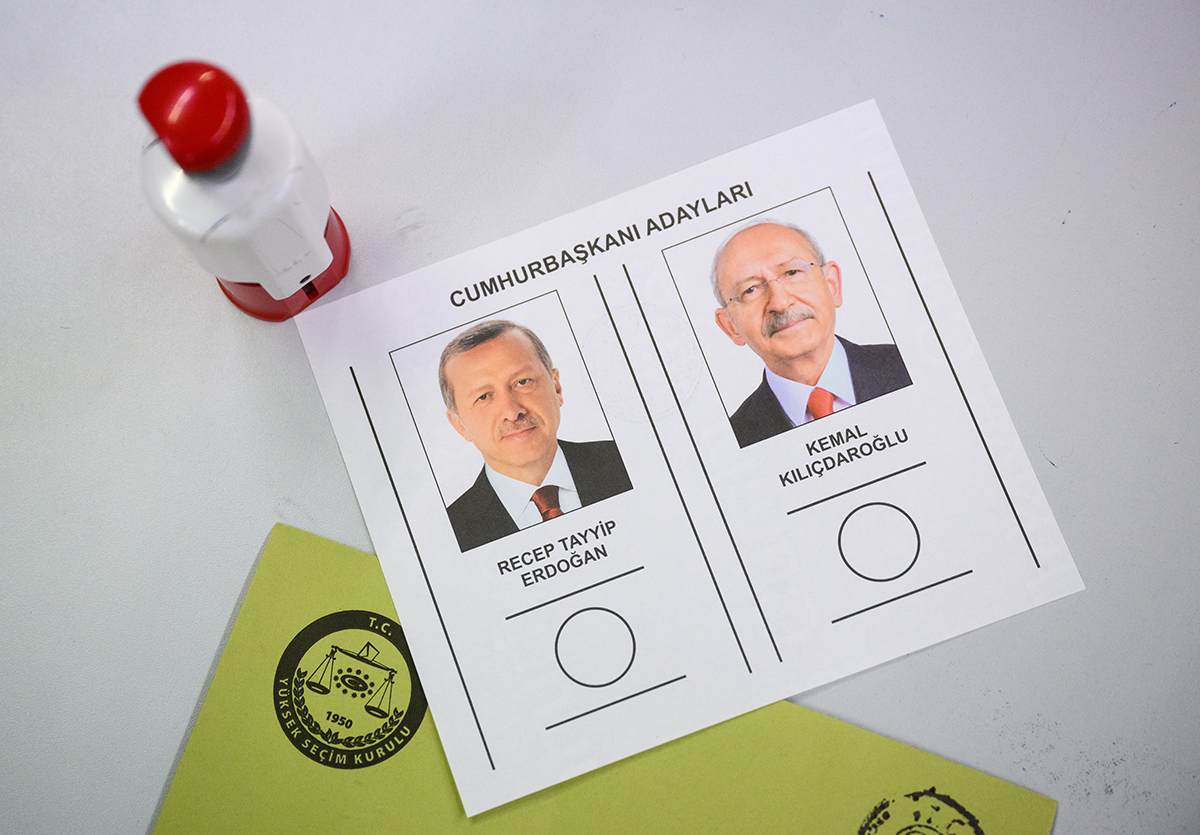
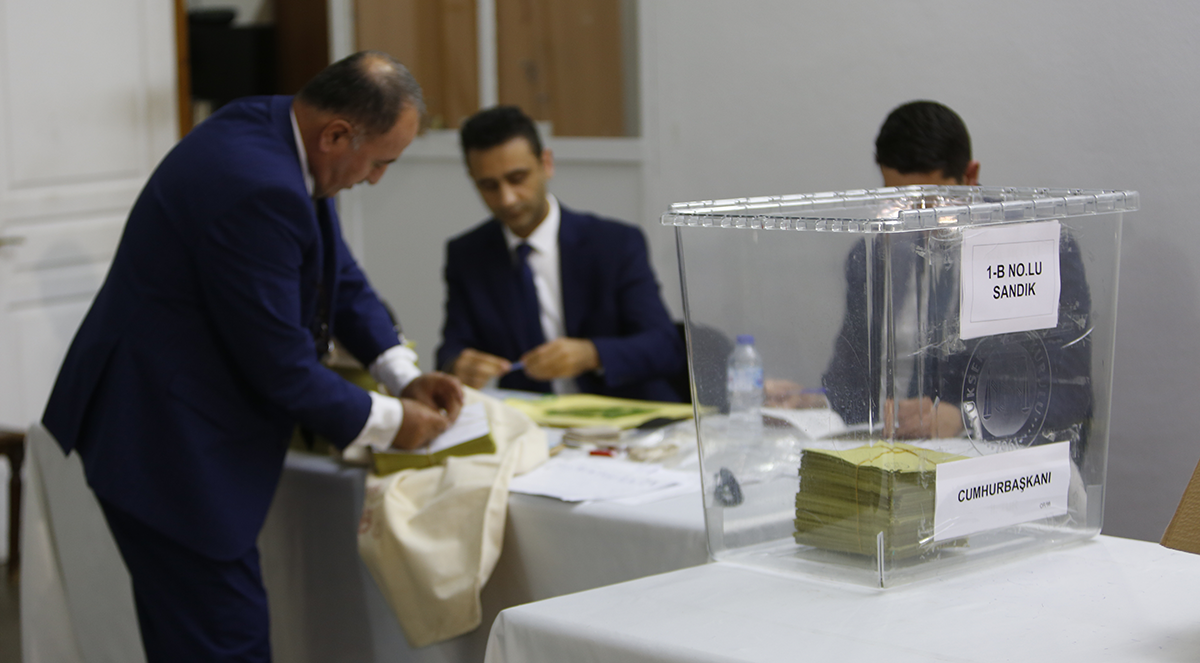
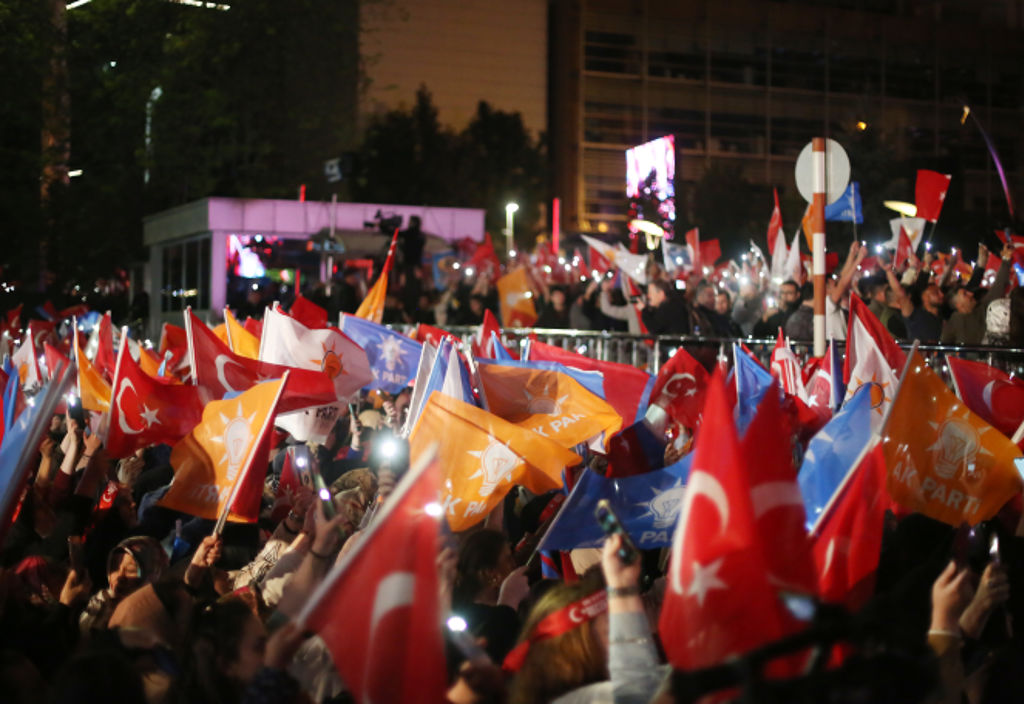
This week on Turkish Election Watch: The May 14 election results, the race to the right ahead of the May 28 run-off and Oğan’s endorsement of Erdoğan, and a closer look at the nature of the election.
International institutions confront Taliban troubles
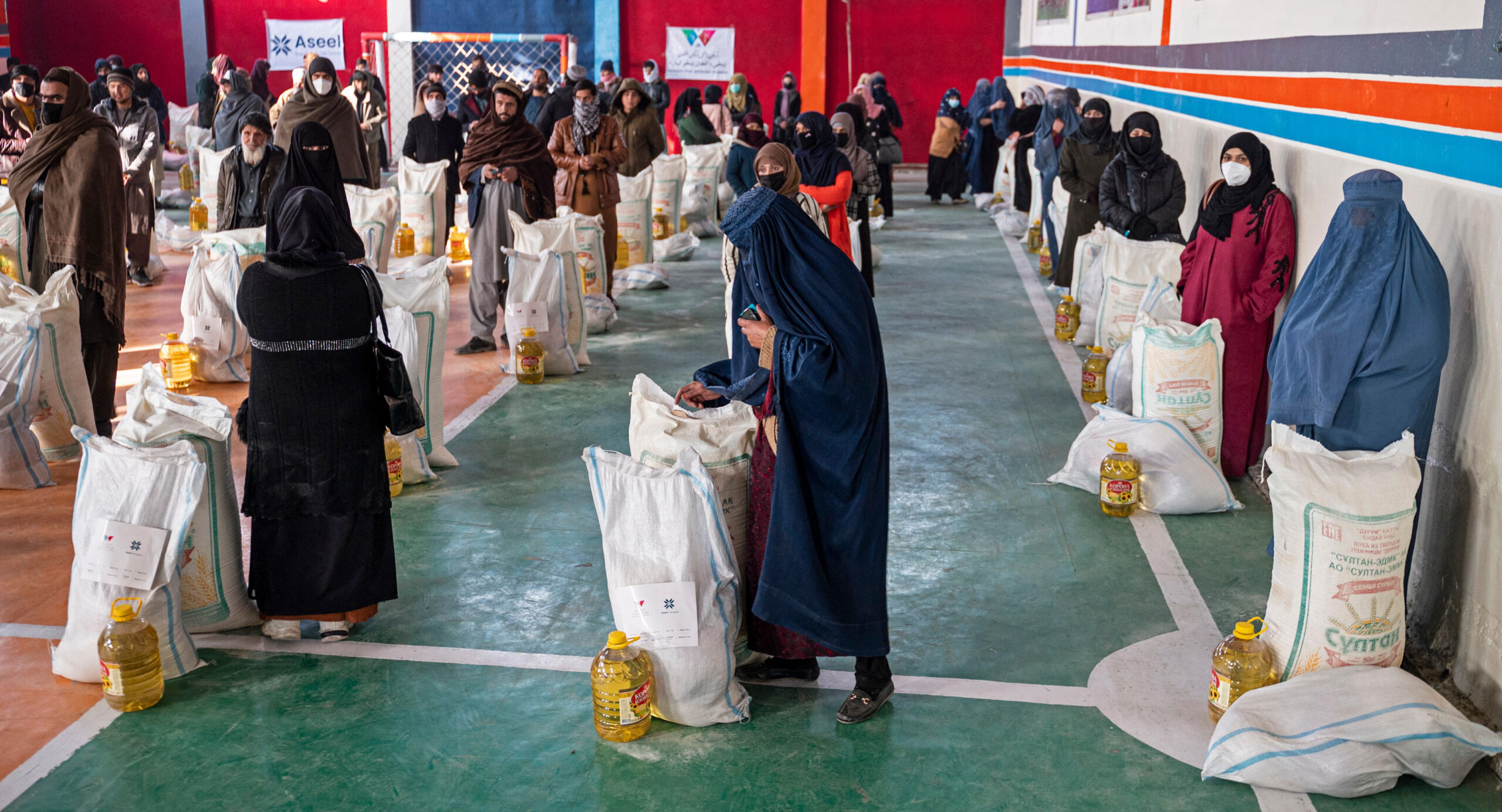
International leaders are struggling to manage a Taliban-ruled Afghanistan; they are torn between their commitment to alleviate Afghans’ suffering and their reluctance to legitimize a Taliban government that violates its people’s basic rights. Helping Afghans but not their new “de facto authorities” is a difficult balance for a diverse group of international actors with often divergent long-term interests.
In what may or may not be the last edition of Turkish Election Watch: Could minor candidates İnce and Oğan affect the election outcome, Putin votes, Erdoğan meets the young — and makes some threats, and no predictions.
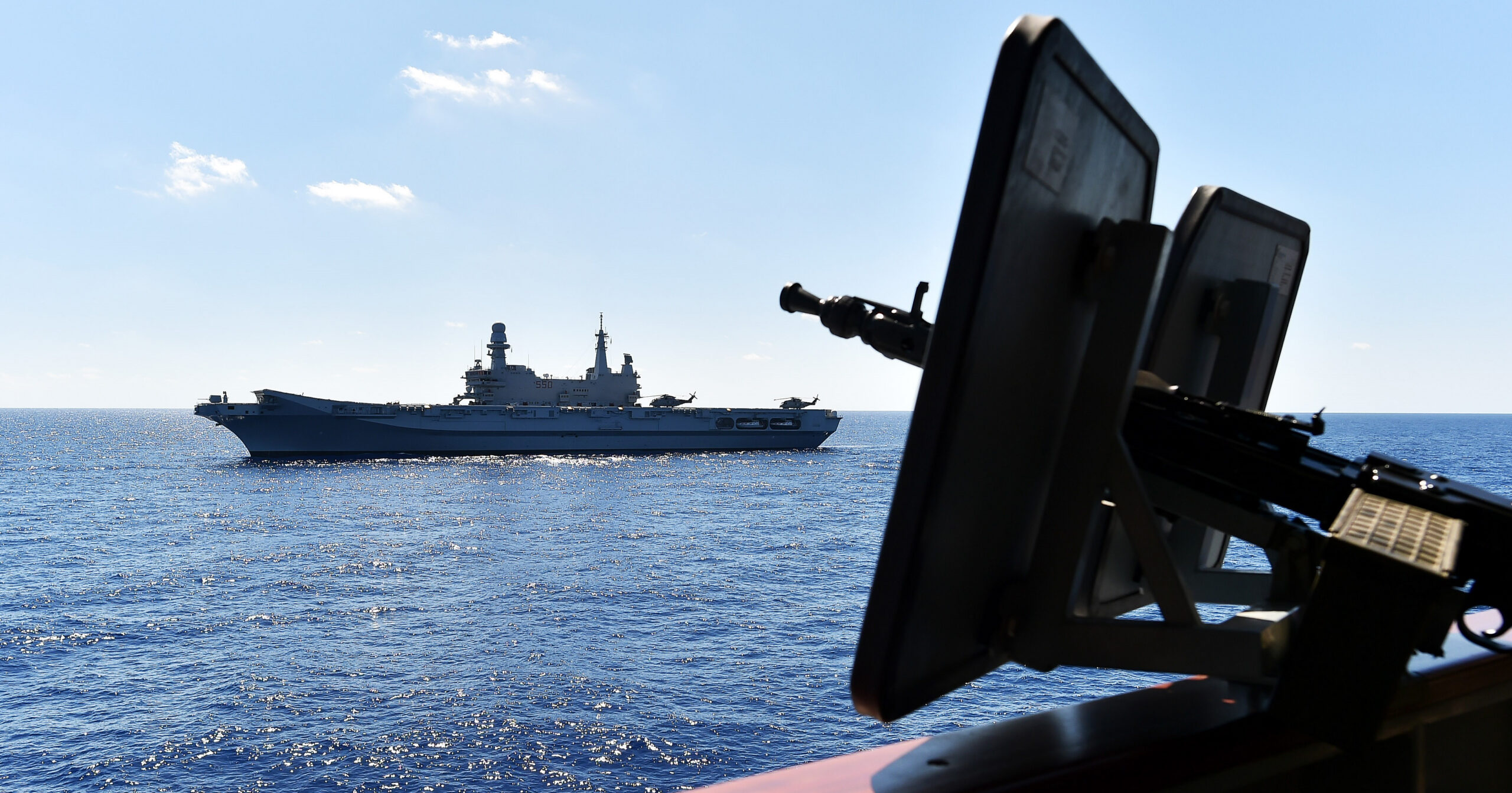
Navigating complex maritime security challenges in the Black and Mediterranean seas: Insights from the updated EUMSS
Russia’s February 2022 full-scale invasion of Ukraine helped influence the updated European Maritime Security Strategy’s approach to the Black and Mediterranean seas, with implicit and explicit references to the war dispersed throughout the document. The updated EUMSS showcases the wide array of security issues present in the region, including seaborne UXOs, human and drug trafficking, and threats to critical infrastructure. But security in the Black and Mediterranean seas will require greater cooperation with non-EU countries.
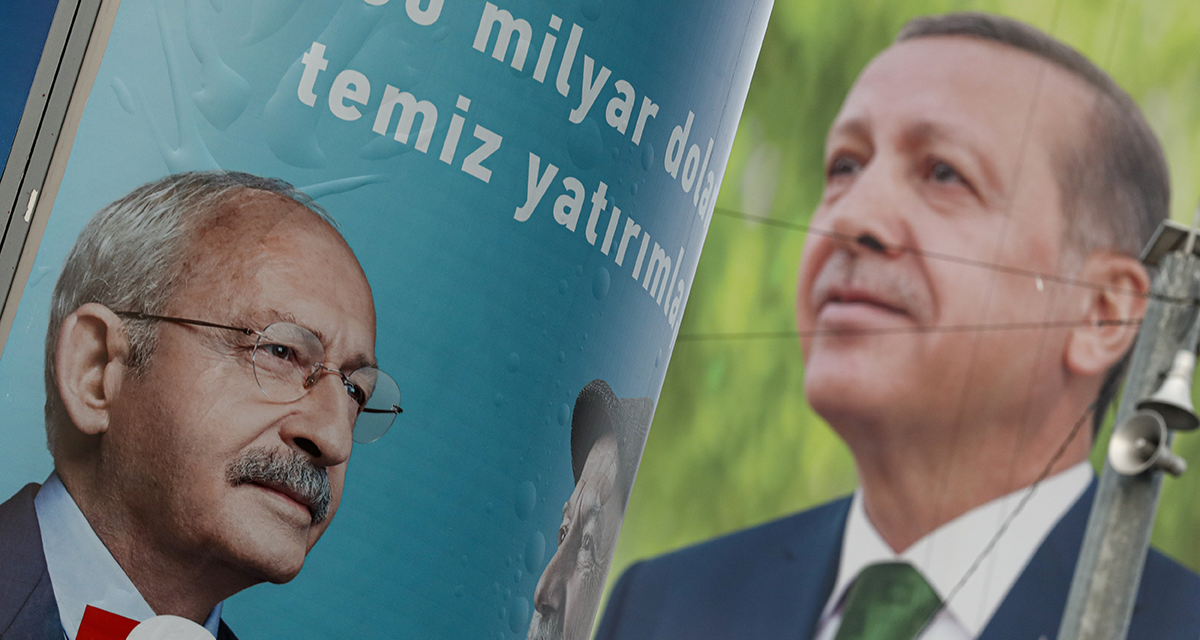
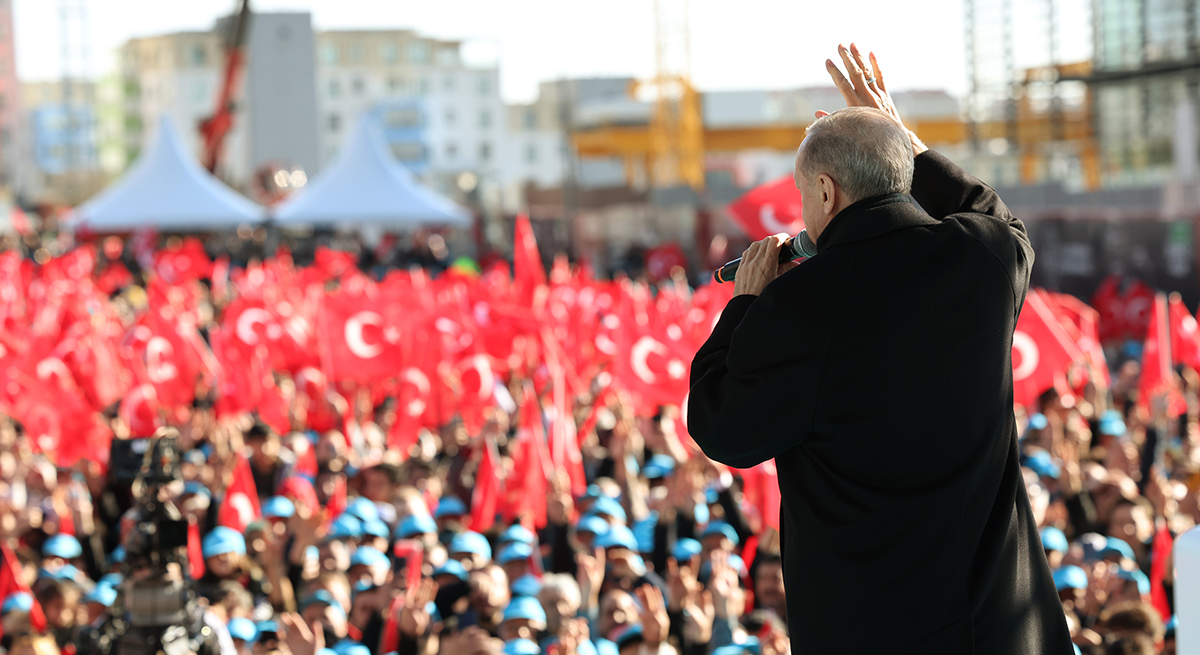
On this week’s episode Alistair Taylor, MEI’s editor-in-chief, is joined by Gönül Tol, the founding director of MEI’s Turkey Program and the author of “Erdogan’s War: A Strongman’s Struggle at Home and in Syria,” to discuss Turkey’s critical upcoming elections. After two decades in power, President Recep Tayyip Erdogan and the Justice and Development Party (AKP) are facing unprecedented challenges, including an economy in shambles, the ongoing impact of the devastating early February earthquakes, and a united opposition.