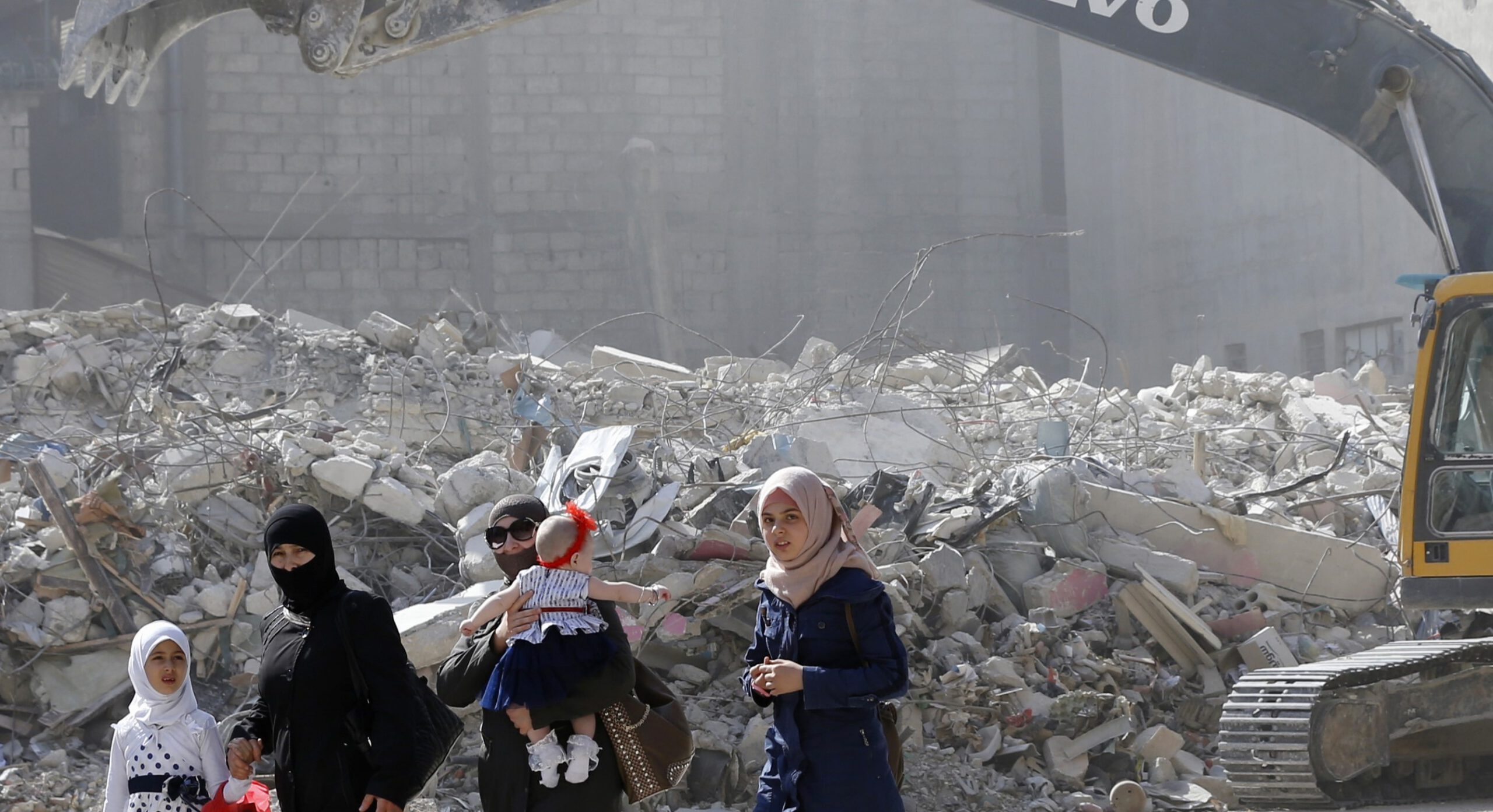
Early recovery and rehabilitation in regime-controlled areas of Syria: An assessment
The following is a short abstract, offering the main analytical findings and policy takeaways from a newly released Middle East Institute report on post-war reconstruction in Syria.
ما وراء النفط: رهان جوجل الكبير على مستقبل الذكاء الاصطناعي في السعودية
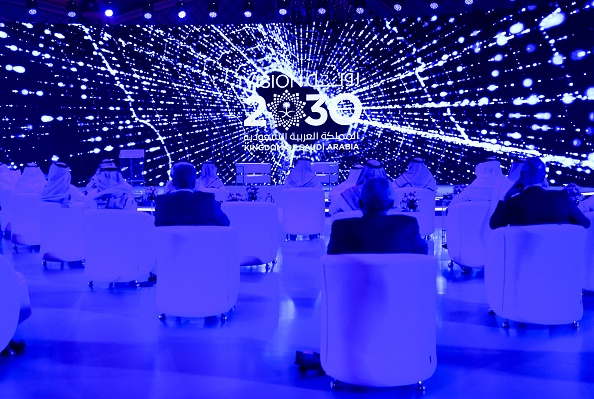
في خطوة تاريخية تشير إلى الأهمية المتزايدة للشرق الأوسط في المشهد التكنولوجي العالمي، دخلت Google في شراكة استراتيجية مع صندوق الاستثمار العام السعودي (PIF)، وهو صندوق الثروة السيادي للمملكة. تؤكد هذه الشراكة على "الترابط المتزايد" بين الذكاء الاصطناعي والطاقة، حيث تستخدم المملكة العربية السعودية - إلى جانب الإمارات العربية المتحدة ودول الخليج الأخرى - فائضها من الطاقة لتشغيل مراكز البيانات، التي تعد ركيزة أساسية في البنية التحتية للذكاء الاصطناعي.
Assad’s economic fragility exposed by Israel’s war on Lebanon
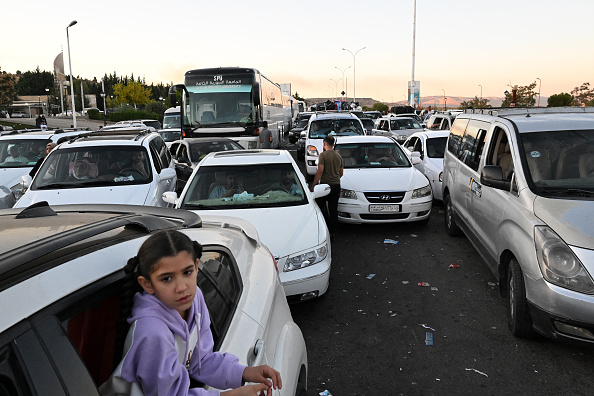
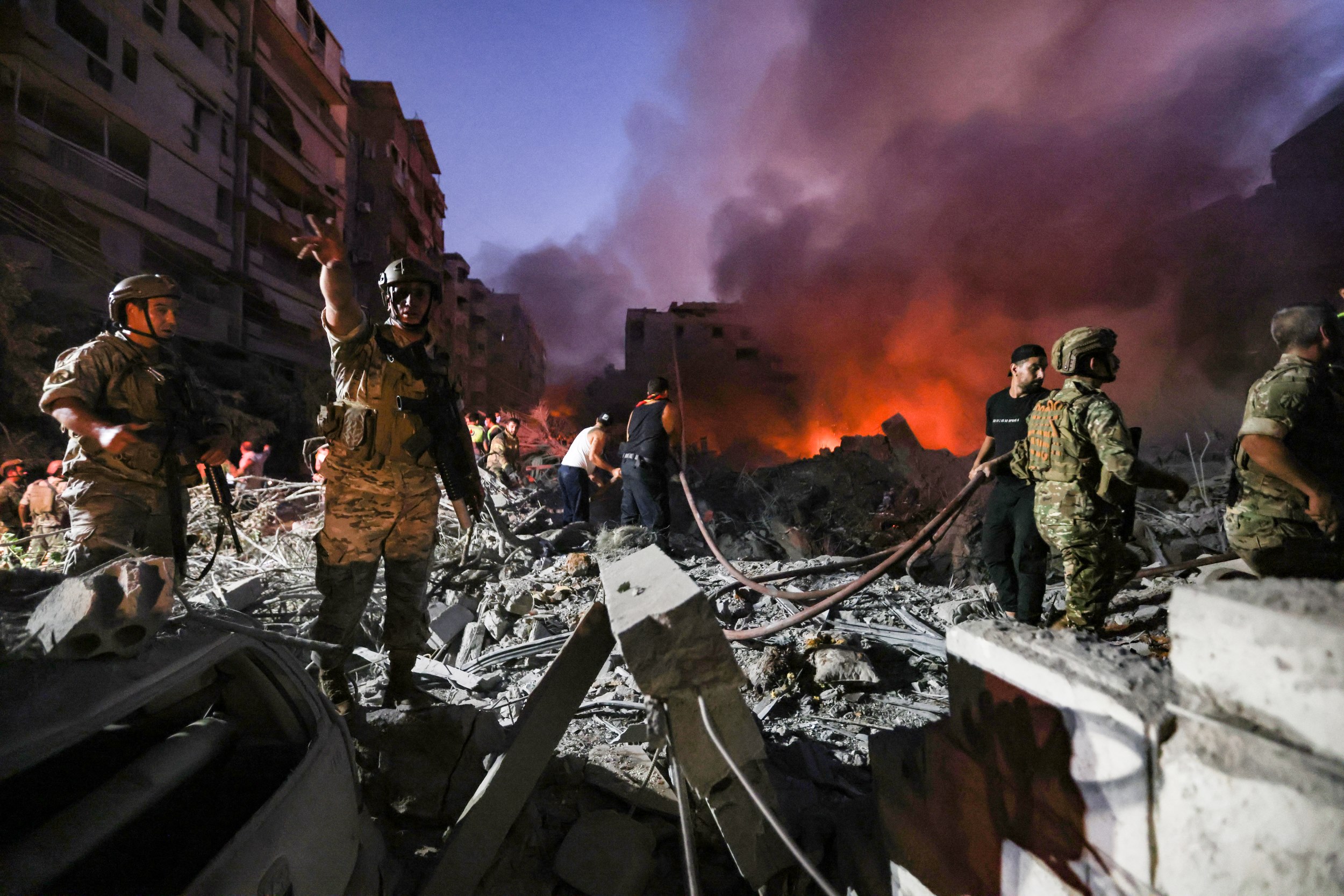
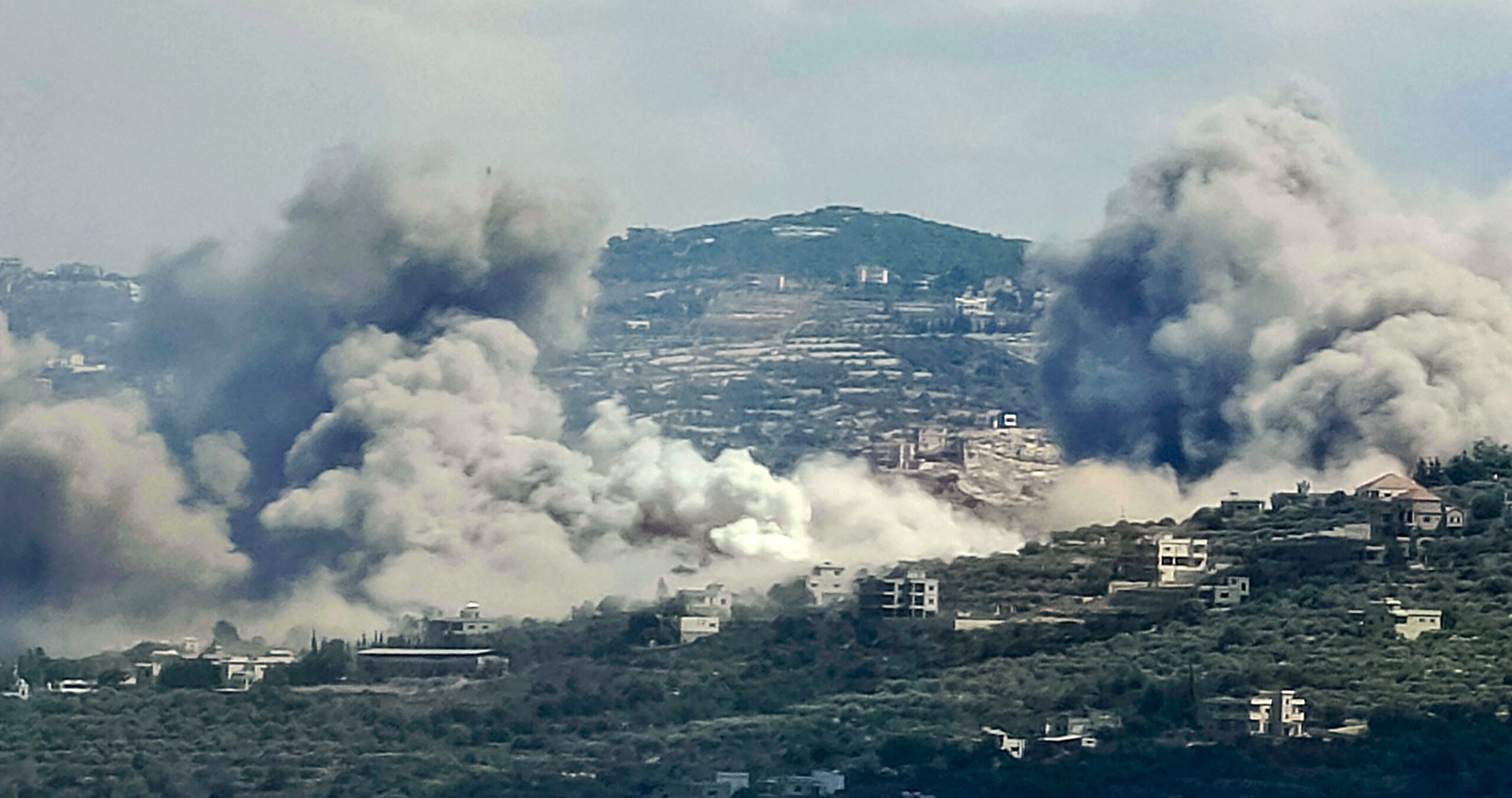
Israel’s escalation of its military campaign against Hezbollah in Lebanon has severely disrupted the cross-border flow of goods into Syria that have long served as a critical lifeline for Damascus. These interruptions have worsened existing shortages, triggering sharp increases in the prices of essential commodities for Syrian who were already struggling economically.
There is no alternative to Hezbollah’s disarmament
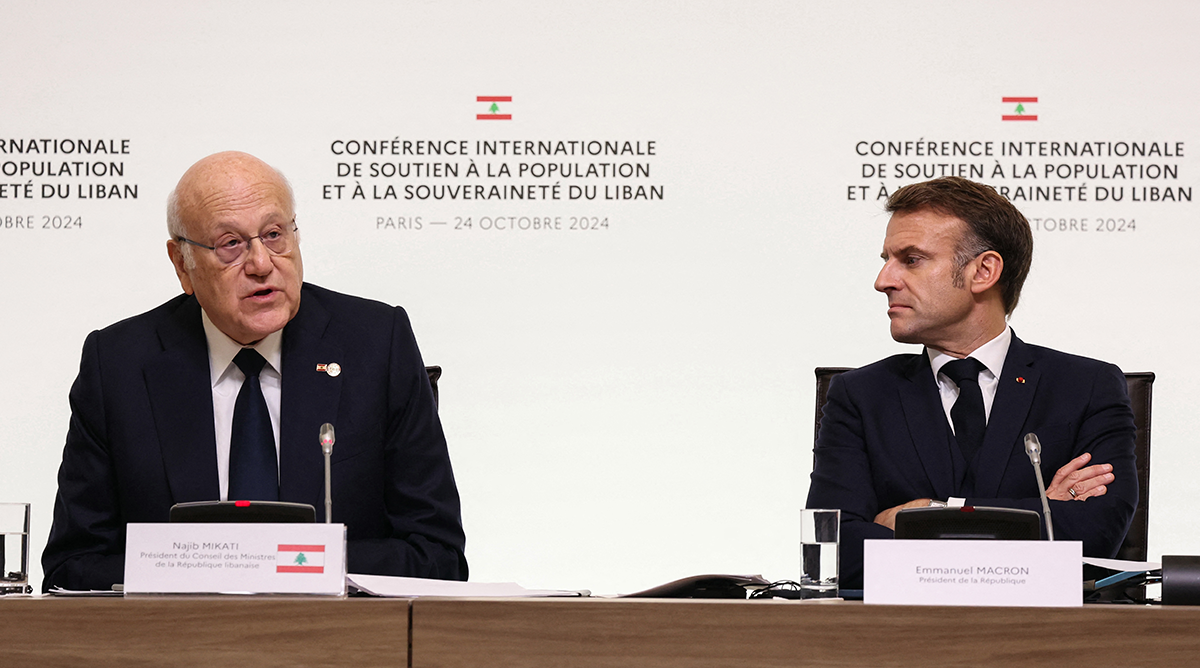
Last week, representatives from around 70 countries convened in Paris to pledge nearly $1 billion in aid for Lebanon. Moving forward, France and the US should work together to summon the political will needed to craft and implement a lasting political solution — one that can effectively safeguard against future wars between Israel and Lebanon.
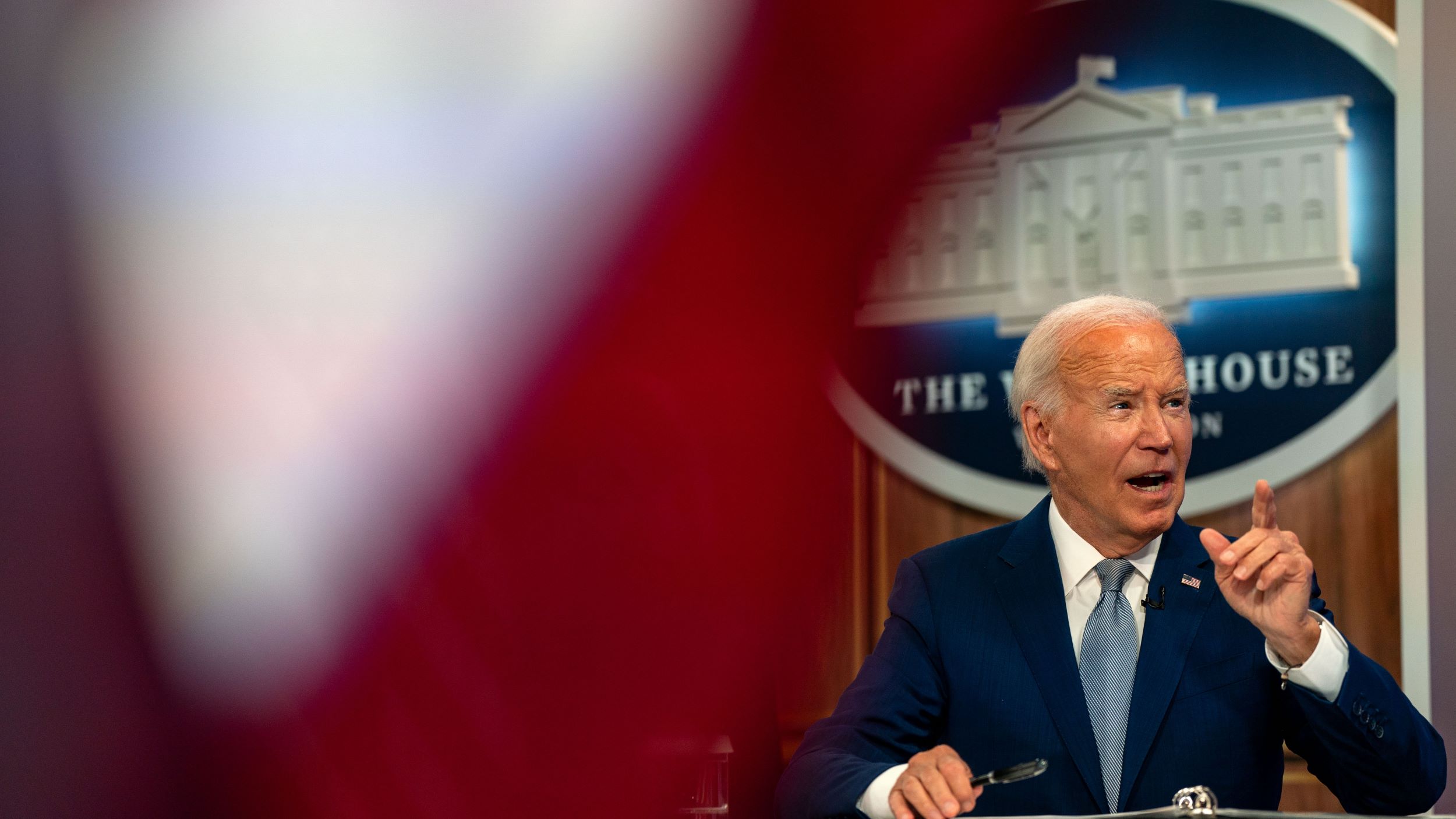
Harris vs. Trump on the War and Crisis in the Middle East
This policy assessment examines the statements and positions staked out by the Harris and Trump campaigns on the Middle East. The spotlight is on the past few weeks, with a stronger focus on two main issues that are likely to dominate the regional agenda of the next US administration: Iran and Israeli-Palestinian affairs.
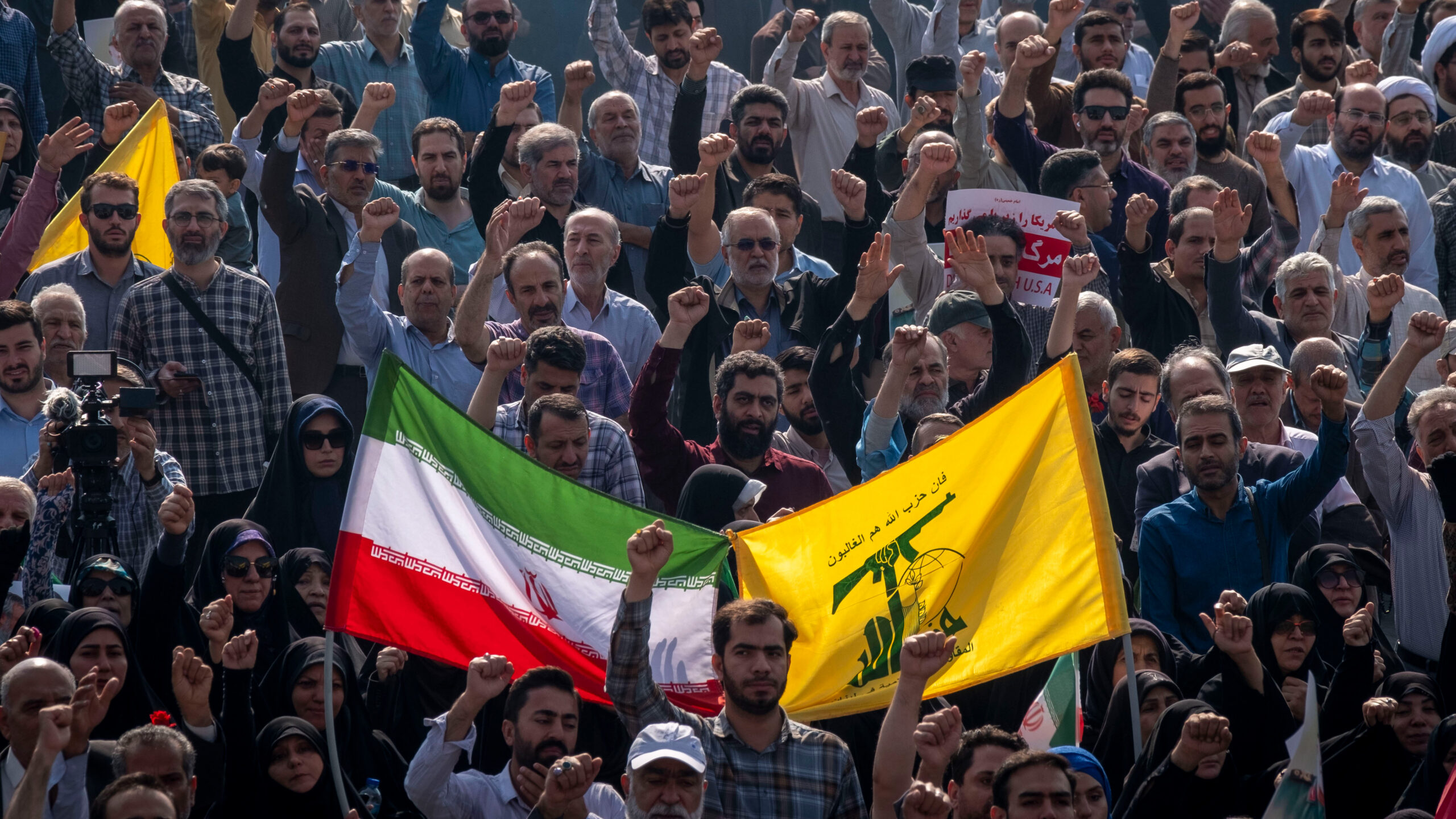
خلال الشهر الماضي، عانت إيران وشبكة حلفائها ووكلائها الإقليميين – محور المقاومة – من سلسلة من الخسائر والهزائم الدراماتيكية. ما هو مستقبل المحور وأعضائه، وما الذي يمكن أن تفعله الولايات المتحدة وحلفاؤها لمواجهة وتعطيل هذه الشبكة التي تقودها إيران؟
Iran’s missile attack on Israel on Oct. 1, 2024, marked a significant escalation in the ongoing regional tensions. This assault, reportedly involving 180 missiles, was the Islamic Republic of Iran’s largest yet against Israel, targeting military and security sites in retaliation for Israeli assassinations of leaders of Hezbollah and Hamas in Tehran and Beirut. Iranian officials framed the attack as an act of self-defense, warning that further Israeli actions could provoke even stronger retaliation from Tehran.
مدير برنامج شبه الجزيرة العربية في معهد الشرق الأوسط جيرالد فيرستاين يتحدث إلى الباحثتين نضوة الدوسري وفاطمة أبو العسرار أثناء استعراضهما للذكرى العاشرة للحرب الأهلية في اليمن.
مرت عشر سنوات منذ سيطرة الحوثيين على العاصمة صنعاء، مما أدى إلى بدء دورة من القتال الذي يستمر حتى يومنا هذا. ماذا حدث، وما هو الوضع الحالي للصراع، وإلى أين يتجه البلد؟
The killing of Hezbollah Secretary-General Hassan Nasrallah along with the rapid degradation of Hezbollah’s power over the past two weeks signals a tectonic shift in the Middle East.
رد فعل سريع للدفاع: إسرائيل توسع أهدافها الحربية لتحييد حزب الله
In the latest installment of the Defense Rapid Reaction series, experts from MEI’s Defense & Security Program provide their views on the likely evolution of the Israeli-Hezbollah war, the potential for the conflict to draw in outside actors, as well as the impact of the war on global terrorist recruitment and appeal for extremist activities.
Hezbollah and Iran’s calculus as the conflict with Israel heats up
The deadly, back-to-back pager/two-way radio attacks against Hezbollah, which killed dozens and wounded thousands of its operatives, undoubtedly signaled a new phase in the intense cross-border exchanges between the group and Israel.