Decarbonization and Political Transformation in Iraq: The Impact on Politics, Society and Regional Relations
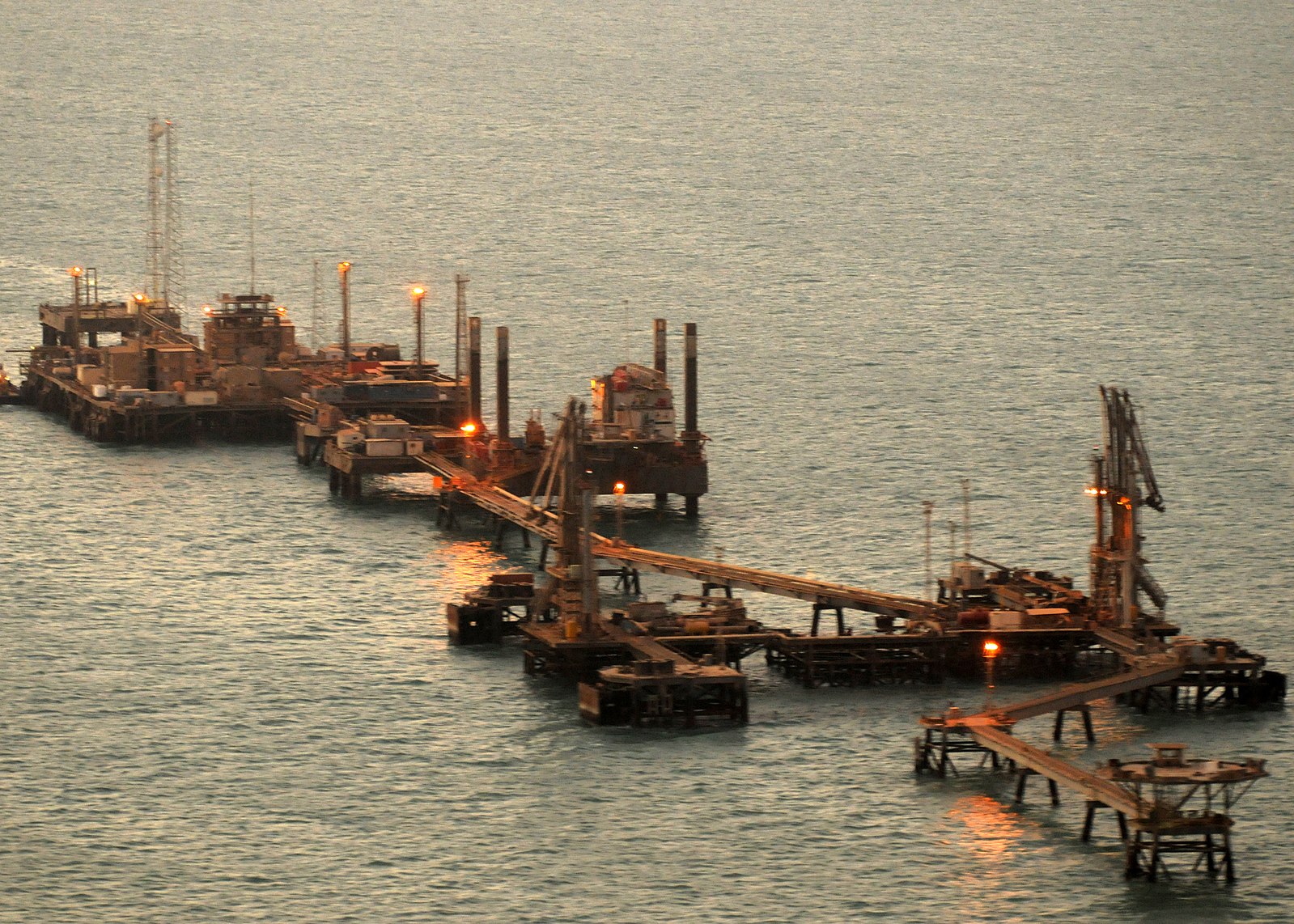
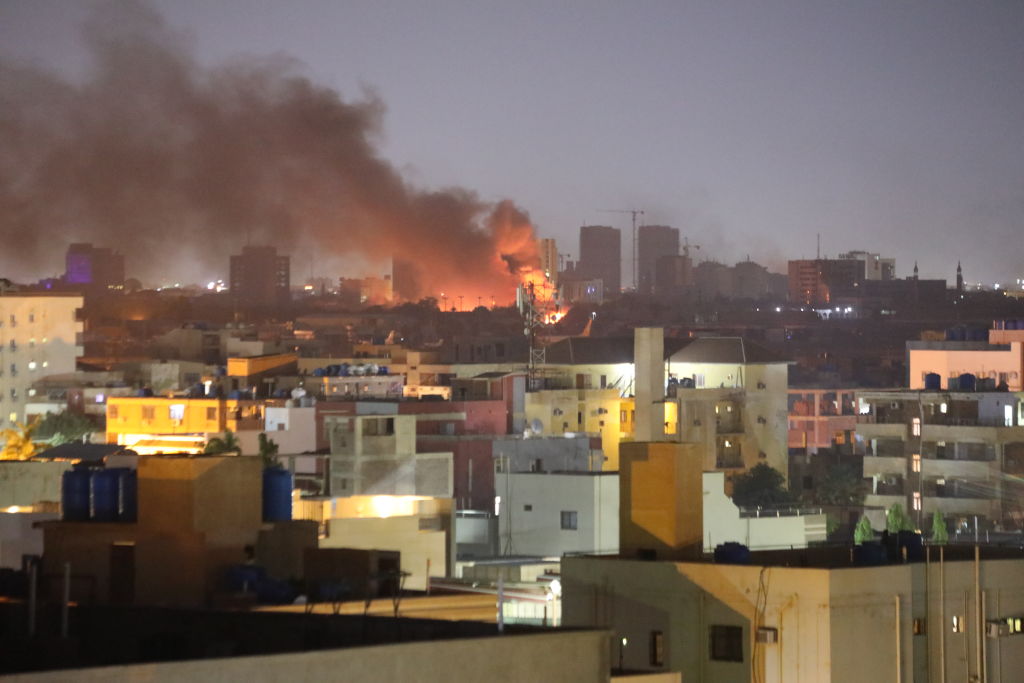
What happens when a petrostate loses its oil rents? While the oil market continues to go through boom-and-bust cycles, cases such as Iraq provide evidence of how the rapid loss of oil revenues—traumatic decarbonization—may affect the politics and stability of these petrostates. In Iraq, multiple shocks to oil revenues from 2014 through 2020 fundamentally altered the organization and concentration of political power in Iraq with destabilizing and democratic consequences.
The Turkish Elections and the Future of Northwest Syria: Scenarios and Policy Implications
The Syrian conflict has had a major impact on Turkey’s internal political discourse, with much of the discussion centering around the conflict itself, Turkey’s role in northern Syria, and the refugee crisis. This paper employs a scenario analysis methodology to explore potential outcomes that may impact Northwestern Syria following the upcoming Turkish presidential and parliamentary elections on May 14.
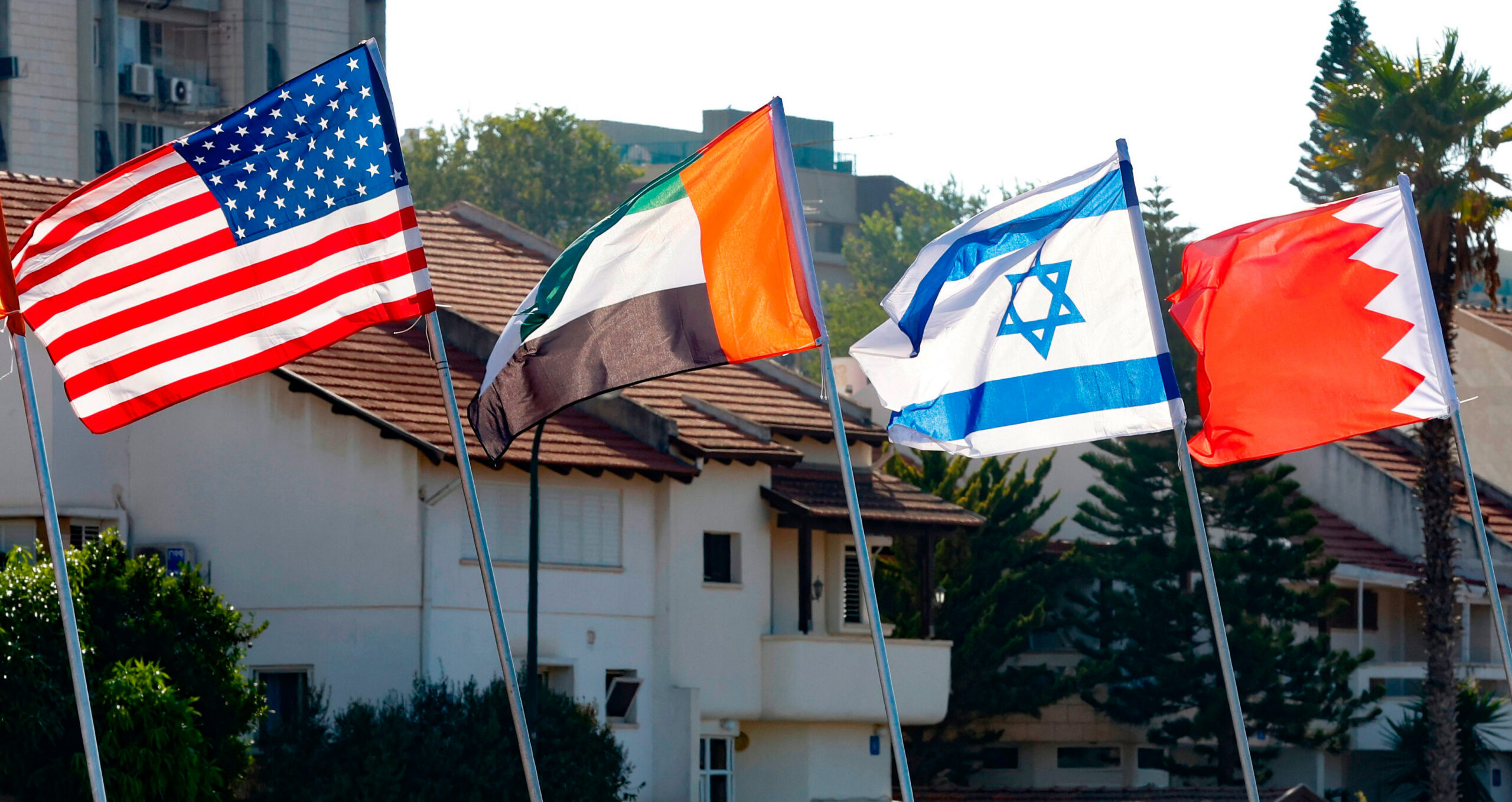
Both historical and modern-day conflicts in the Middle East have all been centered around classical territorial considerations of the loss or recovery of land. Escaping that cycle required a shift away from one of the main root causes of conflict: geography. The current changes in the region, characterized by a significant drive toward de-escalation and a growing willingness to periodically part ways with traditional allies, may be telling symptoms of a profound tectonic shift toward “quantum politics.”
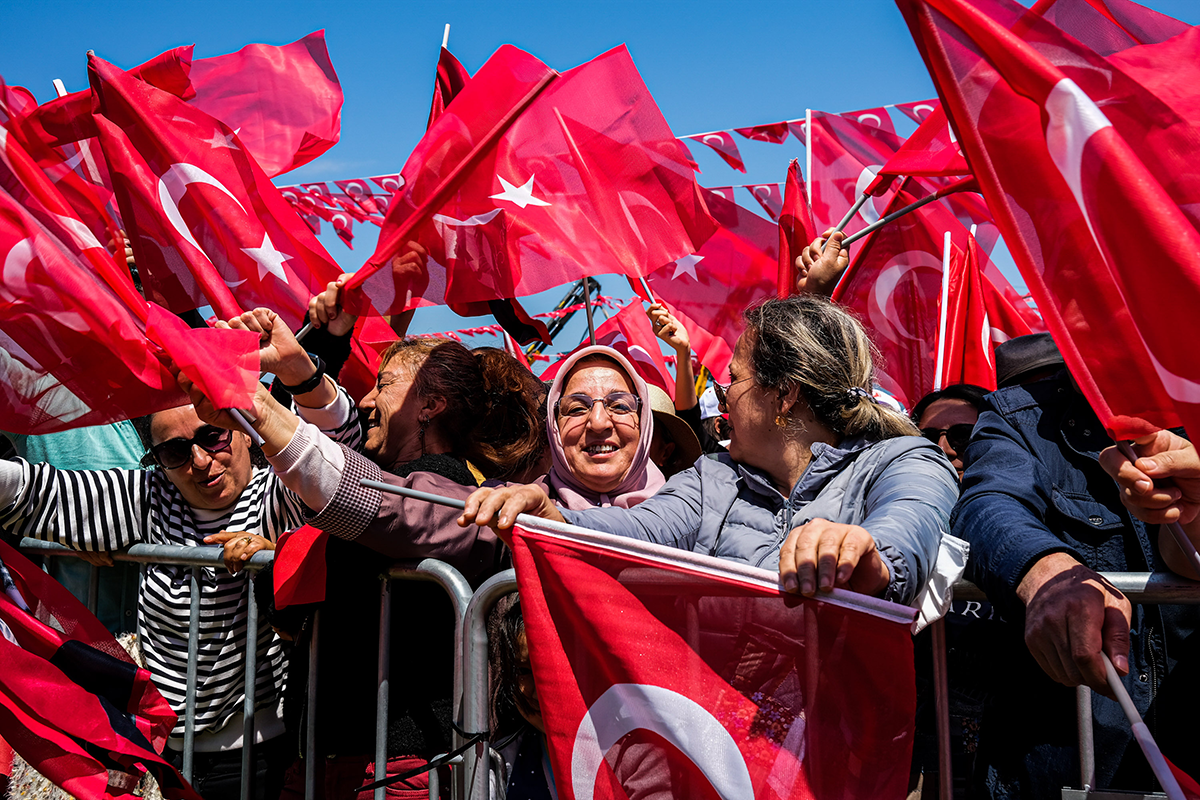
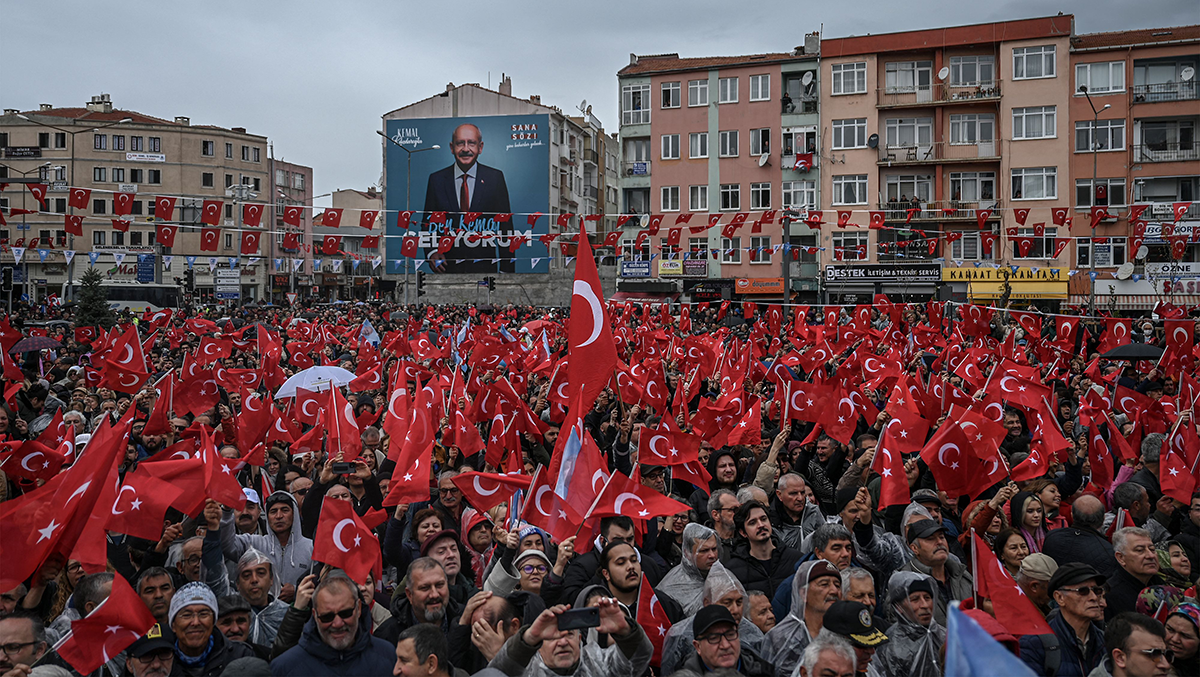
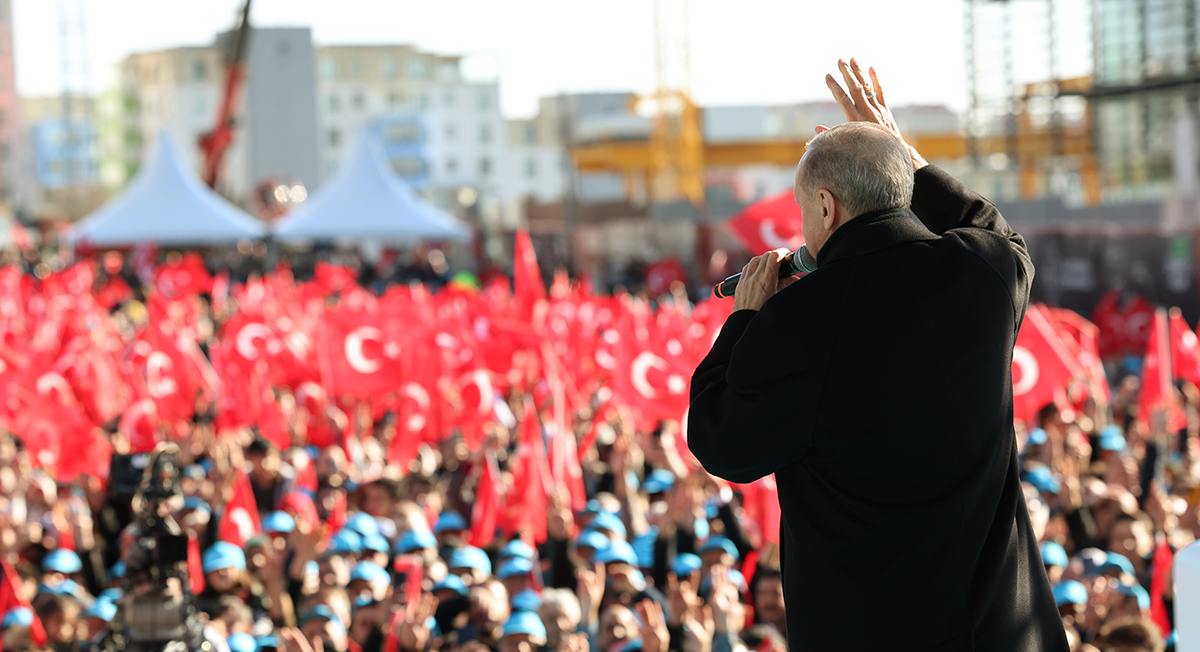
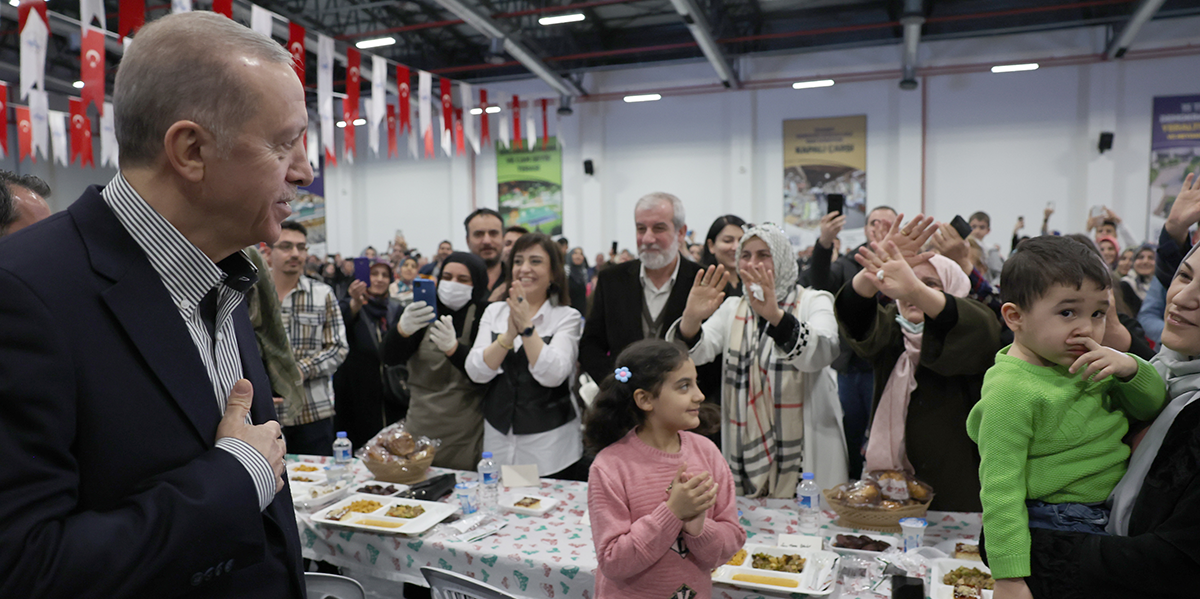
Catch up with the latest developments about Turkey’s May elections with weekly updates from MEI’s Turkey Program. In this week’s installment of Turkish Election Watch: Erdoğan falls ill, Kılıçdaroğlu rallies in an AKP stronghold, Erdoğan dials up the culture war, concerns grow over election security, and what the polls tell us.
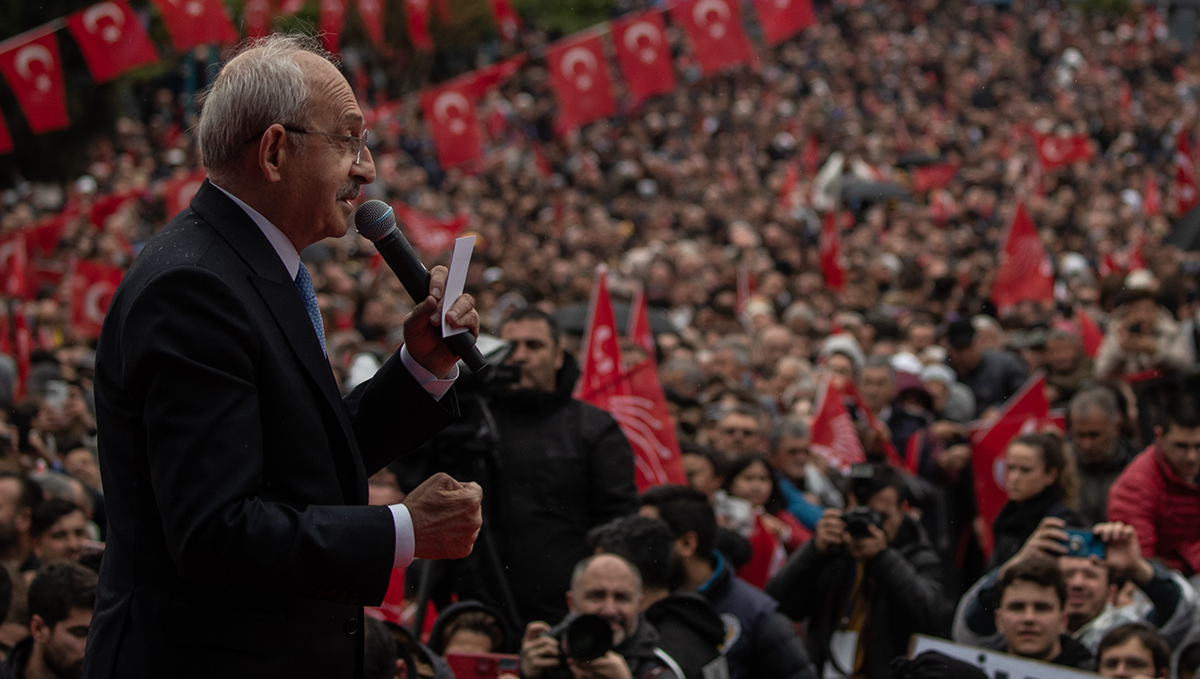
Catch up with the latest developments about Turkey’s May elections with weekly updates from MEI’s Turkey Program. In this week’s installment of Turkish Election Watch: The Kılıçdaroğlu campaign gets exciting, Erdoğan adds natural gas discount to pre-vote handouts and dials up the tension, and the top electoral body makes a surprising decision.
Naturalized Syrians are in the spotlight ahead of Turkey’s upcoming elections
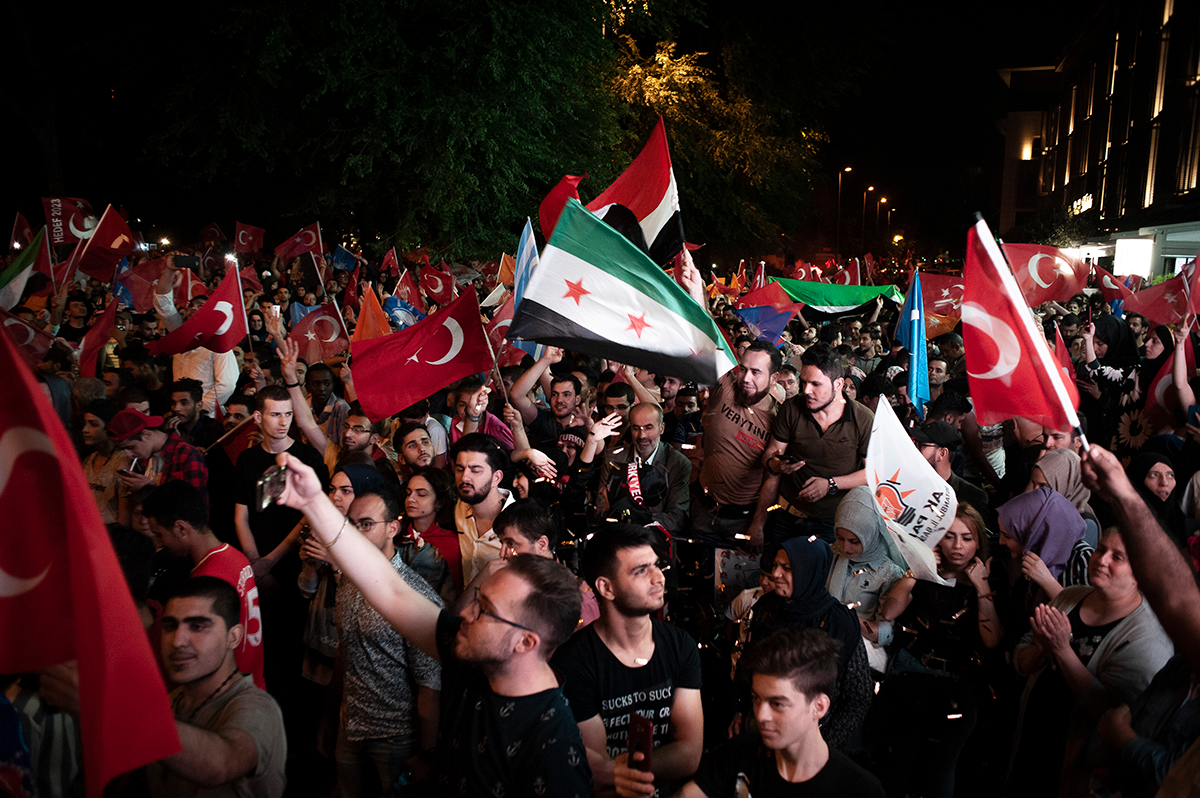
The most consequential elections in Turkey’s recent history are less than a month away, set to be held on May 14. While the more than 200,000 Syrians who have been granted Turkish citizenship since their arrival in the wake of the Syrian war will not play a significant role in determining the outcome given their numbers, migration is a top campaign issue, putting them at the heart of the vote.
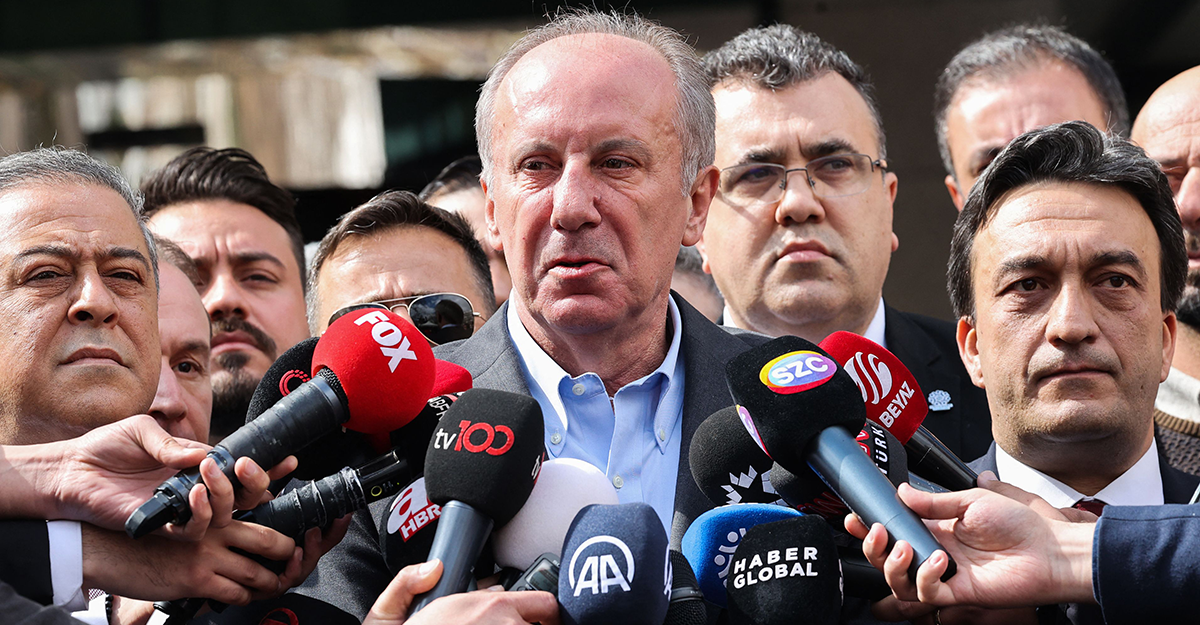
Catch up with the latest developments about Turkey’s May elections with weekly updates from MEI’s Turkey Program. In this week’s installment of Turkish Election Watch: Erdoğan launches his re-election campaign, Kılıçdaroğlu announces pledges for the first 100 days, and İnce’s difficult week.
Iran-Iraq competition in regional maritime and overland transit corridors
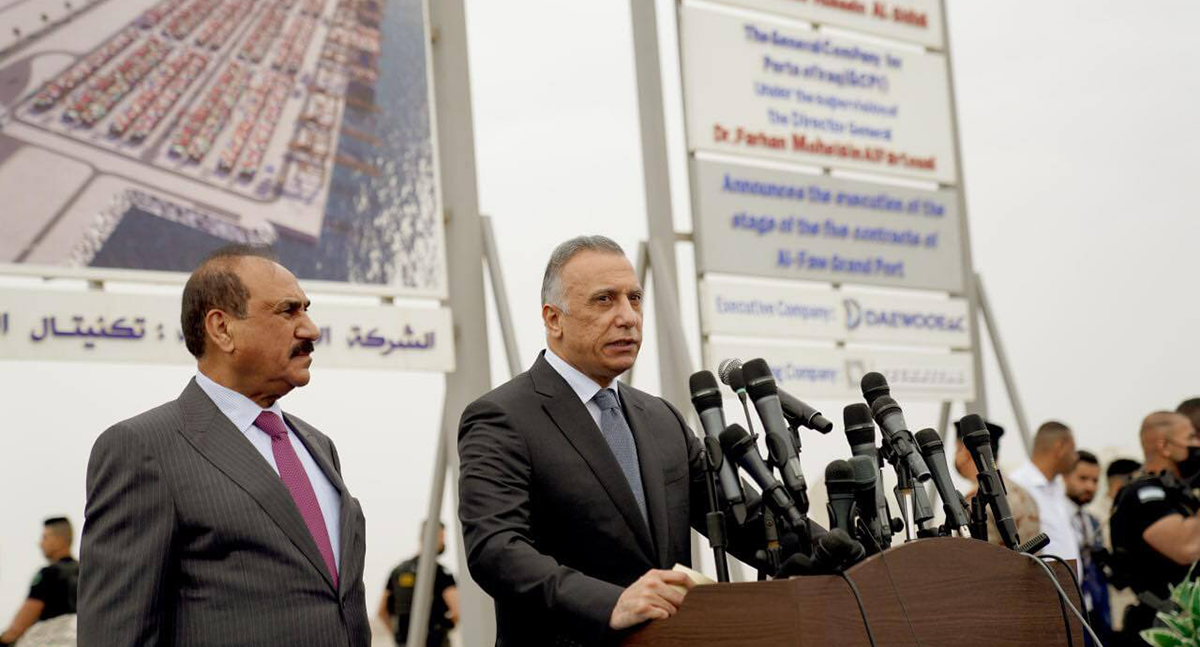
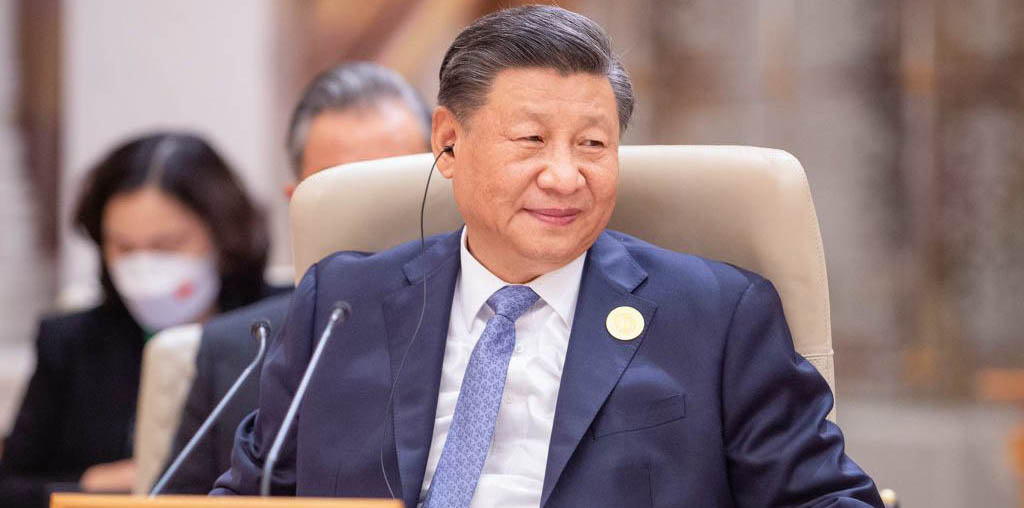
In recent years, Iraq has become one of the leading destinations for Chinese investments in the Middle East and a crucial link in Beijing’s Belt and Road Initiative. To capitalize on its geostrategic location and central position within the Chinese BRI, Iraq is seeking to develop a sprawling new 54-square-kilometer port project, known as al-Faw Grand Port, which will reduce the country’s reliance on Arab Gulf ports and overland transit from Iran and Turkey. The project also underscores Iraq’s growing economic rivalry with neighboring Iran, as both countries seek to carve out a similar niche in handling regional transit traffic.
Catch up with the latest developments about Turkey’s May elections with weekly updates from MEI’s Turkey Program. In this week’s installment of Turkish Election Watch: Kiliçdaroğlu and the carpet, Erdoğan talks tough to the Americans again, attacks on opposition parties, and coalition politics and the parliamentary elections.
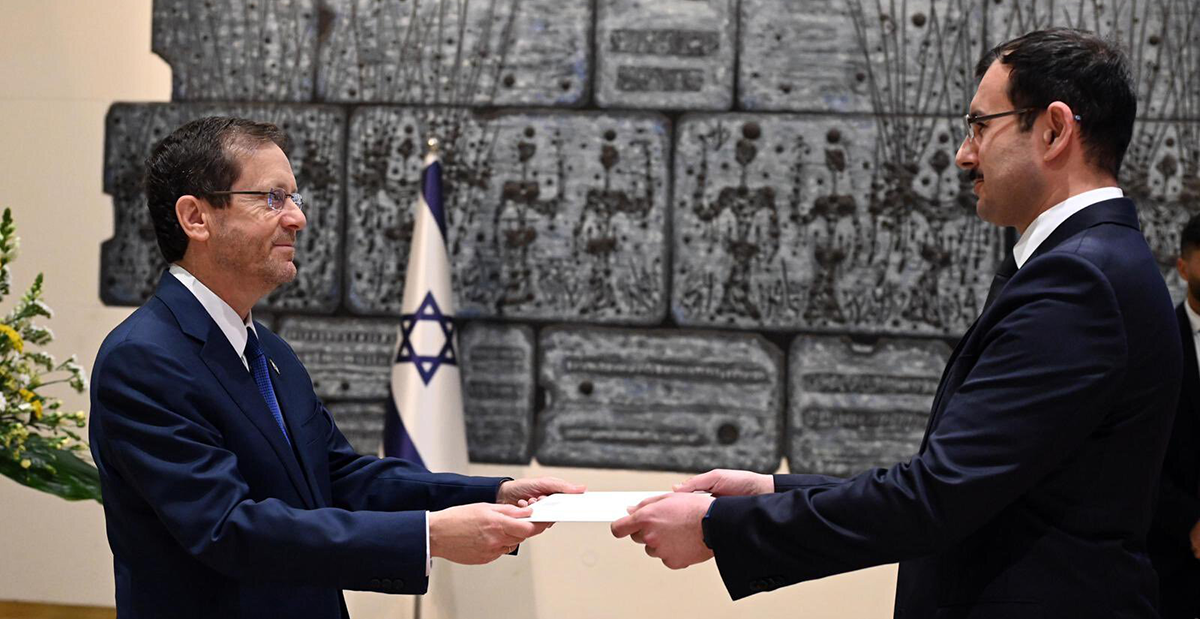
Israel and Azerbaijan: Trusted friends and reliable partners
Israeli-Azerbaijani relations are based on two main pillars: patient and cordial political relations as well as defense cooperation and arms sales. While the former reached a more intensive level this year, with the opening of an Azerbaijani embassy in Tel Aviv in late March, the latter pillar of the relationship was well developed long before, as Israel became Azerbaijan’s largest weapons supplier.
Turkish Election Watch: The Week of March 26-April 2
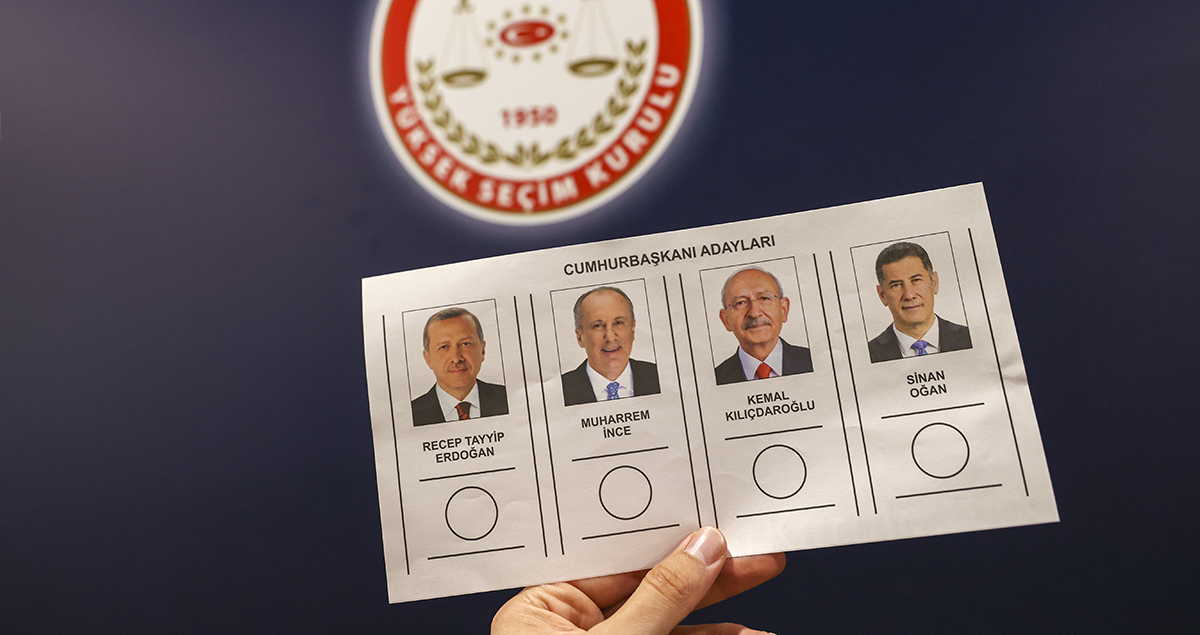
Catch up with the latest developments about Turkey’s May elections with weekly updates from MEI’s Turkey Program. In this week’s installment of Turkish Election Watch: It’s officially a four-candidate race for the presidential election, Kılıçdaroğlu meets with İnce, Kılıçdaroğlu receives a warm welcome in an Erdoğan stronghold, and Bahçeli makes an unexpected move.