The growing economic and political role of Iraq’s PMF
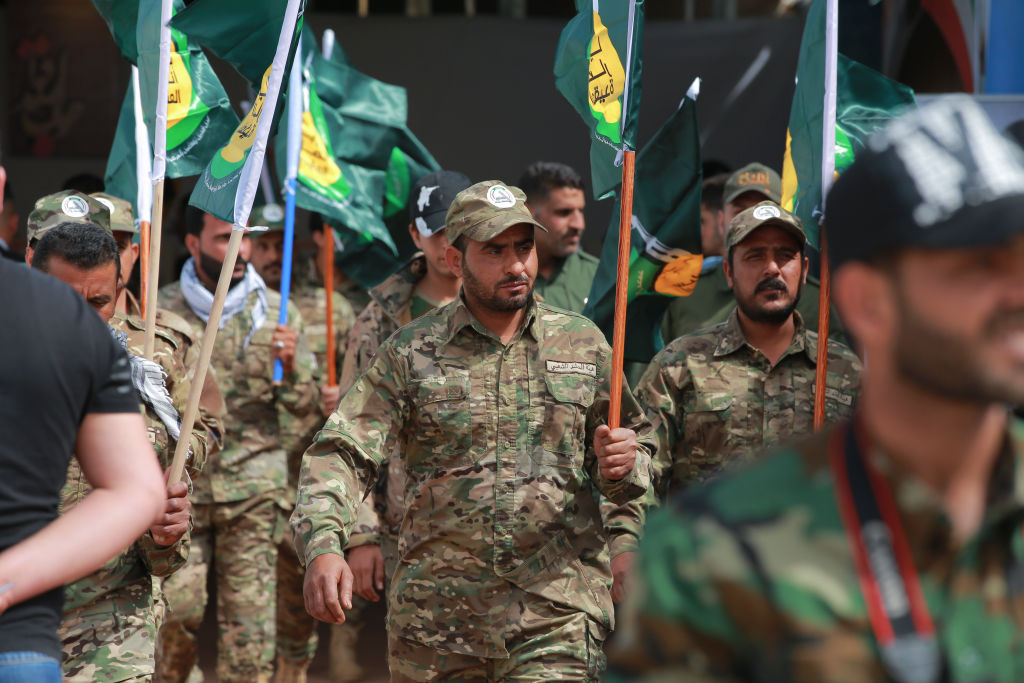
Conditions in Iraq since the defeat of ISIS’s territorial “caliphate” justify both optimism and concern at the same time. One issue where there has been much hand wringing but few practical suggestions for what to do is that of the popular mobilization forces (PMF). As the main campaign against ISIS drew to a close, many of the PMF’s leaders sought to translate their fighters’ battlefield sacrifices into political and economic gains.
Is Trump’s “Deal of the Century” really a peace plan?
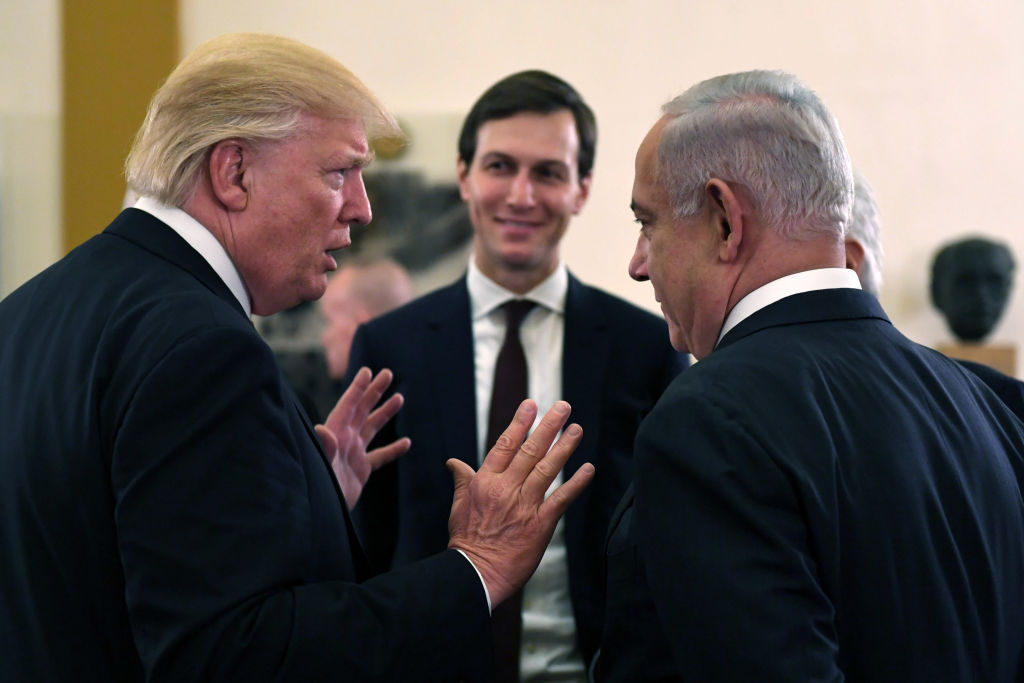
The Trump administration is preparing to present the “Deal of the Century,” proposing an outline for an Israeli-Palestinian agreement. Very little is known about the plan so far. However, it is important to discuss the context and the conditions under which it has been formulated, and to highlight some basic elements that are required for a third party to promote a peace plan — which are absent in this case.
Iraq: A Conflict Over State Identity and Ownership
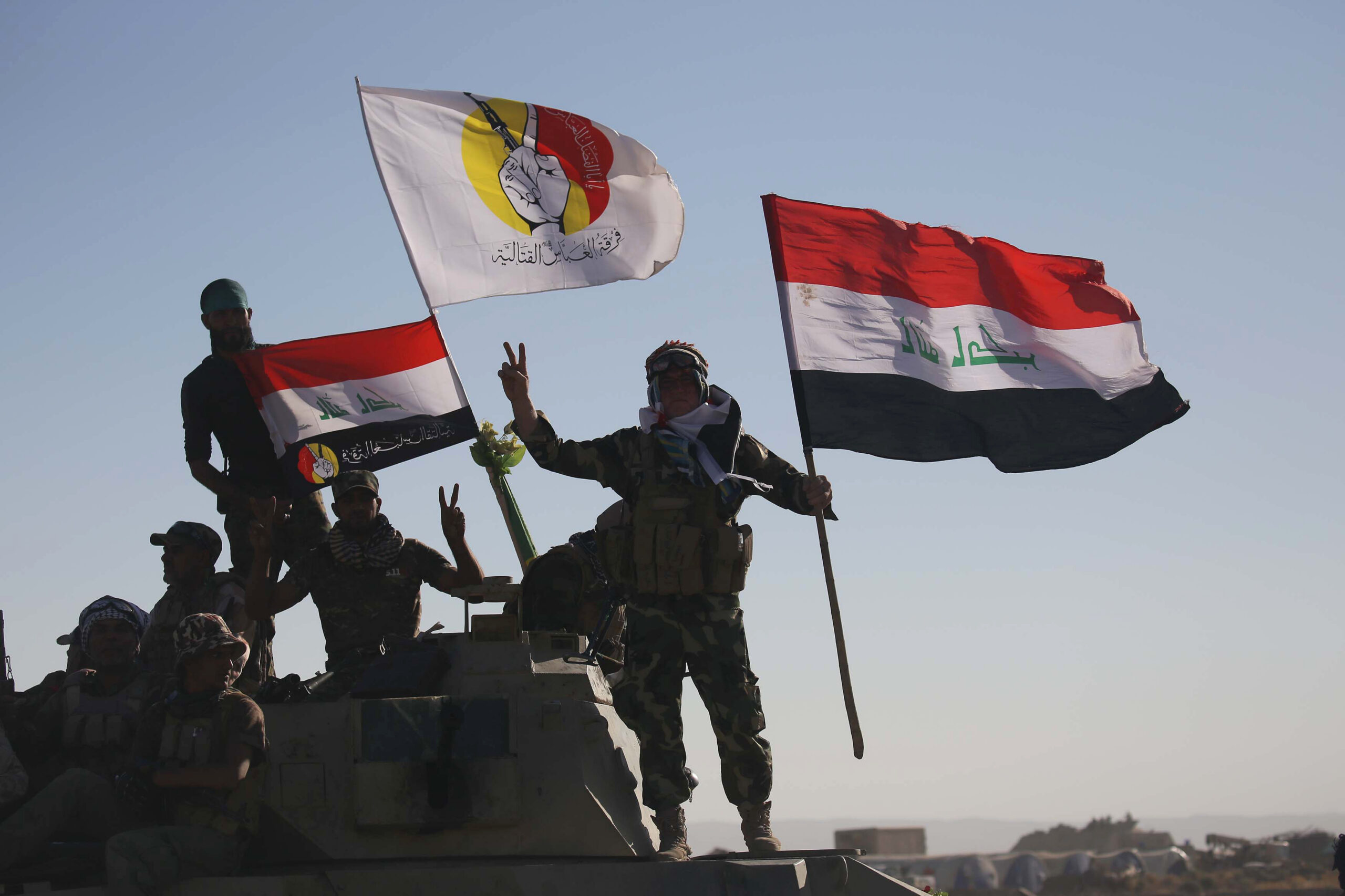
At the heart of the conflict in Iraq has been a clash of visions over the identity and ownership of the Iraqi state. The post-2003 conflict was, in effect, a violent renegotiation of both the political compact in place since the 1960s and of the balance of power among regional and international players.
Monday Briefing: New Arab uprisings echo earlier revolts
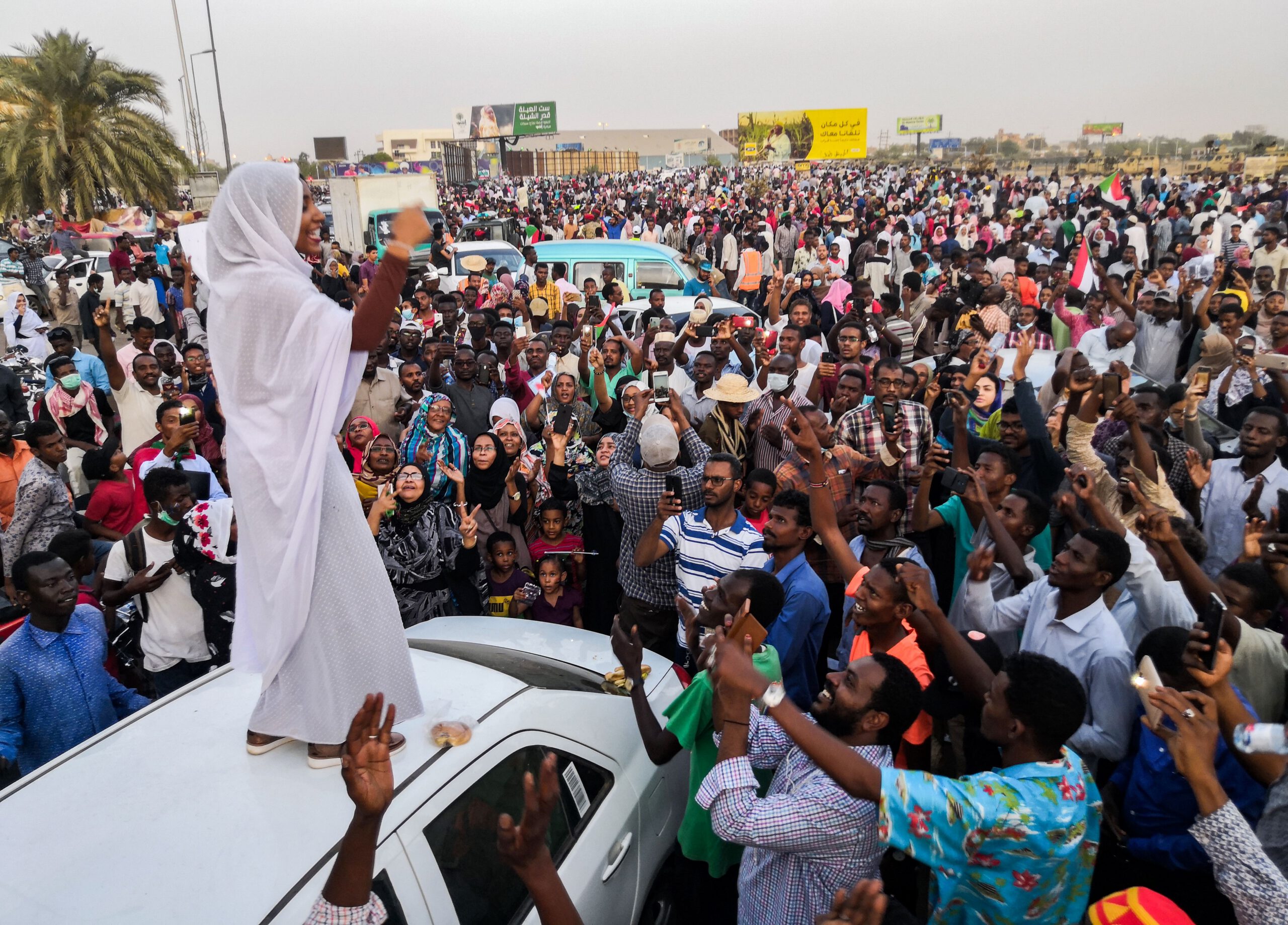
In this week’s Monday Briefing, MEI experts Paul Salem, Jonathan M. Winer, Robert S. Ford, Mirette F. Mabrouk, and Charles Schmitz provide analysis on recent and upcoming events including the current uprisings in Algeria and Sudan, General Hifter’s effort to take Tripoli, the hirak protest movement in Algeria, the strategic partnership between Egypt and the U.S., and cracks in the coalition of President Hadi in Yemen.
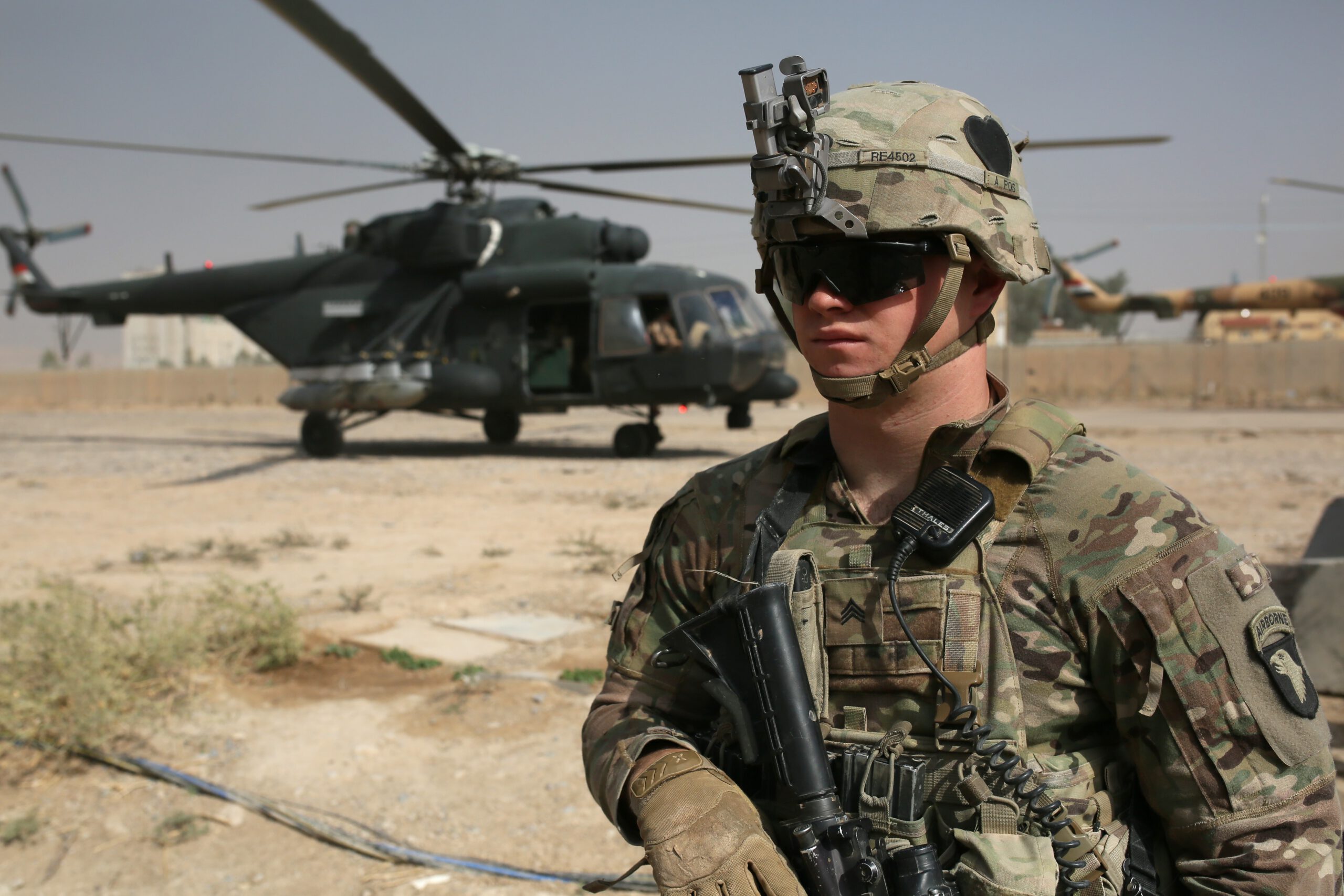
Despite the many obstacles, the U.S. and Iraq continue to work together to combat the threat of ISIS, and security elites in Baghdad and Washington understand the importance and value of the relationship. Yet, populists on both sides have repeatedly tested the others’ will in a dangerous game of chicken.
Monday Briefing: US IRGC terrorist designation and the view from Tehran
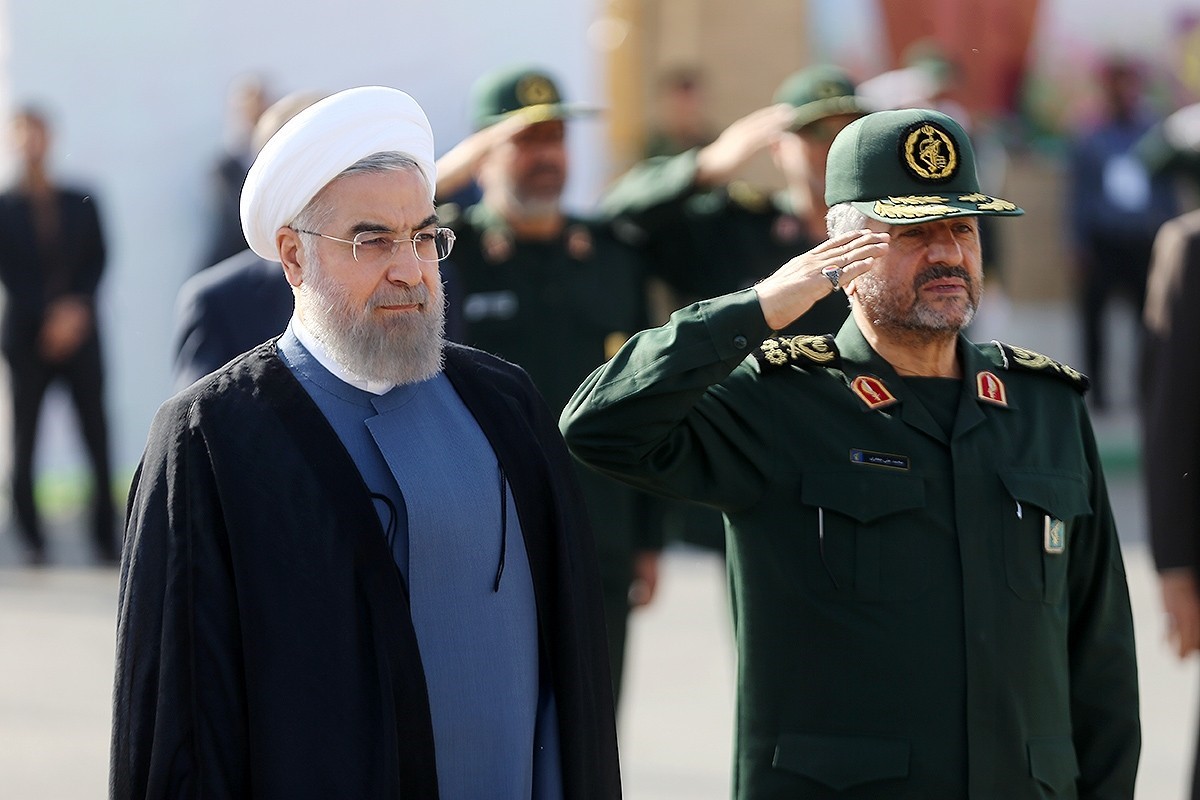
In this week’s Monday Briefing, MEI experts Alex Vatanka, Emadeddin Badi, Yousef Munayyer, Randa Slim, and Shahrokh Fardoust provide analysis on recent and upcoming events including the IRGC’s designation as a terrorist group, the battle for control of Tripoli in Libya, the impact of Israel’s elections on the Palestinian crisis, Iraqi PM Abdul-Mahdi’s first official visit to Iran, and the spring meetings of the World Bank and IMF in DC.
Finding a way forward in the Baghdad-Erbil oil dispute
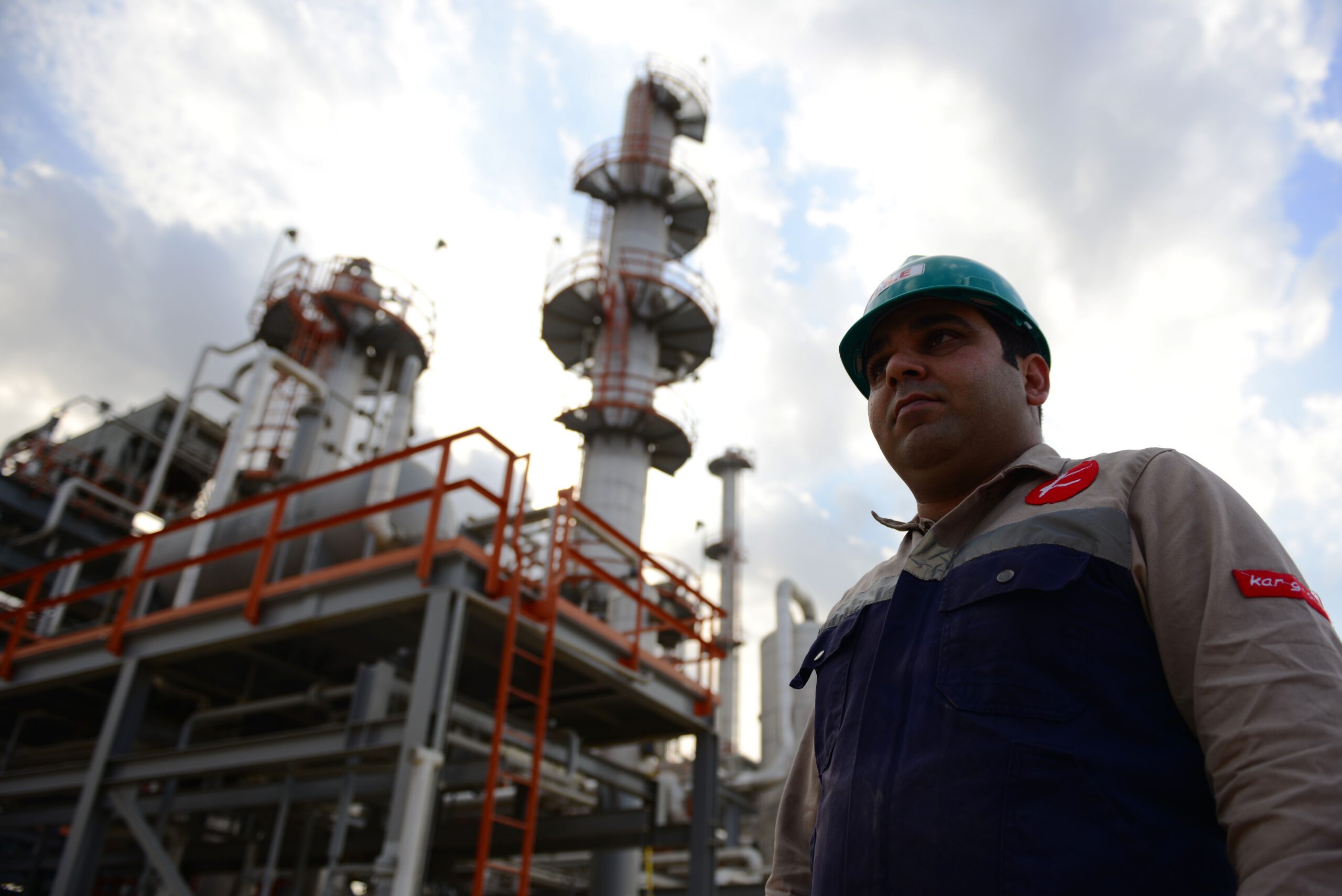
Disagreements between Baghdad and the Kurdistan Regional Government over oil policy have been one of Iraq’s most stubborn problems. Resolving this issue would allow for better development of natural resources, generate more revenue that’s badly needed for reconstruction, and might potentially deflate competing claims to disputed territories.
A year after the defeat of ISIS in Iraq, what has changed?
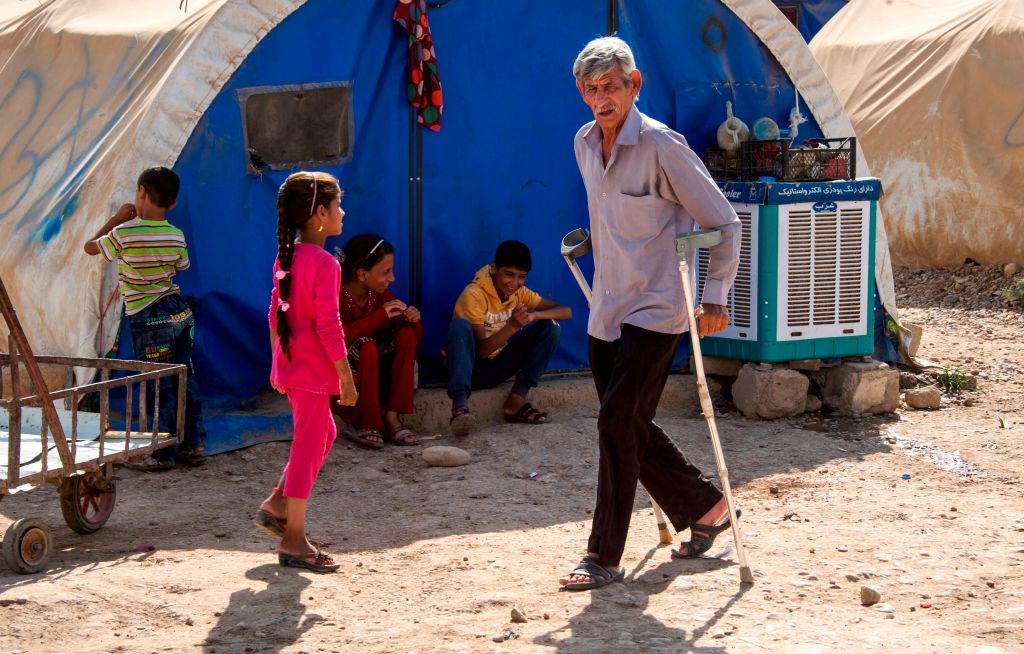
On Dec. 9, 2017, Iraq’s then prime minister, Haider al-Abadi, declared victory over ISIS. However, in the year since then Iraq has continued to face critical challenges, including an internally displaced person crisis and the legitimization of militia groups.
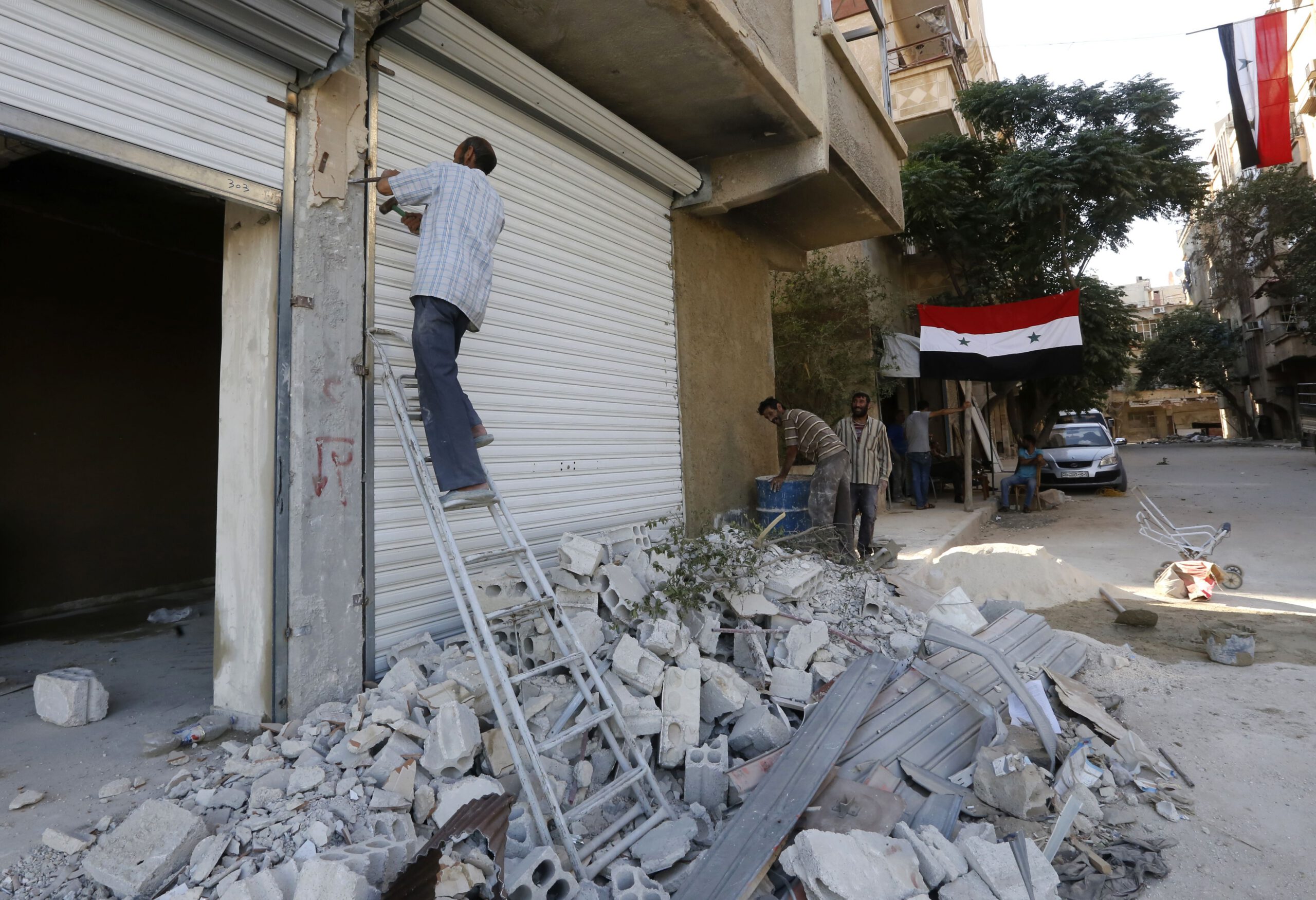
While non-Arab powers have taken the lead in the Syrian crisis so far, Damascus will need to restore political, economic, and diplomatic ties with regional Arab states as it moves into the phase of postwar reconstruction and development.
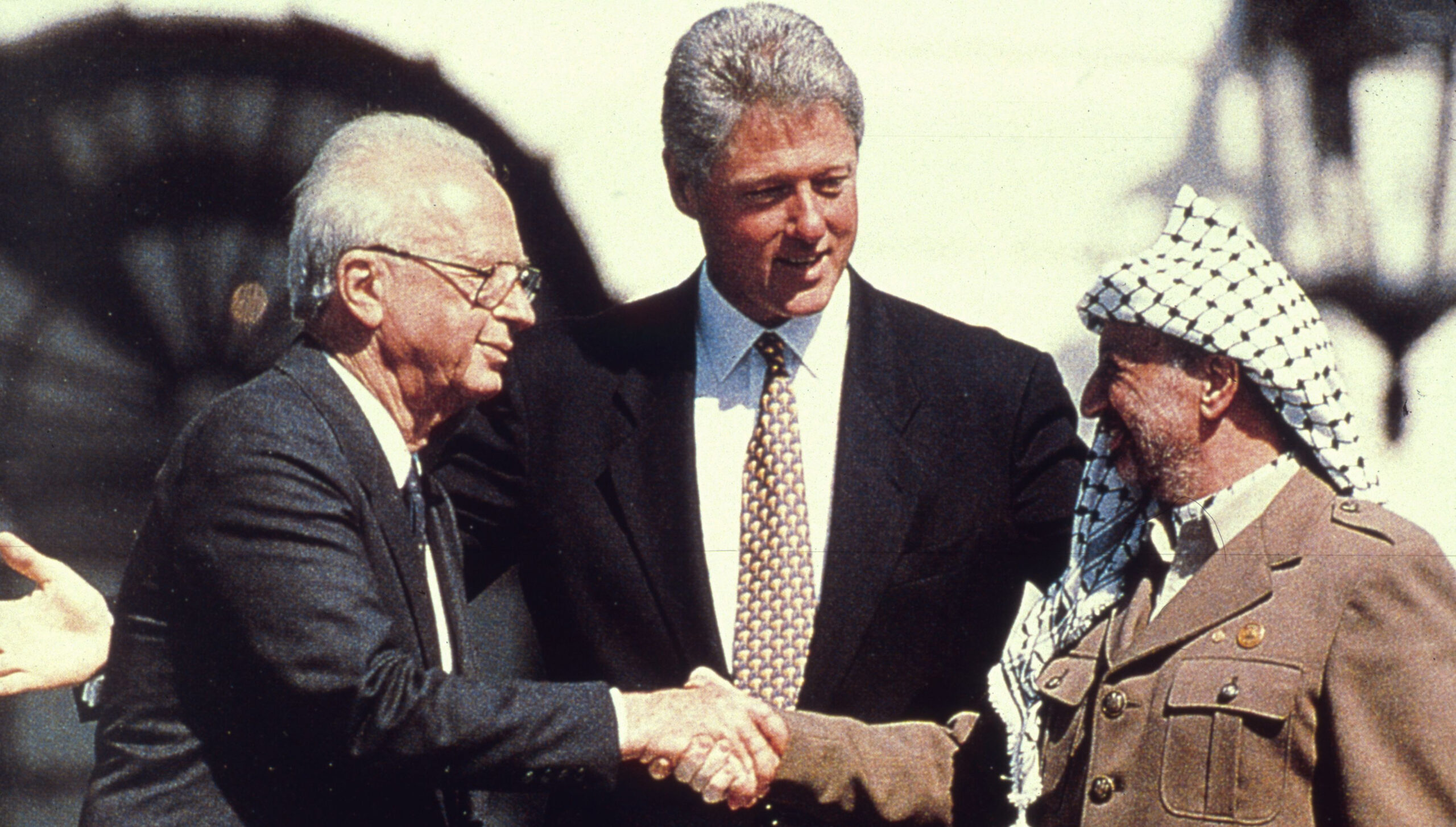
On Sep. 13, 1993, President Bill Clinton presided over one of the most dramatic handshakes in modern history. On the White House lawn, the handshake between Israeli Prime Minister Yitzhak Rabin and the Palestinian Liberation Organization Chairman Yasser Arafat was hailed as a political breakthrough that would constitute the dawn of a new era for the Middle East. Now, 25 years after the announcement of the Declaration of Principles––also known as the Oslo Accords––the prospect of peace appears more elusive than ever.
Three months after Iraq held its latest parliamentary elections the results are still being counted. Meanwhile political parties are jockeying for power and Iraqi citizens are taking to the streets to protest the government’s handling of services and the economy. Dr. Abbas Kadhim, senior fellow at Johns Hopkins SAIS, Omar Al-Nidawi, Iraq director for Gryphon Partners, and Dr. Randa Slim, director of MEI’s Program on Conflict Resolution and Track II Dialogues, join host Paul Salem to discuss the situation.
Helsinki and US-Russian Cooperation in the Middle East
Andrey Kortunov, director general of the Russian International Affairs Council, and Randa Slim, director of MEI’s program on Conflict Resolution and Track II Dialogues, join host Paul Salem to discuss the Helsinki Summit and takeaways from the latest meeting of the US-Russia Middle East Dialogue in Berlin, where participants outlined challenges and opportunities for US-Russian cooperation in Syria and elsewhere in the region.
Amb. Lukman Faily, Iraq’s ambassador to the United States from 2013-2016, and Randa Slim, director of MEI’s program on Conflict Resolution and Track II Dialogues, join host Paul Salem to analyze the results of Iraq’s parliamentary elections and their implications for Iraq, the region, and U.S. policy going forward.
U.S.-Russia Dialogue and Preventing Regional Confrontation
Irina Zvyagelskaya, of the Institute of Oriental Studies of the Russian Academy of Sciences in Moscow and Randa Slim, director of MEI’s Program on Conflict Resolution and Track II Dialogues, join host Paul Salem to discuss U.S. and Russian efforts to find shared interests in the region, from Syria to Yemen, and to avoid confrontation and escalation.
Regional cooperation in the Middle East: the Baghdad Declaration
Since 2014, the Middle East Institute (MEI) has convened the Middle East Dialogue, a Track 1.5 initiative involving current and former officials and senior experts from across the Middle East as well as from China, Europe, Russia and the United States. These meetings focus on the conflicts in Syria and Iraq, and on the principles and architecture of a new regional cooperation framework in the Middle East. At the Dialogue’s most recent meeting in Baghdad, the group issued a consensus document outlining Good Neighborhood Principles for the Middle East.