The judicial “reform” will make things worse, but Israel’s Supreme Court has long failed Palestinian citizens
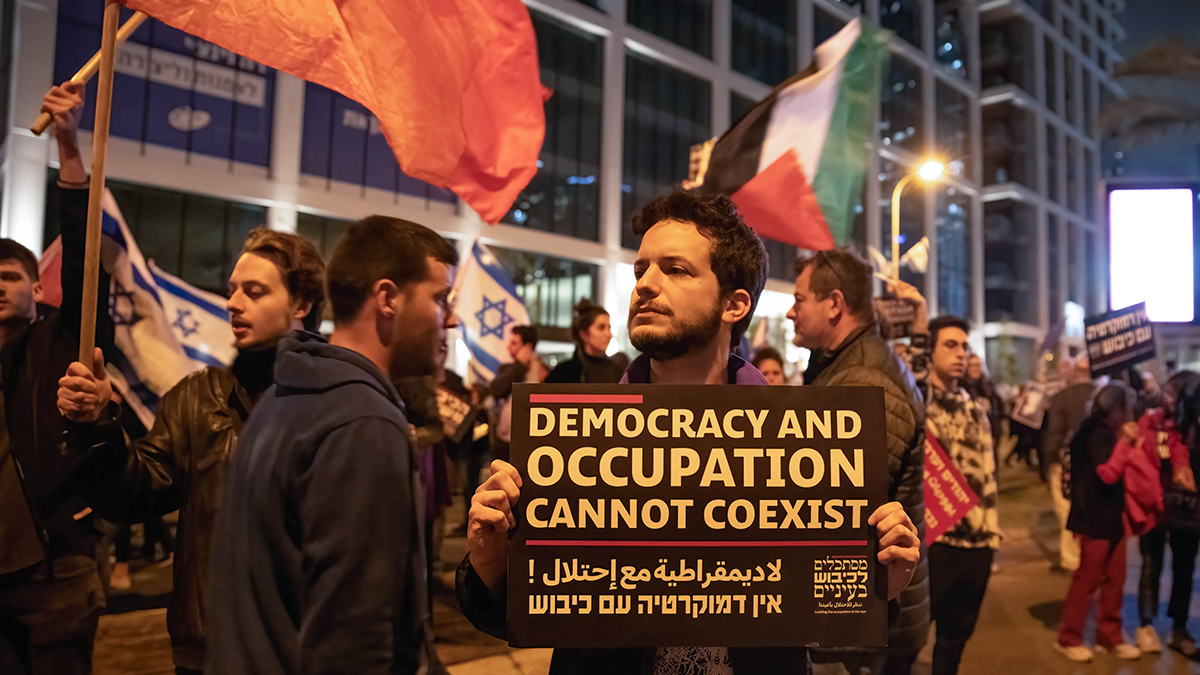
Over the past several months, the eyes of the world have been on the massive demonstrations in Israel against the Netanyahu government’s proposed judicial “reform.” Even though Palestinian citizens of Israel are likely to be the group most affected by the proposed changes, they have been notable for their absence, for the most part, from the protests. While Jewish citizens are worried about what the proposed changes might mean for Israel’s judiciary and the future of its democracy, the Supreme Court and the legal system more broadly have long failed to protect the rights of the country’s Palestinian citizens.
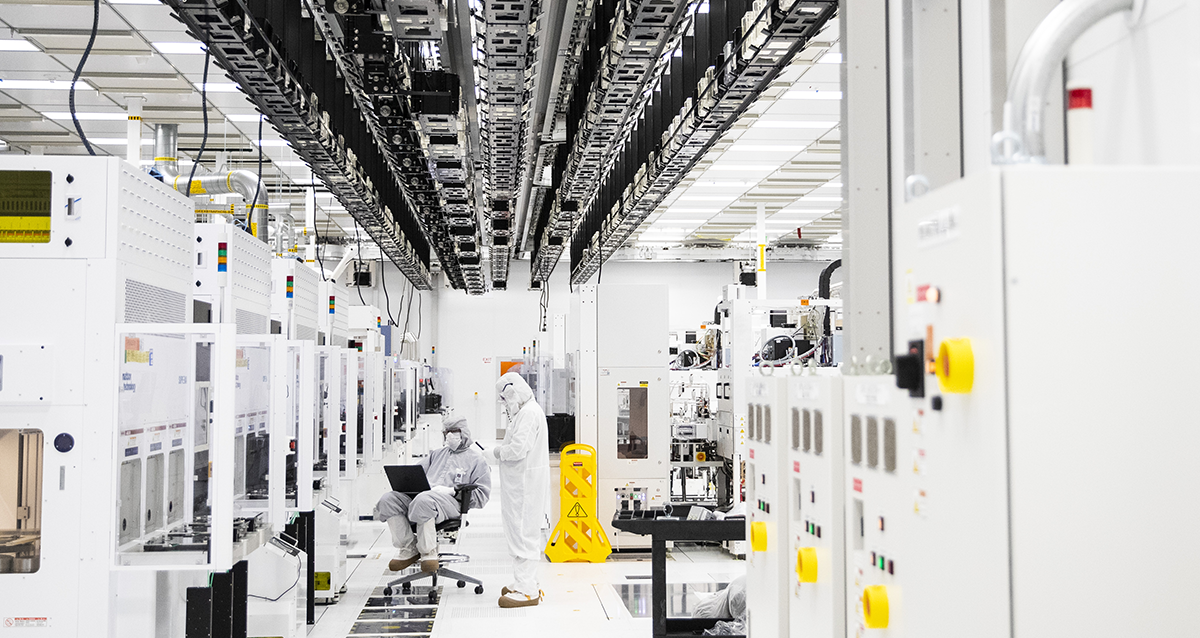
Washington and Beijing look at emerging technologies as a gateway to the new global order. Beijing wants to become an AI and innovation superpower, while Washington pursues a strategy of “tech containment” against Beijing. Chris Miller’s “Chip War: The Fight for the World’s Most Critical Technology” walks us through the history of the semiconductor industry and could not be more timely in light of the Biden administration’s decision to work with allies such as Japan and the Netherlands to limit China’s access to advanced chips with the strategic objective of slowing down Beijing’s technological innovation.
Dispatches from Delhi: India and the changing global order
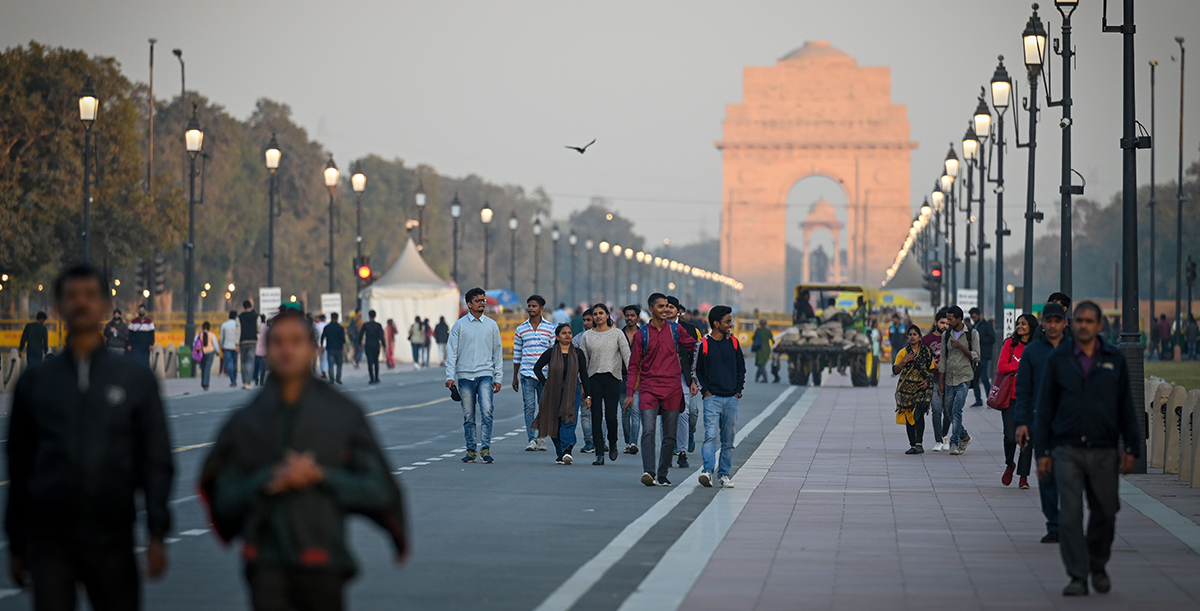
Delhi is one of the few capitals around the world that offers a representative view of the global order. After engaging with a wide variety of Indian policymakers and public intellectuals during a recent visit to India’s capital, I walked away with a better understanding of how Delhi is grappling with some of the main global issues.
By redefining and expanding the Asia-Pacific’s geopolitical dimensions, Abe Shinzō, the late Japanese prime minister, offered a geostrategic model that is now being realized across South Asia and the Middle East. With India at the center of this emerging West Asian ecosystem, Abe’s vision has begun to take shape.
The Israeli protests: What’s happened and what’s likely to come
Monday, March 27 was supposed to be a red-letter day for the new far-right Israeli coalition government, when it planned to slide through the Knesset the central provision of its “judicial overhaul” bill, comfortably ahead of the Passover recess beginning on April 2. Instead, it ended up being one of the most extraordinary days in Israeli history. Spurred by the “firing” of Defense Minister Yoav Gallant by Prime Minister Benjamin Netanyahu the evening before, the demonstrations against the overhaul, which had been building in intensity for over two months, became overwhelming.
If the US wants to make its mark on the future of Israeli democracy, it’s time it moved from words to deeds
As Israel’s hardline coalition government is ramming through legislation that would radically alter the country’s political character and system of government, alarm bells are finally ringing in Washington. Even President Joe Biden has finally picked up the phone and expressed his concern to Prime Minister Benjamin Netanyahu about his anti-democratic agenda. The growing American apprehension, however, has yet to be translated into meaningful policy action.
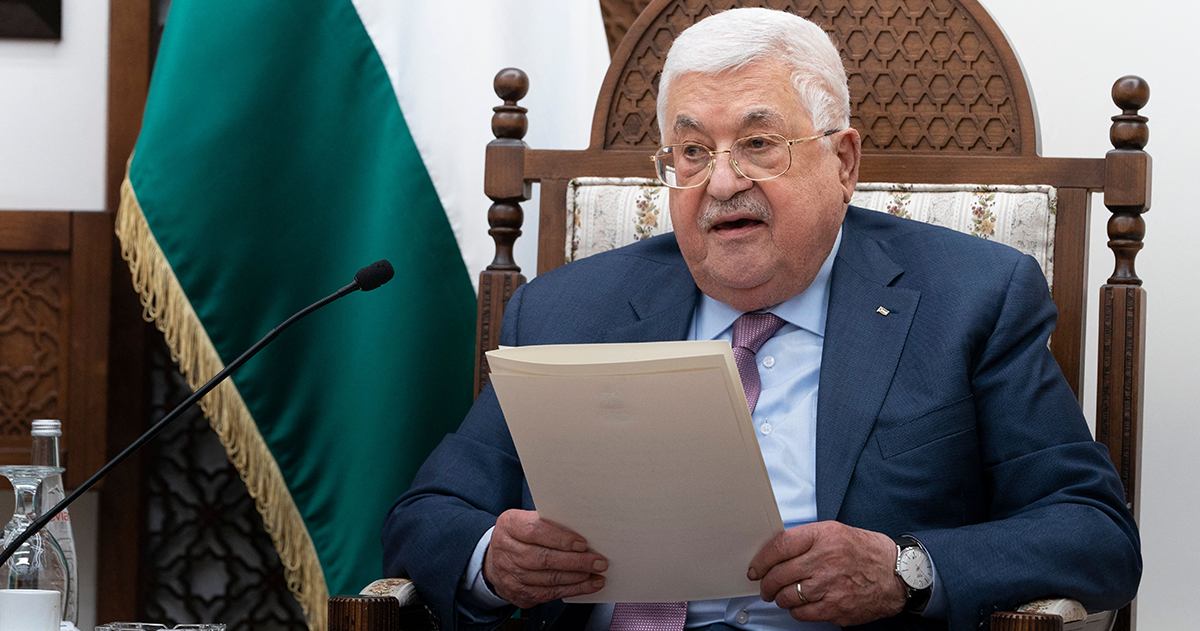
Surge in West Bank violence further undercuts Abbas’s precarious leadership
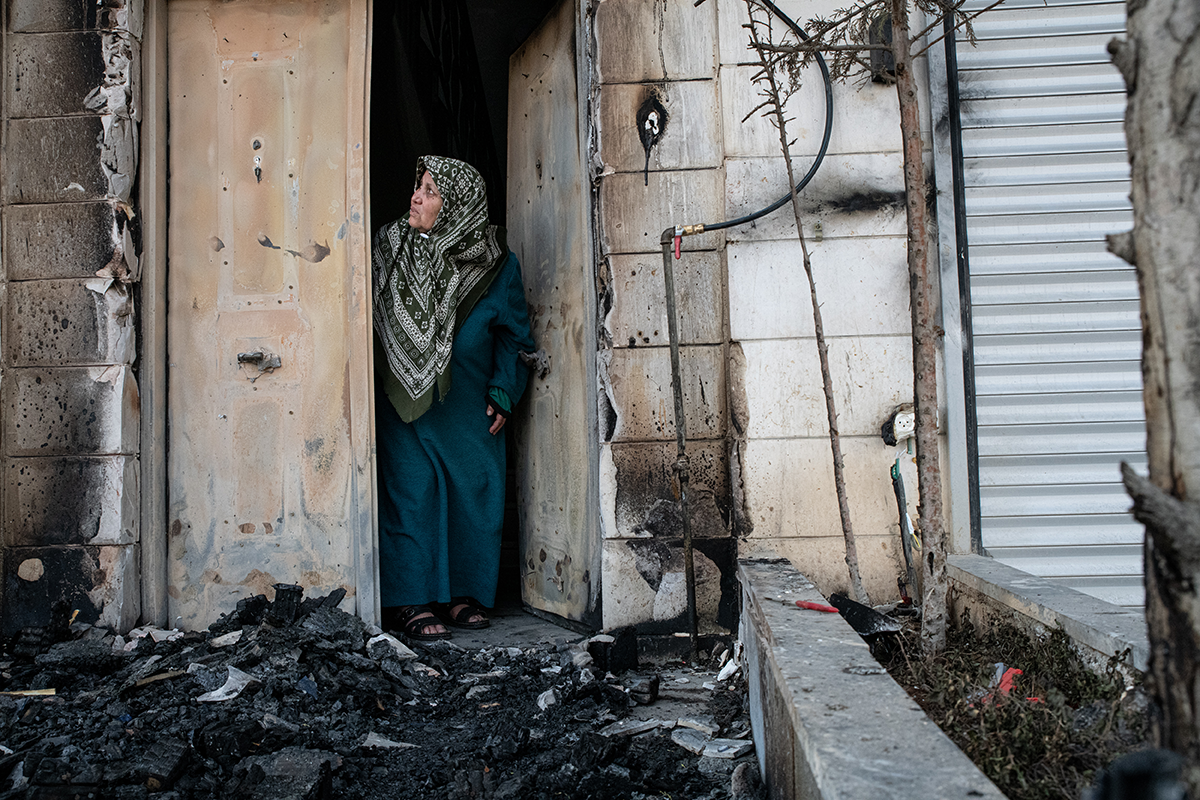
In addition to the terrible human and material toll, among the many casualties of the ongoing Israeli offensive in the West Bank is Palestinian Authority (PA) President Mahmoud Abbas’s leadership. Without outside intervention, Israel’s violent military crackdown is likely to fuel more violence while further undercutting Abbas’s already embattled leadership and whatever may be left of the PA’s domestic credibility.
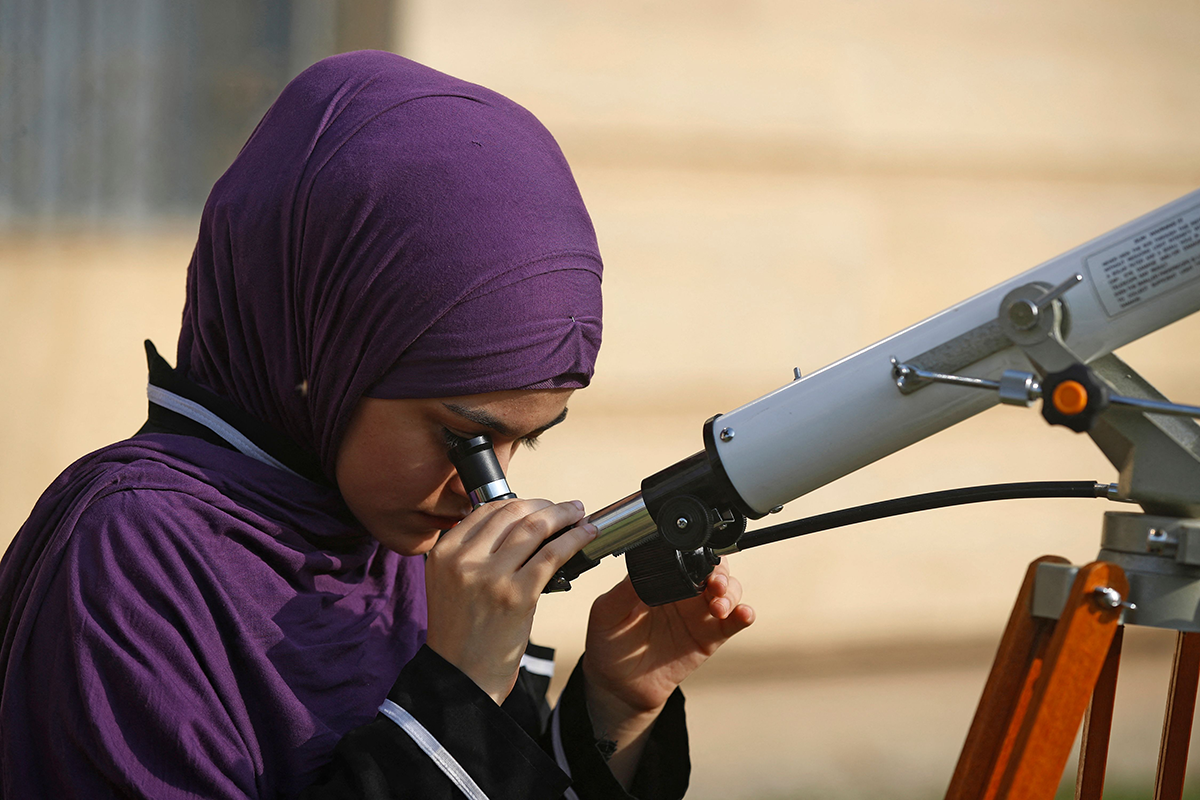
An Arab Science Spring: Science, technology, and innovation in the Middle East
At present, the MENA region is a net importer of science, technology, and innovation (STI) products and a net exporter of STI talent. This was not always the case, however, as the Middle East has a rich history in science and needs to be put on a path back towards its historical zenith. An STI strategy for the region must focus on improving science education in universities, enhancing scientific research capacity, increasing financial support for R&D, and fostering regional and international scientific and educational cooperation.
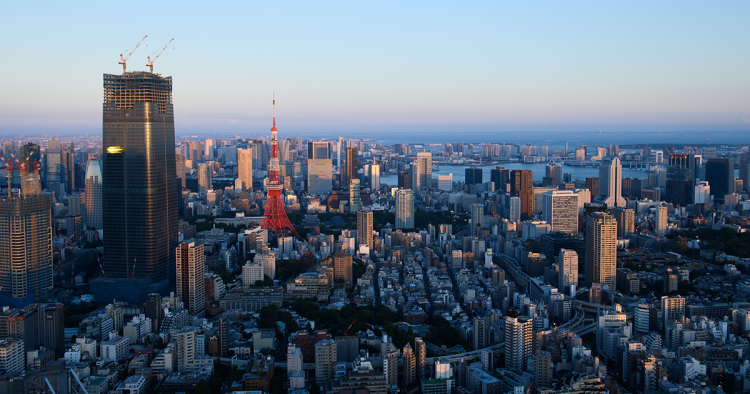
Dispatches from Tokyo: Abe’s legacy, the Middle East and the Indo-Pacific, tech decoupling, and more
After a week of talks with Japanese officials, scholars, and intellectuals, I am still grappling with the back-and-forth about the emerging global disorder and the evolving situation in the Indo-Pacific and the Middle East.
Aqaba agreement overshadowed by spiking violence in the West Bank
It was described as a “significant breakthrough” by a Jordanian official, while Jordan’s Foreign Minister Ayman Safadi said the agreement would ‘’de-escalate violence” if implemented, but just as the details of the one-day security meeting in Aqaba, on Feb. 26, were being announced, it became apparent once more that a rare attempt to bring Israeli and Palestinian officials together, in a bid to contain a spike in violence that was quickly getting out of control, was ill-fated.
The German "Zeitenwende" still goes unnoticed in Israel
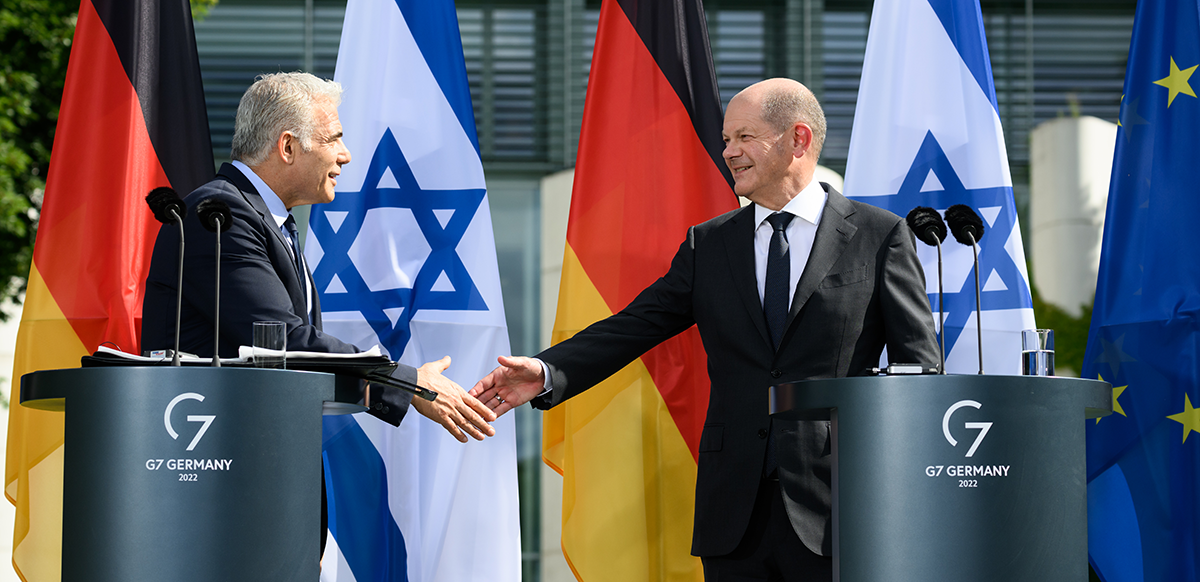
Although Germany and Israel maintain a close partnership, the German “Zeitenwende” has not yet been perceived there. Dr. Nimrod Goren outlines a German-Israeli partnership oriented towards democracy and peace.
Challenges new and old: The myriad economic issues affecting MENA through the lens of public opinion
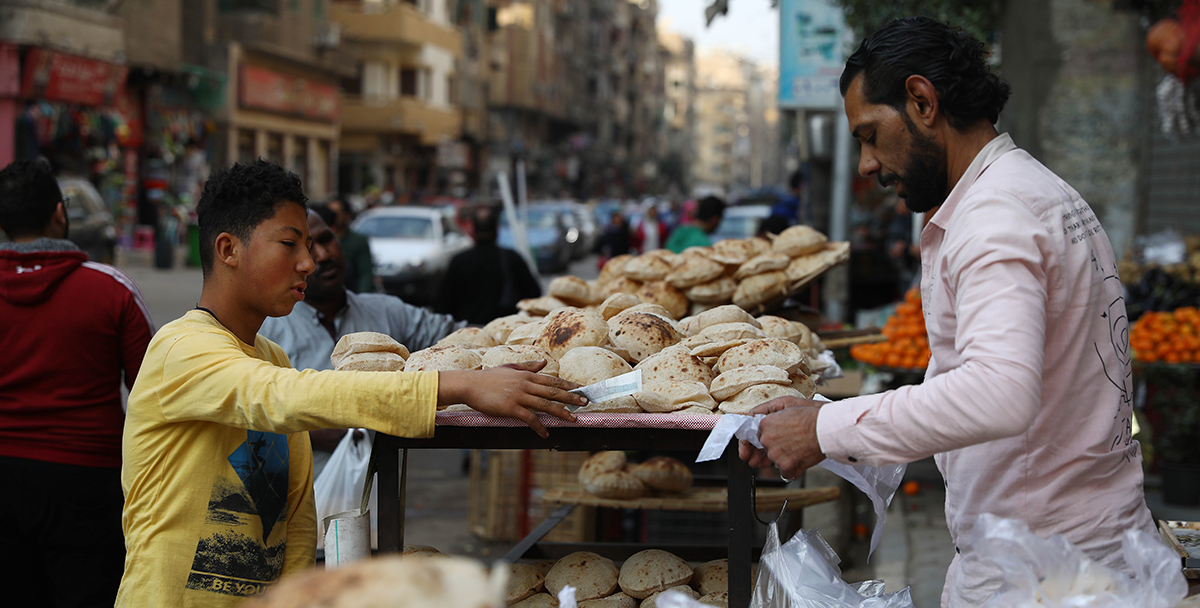
For more than a decade, policymakers in developing countries in MENA have been confronted with high inequality, low growth, rising poverty, and high youth and female unemployment. They now face new challenges as well. This note briefly identifies some of the most important issues affecting the region, relates them to the results of a recent survey of 12 Arab countries carried out by Arab Barometer, and suggests some pathways out of the current quagmire.
The traditional 20th-century pillars of U.S.-Saudi bilateral relations are energy and security — a reflection of Cold War dynamics and the critical role that Saudi Arabia plays in the global economy as an energy superpower. Now, in 2023, Riyadh and Washington should think beyond energy to explore opportunities and address critical challenges in areas such as tech and cyber, which could ultimately cement their strategic relations for the 21st century.