Senior Iranian Official Blasts Tillerson’s Remarks about Transition of Power in Iran
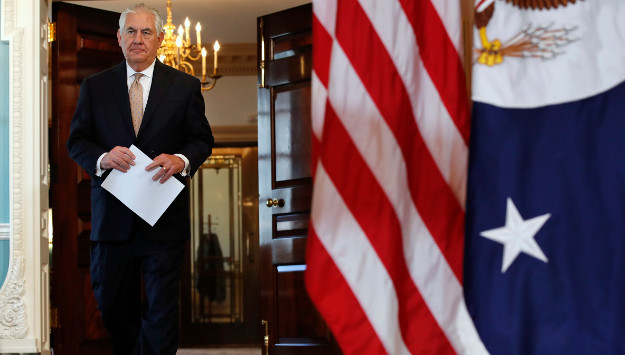
Mohsen Rezaei, the secretary of Iran’s Expediency Council, has strongly criticized U.S. Secretary of State Rex Tillerson’s comments about a peaceful transition of power in Iran.
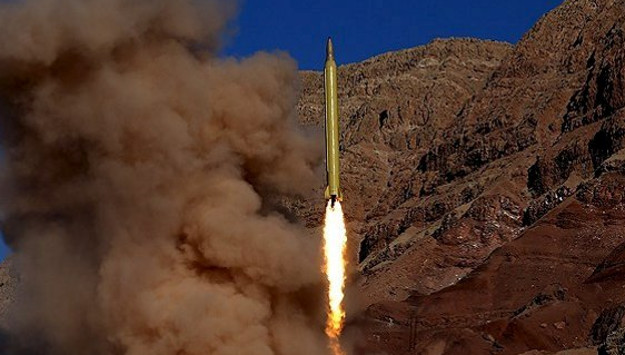
Iran Says Will Continue Missile Activity despite New U.S. Sanctions
Iran’s Foreign Ministry said new U.S. sanctions would not force Tehran to halt its missile program. The ministry’s spokesman argued that Iran’s missile program does not violate the 2015 nuclear deal or the U.N. resolution that endorsed the agreement.
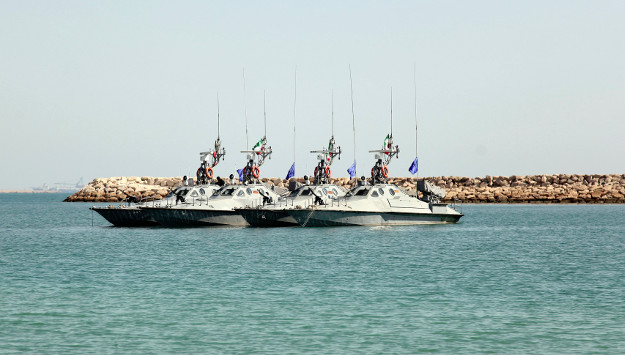
Iranian Missile Boat Harasses U.S. Warships, Points Laser at Marine Helicopter in Persian Gulf
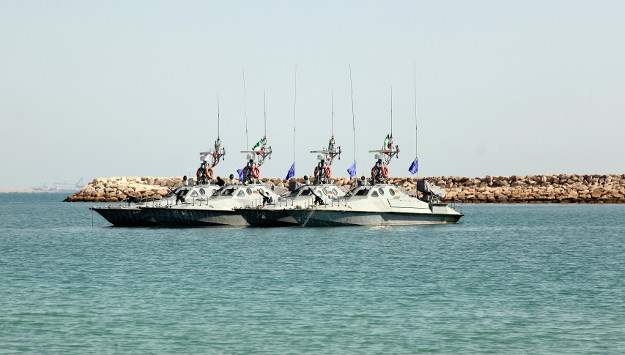
U.S. military officials said on Wednesday that three U.S. Navy ships and a Marine helicopter had an “unsafe and unprofessional” encounter with an Iranian Navy vessel in international waters in the Persian Gulf. The amphibious assault ship U.S.S.
Tillerson’s Remarks Trigger Angry Reactions in Tehran
U.S. Secretary Rex Tillerson’s yesterday remarks at a Congressional hearing have drawn angry reactions from Tehran. Tillerson told the House Foreign Relations Committee that the Trump administration has not yet finalized its Iran policy but emphasized that it is determined to counter Iran’s subversive activities in the Middle East. “Well, our Iranian policy is under development. It’s not yet been delivered to the president. But I would tell you that we certainly recognize Iran’s continued destabilizing [role] in the region.
I.R.G.C. Forces Clash with Armed Militants in Southeast Iran
ranian security forces today dismantled a “terrorist unit” in the country’s southeastern province of Sistan and Baluchestan, according to the public relations directorate of the Islamic Revolution Guards Corps’ (I.R.G.C.) Ground Forces. “After receiving intelligence regarding the presence of a Takfiri terrorist team in Ghasr-e Ghand region of Sistan and Baluchestan, I.R.G.C. ground forces units from the Quds Base were deployed to the area. They clashed with terrorists today (Thursday) after bringing under siege the highlands of Ghasr-e Ghand,” the I.R.G.C.
Iranian Media Weighs Pros and Cons of Tehran’s Role in Gulf Crisis
After President Donald Trump’s visit to Riyadh last month, Iranian leaders were worried about the creation of a U.S.-supported alliance of regional Arab states led by Saudi Arabia to counter Irani
I.R.G.C. Outlet: U.S. and Its Allies Unable to Hamper Iran’s Objectives in Syria
Iran and its allied militia forces will continue to defy American threats, establish control over regions along Iraqi-Syrian border, foil “plots” by the U.S.
Iran Continues to Blame U.S. and Saudi Arabia for Tehran Attacks
Iranian leaders continue to blame the United States and Saudi Arabia for last week’s terrorist attacks in Tehran although Iran’s Intelligence Ministry has confirmed that the Islamic State was behind the assaults.
Can the Trump Admin get its Act Together on G.C.C. Crisis? | Monday Briefing
In this week’s Monday Briefing, MEI experts Gerald Feierstein, Robert S. Ford, Alex Vatanka, and Ruba Husari provide analysis on the Trump administration’s handling of the G.C.C. crisis, how Iran and energy markets have responded to it, and the escalating conflict in eastern Syria.
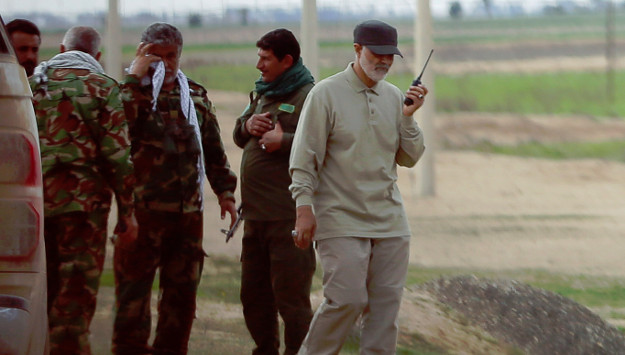
Afghan Militia Led by Soleimani Reach Syrian-Iraqi Border in Defiance of U.S.
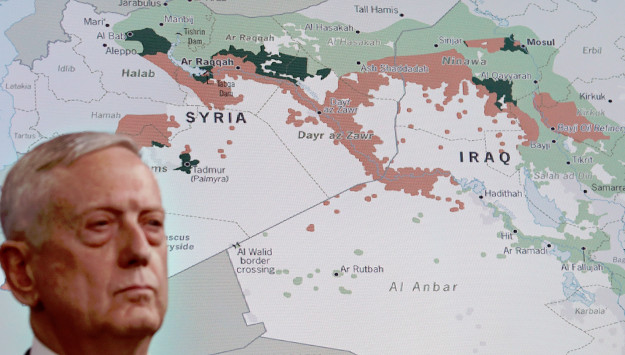
Iranian-led Afghan Shiite militia forces have made significant territorial gains in southeastern Syria and have reached the shared border between Syria and Iraq, the Iranian media reports.
Authorities in Iran Kill Four Individuals Allegedly Linked with Islamic State
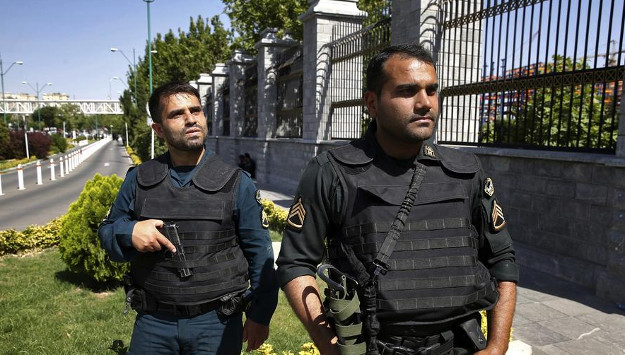
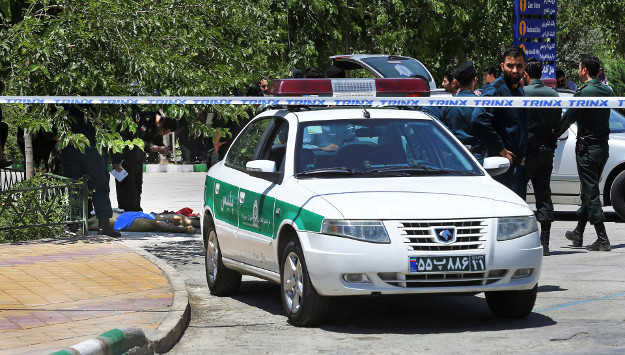
Iranian police forces have killed four individuals with alleged ties to the Islamic State in the southern province of Hormozgan, the Iranian media reported today. Azizollah Maleki, the provincial police chief, said an Islamic State flag, machine guns and explosives were also confiscated.
Iran Navy Commander: Iranian Warships to Continue Missions despite Regional Concerns
The commander of Iran’s Navy has accused the Gulf of Aden littoral states of attempting to disrupt the presence of Iranian naval flotillas in high seas, but he emphasized that the Iranian forces will continue their naval missions in the Gulf of Aden and in international waters beyond the region without paying attention to such “hostile” attempts.