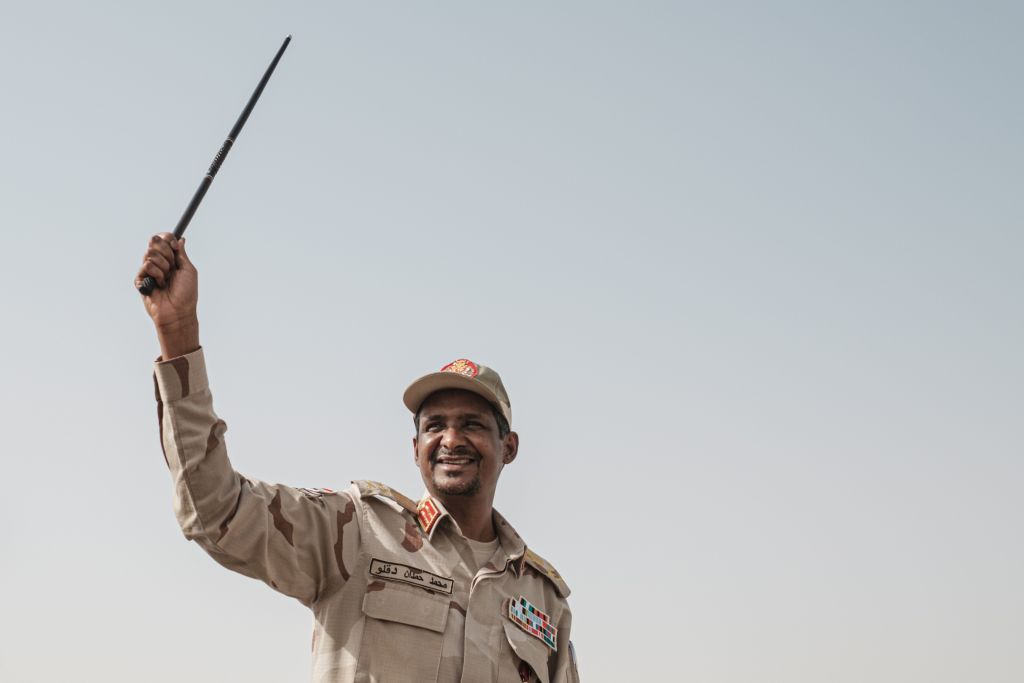
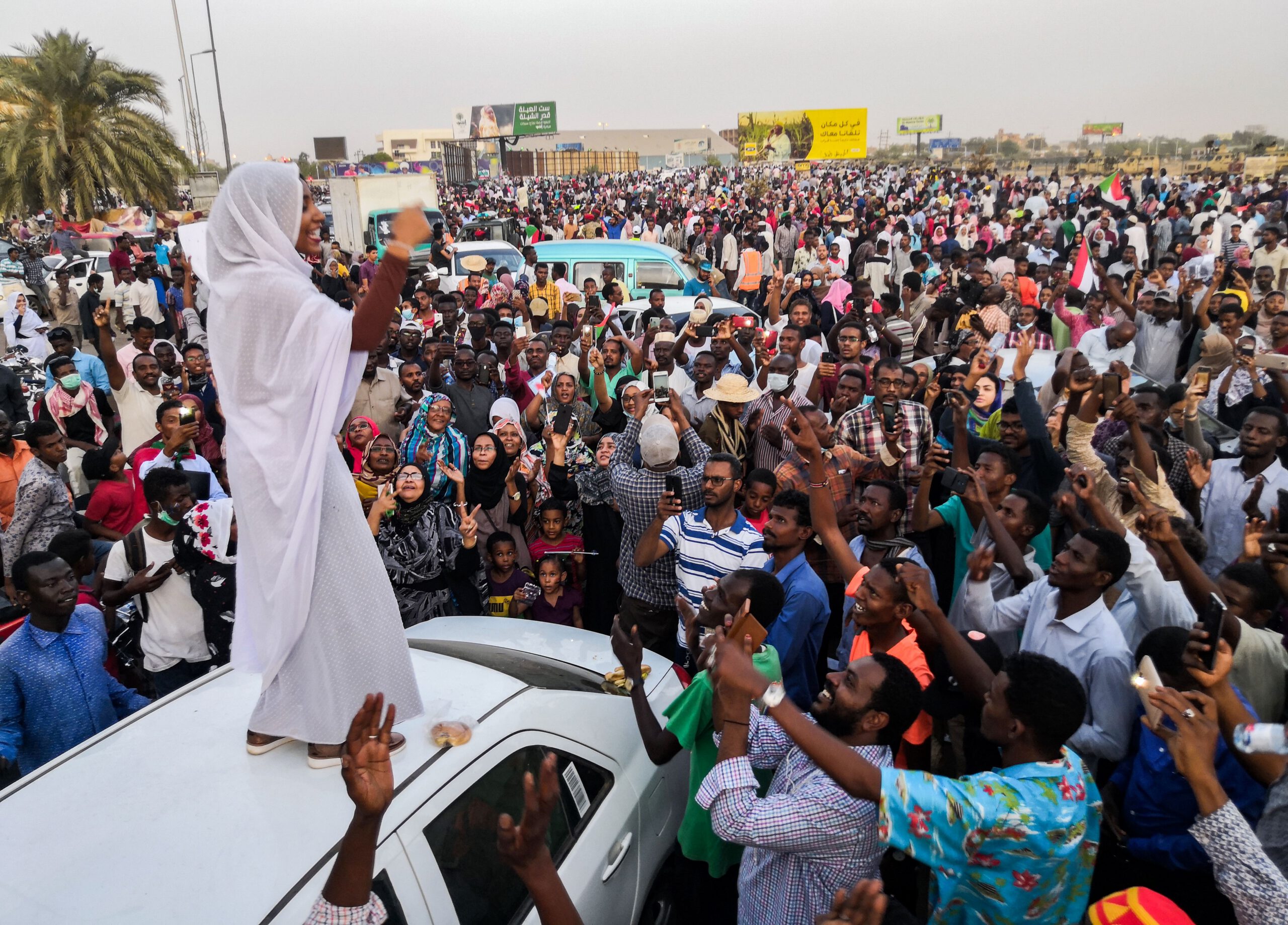
One hallmark of Sudan’s most recent protests has been the protestors’ fierce determination that the military not be their partner in the struggle for democratization. Some GCC states, however, are getting involved in Sudan, using their financial means to influence the country’s future. In doing so, they risk making it the Arab world’s next theater for intra-GCC rivalry.
Balancing local autonomy and national unity in Yemen
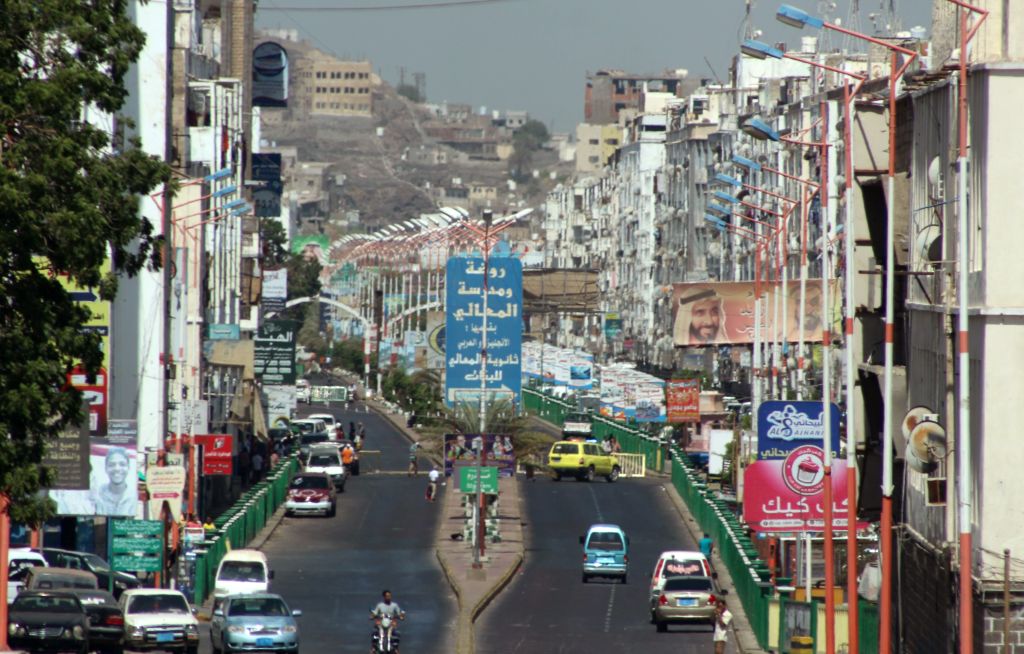
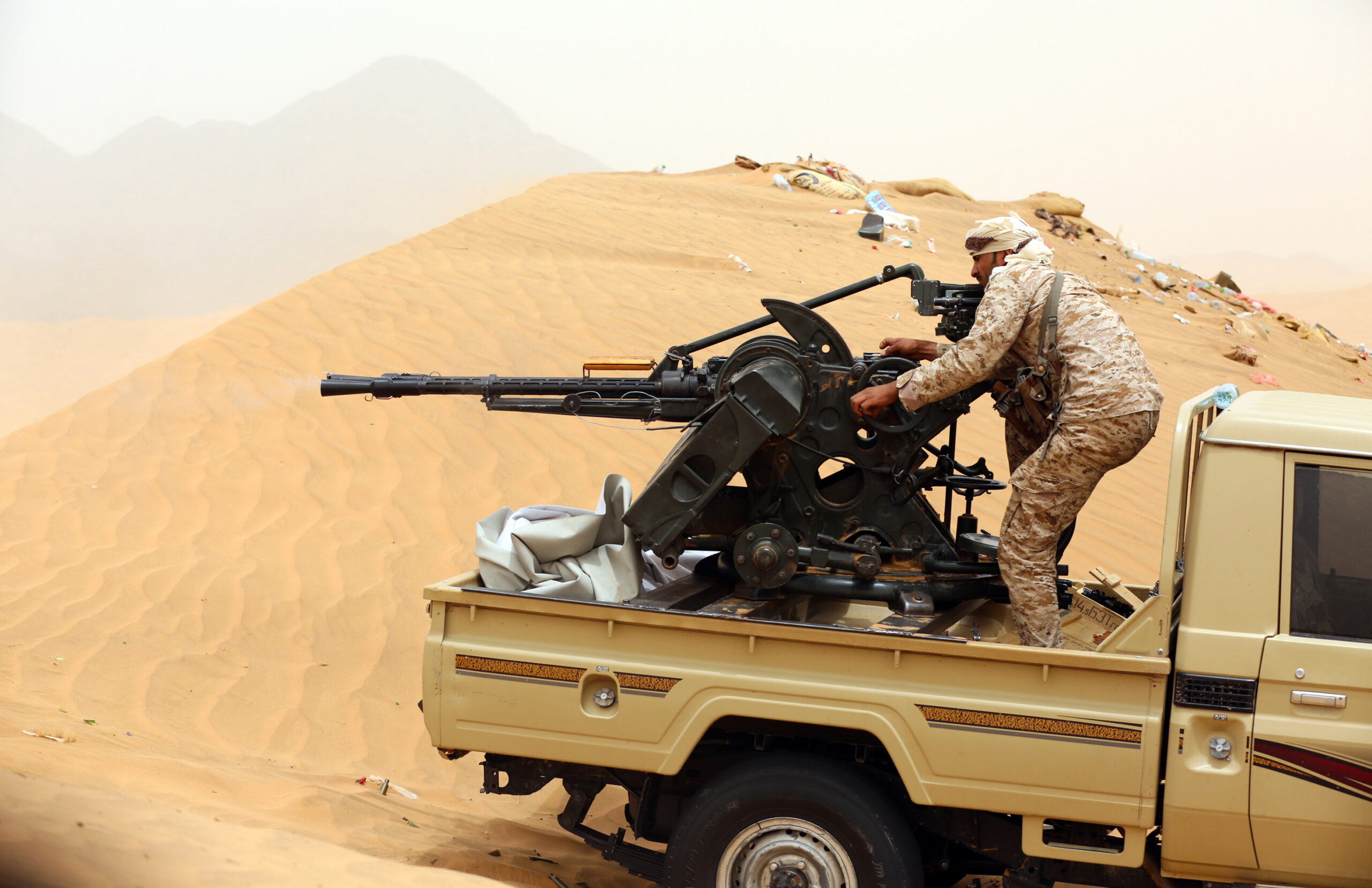
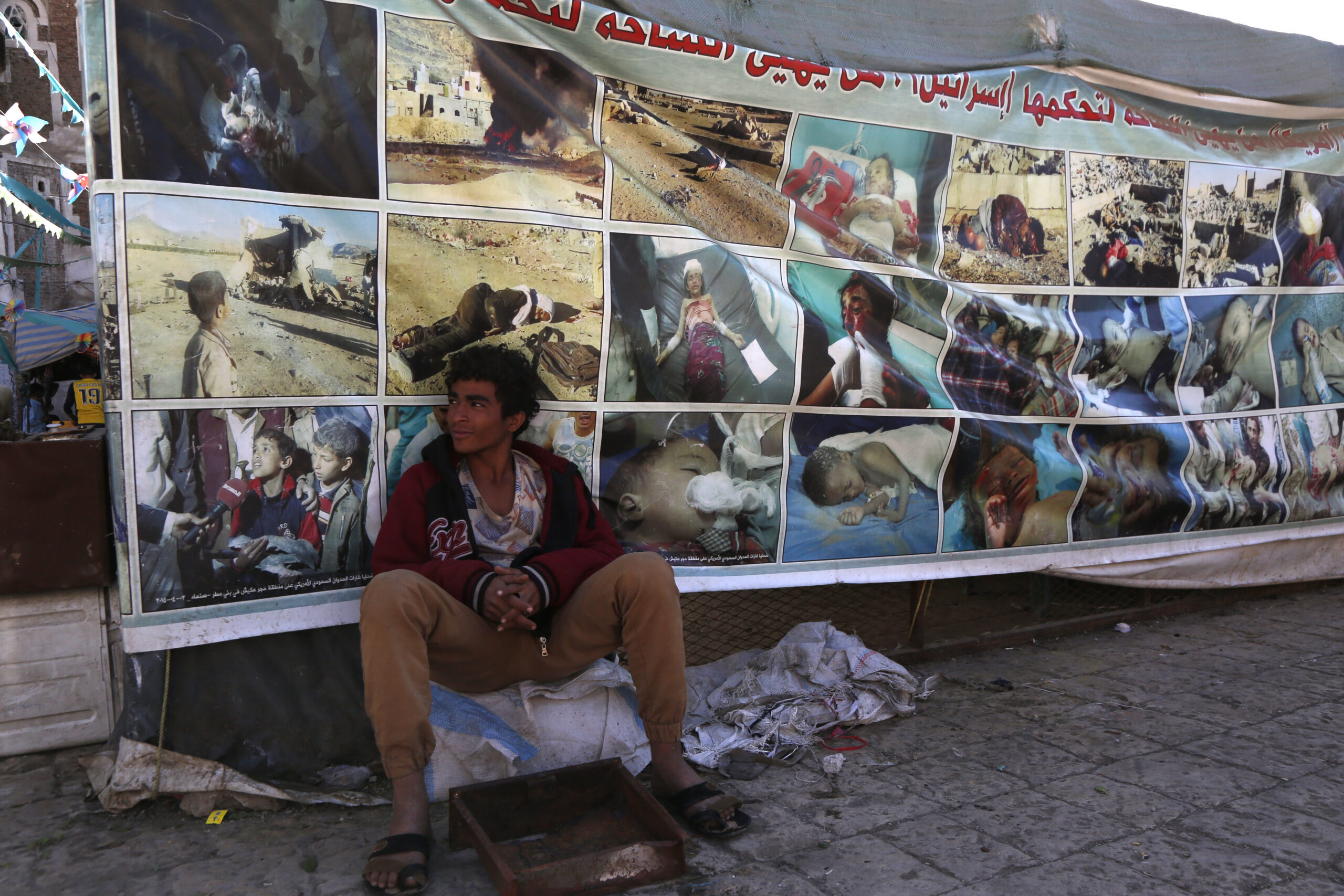
International attention on the Yemen conflict remains focused heavily on the humanitarian dimensions of the crisis, Saudi-Iranian competition for advantage there, and the UN’s fitful efforts to return the parties to the negotiating table. But another aspect of the conflict may have more significant long-term consequences for both Yemenis and the international community: the declining relevance of Sana’a at the center of a unified Yemeni state and the increasing local autonomy in large parts of the country.
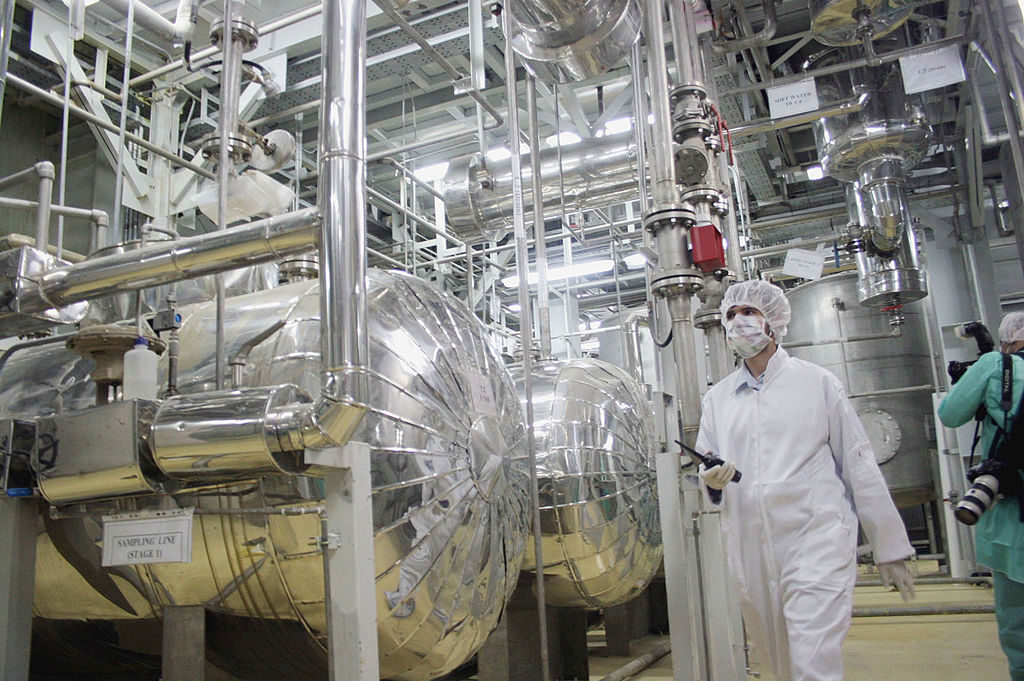
In this week’s Monday Briefing, MEI experts Alex Vatanka, Gonul Tol, Gerald Feierstein, Marvin G. Weinbaum, Rauf Mammadov, and Robert S. Ford provide analysis on recent and upcoming events including Iran’s announcement that it has exceeded its enriched uranium limit, Turkey’s purchase of Russia’s S-400s missile defense system over American objections, an Emirati announcement that it will downsize military involvement in Yemen, the resumption of intra-Afghan peace talks, Russia’s continuing embrace of OPEC+ oil production cuts, and the emergence of potential threats to Tunisia’s democracy.
Monday Briefing: Conflict is far from over in Syria
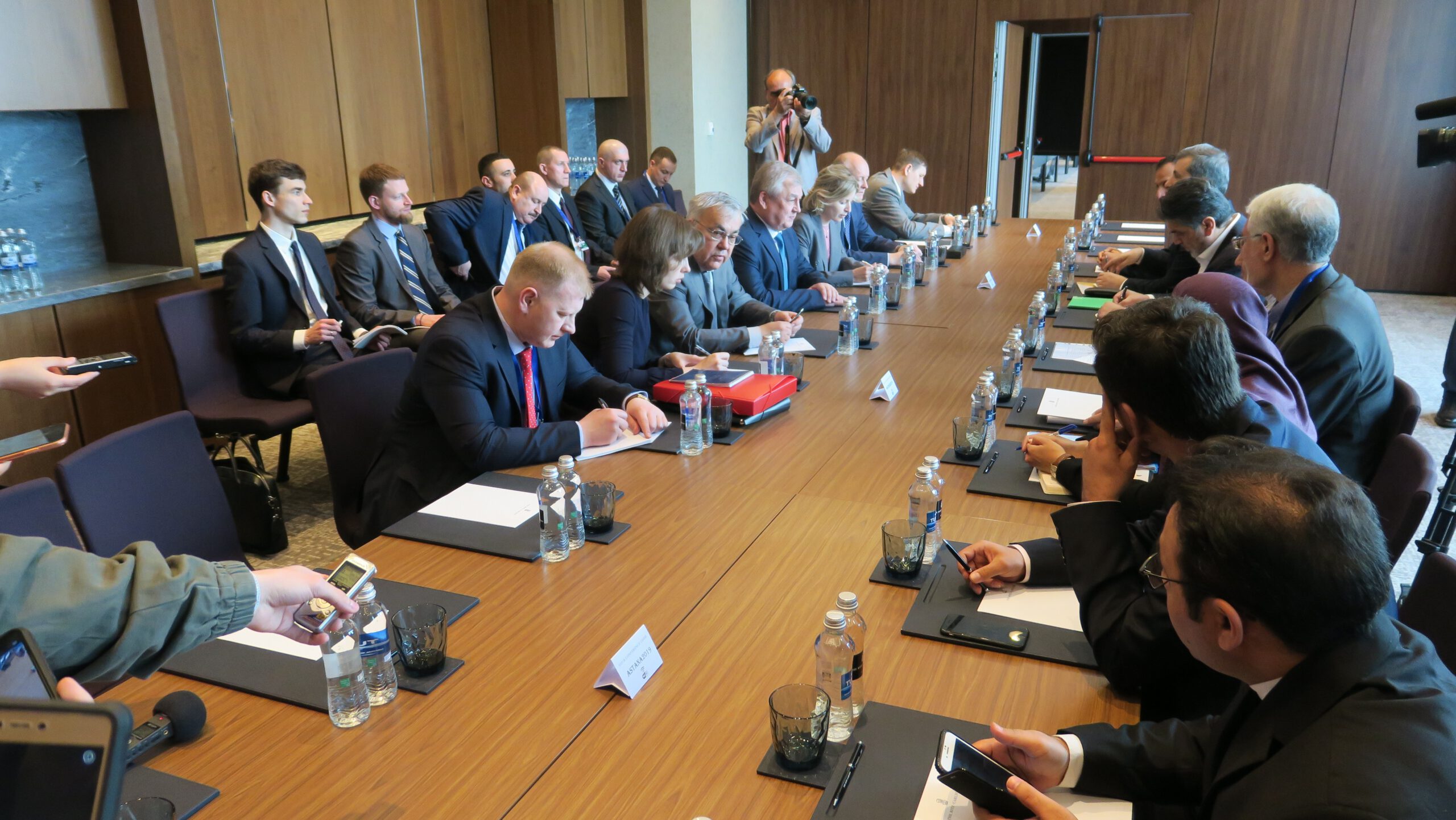
In this week’s Monday Briefing, contributors Charles Lister, Gerald Feierstein, Ruba Husari, Guney Yildiz, Mirette F. Mabrouk, and John Calabrese provide analysis on recent and upcoming events including the failure of the twelfth rounds of Syria peace talks in Astana, negotiations over Yemen’s strategic port of Hodeida, a new report on Iraq’s oil production potential, ongoing US-Turkey talks about a buffer zone in Syria, Egypt’s recently passed constitutional amendments, and Beijing’s second Belt and Road Forum.
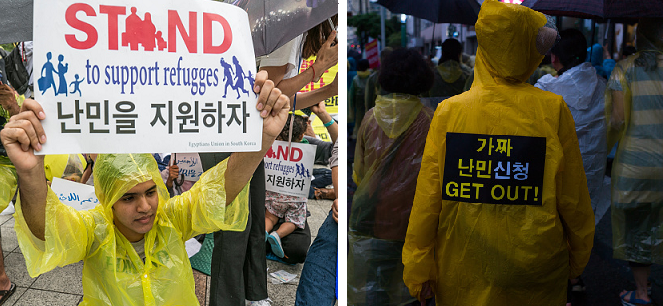
South Korea’s experience with the current global refugee crisis began in 2018 with the arrival of around 550 Yemeni citizens on Jeju Island using the visa-free entry system. Before even developing a clear understanding of the asylum applicants, much of the Korean public hastily leaped to fearful conclusions about the new arrivals inspired by Europe’s experience with Islamic terrorism and populist anti-refugee rhetoric found in other countries. The impact of this discourse has brought significant attention and public concern regarding Muslim refugees in Korea. This article examines the Korean debate over accepting Yemeni refugees by detailing how the Korean public and government have responded since 2018. It traces the arrival of Yemeni refugees, how different Korean groups reacted, and concludes with a discussion of what efforts are needed to resolve the dispute.
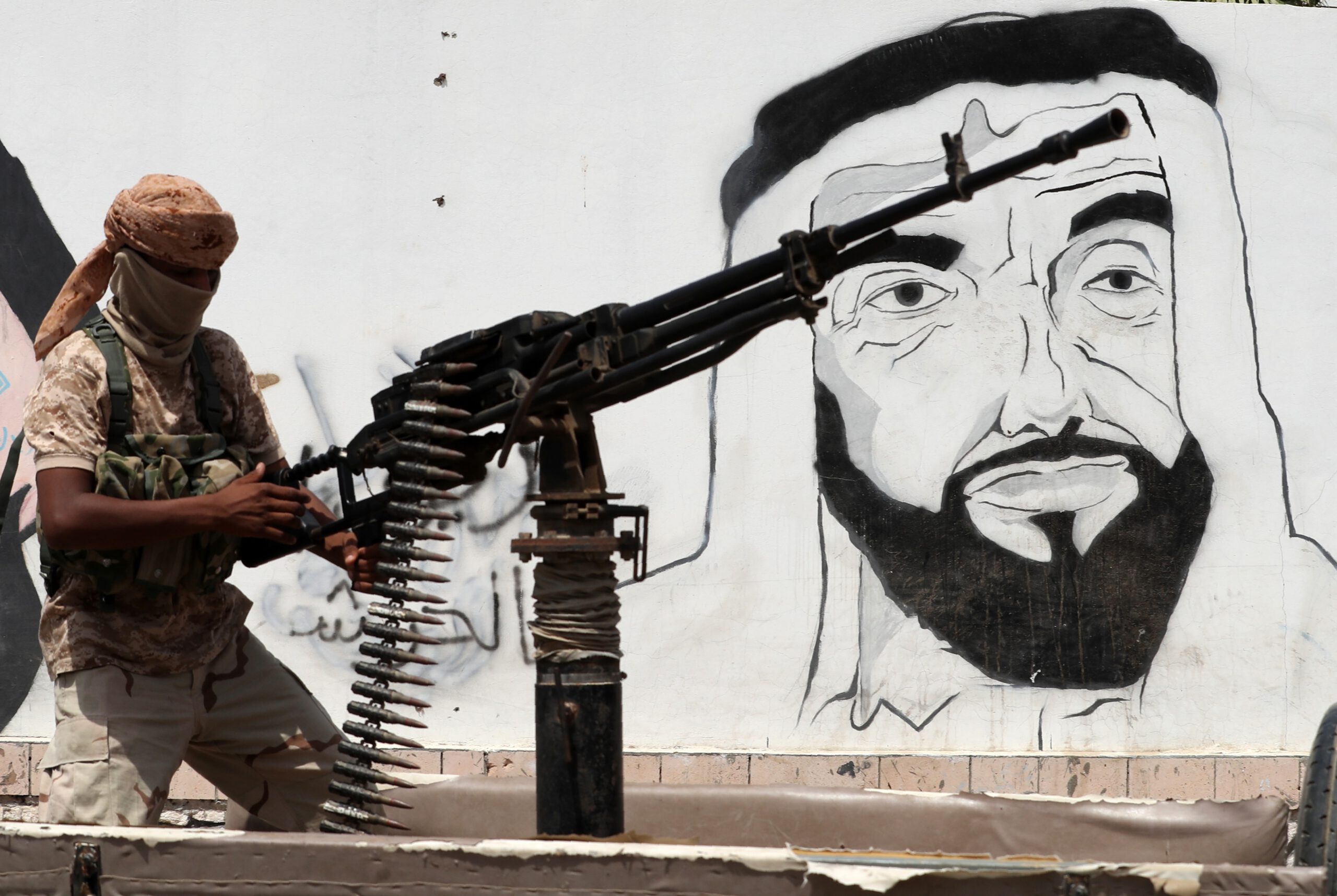
Yemen’s strategic and oil-rich eastern governorate of Hadramawt stands at a critical turning point, as feuds between competing political and military groups are coming to a head. While the UAE and Saudi Arabia are likely to reach a political compromise, local political groups and militias may not so agreeable.
Monday Briefing: New Arab uprisings echo earlier revolts
In this week’s Monday Briefing, MEI experts Paul Salem, Jonathan M. Winer, Robert S. Ford, Mirette F. Mabrouk, and Charles Schmitz provide analysis on recent and upcoming events including the current uprisings in Algeria and Sudan, General Hifter’s effort to take Tripoli, the hirak protest movement in Algeria, the strategic partnership between Egypt and the U.S., and cracks in the coalition of President Hadi in Yemen.
The ongoing civil conflict in Yemen is a continuation of a cycle of violence, political upheaval, and institutional collapse, caused by the failure of Yemeni society to address and resolve the popular anger and frustration arising from political marginalization, economic disenfranchisement, and the effects of an extractive, corrupt, rentier state.
The Global and Regional Geopolitics of Civil War in the Middle East
Power dynamics between the major global and regional powers have indirectly influenced the civil wars currently plaguing the Middle East. The distribution of power caused by end of the Cold War facilitated the creation of two opposing camps that later competed for regional primacy in the civil wars of Iraq, Syria, and Yemen.
In our first episode of 2019, MEI experts Paul Salem, Charles Lister, Ahmad Majidyar, Randa Slim, Gonul Tol, Robert Pearson, and Gerald Feierstein discuss the significant policy developments and announcements of the past few weeks and outline the major issues to watch in the year ahead.
In our final episode of the year, host Alistair Taylor interviews several MEI scholars on the key events that transpired across the Middle East in 2018 including in the Gulf, Iran, Turkey, and Afghanistan. Guests include Paul Salem, Gerald Feierstein, Alex Vatanka, Gonul Tol, and Ahmad Majidyar.
In this week’s Monday Briefing, MEI experts discuss recent and upcoming events including the coming changes in Trump’s administration, Iran’s hesitation in the US-China battle over Huawei , the ongoing Sweden talks on Yemen, results of the latest GCC summit, and questions over the legitimacy of the Afghan elections.
Restoring security and stability in Yemen is going to be a long-term process. Successful peace negotiations — including a ceasefire and confidence-building measures — can only be a first step toward that broader objective.