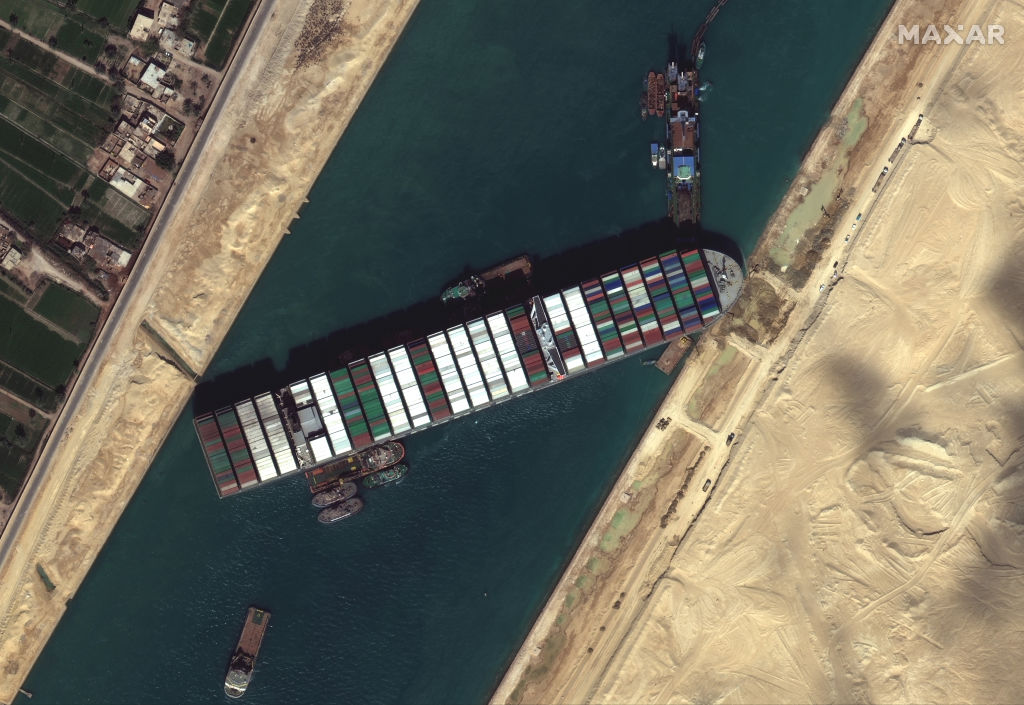
Monday Briefing | Egypt: Misfortunes never come singly
اقرأ تقرير MEI الأسبوعي الذي يتضمن تحليلات الخبراء للتطورات الإقليمية الرئيسية للأسبوع المقبل.
“من غير المرجح حدوث تقارب، ما لم ير المصريون تقدمًا فيما يتعلق بالقضايا التي يعتبرونها إشكالية، لا سيما ليبيا وشرق البحر المتوسط”.
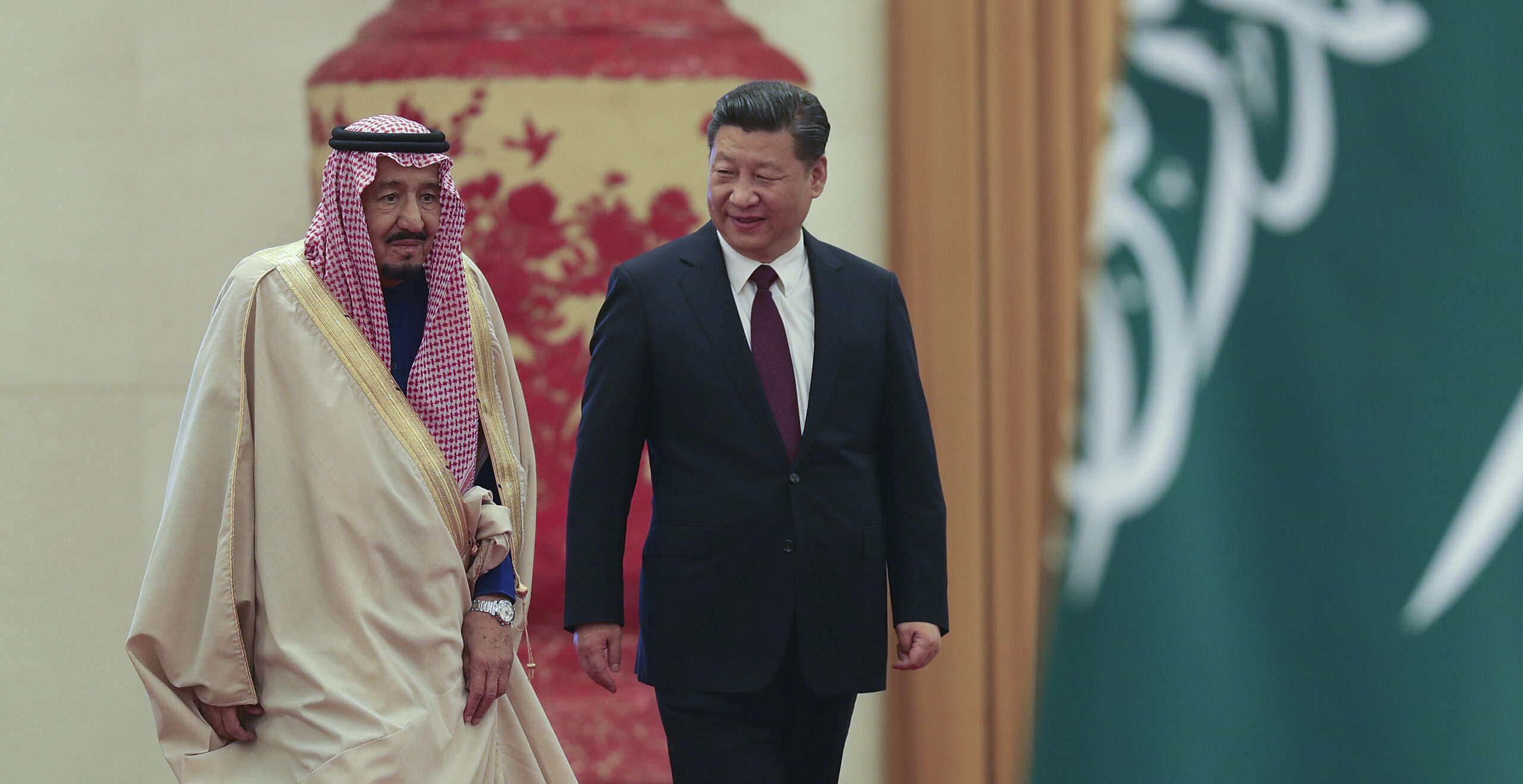
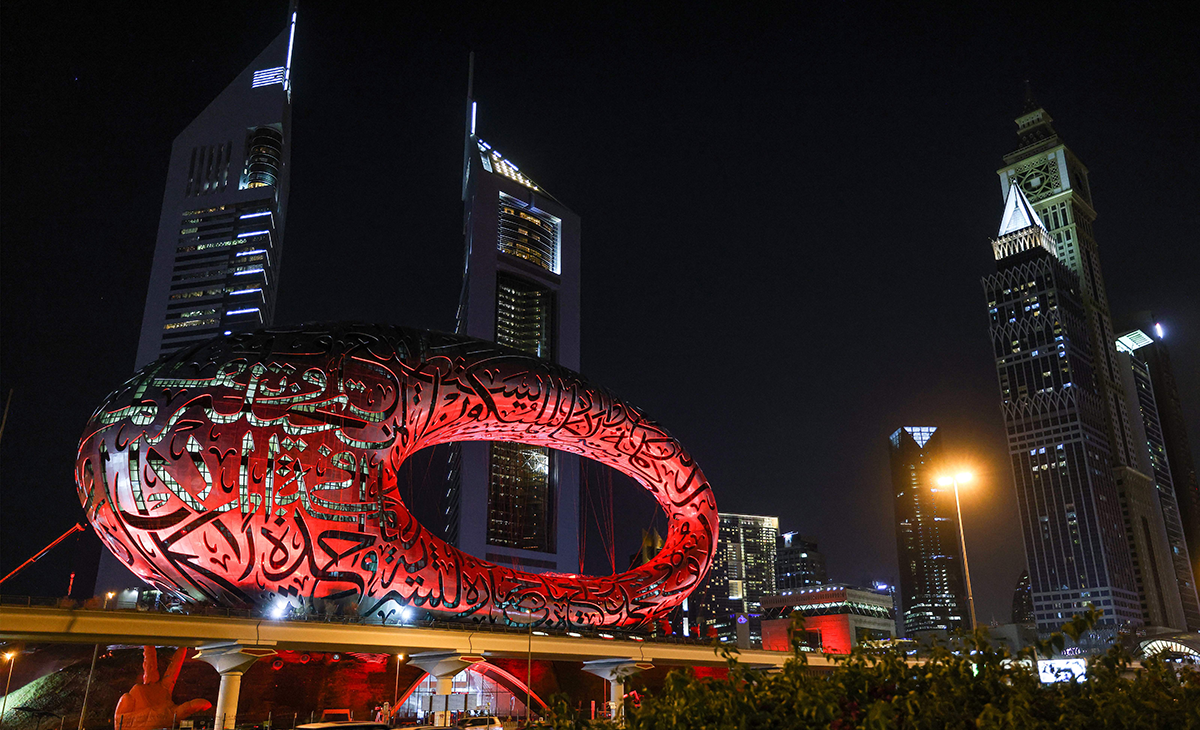
Around the world, leaders are scrambling to define their strategy for dealing with the inevitable U.S.-China cold war to come, and the Gulf is no exception. Considering the different objectives and perspectives that the region has in regard to the two superpowers, any misstep in forming alliances could be detrimental to its future.
اقرأ تقرير MEI الأسبوعي الذي يتضمن تحليلات الخبراء للتطورات الإقليمية الرئيسية للأسبوع المقبل.
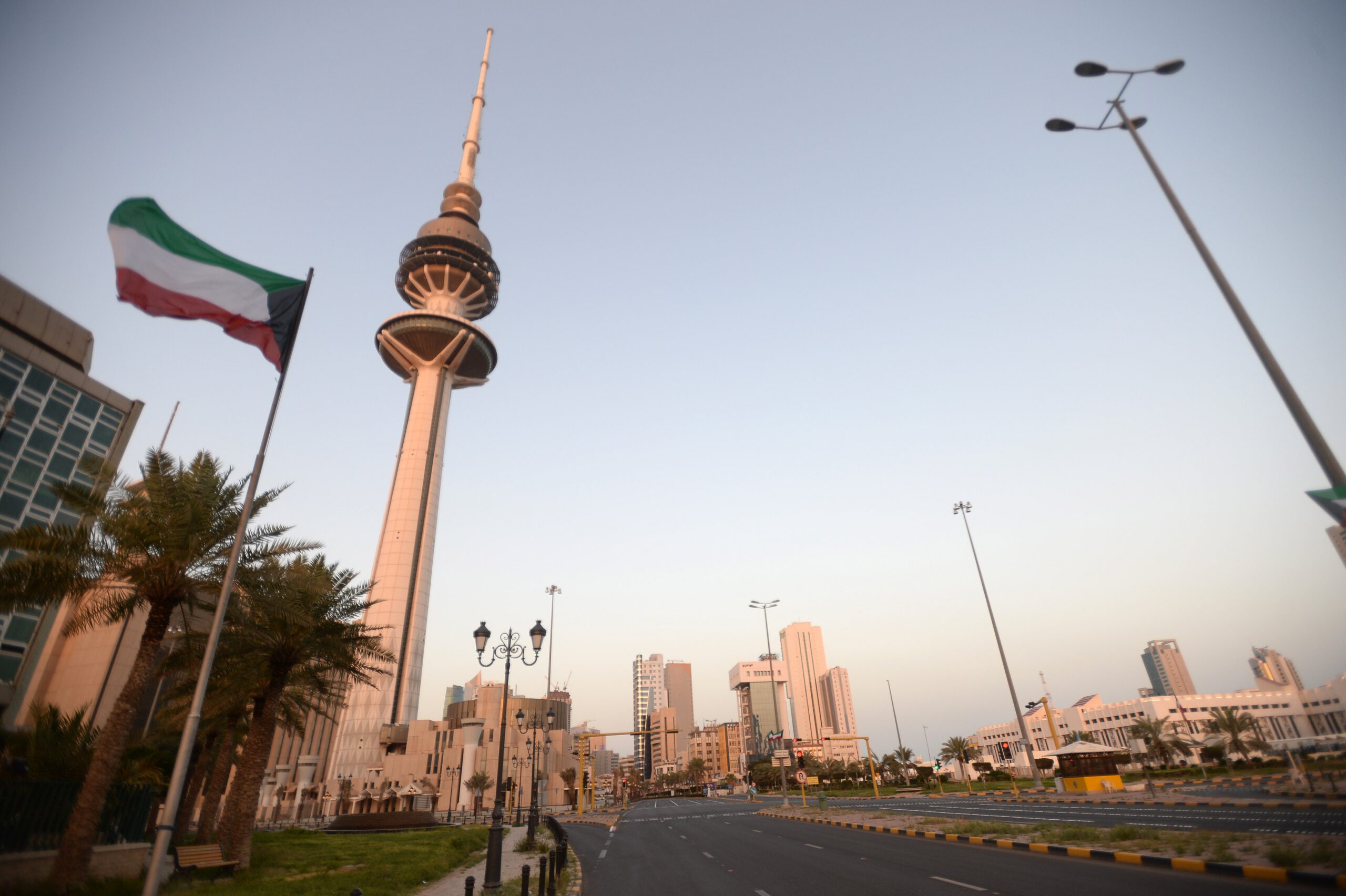
Kuwait is stuck in a major predicament. The government continues to engage in significant deficit spending, even as its readily available funds dwindle, while political gridlock limits the government’s ability to replace those shrinking financial resources.
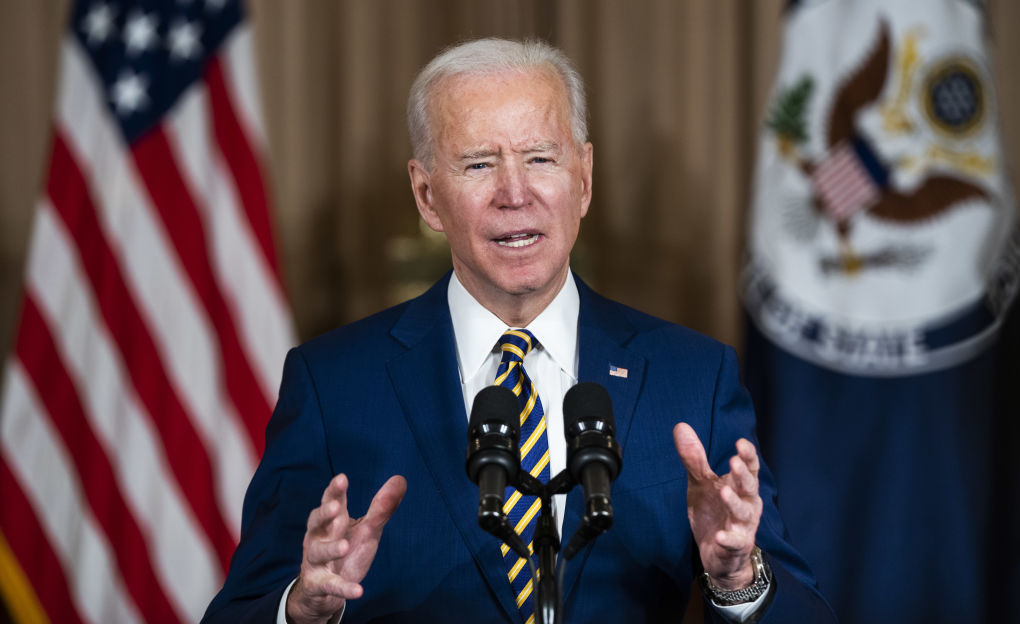
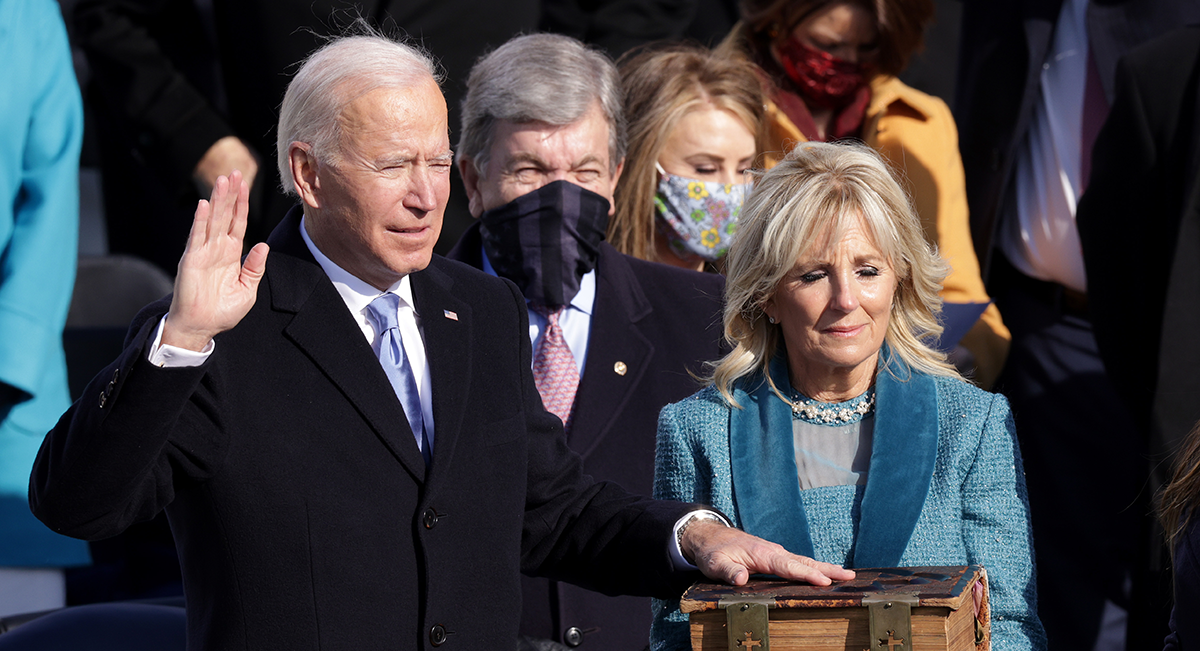
In a new policy briefing book, entitled The Biden Administration and the Middle East: Policy Recommendations for a Sustainable Way Forward, MEI scholars tackle a large number of country-specific and region-wide issue areas, laying out both the abiding U.S. interests and specific recommendations for Biden administration policies that can further U.S. interests amid a region in turmoil.
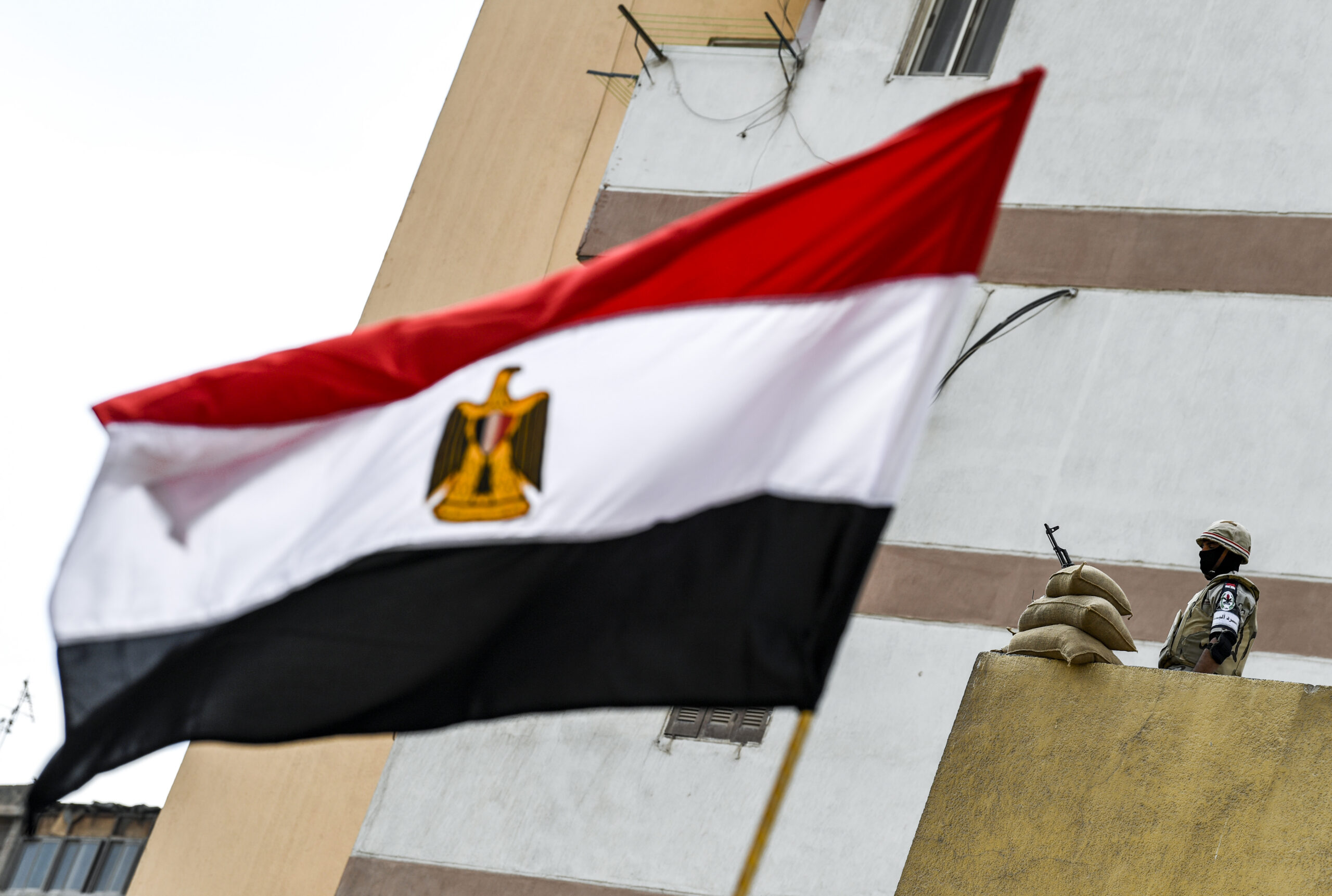
Thinking out of the box means recognizing that the old paradigm of scapegoating Israel undermines Egyptian national security interests.
Sahar Khamis, Sabina Henneberg, Karam Shaar, and Ibrahim Jalal join host Alistair Taylor to examine the legacy and impact of the Arab Spring in Tunisia, Egypt, Yemen, and Syria ten years after the uprisings began.
Ongoing conflicts in Syria, Libya, and Yemen are expected to continue to destabilize the Middle East and North Africa (MENA) in 2021. However, technology will likely add another layer of complexity to these conflicts and reshape the region throughout the 2020s. When the Arab Spring began a decade ago, the biggest challenge facing long-standing Arab autocrats was grappling with the power of social media and the rise of online political opposition by tech-savvy millennial activists. In the 2020s, however, regional governments are now facing a new set of emerging technologies that will shape not only domestic politics but also regional geopolitical dynamics. These advancing technologies include: drone, cyber, and space technologies.
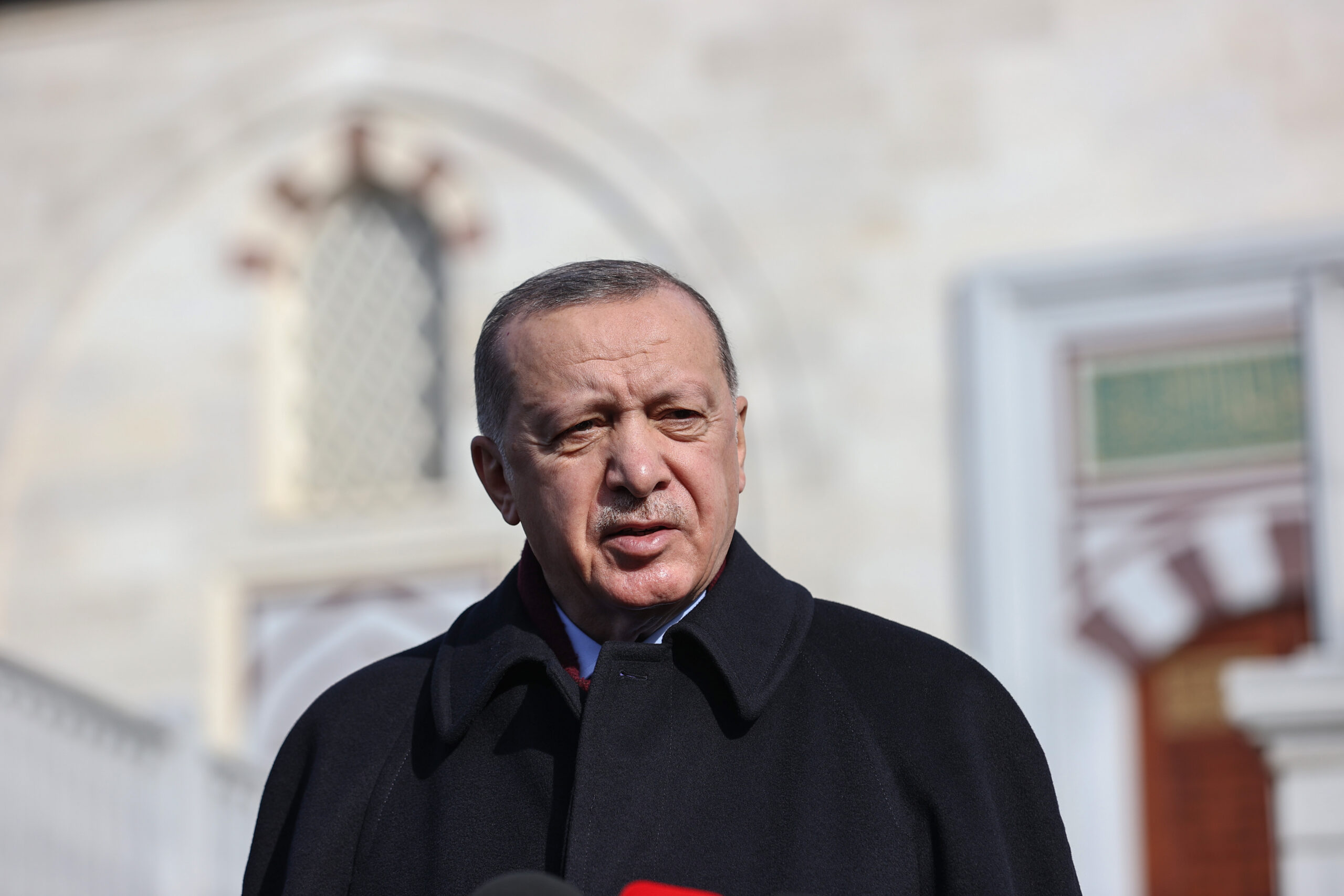
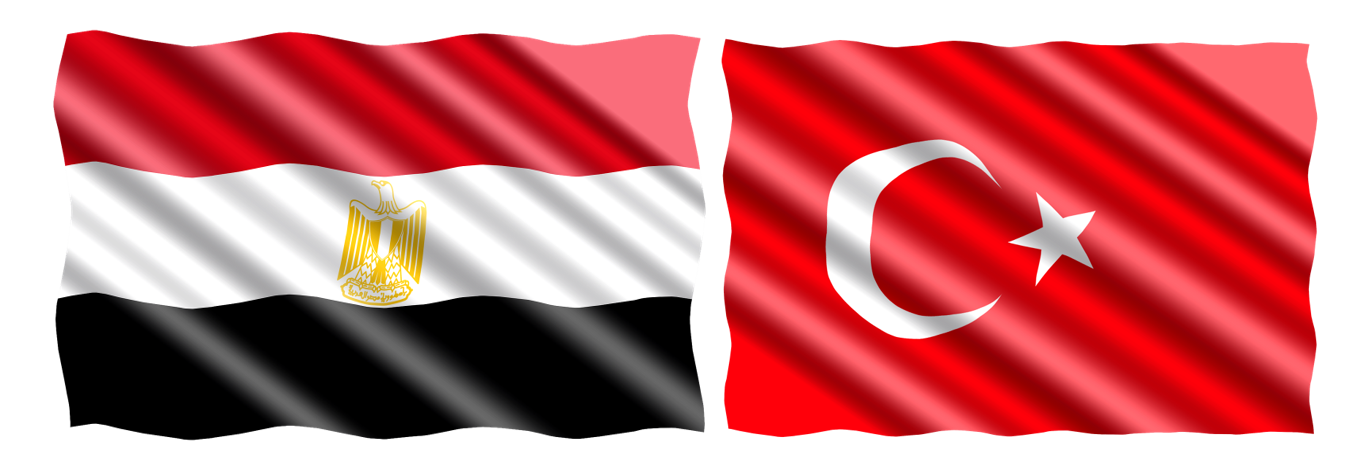
Dr. Marwa Maziad discusses the relationship between Turkey and Egypt over the long term, analyzing the causes and effects of the divergent approaches to domestic and regional politics held presently by the respective Turkish and Egyptian presidents.
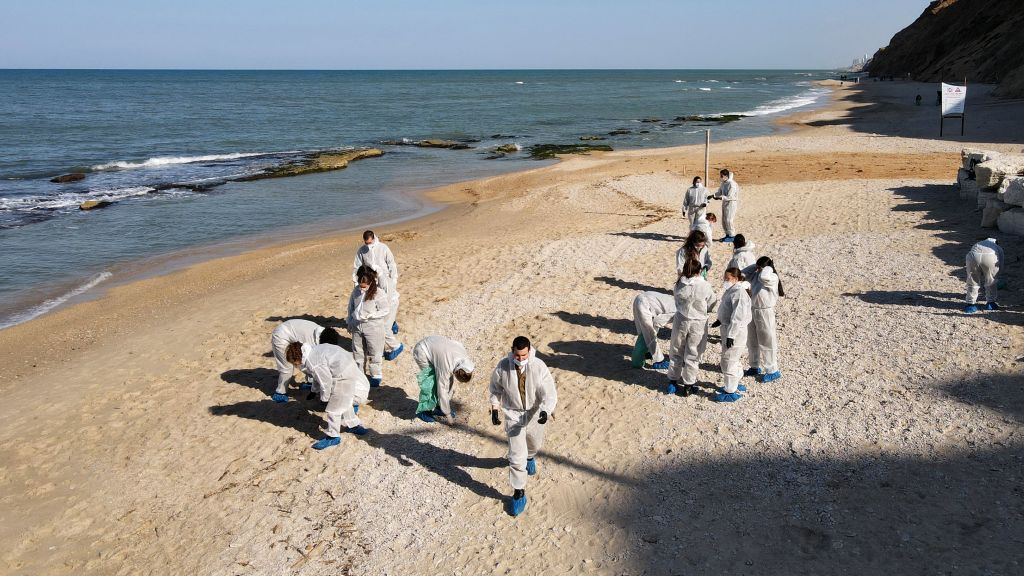
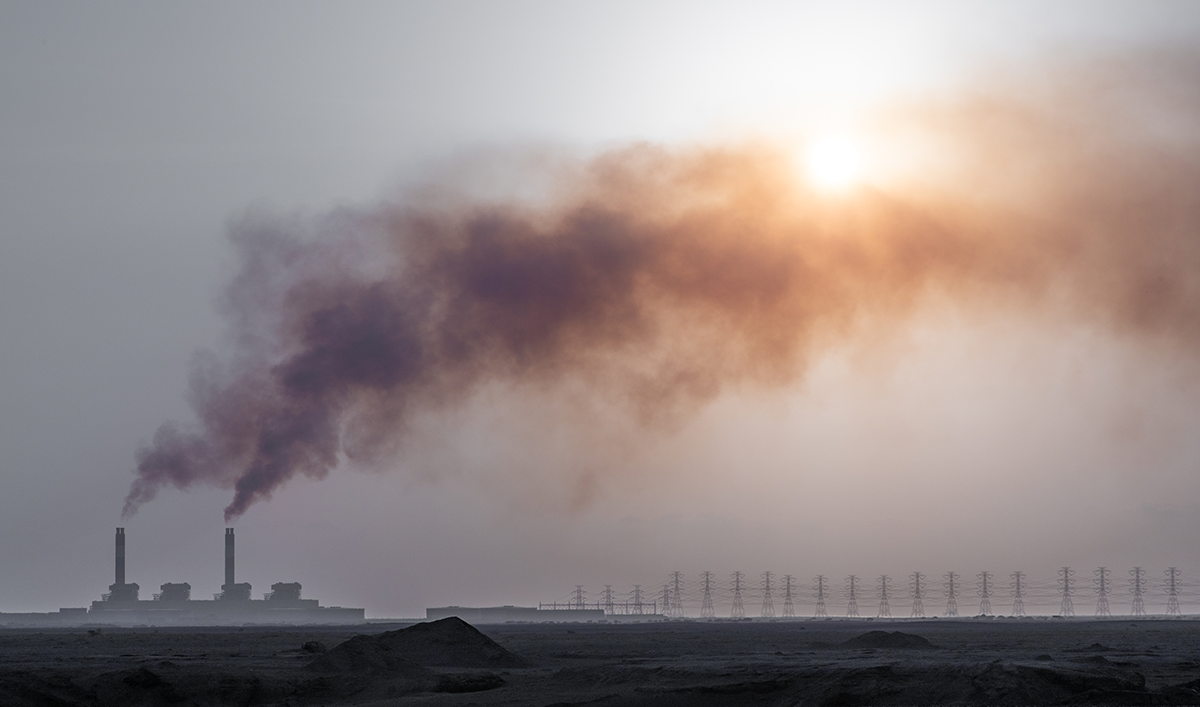
When it comes to the Persian Gulf, saving the environment might seem like it would be the last item on the to-do lists of the region’s Iranian and Arab rivals. It is an urgent matter, however — and one that could help turn these foes into friends. The United States can play an important role in this: It has helped the region to resolve conflicts over water in the past, and it could do so again.
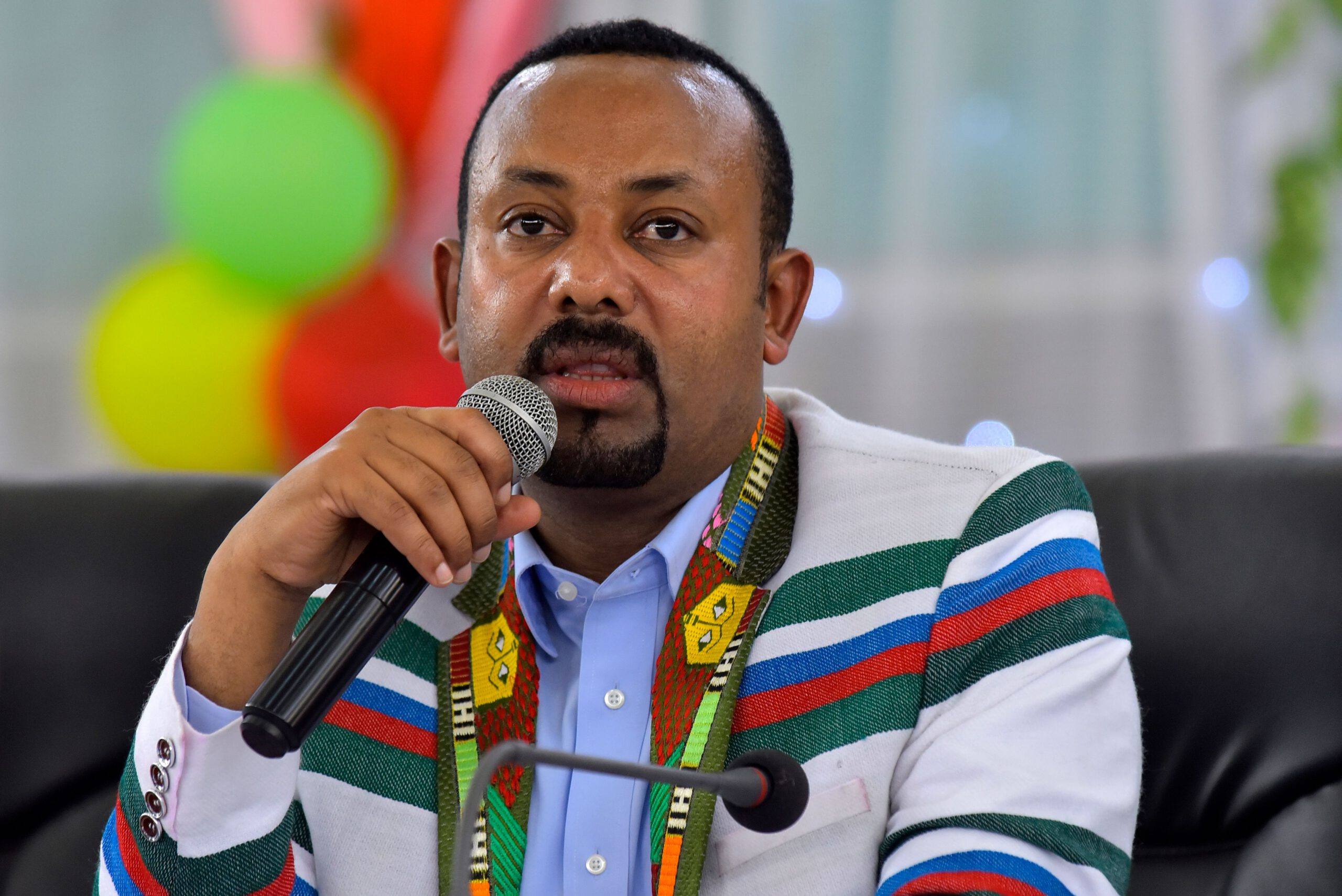
In Egypt, Ethiopia, and Sudan, coverage of negotiations around the Grand Ethiopian Renaissance Dam (GERD) has tended to consistently be in the news over the past few years. The events of the last few weeks, however, have easily pushed GERD talks to the side. On Nov. 4, 2020, Ethiopian federal government forces started pounding the Tigray region, one of 10 semiautonomous regions in the country, after Prime Minister Abiy Ahmed accused the Tigray People’s Liberation Front (TPLF) of attacking a federal base. Relations had been disintegrating after Abiy cancelled elections, due to COVID, that would have marked the end of his term. While most of Ethiopia’s ethnic minorities took umbrage, the TPLF went a step further by holding their own elections, the results of which were declared null and void by the federal government.
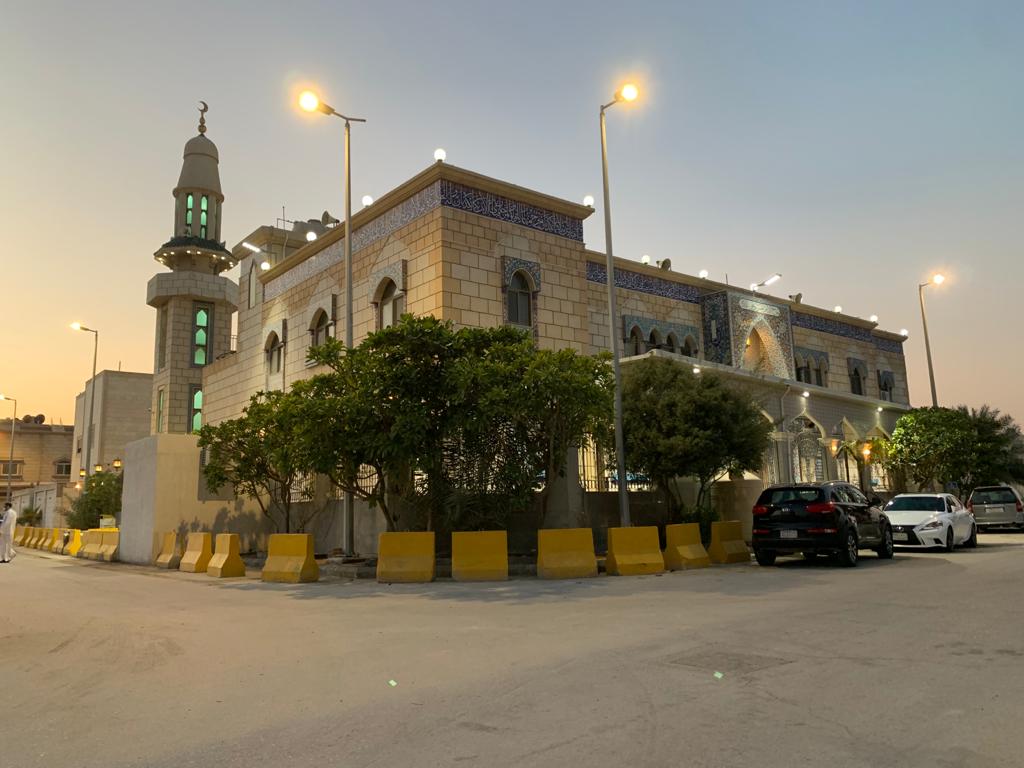
This paper looks at the political implications of the relationship between Shi’a in the Gulf states and Iranian marj‘as, the historical background to these ties, and Gulf states’ concerns surrounding the outflow to Iran of religious taxes. In some Gulf countries, these issues are tied to concerns about the loyalty of Shi’a to the nation. The authors argue that the emergence of a marj‘a who would be based in one of the Gulf states could quell these concerns.The authors identify potential marj‘as from the region and steps that Gulf states must take so that their Shi’a citizens will shift their allegiance from foreign-based marj‘as to domestically based ones.
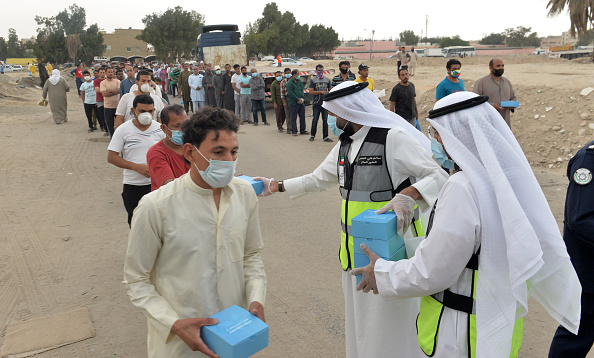
This article discusses Kuwait’s response to COVID-19 against the backdrop of two longstanding conceptions in the country about the role and position of non-citizens, particularly that of low-wage migrant workers. It recounts the efforts of the country’s small but vibrant civil society sector to respond to the pandemic-related needs of blue-collar migrant workers by approaching them as equal partners in solving shared challenges.