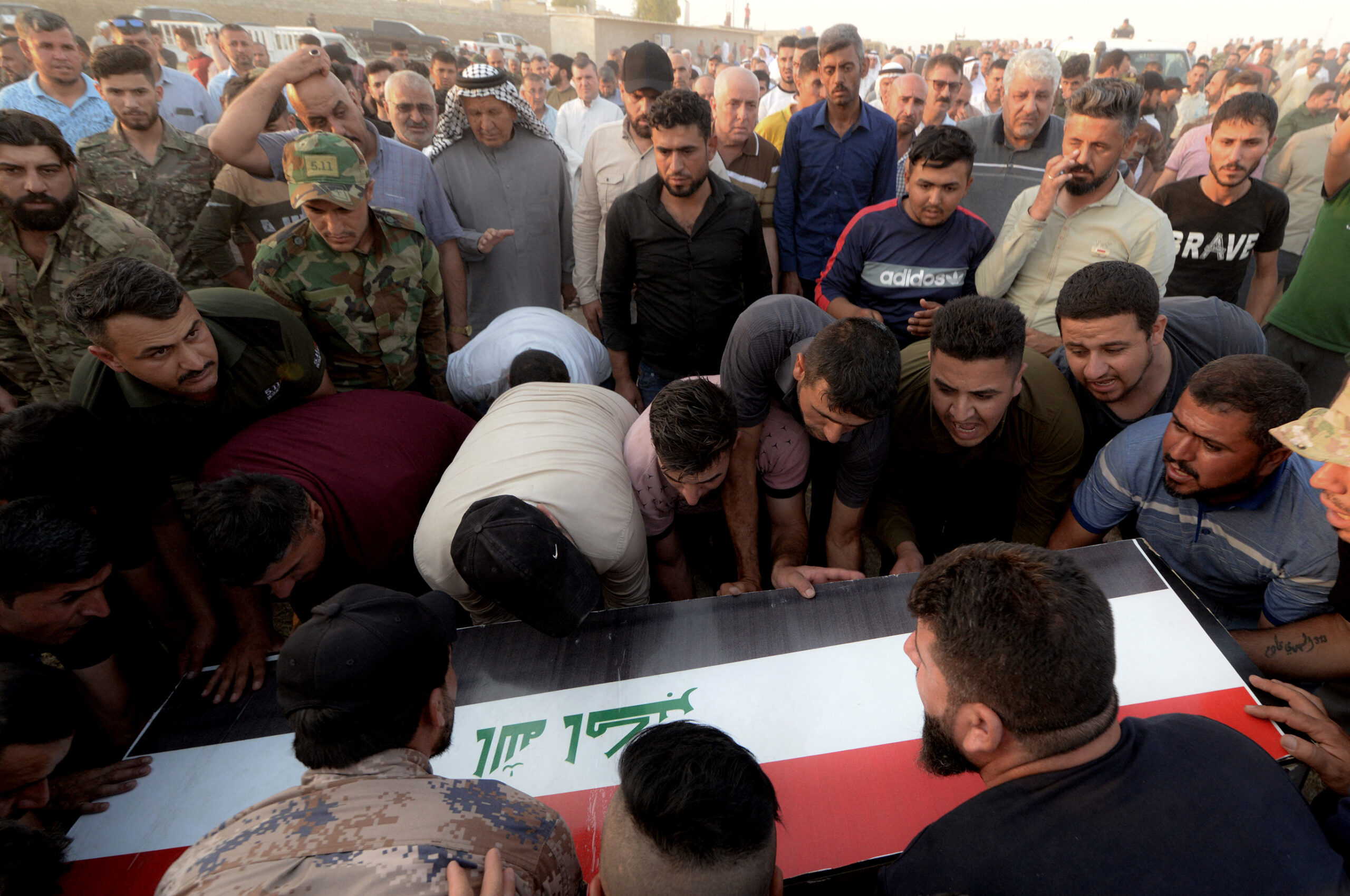
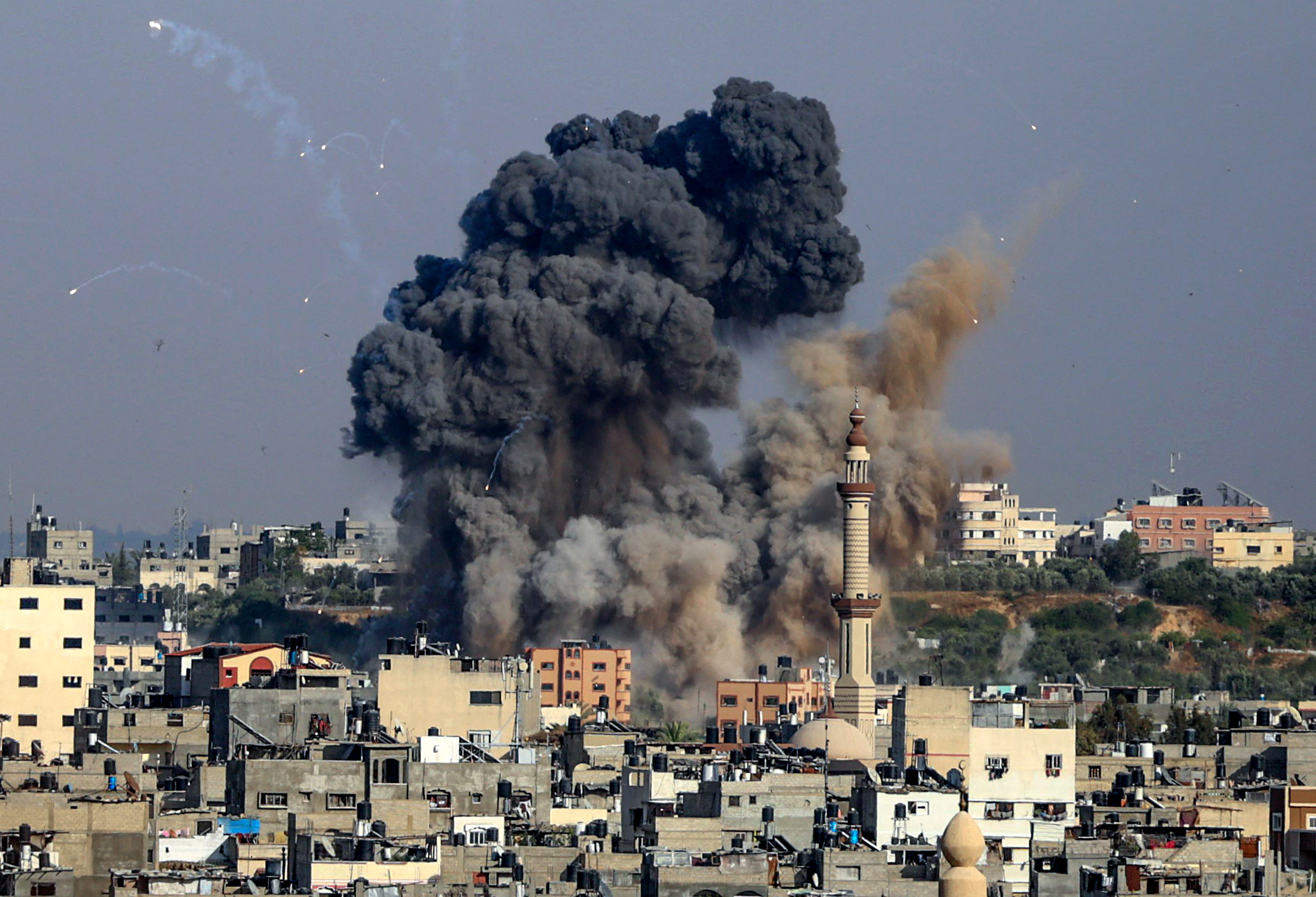
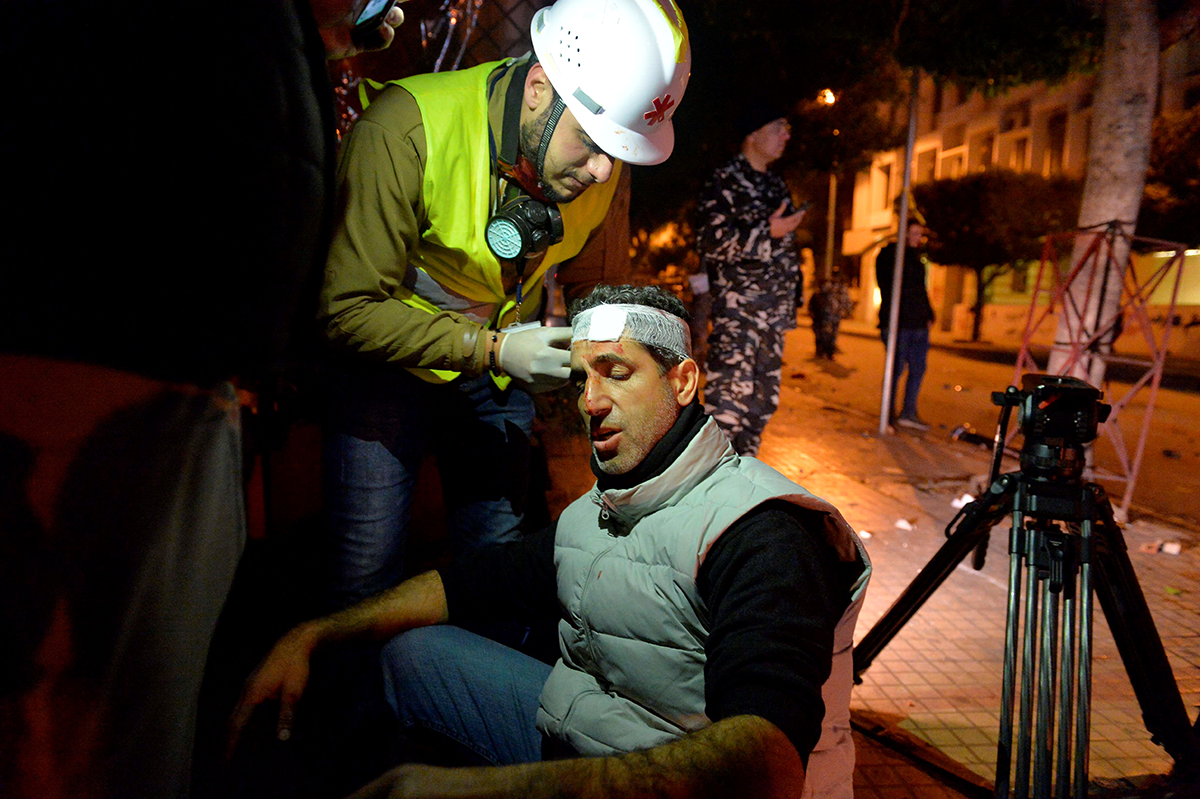
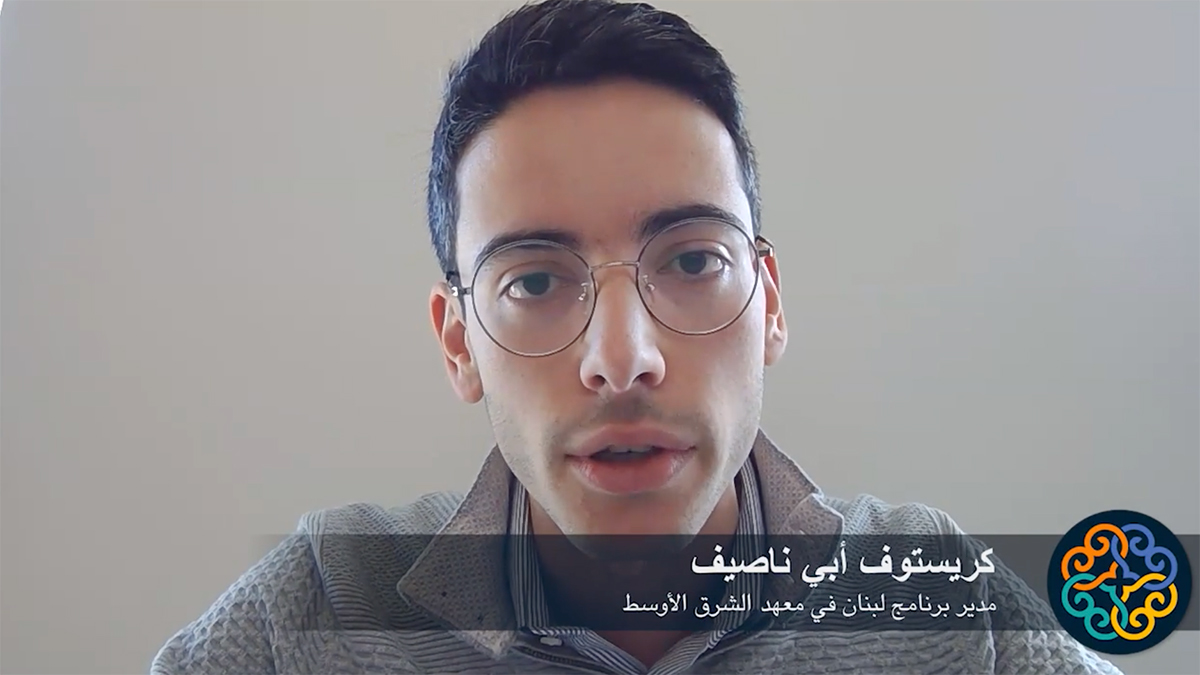
On August 4, 2020, a cache of improperly stored ammonium nitrate caused a devastating blast in the port of Beirut. Chris Abi-Nassif, Mona Fawaz, and Aya Majzoub join host Alistair Taylor to discuss the investigation into the blast, the reconstruction process, and the political, economic, and social impact in Lebanon.
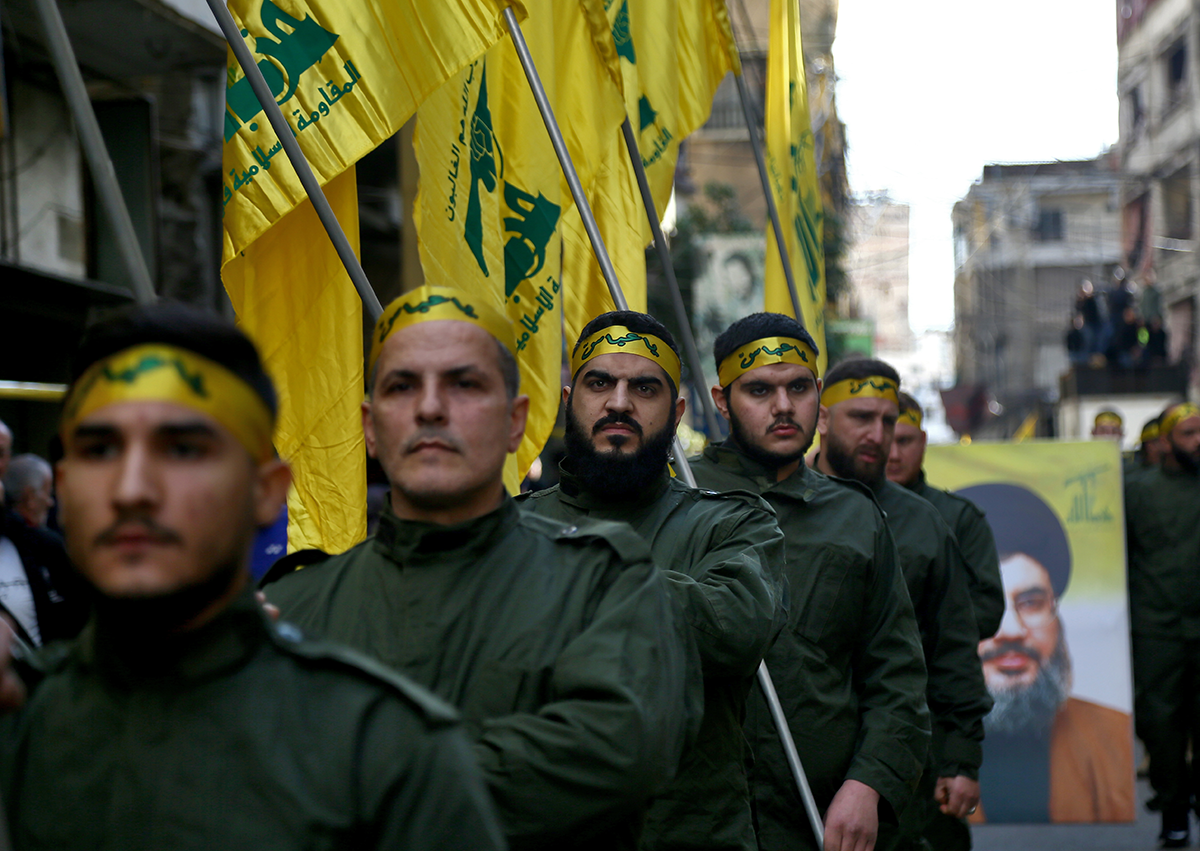
Hezbollah’s Regional Activities in Support of Iran’s Proxy Networks
As a Lebanese actor ideologically tied to Iran, Hezbollah has multiple allegiances and objectives that do not always align symmetrically. Hezbollah’s regional activities are a reflection of the group’s increasingly close alignment with Iran, rather than the interests of the Lebanese state or citizenry. Today, Hezbollah’s regional adventurism is most pronounced in its expeditionary forces deployed in Syria and elsewhere in the region, but no less important are the group’s advanced training regimen for other Shi’a militias aligned with Iran, its expansive illicit financing activities across the region, and its procurement, intelligence, cyber, and disinformation activities. Together, these underscore the scale and scope of the group’s all-in approach to transforming from one of several Lebanese militias into a regional player acting at Iran’s behest.
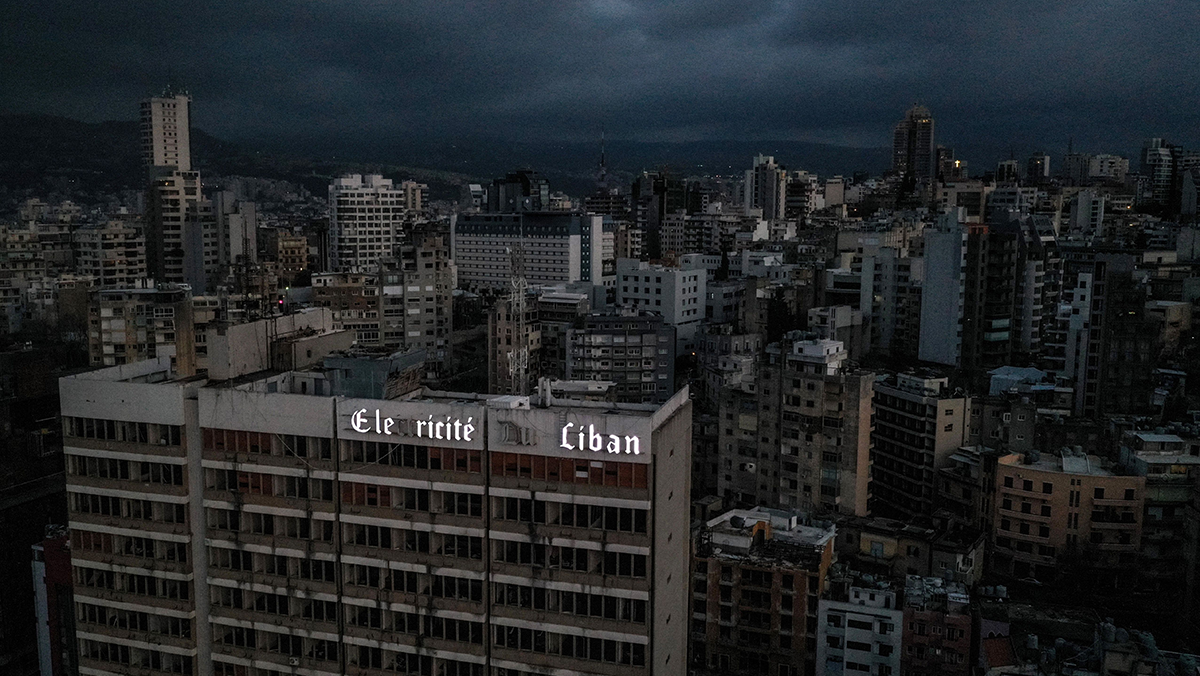
Mitigating the darkest hour: Lebanon’s struggle for power
Lebanon is steadily plunging into total darkness. Decades of political bickering, weak governance, and vested interests have taken their toll on the power sector and are developing into economic and humanitarian crises. A long-term strategy focused on improving the sector’s governance is needed. In the short term, however, immediate actions such as distributed renewable energy and out-of-the-box financing mechanisms should be taken to avoid the darkest hour.
It's Now or Never: Lebanon Policy Conference Key Takeaways
Over the course of two weeks in May and June, the Middle East Institute hosted its inaugural Lebanon policy conference in collaboration with the American Task Force on Lebanon (ATFL) and LIFE. This series of events brought together leading diplomats, policymakers, economists, development practitioners, and think tank professionals from the U.S., Europe, the Middle East, and Lebanon to discuss the urgency and viable paths forward for the country’s political, financial, and humanitarian crises.
Hanin Ghaddar and Kasra Aarabi join host Alistair Taylor to discuss the challenges Hezbollah poses to the region and its key role in Iran’s proxy network, which spans from Iraq to Syria and Lebanon to Yemen.
“Death by a thousand cuts”: Syrian refugees face dire conditions as Lebanon unravels
Syrian refugees in Lebanon are now in a state of legal limbo and have been pushed further to the margins of society and into the arms of smugglers and profiteers as they, along with most Lebanese, desperately try to survive in a country described by one of its own political leaders as a sinking ship.
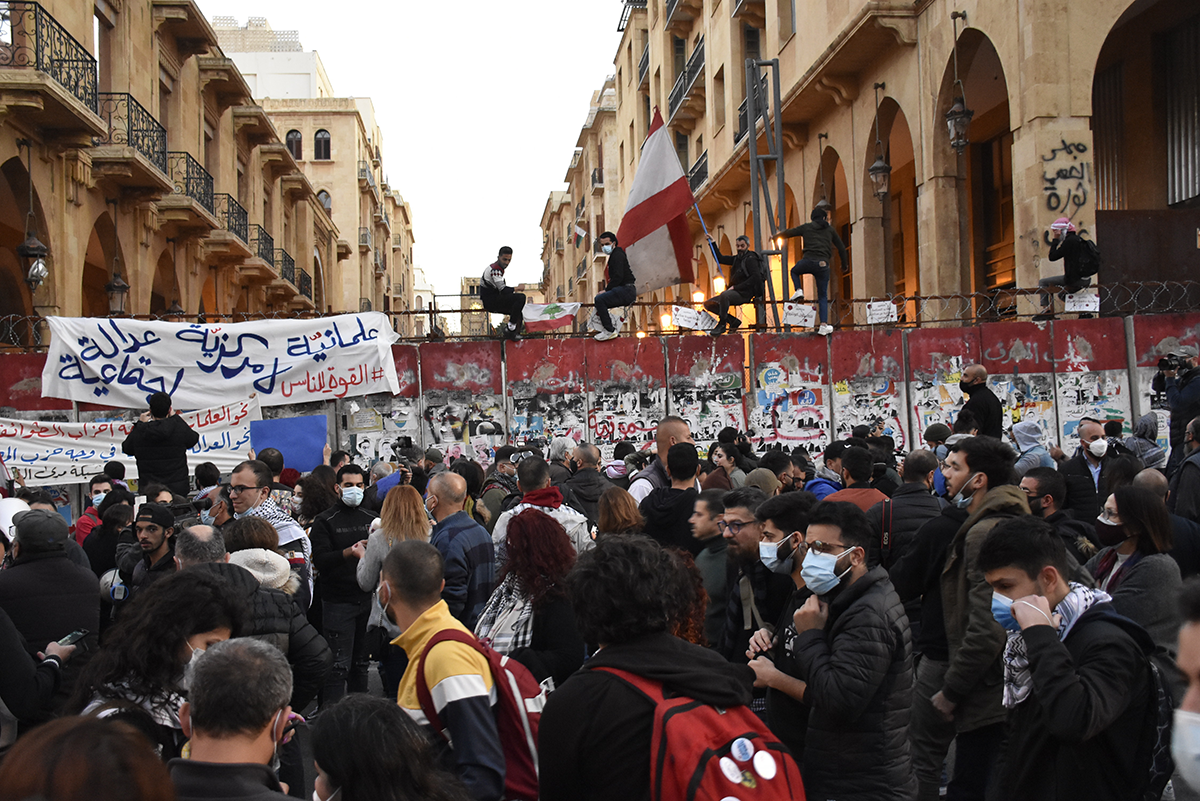
Journalists, media workers, and activists in Lebanon — especially critics of the ruling elite and established political parties — are coming under increasing threat both by private parties, with the authorities unwilling or unable to protect them, and directly by government authorities, often with impunity.
The unfolding struggle for political survival in Lebanon
Lebanon’s political leaders are getting deeper into trouble, and they know it. This does not make them any less dangerous. Recurring skirmishes over cabinet formation — namely those referencing constitutional powers, cabinet size, sectarian representation, and ministerial allocation — continue to dominate the public discourse and waste precious time. They remain, however, peripheral to the central issue that establishment parties currently face: an all-out struggle for political survival at a time when tough and unapologetic decisions need to be made.
السياسة الخارجية المرنة تجاه قادة لبنان لم تعد مجدية
إن تجاهل القيادة اللبنانية المستمر للمكافآت والحوافز– ناهيك عن المناشدات الأخلاقية – يدل على عدم فعالية هذه السياسة في فرض تغيير بنَّاء وحقيقي في سلوك هؤلاء القادة