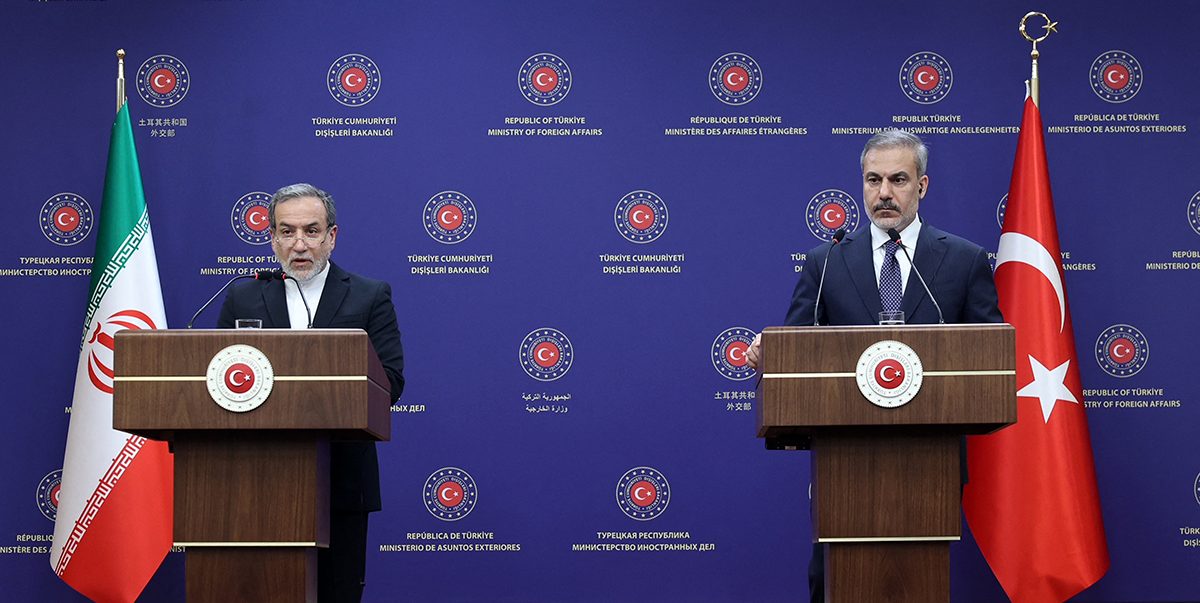
War of words as Turkey-Iran tensions escalate over Syria, Iraq
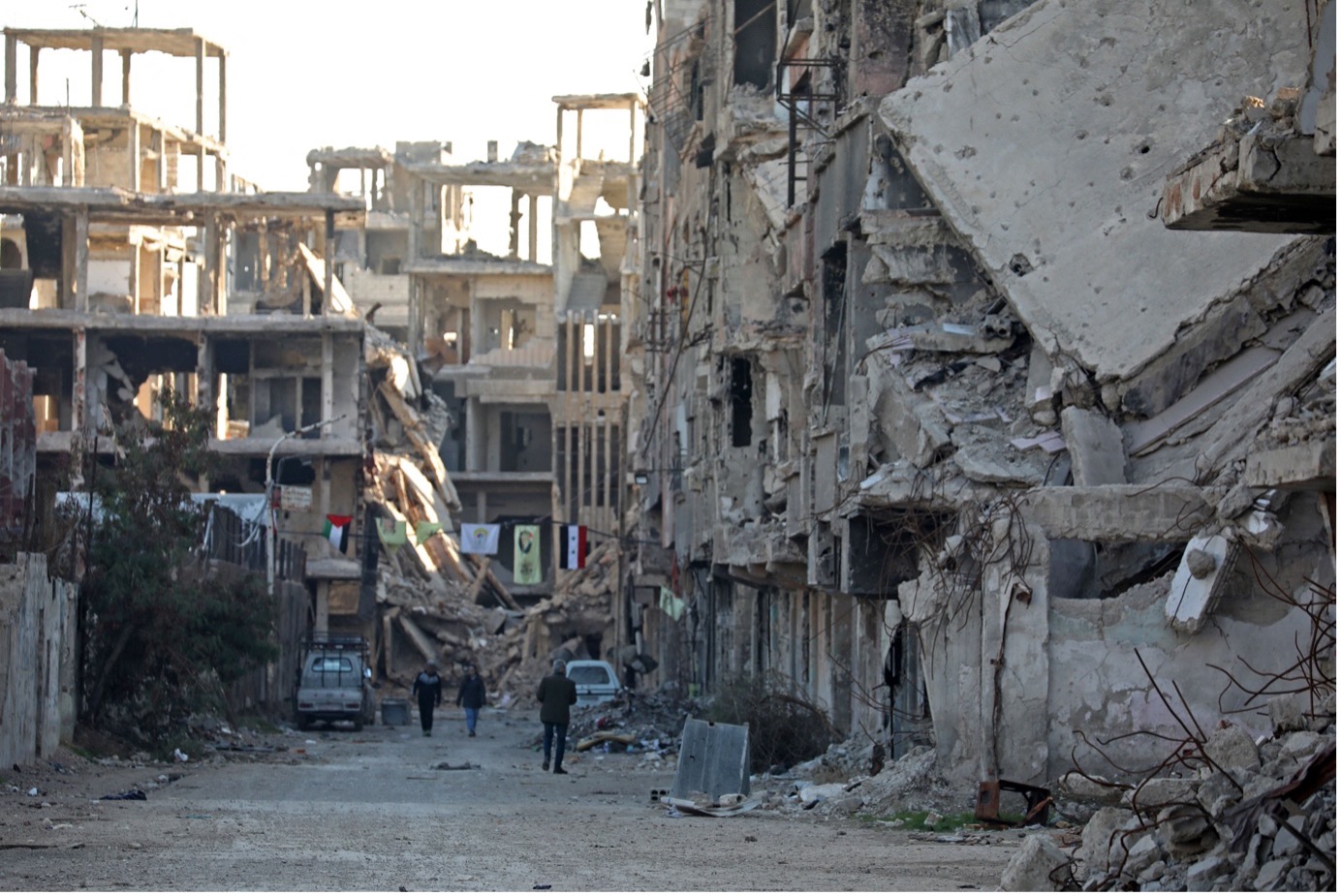
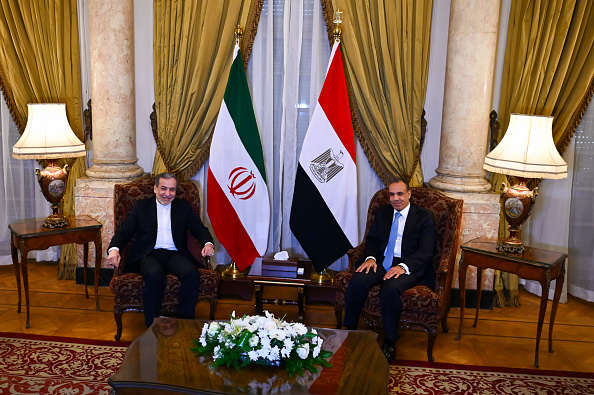
After decades of managing tensions through careful balancing, Turkey and Iran now find themselves increasingly at odds following recent shifts in the regional balance of power. With Ankara emboldened and Tehran on its back foot after the fall of the regime of Bashar al-Assad, the struggle for influence between the two neighbors and long-time rivals is escalating in both Syria and Iraq and could spread well beyond their borders.
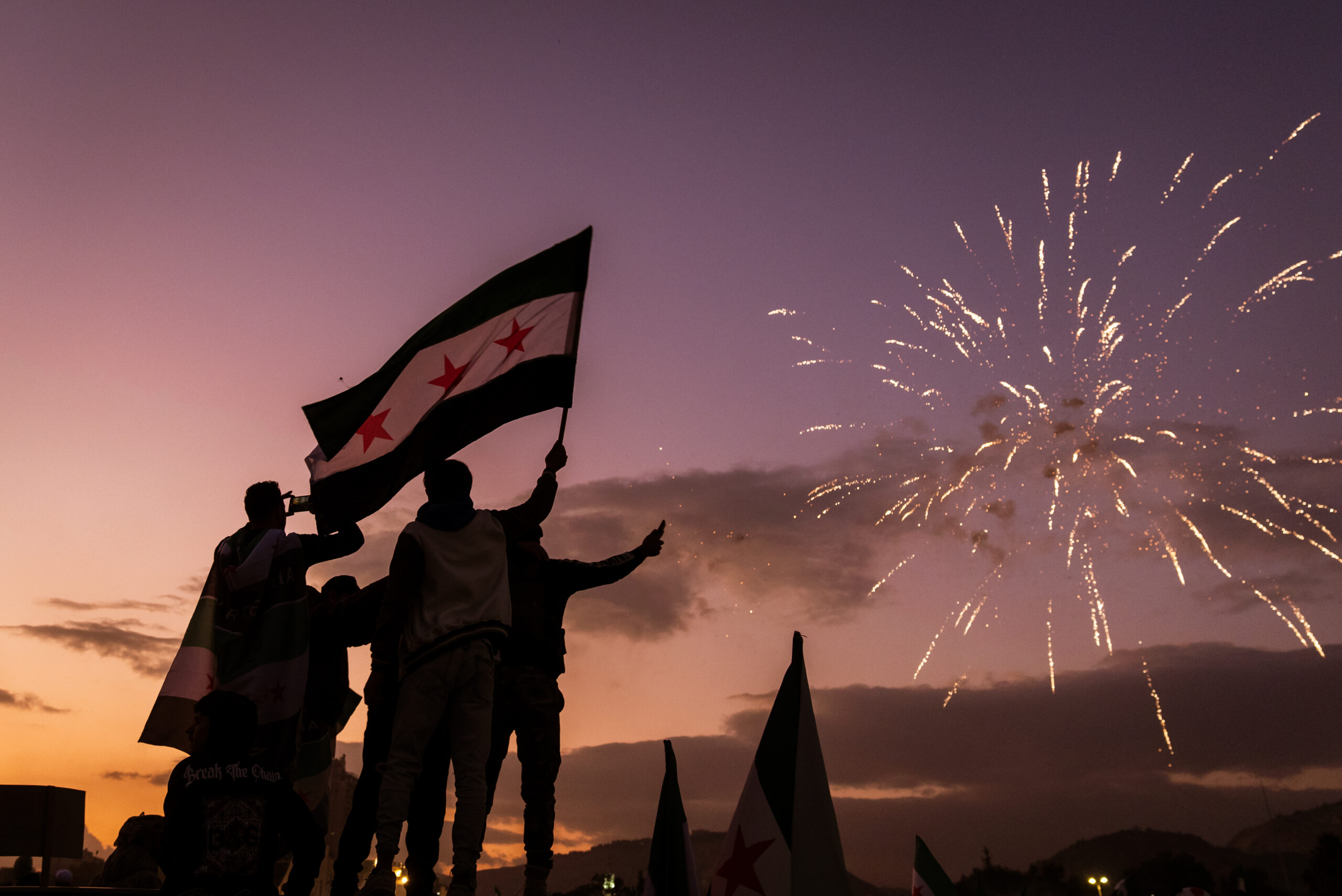
Reimagining Syria: A Roadmap for Peace and Prosperity Beyond Assad
The work of the Syria Strategy Project and the considerable policy recommendations found in this report present a realistic and holistic vision for Syria’s recovery and reintegration into the international system.
A chaotic foreign policy on overdrive risks alienating key US partners in the Middle East
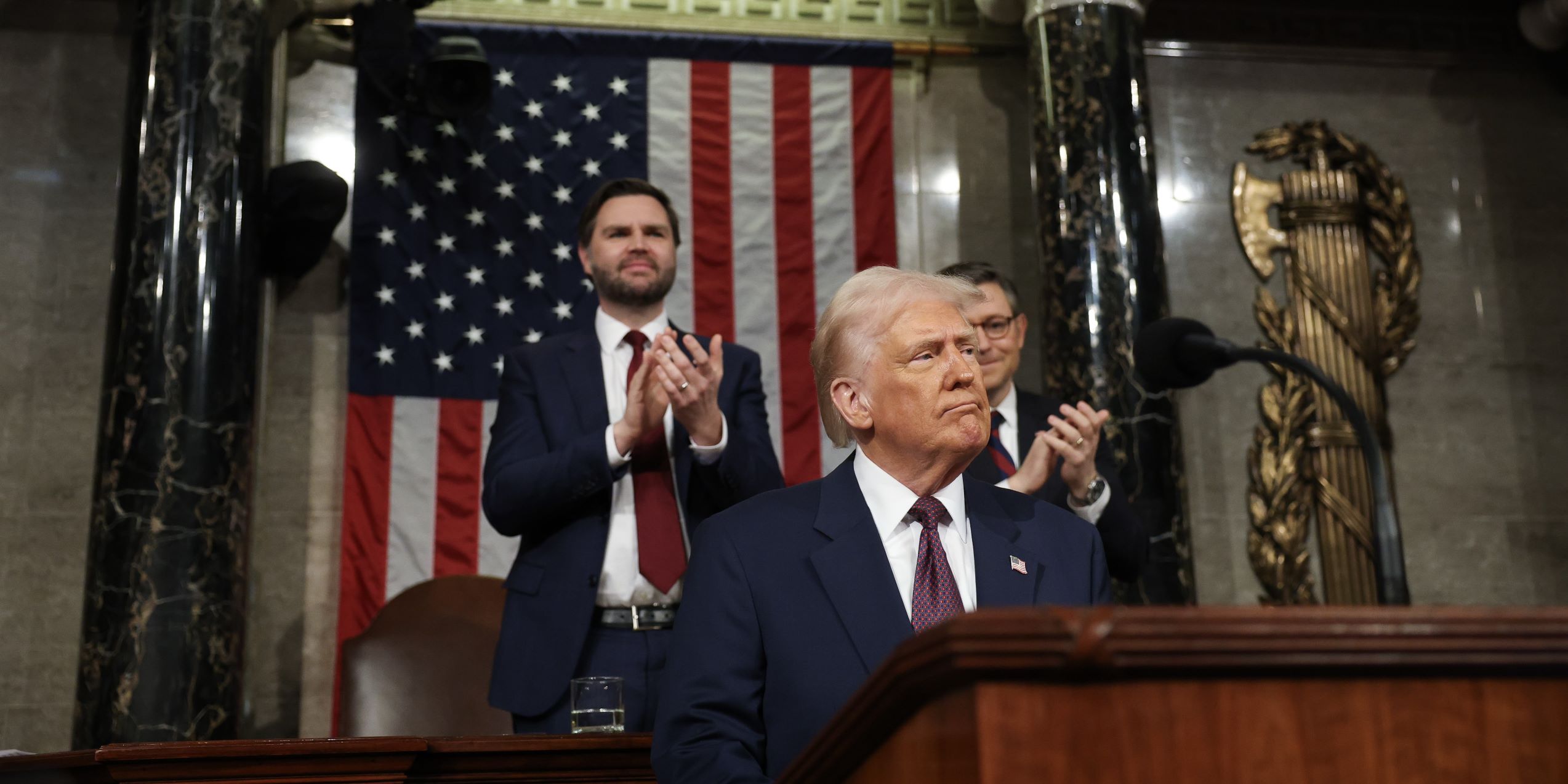
President Donald Trump’s joint address to Congress on March 4 doubled down on his disruptive and contentious domestic policy agenda. Foreign policy, including Trump’s approach to the Middle East, was mostly an afterthought. Though he said little about Middle East policy in his speech, Trump’s team is taking an irregular approach on the twin issues of Israel-Arab ties and Iran that may not produce the stability and prosperity it seeks.
US disengagement and new regional security dynamics in Afghanistan’s neighborhood
Afghanistan’s neighborhood is in the midst of a consequential restructuring of its security architecture. Key regional actors Pakistan, Afghanistan, Iran, and China have been continuing to adjust their defense plans and security partnerships to meet the growing threats posed by domestic and cross-border terrorism. At the same time, these four countries have also been looking for new ways to fill the vacuum in southern Asia left by the United States military’s departure from Afghanistan.
Rebalancing Russia’s Mediterranean strategy: From showing the flag to retreating to the gray zone
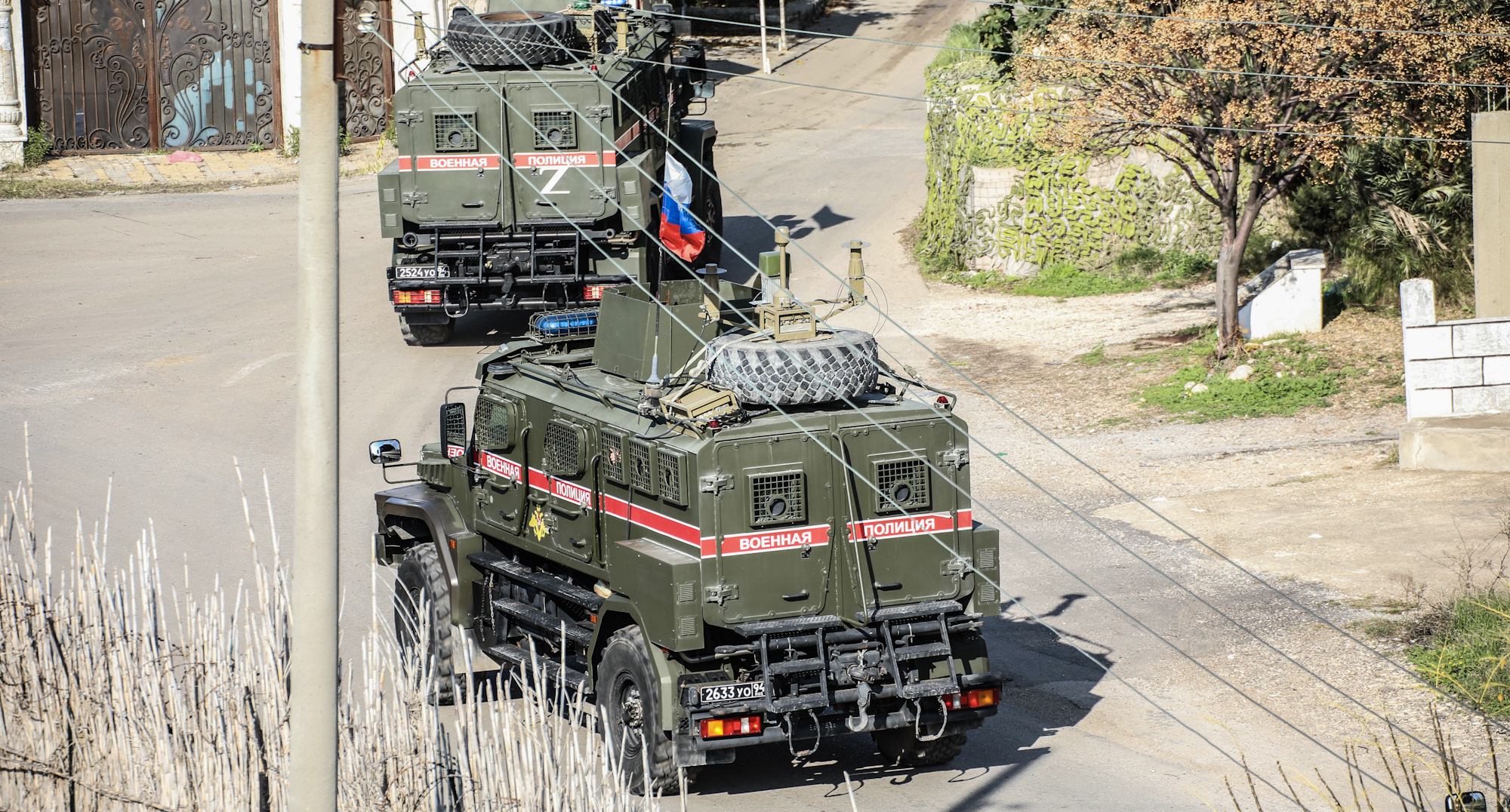
Either maintaining Russia’s military bases in Syria or finding an alternative outpost in the Mediterranean will prove extremely difficult for Moscow. And part of the problem with pursuing the latter option, particularly if in Libya, is that it would require a full-on transformation of Russia’s military presence model — from more traditional bases designed to establish deterrence by showing the flag in the region to building up a military and logistical operation inside a security “gray zone.”
A different Middle East: How should Washington respond?
A very different Middle East will greet President-elect Trump this month compared to the region he experienced during his first term. However, there are opportunities to advance American interests for a more stable and less conflictual Middle East, which might not require the kind of intense US commitment we have seen over the last quarter-century.
Preserving evidence and securing justice for Assad’s crimes
Under former President Bashar al-Assad’s regime, the Syrian security sector kept meticulous records of their crimes. The international community must now step up to help Syria’s new authorities secure and protect the documents, provide information to the loved ones of those who suffered in Assad’s prisons, and pursue justice.
Iran’s growing influence in the Black Sea region: Consequences and Western responses
Russia’s full-scale war against Ukraine has provided several strategic opportunities for Iran to increase its foothold in the Greater Black Sea Region. A closer analysis of Iran’s deepening footprint there is necessary to inform how the next administration in Washington and the new European Commission can strengthen and better coordinate their policy responses.
To abandon the Syria mission now would bring no meaningful benefit to the US, but it would swiftly and significantly empower America’s adversaries, like ISIS, Iran, Russia, and Assad’s regime.
The multiple wars that have erupted since Oct. 7, 2023, have already changed the strategic landscape in the Middle East — and more change is likely to follow.
Ukraine’s role in the Black Sea: Navigating a geopolitical crossroads
The Black Sea has recently become one of the world’s most important dynamically shifting geostrategic maritime areas, with Ukraine playing a crucial role in upending the naval balance of power there. Ukraine’s efforts to push back against Russia, bolstered by Western military aid, have challenged the status quo and reshaped the region’s security landscape.
Inside Damascus’s Reconstruction Lab: Navigating the Framework of Return and Recovery
Since the end of the civil war in Syria, government officials have inaugurated high-end tourist projects and upscale urban housing schemes, while at the same time preventing Syrian refugees and internally displaced persons from returning to their ruined neighborhoods or rebuilding their demolished homes. The focus on luxury housing in a country devastated by conflict and within a city suffering from massive destruction and housing shortages encapsulates the contradictions of the regime’s policy for reconstruction and early recovery not only in Damascus but in the whole country.
Harris vs. Trump on the War and Crisis in the Middle East
This policy assessment examines the statements and positions staked out by the Harris and Trump campaigns on the Middle East. The spotlight is on the past few weeks, with a stronger focus on two main issues that are likely to dominate the regional agenda of the next US administration: Iran and Israeli-Palestinian affairs.
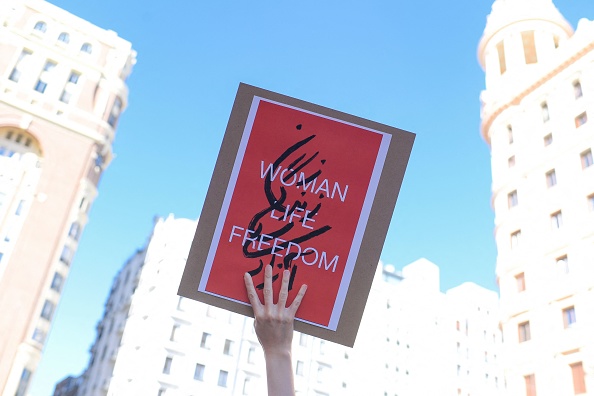
Last month marked the second anniversary of the death of 22-year-old Kurdish-Iranian Mahsa Amini and the “Women, Life, Freedom” movement born of her murder. The authorities’ subsequent brutal crackdown on the protesters is but one flagrant example of the government’s appalling human rights record. The regime’s disdain for international human rights norms is not the recent result of Iran’s transition from Islamic theocracy to nationalistic military-security state. Rather, it has been a feature of the regime from the beginning, as shown by (inter alia) the 1988 mass executions of Iranian prisoners.
The Islamic Republic, the most unpatriotic in Iranian history?
It is no exaggeration to say that the Islamist political system in Tehran is on the brink of experiencing perilous blowback for the foreign policy choices it has made. Whether Tehran continues to prioritize the fight against Israel or decides to look for ways to deprioritize the conflict as a national security matter will not be settled in the foreseeable future — or perhaps the matter will be taken out of Iran’s hands.