Iran’s growing influence in the Black Sea region: Consequences and Western responses
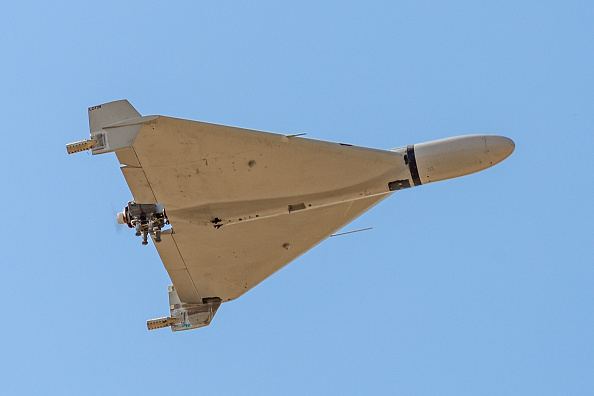
Russia’s full-scale war against Ukraine has provided several strategic opportunities for Iran to increase its foothold in the Greater Black Sea Region. A closer analysis of Iran’s deepening footprint there is necessary to inform how the next administration in Washington and the new European Commission can strengthen and better coordinate their policy responses.
Accelerating Solar Power Deployment in the Arab Gulf States
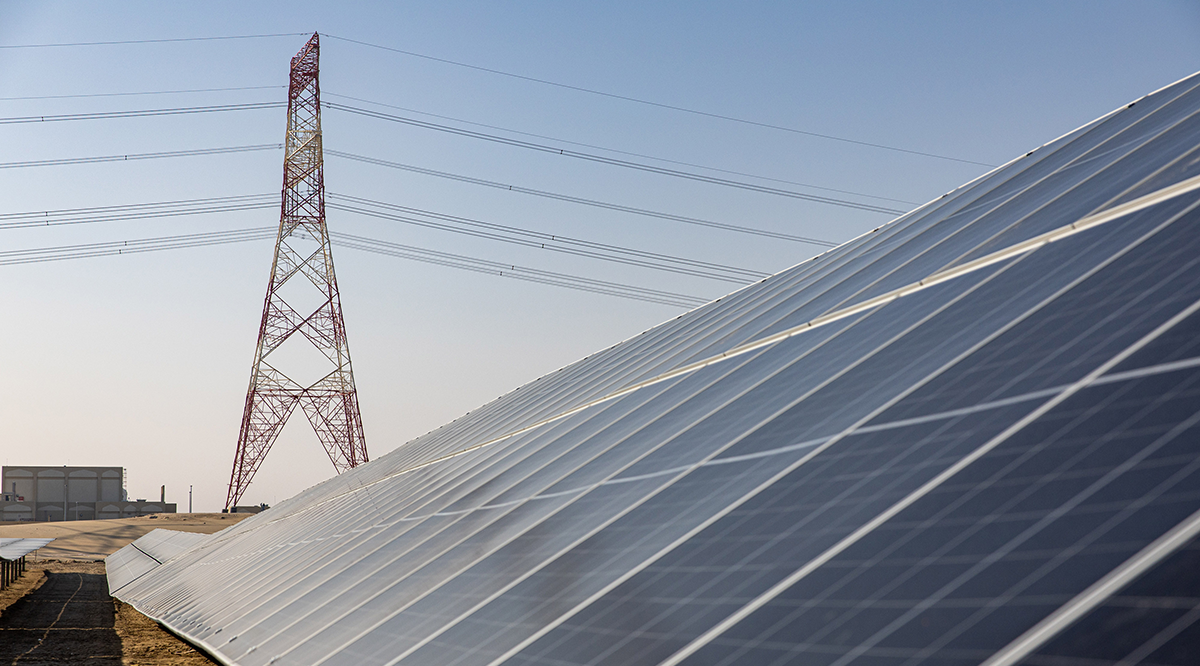
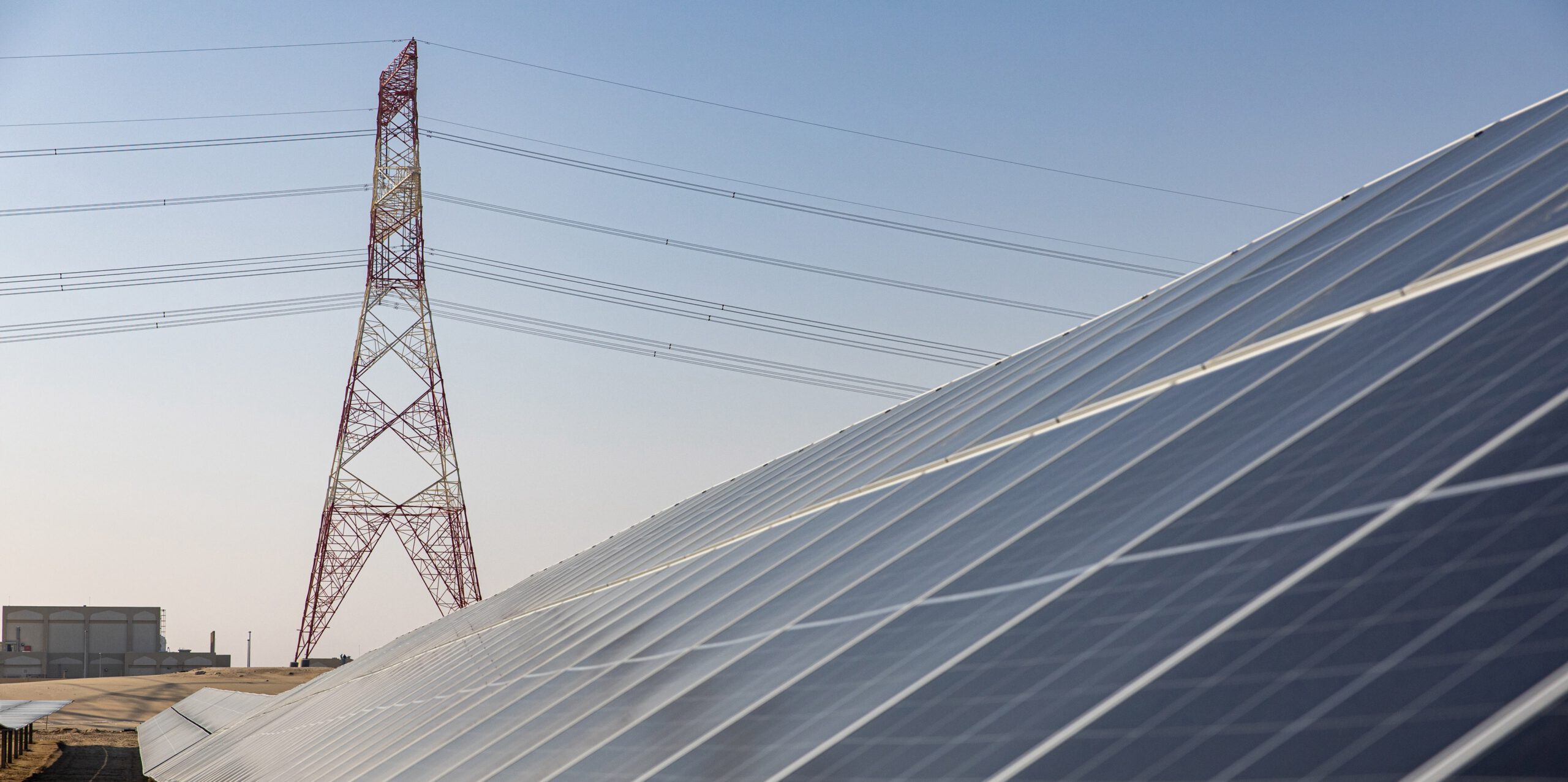
There is currently a discrepancy between the strategic objectives and enabling conditions for solar power in the Gulf and the level of actual deployment. Despite the region’s considerable promise as a potential global leaders in solar power, including one of the world’s highest levels of solar irradiance and strong supporting operating conditions, renewable power accounted for only 2% of generation capacity in 2022.
Solar Power in the Gulf: Leaders and Laggards in Regulatory Support for Solar Power Deployment
The hydrocarbon-rich Gulf states are located in the heart of the global sunbelt, endowing them with some of the greatest solar resources in the world. Peak load hours in these countries also align well with daily and seasonal solar radiation levels. Nevertheless, actual deployment of renewable power, including solar, is among the lowest in the world, even though output has increased significantly over the past five years. This paper analyzes why solar power has seen some success in a few states, while in others there has been little momentum.
The Outlook for Energy Demand Growth in the Middle East and North Africa: Regional Supply as a Critical Driver of Demand
The Middle East and North Africa is typically viewed from afar as a region of major energy exporters rather than consumers. Consumption patterns vary significantly within the region itself, but a variety of factors warrant giving its energy demand much closer attention than it generally receives on an international level. The range of factors that will determine the changes in demand from every country in the region, each with their respective intricacies, are far too numerous to examine in the space of this study. However, many of the key drivers that are expected to have a broad impact on shaping the evolution of regional demand to the end of the current decade deserve critical review.
The Outlook for Energy Demand Growth in the MENA Region
The MENA region is set to experience substantial growth in demand for energy during the remaining years of the present decade. Factors driving this growth vary enormously by sub-region and individual country, but there are broad similarities in the forms of both primary and final energy demand growth that are expected to materialize by 2030.
Persian Gulf-Black Sea corridor: A new era for Iran-Europe trade or just another risk?
The Persian Gulf-Black Sea International Transport and Transit Corridor, which Tehran proposed eight years ago, remains relevant today in the context of strategic competition, as it offers Iran and participating countries an alternative trade route that bypasses traditional Western-dominated shipping lanes, potentially reshaping regional economic dynamics and geopolitical influence.
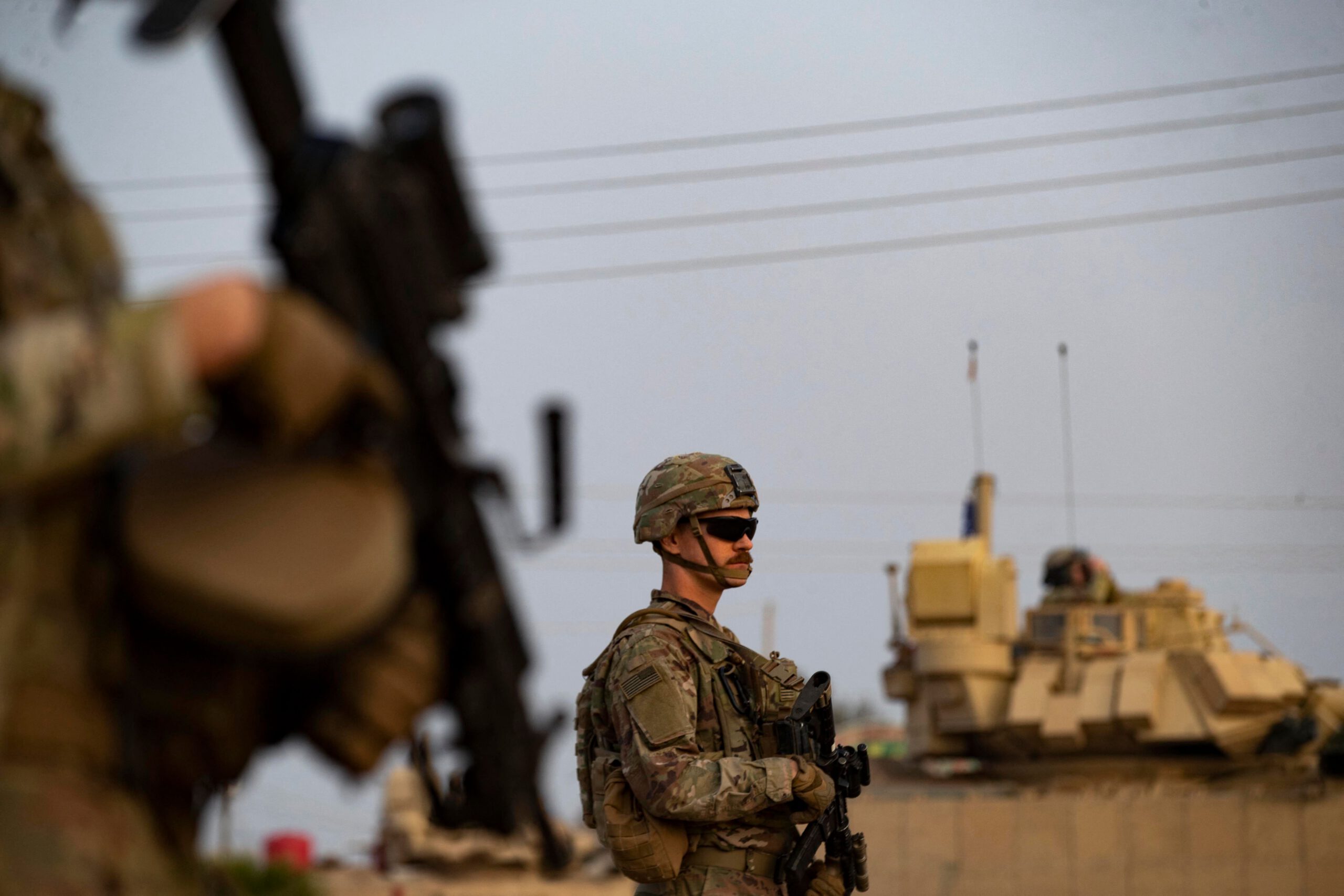
To abandon the Syria mission now would bring no meaningful benefit to the US, but it would swiftly and significantly empower America’s adversaries, like ISIS, Iran, Russia, and Assad’s regime.
The multiple wars that have erupted since Oct. 7, 2023, have already changed the strategic landscape in the Middle East — and more change is likely to follow.
Ukraine’s role in the Black Sea: Navigating a geopolitical crossroads
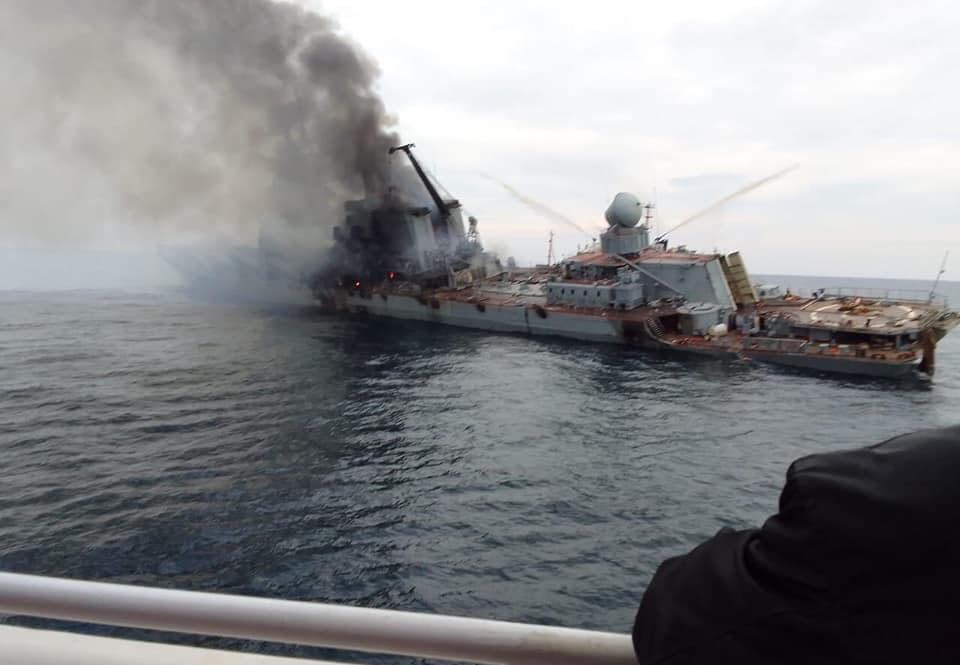
The Black Sea has recently become one of the world’s most important dynamically shifting geostrategic maritime areas, with Ukraine playing a crucial role in upending the naval balance of power there. Ukraine’s efforts to push back against Russia, bolstered by Western military aid, have challenged the status quo and reshaped the region’s security landscape.
Early recovery and rehabilitation in regime-controlled areas of Syria: An assessment
The following is a short abstract, offering the main analytical findings and policy takeaways from a newly released Middle East Institute report on post-war reconstruction in Syria.
Inside Damascus’s Reconstruction Lab: Navigating the Framework of Return and Recovery
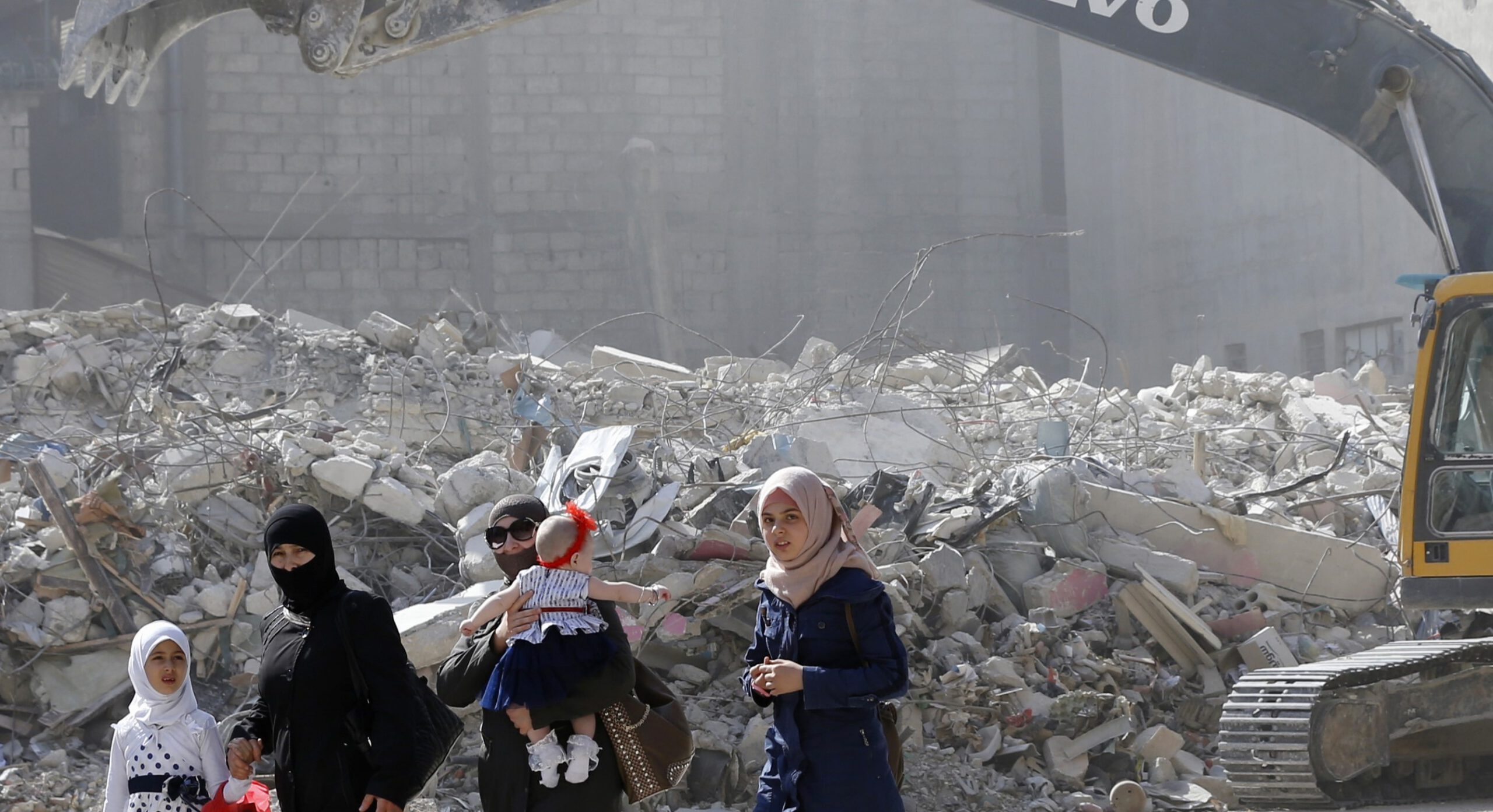
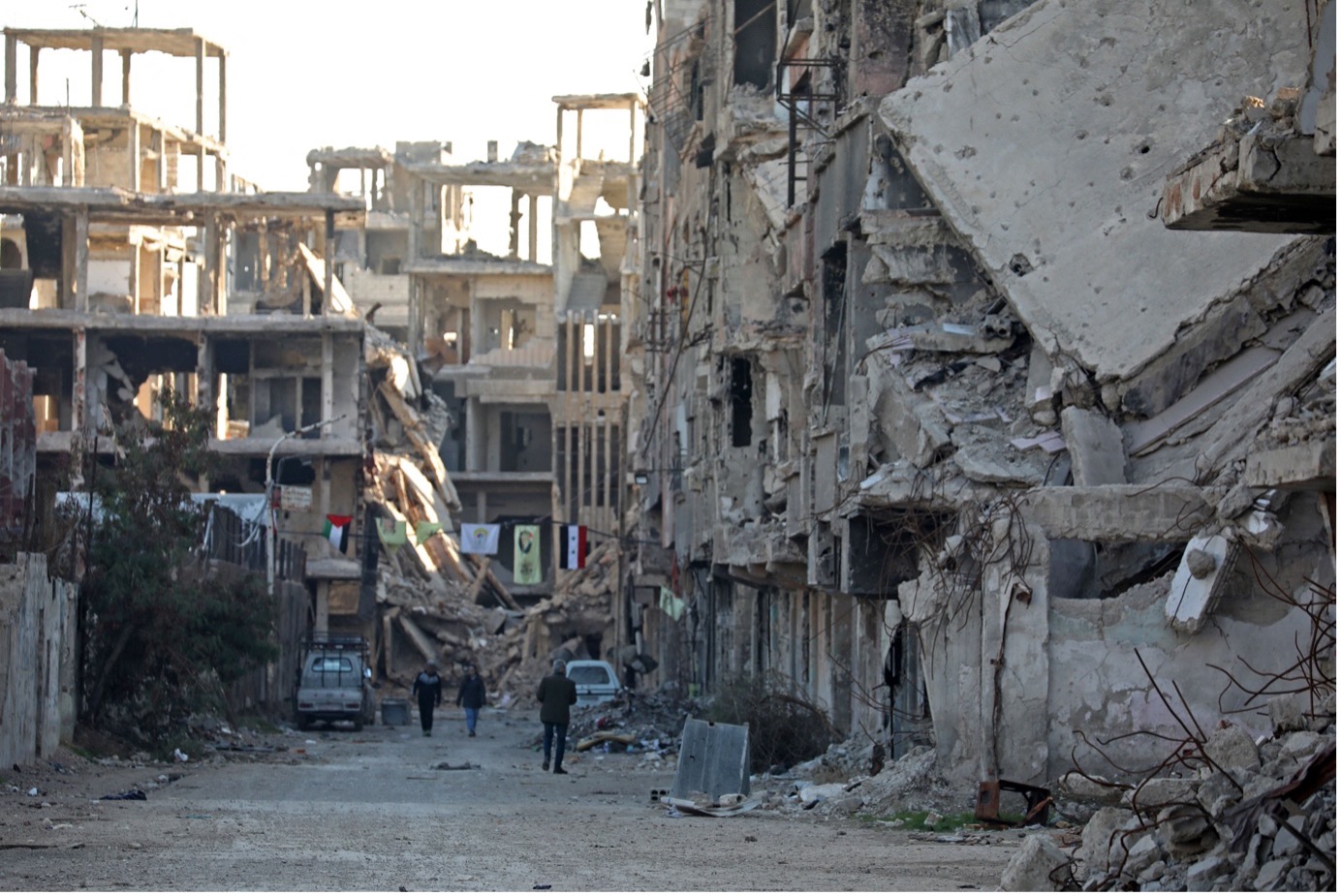
Since the end of the civil war in Syria, government officials have inaugurated high-end tourist projects and upscale urban housing schemes, while at the same time preventing Syrian refugees and internally displaced persons from returning to their ruined neighborhoods or rebuilding their demolished homes. The focus on luxury housing in a country devastated by conflict and within a city suffering from massive destruction and housing shortages encapsulates the contradictions of the regime’s policy for reconstruction and early recovery not only in Damascus but in the whole country.
Beyond oil: Google’s big bet on Saudi Arabia’s AI future
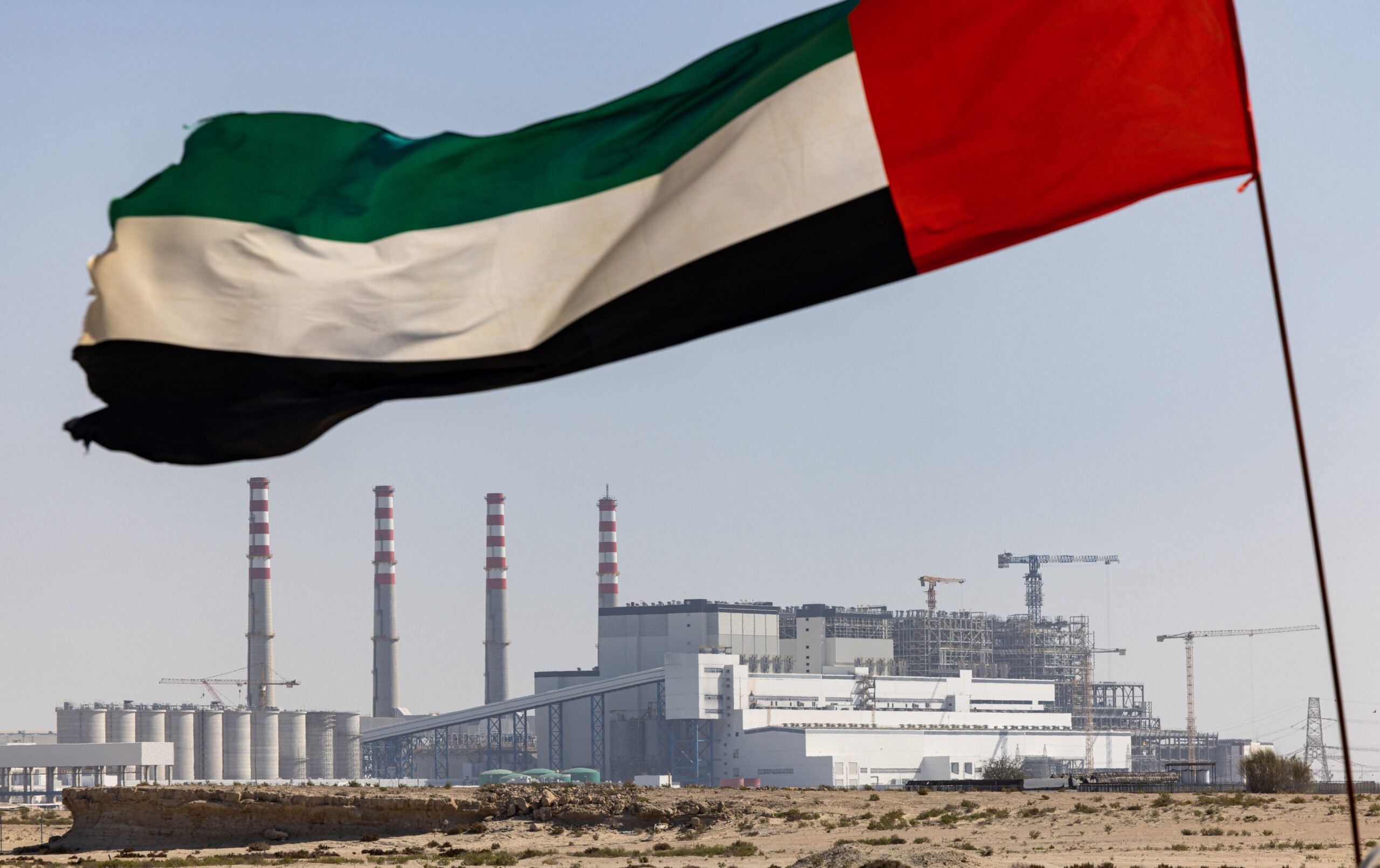
In a landmark move signaling the growing importance of the Middle East in the global tech landscape, Google has entered into a strategic partnership with Saudi Arabia’s Public Investment Fund (PIF), the kingdom’s sovereign wealth fund. The partnership underscores the “growing interlink” between AI and energy, as Saudi Arabia — along with the United Arab Emirates and other Gulf states — uses its energy surplus to power data centers, a critical pillar of AI infrastructure.
Assad’s economic fragility exposed by Israel’s war on Lebanon
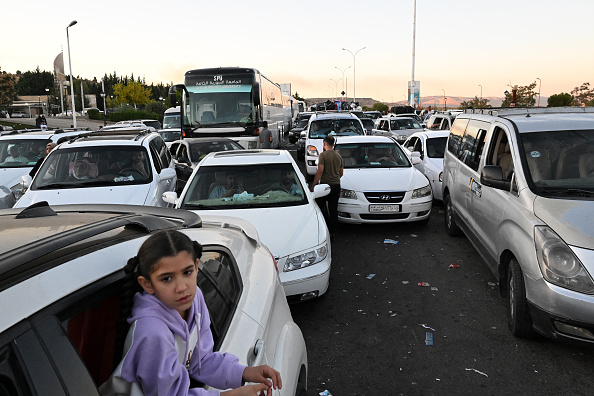
Israel’s escalation of its military campaign against Hezbollah in Lebanon has severely disrupted the cross-border flow of goods into Syria that have long served as a critical lifeline for Damascus. These interruptions have worsened existing shortages, triggering sharp increases in the prices of essential commodities for Syrian who were already struggling economically.
Harris vs. Trump on the War and Crisis in the Middle East
This policy assessment examines the statements and positions staked out by the Harris and Trump campaigns on the Middle East. The spotlight is on the past few weeks, with a stronger focus on two main issues that are likely to dominate the regional agenda of the next US administration: Iran and Israeli-Palestinian affairs.
The Islamic Republic, the most unpatriotic in Iranian history?
It is no exaggeration to say that the Islamist political system in Tehran is on the brink of experiencing perilous blowback for the foreign policy choices it has made. Whether Tehran continues to prioritize the fight against Israel or decides to look for ways to deprioritize the conflict as a national security matter will not be settled in the foreseeable future — or perhaps the matter will be taken out of Iran’s hands.