Women’s labor force participation and COVID-19 in Jordan
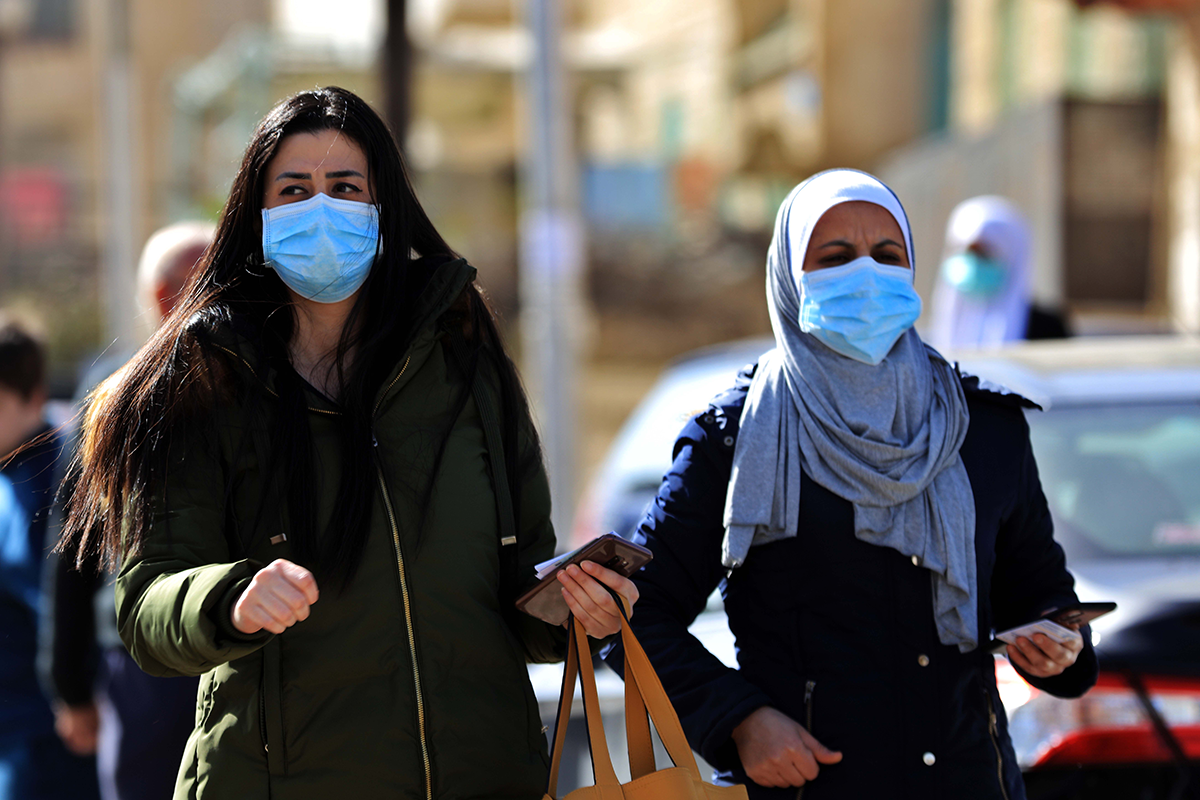
Jordan has the lowest rate of women’s economic participation of any country not at war. According to the ILO, the kingdom’s female labor force participation rate is below 15%, while that of men is about 60%. This is lower than rates of female labor force participation in neighboring Lebanon (23%), Saudi Arabia (22%), and the West Bank and Gaza (18%). As the COVID-19 pandemic stretches on, the government of Jordan should take the opportunity to expand the accessibility of remote work and corresponding opportunities for Jordanian women who aim to play a role in their nation’s economy.
What were the most significant developments in the Middle East and regional policy in 2021? MEI’s Paul Salem, Randa Slim, Bilal Saab, and Karen Young join the program to discuss the key events and what trends to watch in 2022.
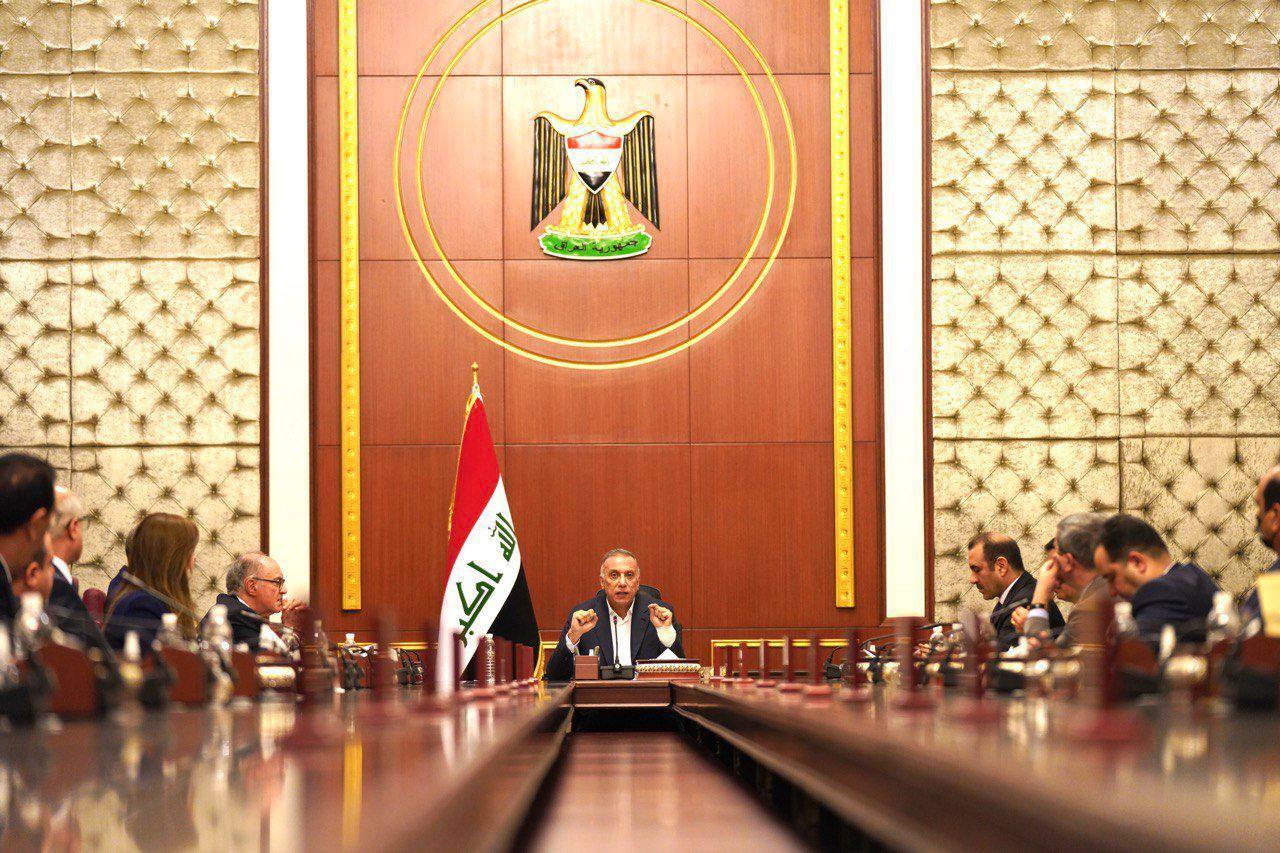
محاولة اغتيال رئيس الوزراء العراقي تتجاوز خطًا أحمر رئيسيًا
في بلد أخذ نصيبه العادل من العنف، نرى أن ما وقع في السابع من نوفمبر/تشرين الثاني، من محاولة لاغتيال لرئيس الوزراء مصطفى الكاظمي، والتي يعتقد المسؤولون الأمنيون العراقيون الآن أنها من صنع الميليشيات العراقية المدعومة من إيران، قد تجاوزت خطًا أحمر رئيسيًا. جاء هذا الهجوم بعد يومين من توجيه قادة مليشيات عصائب أهل الحق وكتائب حزب الله وقنواتهم الإعلامية المختلفة تهديدات ضد رئيس الوزراء ومسؤولين أمنيين آخرين.
Marvin Weinbaum and Javid Ahmad discuss conditions in Afghanistan since falling back under Taliban rule, including worsening economic and humanitarian crises, the security situation, the role of international and regional actors, and where things might be headed moving forward.
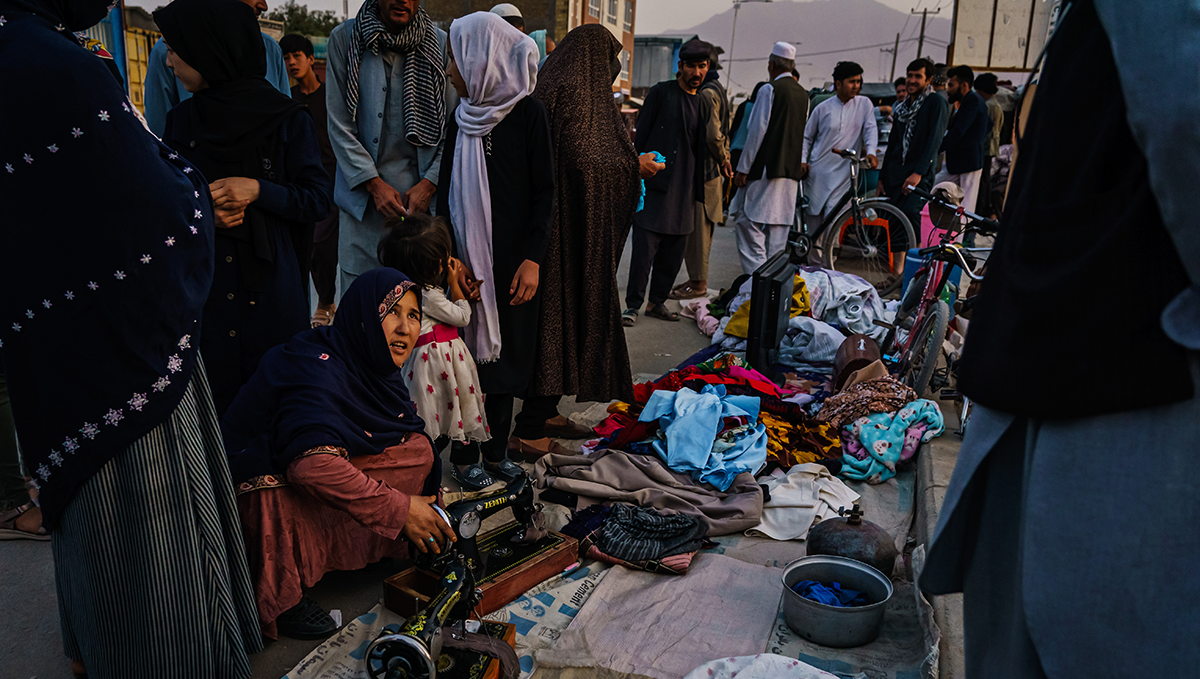
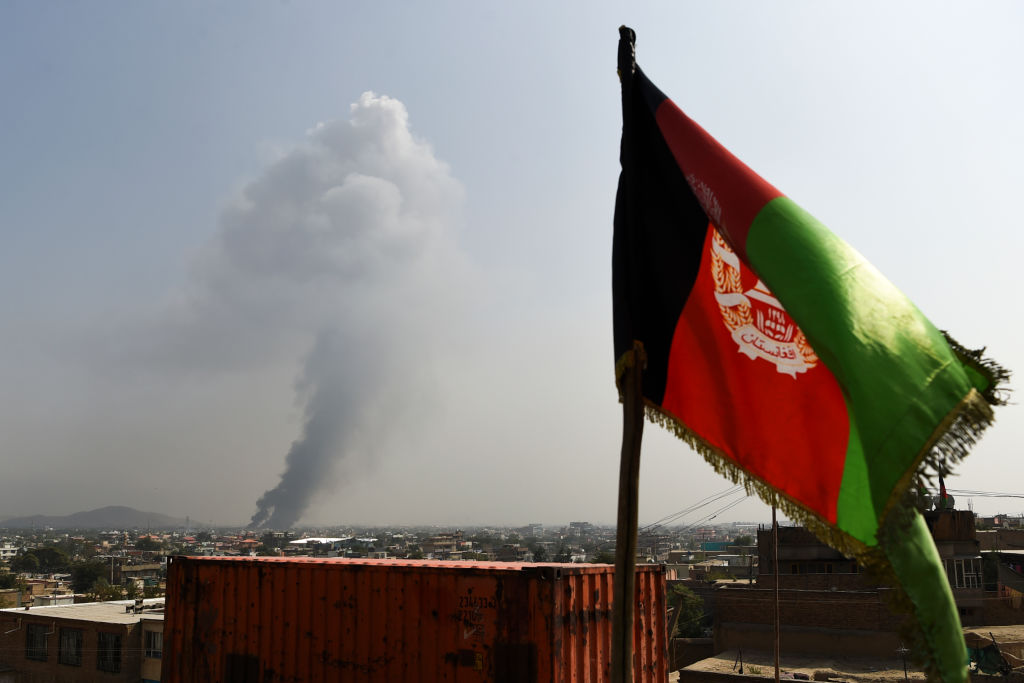
The humanitarian and human security crises in Afghanistan
The concept of human security encompasses people-centric policies to protect individuals from insecurity that could pose threats to their survival and dignity. Traditional security systems support that protection and state institutions are responsible for enabling conditions for growth and development in a society. This article discusses the emerging characteristics of Taliban governance, the current state of human security in Afghanistan, and how these new conditions affect the protection of human security.
How digital rights are key to protecting Afghans under the Taliban
Like the rest of the world during the past 20 years, Afghanistan has lived much of its life online and via networked technology; a multifaceted understanding of how digital rights are foundational to protecting Afghans in the face of an uncertain future must be key to any humanitarian or policy strategy undertaken by the U.S. or the international community.
Thinking MENA Futures: The Next Five Years and Beyond
The Middle East and North Africa (MENA), for a variety of reasons, are unrivaled in their need for bold, creative thinking about their future. But that is precisely why creative thinking about the future of the region — why strategic foresight — is essential. Produced in conjunction with MEI’s Strategic Foresight Initiative, Thinking MENA Futures aims to map out some of the possible futures for the region, as envisioned by thoughtful innovators working today to realize them.
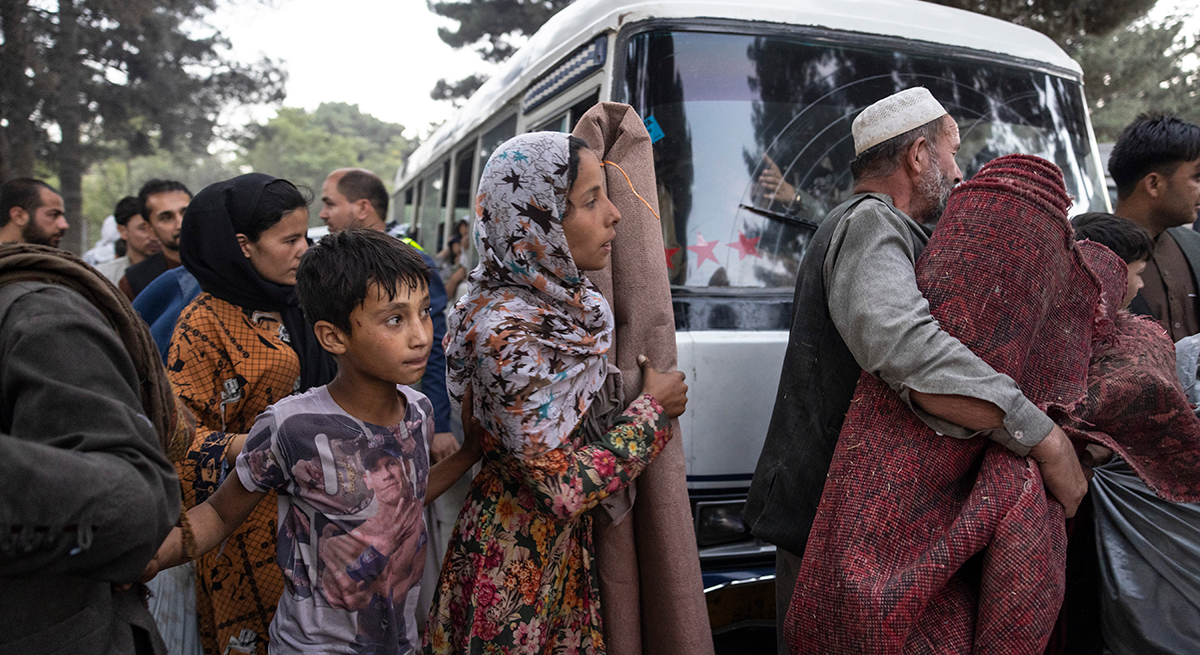
The politics and geopolitics of the Afghan refugee crisis
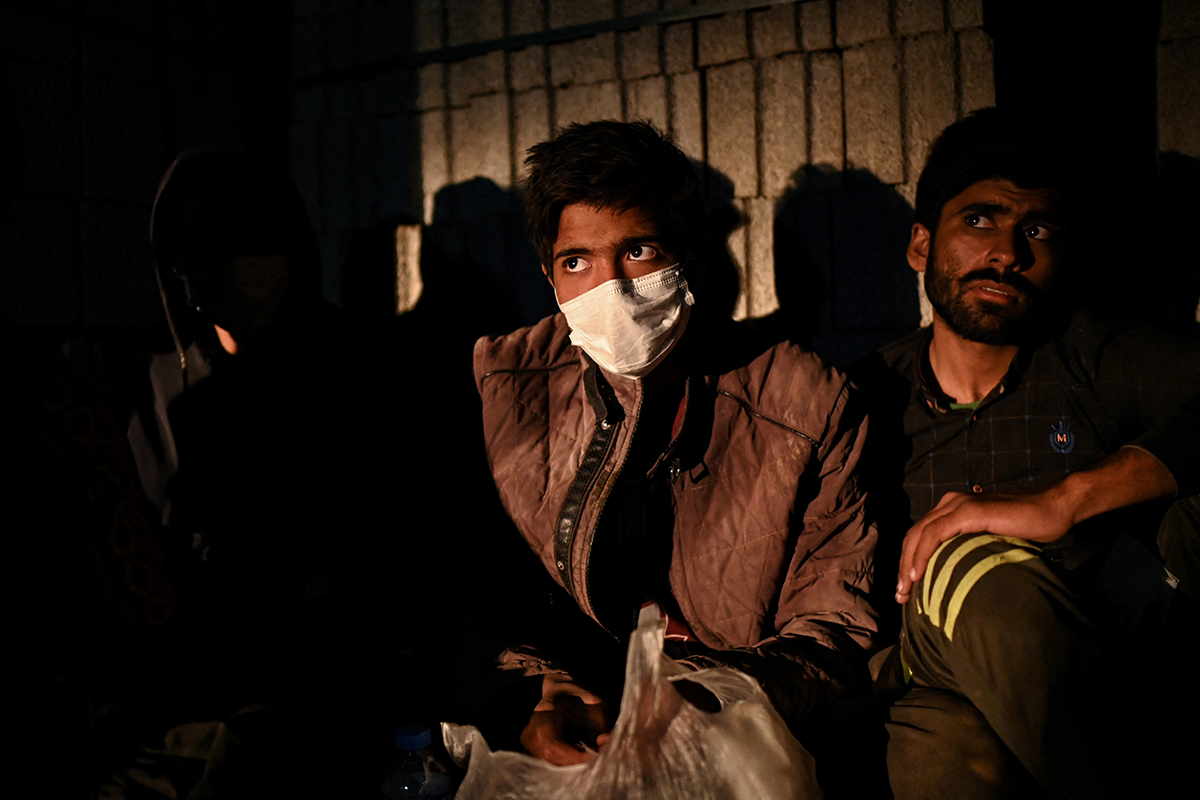
For the second time in the past two decades, a large number of Afghans find themselves escaping chaos. Twenty years ago, it was the American invasion of Afghanistan after the terrorist attacks of 9/11 that caused a large wave of refugees. More recently, the hasty American withdrawal from the country and the ensuing Taliban takeover have created another wave of refugees.
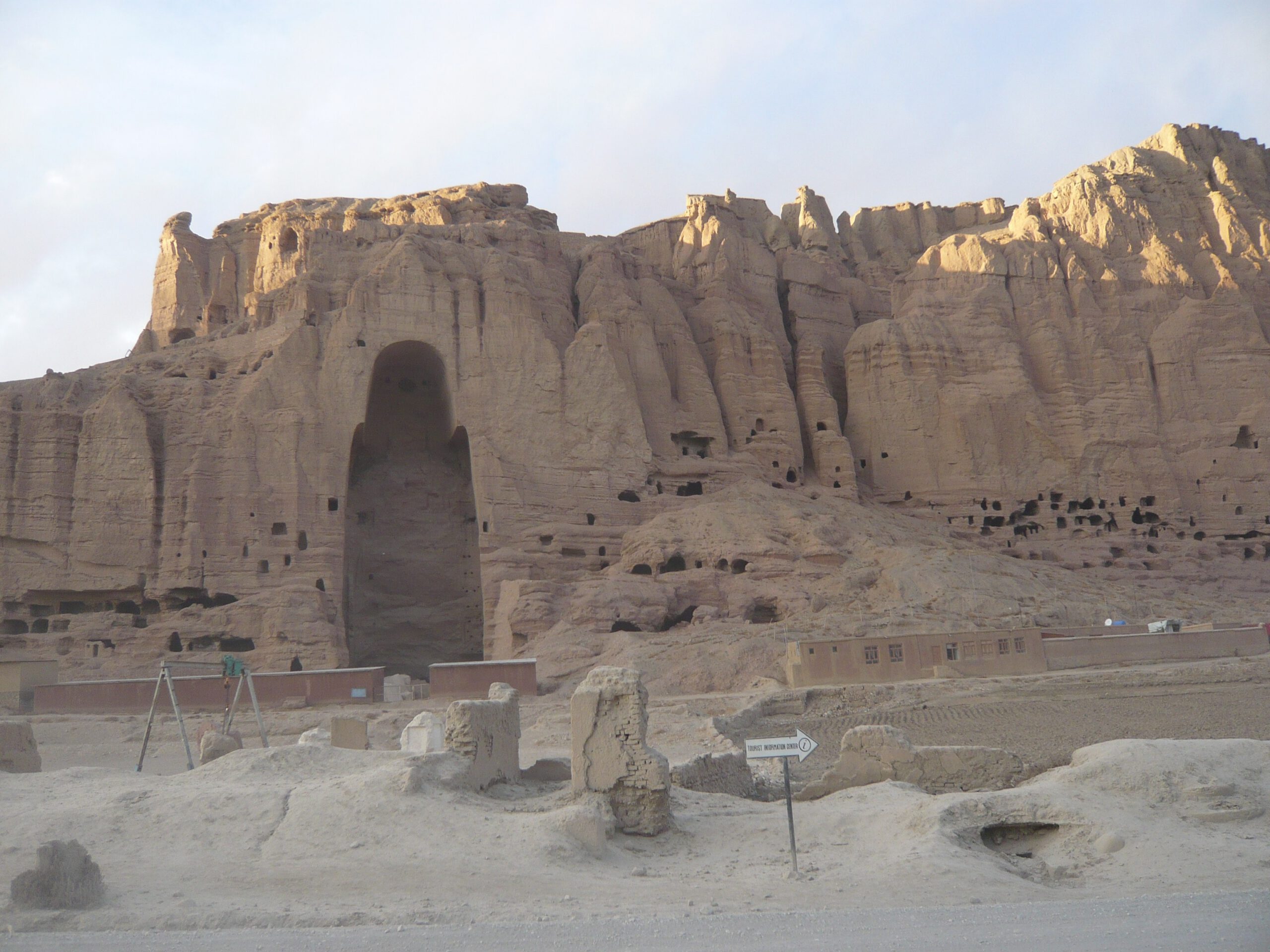
ديجافو مرة أخرى في أفغانستان: التفاوض مع طالبان لإنقاذ المواقع التراثية
بينما يشاهد العالم استيلاء طالبان على أفغانستان وما أعقب ذلك من أحداث متلاحقة، يبدو الأمر وكأنه “ديجافو” أو تكرار لمعاناة أبناء هذه الأمة. ومع عودة طالبان إلى وادي باميان، وهو أحد مواقع التراث العالمي لليونسكو الذي أجاز فيه الملا عمر تدمير تمثالين من القرن السادس لبوذا قبل 20 عامًا، ندرك أننا شاهدنا هذا الفيلم من قبل ونعرف كيف تكون نهايته.
The Afghan refugee crisis: What does it mean for Iran?
The images of desperate Afghan citizens trying to leave their country, beyond highlighting a massive human tragedy, may become a symbol of the so-called war on terror. Many of those Afghans already understand the feeling of abandoning their homes, because their families experienced it. They know what happens when foreign armies withdraw from their country and the tragedies that can ensue. The difference this time, however, was the deadline — only a few weeks.
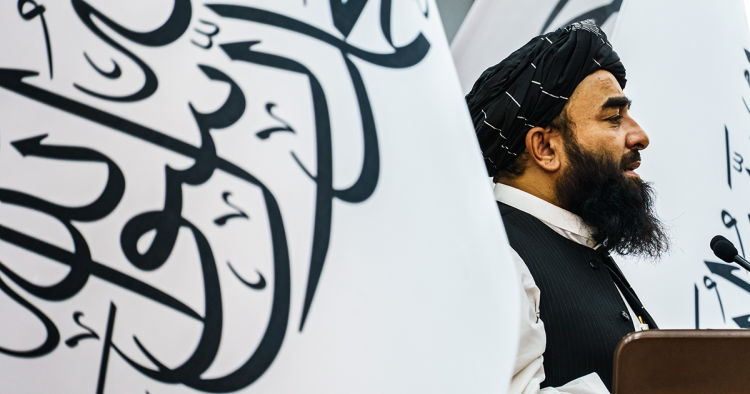
The Taliban’s post-battle narratives on women’s rights and governance
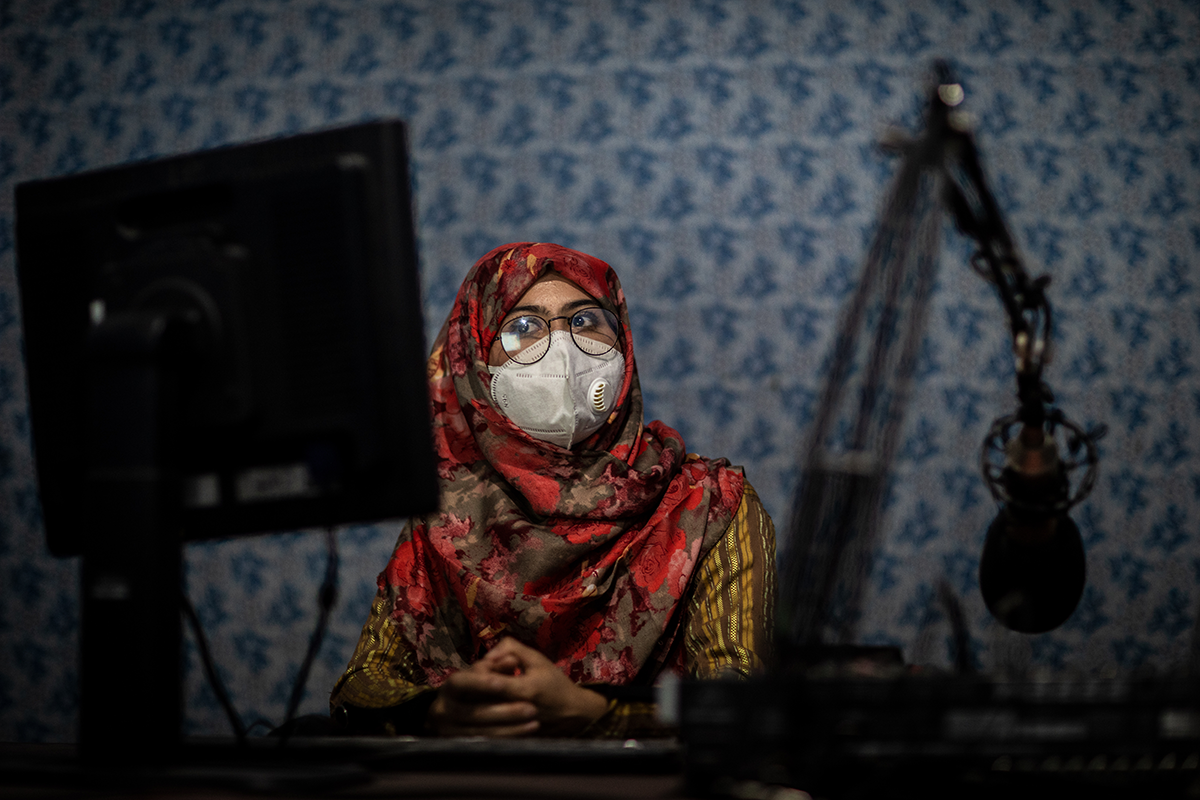
Unanticipated swiftness of victory can be potentially befuddling, even for the victor. After the Taliban’s dramatic and largely bloodless capture of power, their leadership has struggled to finalize the structure of a government that will rule the country. The group, however, has attempted to use the interregnum period to indulge in a rebranding exercise. Statements issued by its spokespersons in Kabul as well as in Doha indicate that the group does not wish to take revenge on the “collaborators” of the fallen government. Instead, it wishes to form an “inclusive” government, which although it will be governed by sharia, may still have role for former government servants and women. However, this could only be a feeble attempt at building a narrative, which the group will find hard to sustain, even in the short term.
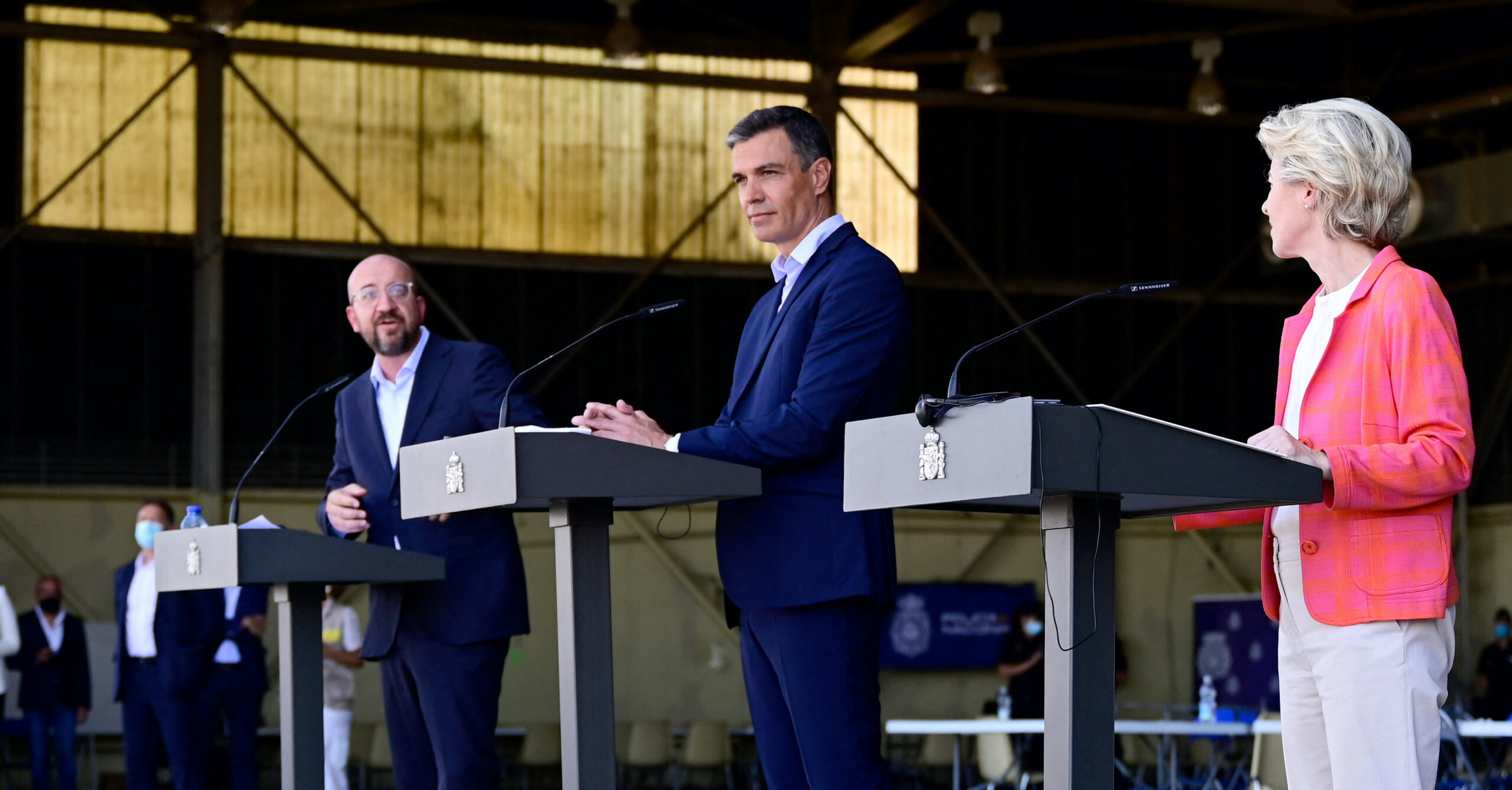
Afghanistan: The US decides, but will Europe pay the bill?
That the Taliban ended up taking over Afghanistan was not surprising, given the details of the agreement between the U.S. administration and the group’s leadership that have been known for many months. What was surprising for the international community, however, was the speed and manner of their takeover. The Taliban offensive and its consequences came as a particular shock to the institutions of the European Union (EU) and the member states that took part in the International Security Assistance Force (ISAF) mission and various aid programs in the country. When it comes to assessing the consequences of the Taliban’s takeover, there is no doubt that, first and foremost, it is the Afghan people that are most badly affected. Among the members of the international community, it is the Americans that have suffered the greatest reputational and financial losses so far, but from here on out the EU may well be the party that will face the greatest consequences.