تمت ترجمة هذا النص بواسطة الذكاء الاصطناعي وقد يحتوي على أخطاء.
تخطي إلى المحتوى

Research & Commentary Results

تصفية حسب
284 Results
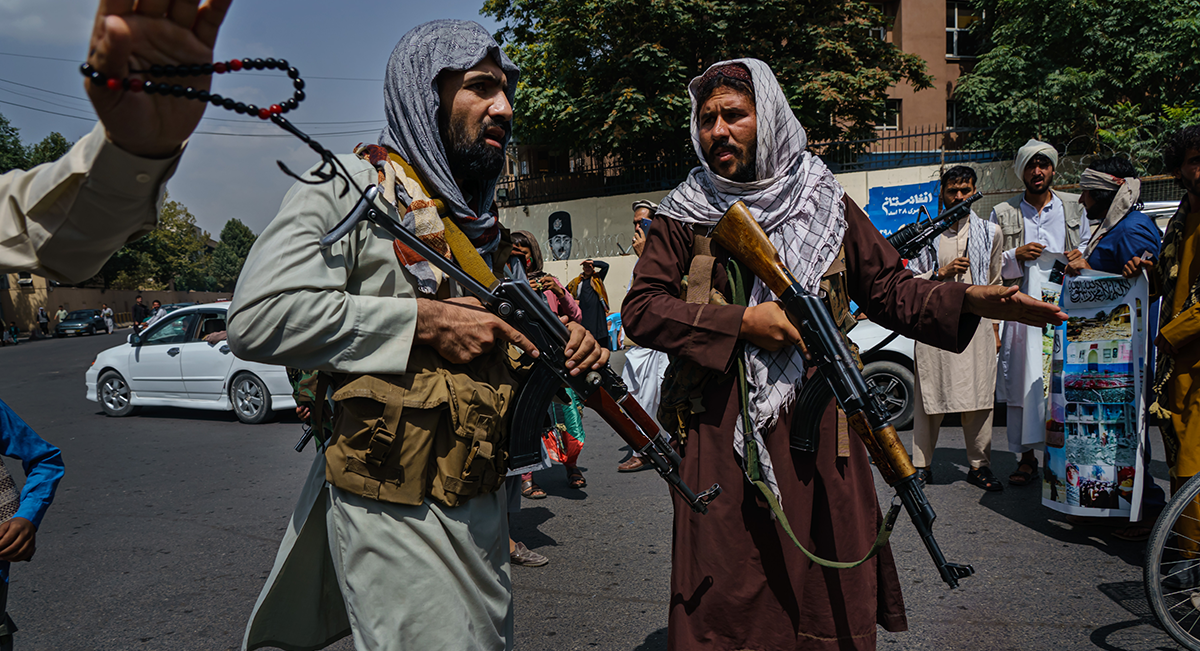
What’s next in Afghanistan? The prospects for future political violence
Photo by MARCUS YAM/LOS ANGELES TIMES/Getty Images
  • التحليل
  • What’s next in Afghanistan? The prospects for future political violence

    As the U.S. withdrew troops from Afghanistan, the Taliban pushed through large portions of the country, capturing strategic regional centers and ultimately securing the capital city of Kabul. In its pursuit, the Taliban faced relatively little resistance as it seized government strongholds. Rather than widespread fighting, reports indicate that Taliban fighters often cut deals with soldiers, offering payoffs or demanding surrenders. At the same time and as of the time of writing, the Taliban announced a general amnesty, encouraging former government officials and women to support the group.
    Whether and how long this period of limited resistance and amnesty might last are unclear. What are the prospects for future political violence both within and outside the country?
    August 19, 2021

    Expert Views: The crisis in Afghanistan
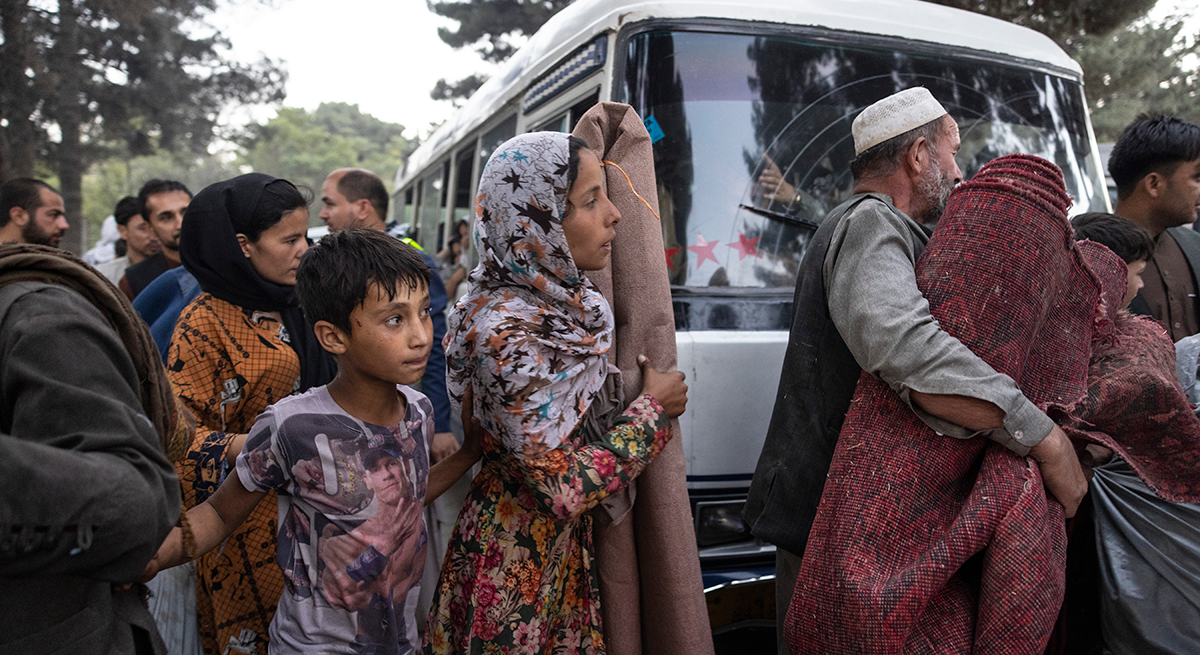
    Photo by Paula Bronstein/Getty Images
  • التحليل
  • Expert Views: The crisis in Afghanistan

    Weeks before the official U.S. military withdrawal, Afghanistan is unraveling rapidly as the Taliban continue their swift military advance. They now control more than two-thirds of the country and half of the provincial capitals. With the government’s hold on Kabul in doubt, the Biden administration has dispatched troops to evacuate U.S. citizens from the country. We asked experts and scholars from across MEI to weigh in with their thoughts on the situation and what it means for the country, the wider region, and key international players.

    Testimony | “Lebanon: Assessing Political Paralysis, Economic Crisis, and Challenges for U.S. Policy”
    Photo by JOSEPH EID/AFP via Getty Images
  • التحليل
  • Testimony | “Lebanon: Assessing Political Paralysis, Economic Crisis, and Challenges for U.S. Policy”

    The following testimony was presented to the House Foreign Affairs Subcommittee on the Middle East, North Africa, and Global Counterterrorism on July 29, 2021.
     

    Chairman Deutsch, Ranking Member Wilson, distinguished Members of the Subcommittee, thank you for this opportunity to offer my thoughts on the unfolding economic and political crises in Lebanon, and their implications for U.S. policy.

    July 29, 2021

    The Biden Administration and the Middle East: Policy Recommendations for a Sustainable Way Forward
    Photo by Jim Lo Scalzo/EPA/Bloomberg via Getty Images
  • التحليل
  • The Biden Administration and the Middle East: Policy Recommendations for a Sustainable Way Forward

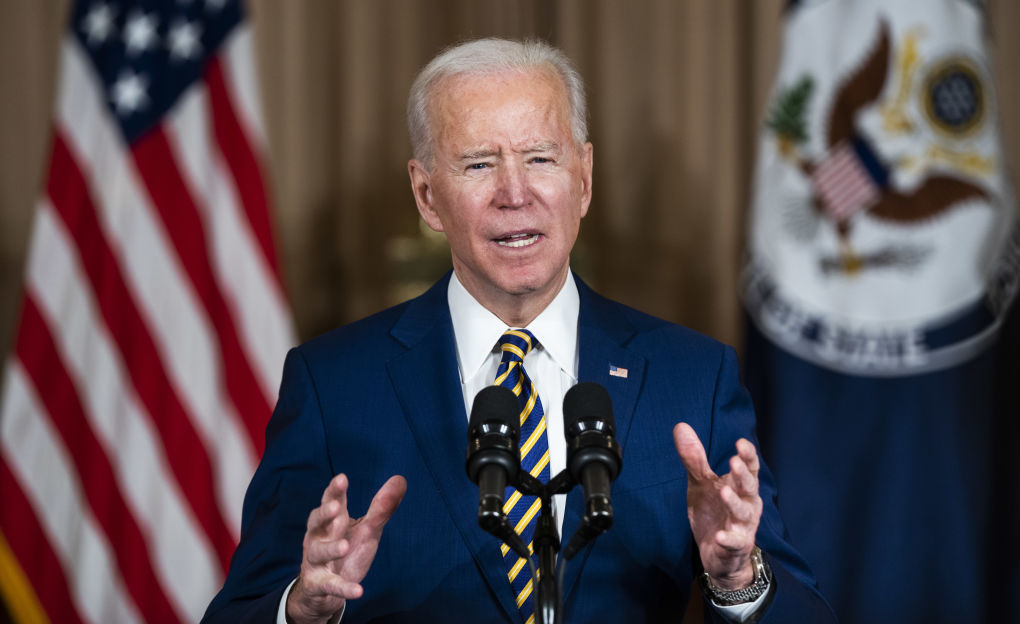
    In a new policy briefing book, entitled The Biden Administration and the Middle East: Policy Recommendations for a Sustainable Way Forward, MEI scholars tackle a large number of country-specific and region-wide issue areas, laying out both the abiding U.S. interests and specific recommendations for Biden administration policies that can further U.S. interests amid a region in turmoil.

    March 10, 2021

    The Biden administration and the Middle East: Four-year policy goals
  • التحليل
  • The Biden administration and the Middle East: Four-year policy goals

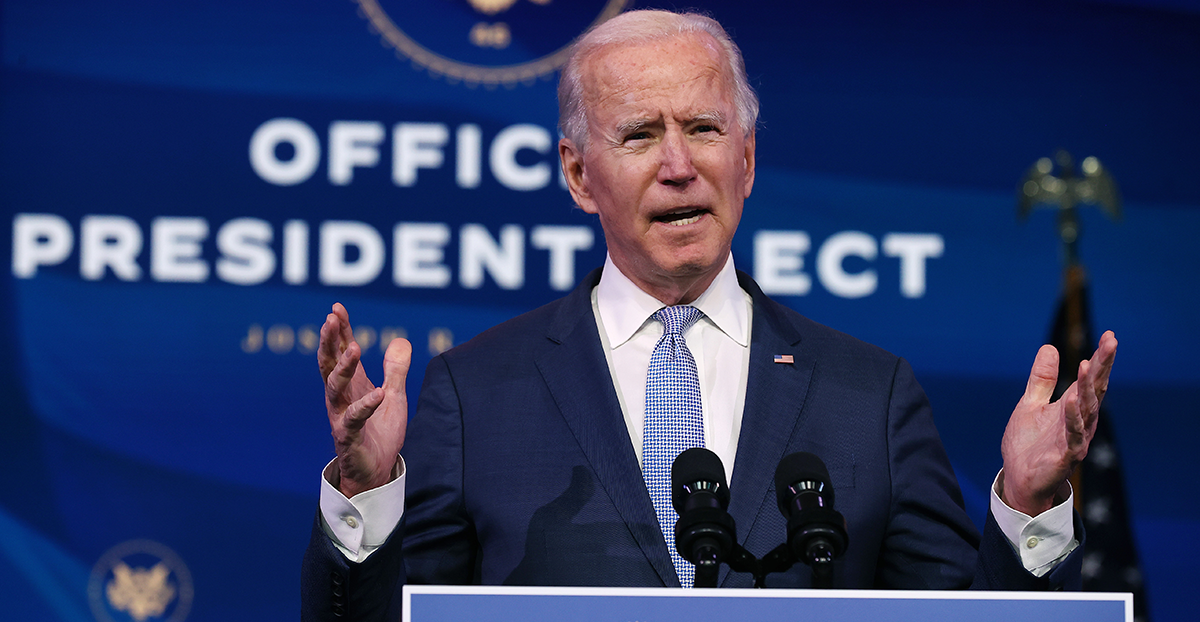
    The Biden administration will face a number of major challenges in the Middle East over the next four years, from great power competition and climate change to cybersecurity and refugees and migration. But what realistically can it achieve in that time on the policy front? To better understand what’s possible, we asked 10 experts from across MEI to weigh in with their thoughts.

    Year in review: The Middle East in 2020
    معهد الشرق الأوسط
  • Podcast
  • Year in review: The Middle East in 2020

    In our final episode of the year, host Alistair Taylor interviews several MEI scholars on the key events that transpired across the Middle East in 2020 including in Iraq, Iran, and Afghanistan, and they discuss US defense and diplomatic strategy in region as the as the transition to the Biden administration gets underway. Guests include Paul Salem, Bilal Saab, Randa Slim, and Marvin Weinbaum.

    December 16, 2020

    Iraq’s domestic challenges and US relations
    معهد الشرق الأوسط
  • Podcast
  • Iraq’s domestic challenges and US relations

    Robert Ford, Hafsa Halawa, and Randa Slim join host Alistair Taylor to discuss the political and economic challenges facing Iraq, the state of US-Iraqi relations, and the potential impact of upcoming U.S. elections in November.

    October 15, 2020

    Election 2020: Challenges and Opportunities for US Policy in the Middle East
  • التحليل
  • Election 2020: Challenges and Opportunities for US Policy in the Middle East

    In a new briefing book released ahead of the U.S. elections in November, entitled Election 2020: Challenges and Opportunities for US Policy in the Middle East, MEI scholars lay out key issues across the region, highlight the U.S. interests at stake, and provide policy insights and recommendations for the path forward. 

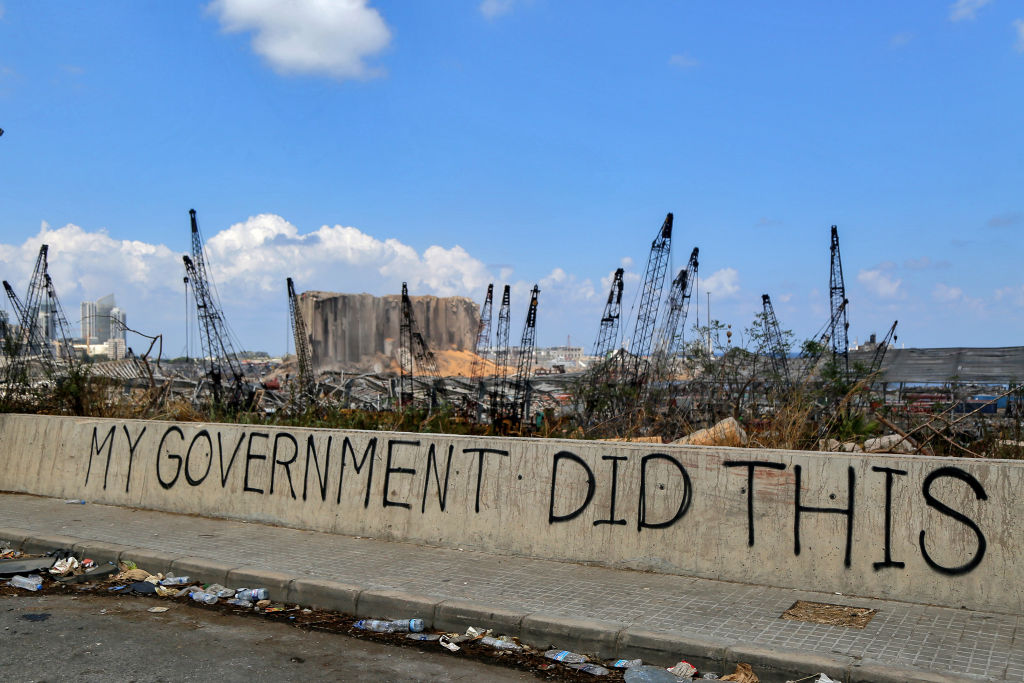
    Help Lebanon help itself
  • تعليق
  • Help Lebanon help itself

    Rebuild Beirut, But Hold the Government to Account

    September 1, 2020

    Shocks and Rivalries in the Middle East and North Africa
    معهد الشرق الأوسط
  • Podcast
  • Shocks and Rivalries in the Middle East and North Africa

    MEI Non-Resident Scholar Imad Mansour and William Thompson, Professor of Political Science Emeritus at Indiana University, join host Alistair Taylor to talk about their new book, “Shocks and Rivalries in the Middle East and North Africa” (Georgetown University Press), and discuss the network of rivalries, conflict dynamics, and conflict de-escalation in the MENA region.

    June 18, 2020